
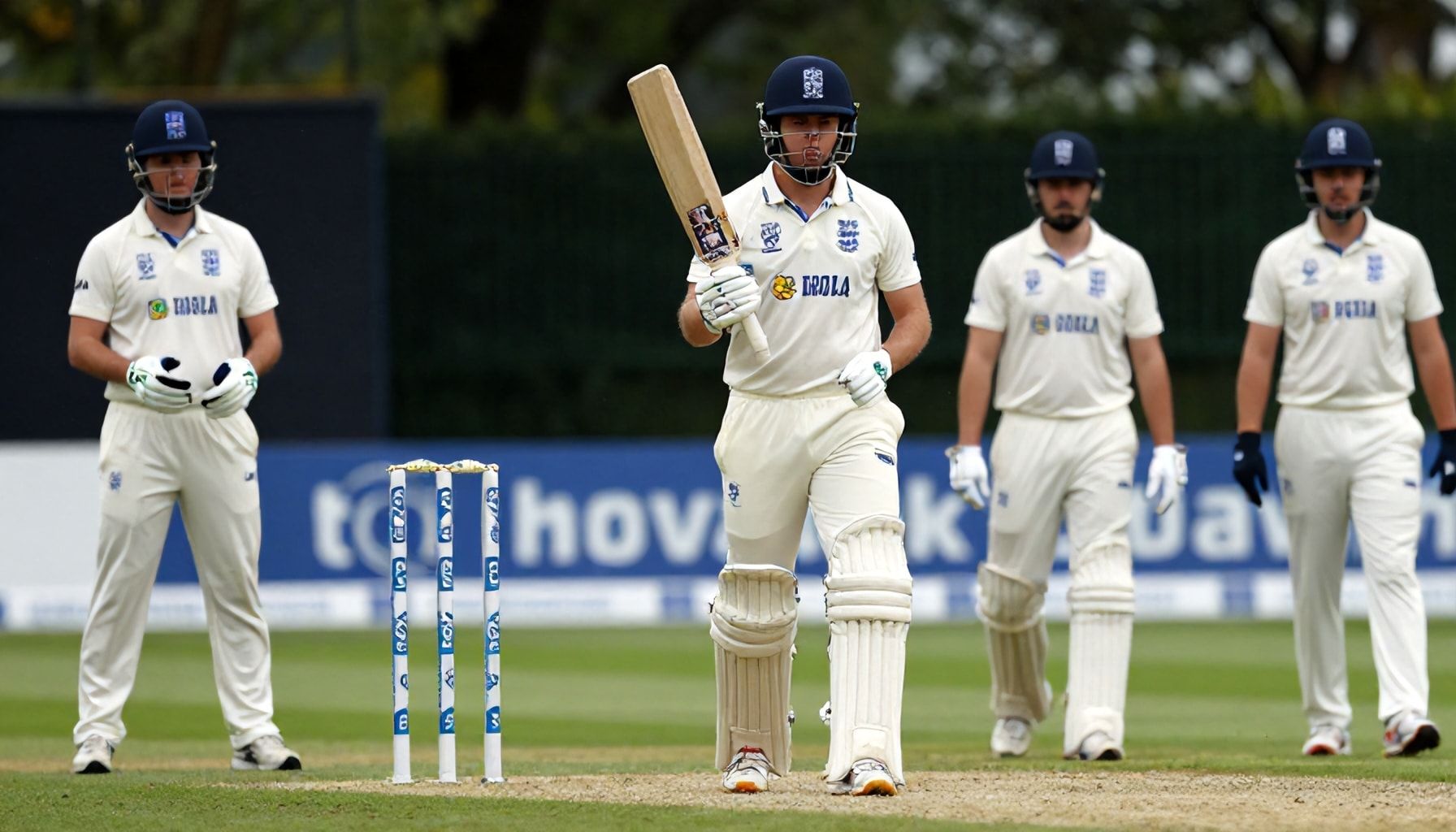
England Cricket has unveiled a restructured youth pathway system, set to launch in 2024, designed to nurture young talent from grassroots to professional levels. The new framework, announced by the England and Wales Cricket Board (ECB), will introduce regional talent programmes for 10 to 14-year-olds, replacing the previous county-based academies. These programmes will operate across eight regional hubs, each with dedicated coaching staff and facilities, aiming to identify and develop the country’s most promising young cricketers. The overhaul comes in response to a comprehensive review of the existing system, which sought to create a more consistent and inclusive pathway for aspiring players. The ECB hopes the changes will produce a new generation of world-class cricketers, with a particular focus on improving the performance of England’s men’s and women’s teams on the international stage.
England's Youth Cricket Pathways: Key Changes from 2024
England’s youth cricket pathways are undergoing significant changes from 2024, designed to streamline player development and increase opportunities for young cricketers. The England and Wales Cricket Board (ECB) has announced a restructured system aimed at identifying and nurturing talent more effectively.
At the heart of the new pathway is the introduction of regional hubs, replacing the previous county-based structure. These hubs will serve as centres of excellence, providing specialised coaching and facilities for young players. The ECB has committed £10 million annually to support these hubs, ensuring high-quality resources are available.
The number of regional hubs has been reduced from 41 to 12, allowing for greater focus and investment in each location. This consolidation is expected to create a more competitive environment, pushing players to perform at higher levels. The hubs will be located in areas with strong cricketing traditions, such as Leeds, Manchester, and London.
A key change is the introduction of a new talent identification process, which will begin at the under-10 level. This earlier start aims to catch promising players sooner and provide them with long-term development plans. The ECB hopes this will lead to a more sustainable talent pipeline for the national team.
The new pathway also includes a revised competition structure, with clear progression routes for players. Regional leagues will feed into national competitions, giving players a clear path to showcase their skills. This structure is designed to mirror the professional game, preparing young players for the demands of elite cricket.
The ECB has emphasised the importance of holistic development, incorporating education and welfare support alongside cricket training. Each hub will have dedicated staff to oversee players’ well-being, ensuring they receive comprehensive support. This approach aims to produce well-rounded individuals, not just cricketers.
The changes have been welcomed by many in the cricket community, although some have expressed concerns about the impact on smaller counties. The ECB has assured that all counties will still have a role in the new system, with opportunities for players to progress through various levels.
The Evolution of Youth Cricket Development in England
England’s youth cricket development system has undergone significant transformation since 2024, with a greater emphasis on grassroots engagement and structured progression. The England and Wales Cricket Board (ECB) has implemented a tiered pathway, beginning with local clubs and schools, where young players aged 8-11 receive foundational coaching. This early-stage development focuses on fundamental skills and enjoyment of the game.
The ECB’s regional performance centres have become pivotal in nurturing talent. These centres, located across the country, identify and develop players aged 12-14 through specialised coaching and competitive fixtures. According to ECB Director of Participation and Growth, Sanjay Patel, “The regional centres act as a bridge between grassroots cricket and elite pathways, ensuring a smooth transition for young players.”
At the next level, the ECB’s 14 regional hubs provide advanced training and competition for players aged 15-18. These hubs, established in partnership with first-class counties, offer a more intensive programme, including strength and conditioning, tactical development, and high-performance coaching. The hubs have produced notable successes, with several players progressing to represent England at various age-group levels.
The final stage of the pathway involves the ECB’s national age-group squads, which select the top young talent from the regional hubs. These squads compete internationally and serve as a feeder system for the senior England team. The ECB’s Head of Talent Pathway, Mo Bobat, highlighted the importance of this structured approach: “Our goal is to create a sustainable pipeline of talent that can consistently compete at the highest level.”
The ECB’s revised pathway has also placed a strong emphasis on welfare and education. Each stage of the system includes support for players’ mental health, education, and personal development, ensuring a holistic approach to youth cricket development. This comprehensive strategy aims to produce not only skilled cricketers but also well-rounded individuals.
How Young Cricketers Progress Through England's Pathways
England’s youth cricket pathways provide a structured route for young players to develop their skills and progress through the ranks. The system begins at the grassroots level, with clubs and schools offering opportunities for children as young as six or seven to participate in age-group cricket.
The England and Wales Cricket Board (ECB) oversees the talent identification and development process. County age-group cricket serves as the initial competitive platform. Players aged 11 to 17 compete in county championships, with the best performers earning selection for regional and national squads.
The ECB’s Regional Performance Centres (RPCs) play a crucial role in nurturing talent. These centres, located across the country, provide advanced coaching, training facilities, and competitive fixtures for promising young players. The ECB’s Head of Talent Pathway, Chris Silverwood, emphasised the importance of these centres in identifying and developing future stars.
The next step in the pathway is the ECB’s National Academy, based at Loughborough University. This elite training facility brings together the best young players from across the country. They receive top-level coaching, sports science support, and regular competitive fixtures against international opposition.
Selection for the England age-group teams marks the pinnacle of youth cricket achievement. Players who excel at this level often progress to represent England at senior level. The ECB’s pathway system aims to produce world-class cricketers capable of competing at the highest level.
England's Youth Cricket: A Look at the 2024 Pathway Structure
England Cricket has unveiled a restructured pathway for youth players, effective from 2024. The new system aims to streamline talent development and provide clearer routes to professional cricket. The pathway now includes four key stages: County Age Group, Regional Talent Clubs, Emerging Counties, and the England Age Group programme.
At the foundation level, County Age Group squads will serve as the primary talent identification hubs. Each of the 18 first-class counties will select squads for boys and girls aged 11 to 17. These squads will compete in regional competitions, providing a platform for players to showcase their skills.
The Regional Talent Clubs form the next tier, with eight clubs established across the country. These clubs will offer advanced training and competition opportunities for players identified as having exceptional potential. Each club will be affiliated with two or three counties, fostering regional collaboration.
Emerging Counties represent the third stage, bridging the gap between youth and professional cricket. These teams will compete in a dedicated league, offering players experience against higher-level opposition. The league will run alongside the professional County Championship, providing a clear progression route.
The England Age Group programme remains the pinnacle of youth cricket, with squads selected for boys and girls aged 15 to 19. These squads will compete in international tournaments, including the ICC Under-19 Cricket World Cup. The England and Wales Cricket Board (ECB) has stated that the new structure will provide a more coherent and challenging pathway for young cricketers.
Transformations in England's Youth Cricket Development System
England’s youth cricket development system has undergone significant transformations since 2024, aiming to create a more inclusive and effective pathway for young players. The England and Wales Cricket Board (ECB) has restructured the talent identification and development process, focusing on regional hubs and local clubs.
The ECB has established 41 regional hubs across England, each serving as a focal point for talent identification and development. These hubs work closely with local clubs and schools to nurture young talent from an early age. The new system aims to provide a more holistic approach to player development, emphasising skill acquisition, physical literacy, and personal development.
A key change in the system is the introduction of a new talent pathway, which replaces the previous tiered structure. The new pathway consists of three stages: local, regional, and national. Players progress through these stages based on their skills, potential, and commitment to the game. The ECB hopes this new structure will provide a clearer route for young players to reach the highest levels of the game.
The ECB has also placed a greater emphasis on the role of local clubs in player development. Clubs now receive more support and resources to help them create a positive and inclusive environment for young players. This includes access to coaching resources, funding, and expert advice. The ECB believes this will help to create a stronger cricket community and a larger talent pool.
The new system has been welcomed by many in the cricket community. Former England captain, Nasser Hussain, has praised the changes, stating that they will help to create a more sustainable and effective talent pipeline. “The new system is a step in the right direction,” Hussain said in an interview with Sky Sports. “It focuses on the needs of the players and provides a clearer pathway to the top.”
However, some have expressed concerns about the potential impact of the changes on smaller clubs. The ECB has acknowledged these concerns and is working to ensure that all clubs, regardless of size or location, have access to the support they need. The ECB’s Head of Talent Pathway, Mark Lane, has stated that the board is committed to creating a system that benefits all players and clubs. “We want to create a system that is fair, inclusive, and effective,” Lane said in a press release. “We are working closely with clubs and schools to ensure that this happens.”
As England’s youth cricket pathways evolve from 2024, the focus on talent identification, specialised coaching, and competitive opportunities will shape the future of the sport. With regional academies playing a pivotal role, young players will benefit from structured development programmes tailored to their needs. The integration of technology and data analytics will further enhance player progress, ensuring that England continues to produce world-class cricketers. These changes aim to create a sustainable pipeline of talent, fostering both individual and team success on the international stage.






