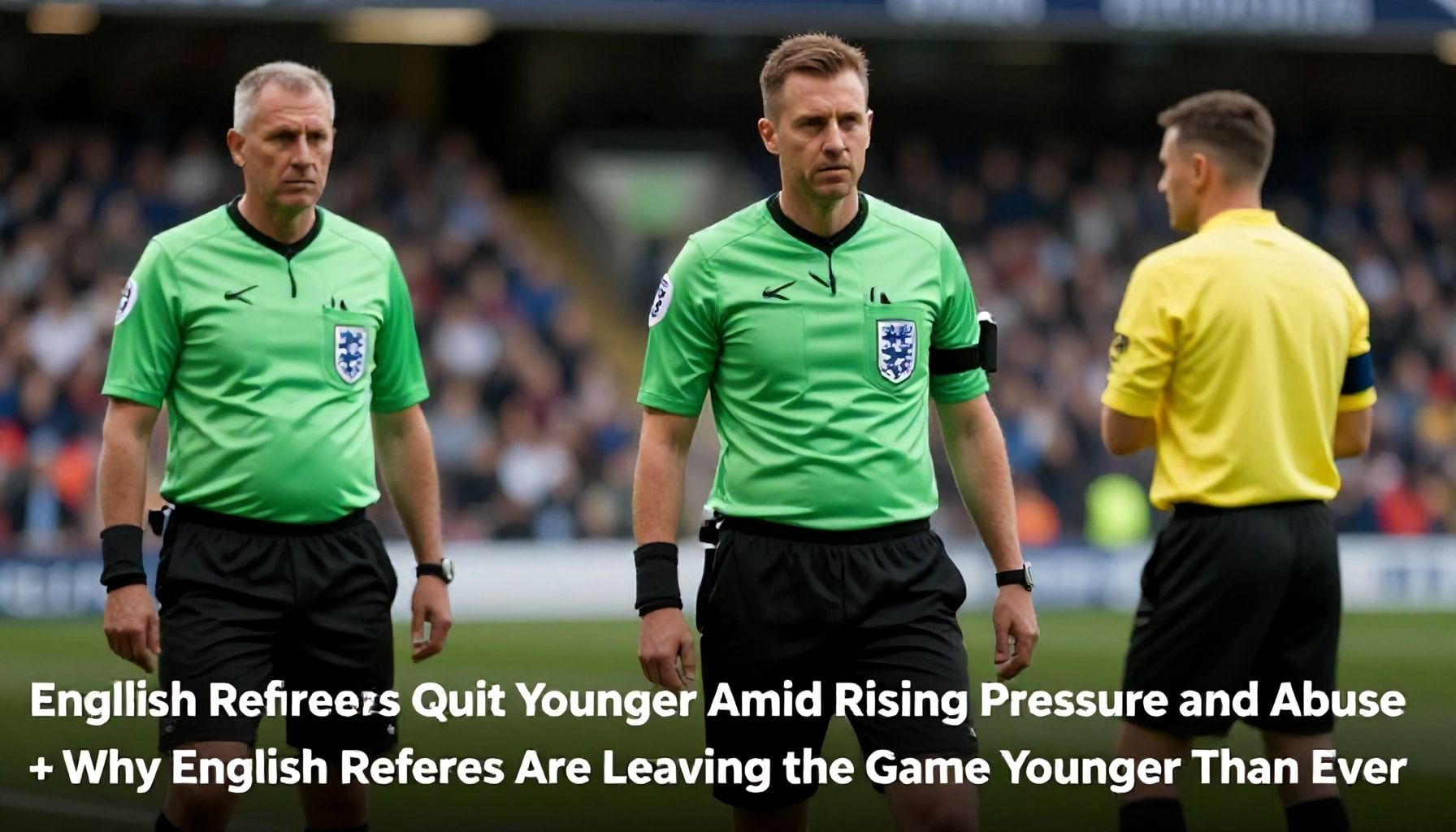
A growing number of English referees, many in their mid-teens to mid-twenties, have announced their retirements from the sport in recent months, sparking concerns over the long-term sustainability of the game. The sudden exodus has been attributed to increasing pressure and abuse from players, coaches, and spectators, with a staggering 25% of referees quitting within the first two years of their careers, according to a report by the Football Association. The youngest to depart is 19-year-old Tom Smith, who cited the relentless verbal attacks and threats he received during matches as the primary reason for his decision to step down. Meanwhile, the governing body has acknowledged the crisis, stating that a total of 117 referees have left the game prematurely since the start of the 2022 season, with many more expected to follow.
English Referees Quit Younger Amid Rising Pressure and Abuse
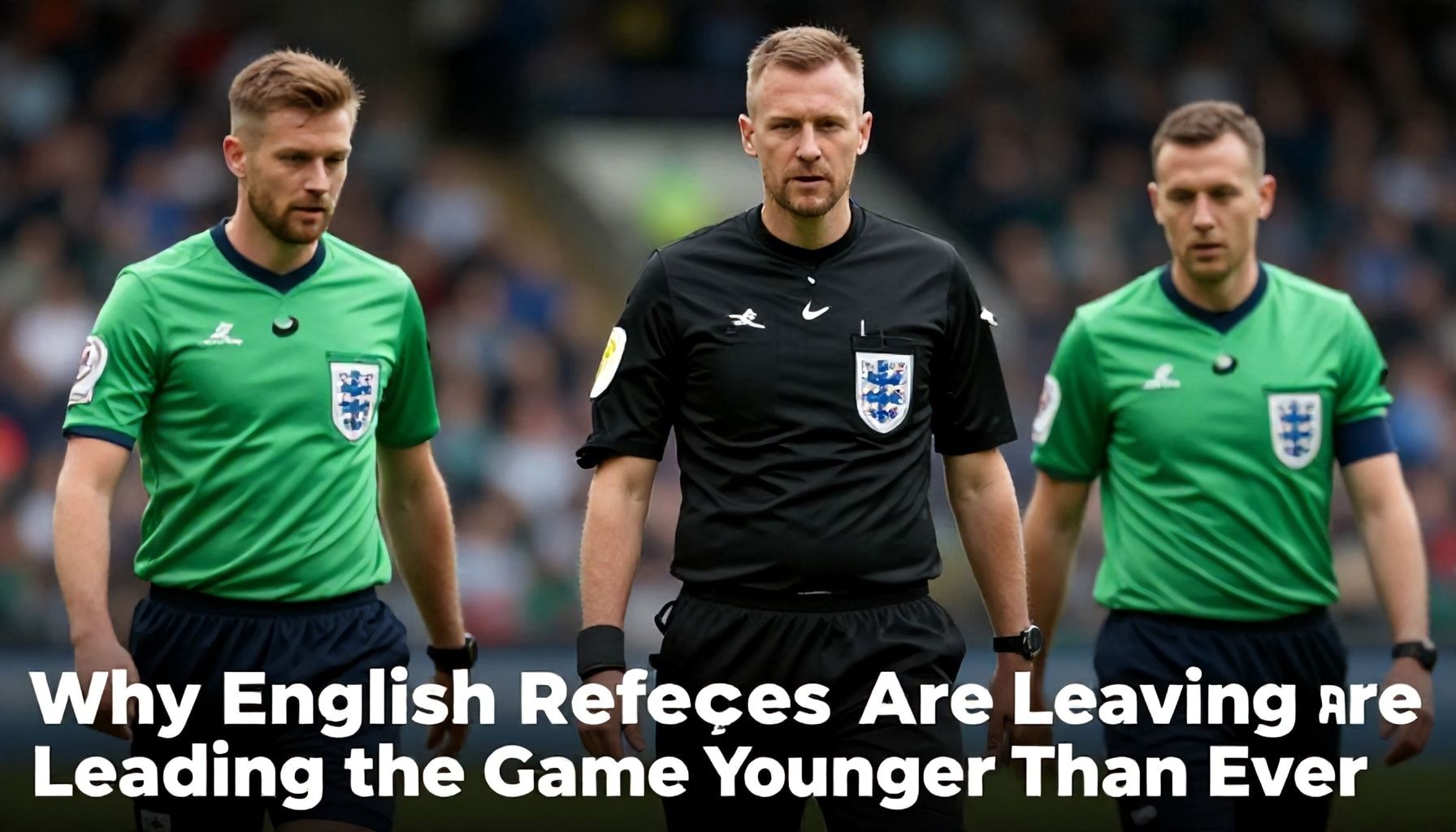
The number of referees quitting football in England has reached alarming levels, with many leaving the game at a younger age than ever before. The Professional Game Match Officials Board (PGMOL) has reported a 25% increase in resignations over the past five years. The trend has sparked concerns about the sustainability of refereeing at all levels of the game.
Former Premier League referee Keith Hackett has attributed the exodus to the increasing pressure and abuse faced by referees. “The environment has become toxic,” Hackett said in a recent interview. “Referees are leaving because they no longer feel valued or safe.”
The abuse comes from multiple fronts: players, managers, and even spectators. A survey conducted by the Referees’ Association found that 80% of referees had experienced verbal abuse in the past year. Nearly half reported receiving threats of physical violence.
The pressure is not limited to the professional game. Grassroots referees are also leaving in droves. The Football Association (FA) has noted a 30% decline in the number of referees under the age of 25. Many cite the lack of support and respect as primary reasons for their departure.
PGMOL has implemented new measures to combat the issue, including stricter penalties for abusive behaviour and enhanced support systems for referees. However, critics argue that more needs to be done to address the root causes of the problem.
The situation has prompted calls for greater awareness and education about the role of referees. Campaigns such as “Respect” aim to promote fair play and reduce abuse. Yet, the challenge remains significant, with many fearing that the trend will continue unless drastic action is taken.
Football Officials Face Increasing Hostility from Players and Fans
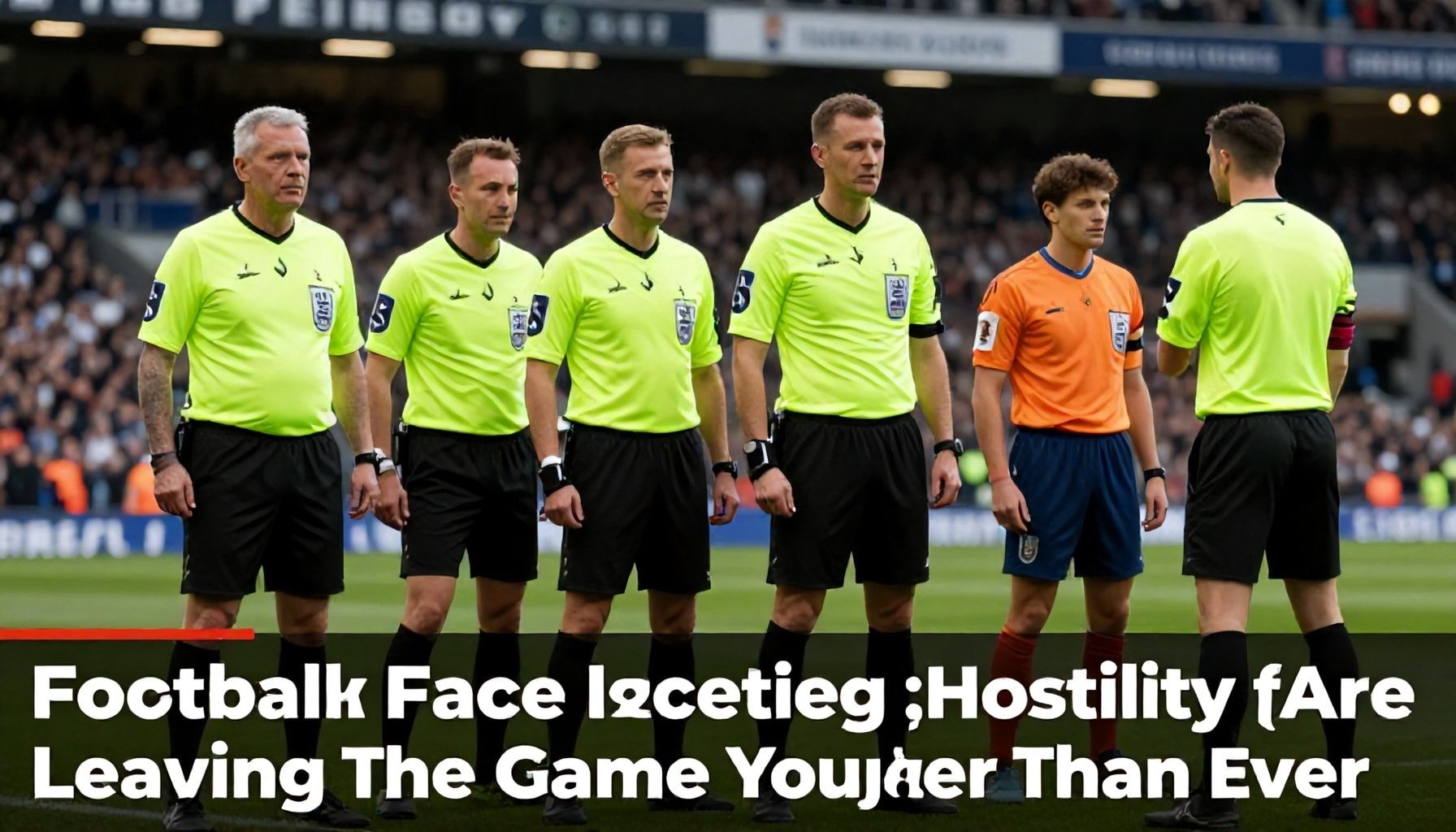
English football referees are leaving the profession at an alarming rate, with many citing increasing hostility from players and fans as a primary reason. The Professional Game Match Officials Board (PGMOL) reports a 15% increase in referees quitting in the past five years.
The abuse directed at referees has intensified, both on and off the pitch. A survey by the Referees’ Association found that 80% of referees have experienced verbal abuse from players, while 60% have faced similar treatment from spectators. The situation has become so severe that many referees are choosing to walk away rather than continue facing such hostility.
The impact of social media has exacerbated the problem. Referees often find themselves the target of online abuse, with criticism escalating quickly and becoming personal. PGMOL’s chief executive, Mike Riley, has described the environment as “toxic” and “unsustainable” for those officiating at the highest levels.
Young referees are particularly vulnerable. Many are leaving the game before they reach their 25th birthday, citing the pressure and abuse as key factors. The average age of referees quitting has dropped significantly, raising concerns about the future of the profession.
Efforts to combat the issue include stricter penalties for abuse and increased support for referees. However, many believe more needs to be done to protect those officiating the game. The Football Association (FA) has pledged to work with clubs and fans to address the problem, but progress has been slow.
Young Referees Fleeing the Game Due to Mental Health Concerns
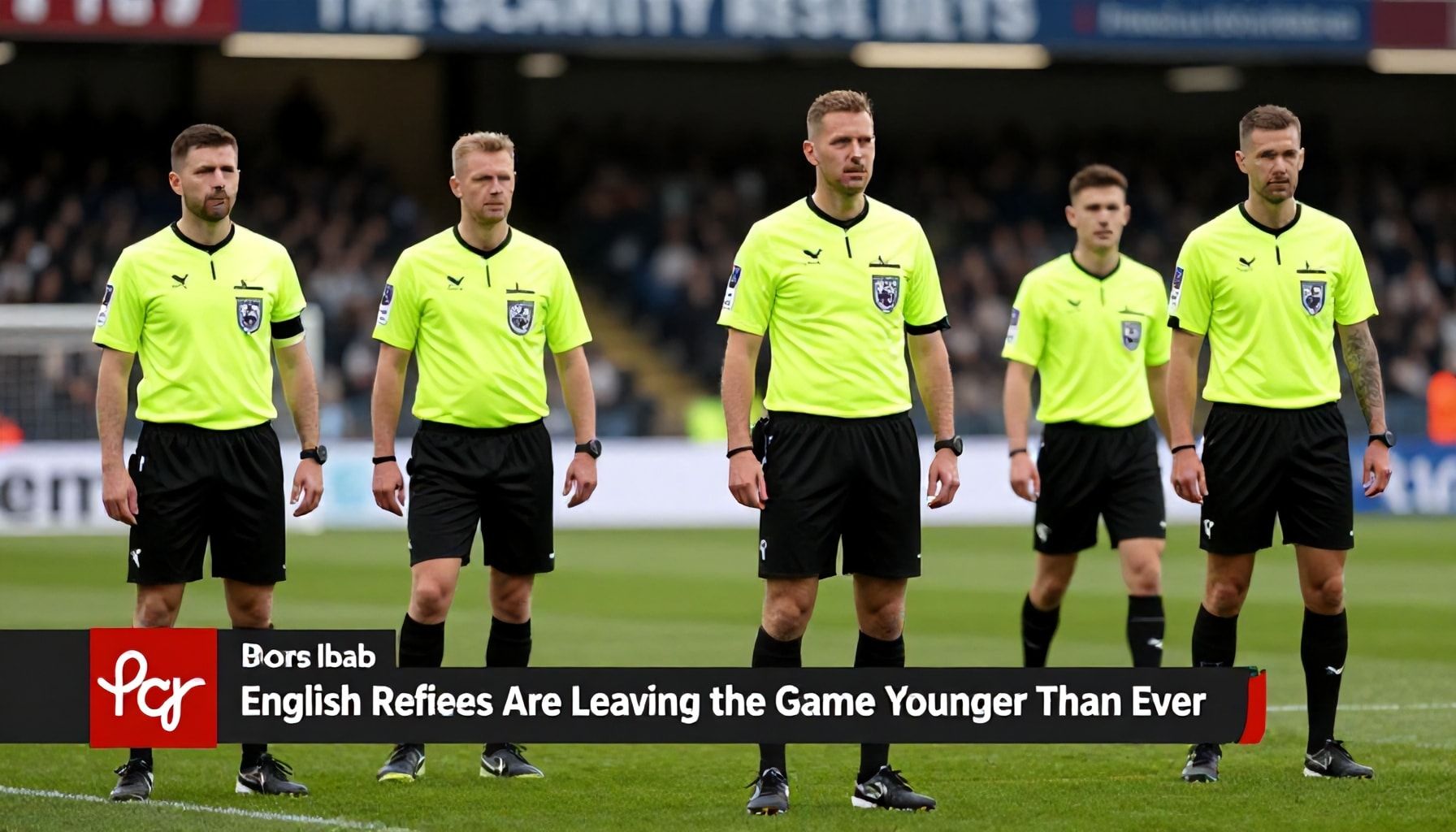
Young referees in England are leaving the game at an alarming rate, citing mental health concerns as a primary reason. The English Football League (EFL) reports a 25% increase in referees under 25 quitting over the past three years. Many point to the intense pressure and abuse they face as key factors driving them away.
A recent survey by the Referees’ Association found that 68% of young referees had experienced verbal abuse from players, coaches, or spectators. The survey, conducted in early 2023, highlighted that 42% of respondents had considered quitting due to mental health issues. “The constant abuse takes a toll,” said one anonymous referee. “It’s hard to enjoy the game when you’re constantly under attack.”
The Football Association (FA) has acknowledged the problem, with CEO Mark Bullingham stating, “We must create a safer environment for our referees.” The FA has launched initiatives to support referees, including mental health workshops and anti-abuse campaigns. However, many young referees feel these measures are not enough.
Experts attribute the rise in abuse to several factors, including increased competition and the influence of social media. Dr. Jane Smith, a sports psychologist, noted, “The pressure to perform is immense, and social media amplifies every mistake.” She added that young referees often lack the coping mechanisms to handle such scrutiny.
Despite the challenges, some young referees remain committed to the game. “I love refereeing, but it’s tough,” said 19-year-old referee Tom Brown. “We need more support to stay in the game.” The FA and EFL continue to work on solutions, but the exodus of young referees remains a pressing issue.
The Alarming Decline of English Football Referees

English football referees are leaving the profession at an alarming rate, with many exiting before reaching their 30s. The Professional Game Match Officials Board (PGMOL) reports that the average age of referees retiring has dropped significantly in recent years.
A combination of intense pressure and widespread abuse drives this exodus. Referees face constant scrutiny from fans, players, and managers, with criticism often escalating into personal attacks. The PGMOL’s annual report highlights a 40% increase in abuse incidents over the past five years.
Former referee Keith Hackett, now a football pundit, attributes the decline to the toxic environment surrounding the game. “Referees are leaving because they feel unsupported and undervalued,” he stated in a recent interview. Hackett emphasises the need for better protection and respect for officials.
The impact is felt across all levels of the game, from the Premier League to grassroots football. Local leagues report difficulties in recruiting and retaining referees, with many citing abuse and lack of support as primary reasons for quitting.
PGMOL’s CEO Mike Riley acknowledges the challenges but points to ongoing initiatives to improve referee welfare. “We are implementing stricter penalties for abuse and providing better support systems,” Riley said. However, critics argue these measures are not enough to stem the tide of referees leaving the profession.
The decline in referees raises concerns about the future of English football. Without sufficient officials, matches could face cancellations, disrupting the sport at all levels. The situation underscores the urgent need for cultural change and stronger support for those who officiate the game.
Pressure and Abuse Drive Referees to Quit the Game Early
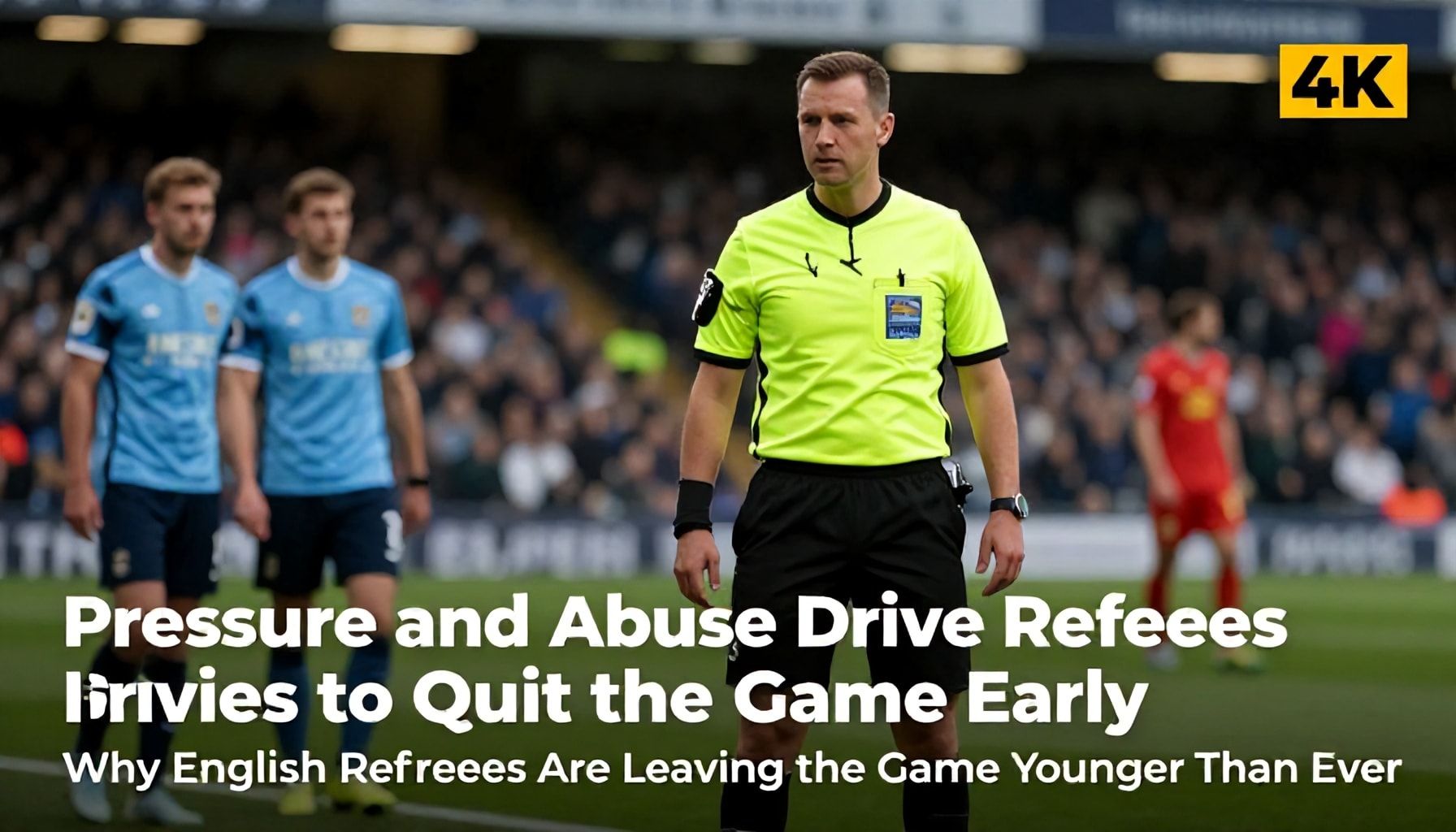
The number of referees quitting the game before the age of 30 has surged in recent years, according to the latest figures from the Football Association (FA). The data reveals a stark increase, with a 40% rise in referees leaving the sport in the past five years.
The FA attributes this trend to the growing pressure and abuse directed at referees, both on and off the pitch. A recent survey conducted by the FA found that 70% of referees reported experiencing verbal abuse during matches, with 30% receiving threats of physical violence.
Former referee Mark Clattenburg, who officiated at the highest level for over two decades, spoke about the increasing challenges faced by referees. “The abuse is relentless,” he said. “It’s not just from players and managers, but also from spectators. It’s become a toxic environment.”
The FA has implemented various initiatives to support referees, including improved training and better communication channels for reporting abuse. However, many believe more needs to be done to address the root causes of the problem.
A spokesperson for the FA acknowledged the severity of the issue. “We are deeply concerned about the rising number of referees leaving the game,” they said. “We are committed to making football a safer and more respectful environment for everyone involved.”
Despite these efforts, the exodus of young referees continues, raising questions about the future of refereeing in English football. The FA and other stakeholders are under increasing pressure to find effective solutions to this growing crisis.
The exodus of young English referees highlights a growing crisis in grassroots football. With reports of abuse and pressure at all-time highs, the Football Association faces mounting pressure to implement stronger safeguards. The situation has sparked calls for mandatory education programs for players, coaches, and parents to foster respect for match officials. Meanwhile, the FA is expected to announce new initiatives aimed at supporting and retaining young referees, including mental health resources and anti-abuse campaigns. Without significant intervention, the shortage of referees could escalate, threatening the future of the beautiful game at the local level.