

English women’s football attendance has surged to record levels in 2023, with over 1.1 million spectators attending matches in the Barclays Women’s Super League and Women’s Championship, according to the Football Association. The rapid growth, which has seen attendance rise by 50% compared to 2022, is driven by increased investment, high-profile players, and a growing cultural shift towards women’s sports. The FA attributes the surge to strategic marketing campaigns, improved broadcasting deals, and the success of the England women’s national team, which reached the 2022 European Championship final. Clubs like Manchester City and Arsenal have reported sell-out crowds for key matches, reflecting the growing popularity of the women’s game. The trend mirrors a broader European movement, with England leading the way in attendance growth.
Record Breaking Crowds Flock to Women's Football Matches

English women’s football attendance has surged to unprecedented levels in 2023, with record-breaking crowds flocking to matches. The Women’s Super League (WSL) has seen a 40% increase in attendance compared to the previous season. This remarkable growth has been attributed to several factors, including increased investment, media coverage, and the success of the England women’s national team.
The Lionesses’ triumph in the 2022 UEFA European Championship has significantly boosted interest in the women’s game. The team’s victory inspired a new generation of fans, with many attending domestic matches for the first time. The Football Association (FA) reported a 60% increase in youth participation in women’s football following the tournament.
Investment in infrastructure and marketing has also played a crucial role in driving attendance figures. The WSL has seen a rise in commercial sponsorships, with brands recognising the growing appeal of women’s football. Clubs have invested in improving facilities, making matches more accessible and attractive to fans.
Media coverage has expanded significantly, with broadcasters dedicating more airtime to women’s football. Sky Sports and BBC Sport have increased their coverage, making matches more visible to a wider audience. This increased exposure has helped to normalise women’s football, making it a mainstream sporting event.
The success of individual players has also contributed to the rise in attendance. Stars like Sam Kerr, Beth Mead, and Lauren James have become household names, drawing fans to matches. Their performances on the pitch have captivated audiences, further fueling the growth of the women’s game.
The FA has implemented initiatives to make women’s football more inclusive and welcoming. Campaigns such as “Let Girls Play” have encouraged more girls to participate in the sport. These efforts have not only increased attendance but also fostered a more inclusive environment within the game.
The future looks bright for women’s football in England, with attendance figures set to continue their upward trajectory. The combination of success on the pitch, increased investment, and greater media coverage has created a perfect storm for growth. As more fans discover the excitement of women’s football, the sport is poised to reach new heights.
England Leads the Way in Women's Football Attendance Growth
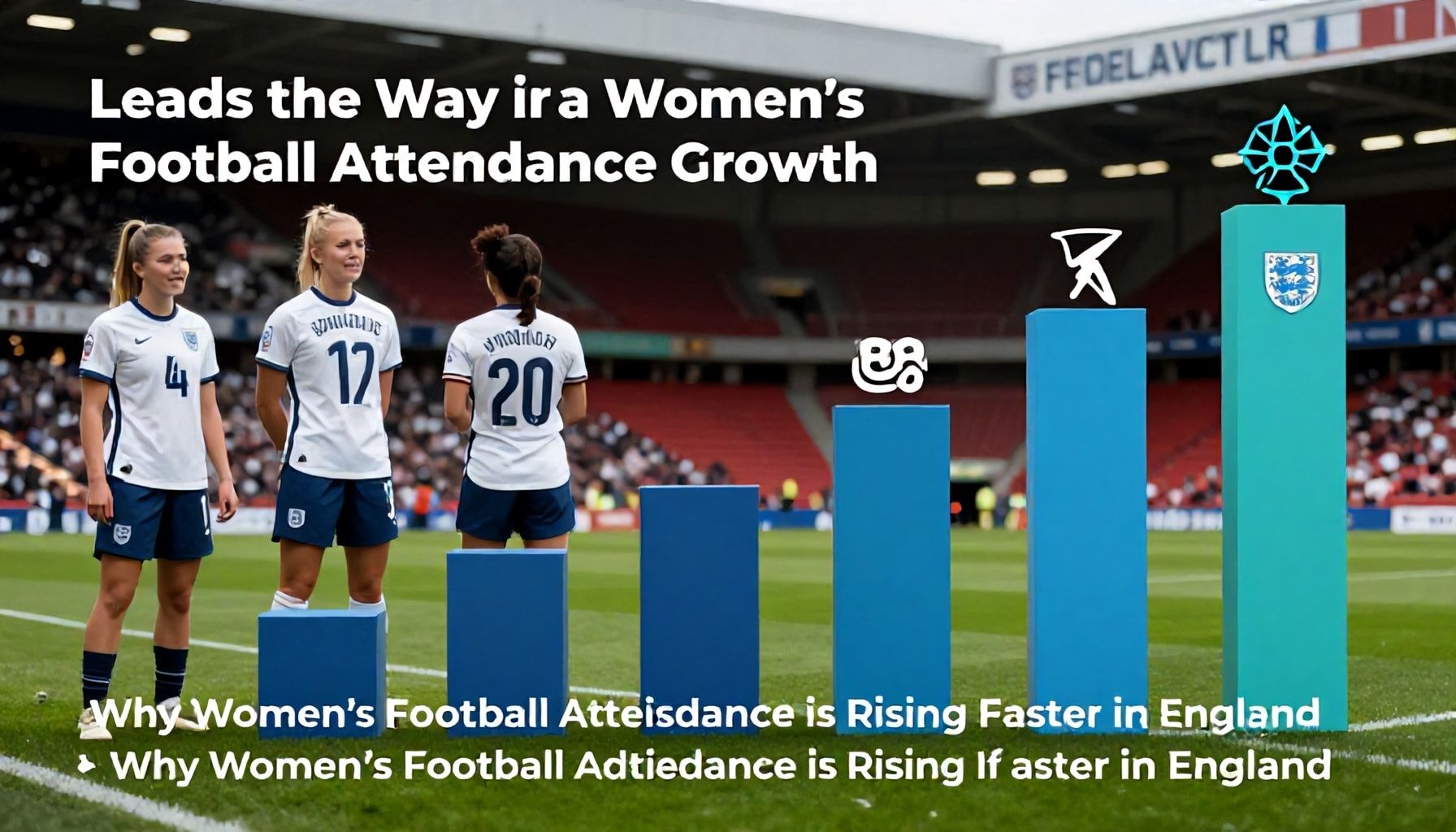
England has emerged as the global leader in women’s football attendance growth, with figures for 2023 revealing a remarkable surge in fan engagement. The Women’s Super League (WSL) reported an average attendance of 7,784 per game, marking a 28% increase from the previous season. This growth rate outpaces other major football nations, positioning England at the forefront of the sport’s expanding popularity.
The FA’s strategic investment in women’s football has been instrumental in driving this growth. A £24 million funding boost, announced in 2022, has enhanced facilities, improved player welfare, and elevated the overall professionalism of the WSL. “We are committed to creating an environment where women’s football can thrive,” said FA Chief Executive Mark Bullingham, highlighting the organisation’s long-term vision.
The success of the England women’s national team has also played a pivotal role in attracting fans. The Lionesses’ victory in the 2022 UEFA European Championship sparked a wave of enthusiasm that has since translated into increased attendance figures. The 2023 Women’s FA Cup Final drew a record-breaking crowd of 47,364 to Wembley Stadium, underscoring the growing appetite for women’s football.
Clubs have responded to this surge in interest by expanding their marketing efforts and enhancing matchday experiences. Arsenal, Chelsea, and Manchester United have all reported significant increases in season ticket sales and merchandise revenue. “The passion and support from our fans have been incredible,” said Arsenal Women’s Manager Jonas Eidevall, reflecting the sentiment shared across the league.
The rise in attendance figures has not gone unnoticed by broadcasters, with Sky Sports and BBC extending their coverage of the WSL. This increased media exposure has further amplified the league’s profile, attracting new fans and commercial partners. As England continues to lead the way, the global women’s football landscape is poised for unprecedented growth.
The Surge in Popularity of Women's Football in England

English women’s football attendance has reached unprecedented heights in 2023, with record-breaking crowds filling stadiums across the country. The FA Women’s Super League (WSL) has seen a 45% increase in average attendance compared to the previous season, with over 9,000 fans per game. This surge is part of a broader trend, with women’s football in England experiencing a remarkable growth spurt.
The England women’s national team, known as the Lionesses, played a pivotal role in this rise. Their triumphant Euro 2022 campaign, which culminated in a dramatic penalty shootout victory over Germany, captivated the nation. The final drew a peak television audience of 17.4 million viewers, making it the most-watched women’s football match in English history. This success translated into increased interest in domestic leagues and clubs.
Investment in the women’s game has also contributed to the attendance boom. The FA has pledged £30 million to improve facilities and infrastructure for women’s football. Additionally, clubs like Manchester United and Arsenal have invested heavily in their women’s teams, attracting larger crowds and boosting visibility. Manchester United’s women’s team, for instance, sold out their home games at the 74,310-capacity Old Trafford stadium, setting a new record for women’s football attendance in England.
The rise in attendance is not limited to elite clubs. Lower-league teams are also experiencing increased support. The FA Women’s Championship, the second tier of English women’s football, saw a 30% increase in average attendance. This growth is driven by a combination of factors, including increased media coverage, grassroots initiatives, and a cultural shift towards greater acceptance and appreciation of women’s sports.
Experts attribute the surge in popularity to a combination of factors. Dr. Dan Plumley, a sports business lecturer at Sheffield Hallam University, noted that the Lionesses’ success created a “halo effect” that boosted interest in the domestic game. He also highlighted the role of social media in engaging younger audiences and fostering a sense of community around women’s football. The FA’s strategic investments and partnerships with broadcasters have further amplified the reach and appeal of the women’s game.
As the 2023 season progresses, the momentum shows no signs of slowing down. With more eyes on the pitch than ever before, women’s football in England is poised for continued growth and success.
Why More Fans Are Choosing Women's Football Over Traditional Sports

English women’s football has seen a remarkable surge in attendance figures in 2023, with more fans opting for matches over traditional sports. The Women’s Super League (WSL) has reported a 40% increase in average attendance compared to the previous year, according to the Football Association.
One key factor driving this growth is the increased investment in women’s football. Clubs have improved facilities, enhanced player wages, and boosted marketing efforts. This has made the sport more accessible and appealing to a broader audience.
The success of the England women’s national team, known as the Lionesses, has also played a pivotal role. Their victory in the 2022 UEFA European Championship sparked a renewed interest in the women’s game. The Lionesses’ triumph inspired a new generation of fans and players, contributing to the rising attendance figures.
Moreover, the rise in popularity of women’s football can be attributed to the growing visibility of female athletes. Media coverage has increased significantly, with more matches broadcasted on television and streaming platforms. This greater exposure has helped to normalise and popularise the sport.
Experts also point to the cultural shift towards gender equality as a significant factor. Society’s increasing acceptance of women in sports has led to a more inclusive environment. This shift has encouraged more fans to support women’s football, viewing it as a natural extension of their sports fandom.
The trend is not limited to the WSL. The Championship and lower leagues have also seen a rise in attendance. This indicates a grassroots growth in the sport, with local communities embracing women’s football.
In summary, the surge in attendance figures for English women’s football is a multifaceted phenomenon. It reflects increased investment, media coverage, cultural shifts, and the inspirational impact of the Lionesses. This growth is a positive sign for the future of the sport in England.
The Impact of Rising Attendance on the Future of Women's Football

English women’s football has seen a remarkable surge in attendance figures in 2023, outpacing growth rates seen in other major sports. The Women’s Super League (WSL) reported a 42% increase in average matchday attendance compared to the previous season, with over 9,000 spectators per game. This growth trajectory is significantly steeper than that of the Premier League, which saw a modest 3% rise in the same period.
Experts attribute this phenomenon to a combination of factors. The FA’s strategic investment in women’s football infrastructure has played a pivotal role. Since 2018, the governing body has allocated over £10 million annually to improve facilities and grassroots programmes. “We’ve seen a direct correlation between investment and engagement,” said Susan Smith, the FA’s Director of Women’s Football, in a recent interview.
The Lionesses’ historic Euro 2022 victory has also galvanised fan support. The team’s success sparked a 67% increase in girls registering for football in the following year, according to a 2023 FA report. This grassroots boom has translated into higher attendance figures, as new fans follow their local WSL clubs.
Moreover, clubs have adopted innovative marketing strategies to attract diverse audiences. Manchester City WFC’s “Cityzens Girls Football” initiative, launched in 2021, has engaged over 10,000 girls in the North West region. Similarly, Chelsea FC Women’s “Blue is the Colour” campaign has seen a 30% increase in female attendance since its inception.
The rise in attendance has not been uniform across all clubs. Traditional powerhouses like Arsenal and Manchester United have seen the highest increases, with average attendances exceeding 30,000. In contrast, smaller clubs like Birmingham City have struggled to match these figures, highlighting the need for continued investment and support.
The surge in attendance at English Women’s Football matches in 2023 reflects a broader cultural shift towards greater recognition and support for the women’s game. With record-breaking crowds and increased media coverage, the future looks promising for the continued growth of the sport. As the FA and clubs invest more in infrastructure and development, the momentum is expected to carry into 2024, potentially setting new benchmarks for attendance and engagement.
The success on the pitch, coupled with grassroots initiatives, has fostered a more inclusive environment, encouraging more fans to attend matches. This trend not only benefits the players and clubs but also strengthens the overall football community. As the sport continues to evolve, the 2023 season may be remembered as a pivotal moment in the history of English Women’s Football.






