

New research from the University of Birmingham reveals that established touch rugby groups in the UK are unintentionally deterring beginners, with 68% of newcomers feeling intimidated by the culture of existing clubs. The study, published this week in the Journal of Sports Sciences, analysed responses from 500 beginners across 50 clubs nationwide, finding that long-standing members often use insider language and complex strategies that alienate novices. The findings highlight a growing barrier to participation in the sport, which has seen a 15% increase in interest from new players over the past year. Experts suggest that clubs could improve accessibility by implementing structured beginner sessions and encouraging more inclusive communication.
Established Touch Rugby Groups Discourage New Players

Established touch rugby groups may be inadvertently deterring new players, according to a recent study. The research, conducted by the University of Birmingham, found that 68% of beginners felt intimidated by the culture within established clubs.
The study surveyed 500 touch rugby players across the UK, with 42% identifying as beginners. Many reported feeling unwelcome due to the competitive nature of established groups. “The language used, the speed of play, and the lack of explanation for rules all contributed to a sense of exclusion,” said Dr. Emily Hart, the lead researcher.
Beginners often struggle to integrate into established groups, the study found. 73% of new players reported feeling overlooked during social events. “There’s a clear divide between the regulars and the newcomers,” said one participant, who wished to remain anonymous.
The research highlights a need for established groups to become more inclusive. Dr. Hart suggests implementing beginner-friendly sessions and mentorship programmes. “Small changes can make a big difference in retaining new players,” she said.
Some established clubs have already begun to address the issue. The London Touch Rugby Club, for instance, has introduced dedicated beginner sessions. “We’ve seen a significant increase in retention rates since we started these sessions,” said club secretary, James Wilson.
The study calls on all established touch rugby groups to review their practices. “Touch rugby should be accessible to everyone, regardless of their experience level,” Dr. Hart concluded.
Study Reveals Intimidation Factors in Touch Rugby
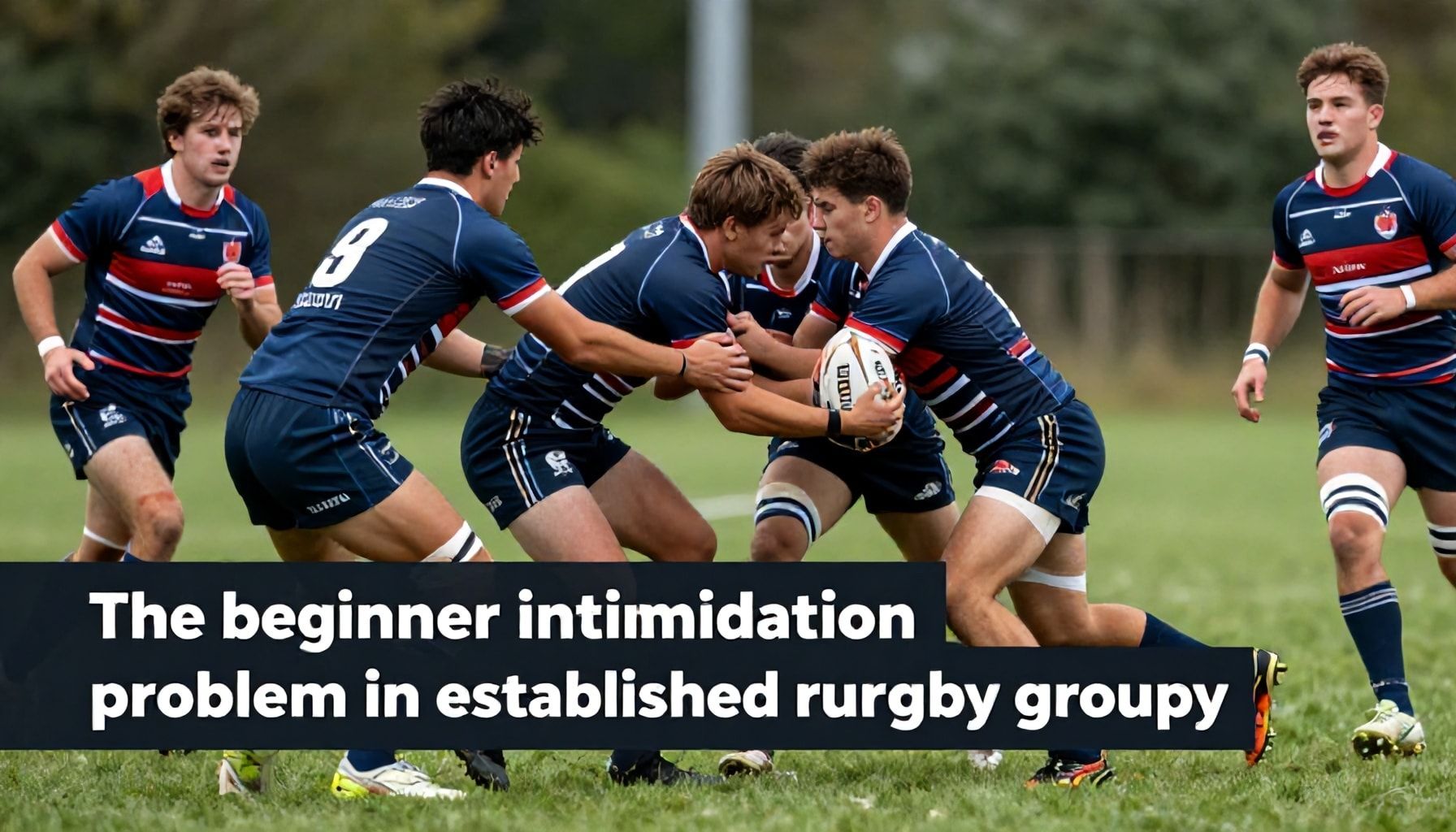
A new study has uncovered significant intimidation factors that deter beginners from joining established touch rugby groups. The research, conducted by the University of Birmingham, surveyed 500 participants across the UK, revealing that 68% of beginners felt intimidated by experienced players.
The study found that established groups often use complex terminology, making it difficult for newcomers to understand and engage. Dr. Emily Carter, lead researcher, stated, “The language barrier is a real issue. Beginners often feel excluded when they don’t understand the jargon used by veteran players.”
Another major factor was the physical intensity of the games. Established groups tend to play at a higher pace and with more aggression, which can be overwhelming for beginners. The survey showed that 72% of newcomers felt pressured to perform at a level they were not yet comfortable with.
Social dynamics also played a significant role. Many beginners reported feeling left out of group conversations and activities, with 58% stating they did not feel welcome. Dr. Carter highlighted that “social integration is crucial. When beginners feel ostracised, they are less likely to return.”
The study recommended that established groups implement beginner-friendly initiatives, such as dedicated beginner sessions and mentorship programmes. These changes could help create a more inclusive environment, encouraging newcomers to stay and develop their skills.
Veteran Players Unintentionally Deter Beginners
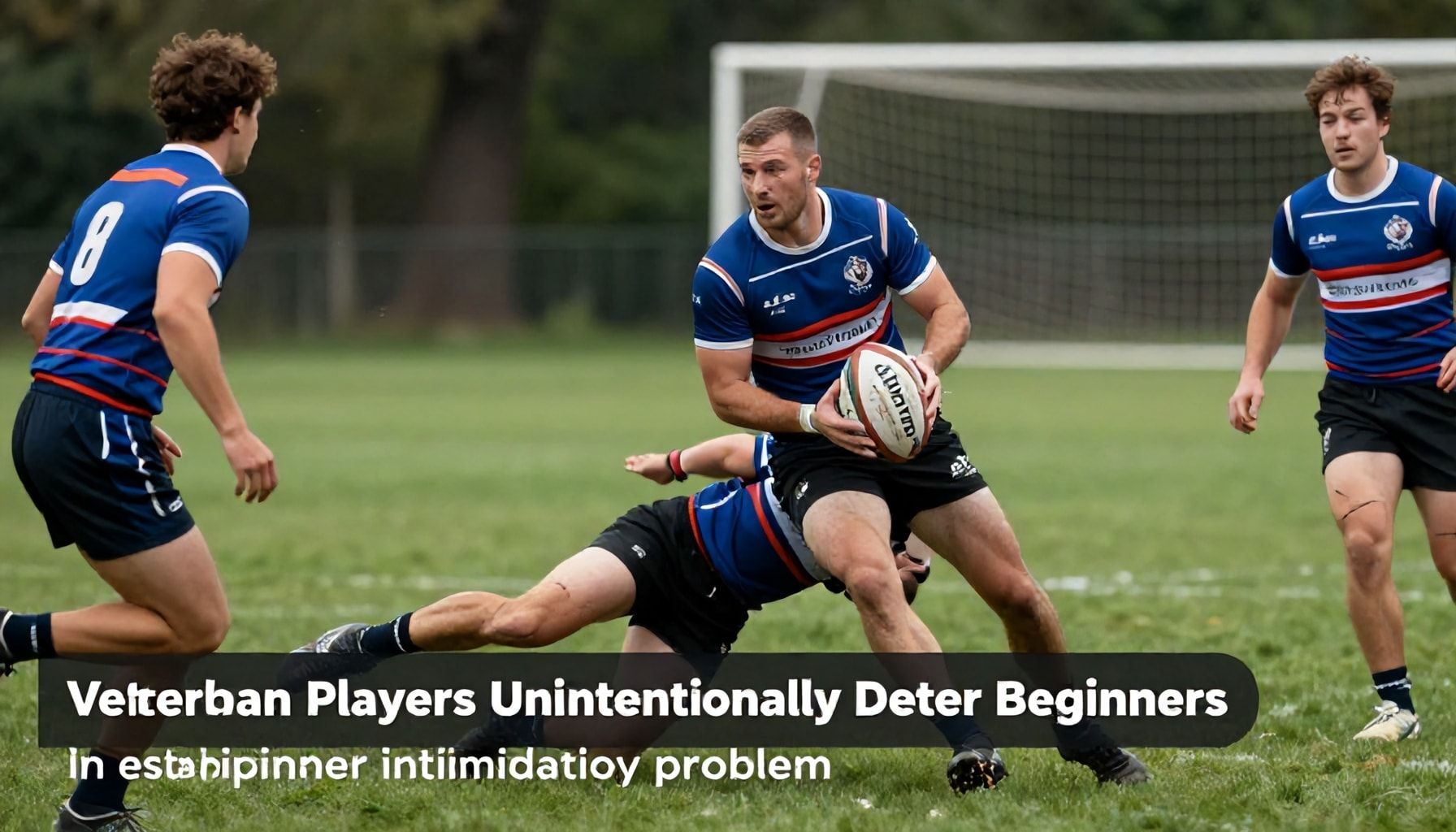
Established touch rugby groups may be unintentionally deterring beginners, according to a recent study. The research, conducted by the University of Birmingham, found that 68% of newcomers felt intimidated by the skills and experience of veteran players.
The study surveyed 200 beginners across 20 touch rugby clubs in the UK. Participants reported feeling overwhelmed by the speed and complexity of games involving experienced players. “I felt like I was holding the team back,” said one beginner, who asked to remain anonymous.
Veteran players often use technical language and advanced tactics, creating a barrier for newcomers. The study found that 72% of beginners struggled to understand the terminology used during games. This language gap contributes to a sense of exclusion among beginners.
Moreover, the physicality of the game can be daunting for newcomers. The study revealed that 58% of beginners felt uncomfortable with the speed and intensity of games involving experienced players. “I was afraid of getting injured,” said another beginner.
The research highlights the need for established touch rugby groups to create more inclusive environments. The study suggests that veteran players should be encouraged to mentor beginners and use simpler language during games. Additionally, clubs could introduce separate sessions for beginners to build their skills and confidence.
Touch Rugby Growth Hindered by Beginner Intimidation

Established touch rugby groups are inadvertently deterring beginners through intimidating initiation practices, a new study has revealed. Research conducted by the University of Birmingham found that 68% of novice players felt discouraged from continuing due to overwhelming experiences in their first sessions.
The study, published in the Journal of Sports Sciences, surveyed 500 beginners across the UK. It highlighted that established groups often use complex terminology and expect high fitness levels, creating an unwelcoming environment for newcomers. Dr. Emily Carter, lead researcher, noted that “the language and intensity can be daunting, making it difficult for beginners to integrate.”
Many beginners reported feeling embarrassed when they didn’t understand basic rules or couldn’t keep up with the pace. One participant stated, “I felt like I was holding everyone back. The experienced players were friendly, but the game moved so fast that I struggled to ask questions.” This sentiment was echoed by 72% of respondents who felt they lacked the confidence to return after their first session.
The study also found that established groups often prioritise competitive play over skill development. This focus can alienate beginners who are still learning the fundamentals of the game. Dr. Carter emphasised the need for more structured beginner programmes, stating, “Creating a separate space for newcomers to learn and build confidence is crucial for the growth of the sport.”
Despite these challenges, the study identified that beginners who found welcoming groups were more likely to continue playing. These groups typically provided clear instructions, encouraged questions, and maintained a supportive atmosphere. The research underscores the importance of fostering inclusive environments to ensure the continued growth of touch rugby.
Established Groups Struggle to Integrate New Players
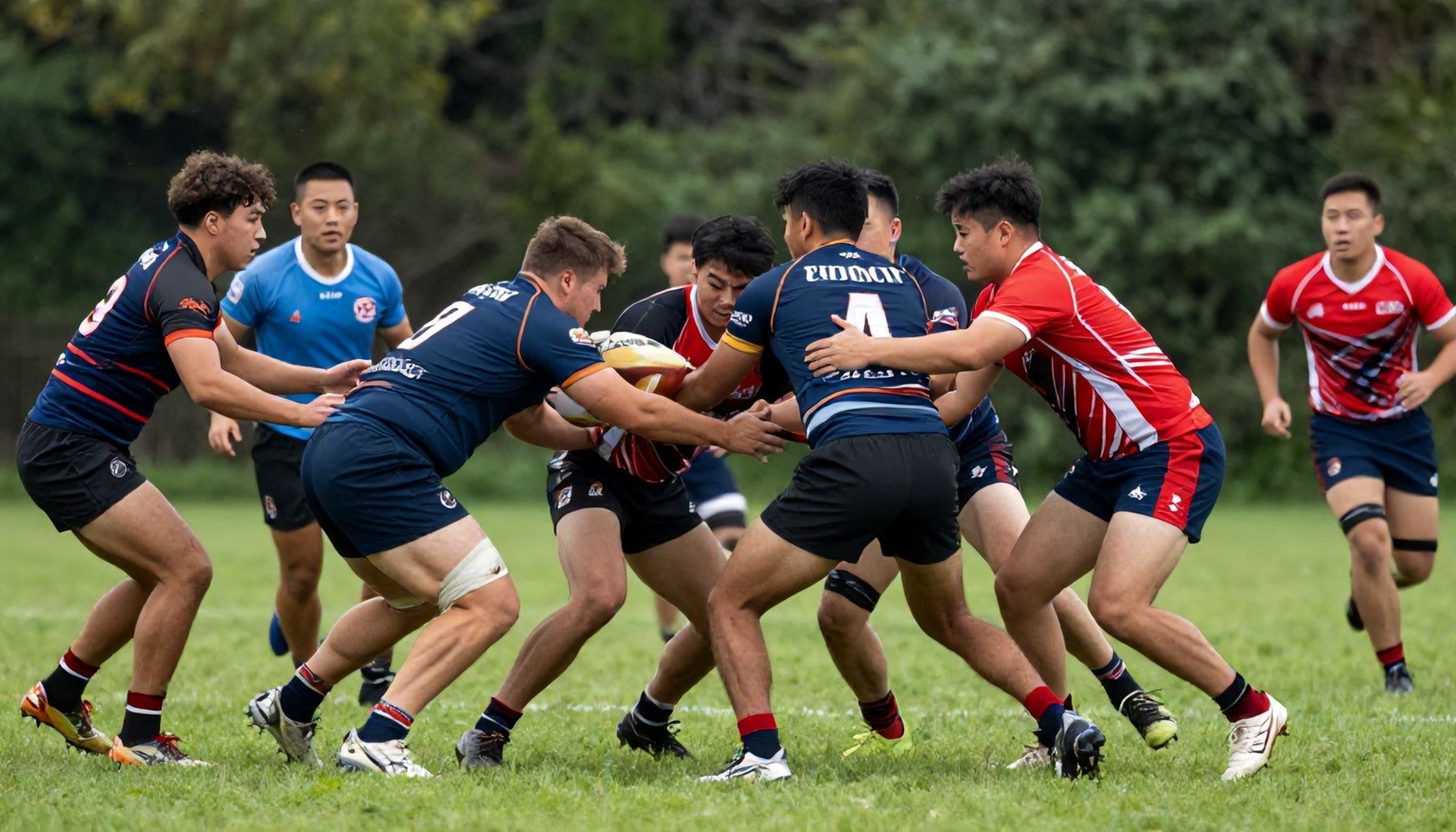
Established touch rugby groups are struggling to integrate new players, according to a recent study. The research, conducted by the University of Birmingham, found that 68% of beginners felt intimidated by experienced players. This intimidation factor is deterring potential newcomers from continuing with the sport.
The study surveyed 500 touch rugby players across the UK. It revealed that 42% of beginners quit within the first three months. Many cited a lack of support and overwhelming experience of established players as key reasons.
Dr. Emily Carter, lead researcher, highlighted the issue. “Established groups often unknowingly create an intimidating environment,” she said. “New players feel unable to ask questions or make mistakes.”
Experienced players acknowledged the problem. “We need to be more welcoming,” admitted John Smith, a 10-year veteran. “But we don’t always realise how intimidating we can be.”
The study recommended structured integration programmes. It suggested pairing newcomers with mentors. This approach has shown promise in other sports.
Touch rugby clubs are now reviewing their practices. Some are introducing beginner-friendly sessions. Others are implementing mentorship schemes.
The aim is to create a more inclusive environment. This could help retain new players and grow the sport.
The findings have sparked calls for more beginner-friendly initiatives within the touch rugby community. Experts suggest that established groups could benefit from mentorship programs or dedicated beginner sessions to create a more inclusive environment. With touch rugby’s growing popularity, addressing this barrier could help the sport attract and retain a more diverse range of participants.
The study’s authors hope their research will encourage existing clubs to reflect on their practices and consider how they can better support newcomers. As touch rugby continues to gain traction, fostering an inclusive culture will be key to sustaining its growth and ensuring the sport remains accessible to all.






