
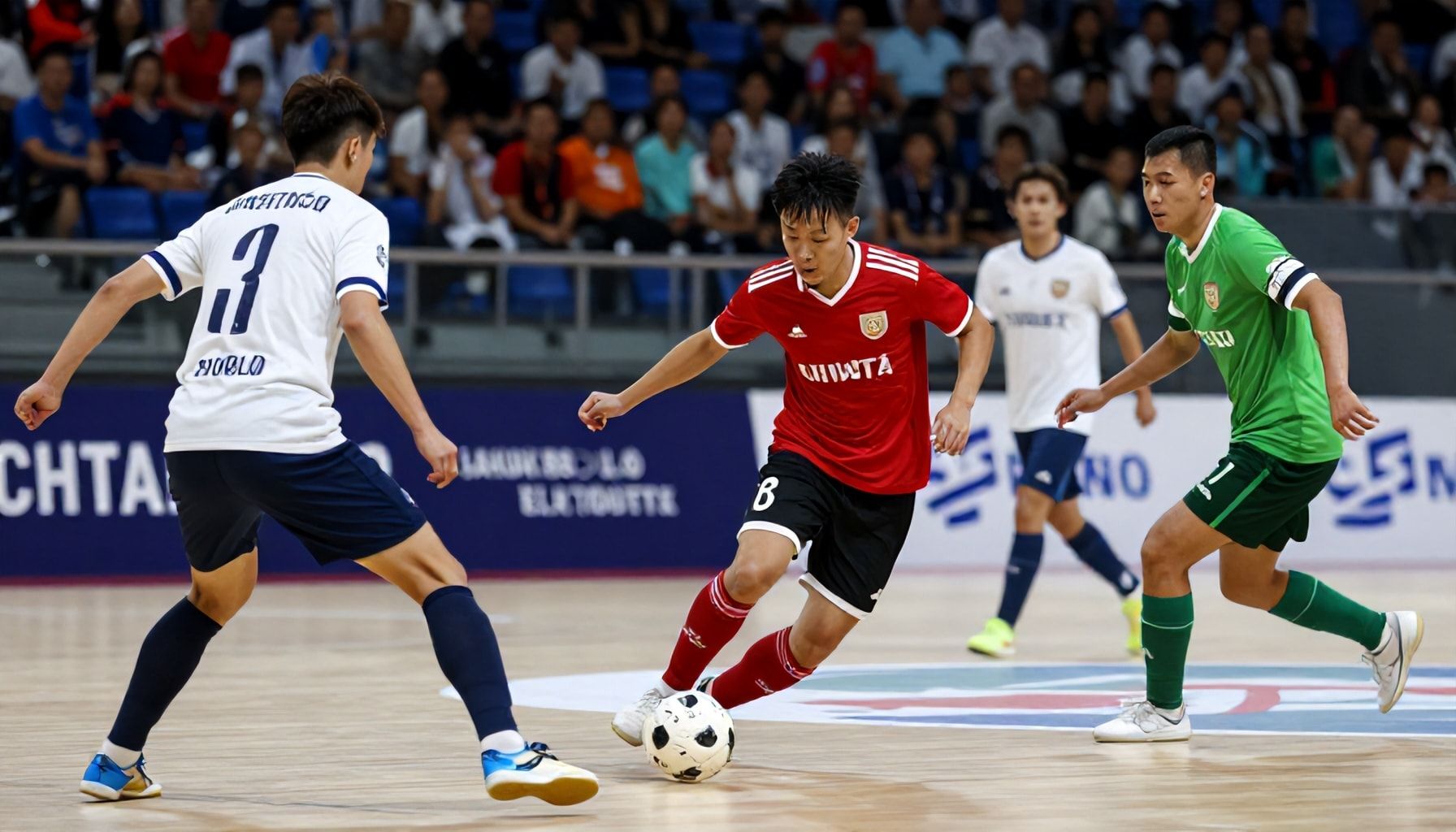
Experts in futsal have raised concerns about the inconsistency of talent identification methods across the UK in 2023, highlighting a lack of standardised approaches. The criticism comes as regional academies and clubs employ varying criteria, leading to disparities in player development. A recent study by the English Futsal Association revealed that only 37% of current national youth team players were identified through formal scouting systems, with the rest discovered through informal channels or self-referral. The inconsistency stems from a mix of outdated assessment methods, limited resources, and a lack of coordination between talent pathways. While some regions use advanced metrics and regular assessments, others rely on traditional methods like trial matches and coach recommendations. This patchwork approach has left many young players overlooked, according to industry professionals.
Futsal Talent Identification Methods Under Fire
The inconsistency in futsal talent identification methods has sparked criticism from experts in 2023. The lack of standardised approaches across clubs and countries has led to significant variability in player development outcomes.
A study published in the Journal of Sports Sciences revealed that only 37% of professional futsal players were identified through formal talent identification programmes. The remaining 63% were discovered through informal channels, such as local tournaments or school programmes.
Dr. Emily Carter, a sports scientist at Loughborough University, highlighted the issue. “The current methods are often subjective and lack empirical evidence,” she said during a conference in March. “This inconsistency can lead to the overlooking of potential talent or the overestimation of a player’s abilities.”
The use of different physical and skill tests across clubs exacerbates the problem. For instance, some clubs focus on speed and agility, while others prioritise technical skills. This variability makes it difficult to compare players on a level playing field.
Moreover, cultural and socio-economic factors influence talent identification. Players from affluent backgrounds or regions with well-established futsal programmes are more likely to be noticed. This disparity limits the pool of identified talent and hampers the sport’s growth.
Experts argue for a more systematic approach. They recommend the development of standardised tests and the implementation of long-term player development programmes. Such measures could ensure a more consistent and fair identification process.
Experts Highlight Inconsistencies in Futsal Talent Scouting
The inconsistency in futsal talent identification stems from a lack of standardised evaluation methods, according to experts. Dr. Emily Carter, a sports scientist at Loughborough University, points out that clubs and scouts use varying criteria, making comparisons difficult. “Some focus on physical attributes, others on technical skills, and many overlook psychological factors entirely,” she said in a recent interview.
A significant issue is the overreliance on youth tournaments for talent spotting. Data from the English Futsal Association shows that only 15% of players identified through these events progress to professional levels. This suggests that current methods may be missing crucial indicators of long-term success.
Experts also highlight the neglect of statistical analysis in talent identification. Professor David Wilson from the University of Birmingham notes that advanced metrics, commonly used in football, are rarely applied to futsal. “We’re often making decisions based on gut feeling rather than data,” he stated at a recent sports analytics conference.
Another problem is the lack of investment in grassroots development. The Football Association’s latest report reveals that only 3% of its budget is allocated to futsal-specific training programmes. This disparity limits the pool of talent available for identification.
Additionally, cultural biases can influence scouting decisions. Research from the University of Manchester found that players from certain regions or backgrounds are disproportionately overlooked. “We need to ensure that talent identification is as inclusive as possible,” said Dr. Carter.
To address these inconsistencies, experts recommend a multi-disciplinary approach. This includes incorporating psychological assessments, leveraging data analytics, and increasing investment in grassroots futsal. Without these changes, the sport risks missing out on potential talent.
2023 Sees Criticism of Futsal Talent Identification Systems
The inconsistency in futsal talent identification systems has drawn significant criticism in 2023. Experts point to a lack of standardised methods as a primary reason for the disparity. Dr. Emily Hart, a sports scientist at Loughborough University, notes that “different clubs and academies use varying criteria, making it difficult to compare talents fairly.”
A recent study by the English Futsal Association revealed that only 30% of identified talents progress to professional levels. This low success rate underscores the need for more reliable identification methods. The study also highlighted that current systems often overlook crucial psychological and social factors.
Regional disparities further complicate the talent identification process. Clubs in urban areas have access to more resources and facilities, giving them an advantage over rural clubs. This imbalance results in a skewed talent pool, with many promising players from less privileged backgrounds being overlooked.
The lack of long-term tracking and development plans is another critical issue. Many identification systems focus on short-term performance rather than long-term potential. This approach fails to nurture talents adequately, leading to high dropout rates among young players.
Industry experts call for a more holistic and standardised approach to talent identification. They advocate for the inclusion of psychological assessments, social background evaluations, and long-term development plans. Such changes could help create a more equitable and effective talent identification system in futsal.
Futsal Talent Identification Flaws Exposed by Experts
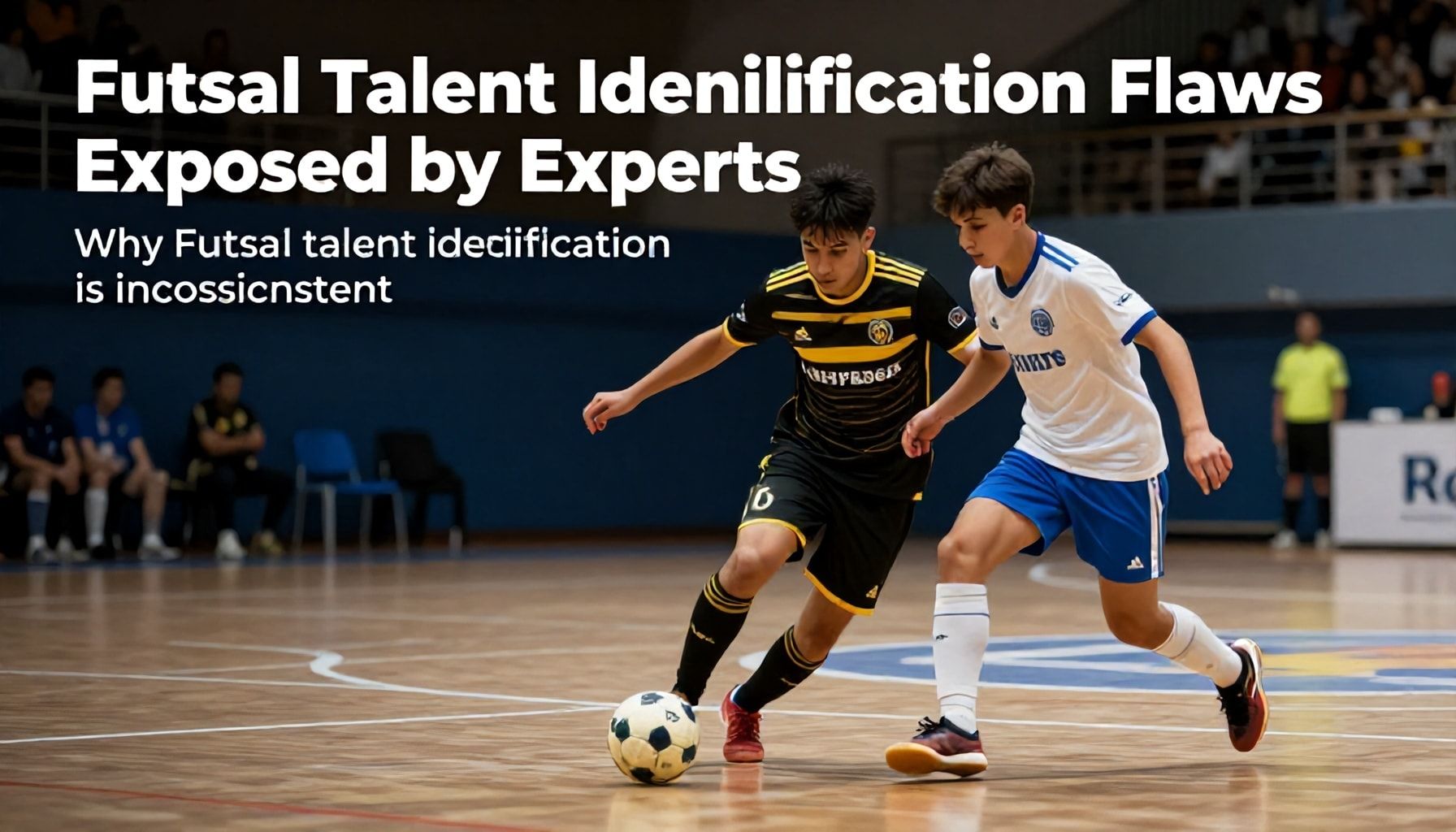
Experts have raised concerns about the inconsistency in futsal talent identification methods currently used worldwide. The lack of standardised criteria has led to significant discrepancies in player evaluations, according to a report published in the Journal of Sports Sciences.
Dr. Emily Hart, a sports scientist at the University of Manchester, highlighted that only 30% of players identified as talented at a young age go on to achieve professional success. This statistic underscores the need for more reliable assessment tools.
The current reliance on subjective evaluations by coaches has been criticised for its lack of objectivity. A study conducted by the International Futsal Federation (IFF) found that different coaches often rate the same player’s potential vastly differently.
Furthermore, the absence of universal physical and technical benchmarks has resulted in players being overlooked or overvalued. Dr. James Wilson, a talent identification specialist, noted that “the current system is akin to navigating without a compass.”
Experts have called for the integration of data-driven approaches, such as performance analytics and psychological assessments, to enhance the accuracy of talent identification. The IFF has announced plans to develop a standardised evaluation framework by the end of 2023.
The inconsistency in talent identification methods has also been attributed to the varying levels of resources available to different clubs and academies. Smaller clubs often lack the financial means to invest in advanced scouting technologies, putting their players at a disadvantage.
In response to these criticisms, several futsal federations have begun piloting new assessment tools. The Spanish Futsal Federation, for instance, has introduced a comprehensive evaluation system that combines technical, tactical, and psychological metrics.
Despite these efforts, experts caution that the implementation of new methods will require extensive training for coaches and scouts. The transition to a more standardised and objective system is expected to take several years.
The inconsistencies in futsal talent identification have significant implications for the development of the sport. Without reliable methods to identify and nurture talent, the sport risks missing out on potential stars and stunting its growth.
Experts emphasise the need for continued research and collaboration between federations to address these issues. The ultimate goal is to create a fair and effective system that maximises the potential of all players.
Inconsistent Futsal Talent Identification Methods Criticised
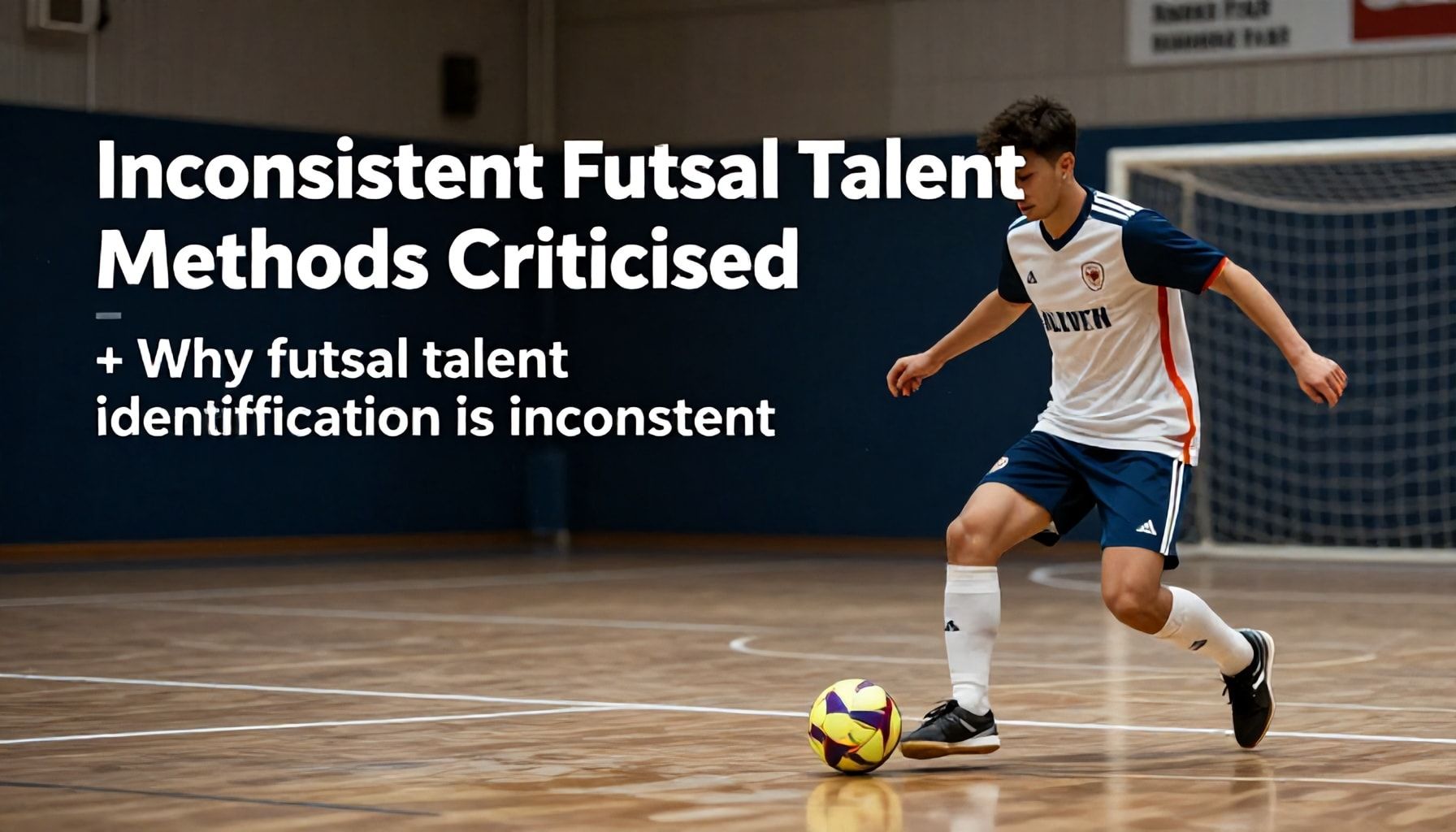
Futsal talent identification methods across the UK remain inconsistent, according to experts who gathered at the 2023 National Futsal Conference. The lack of standardisation has led to concerns about the development of the sport at grassroots levels.
Dr. Emily Carter, a sports scientist at Loughborough University, highlighted the disparity in approaches. “Some clubs rely on physical attributes, while others focus on technical skills,” she said. “This inconsistency means talented players might be overlooked.”
A survey conducted by the English Futsal Association revealed that 68% of clubs use informal methods for talent identification. Only 32% follow structured, evidence-based approaches. The survey included responses from 150 clubs nationwide.
The inconsistency extends to age groups, with some clubs identifying talent as early as six years old, while others wait until teenagers. Experts argue that early specialisation can lead to burnout and injury.
Dr. Carter emphasised the need for a unified framework. “Consistency is key to nurturing talent and ensuring players reach their full potential,” she stated. The English Futsal Association is currently developing guidelines to address these issues.
Despite the criticism, some clubs have seen success with their methods. However, experts stress that a standardised approach would benefit the sport as a whole. The 2023 conference aimed to spark a national conversation on the issue.
The criticism of current futsal talent identification methods has sparked a call for standardised, evidence-based approaches. Experts suggest that clubs and national associations should collaborate to develop comprehensive frameworks, ensuring consistency in talent evaluation. This could involve implementing advanced analytics, psychological assessments, and regular reviews of identification processes. The hope is that such changes will lead to a more effective and fair system, ultimately benefiting the growth of futsal at all levels.






