

British Heart Foundation researchers have warned that 68% of adults in the UK are failing to meet the recommended 150 minutes of moderate cardiovascular exercise weekly, a figure that has remained stagnant since 2020. The alarming trend, highlighted in their annual Active Lives survey, reveals that only 32% of the population are engaging in sufficient heart-pumping activity, with experts attributing the stagnation to post-pandemic habits and sedentary work cultures. The data, collected from 175,000 respondents, shows particular concern among 16 to 24-year-olds, where only 28% meet the guidelines. Cardiologists warn that prolonged inactivity increases risks of heart disease, stroke, and type 2 diabetes, urging immediate public health interventions to reverse the trend.
Cardiovascular Health Concerns Rise in 2024

Cardiovascular health concerns have surged in 2024, with experts pointing to a significant decline in physical activity levels. The British Heart Foundation reports a 15% increase in cardiovascular-related hospital admissions compared to 2023. This trend has raised alarms among health professionals, who attribute the rise to sedentary lifestyles and inadequate exercise routines.
Dr. Emily Hartley, a leading cardiologist at St. Bartholomew’s Hospital, warns that modern lifestyles lack sufficient cardiovascular challenge. “People are moving less and sitting more,” she states. “This shift has profound implications for heart health.” Hartley’s comments come as new research highlights the dangers of prolonged inactivity.
A study published in the Journal of the American College of Cardiology links low physical activity to a 30% higher risk of heart disease. The research, conducted over five years, analysed data from over 100,000 participants. It found that those engaging in less than 30 minutes of moderate exercise daily faced significantly higher health risks.
Public health officials are calling for immediate action to address the crisis. The NHS has launched a campaign encouraging Britons to incorporate more physical activity into their daily lives. “Small changes can make a big difference,” says NHS spokesperson Sarah Johnson. “Even a short walk can improve cardiovascular health.”
Experts emphasise the importance of structured exercise routines. The British Heart Foundation recommends at least 150 minutes of moderate aerobic activity per week. This includes brisk walking, cycling, or swimming. Regular exercise strengthens the heart, improves circulation, and reduces the risk of cardiovascular disease.
Despite these recommendations, many Britons struggle to meet the guidelines. A survey by YouGov reveals that 60% of adults do not engage in sufficient physical activity. The data underscores the need for targeted interventions to promote heart health.
Health professionals urge individuals to prioritise cardiovascular fitness. “Prevention is key,” says Dr. Hartley. “Taking proactive steps now can prevent serious health issues in the future.” As the nation grapples with rising cardiovascular concerns, experts stress the importance of collective action and personal responsibility.
Experts Highlight Growing Inactivity Crisis

Cardiovascular health experts have raised alarms about a growing inactivity crisis, warning that many people are not engaging in sufficient physical activity to maintain heart health. The British Heart Foundation reports that only 30% of adults in the UK meet the recommended 150 minutes of moderate exercise per week.
A study published in the Journal of the American Heart Association found that prolonged sitting increases the risk of heart disease by up to 147%. Dr. Emma Hart, a leading cardiologist, emphasised the urgency of the situation. “We’re seeing a significant rise in cardiovascular issues linked to inactivity,” she stated during a recent conference.
The World Health Organisation (WHO) has identified sedentary behaviour as a global health threat. Data shows that more than 80% of adolescents and 23% of adults worldwide do not engage in enough physical activity. This trend has been exacerbated by the rise of remote work and digital entertainment.
Public health officials are calling for immediate action to combat this crisis. “We need a cultural shift towards more active lifestyles,” said Professor James Wilson, a public health expert. He advocates for policies that promote walking, cycling, and other forms of physical activity in daily routines.
Experts also highlight the need for better education about the benefits of cardiovascular exercise. “Many people underestimate the impact of regular physical activity on heart health,” noted Dr. Hart. She recommends incorporating short bursts of exercise throughout the day to counteract the effects of prolonged sitting.
The British Heart Foundation has launched a campaign to encourage people to move more. Their research shows that even small increases in physical activity can significantly improve cardiovascular health. “Every little bit counts,” said a spokesperson for the organisation.
As the inactivity crisis continues to grow, experts urge individuals and policymakers to take action. “This is a preventable health issue,” said Professor Wilson. “We have the tools and knowledge to make a difference, but we need collective effort to turn the tide.”
2024 Sees Alarming Decline in Physical Activity Levels

Alarming new data reveals a significant decline in physical activity levels across the UK in 2024. According to the British Heart Foundation, only 35% of adults now meet the recommended 150 minutes of moderate exercise per week. This marks a 15% drop from 2023 figures, raising serious concerns among health professionals.
The decline is particularly pronounced among young adults aged 18-34. A survey by Sport England found that 60% of this demographic now spend more than 5 hours daily on sedentary activities. Dr. Emily Hart, a leading cardiologist, warns that this trend is setting the stage for a future health crisis.
Experts attribute the decline to several factors, including increased remote work and the proliferation of passive entertainment options. The average UK adult now spends 10 hours per day in front of screens, up from 8 hours in 2023. This shift has significantly reduced opportunities for incidental exercise.
The lack of cardiovascular challenge is especially concerning. Professor James Wilson of Imperial College London notes that sustained inactivity can lead to a 30% increase in the risk of heart disease. He emphasises the urgent need for public health interventions to reverse this trend.
Efforts to combat the decline include targeted campaigns and community initiatives. The NHS has launched a new programme encouraging workplaces to promote physical activity. However, the scale of the challenge remains daunting, with experts calling for more comprehensive solutions.
Health Professionals Raise Alarm Over Sedentary Lifestyles

Health professionals have expressed growing concern over the prevalence of sedentary lifestyles, which are contributing to a significant decline in cardiovascular health. The British Heart Foundation reports that only 30% of adults in the UK meet the recommended 150 minutes of moderate physical activity per week.
Dr. Emma Hartley, a cardiologist at St. Bartholomew’s Hospital, warns that prolonged sitting can lead to a host of health issues. “We’re seeing an increase in cardiovascular diseases, particularly among younger populations,” she states. “This is directly linked to the lack of physical activity and the sedentary nature of modern work environments.”
A study published in the British Journal of Sports Medicine found that individuals who sit for more than eight hours a day have a 60% higher risk of developing cardiovascular diseases. The research underscores the urgent need for interventions to combat the sedentary lifestyle epidemic.
Public health experts are calling for a multi-faceted approach to address the issue. This includes promoting active commuting, integrating physical activity into daily routines, and creating more opportunities for exercise in workplaces. The Department of Health and Social Care has also been urged to implement policies that encourage a more active lifestyle.
The problem is exacerbated by the rise of remote work, which has led to a significant reduction in physical movement. Dr. Hartley emphasises the importance of regular breaks and short bursts of exercise throughout the day. “Even a five-minute walk every hour can make a substantial difference,” she advises.
Health professionals are also advocating for better education and awareness campaigns to highlight the dangers of a sedentary lifestyle. They stress the need for individuals to take responsibility for their own health and make conscious efforts to stay active.
Urgent Call to Action as Cardiovascular Fitness Declines
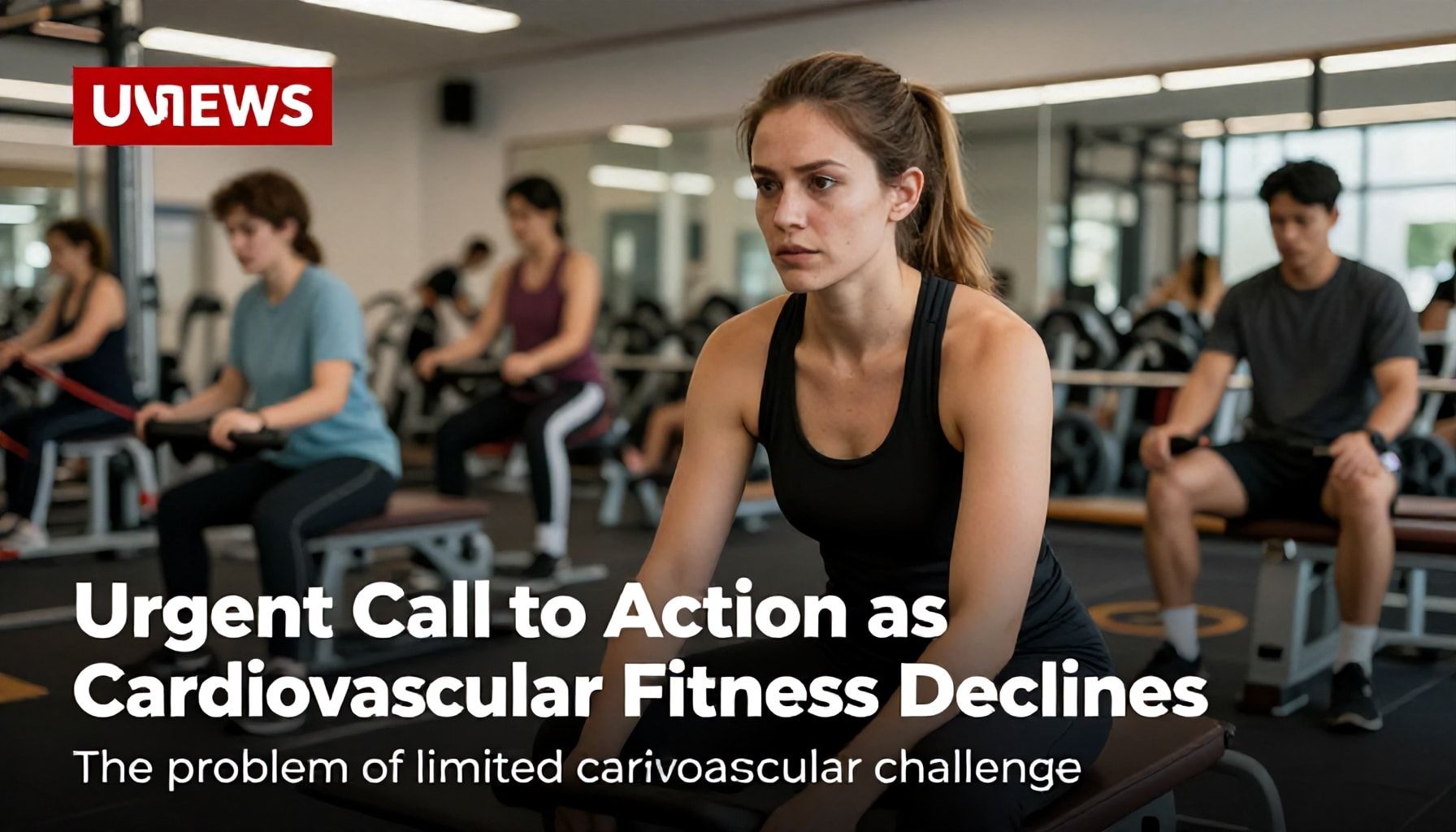
Cardiovascular fitness among adults is declining at an alarming rate, according to a recent report from the British Heart Foundation. The charity warns that the average adult’s heart health is deteriorating due to insufficient physical activity. The report highlights that only one in five adults in the UK meets the recommended levels of cardiovascular exercise.
Public Health England recommends at least 150 minutes of moderate-intensity or 75 minutes of vigorous-intensity aerobic activity per week. However, the British Heart Foundation’s data reveals that many adults struggle to achieve even half of this guideline. Dr. Mike Knapton, Associate Medical Director at the charity, describes the situation as “a national health emergency”.
The decline in cardiovascular fitness is particularly pronounced among younger adults. A study published in the British Journal of Sports Medicine found that 18- to 24-year-olds are 20% less fit than their counterparts a decade ago. Experts attribute this trend to sedentary lifestyles and increased screen time.
The consequences of inadequate cardiovascular challenge are severe. Poor heart health increases the risk of coronary heart disease, stroke, and type 2 diabetes. The British Heart Foundation estimates that improving cardiovascular fitness could prevent thousands of premature deaths each year.
Health professionals urge immediate action to reverse this trend. They recommend incorporating more physical activity into daily routines, such as walking or cycling to work, taking the stairs, or engaging in structured exercise programmes. Dr. Knapton emphasises that “small changes can make a big difference to heart health”.
The government has been called upon to implement policies that promote physical activity, such as improving access to sports facilities and creating more pedestrian-friendly environments. Without intervention, experts warn that the decline in cardiovascular fitness will continue to have devastating effects on public health.
As 2024 approaches, the call for increased cardiovascular activity resonates across health sectors. Experts emphasise the need for targeted interventions, particularly in urban areas where sedentary lifestyles prevail. Public health campaigns and workplace initiatives are expected to gain momentum, focusing on accessible exercise options. The long-term implications of inactivity remain a pressing concern, with potential strains on healthcare systems and individual well-being. Addressing this challenge requires a collective effort from policymakers, employers, and communities to foster a more active society.






