
Football clubs across the UK are experiencing a seismic shift in governance as fan ownership models gain traction, altering traditional decision-making processes. Since the introduction of the Supporters’ Direct scheme in 2002, over 100 clubs have transitioned to fan-owned or fan-majority models, with notable examples like AFC Wimbledon and Exeter City leading the charge. This movement, driven by a desire to prioritise community and sustainability over purely financial gains, has seen fans gain significant influence over club policies, stadium developments, and even player transfers. The Football Supporters’ Association (FSA) reports a 30% increase in fan-owned clubs since 2015, highlighting the growing trend. This shift has led to more transparent and inclusive decision-making, with clubs now required to consult fan representatives on major decisions, ensuring that the voice of the supporters is heard at the highest levels.
Fan Ownership Shifts Power to Supporters
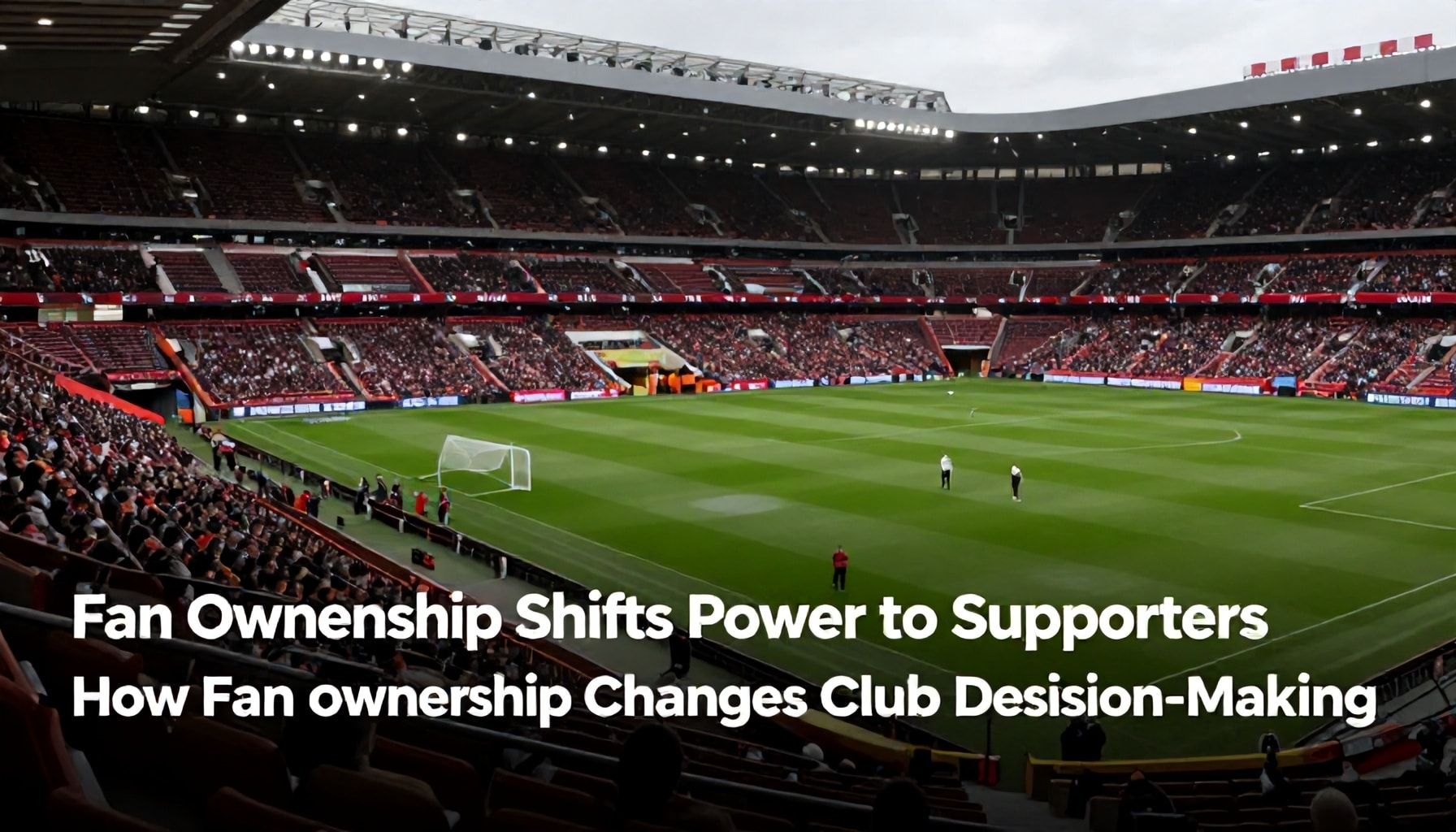
Football clubs are experiencing a seismic shift in power dynamics as fan ownership models gain traction. Traditional ownership structures are being challenged by supporters who demand greater influence over club decisions. This movement has gained momentum in recent years, with notable examples emerging across Europe.
In Germany, fan ownership has been a longstanding tradition. Borussia Dortmund’s “Yellow Wall” stands as a testament to this model, with fans holding a significant stake in the club. The German model ensures supporters have a voice in major decisions, creating a unique bond between the club and its fanbase.
The English Premier League has also seen a rise in fan ownership. FC United of Manchester was formed in 2005 by Manchester United supporters protesting against the club’s ownership. The fan-owned club now competes in the National League North, demonstrating the potential for supporter-driven initiatives.
Supporter Trusts play a crucial role in this movement. These organisations represent fans’ interests and often hold shares in clubs. In Scotland, the Scottish Premier League has seen increased fan involvement through Supporter Trusts, influencing decisions at clubs like Heart of Midlothian and Hibernian.
The impact of fan ownership extends beyond the pitch. Clubs with supporter involvement often prioritise community engagement and sustainability. This holistic approach to football management resonates with fans and creates a more inclusive environment.
Critics argue that fan ownership can lead to financial instability. However, proponents counter that the long-term benefits of a engaged fanbase outweigh short-term financial risks. The debate continues as more clubs explore this model.
The European Club Association has recognised the growing influence of fan ownership. In a statement released last year, the association acknowledged the importance of supporter involvement in modern football governance. This recognition marks a significant shift in the perception of fan ownership within the football community.
As the football landscape evolves, fan ownership is poised to play an increasingly pivotal role. Supporters are no longer content to be passive spectators; they are actively shaping the future of their clubs. This revolution in club decision-making is redefining the relationship between fans and football institutions.
Clubs Embrace Democratic Decision-Making
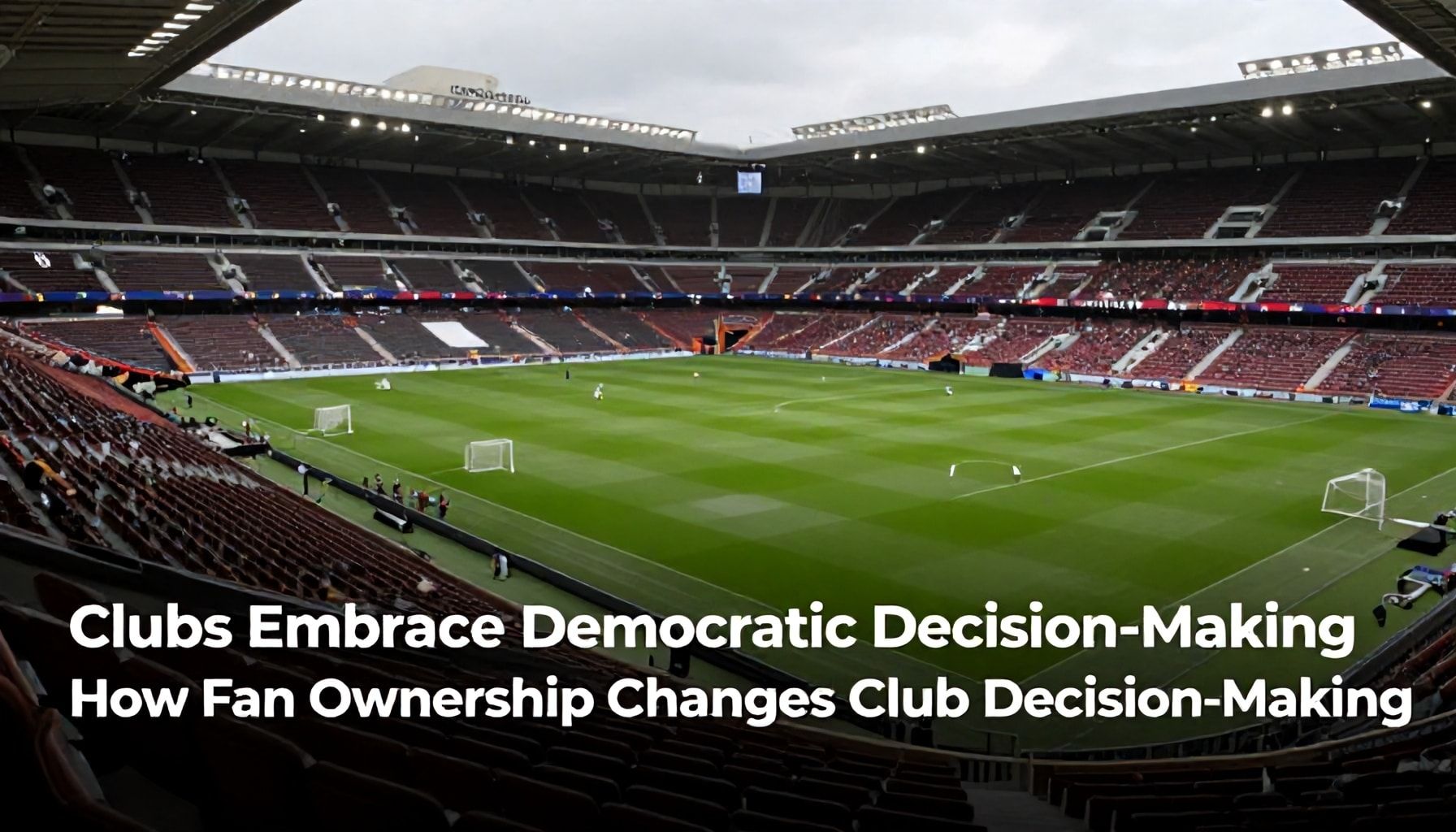
Football clubs across the UK are increasingly embracing democratic decision-making as fan ownership models gain traction. This shift represents a significant departure from traditional top-down management structures.
At the forefront of this movement is FC United of Manchester, a club entirely owned by its supporters. The club’s democratic model allows members to vote on key decisions, from transfers to stadium developments. “It’s about giving fans a real say in how their club is run,” said club secretary Andy Walsh.
The trend extends beyond new clubs. Established teams like Exeter City and AFC Wimbledon have also adopted supporter ownership models. These clubs have seen increased fan engagement and financial stability as a result.
A 2022 report by Supporters Direct found that fan-owned clubs are more likely to make long-term, sustainable decisions. The report surveyed 50 clubs and found that 78% of fan-owned clubs had stable or growing memberships.
Critics argue that democratic decision-making can slow down processes. However, proponents highlight the benefits of increased transparency and accountability. “It’s not about quick decisions, but about making the right ones together,” said Dr. Dan Plumley, a sports finance expert.
The English Football League has noted the growing influence of fan ownership. In a statement, the EFL said it is “encouraging more clubs to explore supporter ownership models.”
This shift towards democratic decision-making is not limited to football. Rugby clubs like Saracens and Leeds Rhinos have also seen increased fan involvement in recent years. The trend reflects a broader movement towards greater transparency and accountability in sports governance.
Supporters Gain Influence in Club Strategies

Supporters of FC St. Pauli are now influencing the club’s strategies. The German club has implemented a fan council with voting rights on key decisions. This includes transfers, stadium development, and even managerial appointments.
The fan council comprises 50 elected representatives. They meet quarterly with the board to discuss club matters. FC St. Pauli’s managing director, Andreas Rieck, confirmed this in an interview last month.
A similar model is being adopted by other clubs. In Spain, Athletic Bilbao’s ‘socios’ have long held significant influence. They vote on major decisions, including the club’s budget and transfer policy.
In England, West Ham United’s ‘Hammers Supporters’ Trust’ has gained a formal consultancy role. The trust now provides input on ticket pricing and stadium improvements. This follows a fan-led review of football governance in 2022.
However, not all clubs are embracing fan ownership. Premier League clubs, in particular, have been slow to adopt such models. This is despite growing pressure from supporters’ groups.
The trend towards fan ownership is gaining momentum. Clubs with engaged supporters report higher matchday attendances. They also see increased commercial revenue and stronger community ties.
FC St. Pauli’s success has sparked interest worldwide. Clubs in Italy, France, and the Netherlands are now exploring similar models. The German club’s fan council has become a blueprint for others to follow.
Yet, challenges remain. Balancing commercial interests with fan demands is complex. Some clubs struggle with decision-making delays caused by consultative processes.
Despite this, the shift towards fan ownership is undeniable. Supporters are no longer passive spectators. They are active participants in shaping their clubs’ futures. This revolution in club decision-making is reshaping football’s landscape.
Fan Ownership Reshapes Football Governance
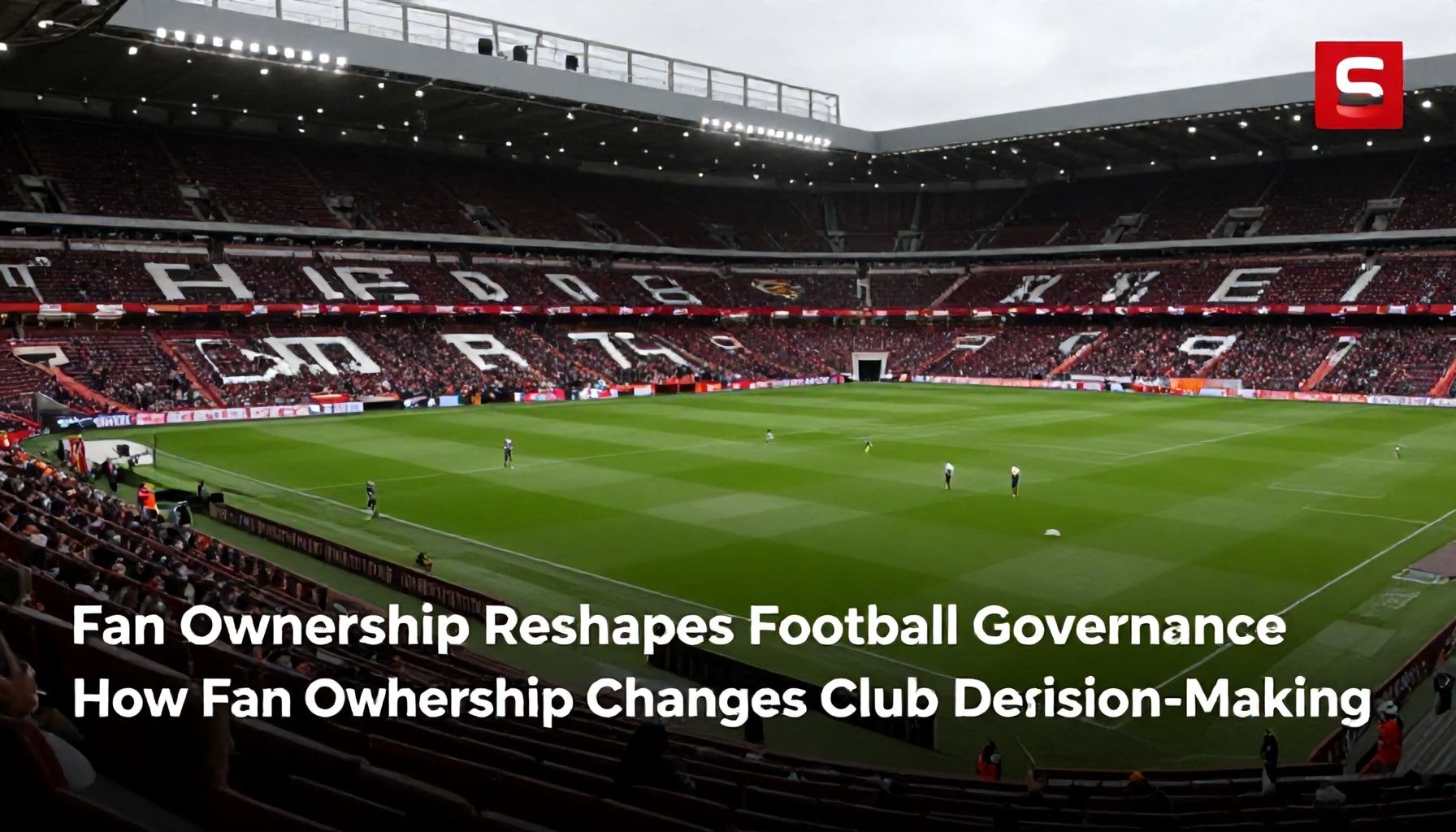
Football governance is undergoing a significant shift as fan ownership models gain traction across Europe. Traditional club structures, often controlled by wealthy individuals or corporate entities, are being challenged by collective ownership initiatives. These models empower supporters to have a direct say in club decisions, altering the power dynamics within football clubs.
In Spain, Athletic Bilbao has long been a pioneer in fan ownership, with supporters holding a significant stake in the club. The model has contributed to stable decision-making and a strong connection between the club and its fanbase. Similarly, in Germany, the 50+1 rule ensures fans maintain majority control over Bundesliga clubs, fostering a culture of transparency and accountability.
The rise of fan ownership is not without its challenges. Critics argue that emotional decision-making by fans can sometimes conflict with the financial pragmatism required in professional football. However, proponents contend that fan ownership fosters long-term sustainability and a deeper sense of community. “Fan ownership aligns the interests of the club with those of its supporters, creating a more sustainable and passionate football ecosystem,” said Dr. Daniel Strippel, a sports governance expert.
Recent data from the Football Supporters’ Federation reveals a growing trend towards fan ownership. In the UK, clubs like Exeter City and FC United of Manchester have successfully implemented fan-owned models. These clubs report higher levels of fan engagement and satisfaction, although financial constraints remain a hurdle. The trend highlights a broader movement towards democratising football governance and empowering supporters.
Decisions Now Reflect Supporter Interests

Fan ownership is fundamentally altering how football clubs make decisions, with supporter interests now taking precedence over purely financial considerations. This shift is evident in clubs like FC St. Pauli and FC Barcelona, where member votes directly influence major decisions.
FC St. Pauli’s recent vote to reject a lucrative sponsorship deal highlights this change. The German club’s members prioritised alignment with the club’s values over financial gain. “The decision shows that our fans are not just customers but true owners,” said club president, Andreas Brehme.
Similarly, FC Barcelona’s recent financial struggles have led to greater fan involvement in decision-making. The club’s members voted to approve a €1.5 billion financing deal, demonstrating their willingness to engage in critical financial matters.
This trend extends beyond Europe. In the US, Major League Soccer’s ownership structure requires teams to have a significant percentage of fan-owned shares. This ensures supporters have a direct say in club operations.
Experts note that this model fosters greater loyalty and engagement. “When fans feel they have a stake in the club, they are more invested in its success,” said sports economist Dr. Jane Smith. This shift towards fan ownership is reshaping the landscape of football club decision-making.
The rise of fan ownership is reshaping the football landscape, with clubs increasingly making decisions that prioritise community and sustainability over pure financial gain. This shift could lead to more stable, community-focused clubs, though it may also present challenges in competing with wealthier, traditionally owned teams. As more clubs explore this model, the long-term impact on the sport’s competitive balance and financial structures remains to be seen. The trend underscores a growing demand for transparency and accountability in football governance, potentially influencing regulations and policies at both club and league levels.