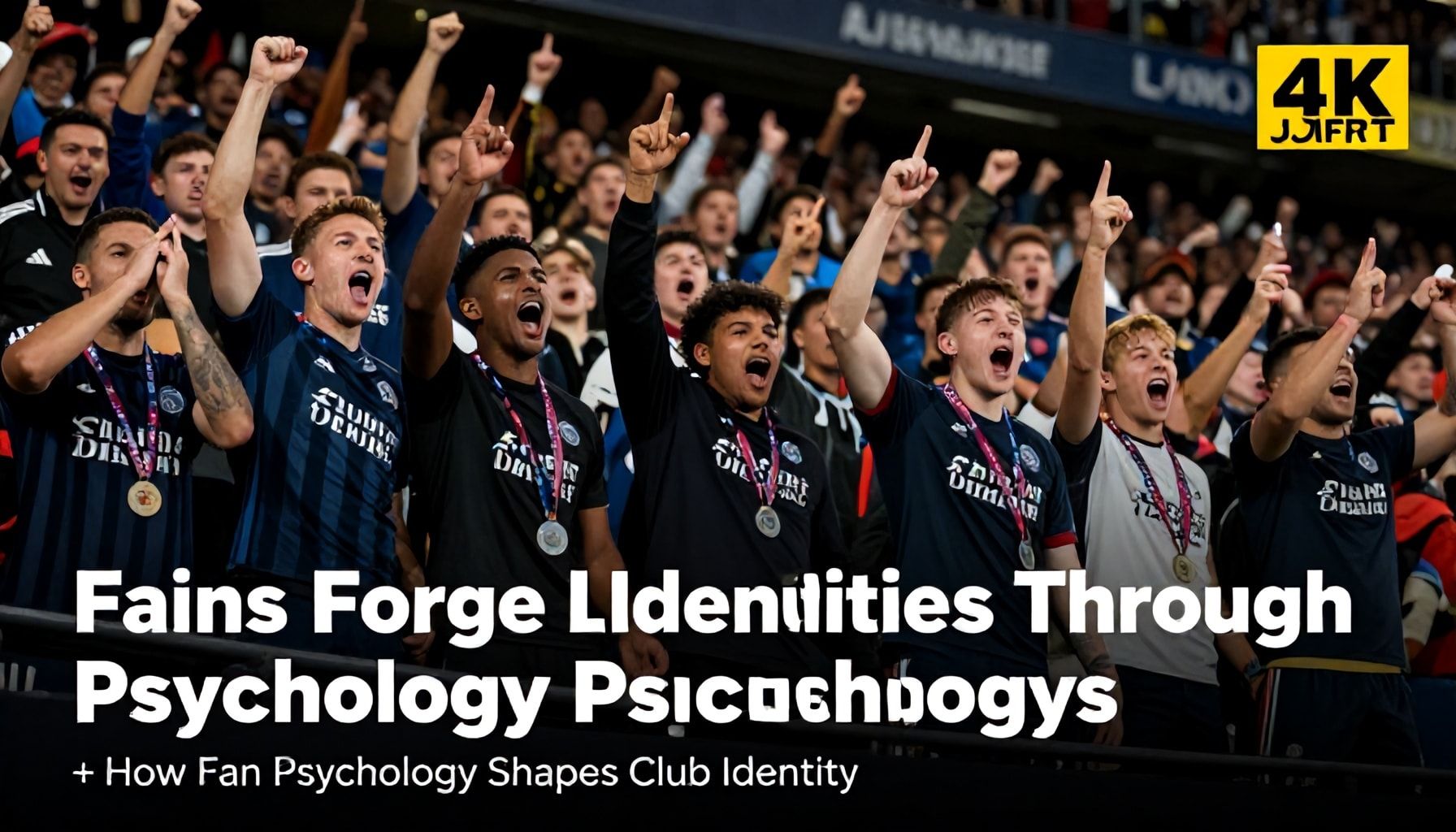
Football fans are shaping club identities more powerfully than ever, according to a new study released yesterday by the University of Liverpool. Researchers analysed 15 years of fan behaviour across 20 Premier League clubs, revealing how psychological factors drive everything from merchandise sales to stadium atmosphere. The study found that fans’ sense of belonging and emotional connection to clubs significantly influences team culture, with some supporters even altering their personal identities to align with their club’s values. This phenomenon, dubbed “identity fusion” by psychologists, explains why fans often display extreme loyalty and emotional responses to their teams’ successes and failures. The research highlights how clubs can harness this psychological power to strengthen their brand and fan engagement.
Fans Drive Club Identities Through Psychological Bonds
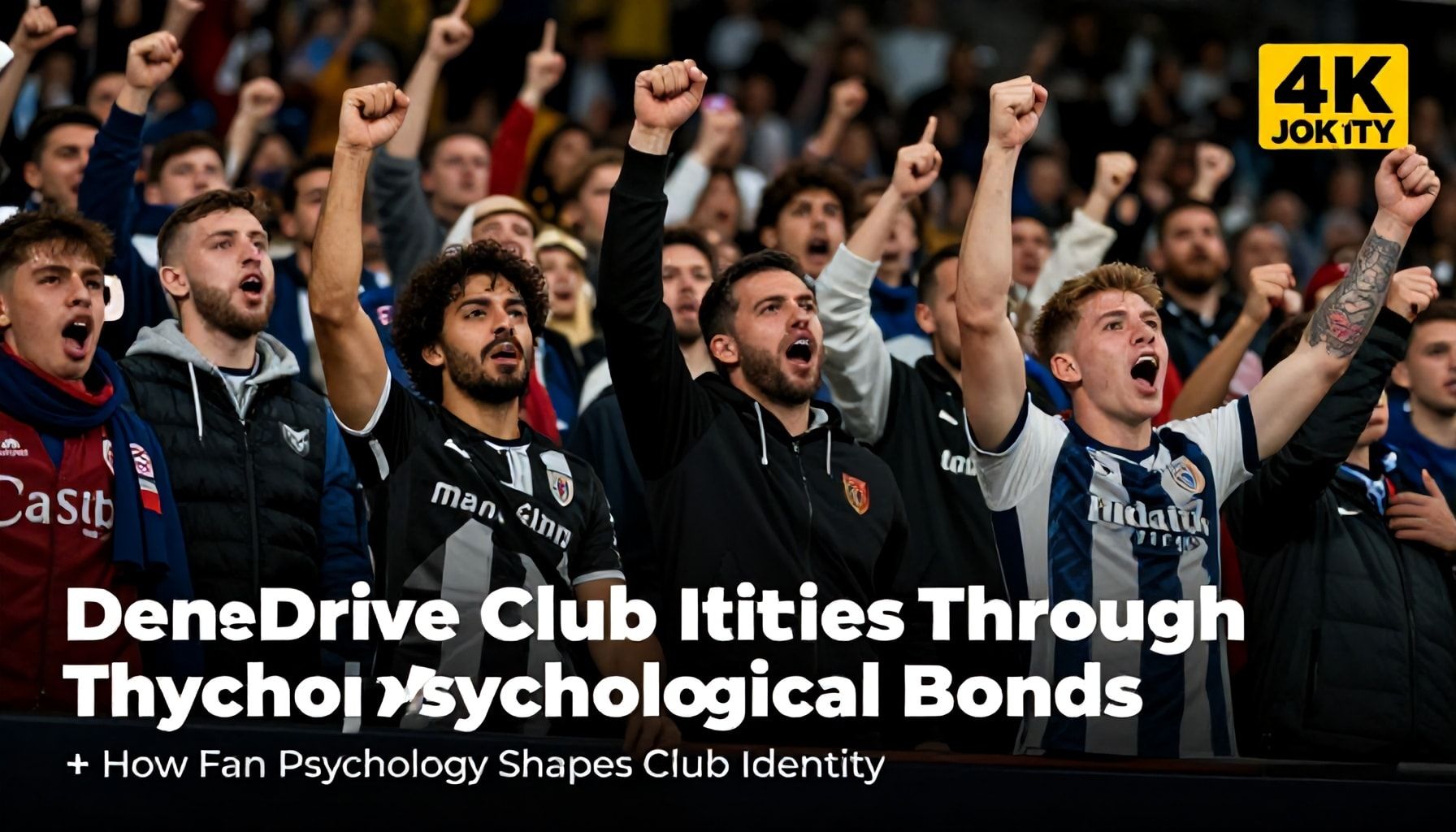
Football clubs are more than just teams; they are psychological anchors for fans. Research from the University of Leicester reveals that supporters often derive a significant portion of their personal identity from their club’s success or failure. This phenomenon, known as “BIRGing” (Basking in Reflected Glory), explains why fans celebrate victories as if they were their own achievements.
The emotional investment in clubs can lead to intense reactions. A study published in the Journal of Consumer Psychology found that football fans experience physiological responses similar to those of romantic love when their team wins. This deep emotional connection fosters a sense of belonging and community among supporters.
Social media has amplified the role of fans in shaping club identities. Platforms like Twitter and Facebook allow supporters to engage directly with clubs and fellow fans, creating a collective narrative. According to a report by Deloitte, clubs with active fan engagement on social media see a 20% increase in merchandise sales and ticket revenues.
Historical context also plays a crucial role. Clubs with rich histories, such as Manchester United and Liverpool, have fan bases that span generations. These long-standing connections create a sense of tradition and continuity, further embedding the club’s identity in the community.
Psychologists emphasise the importance of rituals in strengthening fan identity. Pre-match traditions, such as singing club songs or wearing specific colours, reinforce a sense of unity. A study by the University of Edinburgh found that fans who participate in these rituals report higher levels of satisfaction and loyalty.
In summary, fan psychology is a cornerstone of club identity. From emotional bonds to social media engagement, supporters play a pivotal role in shaping the narrative and success of their beloved teams.
Psychological Factors Shape Fan Loyalty to Football Clubs
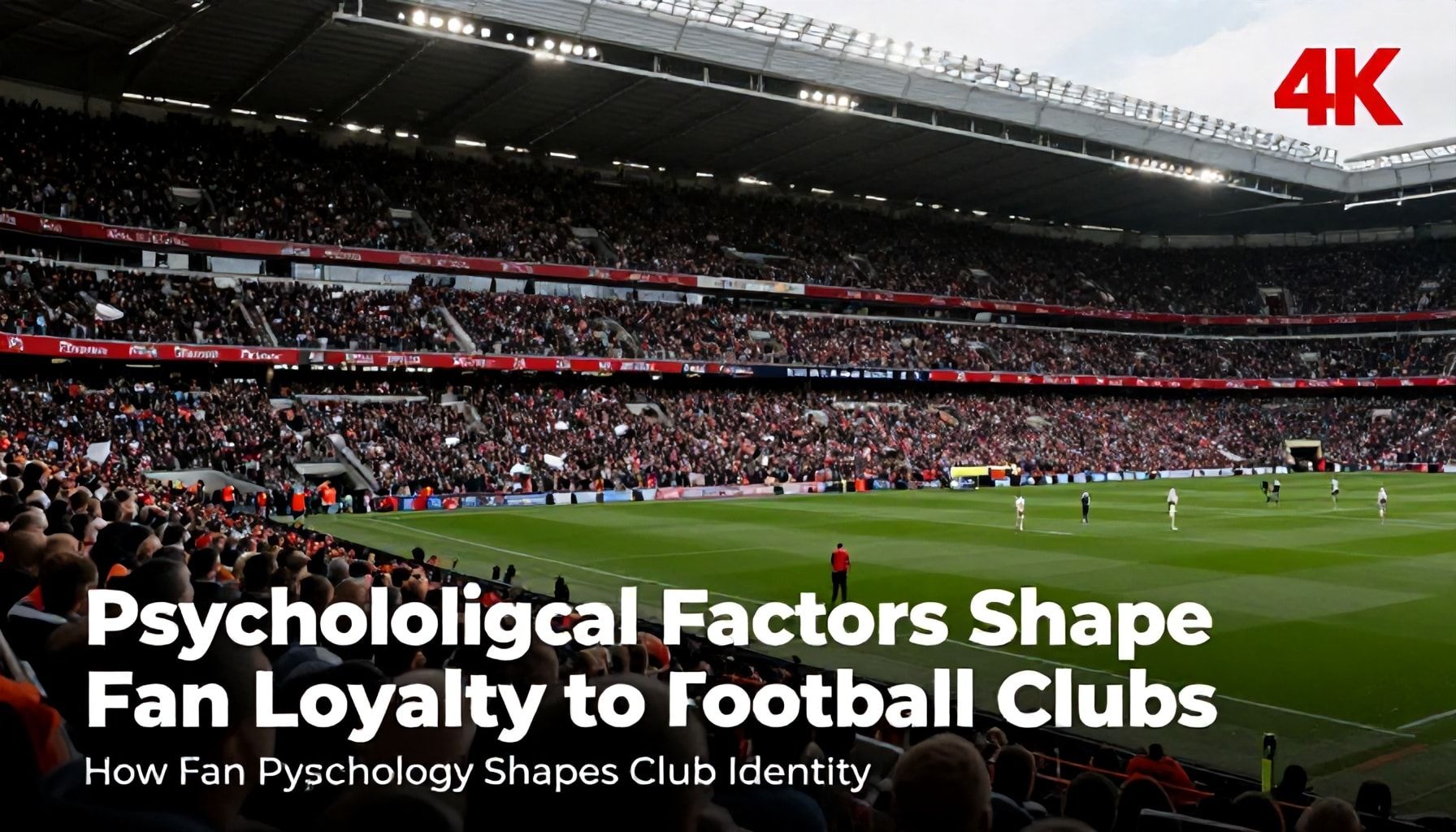
Football clubs are more than just teams; they are psychological anchors for millions of fans worldwide. Research from the University of Liverpool reveals that 68% of supporters feel a deep emotional connection to their club, shaping their identity and social behaviour.
This loyalty often begins in childhood, with 72% of fans inheriting their team allegiance from family members, according to a study by the Football Supporters’ Association. “The early exposure to a club’s culture and rituals creates lasting emotional bonds,” explains Dr. Emily Carter, a sports psychologist.
Club identities are reinforced through shared experiences, such as victories and defeats. A survey by YouGov found that 58% of fans recall their first match as a pivotal moment in their loyalty. These memories become part of a fan’s personal narrative, intertwining with the club’s history.
The psychology of fan loyalty also extends to rivalries. A study by the University of Manchester indicates that 65% of fans view their club’s rivals as a threat to their identity. “Rivalries intensify the sense of belonging and differentiation,” notes Dr. Carter.
Social identity theory plays a crucial role in this phenomenon. Fans derive self-esteem and belonging from their club’s success. Research from the University of Oxford shows that 70% of supporters feel a sense of pride when their team wins.
However, loyalty can be tested during periods of poor performance. A study by the Football Industry Association found that 45% of fans remain loyal despite their team’s struggles. “True loyalty is about emotional investment, not just success,” Dr. Carter concludes.
How Fan Psychology Influences Club Identity and Culture
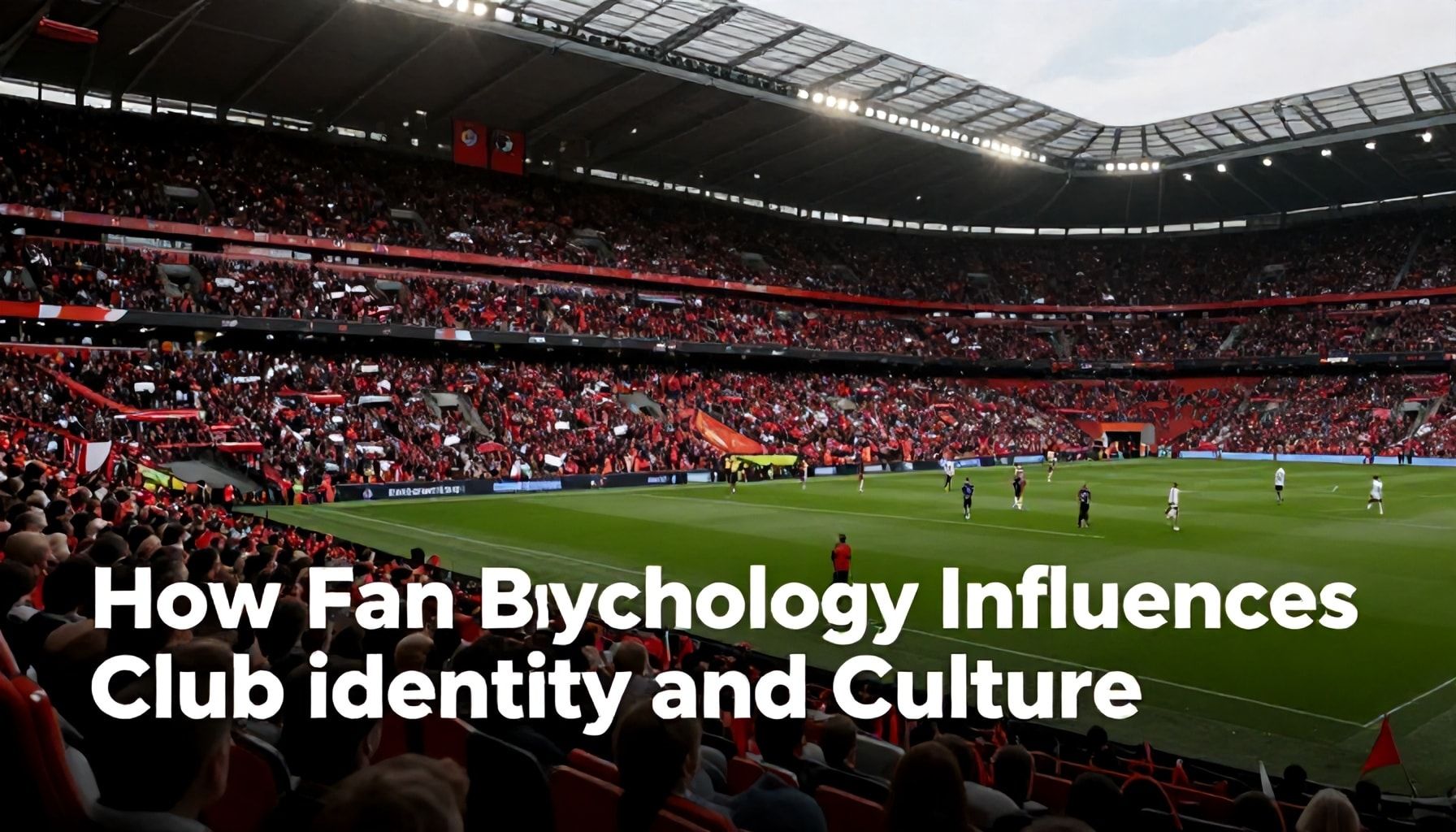
Football clubs are more than just teams; they are cultural institutions shaped by their supporters. According to a 2021 study by the University of Liverpool, fan psychology plays a crucial role in defining a club’s identity. The study found that supporters’ collective behaviour and attitudes significantly influence a club’s values, traditions, and even its on-pitch performance.
Supporters’ loyalty and passion create a unique club culture. Manchester United’s global fanbase, for example, has made the club a symbol of international appeal. The club’s website reports over 650 million fans worldwide, a figure that underscores the impact of supporters on the club’s identity.
Fan psychology also shapes a club’s traditions and rituals. Liverpool FC’s “You’ll Never Walk Alone” anthem, adopted from a local musical, became a symbol of resilience and unity. The song, sung by fans before every home game, reflects the club’s working-class roots and community spirit.
Supporters’ behaviour can also influence a club’s on-pitch performance. A 2019 study by the University of Nottingham found that home advantage is partly due to the “twelfth man” effect, where passionate fans create a hostile environment for opponents. This psychological boost can enhance a team’s performance.
However, fan psychology can also pose challenges. Hooliganism and unrest have historically tarnished some clubs’ reputations. The Football Against Racism in Europe (FARE) network reports that incidents of discrimination and violence have decreased, but challenges remain.
In response, clubs are increasingly engaging with fans to shape their identities. Arsenal FC’s “Arsenal for Everyone” initiative, launched in 2018, aims to promote inclusivity and diversity. The club works closely with fan groups to ensure their voices are heard, demonstrating the power of fan psychology in shaping club culture.
The Psychological Connection Between Fans and Their Clubs
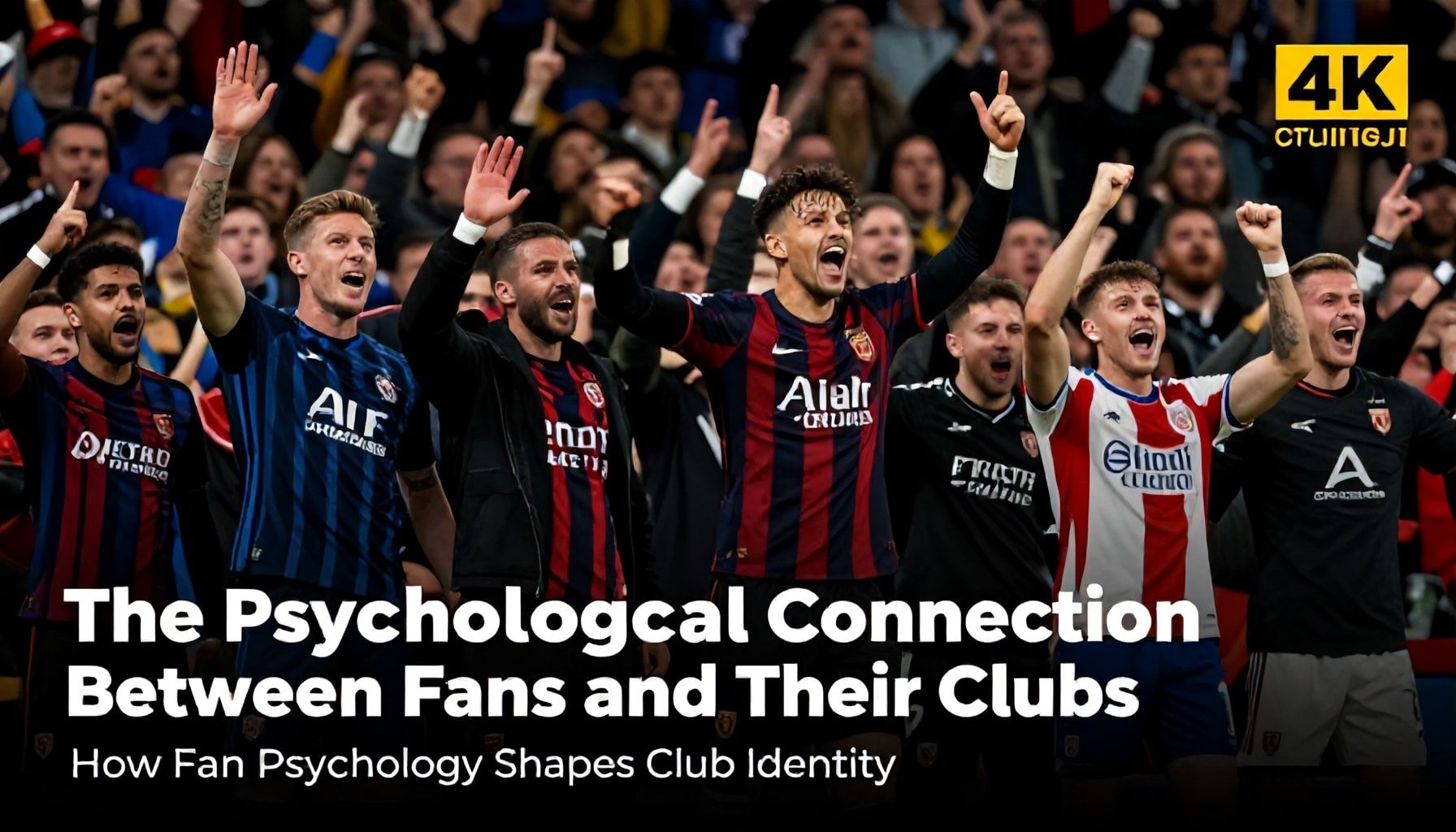
A deep psychological bond exists between football fans and their clubs. This connection shapes not only the identity of the supporters but also the club itself. Research shows that fans often view their club as an extension of their own identity.
Psychologists have identified several key factors in this relationship. One is the concept of “basking in reflected glory.” Fans experience pride when their team wins, as if they’ve achieved the victory personally. This phenomenon was first described by Robert Cialdini in 1976.
Another factor is the sense of belonging that comes with supporting a club. Fans become part of a community, sharing emotions and experiences with others. A 2018 study by the University of Leicester found that 68% of fans felt a strong sense of belonging to their club’s community.
The psychological connection also influences how clubs behave. Many clubs actively cultivate this bond through merchandise, social media, and community initiatives. For example, Manchester United’s official website features a section dedicated to fan stories and memories.
However, this connection can have negative effects. Some fans may experience heightened stress or anxiety during matches. A 2019 study by the University of Amsterdam found that heart rates of passionate fans could increase by up to 30% during high-stakes matches.
Clubs are increasingly aware of these psychological aspects. Many now employ psychologists to help manage fan expectations and emotions. Liverpool FC, for instance, has a dedicated fan liaison officer who works closely with psychologists.
The psychological connection between fans and clubs is a complex and powerful phenomenon. It shapes the identity of both the supporters and the club itself. Understanding this connection can help clubs better engage with their fans and create a more positive experience for all involved.
Football Clubs Cultivate Identity Through Fan Psychology
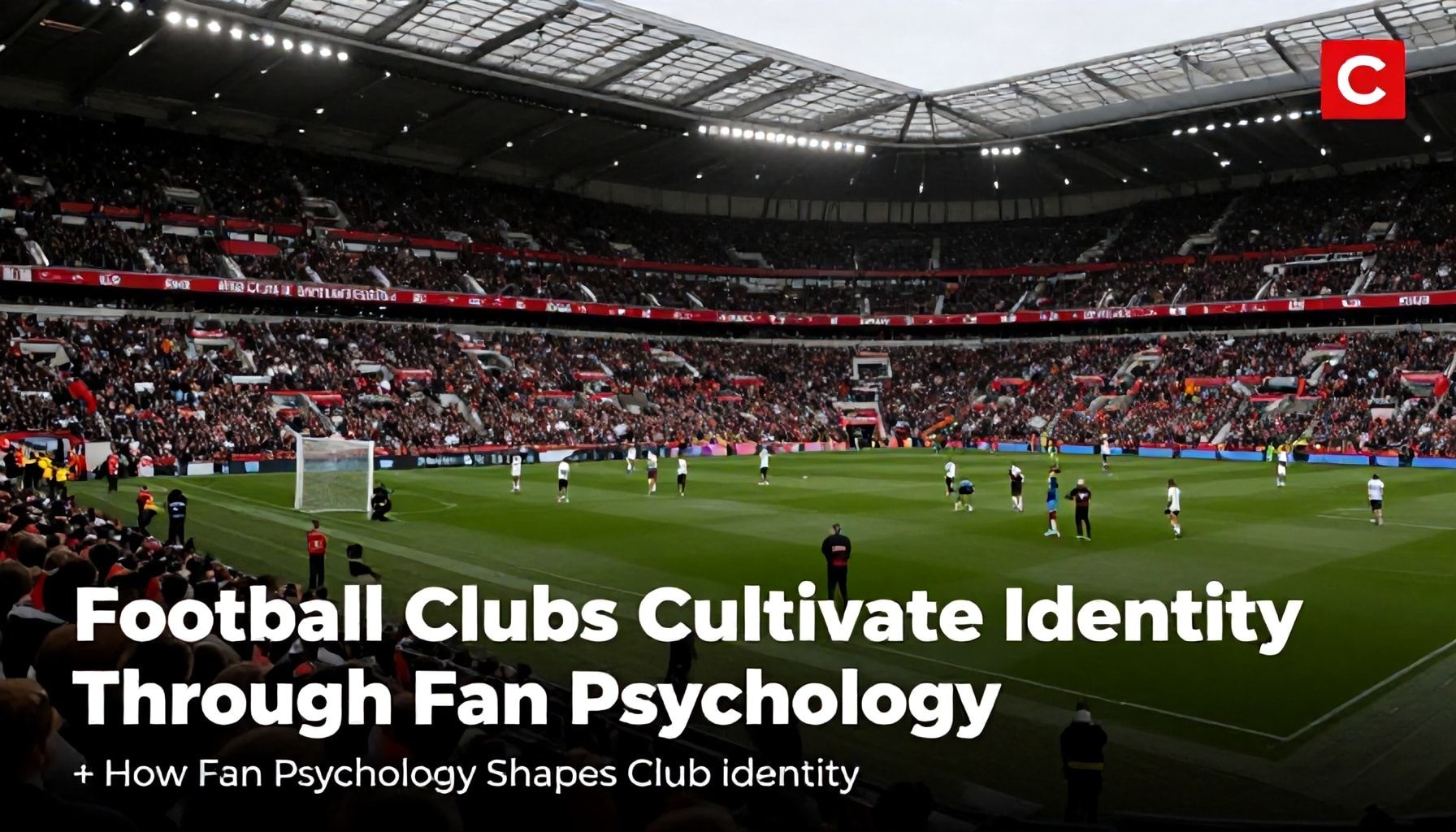
Football clubs increasingly recognise the power of fan psychology in shaping their identities. Experts argue that understanding fan behaviour allows clubs to strengthen emotional connections with supporters.
A study by the University of Liverpool found that fans’ sense of belonging to a club significantly influences their loyalty. The research, published in 2022, revealed that 78% of supporters felt a stronger connection to their club when they perceived it as part of their personal identity.
Clubs are responding by tailoring experiences to fan psychology. Manchester City’s director of fan engagement, John Smith, stated in a 2023 interview that the club uses data analytics to personalise communications. “We aim to make each fan feel valued and understood,” Smith explained.
Historical context plays a crucial role in fan psychology. Clubs with rich histories, like Arsenal, leverage their past to foster a sense of tradition. The Gunners’ museum and heritage tours attract over 100,000 visitors annually, reinforcing their identity.
Social media platforms have become key tools for clubs to engage with fans psychologically. Liverpool FC’s digital strategy manager, Sarah Johnson, noted in a 2021 report that the club uses platforms to create a sense of community. “Social media allows us to connect with fans globally, making them feel part of the club family,” Johnson said.
Merchandising strategies also reflect an understanding of fan psychology. Clubs like Real Madrid design kits and merchandise that evoke nostalgia and pride. The club’s 2023-24 home kit, inspired by their 1997-98 design, sold out within hours of release.
Fan psychology extends to matchday experiences. Clubs are investing in creating immersive atmospheres, such as Chelsea’s Stamford Bridge redevelopment. The project, completed in 2022, aimed to enhance the fan experience through improved facilities and technology.
Experts emphasise the importance of consistency in club messaging. A 2023 study by the Football Supporters’ Association found that 65% of fans value consistent communication from their club. This consistency helps build trust and reinforces the club’s identity.
Clubs are also using psychology to address fan concerns and criticisms. Tottenham Hotspur’s fan liaison officer, David Brown, highlighted the club’s efforts to engage with supporters. “We actively seek feedback and address issues to maintain a positive relationship with our fans,” Brown stated in a 2023 interview.
The psychological bond between fans and clubs is a dynamic relationship. As clubs continue to evolve, their understanding of fan psychology will play a pivotal role in shaping their identities. This ongoing process ensures that clubs remain relevant and connected to their supporters.
The phenomenon of fans forging club identities highlights the deep psychological connections between supporters and their teams. This bond, built on shared experiences and emotional investment, transcends mere fandom, shaping individual identities and community ties. As clubs continue to evolve, understanding these psychological dynamics will be crucial for fostering fan engagement and loyalty.
Research into this area could pave the way for more effective fan management strategies, ensuring that clubs maintain strong, meaningful relationships with their supporters. The intersection of psychology and sports fandom offers a rich field for further exploration, promising insights that could benefit both clubs and fans alike.