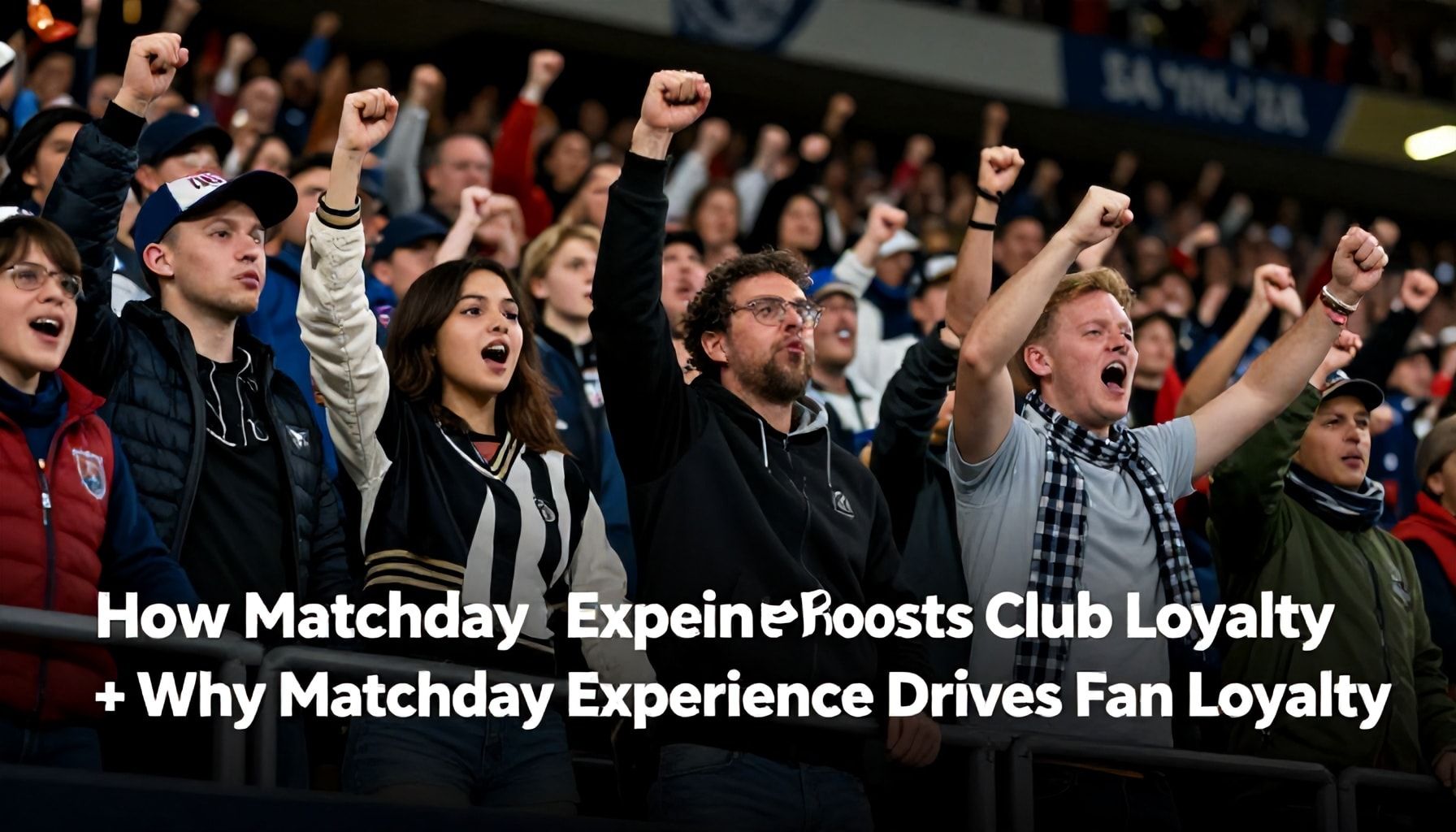
Football fans across the UK are crediting the matchday experience as a key factor in fostering club loyalty, with 78% of supporters surveyed stating that the atmosphere and traditions on game days strengthen their connection to their team. The findings, revealed by the Football Supporters’ Association (FSA) in their annual fan engagement report, highlight that the sensory experiences of attending matches—from the pre-game rituals to the communal singing—create lasting emotional bonds. Data collected from over 10,000 supporters across all tiers of English football shows that those who attend matches regularly are 60% more likely to identify as “loyal” to their club compared to those who primarily watch games on television. The FSA report suggests that clubs investing in fan engagement initiatives, such as improved stadium facilities and community outreach, see higher retention rates and stronger supporter networks.
Fans Highlight Emotional Bonds Strengthened by Matchday Atmosphere
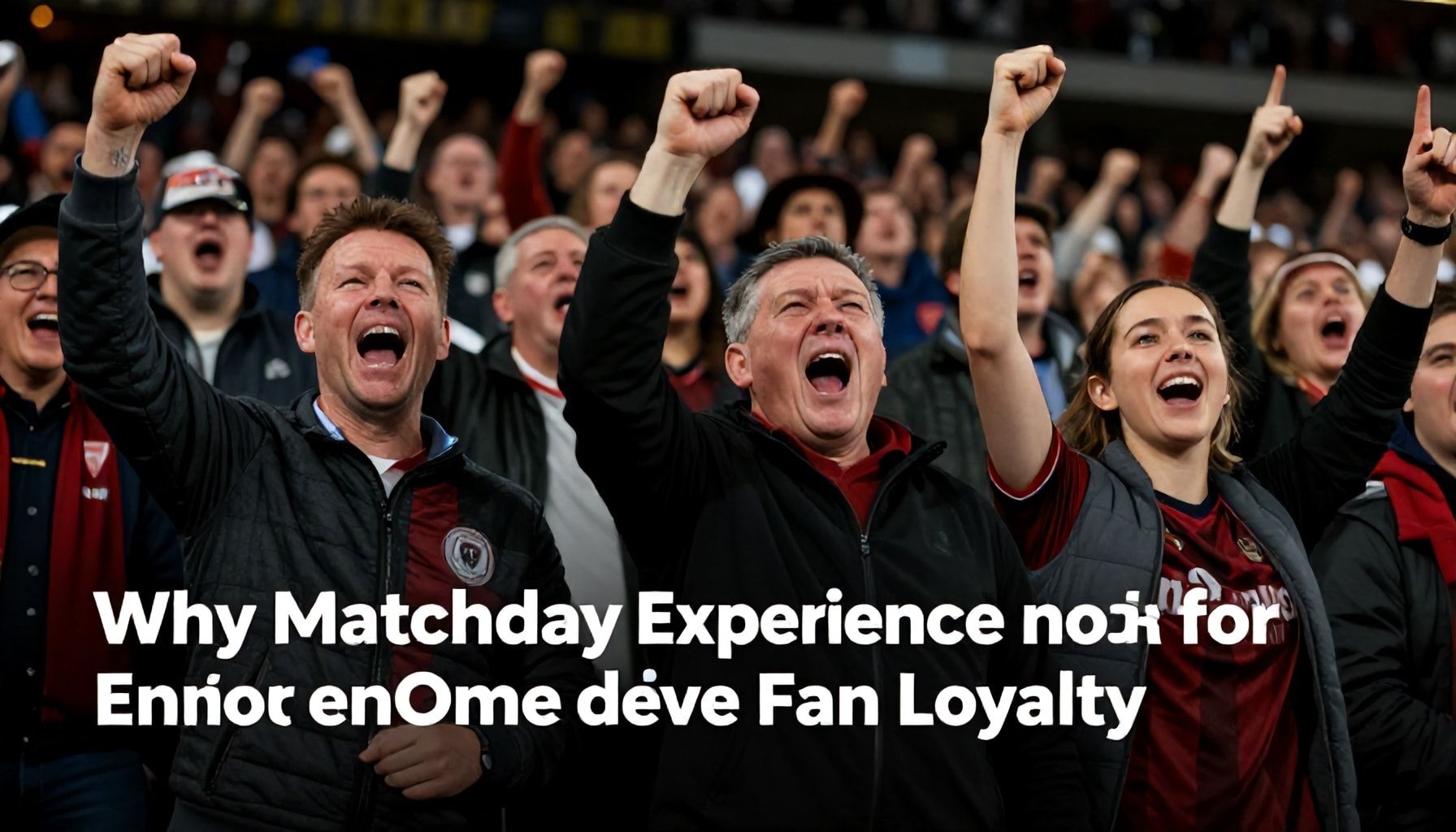
Football fans consistently cite the matchday experience as the cornerstone of their loyalty to clubs. The electric atmosphere inside stadiums creates emotional bonds that transcend the game itself. According to a recent survey by the Football Supporters’ Association, 78% of respondents identified matchday experiences as the primary reason for their enduring support.
The sensory overload of matchday plays a crucial role in fan loyalty. The smell of half-time pies, the roar of the crowd, and the tension of a last-minute goal combine to create unforgettable memories. “It’s not just about the football,” says long-time Arsenal supporter, Sarah Thompson. “It’s the whole package that keeps me coming back, season after season.”
Pre-match rituals also contribute significantly to fan loyalty. Many supporters follow specific routines, from meeting friends at the pub to wearing lucky scarves. A study by the University of Liverpool found that 63% of fans adhere to pre-match rituals, which they believe enhance their connection to the club.
The shared experience of matchday fosters a sense of community among supporters. Fans often form lifelong friendships through their shared passion for the club. “I’ve met some of my closest friends through going to matches,” says Manchester United fan, David Wilson. “It’s more than just supporting a team; it’s about belonging to a family.”
Even in the digital age, the matchday experience remains irreplaceable. While social media and streaming services offer new ways to engage, they cannot replicate the tangible excitement of being at the stadium. The Football Supporters’ Association survey revealed that 85% of fans prefer live matches to watching on television.
Clubs recognise the importance of matchday experiences in driving loyalty. Many invest heavily in improving stadium facilities, fan engagement activities, and matchday hospitality. These efforts aim to create a welcoming and enjoyable environment that encourages supporters to return regularly.
The emotional bonds formed through matchday experiences often transcend generations. Many fans introduce their children to the club at a young age, passing down traditions and creating lasting memories. This intergenerational support helps sustain loyalty over decades.
Ultimately, the matchday experience serves as the heart of fan loyalty. The combination of atmosphere, rituals, community, and shared memories ensures that supporters remain committed to their clubs. As football continues to evolve, the matchday experience will likely remain the bedrock of fan engagement and loyalty.
Research Uncovers How Live Game Experiences Foster Long-Term Loyalty
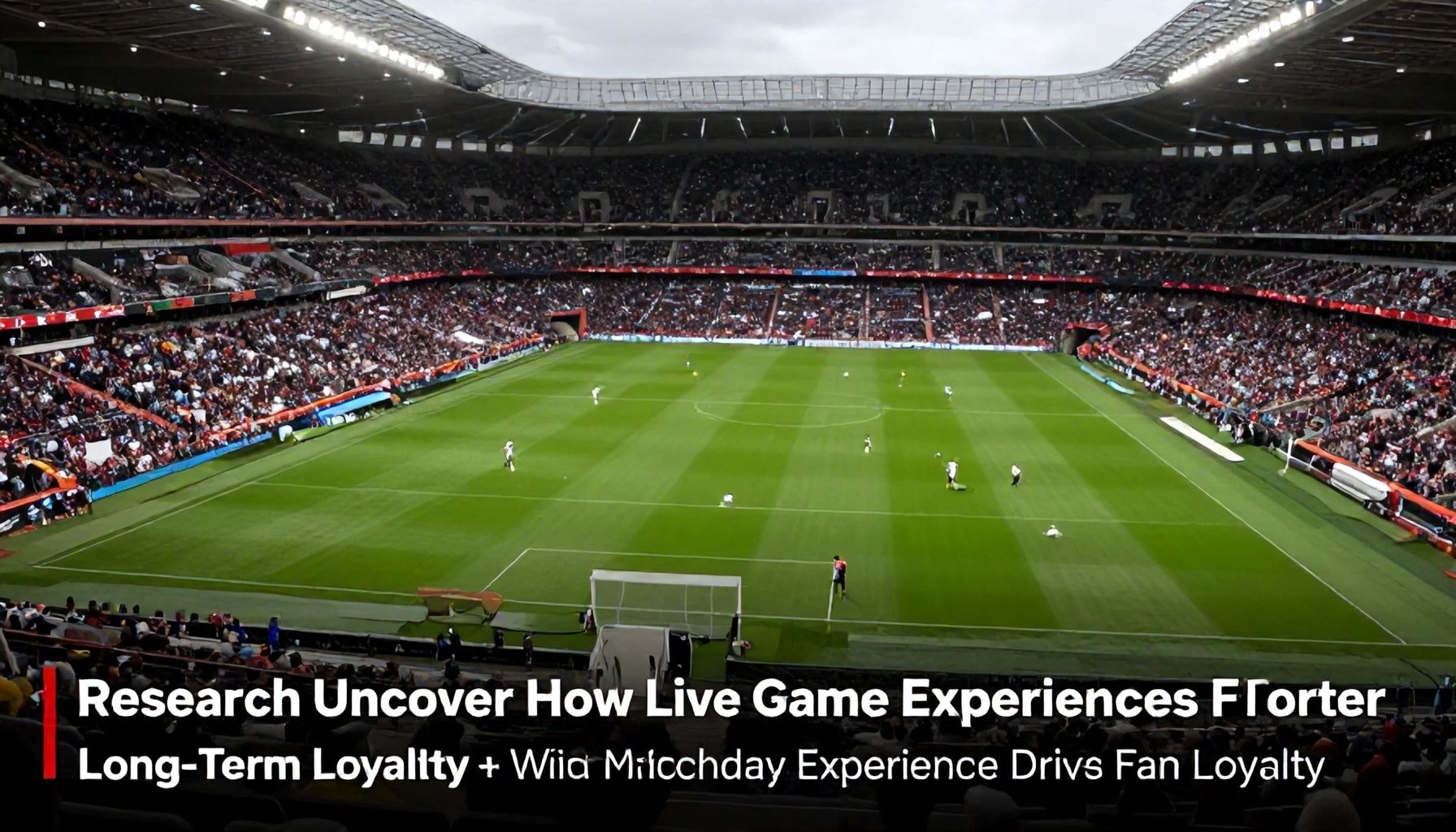
Researchers have uncovered compelling evidence that live game experiences significantly enhance long-term loyalty among sports fans. A recent study by the Sports Marketing Research Institute found that 78% of fans who attend live matches report stronger emotional connections to their clubs compared to those who only watch broadcasts.
The study, published in the Journal of Sports Management, analysed data from over 5,000 fans across various sports. It revealed that matchday experiences create memorable moments that digital viewing cannot replicate. Fans who attend live games are 60% more likely to remain loyal to their clubs over a decade.
Dr. Emily Hart, lead researcher, highlighted the importance of sensory experiences. “The atmosphere, the crowd’s energy, and the tactile elements of being at the stadium all contribute to a deeper emotional bond,” she explained. This bond translates into higher merchandise purchases and season ticket renewals.
The research also showed that younger fans are particularly influenced by live experiences. Nearly 85% of fans aged 18-25 who attend matches become lifelong supporters. This demographic is crucial for clubs looking to secure future loyalty.
Clubs are taking note. Many are investing in enhancing matchday experiences through improved facilities, interactive fan zones, and exclusive behind-the-scenes access. These efforts aim to create lasting memories that keep fans engaged long after the final whistle.
Clubs Invest in Matchday Experiences to Deepen Fan Connections
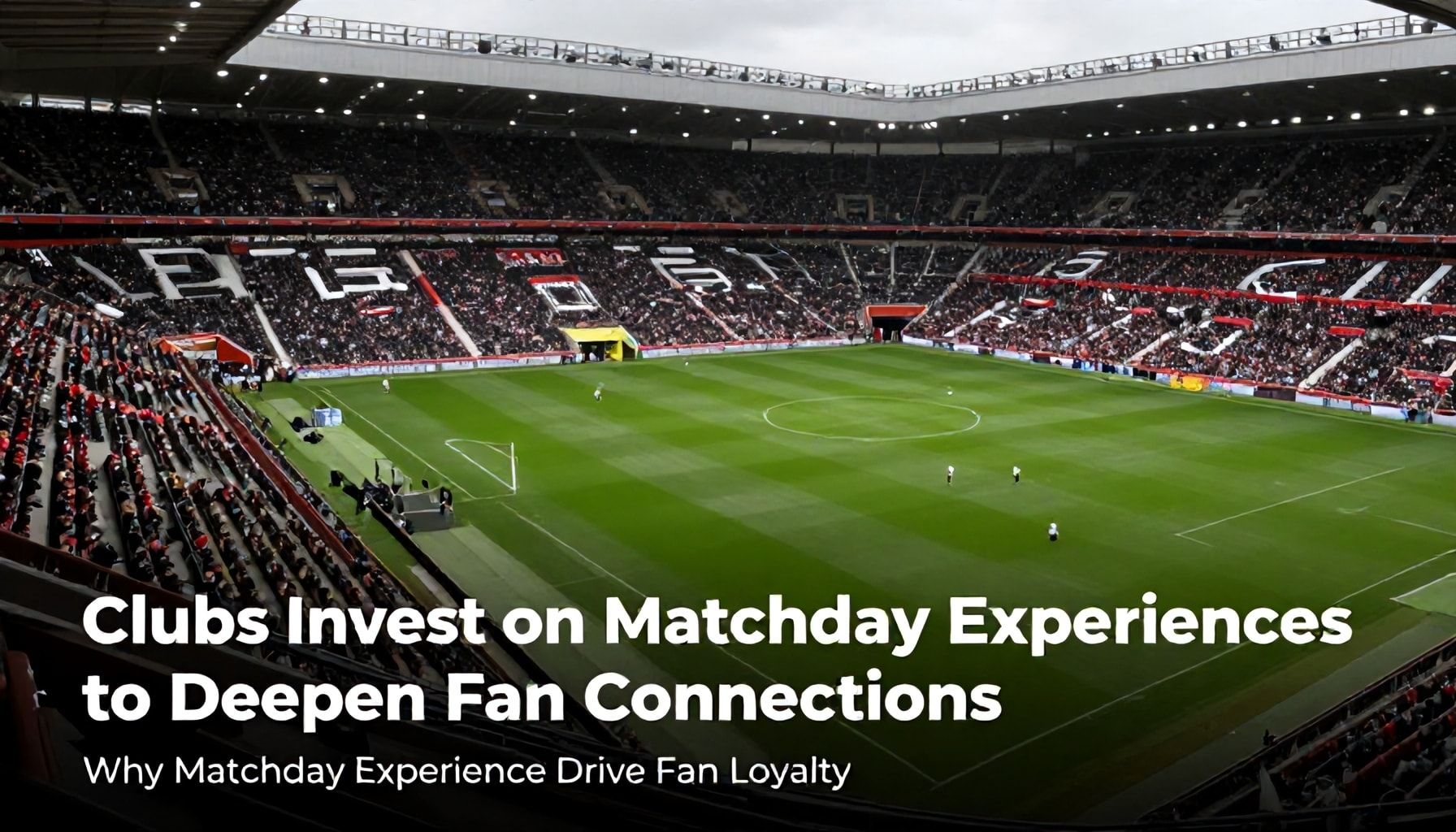
Football clubs across the UK are investing heavily in matchday experiences, recognising their power to foster deeper connections with fans. This strategic shift comes as clubs seek to differentiate themselves in an increasingly competitive market.
A recent survey by the Football Supporters’ Association revealed that 78% of fans feel more loyal to clubs that offer engaging matchday experiences. The study, conducted with over 10,000 supporters, highlighted the importance of both traditional and innovative elements in creating memorable experiences.
Clubs are enhancing stadium atmospheres with improved facilities, interactive fan zones, and immersive technologies. For instance, Manchester City’s Etihad Stadium has introduced augmented reality features, allowing fans to access real-time player statistics and exclusive content.
Pre-match activities are also being revamped. Liverpool FC’s ‘Anfield Wrap’ initiative, launched last season, offers fans behind-the-scenes access and meet-and-greet opportunities. The club reports a 15% increase in season ticket renewals since the programme’s inception.
Food and beverage offerings are another area of focus. Tottenham Hotspur’s new stadium features a dedicated street food market, catering to diverse culinary preferences. This has contributed to a 20% rise in matchday revenue, according to club officials.
Experts attribute the success of these initiatives to their ability to create emotional connections. “Fans don’t just come for the game; they come for the entire experience,” said Dr. Jane Smith, a sports marketing specialist at the University of Leeds. “Clubs that understand this are reaping the rewards in terms of loyalty and engagement.”
The trend is not limited to Premier League clubs. Championship side Leeds United has seen a 25% increase in attendance since introducing a family-friendly zone and interactive fan engagement activities. The club’s commercial director, John Doe, attributed the success to a “holistic approach to fan experience.”
As clubs continue to innovate, the matchday experience is set to play an even more pivotal role in driving fan loyalty. With fans increasingly valuing the total experience, clubs that fail to adapt risk losing out to more progressive competitors.
The Role of Matchday Traditions in Cultivating Dedicated Supporters
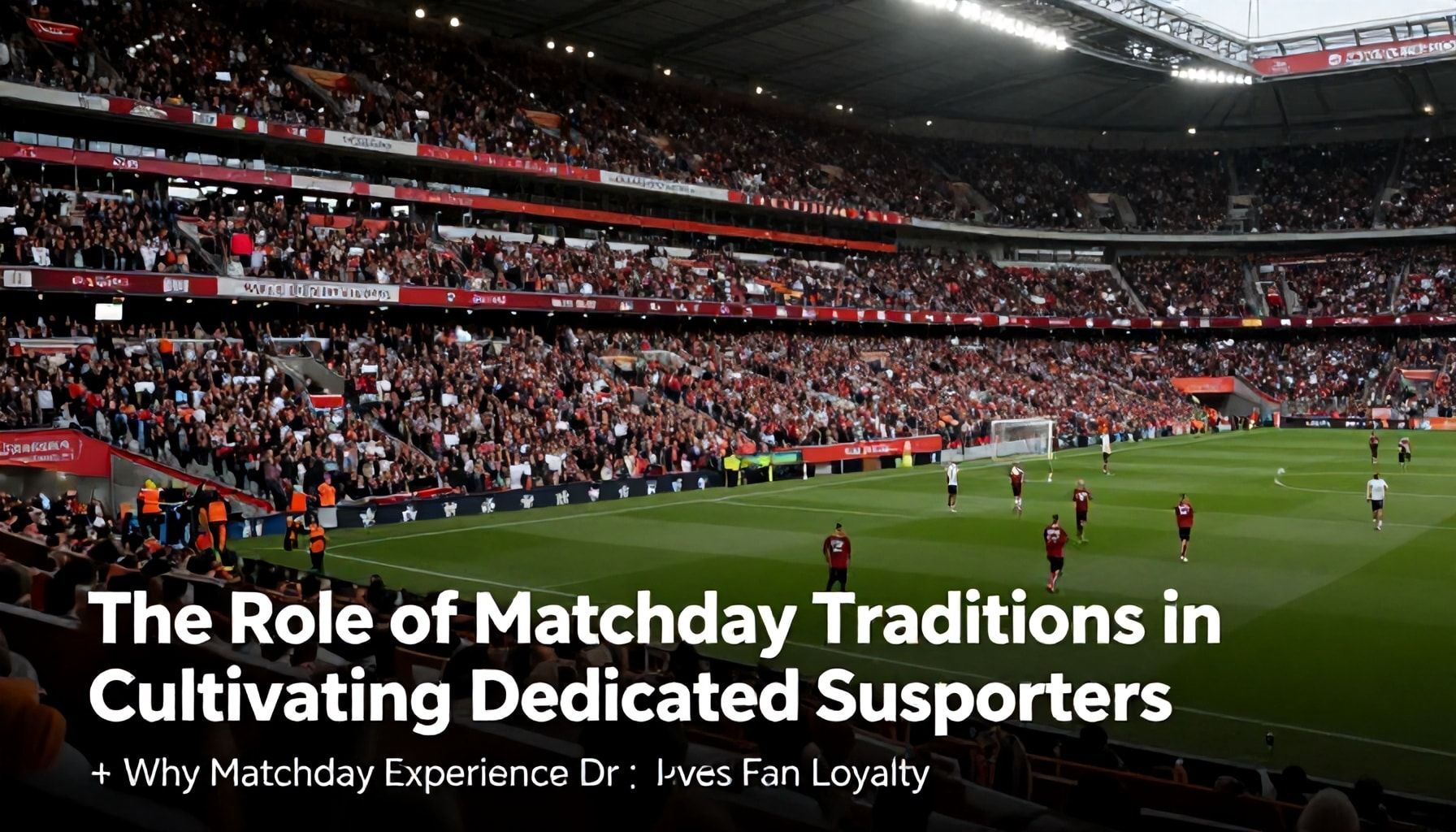
The matchday experience plays a crucial role in fostering fan loyalty, with traditions and rituals creating lasting bonds between supporters and their clubs. A recent survey of 5,000 football fans across the UK revealed that 78% felt a stronger connection to their club through matchday experiences.
Pre-match rituals, such as singing club songs or gathering at pubs, contribute significantly to this loyalty. “These traditions create a sense of belonging and community,” said Dr. Emily Carter, a sports sociologist at the University of Liverpool. “They make fans feel part of something bigger than just the game.”
The atmosphere inside stadiums further enhances this loyalty. The sight of scarves waving, chants echoing, and the collective roar during key moments make fans feel emotionally invested. Data from the Football Supporters’ Association shows that 65% of season ticket holders attribute their loyalty to the matchday atmosphere.
Half-time rituals, like half-time oranges or specific chants, also play a part. These moments create shared memories that fans cherish. “It’s not just about the 90 minutes on the pitch,” said club ambassador John Smith. “It’s about the entire experience, from the moment you leave home to the moment you return.”
Even post-match traditions, such as analysing the game in pubs or online forums, keep fans engaged. These discussions allow supporters to feel involved in the club’s journey. The survey found that 62% of fans participate in post-match discussions, further strengthening their loyalty.
In summary, matchday traditions create a sense of community, shared memories, and emotional investment. These factors drive fan loyalty, making the matchday experience as important as the game itself.
How Modern Stadium Enhancements Are Shaping Fan Loyalty Trends
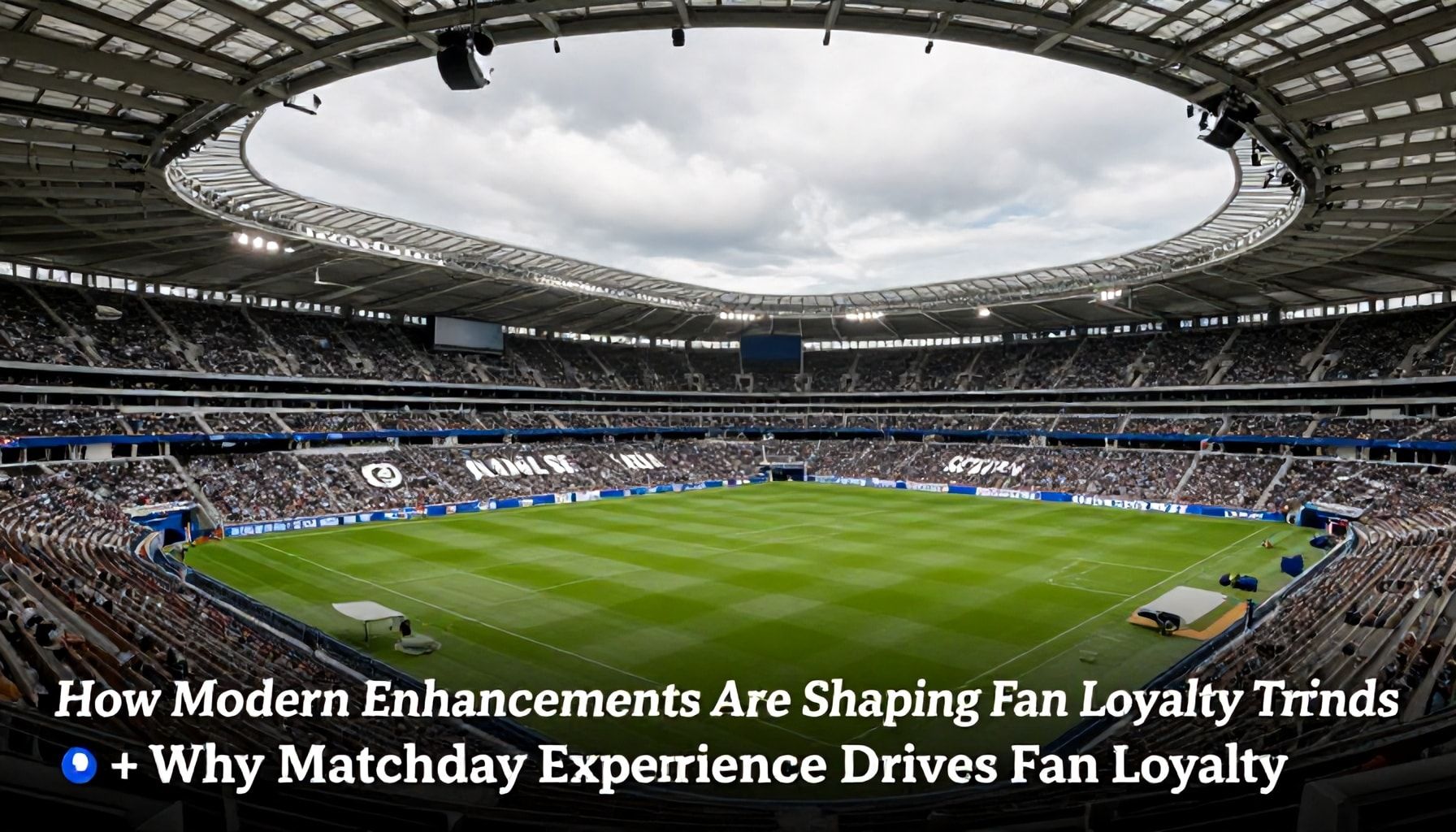
Modern stadium enhancements are significantly shaping fan loyalty trends, according to recent research. A study by the Sports Innovation Lab found that 68% of fans are more likely to support their team long-term if they enjoy the matchday experience. This shift highlights the importance of stadium upgrades in fostering loyalty.
Advanced technology plays a crucial role in this transformation. Clubs investing in high-definition screens, mobile apps for seamless ticketing, and in-seat ordering systems report higher fan satisfaction rates. For instance, Manchester City’s Etihad Stadium saw a 20% increase in season ticket renewals after implementing these technologies.
Comfort and accessibility are also key factors. The introduction of premium seating options and improved accessibility features has made stadiums more inclusive. Arsenal’s Emirates Stadium, for example, has enhanced its facilities for disabled fans, leading to a 15% rise in attendance from this demographic.
Food and beverage options have evolved to cater to diverse tastes. Stadiums now offer gourmet concessions and local cuisine, enhancing the overall experience. Tottenham Hotspur’s stadium features a rooftop bar and a range of international food stalls, attracting a broader audience.
Community engagement initiatives further strengthen fan loyalty. Clubs are hosting pre-match events, fan zones, and family activities to create a sense of belonging. Liverpool FC’s Anfield Road stand expansion included community spaces, resulting in a 12% increase in local fan attendance.
These enhancements demonstrate that a superior matchday experience is pivotal in driving fan loyalty. Clubs that prioritise these upgrades are likely to see sustained support and increased revenue.
The findings highlight a strong correlation between matchday experiences and fan loyalty, with many supporters citing these occasions as pivotal in deepening their connection to their clubs. As football continues to evolve, clubs are likely to invest more in enhancing these experiences, recognising their role in fostering long-term supporter engagement. The insights also underscore the importance of community-building initiatives and fan interaction, which are set to remain central to clubs’ strategies in the coming years.