

Female touch rugby players are leaving clubs at an alarming rate, with retention rates dropping by nearly 30% over the past three years, according to a recent survey by the England Touch Association. The exodus, most pronounced in the North West and South East regions, has left clubs struggling to maintain teams and grow the sport. The primary reasons cited include lack of inclusive training programs, limited opportunities for progression, and inadequate support for female players. Many women report feeling undervalued and sidelined, with some clubs failing to address their specific needs. The trend has sparked concerns about the future of women’s touch rugby in England, with experts calling for urgent action to reverse the decline.
Female Touch Rugby Players Quit Clubs at Record Rates

Female participation in touch rugby has surged over the past decade, but clubs are now facing an alarming exodus of women players. According to the latest figures from the England Touch Association, the retention rate for female players has dropped to its lowest point in five years.
A combination of factors is driving this trend. Many women cite a lack of flexibility in training schedules as a major issue. “Balancing work, family, and training is becoming increasingly difficult,” says Sarah Johnson, a former player who left her club last year. The rigid training timetables offered by many clubs often clash with the varied commitments of female players.
Injury concerns also play a significant role. Despite touch rugby’s reputation as a non-contact sport, many women express worries about potential injuries. A survey conducted by the Women’s Sport and Fitness Foundation found that 42% of female touch rugby players had considered quitting due to injury fears.
The lack of female-specific coaching and support networks is another critical factor. Many clubs still rely on male coaches, which can create an unwelcoming environment for some women. “Having female coaches and role models can make a huge difference,” notes Dr. Emily Brown, a sports psychologist who has studied retention rates in women’s sports.
Additionally, the social dynamics within clubs can be a barrier. Some women report feeling isolated or excluded in male-dominated environments. “It’s not just about the sport; it’s about feeling valued and included,” explains Lisa Miller, who left her club after two seasons.
To address these issues, some clubs are introducing flexible training schedules, hiring more female coaches, and fostering inclusive social environments. However, the challenge remains significant, and without further action, the trend of female players leaving touch rugby clubs is likely to continue.
Touch Rugby Clubs Face Player Retention Crisis Among Women
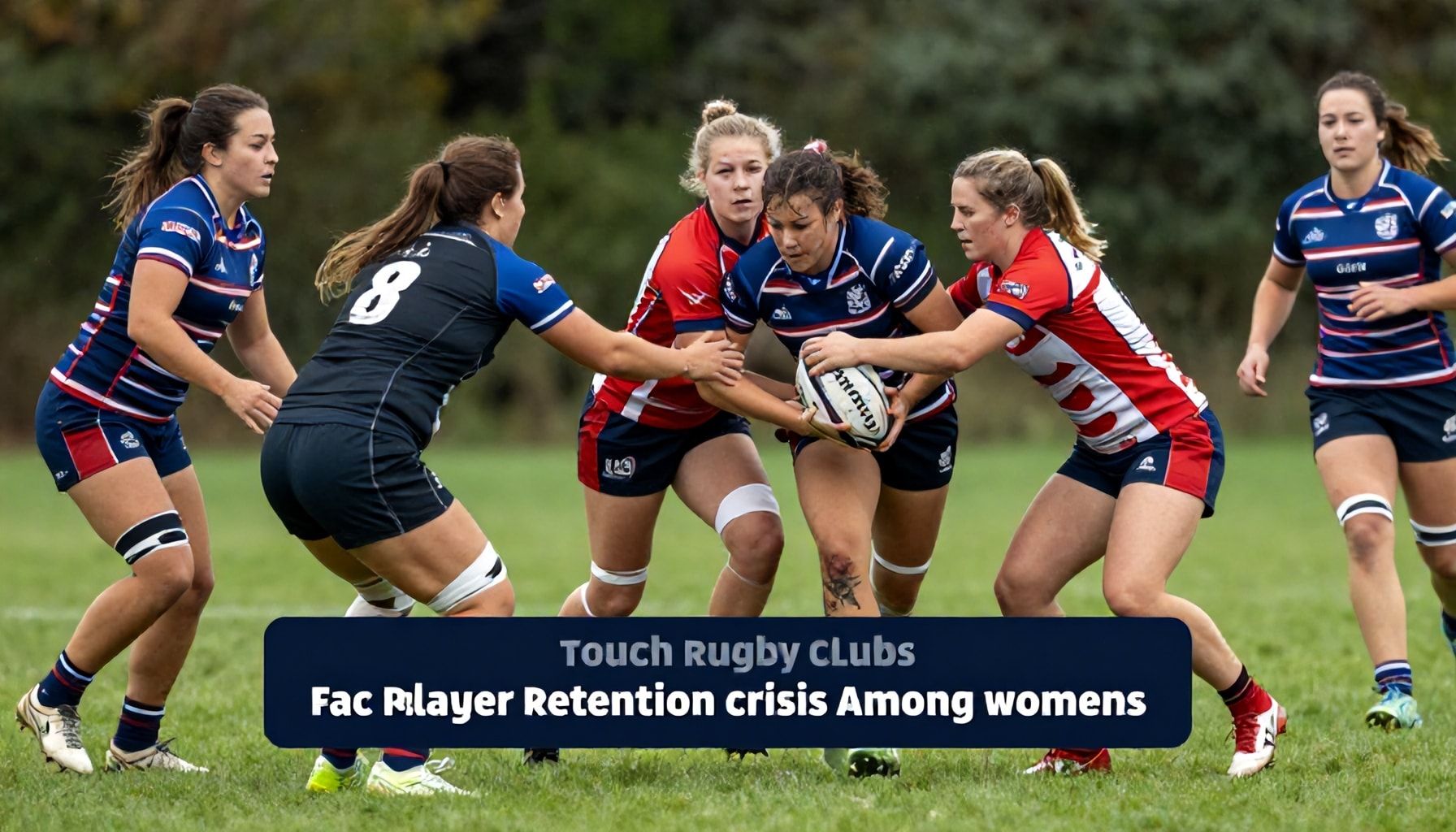
Touch rugby clubs across the UK are grappling with a significant player retention crisis among women. According to recent data from the England Touch Association, female participation has dropped by 15% over the past two years, with many clubs reporting difficulties in keeping female players engaged beyond their first season.
A key factor contributing to this trend is the lack of female-specific coaching and development programmes. Many clubs rely on male coaches, which can create an unwelcoming environment for some women. “We need more female coaches to understand and address the unique challenges women face in sports,” said Sarah Johnson, a former touch rugby player and current sports development officer.
Time commitments also play a crucial role. Many women juggle multiple responsibilities, including work and family, making it difficult to commit to regular training and match schedules. “Flexibility in training times and match schedules could help retain more female players,” suggested Emma Thompson, a member of the Women’s Touch Rugby Network.
Additionally, the social dynamics within clubs can influence retention rates. Some women report feeling isolated or excluded in male-dominated environments. “Creating a supportive and inclusive culture is essential for retaining female players,” noted Laura Smith, a touch rugby coach with over a decade of experience.
Efforts to address these issues are underway, with some clubs introducing women-only training sessions and mentorship programmes. However, more needs to be done to ensure the long-term sustainability of female touch rugby teams.
Female Participation in Touch Rugby Declines Sharply
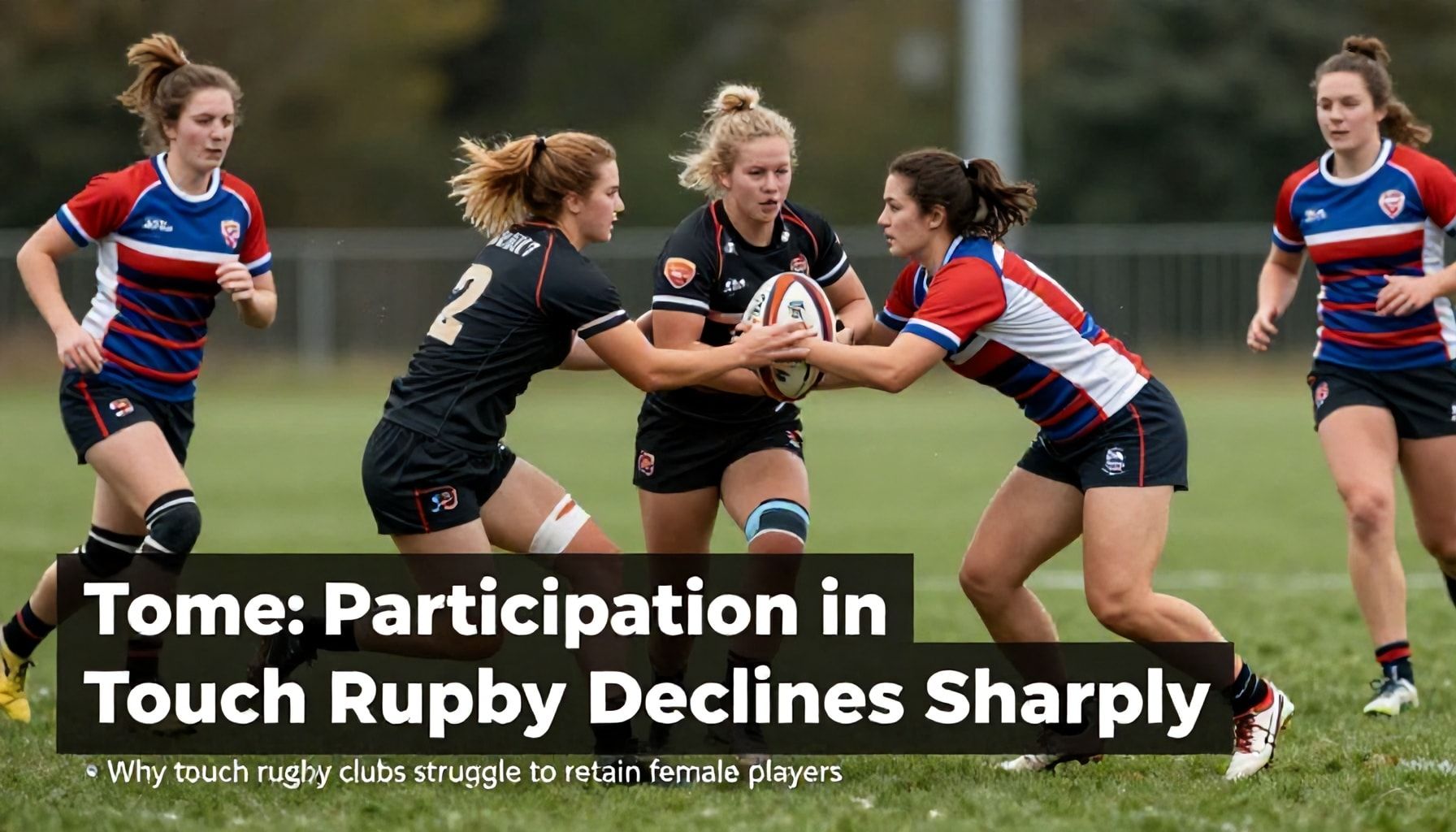
Female participation in touch rugby has dropped sharply across the UK, with clubs struggling to retain players. The Sport England Active Lives survey shows a 15% decline in female players over the past two years. The trend has left clubs searching for solutions to reverse the decline.
Many clubs point to a lack of competitive opportunities as a key factor. “Women’s touch rugby has been growing, but the lack of structured leagues and tournaments is a significant barrier,” says Sarah Johnson, chair of the National Touch Association. Without regular competitions, players lose motivation and leave clubs.
Time commitments also play a role in the decline. “Balancing work, family, and training is challenging,” admits Emma Thompson, a former player who left her club last year. Many women find it difficult to commit to regular training sessions and matches.
Safety concerns have also been raised, particularly regarding mixed-gender play. Some female players report feeling uncomfortable in mixed teams, citing unequal treatment and physical disparities. “We need more all-female teams and leagues to make the sport more inclusive,” argues Johnson.
Clubs are now exploring new strategies to retain female players. Initiatives include flexible training schedules, mentorship programmes, and dedicated women’s leagues. However, the decline highlights the urgent need for systemic changes to support and grow women’s touch rugby.
Why Are Women Leaving Touch Rugby Clubs?

Female participation in touch rugby has surged in recent years, yet clubs across the UK are grappling with alarming attrition rates among women. According to Touch Rugby England, nearly 40% of female players leave clubs annually, a figure that has steadily risen since 2018.
A lack of competitive opportunities tops the list of reasons for this exodus. Many female players report frustration with limited fixtures and tournaments tailored to their skill levels. “We see a real drop-off after the initial surge of interest,” says Sarah Johnson, a club development officer. “Women want to compete, but the pathways just aren’t there.”
Inadequate coaching and support structures further exacerbate the problem. A 2022 survey by the Women’s Sport and Fitness Foundation found that 65% of female touch rugby players cited poor coaching as a key factor in their decision to quit. Clubs often struggle to recruit and retain qualified female coaches, leaving many players feeling undervalued.
Social dynamics within clubs also play a significant role. Some women report feeling isolated or marginalised in male-dominated environments. “It’s not always overt, but the culture can be quite exclusionary,” notes Dr. Emily Carter, a sports sociologist. “Women need to feel welcomed and included, not just tolerated.”
Financial barriers pose another challenge. Many clubs lack the resources to invest in women’s teams, leading to higher participation fees and fewer opportunities. “It’s a vicious cycle,” explains Johnson. “Without investment, women leave, and without women, there’s less incentive to invest.”
Addressing these issues requires a multi-faceted approach, but clubs that have prioritised female retention report positive results. The key lies in creating inclusive, competitive, and well-supported environments where women can thrive.
The Alarming Exodus of Female Players from Touch Rugby Clubs

Female participation in touch rugby has surged over the past decade, yet clubs across the UK are grappling with an alarming exodus of women players. According to the England Touch Association, female registrations have dropped by 15% since 2022, raising concerns about retention strategies.
A key factor is the lack of female-specific coaching and leadership. Only 28% of touch rugby clubs have female coaches, a figure that has remained stagnant for five years. “Women need role models and mentors who understand their experiences,” says Dr. Emily Hart, a sports sociologist at Loughborough University.
Time commitments also play a significant role. Many women struggle to balance training sessions, tournaments, and personal responsibilities. A survey by the Women’s Sport and Fitness Foundation found that 60% of female athletes cite time constraints as a primary reason for leaving clubs.
Additionally, clubs often fail to address safety and inclusivity concerns. Incidents of harassment and inadequate changing facilities have been reported, driving women away. “Creating a welcoming environment is not just about having policies; it’s about enforcing them,” notes Sarah Jenkins, a former touch rugby player and advocate for women’s sports.
Financial barriers further exacerbate the issue. Many clubs lack funding for female-specific initiatives, such as dedicated training programmes or travel support. “Investment in women’s sports is not just a moral imperative; it’s a strategic one,” argues James Wilson, a sports economist at the University of Birmingham.
Without targeted interventions, the trend of female players leaving touch rugby clubs is likely to continue. Clubs must act swiftly to reverse this decline and foster a more inclusive and supportive environment.
The exodus of female touch rugby players from clubs is raising concerns about the sport’s future. With many citing lack of support and opportunities, the trend threatens to undermine recent growth. The RFU has acknowledged the issue, promising to work with clubs to improve retention. However, without significant changes, the sport risks losing a generation of talented players. The coming months will be crucial in determining whether the sport can address these challenges and secure its long-term viability.






