
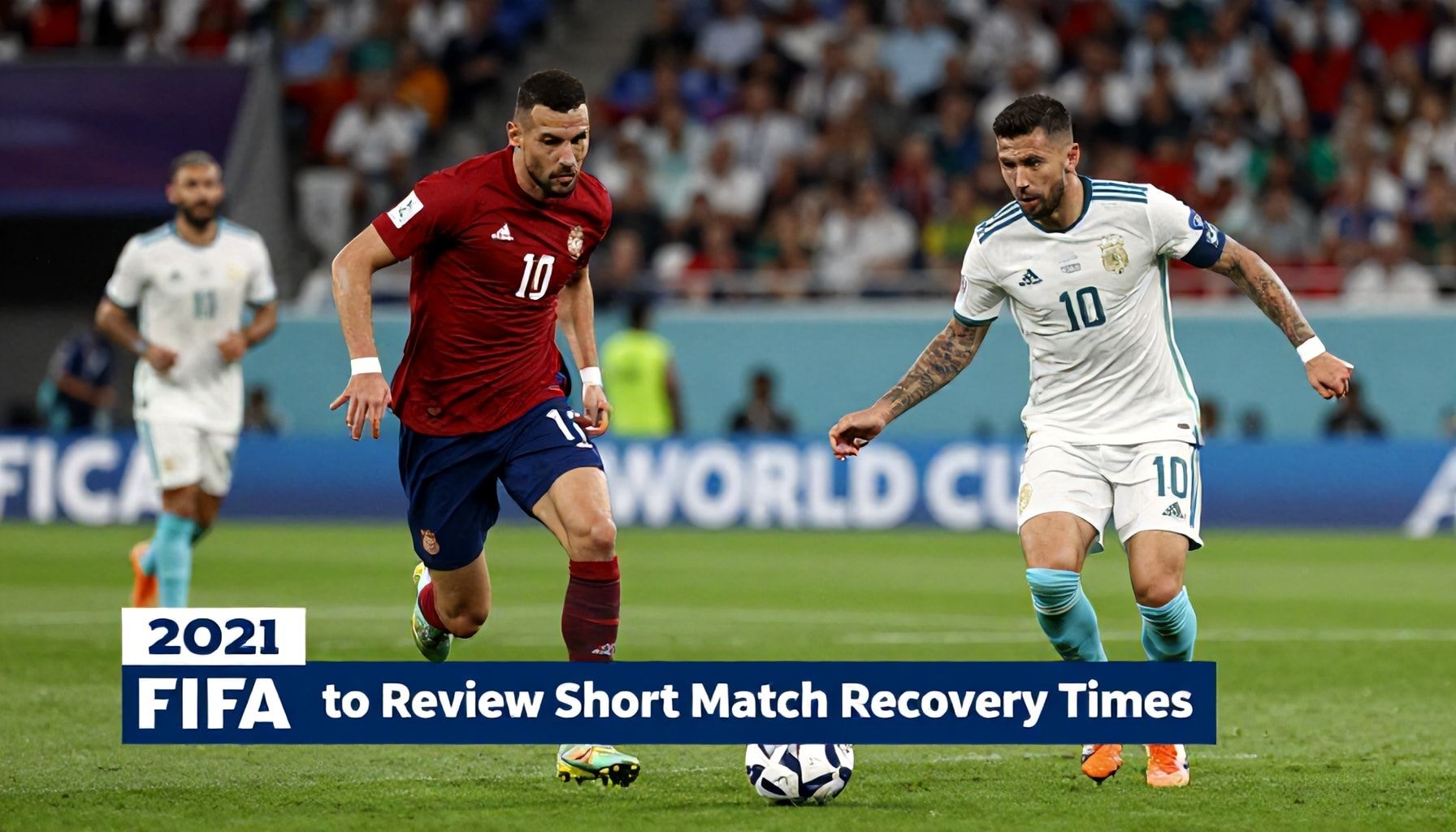
FIFA has announced it will review the short recovery times between matches following the 2022 World Cup in Qatar, where players had as little as 48 hours between fixtures. The global football governing body acknowledged concerns about player welfare after criticism from coaches, players, and medical experts about the demanding schedule. The review comes as FIFA president Gianni Infantino stated the organisation is committed to “ensuring the best possible conditions for players” in future tournaments. The 2022 World Cup, compressed into 28 days due to Qatar’s extreme summer heat, saw teams playing three group stage matches in just eight days. FIFA’s decision follows similar reviews by other sports organisations, including the International Olympic Committee, which has also examined the impact of short recovery times on athlete performance and health. The findings of FIFA’s review are expected to influence the scheduling of future international competitions.
FIFA to Address Concerns Over Player Recovery Times at World Cup
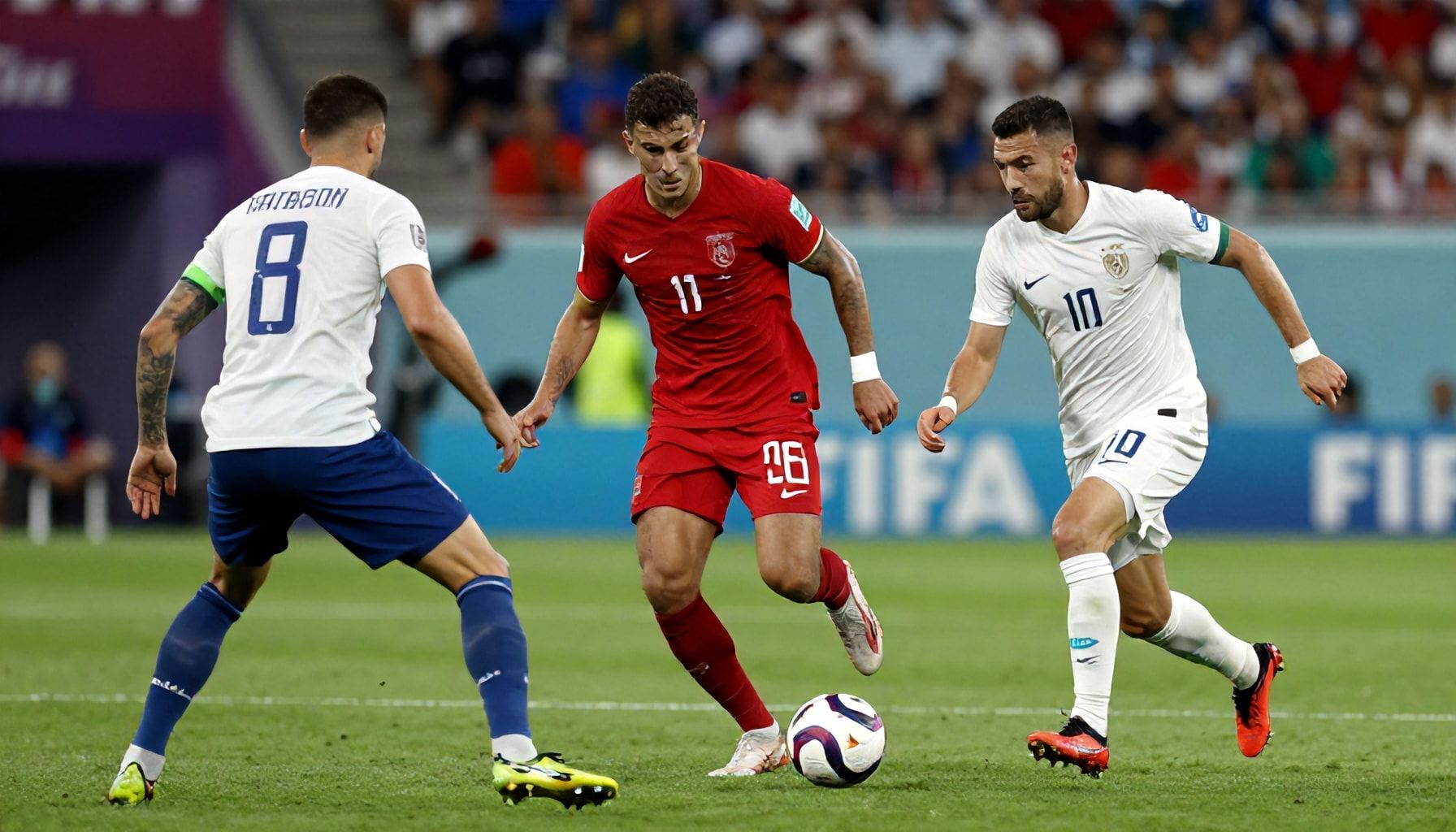
FIFA has announced it will review the short recovery times between matches at the 2022 World Cup in Qatar. The global football governing body acknowledged concerns over player welfare following the tournament’s compact schedule.
The 2022 World Cup featured the shortest recovery times in the competition’s history. Teams had as little as two days between matches in the group stage, with knockout rounds sometimes scheduled just 48 hours apart.
FIFA’s decision comes after widespread criticism from players, coaches, and medical experts. Many highlighted the increased risk of injuries and fatigue due to the tight schedule, particularly in Qatar’s intense heat.
Dr. Michel D’Hooghe, former FIFA Medical Committee chairman, expressed concerns during the tournament. “The players are at risk of injury and fatigue,” he stated, calling for a review of the schedule.
FIFA’s review will consider the impact of short recovery times on player performance and safety. The organisation is expected to consult with medical experts, coaches, and players’ unions to gather insights.
The World Cup schedule has evolved over the years, with the number of teams increasing from 16 in 1982 to 32 in 1998, and now 48 from 2026. This expansion has led to more matches and tighter schedules, raising concerns about player welfare.
FIFA’s decision to review recovery times signals a commitment to addressing these concerns. The organisation aims to balance the tournament’s competitive integrity with player safety and well-being.
World Cup 2022: FIFA Reviews Match Scheduling Amid Fatigue Fears
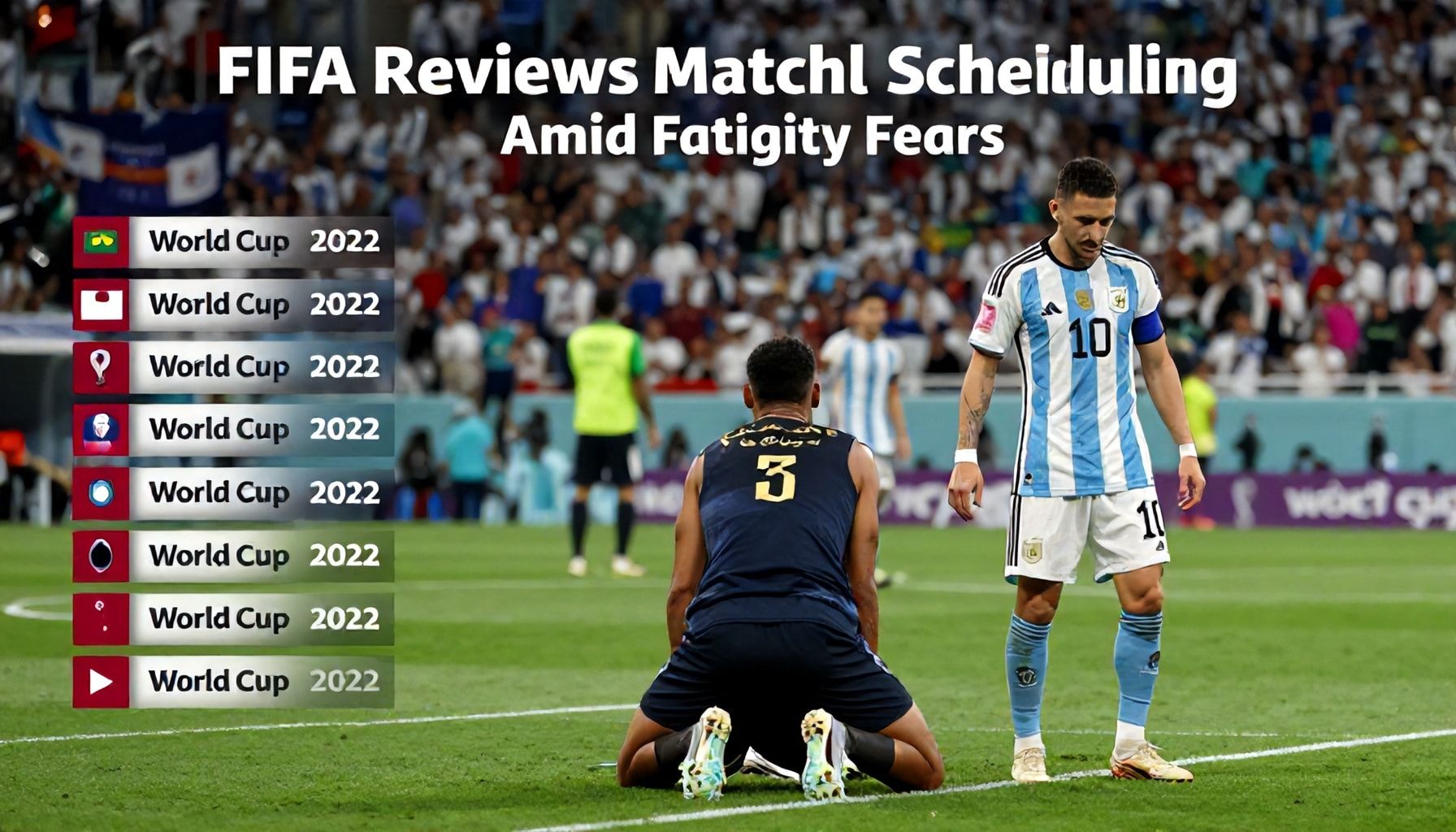
FIFA is reviewing match scheduling for the 2022 World Cup after concerns were raised about short recovery times between games. The issue came to light during the group stages, where some teams had just two days to rest and prepare for their next match.
FIFA’s chief medical officer, Dr. Michel D’Hooghe, acknowledged the problem. “We need to look at this,” he said in a press conference. “Player welfare is paramount, and we must ensure they have adequate recovery time.”
The current schedule allows for a minimum of two days between matches. This is shorter than the five-day gap recommended by sports scientists for optimal recovery. The issue is particularly acute for teams playing in the latter stages of the tournament.
Some experts have criticised the tight schedule. “Players are at risk of fatigue and injury,” said one sports scientist. “This could affect their performance and the quality of the tournament.”
FIFA has not yet announced any changes to the schedule. A decision is expected after the tournament concludes. The organisation is also considering other measures to improve player welfare, including stricter rules on training and travel.
The review comes amid growing concerns about player burnout in modern football. Many top players are involved in multiple competitions throughout the year. The World Cup, with its intense schedule, adds to this burden.
FIFA’s decision to review the schedule is a positive step. It shows the organisation is willing to listen to concerns and make changes where necessary. The outcome of the review will be closely watched by fans, players, and officials alike.
Short Turnarounds Under Scrutiny as FIFA Evaluates World Cup Schedule
FIFA is reviewing match schedules following concerns over short recovery times during the 2022 World Cup in Qatar. The governing body acknowledged the need to evaluate the impact of compact schedules on player welfare and performance.
Several matches at the tournament featured recovery times of just 48 hours or less. This included the third-place playoff, which took place two days after the semi-finals. FIFA’s chief medical officer, Professor Dr. Michel D’Hooghe, confirmed the organisation is assessing these short turnarounds.
Criticism emerged from various quarters, including former England manager Gareth Southgate. He highlighted the potential risks of such tight schedules, particularly for players involved in multiple matches. “The players’ welfare must be the priority,” Southgate stated post-tournament.
FIFA’s review process involves analysing data from the 2022 World Cup and consulting with medical experts. The aim is to determine whether adjustments are needed for future tournaments. A final report is expected to be published in the coming months.
The International Federation of Professional Footballers (FIFPro) has also called for changes. They argue that current schedules do not adequately protect players’ health. FIFPro’s general secretary, Jonas Baer-Hoffmann, emphasised the need for evidence-based decisions.
FIFA has not yet announced any specific changes to the schedule. However, the review signals a willingness to address concerns raised by players and managers. The outcome could influence the format of future World Cups and other international tournaments.
Player Welfare Takes Centre Stage in FIFA's Post-World Cup Review
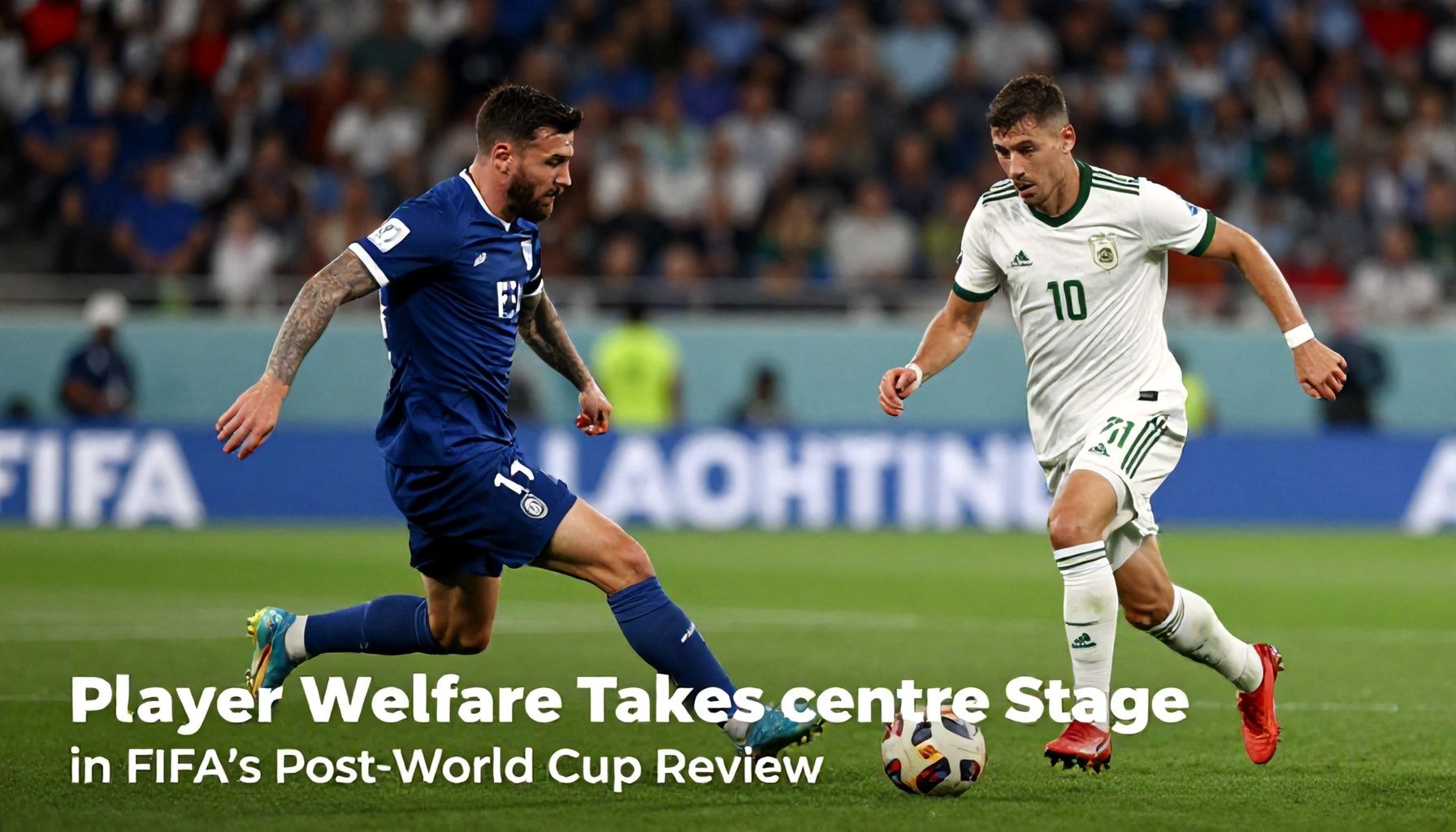
FIFA has announced a comprehensive review of player welfare measures following the 2022 World Cup in Qatar, with a particular focus on the short recovery times between matches. The global football governing body acknowledged concerns raised by players, coaches, and medical experts about the intense schedule and its potential impact on player performance and safety.
During the tournament, teams often faced just three days of recovery between knockout stage matches, a schedule that drew criticism from high-profile figures. Manchester City manager Pep Guardiola described the fixture congestion as “crazy”, while Bayern Munich’s Hansi Flick echoed these sentiments, stating that the schedule was “not good for the players”.
FIFA’s Medical Chief, Professor Jiri Dvorak, confirmed that the review would prioritise player welfare. “We need to look at the data and listen to the experts,” he said in a statement. “The health and safety of the players is our primary concern.”
The review will also examine the impact of the compacted schedule on player fatigue and injury risks. Data from the tournament showed that the number of muscle injuries increased in the latter stages, raising questions about the adequacy of recovery periods.
FIFA has committed to engaging with stakeholders, including player unions and medical associations, to gather insights and recommendations. The findings are expected to inform future tournament schedules, ensuring a balance between competitive integrity and player welfare.
The announcement comes as part of FIFA’s ongoing efforts to modernise and improve the World Cup experience. The organisation has faced scrutiny in recent years over various aspects of tournament organisation, including player welfare and commercial interests.
FIFA Considers Changes to Match Recovery Times Following 2022 World Cup
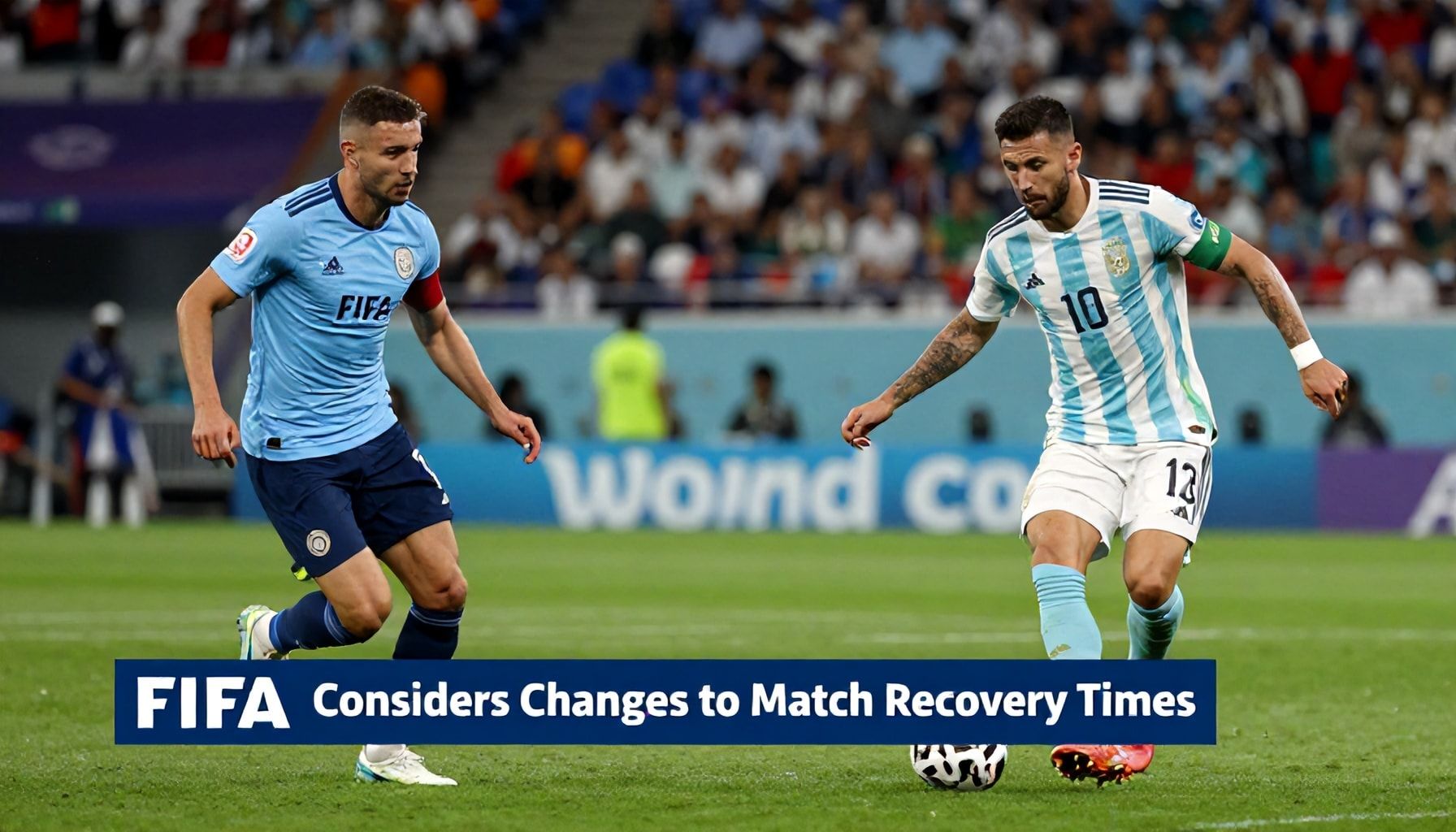
FIFA is reviewing the short recovery times between matches after criticism during the 2022 World Cup in Qatar. The tournament’s compact schedule left players with as little as 48 hours between games, raising concerns about player welfare.
FIFA’s head of refereeing, Pierluigi Collina, acknowledged the issue. “We need to reflect on the recovery time between matches,” he said in a recent interview. The organisation is now considering extending the time between games in future tournaments.
The 2022 World Cup featured a record 32 teams, leading to a dense match schedule. Teams played three group-stage matches in just six days, with some knockout matches following shortly after. This left players with minimal time to recover between fixtures.
FIFA’s review comes amid growing concerns about player workloads. The organisation is under pressure to balance commercial interests with player welfare. It remains unclear what changes, if any, will be implemented for future tournaments.
The issue gained prominence after several high-profile players appeared fatigued. Some suggested the short recovery time affected performance. FIFA’s review aims to address these concerns and ensure player welfare remains a priority.
The organisation is expected to consult with medical experts and stakeholders. A final decision on any changes is likely months away. FIFA’s ultimate goal is to create a sustainable schedule that benefits both players and the sport.
FIFA’s review of short match recovery times follows growing concerns from players and experts about player welfare. The World Cup schedule, with some teams playing on just three days’ rest, has intensified scrutiny. While no immediate changes are expected, the findings could influence future tournament planning. The debate highlights the delicate balance between commercial interests and athlete welfare in modern football. As the sport continues to evolve, so too must its approach to player care. The review’s outcomes will be watched closely by fans, players, and administrators alike.






