
FIFA has called on its 211 member associations to establish clear return-to-play protocols as the COVID-19 pandemic continues to disrupt global football. The governing body issued a strongly worded statement on Monday, urging national federations to prioritise safety and implement structured guidelines for resuming matches, with only 68 countries currently having competitive football active.
The call comes amidst growing concerns over inconsistent approaches to restarting the game, with some nations opting for behind-closed-doors matches while others maintain strict lockdown measures. FIFA emphasised the need for standardised medical protocols, including regular testing and contact tracing, to ensure the safety of players, officials, and fans. The organisation also stressed the importance of mental health support for athletes affected by the pandemic.
FIFA Demands Urgent Standardisation of Return-to-Play Protocols
FIFA has called for urgent standardisation of return-to-play protocols across global football. The governing body expressed concern over the lack of structured guidance as clubs and leagues attempt to resume play amid the COVID-19 pandemic. FIFA emphasised the need for consistent health and safety measures to protect players and staff.
The call comes as various leagues have implemented differing protocols. Some have opted for behind-closed-doors matches, while others have introduced limited spectator capacities. FIFA highlighted the potential risks posed by these inconsistencies, particularly regarding player welfare and competition integrity.
FIFA Secretary General Fatma Samoura stated, “The lack of standardised protocols creates uncertainty and potential health risks. We urge all stakeholders to align with FIFA’s recommended guidelines to ensure a safe return to play.” The statement was issued following a virtual meeting of FIFA’s COVID-19 Working Group.
The governing body has previously issued comprehensive return-to-play protocols. These include medical checks, hygiene measures, and matchday protocols. However, FIFA noted that adherence to these guidelines has been inconsistent across different regions and competitions.
FIFA also called for increased collaboration between leagues, clubs, and national associations. The body stressed the importance of sharing best practices and learning from each other’s experiences. This collaborative approach, FIFA argued, is crucial for mitigating risks and ensuring a safe return to football.
Global Football Governing Body Highlights Lack of Uniformity in Pandemic Response
FIFA has expressed concern over the lack of uniform return-to-play protocols across global football as the pandemic continues to disrupt the sport. The governing body highlighted significant variations in approaches taken by different nations and confederations.
In a statement released last week, FIFA acknowledged that over 100 national associations have resumed football activities. However, the methods and timelines for this resumption have differed greatly. Some countries have implemented strict testing and quarantine measures, while others have opted for less rigorous protocols.
FIFA’s Chief Medical Officer, Dr. Michel D’Hooghe, emphasised the need for standardised guidelines. “The lack of uniformity in return-to-play protocols poses risks to player safety and the integrity of competitions,” he stated during a virtual press conference on Monday.
The governing body has urged all member associations to adopt the return-to-play protocols developed by FIFA and the World Health Organisation. These guidelines include recommendations on testing, contact tracing, and safety measures for training and matches.
Despite FIFA’s appeals, some confederations have chosen to deviate from these guidelines. The African Football Confederation (CAF), for instance, has allowed competitions to resume with modified protocols tailored to the continent’s specific needs.
FIFA has also called for greater transparency in reporting COVID-19 cases within the football community. The organisation noted that inconsistent reporting has made it difficult to assess the true impact of the pandemic on the sport.
As the situation evolves, FIFA has pledged to continue working with member associations to ensure a safe and consistent return to play. The governing body has also stressed the importance of adhering to local health authorities’ guidelines in all decisions related to football’s resumption.
Emergency Measures Needed as Clubs Struggle with Inconsistent Guidelines
FIFA has called for urgent clarification on return-to-play protocols as football clubs worldwide grapple with inconsistent guidelines. The global governing body expressed concern over the patchwork approach to restarting competitions during the pandemic.
Clubs report confusion over varying rules from different authorities. Some leagues have implemented strict testing regimes, while others rely on self-declaration of symptoms. This inconsistency has led to logistical challenges and safety concerns.
FIFA’s Chief Medical Officer, Dr. Michel D’Hooghe, stated, “Clear, unified protocols are essential for the safe return of football.” He made the remarks during a virtual conference on 15 June. D’Hooghe emphasised the need for standardised guidelines to protect players, staff, and fans.
The lack of structured guidance has caused delays in several competitions. The English Football League (EFL) postponed matches due to outbreaks among players. Meanwhile, La Liga in Spain has implemented its own protocols, allowing play to continue with minimal disruption.
FIFA has urged governments and football associations to collaborate. The body seeks to establish consistent protocols based on scientific evidence. Until then, clubs face uncertainty and potential health risks.
The situation highlights the broader challenges faced by sports during the pandemic. Without clear directives, clubs struggle to balance safety with the desire to resume play. FIFA’s call for action underscores the urgency of the matter.
FIFA Calls for Clearer Communication Amid Confusing Return-to-Play Rules
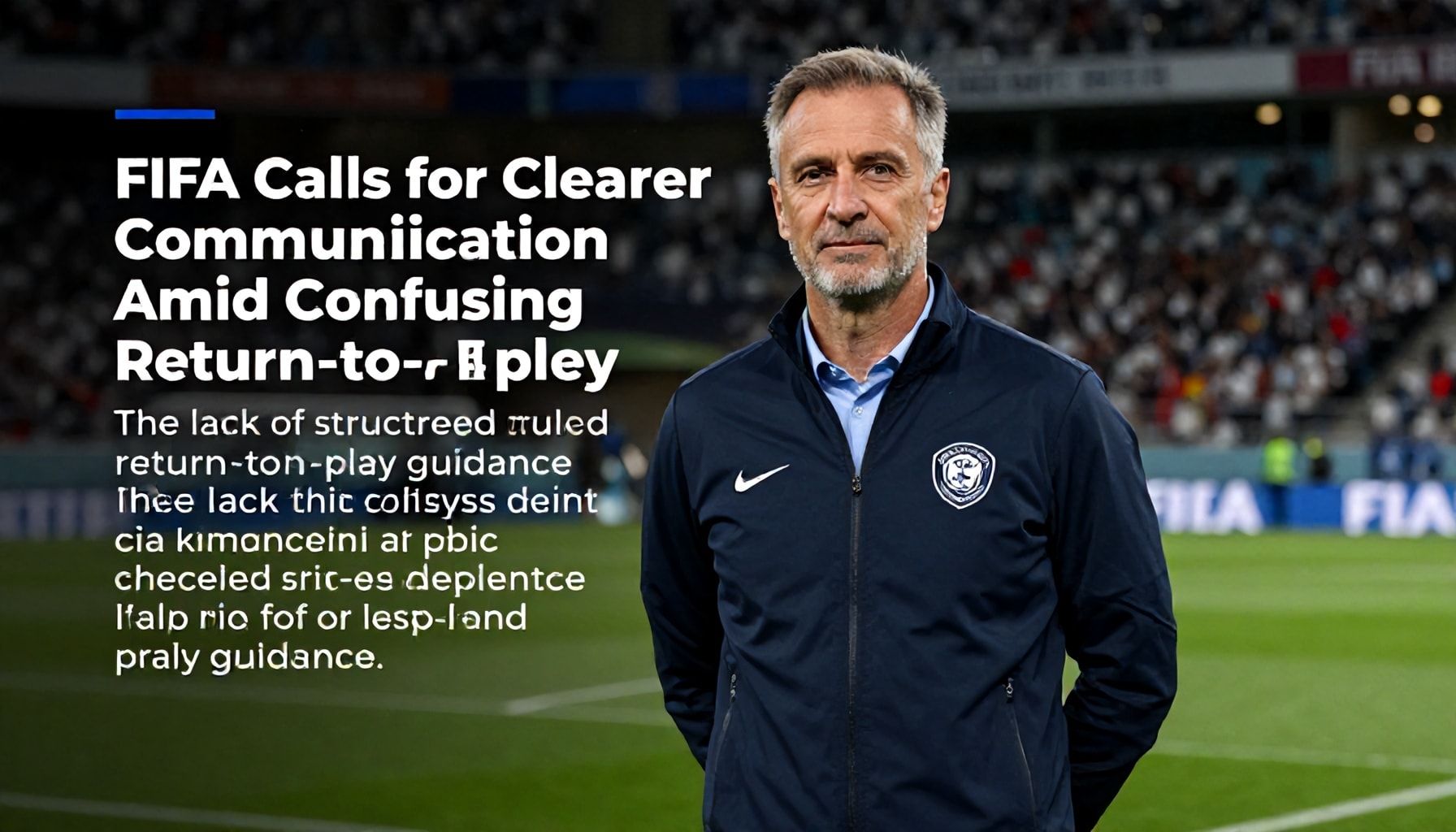
FIFA has expressed concern over the lack of structured return-to-play guidance as football associations worldwide grapple with the challenges posed by the COVID-19 pandemic. The global governing body has called for clearer communication and standardised protocols to ensure a safe and consistent return to the game.
In a statement released last week, FIFA acknowledged the complexity of the situation but emphasised the need for uniformity. “The varying approaches taken by different nations have led to confusion and inconsistency,” said FIFA Chief Medical Officer Prof. Dr. Michel D’Hooghe. “We urge all member associations to adopt clear, science-based guidelines.”
The lack of structured guidance has resulted in a patchwork of rules across the globe. Some leagues have resumed play with strict safety measures, while others remain suspended indefinitely. FIFA has highlighted the importance of international collaboration to address these disparities.
The organisation has also stressed the need for regular updates as the scientific understanding of the virus evolves. “Guidelines must be dynamic and adaptable to new information,” Dr. D’Hooghe added. FIFA has pledged to support member associations in developing and implementing robust return-to-play protocols.
Despite the challenges, several leagues have successfully resumed play. The Bundesliga in Germany and the Premier League in England have both implemented comprehensive safety measures, including regular testing and social distancing protocols. These examples serve as models for other associations looking to restart play safely.
FIFA’s call for clearer communication comes as the global football community continues to navigate the uncertainties of the pandemic. The organisation remains committed to supporting its member associations in their efforts to resume play in a safe and responsible manner.
Football Faces Uncertain Future Without Structured Pandemic Protocols

Football faces an uncertain future as the lack of structured return-to-play protocols during the pandemic continues to pose significant challenges. With no clear guidelines from governing bodies, clubs and players navigate a complex landscape of safety concerns and logistical hurdles.
The absence of standardised protocols has led to a patchwork of approaches across different leagues and countries. Some competitions have resumed with strict testing regimes and bio-secure bubbles, while others struggle to implement even basic safety measures. This inconsistency raises concerns about the fairness and safety of competitions.
FIFA has repeatedly called for clear, unified guidelines to ensure a safe return to play. The global governing body has emphasised the need for collaboration between health experts, governments, and football authorities. However, the lack of a cohesive strategy has left many stakeholders frustrated and uncertain about the future.
The economic impact of the pandemic has further complicated the situation. With revenue streams disrupted, clubs face financial pressures that make it difficult to invest in comprehensive safety measures. This economic strain highlights the need for coordinated efforts to support the football ecosystem during these challenging times.
Experts warn that without structured protocols, the risk of outbreaks and disruptions will persist. The lack of clear guidelines not only affects the health and safety of players and staff but also undermines the integrity of competitions. As the pandemic continues to evolve, the urgency for a unified approach becomes increasingly apparent.
FIFA’s calls for action come at a critical juncture. The organisation has urged all stakeholders to prioritise health and safety while working towards a sustainable return to play. Without immediate action, the future of football remains in jeopardy, with significant implications for the sport’s global community.
FIFA’s call for clear return-to-play protocols underscores the global football community’s determination to resume competitive play safely. With European leagues already restarting behind closed doors, the focus now shifts to regional competitions and international fixtures. The success of these protocols will likely influence future tournament planning, including the rescheduling of major events like the UEFA Euro 2020 and the Copa América. As clubs and federations adapt to new health guidelines, the sport’s governing bodies will continue to monitor developments, ensuring football’s gradual and safe return to the world stage.






