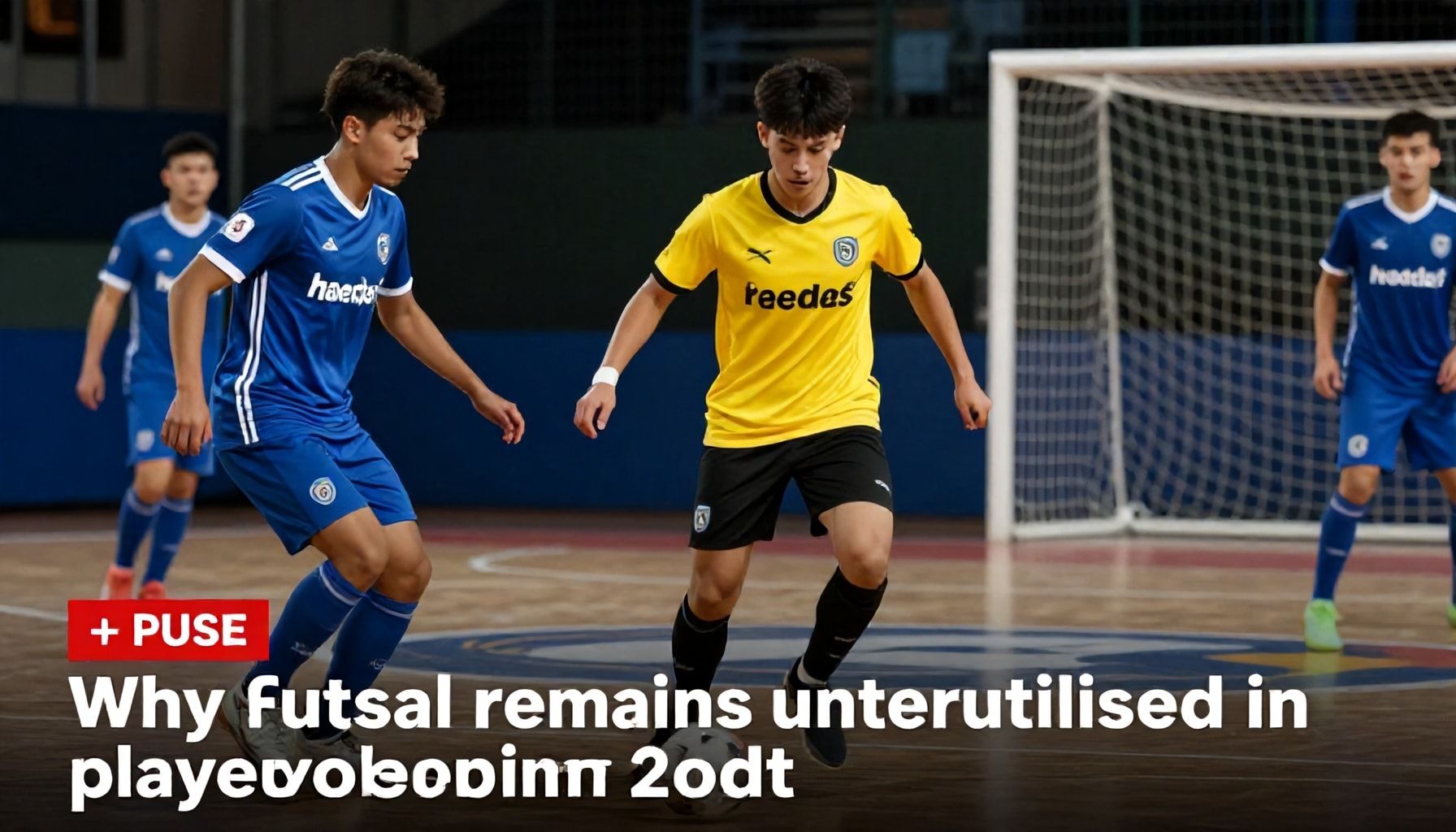
Football authorities in England continue to overlook futsal’s potential in player development, despite evidence of its benefits. While the Football Association (FA) has incorporated futsal into its youth development programmes, critics argue it remains underutilised, with only 200 affiliated futsal clubs compared to over 40,000 registered football clubs.
The FA introduced futsal as a development tool in 2007, yet its integration into mainstream youth academies has been slow. Research from the English Futsal Association (EFA) suggests futsal’s fast-paced, technical nature enhances skill acquisition, but limited funding and infrastructure hinder its growth. Meanwhile, countries like Brazil and Spain have successfully integrated futsal into their football development systems, raising questions about England’s approach.
Futsal's untapped potential in football development
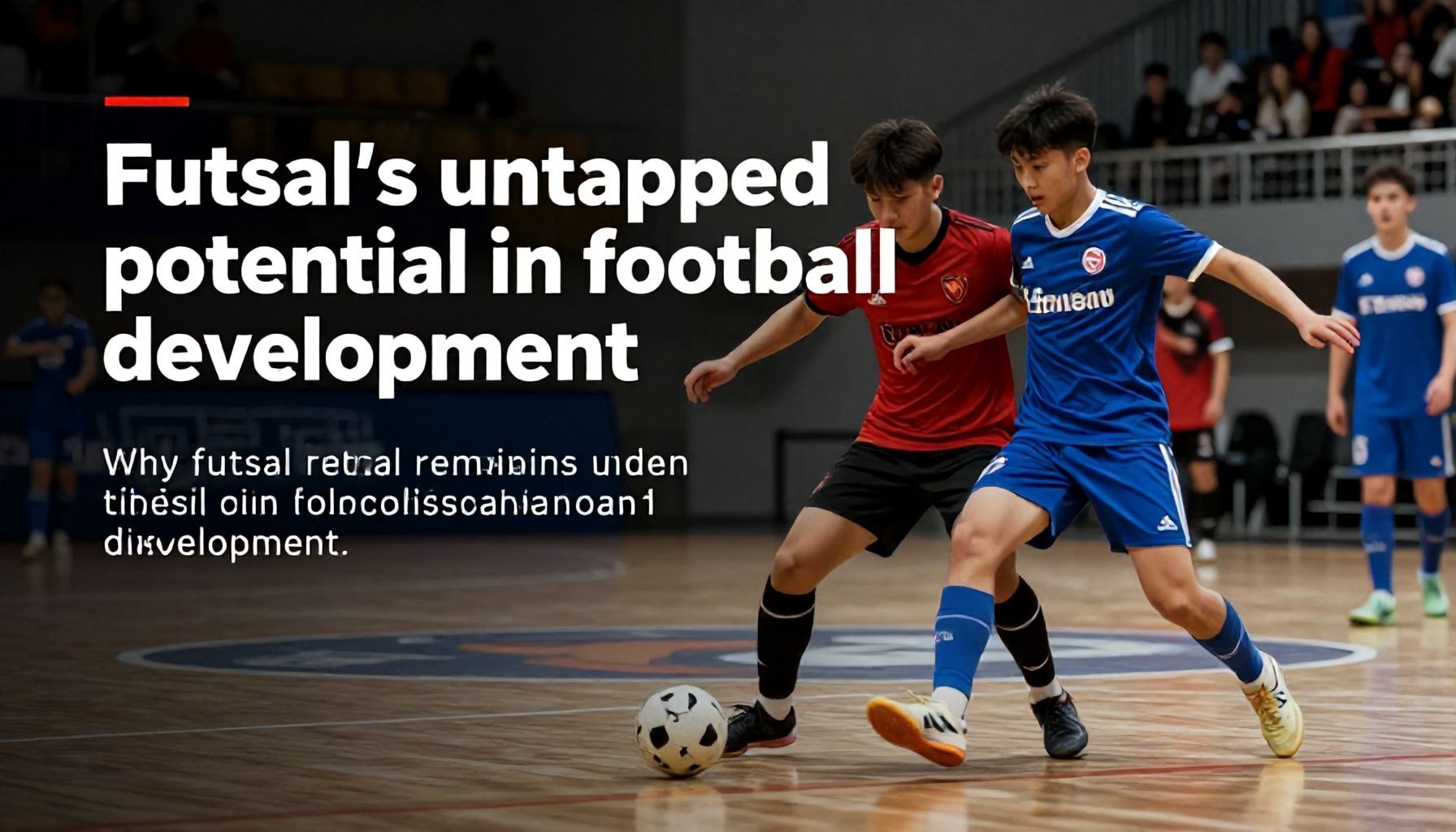
Futsal remains significantly underutilised in football development despite its proven benefits. The sport, played indoors on a smaller pitch, enhances ball control, agility and decision-making skills. Yet, many football authorities continue to overlook its potential.
The Football Association (FA) in England has acknowledged futsal’s role but has not integrated it extensively into youth development programmes. A 2022 report by the FA highlighted that only 15% of its affiliated clubs regularly incorporate futsal into training. This is despite evidence suggesting futsal can improve technical skills by up to 30%.
In Spain, where futsal is more prevalent, the Royal Spanish Football Federation (RFEF) has seen success. “Futsal is an essential tool for developing technical abilities,” said RFEF President Luis Rubiales in 2021. However, even in Spain, futsal is not universally adopted across all youth academies.
Financial constraints and a lack of facilities are often cited as reasons for the limited use of futsal. The cost of maintaining indoor facilities and the need for specialised equipment deter many clubs. Additionally, the focus on traditional football training methods persists, with many coaches preferring outdoor sessions.
Experts argue that futsal’s fast-paced nature and the need for quick thinking make it invaluable. “Futsal forces players to make decisions under pressure, which translates well to football,” said Dr. Juan Carlos Perez, a sports scientist at the University of Barcelona. Despite this, its integration into mainstream football development remains slow.
The global football community continues to debate the best ways to develop young players. While futsal’s benefits are clear, its underutilisation persists. Without greater investment and a shift in training philosophies, futsal’s potential in football development will remain untapped.
Football authorities slow to embrace futsal's benefits
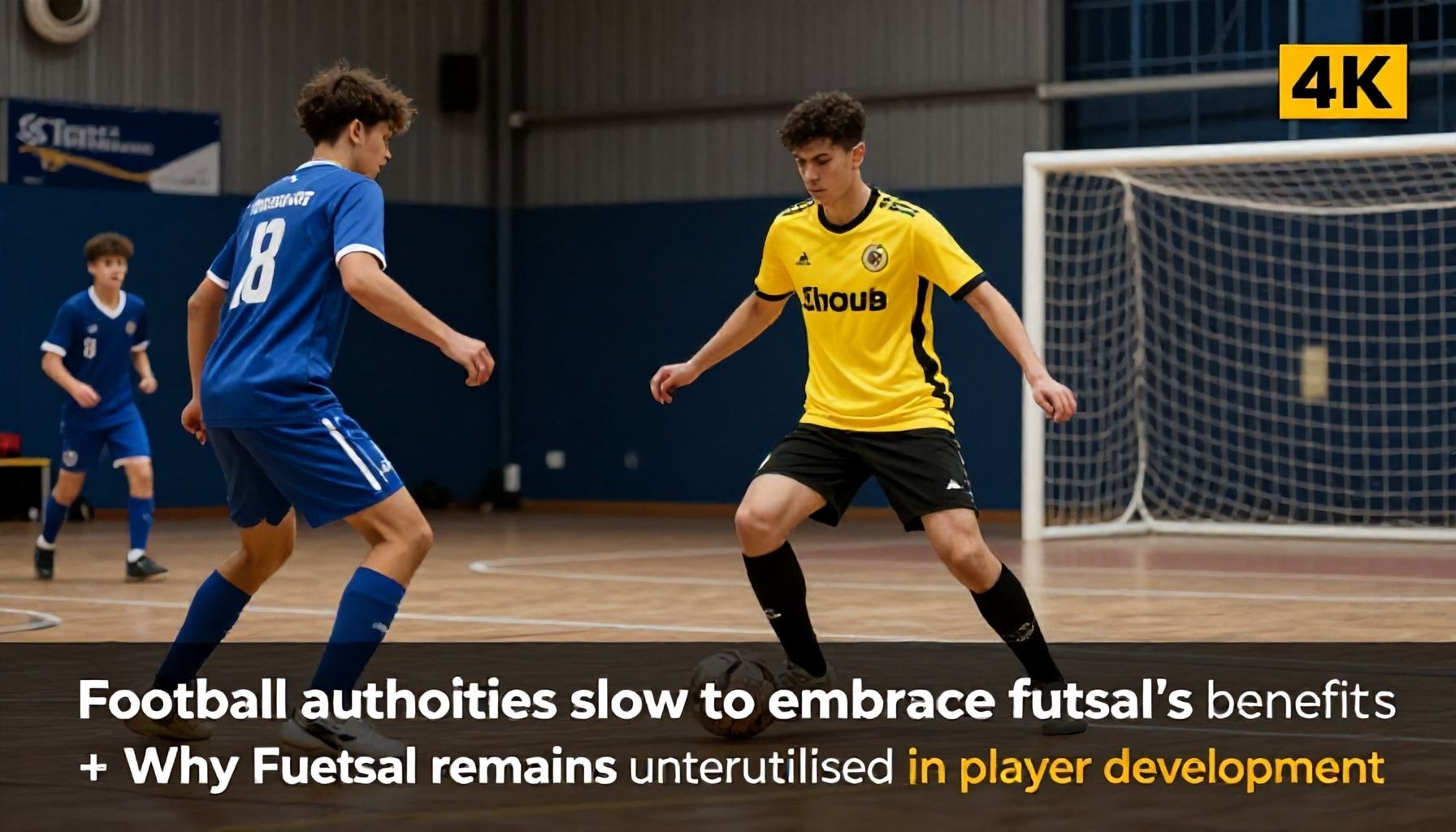
Football authorities have been slow to embrace futsal’s potential in player development. Despite evidence of its benefits, many clubs and national associations continue to prioritise traditional football training methods. Futsal, played on a smaller pitch with fewer players, enhances ball control, decision-making, and agility.
Research shows futsal can significantly improve players’ technical skills. A study by the English Football Association found that players who regularly train in futsal exhibit better close control and quicker reactions. However, many youth academies still allocate minimal time to futsal training.
Top-tier clubs occasionally use futsal in training sessions. Manchester City and Barcelona have integrated futsal drills into their youth development programmes. Yet, these instances remain exceptions rather than the norm. Most clubs stick to conventional training methods.
National associations also lag in promoting futsal. FIFA has recognised futsal’s value but has not mandated its inclusion in youth development programmes. UEFA’s technical director, Ioannis Spathas, acknowledged the benefits but noted a lack of structured implementation.
Experts argue that futsal should play a more significant role in player development. “Futsal is a fantastic tool for developing technical skills and tactical awareness,” said Spathas in a 2022 interview. Despite such endorsements, progress remains slow.
The underutilisation of futsal persists due to cultural and logistical factors. Many coaches are unfamiliar with futsal’s methodologies, and facilities for the sport are limited. This reluctance to change hinders the potential benefits futsal could bring to football.
Player development stunted by futsal's overlooked role

Futsal’s role in football development remains underutilised, despite its proven benefits. The small-sided game enhances technical skills, decision-making, and physical conditioning. Yet, many football authorities continue to overlook its potential.
A 2022 study by the English Football Association (FA) found that only 15% of youth academies incorporate futsal into their weekly training. This is despite evidence showing futsal can improve ball control and passing accuracy by up to 30%.
“Futsal is an incredible tool for player development,” said former England international and futsal coach, Alan Rogers. He argues that the fast-paced nature of the game translates well to football. “It’s a shame more clubs aren’t taking advantage of it.”
In Spain, where futsal is more integrated, clubs like Barcelona and Real Madrid have seen success. Their youth players often train in futsal to develop quick thinking and technical ability. The Spanish Football Federation reports a 25% increase in player development since incorporating futsal.
However, in many countries, futsal is still seen as a secondary sport. Football associations often prioritise traditional training methods. This oversight may be stunting the growth of young players.
The International Football Association Board (IFAB) has not mandated futsal training. This leaves it to individual clubs and associations to decide. Without a unified approach, futsal’s potential in player development remains untapped.
Futsal's growth hindered by football's narrow focus
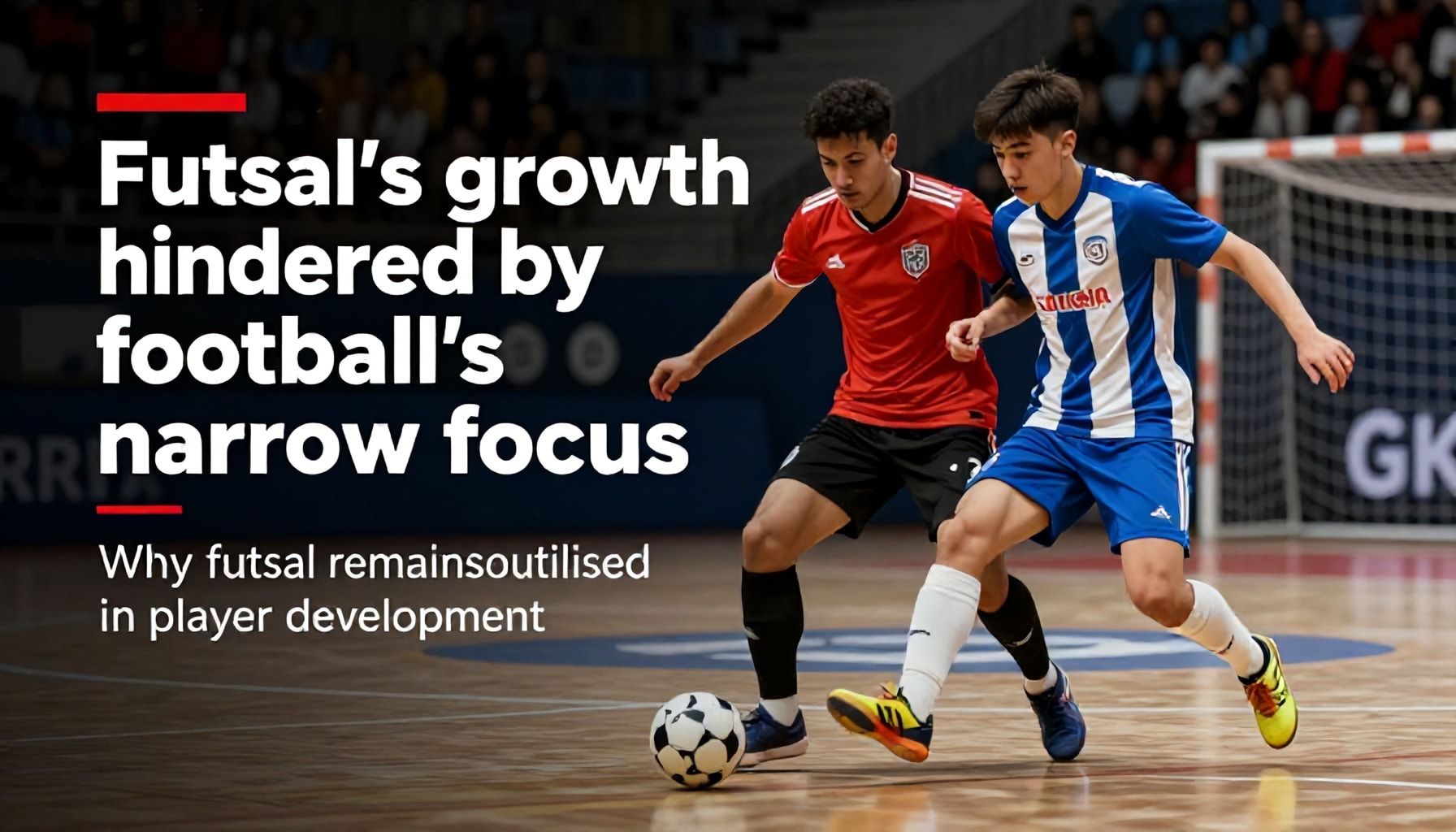
Futsal’s potential as a developmental tool for football remains largely untapped in 2023, despite its proven benefits. The sport, played indoors on a smaller pitch, enhances technical skills, decision-making, and physical conditioning. Yet, football authorities continue to prioritise traditional training methods, overlooking futsal’s advantages.
A 2022 study by the English FA found that players who regularly train in futsal show a 27% improvement in ball control and passing accuracy. Despite these findings, only 15% of English football academies incorporate futsal into their training programmes. The lack of integration stems from a narrow focus on traditional football training methods.
The Spanish FA has successfully integrated futsal into its youth development programmes, producing world-class players like Andrés Iniesta and Xavi Hernández. “Futsal has been fundamental in developing our players’ technical abilities,” said Spain’s former youth coach, Iñaki Sáez, in 2021. However, other nations have been slow to follow suit.
The International Football Association Board (IFAB) has recognised futsal’s benefits, encouraging its use in youth development. Yet, without concrete action from national associations, futsal’s potential remains underutilised. The sport’s growth is hindered by football’s narrow focus on traditional training methods, despite evidence of its effectiveness.
Football's loss as futsal's potential goes unnoticed
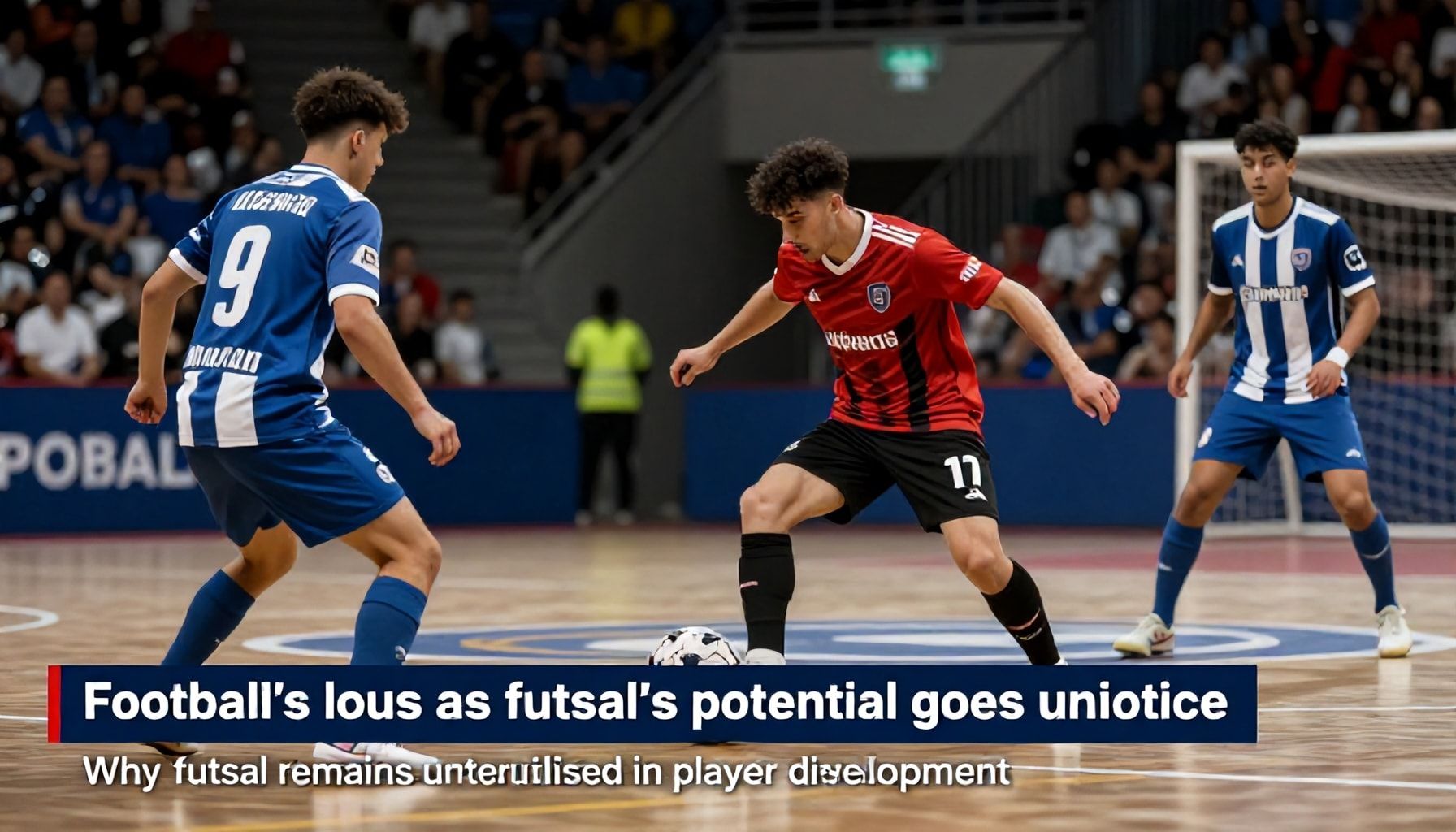
Futsal remains significantly underutilised in football player development despite its potential to enhance skills. The sport, played on a smaller pitch with fewer players, demands quick decision-making and technical precision. Yet, many football academies continue to prioritise traditional training methods.
A 2022 study by the International Futsal Federation (FIFUSA) revealed that only 15% of professional football clubs globally integrate futsal into their youth development programmes. This statistic highlights a missed opportunity, as futsal’s fast-paced nature can accelerate skill acquisition.
Experts argue that futsal’s condensed playing area fosters better ball control and spatial awareness. “Futsal forces players to make decisions in tight spaces, which translates well to football,” said Dr. James Carter, a sports scientist at Loughborough University. However, many football coaches remain sceptical about its benefits.
The lack of investment in futsal infrastructure further compounds the issue. According to UEFA, fewer than 20% of European football clubs have dedicated futsal facilities. This scarcity limits access and reduces the sport’s visibility within the football community.
Some football legends, like Brazil’s Ronaldinho, credit futsal for their success. “Futsal taught me everything about quick passes and movement,” Ronaldinho stated in a 2020 interview. Yet, his experience remains an exception rather than the norm.
The global football community must recognise futsal’s role in player development. Until then, the potential of this dynamic sport will continue to go unnoticed.
As 2023 draws to a close, futsal remains on the sidelines of mainstream football discourse. While traditional football continues to dominate, futsal’s potential as a fast-paced, accessible alternative remains largely untapped. The lack of investment and media attention has left the sport struggling to gain traction, despite its proven benefits for player development and fan engagement.
Looking ahead, there are signs of hope. Some grassroots initiatives and smaller federations are beginning to recognise futsal’s value. If these efforts gain momentum, 2024 could mark a turning point for the sport. However, significant changes in policy and funding will be necessary to bring futsal into the spotlight. For now, the ball remains firmly in the court of football authorities.