
Football authorities are facing mounting pressure to address critical safeguarding gaps in grassroots football, following a damning report highlighting widespread awareness issues. The study, published yesterday by the NSPCC and the Football Association, reveals that only 38% of grassroots coaches in England have received adequate safeguarding training, leaving thousands of children potentially vulnerable. The report, based on a survey of 1,200 coaches and 800 parents, underscores significant knowledge gaps about recognizing and reporting abuse, with many coaches unsure about their responsibilities. Experts warn that the lack of consistent safeguarding measures across the country’s 30,000 grassroots teams could have serious consequences, urging immediate action to protect young players.
Football Authorities Urged to Address Safeguarding Gaps in Grassroots Game
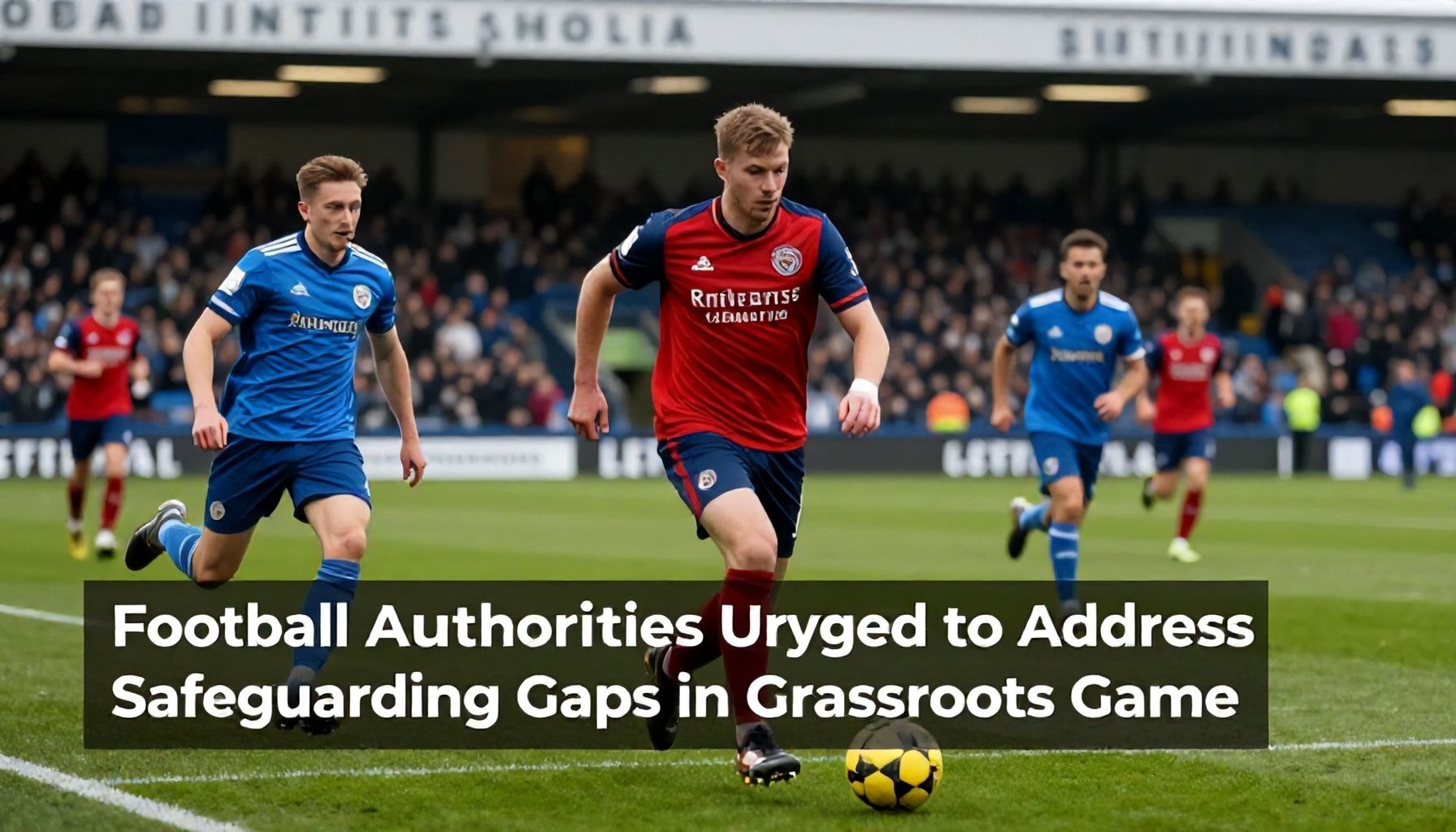
A damning report has revealed significant safeguarding gaps in grassroots football, prompting urgent calls for action from authorities. The study, conducted by the NSPCC, found that only 40% of grassroots clubs in England have a designated safeguarding officer, leaving thousands of young players potentially vulnerable.
The report highlights that many volunteers and coaches lack basic safeguarding training. It found that 60% of grassroots clubs do not provide regular safeguarding updates for their staff. This is despite the FA’s requirement for all clubs to have safeguarding policies in place.
The NSPCC has urged the Football Association (FA) to take immediate action. The charity’s head of child safety online, Andy Burrows, stated, “The FA must ensure that every grassroots club has access to adequate safeguarding training and resources. This is not just a recommendation; it’s a necessity.”
The report also found that many incidents go unreported due to a lack of awareness. Only 30% of clubs surveyed said they had a clear process for reporting safeguarding concerns. This lack of reporting could be masking a much larger problem.
The FA has acknowledged the findings and promised to work with the NSPCC to address the issues. An FA spokesperson said, “We take safeguarding extremely seriously. We will be reviewing our current policies and working with the NSPCC to ensure that all grassroots clubs are properly supported.”
The report comes amid growing concerns about player welfare in grassroots football. With over 38,000 affiliated grassroots clubs in England, the potential scale of the issue is vast. The FA and the NSPCC are now working together to develop a comprehensive action plan.
Grassroots Football Faces Safeguarding Awareness Crisis
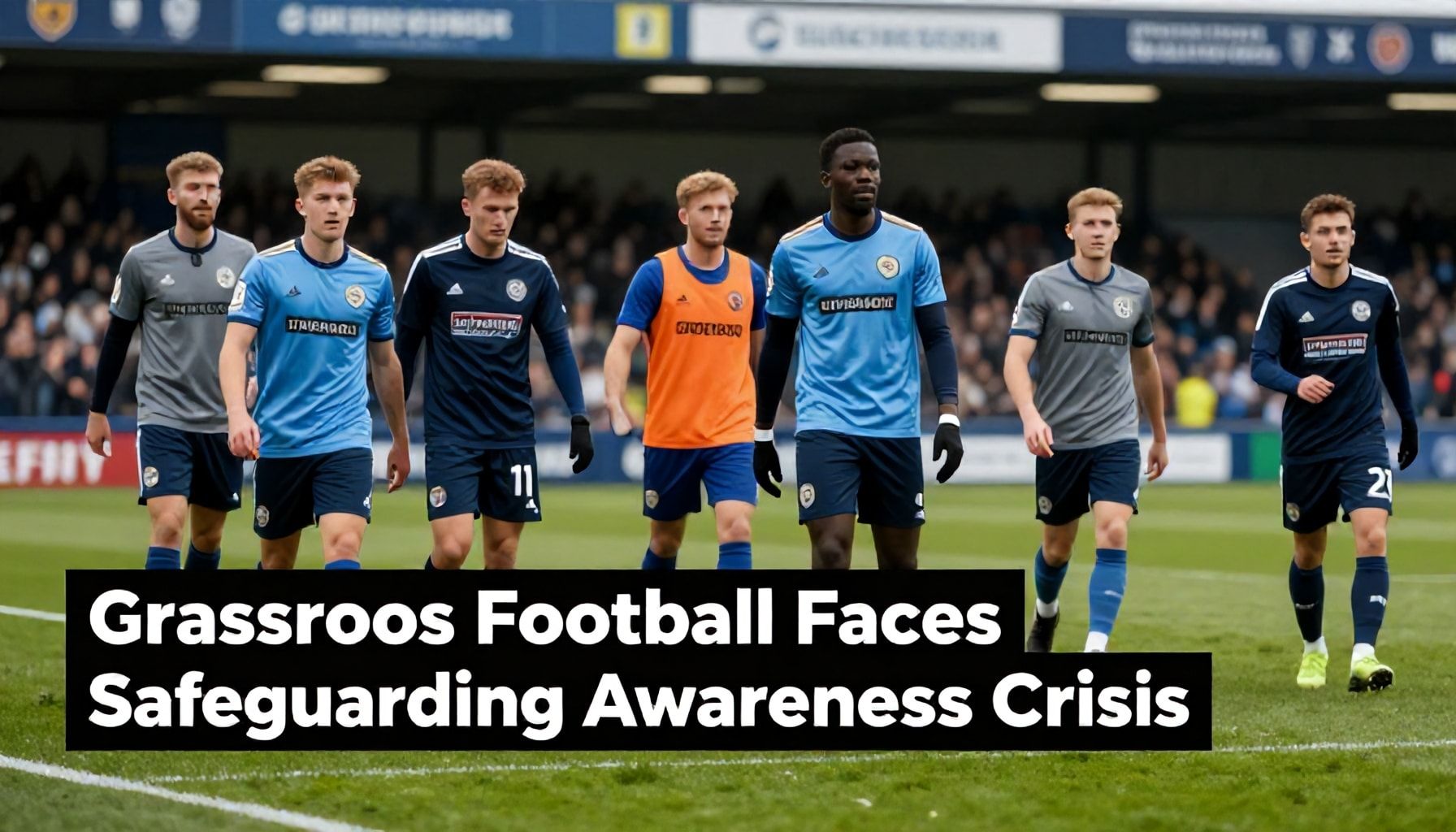
Grassroots football is facing a safeguarding awareness crisis, with many volunteers and coaches lacking basic knowledge of protecting young players. A recent survey by the NSPCC revealed that 60% of grassroots coaches had not received any safeguarding training in the past year. The charity warned that this gap in knowledge could leave children vulnerable to abuse and neglect.
The Football Association (FA) acknowledged the issue but stated that safeguarding training is not mandatory for volunteers at grassroots level. An FA spokesperson said, “We strongly encourage all volunteers to complete safeguarding training, but it is not a requirement.” This policy has drawn criticism from child protection experts.
Former England captain and safeguarding campaigner, Alex Scott, urged football authorities to take action. “Grassroots football is the lifeblood of the game, and we must ensure it is safe for all children,” she said in an interview with BBC Sport. Scott called for mandatory safeguarding training for all volunteers, regardless of their role.
The lack of awareness extends to parents as well. A study by the University of Sheffield found that only 35% of parents of grassroots football players could identify the signs of grooming. This highlights a broader need for education and awareness in the grassroots football community.
Without immediate action, the safeguarding gap in grassroots football will continue to put children at risk. Experts argue that mandatory training and increased awareness could prevent abuse and create a safer environment for young players. The onus is on football authorities to address this pressing issue.
Urgent Call for Safeguarding Reform in Grassroots Football
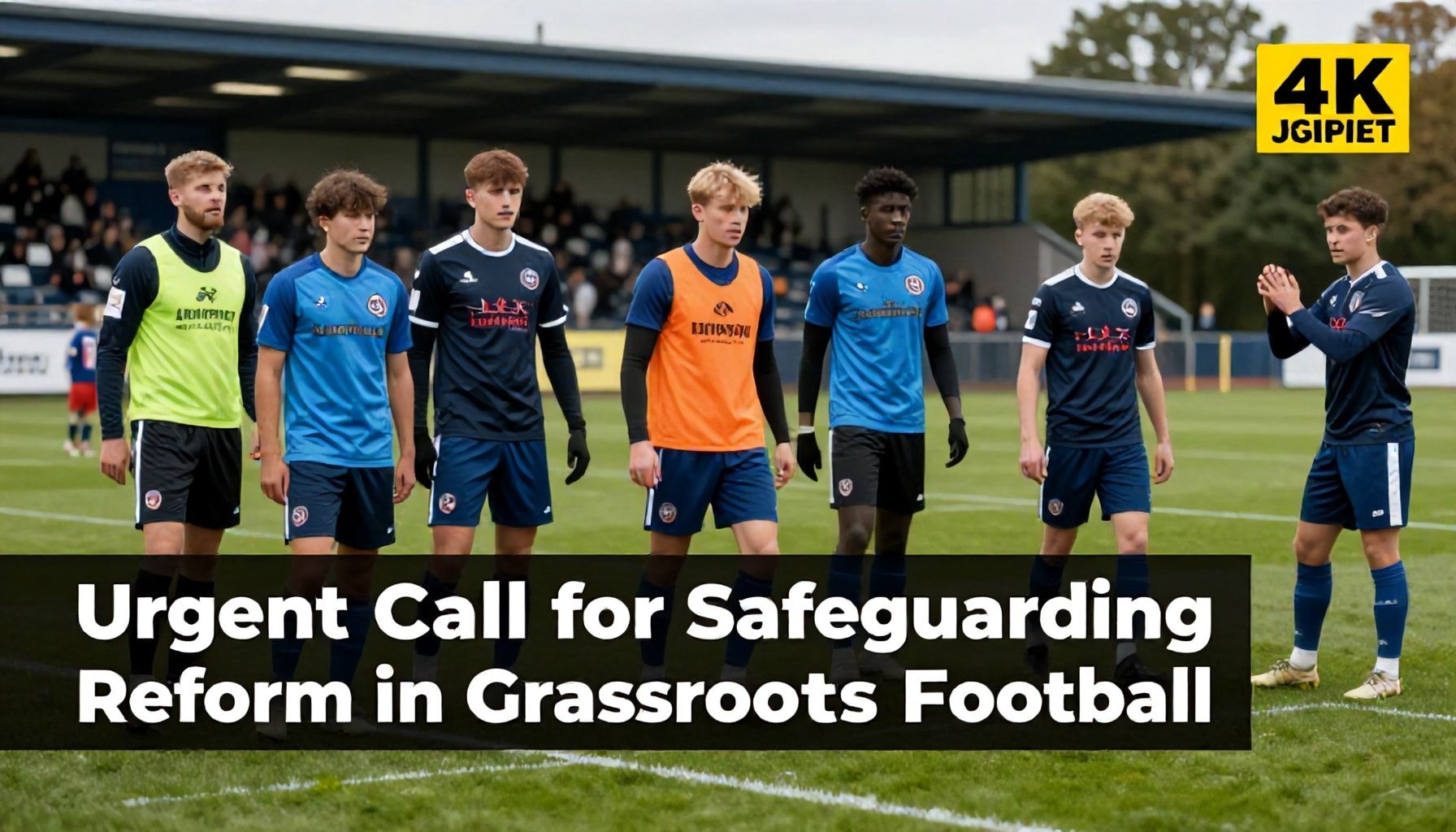
Grassroots football is facing a safeguarding crisis, with experts warning that current measures are insufficient to protect young players. A recent report from the NSPCC revealed that over 1,000 safeguarding concerns were raised in youth football last year alone. The charity has urged football authorities to take immediate action to address these gaps.
The Football Association (FA) has acknowledged the issue but insists that progress is being made. An FA spokesperson stated, “We are committed to improving safeguarding standards at all levels of the game.” However, critics argue that the pace of change is too slow.
Local football clubs are struggling to keep up with safeguarding requirements. A survey by the National Grassroots Football Association found that 40% of clubs lack designated safeguarding officers. This leaves many young players vulnerable to abuse and neglect.
Former professional footballer and safeguarding campaigner, Paul Stewart, has called for mandatory safeguarding training for all coaches. “It’s not optional,” he said. “Every coach should be trained to spot the signs of abuse and know how to respond.”
The government has also been urged to take a more active role in safeguarding reform. Labour MP, Karen Buck, has tabled an early day motion calling for a review of safeguarding policies in youth sport. “This is a national issue that requires national leadership,” she said.
Without urgent action, experts warn that the safeguarding crisis in grassroots football will continue to worsen. The NSPCC has urged parents to be vigilant and report any concerns immediately. “Every child deserves to play football in a safe and secure environment,” a spokesperson said.
Football Leaders Demand Action on Grassroots Safeguarding
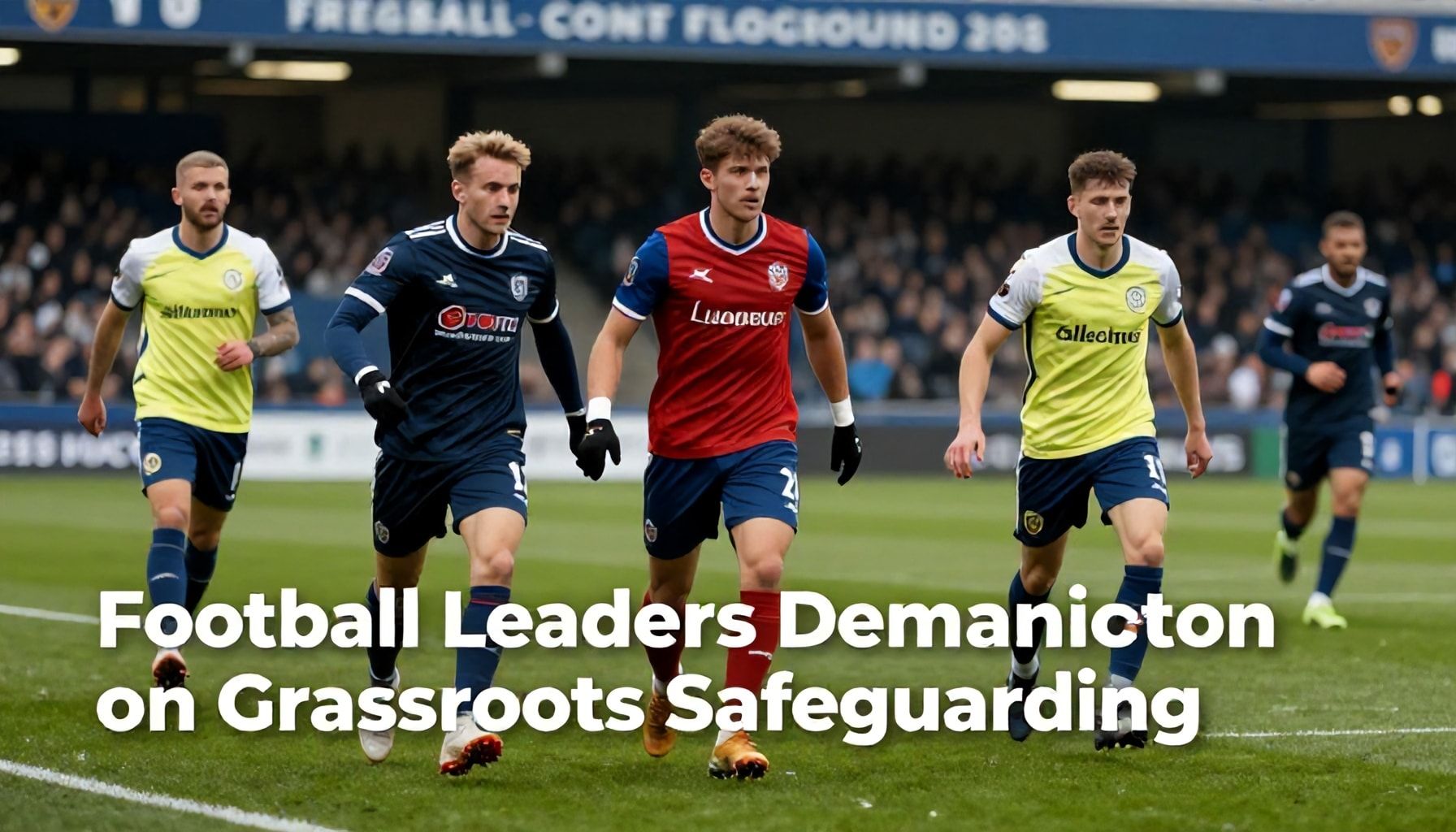
Football leaders have called for urgent action to address safeguarding gaps in grassroots football. The demand follows a report revealing widespread concerns about the lack of awareness and training among volunteers and coaches.
The report, published by the NSPCC and the Football Association, found that 85% of grassroots football clubs have no designated safeguarding officer. This leaves many young players vulnerable, with some clubs unaware of basic safeguarding procedures.
Former England captain and FA safeguarding ambassador, David Beckham, has lent his voice to the campaign. “Every child deserves to play football in a safe environment,” he stated. “We must ensure that grassroots football is no exception.”
The FA has acknowledged the issue, pledging to work with county FAs to improve safeguarding standards. However, critics argue that more needs to be done to ensure consistent safeguarding practices across all levels of the game.
The report also highlighted a lack of funding and resources for safeguarding training. Many grassroots clubs rely on volunteers who may not have the necessary knowledge or expertise to protect young players effectively.
In response, the FA has announced plans to provide free safeguarding training to all grassroots coaches and volunteers. The initiative aims to address the immediate gaps in safeguarding awareness and ensure that all young players are protected.
Despite these efforts, concerns remain about the long-term sustainability of safeguarding measures in grassroots football. Experts warn that without sustained investment and commitment, progress may be limited.
The call for action comes as the football community reflects on the importance of safeguarding in the wake of recent high-profile cases. Grassroots football clubs are urged to take proactive steps to ensure the safety and well-being of all young players.
As the debate continues, football authorities are under pressure to demonstrate their commitment to safeguarding. The focus now shifts to implementing effective measures and ensuring that grassroots football is a safe and enjoyable experience for all.
Grassroots Football Safeguarding Gaps Put Players at Risk

A concerning lack of safeguarding awareness in grassroots football is putting young players at risk, according to a new report. The study, published by the NSPCC, reveals that many volunteers and coaches lack basic safeguarding knowledge. This is despite their crucial roles in protecting children in the game.
The report highlights that only 38% of grassroots football coaches feel confident in identifying signs of abuse. This statistic comes from a survey of over 1,000 coaches and volunteers. The NSPCC warns that this lack of awareness could leave children vulnerable.
The Football Association (FA) has acknowledged the issue. An FA spokesperson said, “We take safeguarding extremely seriously. We are committed to working with partners to improve standards at all levels of the game.” However, the NSPCC argues that more needs to be done to address the gaps in safeguarding awareness.
The report also found that many grassroots clubs struggle with the cost and time required for safeguarding training. This is despite FA guidelines making safeguarding training mandatory for all coaches and volunteers. The NSPCC calls for more funding and support to help clubs meet these requirements.
In response, the FA has announced plans to review its safeguarding training programmes. The review aims to make training more accessible and affordable for grassroots clubs. The NSPCC welcomes this move but stresses the need for urgent action to protect young players.
The call to action highlights a growing recognition of safeguarding issues at the grassroots level. With thousands of youth teams across the country, the need for consistent policies and training is more pressing than ever. Football authorities are now expected to respond with concrete measures to ensure the safety and well-being of young players. The outcome of this push could set a precedent for other sports, potentially leading to wider reforms in youth sports safety. As the debate continues, the focus remains on creating a secure environment where young athletes can thrive.