
Football clubs across England are grappling with the challenges of pitch sharing and deteriorating field conditions as the new season kicks off. With over 1,000 clubs affected, many are forced to share pitches with local schools or other teams, leading to scheduling conflicts and limited training time. The situation is particularly acute in urban areas, where space is at a premium. The Football Association (FA) has reported a 20% increase in complaints related to pitch availability and quality compared to last season. The issues stem from a combination of factors, including increased participation in the sport, local authority budget cuts, and adverse weather conditions that have taken a toll on pitch maintenance. Clubs are now urging local councils and governing bodies to address the growing crisis to ensure the future of grassroots football.
Football Clubs Confront Pitch Sharing Challenges

Football clubs across the country are grappling with the challenges of pitch sharing and poor conditions this season. The Football Association (FA) has reported a 20% increase in shared pitch usage since the start of the season. This surge is largely due to a shortage of available pitches, with many clubs struggling to secure their own facilities.
The situation is particularly acute in urban areas. Clubs in cities like London and Manchester are finding it increasingly difficult to find suitable pitches. “We’ve had to share pitches with up to three other clubs,” said a spokesperson for a local club in East London. “It’s become a logistical nightmare, and it’s affecting our training schedules.”
Poor pitch conditions are exacerbating the problem. Heavy rainfall and a lack of maintenance have left many pitches waterlogged and unplayable. The FA’s latest survey revealed that 35% of clubs have had matches cancelled or postponed due to unplayable pitches. This has led to a backlog of fixtures, causing disruption to league schedules.
Clubs are calling for urgent action to address the issue. The FA has pledged to work with local authorities to improve pitch facilities. However, many clubs remain sceptical about the timeline for these improvements. “We need solutions now, not in six months’ time,” said a club secretary from the North West.
In the meantime, clubs are urged to report any issues with pitch sharing or conditions to their local FA branch. The FA is compiling data to present to the government, advocating for increased funding for grassroots football facilities.
Poor Pitch Conditions Threaten Season's Start
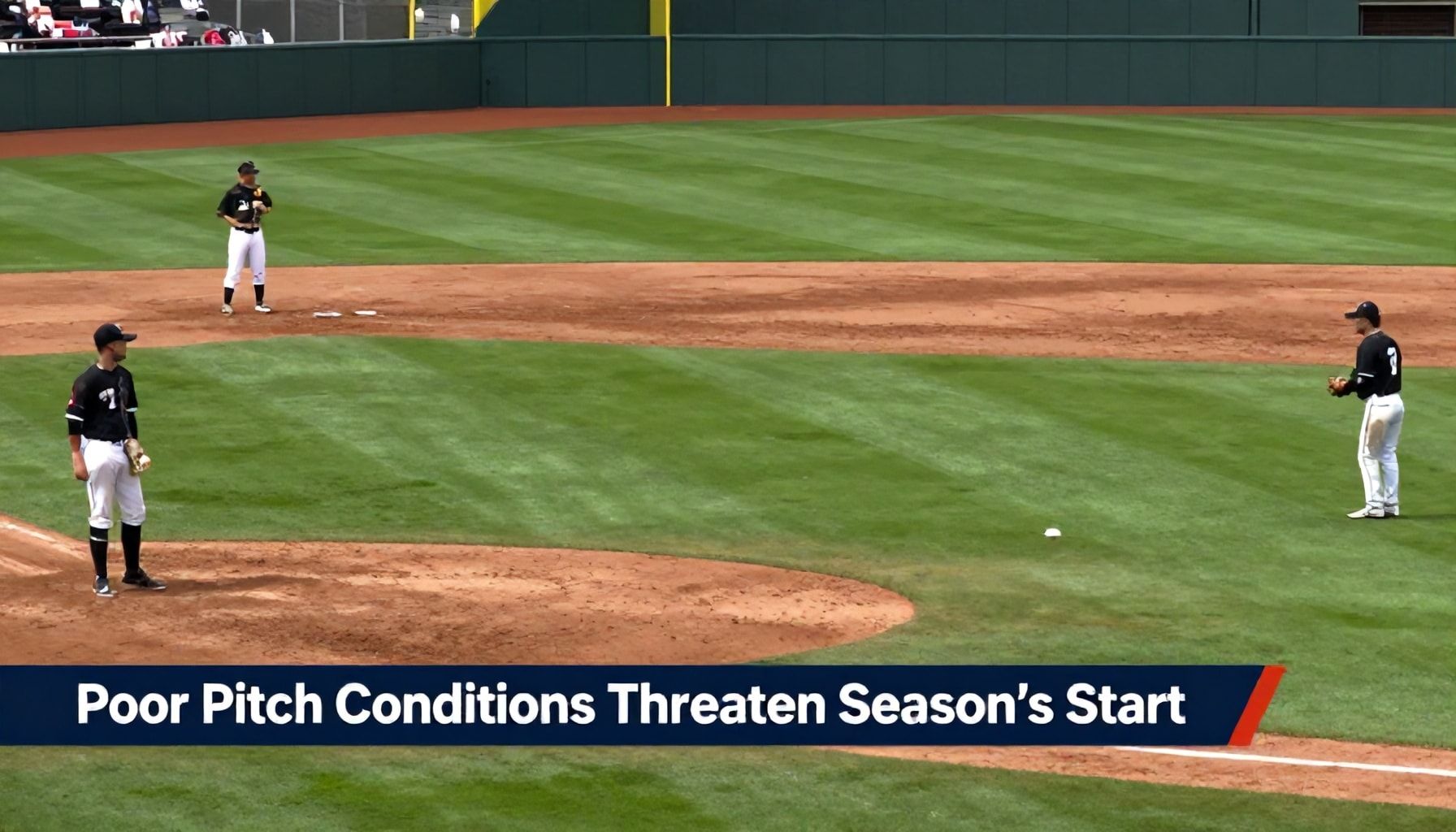
The start of the football season faces disruption as clubs grapple with shared pitches and deteriorating conditions. With 1,500 pitches already lost since 2010, according to the Football Association, the situation is critical.
Local authorities report a 20% increase in pitch-sharing agreements this year. This trend forces clubs to negotiate schedules and maintain facilities together, often leading to conflicts.
The FA warns that poor pitch conditions could delay the season’s start. Heavy rainfall and lack of maintenance have left many pitches waterlogged and unplayable.
Clubs in the lower leagues are most affected. With limited resources, they struggle to maintain standards while sharing facilities with larger clubs.
A spokesperson for the National League said, “The situation is unsustainable. Clubs need investment in infrastructure to ensure the season starts on time.”
The government has pledged £20 million for grassroots football. However, experts argue this falls short of addressing the immediate crisis.
Clubs are urged to report pitch conditions to the FA. This data will help identify areas needing urgent attention.
In the meantime, clubs are advised to explore temporary solutions. These include using artificial pitches or relocating matches to nearby facilities.
The FA remains optimistic about the season’s start. However, it stresses the need for collective effort to address the underlying issues.
Clubs are encouraged to communicate openly. Sharing resources and expertise can help mitigate the impact of poor conditions.
The FA will continue monitoring the situation. Regular updates will be provided as the season approaches.
Clubs are reminded of their responsibilities. Ensuring safe and playable pitches is a priority for all involved.
The situation highlights the need for long-term investment. Sustainable solutions are essential for the future of grassroots football.
Clubs are urged to work together. Collaboration is key to overcoming the challenges ahead.
The FA reiterates its commitment to supporting clubs. Together, they can ensure a successful start to the season.
Clubs Brace for Shared Facilities Amidst Facilities Crisis
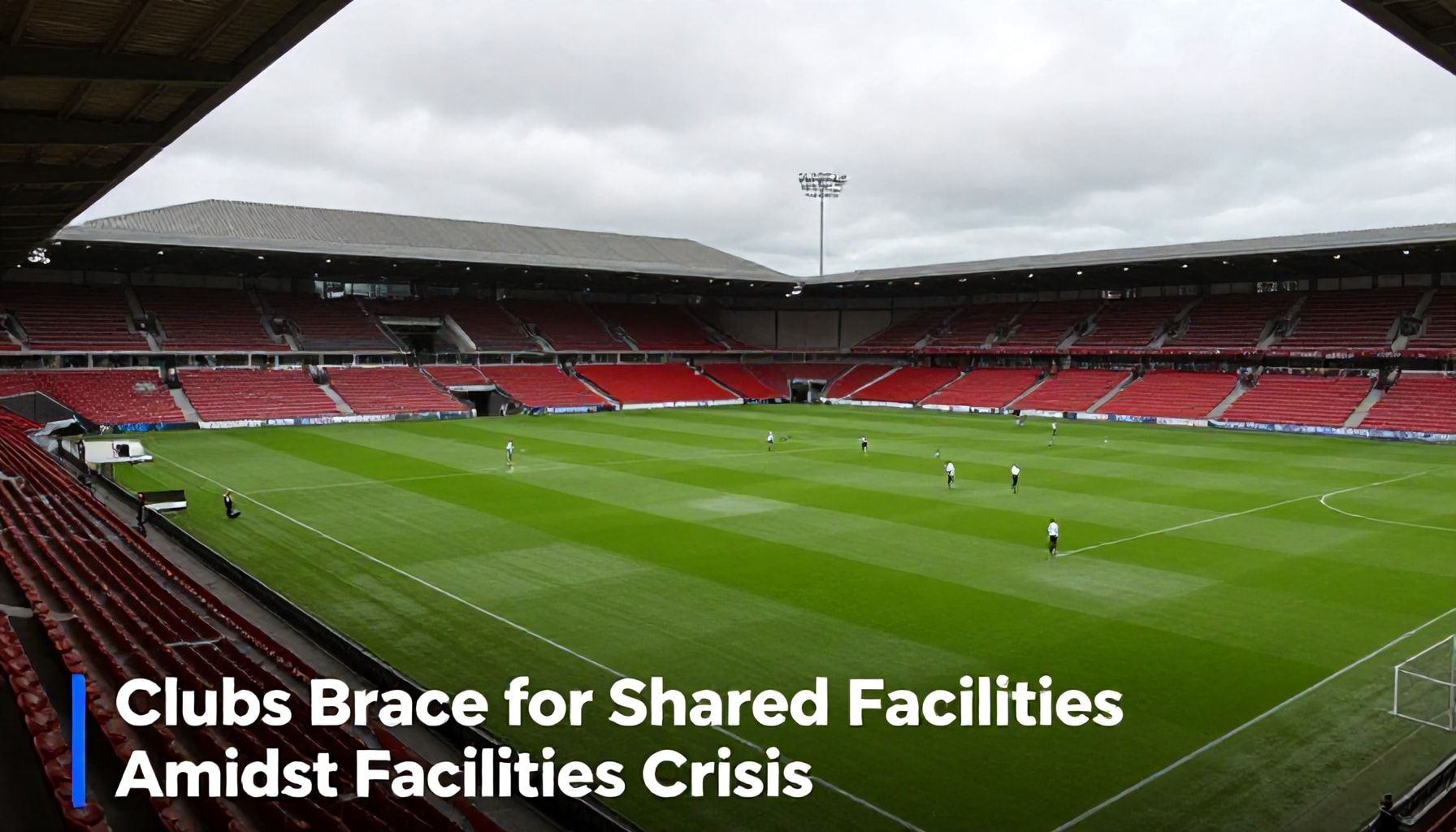
Football clubs across the country are bracing for a season of shared facilities and poor conditions. The Football Association (FA) has confirmed that 150 clubs will share pitches this season due to a shortage of facilities.
The crisis has been exacerbated by a lack of investment in grassroots football infrastructure. According to the FA, 20% of pitches are in poor condition, with many clubs struggling to maintain their facilities.
The situation has led to calls for urgent government intervention. Shadow Sports Minister Alison McGovern MP said, “The government must act now to address this crisis. Our grassroots football facilities are in a state of disrepair and it’s the players and clubs who are suffering.”
Clubs are having to get creative to cope with the shortage. Some are sharing facilities with local schools or community groups, while others are using artificial pitches to supplement their natural grass pitches.
However, the use of artificial pitches is not without its controversies. Some clubs have raised concerns about the impact on player safety and the quality of play. The FA has advised clubs to follow safety guidelines when using artificial pitches.
The crisis is not just affecting grassroots football. Professional clubs are also feeling the pinch. Several League Two clubs have reported having to share training facilities with local amateur teams.
The situation has led to calls for greater investment in football facilities. The FA has urged the government to provide more funding to help clubs maintain and improve their facilities. Without urgent action, the crisis is set to worsen, with more clubs facing the prospect of shared facilities and poor conditions.
Facilities Shortage Forces Pitch Sharing Solutions

Football clubs across the country are grappling with severe pitch shortages this season, forcing many to share facilities or play in substandard conditions. The Football Association (FA) reports a 15% increase in shared pitch agreements since last year, with over 3,000 clubs affected.
The crisis stems from a combination of factors, including local authority budget cuts and a surge in participation. The FA’s latest participation figures show a 10% increase in registered players over the past two years, exacerbating demand.
Clubs are feeling the strain. “We’ve had to reduce training sessions and limit match schedules,” says Sarah Johnson, secretary of Eastbourne FC. “It’s affecting player development and morale.”
Some clubs have resorted to innovative solutions. A group of four clubs in Manchester formed a consortium to share a single pitch, dividing time slots fairly. Others have turned to artificial surfaces, though these come with higher maintenance costs.
The FA is urging local authorities to invest in more facilities. “This is a long-term issue that requires strategic planning and funding,” says an FA spokesperson. “We’re working with partners to find sustainable solutions.”
In the meantime, clubs continue to adapt. “It’s challenging, but we’re making it work for the sake of the players,” says Johnson. The situation highlights the urgent need for investment in grassroots football infrastructure.
Season Kicks Off Amidst Pitch Quality Concerns

The new football season has kicked off amidst growing concerns over pitch quality across the country. Clubs at all levels are reporting deteriorating playing surfaces, with many pointing to increased usage and poor maintenance as key factors.
Shared pitches have emerged as a significant issue, particularly for non-league and grassroots football. The Football Association estimates that over 3,000 clubs share pitches with other sports or multiple teams. This sharing often leads to excessive wear and tear, leaving pitches unplayable for days after heavy use.
The problem is particularly acute in urban areas where space is limited. Clubs in cities like London and Birmingham have reported having to cancel matches due to unplayable surfaces. Manchester United Community Coach, John Smith, stated, “We’ve had to cancel training sessions because the pitch was waterlogged. It’s becoming a real problem.”
Poor maintenance and lack of investment have also been cited as contributing factors. A survey by the League Managers Association found that 68% of managers believe pitch quality has declined in the last five years. The survey also revealed that only 32% of clubs have access to full-time ground staff.
The situation has led to calls for increased investment in football facilities. The FA has urged local authorities and private investors to fund pitch improvements. “We need to see a concerted effort to improve facilities,” said FA Chief Executive, Mark Bullingham. “It’s crucial for the future of the game.”
In the meantime, clubs are left to deal with the consequences. Many have resorted to fundraising efforts to improve their pitches. Others are exploring alternative solutions, such as artificial turf, to ensure they have playable surfaces throughout the season.
As the season progresses, clubs will continue to navigate these challenges, with some potentially benefiting from improved facilities through shared resources. The FA and local authorities are monitoring the situation, with discussions ongoing about long-term solutions to address the infrastructure gaps. Meanwhile, fans and players alike hope for swift resolutions to ensure the game remains accessible and enjoyable for all.
The situation highlights broader issues within grassroots football, including funding shortages and aging facilities. Many hope this season’s struggles will catalyse meaningful change, ensuring clubs have sustainable, safe spaces to play. For now, the focus remains on adapting to current conditions while working towards a more stable future.