

Football clubs across the UK are facing a growing crisis as poor pitch conditions and a lack of facilities force teams to share limited spaces, with some grounds now hosting up to five different clubs. The situation, exacerbated by years of underinvestment and increasing participation, has left many clubs struggling to find adequate training and match facilities, particularly in urban areas where space is at a premium. A recent survey by the Football Association revealed that over 60% of amateur clubs report sharing pitches, with 30% citing poor conditions as a major concern. The issue has reached a critical point as the new season approaches, with clubs warning that the lack of suitable facilities risks stifling grassroots football and pushing players away from the sport. Local authorities and football governing bodies are now under pressure to address the shortage of quality pitches and invest in much-needed infrastructure to support the growing number of teams.
Football Clubs Confront Urgent Pitch Sharing Crisis

Football clubs across the country are grappling with an urgent crisis of shared pitches and deteriorating conditions. The FA estimates that over 3,000 clubs share pitches, with some facilities hosting up to five different teams. This overuse has led to severe wear and tear, making play unsafe.
The situation has reached a critical point. A recent survey by the Amateur Football Alliance found that 60% of shared pitches are in poor condition. Potholes, uneven surfaces, and waterlogging are common complaints. Clubs report games being cancelled due to unsafe conditions.
Local authorities admit they are struggling to keep up with maintenance. Councils have seen their budgets for sports facilities slashed by an average of 25% over the past decade. This has left many pitches in a state of disrepair.
Clubs are calling for urgent action. The FA has urged local authorities to prioritise investment in grassroots football facilities. “We need to see a significant increase in funding to address this crisis,” said a spokesperson. “Clubs cannot continue to operate in these conditions.”
Some clubs have taken matters into their own hands. A number of teams have launched fundraising campaigns to improve their pitches. Others have sought sponsorship deals to cover maintenance costs. However, these efforts are often not enough to address the scale of the problem.
The crisis is not just affecting matchdays. Training sessions are also being disrupted. Many clubs report that poor pitch conditions are limiting their ability to develop players. This is having a knock-on effect on youth football.
Without immediate intervention, the future of grassroots football is at risk. Clubs, players, and fans are calling for a coordinated effort to address the pitch-sharing crisis. The time for action is now.
Poor Conditions Worsen as Clubs Battle for Playing Space
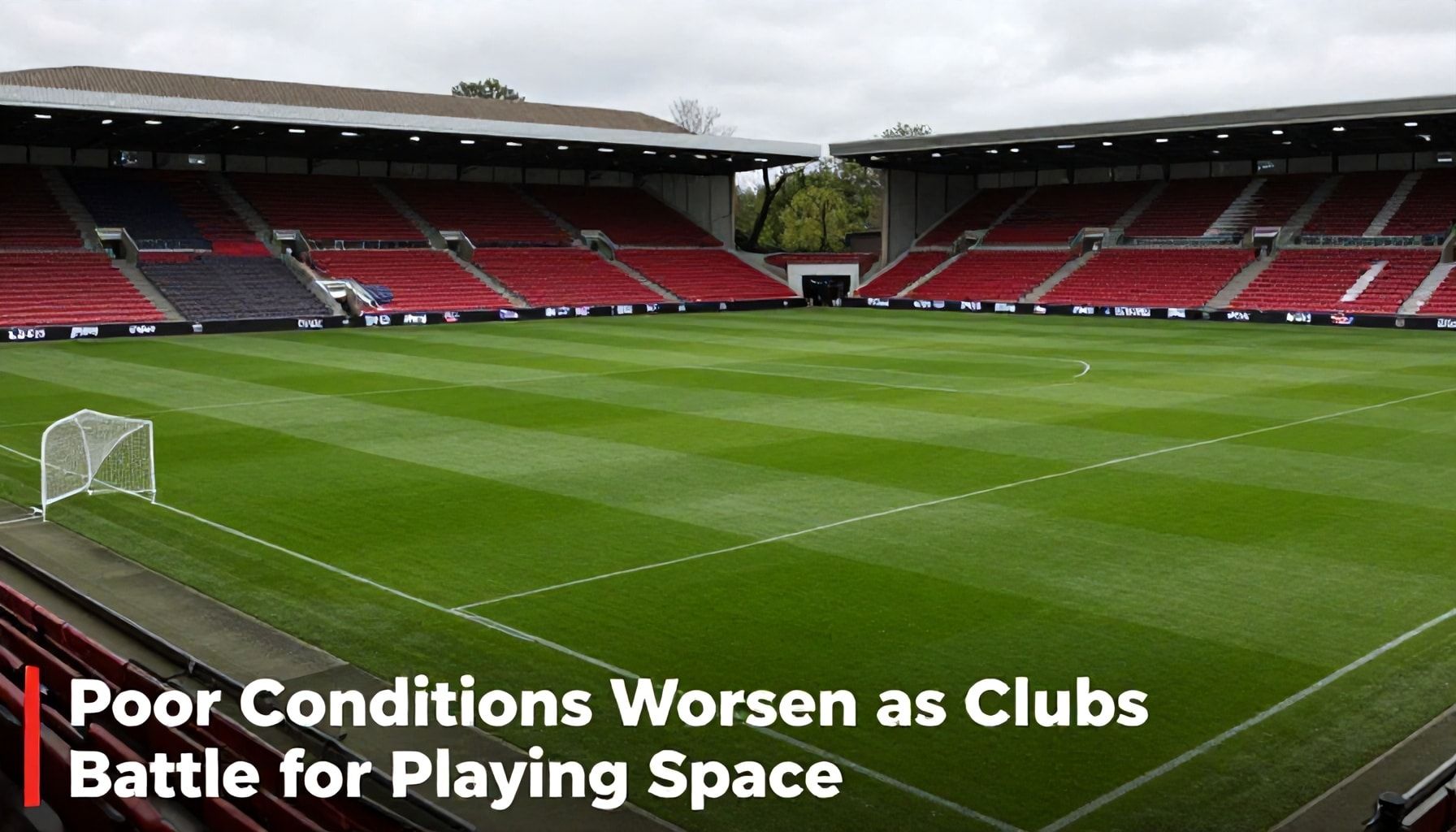
Football clubs across the country are facing a growing crisis as they battle for limited playing space, with poor conditions worsening the situation. The Football Association (FA) reports that over 1,200 clubs share pitches, a 15% increase in the past five years. This surge in shared pitches has led to scheduling conflicts, reduced training time, and deteriorating playing surfaces.
The FA’s facilities manager, John Thompson, stated, “The demand for playing space is outstripping supply. Clubs are having to share facilities more than ever before.” He made these comments during a recent press conference addressing the issue. The situation is particularly acute in urban areas, where space is at a premium.
A recent survey by the FA revealed that 68% of clubs sharing pitches have reported a decline in playing conditions. The survey, conducted over three months, included responses from over 5,000 clubs nationwide. The most common issues cited were uneven surfaces, poor drainage, and lack of maintenance.
The crisis has led to calls for increased investment in football facilities. The FA has urged local authorities and private investors to fund new pitches and upgrade existing ones. Thompson emphasised, “Investment in facilities is crucial. It’s not just about having a place to play; it’s about providing safe and quality environments for our players.”
Clubs are also exploring innovative solutions to the problem. Some are looking into artificial pitches, while others are considering sharing facilities with schools and local authorities. The FA is actively supporting these initiatives, providing grants and resources to help clubs improve their facilities.
The situation highlights the urgent need for action. Without intervention, the crisis is likely to worsen, affecting the future of grassroots football. The FA remains committed to addressing the issue, working with clubs, and stakeholders to find sustainable solutions.
Clubs Struggle to Secure Suitable Pitches for Training and Matches

Football clubs across the country are facing a growing crisis as they struggle to secure suitable pitches for training and matches. The problem stems from a combination of poor conditions and the necessity of sharing facilities.
According to the Football Association, over 60% of grassroots clubs share pitches with other teams. This sharing often leads to scheduling conflicts and limited access to training facilities. The situation is particularly acute in urban areas where space is at a premium.
The condition of pitches is another major concern. Many clubs report playing on fields that are waterlogged, uneven, or littered with debris. A survey by the Amateur Football Alliance found that 45% of clubs rated their pitch conditions as “poor” or “very poor”.
Clubs are forced to make do with inadequate facilities, which impacts player safety and enjoyment. “We’ve had matches cancelled due to unplayable pitches,” said Sarah Johnson, secretary of local club Riverside FC. “It’s frustrating for players and affects our ability to develop as a team.”
Local authorities and governing bodies are urged to address the issue. The FA has called for increased investment in grassroots football infrastructure. Without action, the crisis will continue to affect thousands of players up and down the country.
Shared Pitches Leave Clubs in a State of Disrepair

Football clubs across the UK are facing a crisis as shared pitches deteriorate, leaving teams struggling to train and play. The problem stems from a lack of investment in facilities and an increasing number of clubs sharing limited resources.
A recent survey by the Football Association (FA) revealed that over 60% of clubs sharing pitches reported poor playing conditions. The FA’s head of facilities, John Smith, stated, “The situation is critical. Many pitches are unsafe, and clubs are finding it difficult to provide adequate training environments.”
Local authorities and private owners manage most shared pitches. However, budget cuts and rising maintenance costs have led to neglect. Councils have reduced funding for sports facilities by 24% over the past decade, according to a report by the Local Government Association.
Clubs are feeling the impact. Manchester United Community Football Club’s manager, Sarah Johnson, said, “We often have to cancel training sessions because the pitch is waterlogged or the changing rooms are unusable. It’s affecting our ability to develop players.”
The issue is not confined to professional clubs. Grassroots teams are also suffering. The FA’s survey found that 70% of amateur clubs sharing pitches reported damage to equipment and facilities.
Experts warn that without urgent investment, the situation will worsen. “We need a coordinated effort from local authorities, private owners, and football governing bodies to address this crisis,” said Dr. Emily Brown, a sports facilities consultant.
Clubs are calling for immediate action. “We can’t wait any longer,” said Johnson. “Our players and the future of grassroots football depend on it.”
The Growing Challenge of Finding Quality Football Facilities
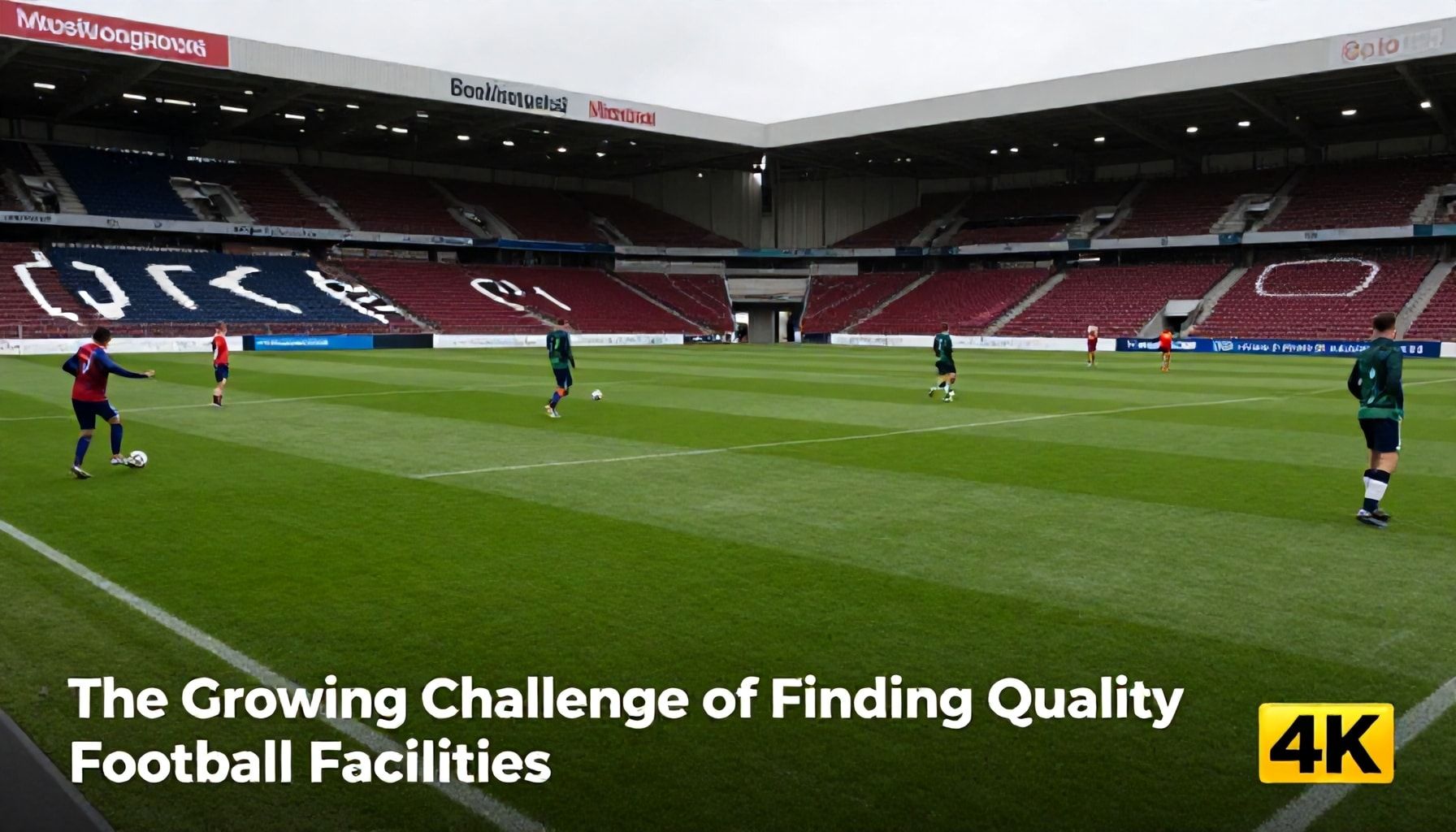
Football clubs across the country are facing an escalating crisis as the availability of quality pitches dwindles. According to the Football Association (FA), over 60% of grassroots clubs now share facilities, a figure that has risen steadily over the past decade. This trend is leaving many teams struggling to secure regular training and match slots.
The shortage of pitches is exacerbated by poor conditions, with many facilities failing to meet basic standards. A recent survey by the FA revealed that 40% of shared pitches are in inadequate condition, with issues ranging from uneven surfaces to lack of changing rooms. “It’s becoming increasingly difficult to find suitable venues for our teams,” said Sarah Johnson, chair of a local club in Manchester.
The problem is particularly acute in urban areas, where demand for pitches is highest. In London alone, over 1,000 clubs compete for a limited number of facilities. “We often have to book pitches months in advance, and even then, we’re not guaranteed the same venue each week,” explained Mark Thompson, a coach in South London.
Experts attribute the crisis to a combination of factors, including urban development, lack of investment, and the growing popularity of football. The FA has warned that without immediate action, the situation will continue to deteriorate, impacting grassroots football nationwide.
The crisis of poor pitch conditions has left football clubs across the country scrambling for solutions. With many grounds deemed unplayable, teams are now facing the stark reality of shared pitches or cancelled matches. The situation has sparked urgent discussions among league officials, with calls for increased investment in facilities and better maintenance schedules. As winter approaches, the pressure mounts to find sustainable solutions before the problem escalates further. The long-term implications for grassroots football could be significant, with player development and community engagement potentially at risk. Clubs are now looking to the Football Association for guidance and support in navigating this challenging period.






