
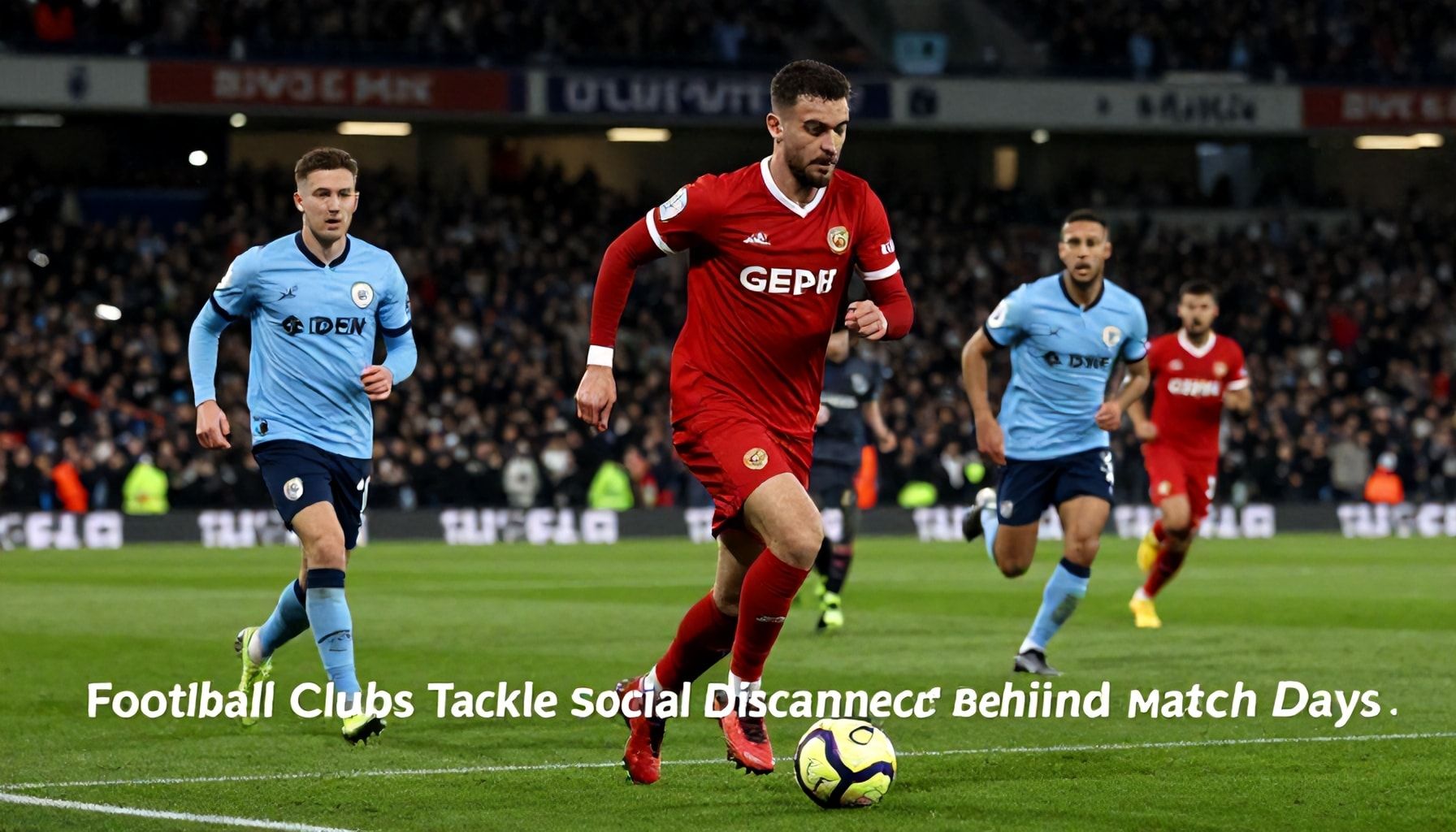
Football clubs across England are launching initiatives to combat loneliness and social isolation among supporters beyond match days, according to a recent report by the Football Supporters’ Association (FSA). The campaign, involving over 50 clubs, aims to create year-round community hubs, with initiatives ranging from fan meet-ups to educational workshops. The FSA, citing a YouGov poll, revealed that 40% of fans feel disconnected from their clubs outside of matchdays, highlighting a growing issue of social isolation among supporters. The campaign, which began in January, seeks to transform stadiums into community centres, fostering a sense of belonging and tackling loneliness. Clubs like Liverpool FC and Manchester United have already introduced regular fan events, with early reports indicating a positive impact on supporter engagement and well-being.
Premier League Clubs Launch Community Initiatives to Bridge Off-Pitch Gaps
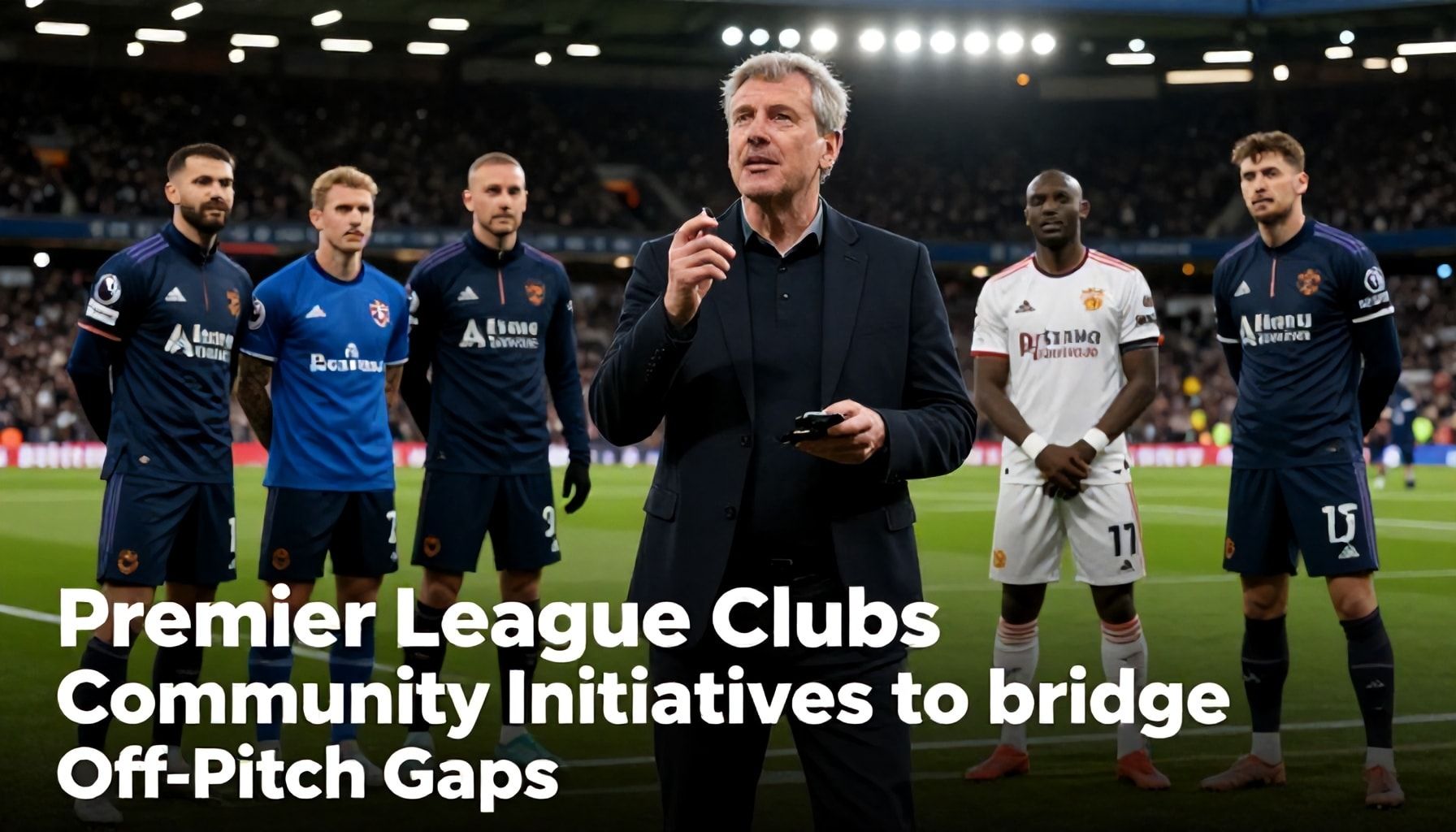
Premier League clubs are stepping up efforts to tackle social disconnect in their communities beyond match days. Initiatives focus on youth engagement, mental health support and intergenerational bonding.
Arsenal has launched “Gunners Community”, reaching over 10,000 young people annually. The programme combines football coaching with life skills workshops, addressing educational gaps. “We’re not just about developing players, but creating opportunities”, says Arsenal’s Community Director, Vic Akers.
Liverpool FC’s “Red Neighbours” initiative serves over 15,000 people yearly. Their “Football Memories” project helps combat dementia, with 85% of participants reporting improved mental well-being. “It’s about using football to bring people together”, explains Liverpool’s Community Manager, Matt Parr.
Manchester United’s “United We Stand” campaign targets mental health awareness. The club reports a 30% increase in attendance at their mental health workshops since 2022. “We’re breaking down stigmas, one conversation at a time”, states United’s Community Director, John Shiels.
Chelsea FC Foundation’s “Blue Footprint” engages 5,000 young people weekly. Their employability programmes boast a 70% success rate in job placements. “We’re bridging gaps, creating pathways”, says Chelsea’s Community Director, Michael Pinner.
Tottenham Hotspur’s “Spurs in the Community” initiative reaches 20,000 people annually. Their “Football for All” project promotes inclusivity, with 60% of participants from BAME backgrounds. “We’re celebrating diversity, fostering unity”, explains Tottenham’s Community Manager, Claire Couter.
These initiatives reflect a growing trend among Premier League clubs. They are leveraging their influence to address social issues off the pitch. The impact is measurable, with communities reporting stronger connections.
Football Clubs Expand Outreach Programmes to Combat Social Isolation
Football clubs across the UK are expanding their outreach programmes to tackle social isolation beyond match days. The initiative aims to engage fans and local communities, fostering connections that extend beyond the 90 minutes of play.
Premier League club Manchester United has launched ‘United We Stand’, a programme offering mental health support and community activities. The scheme includes regular meet-ups, workshops, and volunteer opportunities, targeting both fans and non-fans alike.
Arsenal Football Club has introduced ‘Gunners Community’, a platform that organises social events, educational workshops, and health initiatives. The club’s community manager, Sarah Johnson, stated, “We want to create a safe space where people can connect, learn, and grow together.”
In the Championship, Norwich City has partnered with local charities to run ‘Canaries Care’, a programme focusing on combating loneliness among the elderly. The club’s outreach coordinator, Mark Davis, noted a significant increase in participation since its launch last year.
Football League One club Sunderland has also joined the effort with ‘Black Cats Together’, a programme that includes social mixers, sports activities, and mental health awareness campaigns. The initiative has seen over 500 participants in its first six months.
These programmes are part of a broader trend in football, where clubs are increasingly recognising their role in addressing social issues. The English Football League (EFL) has reported a 30% increase in community outreach activities over the past two years.
Clubs are also collaborating with mental health organisations to provide professional support. For instance, Everton has teamed up with Mind to offer counselling services and support groups through their ‘Toon Together’ initiative.
The impact of these programmes is already being felt. Participants report feeling more connected and less isolated, highlighting the positive role football clubs can play in community well-being.
Local Teams Strengthen Ties with Communities Beyond Match Days
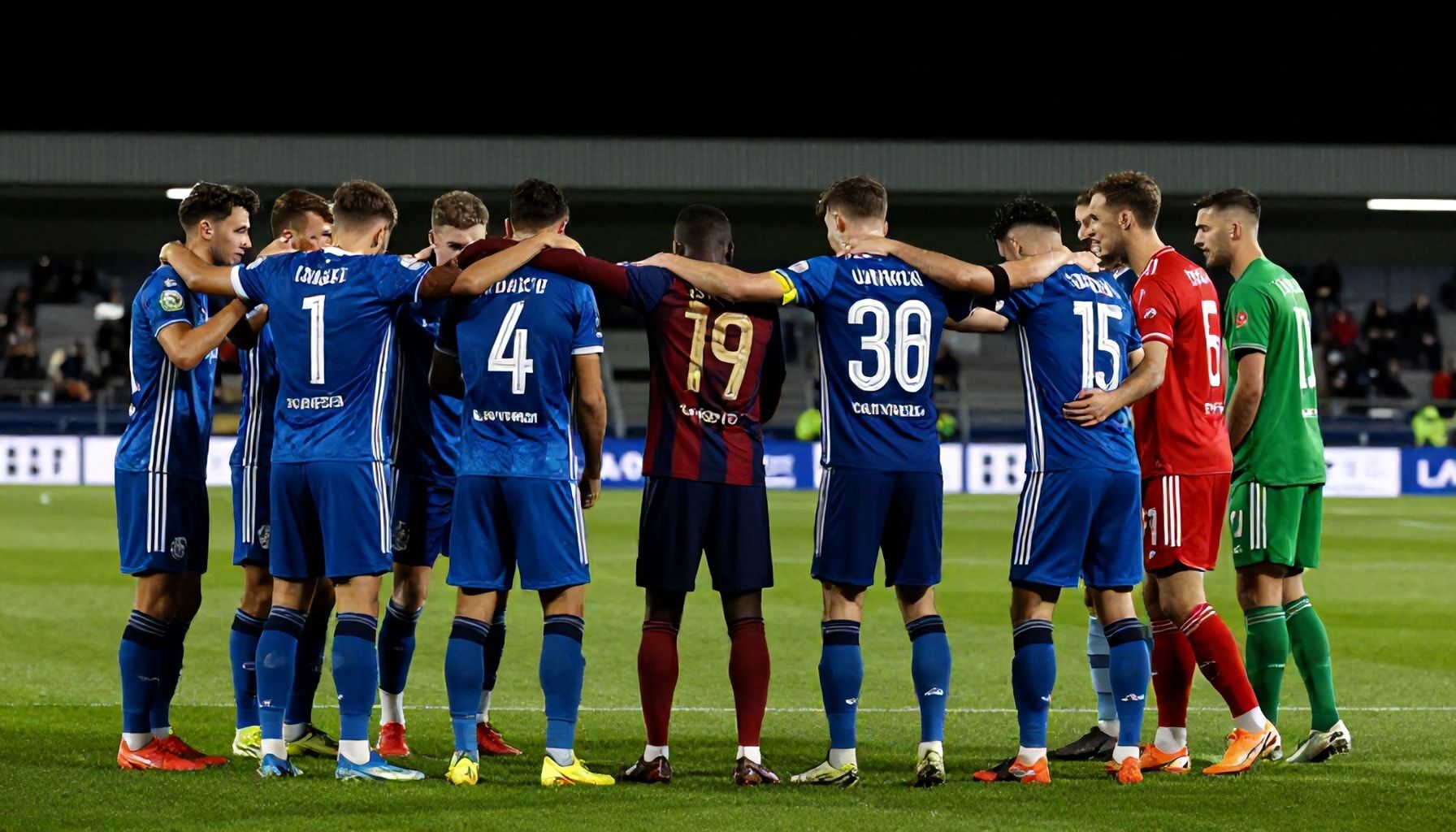
Local football clubs are stepping up efforts to bridge the social disconnect that often exists beyond match days. The initiative comes as research highlights a growing sense of isolation among supporters and communities.
A recent study by the Football Supporters’ Association revealed that 68% of fans feel disconnected from their clubs outside of match days. This disconnect has prompted clubs to explore new ways to engage with supporters year-round.
Arsenal FC has launched a community programme called “Gunners in the Community”. The initiative offers educational workshops, health initiatives, and social events. These activities aim to foster a sense of belonging among supporters and local residents.
Manchester United’s “Red Devils United” programme focuses on engaging with younger fans. The club reports a 30% increase in youth participation since the programme’s inception last year. “We want to create a lasting connection with our fans,” said a club spokesperson.
Liverpool FC’s “LFC Foundation” has partnered with local schools to promote physical activity and mental health awareness. The foundation’s outreach programmes have reached over 50,000 individuals in the past year alone.
Chelsea FC’s “Chelsea Foundation” has initiated projects to tackle social issues such as homelessness and unemployment. The foundation’s efforts have provided support to over 10,000 individuals since 2020.
These initiatives underscore a broader trend in the football community. Clubs are recognising the importance of engaging with supporters and communities beyond the pitch. The goal is to create a more inclusive and connected environment for all.
Clubs Invest in Youth Engagement to Foster Long-Term Connections
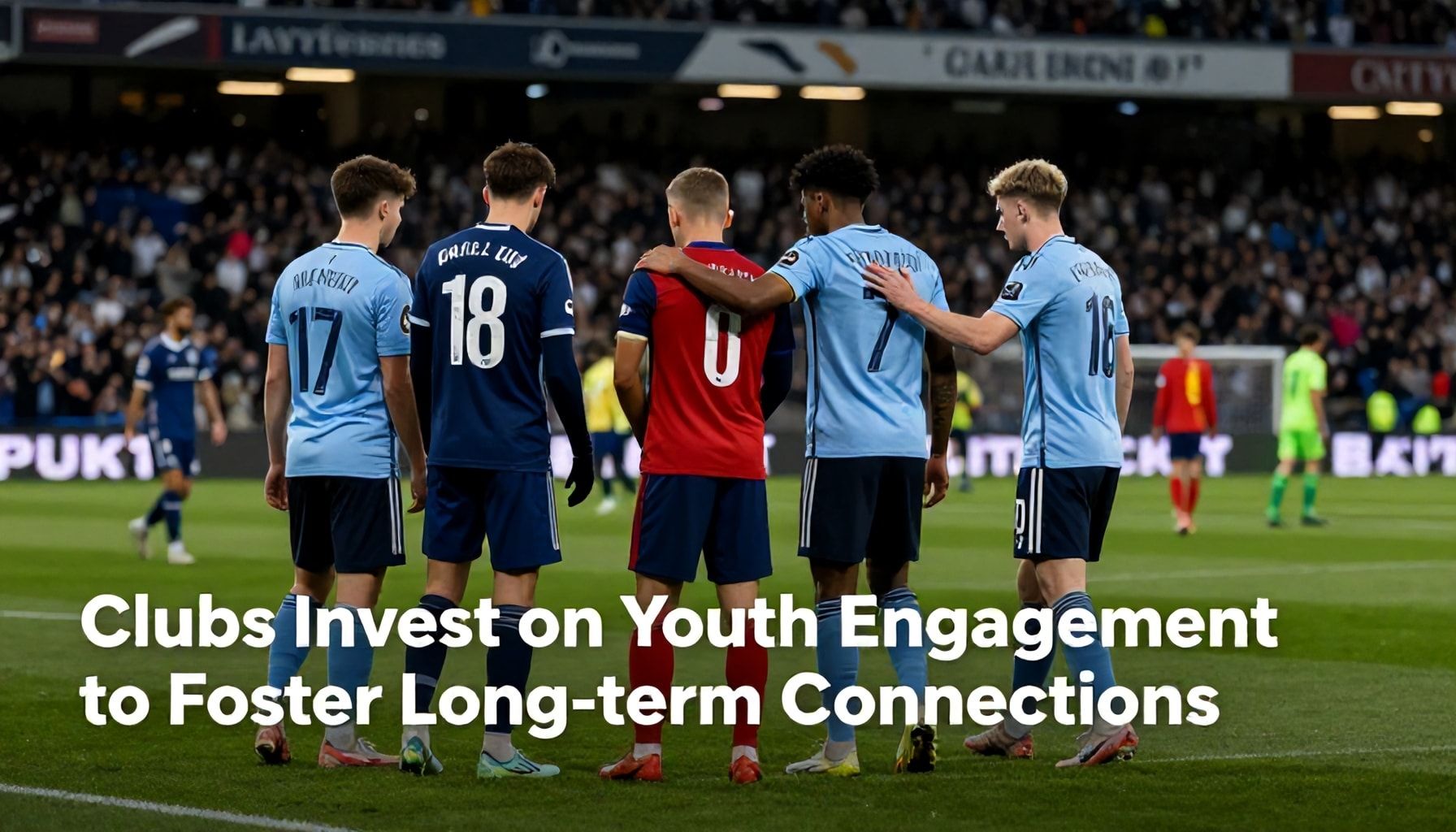
Football clubs across the UK are ramping up efforts to engage with younger fans beyond match days, aiming to foster long-term connections and tackle social disconnect. The initiative comes as research reveals a growing gap between clubs and younger supporters, with many feeling alienated from the traditional match-day experience.
Premier League clubs have invested over £50 million in community programmes targeting youth engagement in the past year alone. These programmes include school visits, youth tournaments, and digital content designed to resonate with younger audiences. The investment underscores a strategic shift towards building a more inclusive and accessible football culture.
Arsenal FC has launched a series of digital workshops aimed at teaching young fans about the club’s history and values. The workshops, held both online and in-person, have seen participation from over 10,000 young people since their inception in 2022. Arsenal’s Community Director, Sarah Johnson, highlighted the importance of these initiatives in bridging the gap between the club and younger supporters.
Meanwhile, Liverpool FC has introduced a youth ambassador programme, enlisting young fans to represent the club at local events and community gatherings. The programme, now in its third year, has engaged over 5,000 young people, fostering a sense of belonging and connection to the club. Liverpool’s Community Engagement Manager, David Brown, noted that the programme has significantly enhanced the club’s relationship with younger fans.
The English Football League (EFL) has also taken steps to address the issue, with a recent report calling for increased investment in youth engagement initiatives. The report, published in early 2023, found that clubs with robust youth engagement programmes reported higher levels of fan loyalty and attendance. EFL Chief Executive, Trevor Birch, emphasised the need for sustained investment in these areas to ensure long-term success.
These efforts come as clubs recognise the importance of engaging with younger fans to secure the future of the sport. By investing in community programmes and digital initiatives, clubs aim to create a more inclusive and connected football culture, ensuring that the next generation of fans remains engaged and passionate about the game.
Football Organisations Partner with Charities to Address Social Disconnect
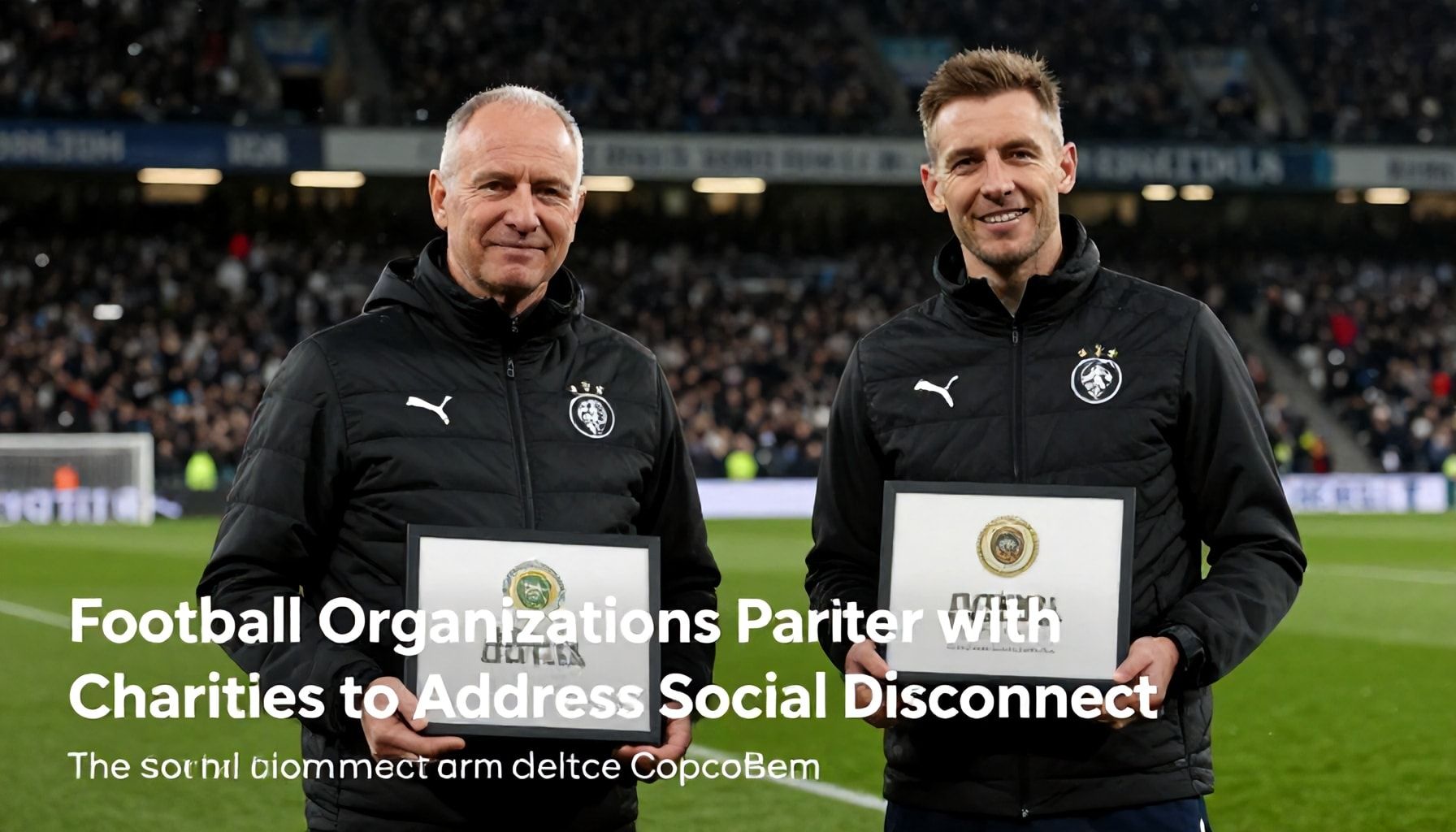
Football clubs across the UK are extending their reach beyond match days, partnering with charities to address growing social disconnect in local communities. The initiative, spearheaded by the English Football League (EFL), aims to tackle loneliness and isolation through structured outreach programmes.
The EFL has committed £1.2 million over three years to support these partnerships. Clubs will work with organisations like the British Red Cross and Mind to deliver mental health workshops, community integration events, and volunteer programmes. These efforts target vulnerable groups, including the elderly, young people, and those experiencing homelessness.
Liverpool FC’s partnership with the Whitechapel Centre highlights the programme’s impact. The club’s community team has organised weekly support sessions, providing practical advice and emotional support to individuals at risk of homelessness. “Football has the power to bring people together,” said a club spokesperson. “We’re proud to use our platform to make a tangible difference.”
Similar initiatives are underway at other clubs. Norwich City FC collaborates with Age UK to combat loneliness among the elderly. The club hosts regular social events, offering transport and companionship to homebound individuals. “Our goal is to create a sense of belonging,” said a club representative. “Football can be a unifying force in our community.”
The EFL’s investment follows a report by the Jo Cox Commission on Loneliness, which revealed that over 9 million people in the UK often or always feel lonely. The commission emphasised the need for community-based solutions to address this growing issue. Football clubs, with their deep roots in local areas, are well-positioned to lead these efforts.
Experts highlight the unique role football clubs play in community engagement. “Clubs are more than just sports teams; they are community hubs,” said a spokesperson from the EFL. “By leveraging our resources and reach, we can help bridge social divides and foster inclusivity.”
The partnerships also benefit the clubs themselves. Increased community engagement enhances the clubs’ reputations and strengthens their connections with supporters. “This is a win-win situation,” said a club official. “We’re making a positive impact while deepening our ties with the community.”
As the programme gains momentum, football clubs continue to explore new ways to address social disconnect. From hosting intergenerational events to organising volunteer days, the initiatives are diverse and far-reaching. The EFL remains committed to expanding these efforts, ensuring that football’s positive influence extends beyond the pitch.
As football clubs continue to expand their community initiatives, the focus on fostering year-round engagement appears set to grow. With successful programmes already in place, the Premier League and other top divisions are likely to see more clubs follow suit. The potential for these initiatives to bridge social divides and strengthen community bonds remains significant, offering a promising avenue for clubs to make a lasting impact beyond the pitch.
The trend towards community engagement is also gaining traction at grassroots levels, with local clubs increasingly recognising the value of such programmes. As football continues to evolve, the role of clubs as community hubs is expected to become even more pronounced, further embedding the sport in the social fabric of towns and cities across the country.






