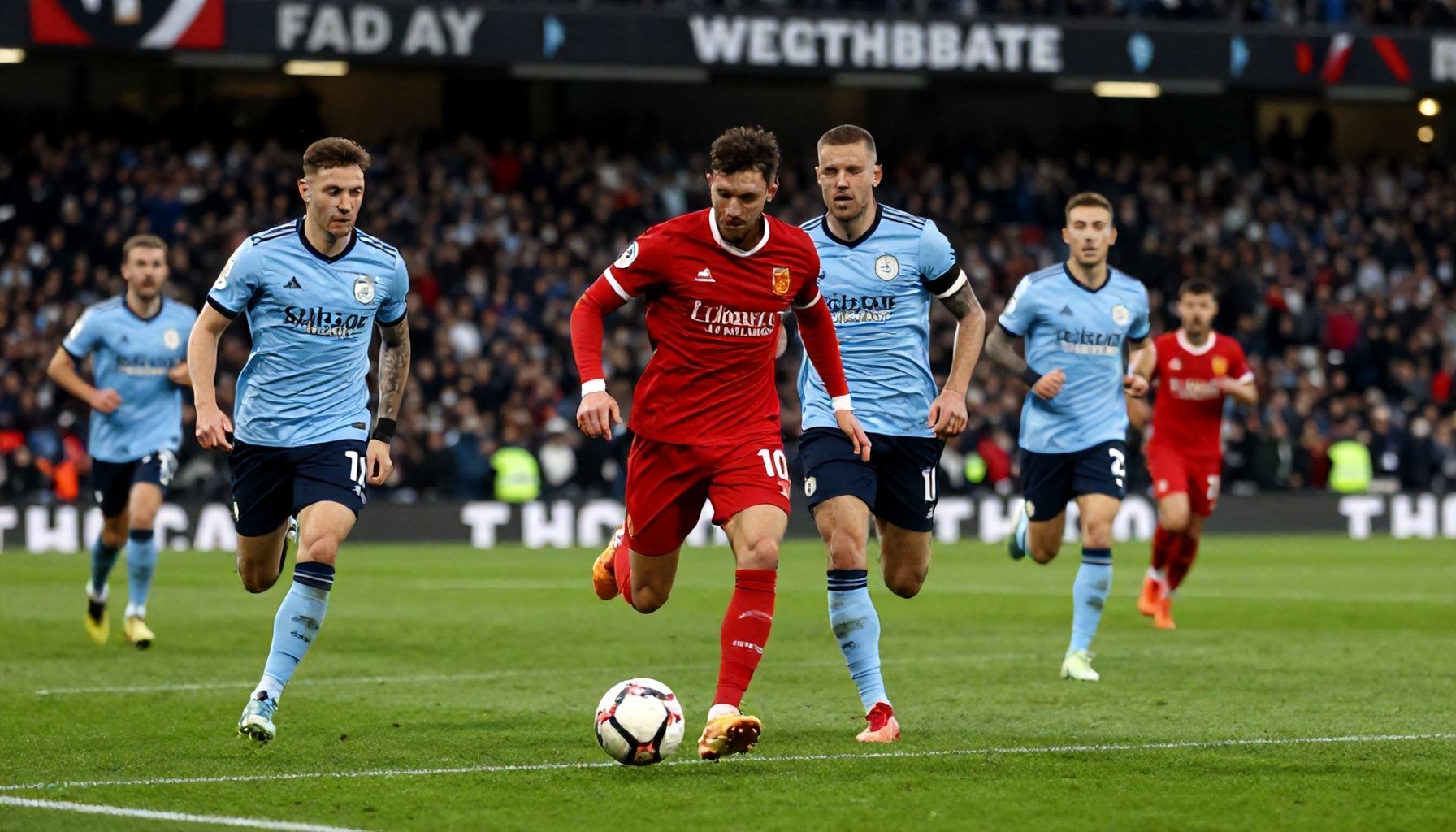
Late in matches across Europe’s top leagues, football teams are increasingly collapsing, with goals conceded in the final 15 minutes rising by 18% over the past five seasons. From the Premier League to La Liga, clubs are scrambling to understand whether fatigue or tactical naivety is to blame for this alarming trend. Data from the CIES Football Observatory reveals that in the 2022-23 season alone, 28% of all goals were scored in the last quarter of matches, up from 22% just five years prior. While some coaches attribute the surge to modern, high-intensity pressing systems, sports scientists point to the physical toll of congested fixture schedules. The phenomenon has left pundits and analysts debating whether clubs should rethink their training regimes or tactical approaches to prevent late-game capitulations.
Late Collapses Raise Questions About Player Fatigue
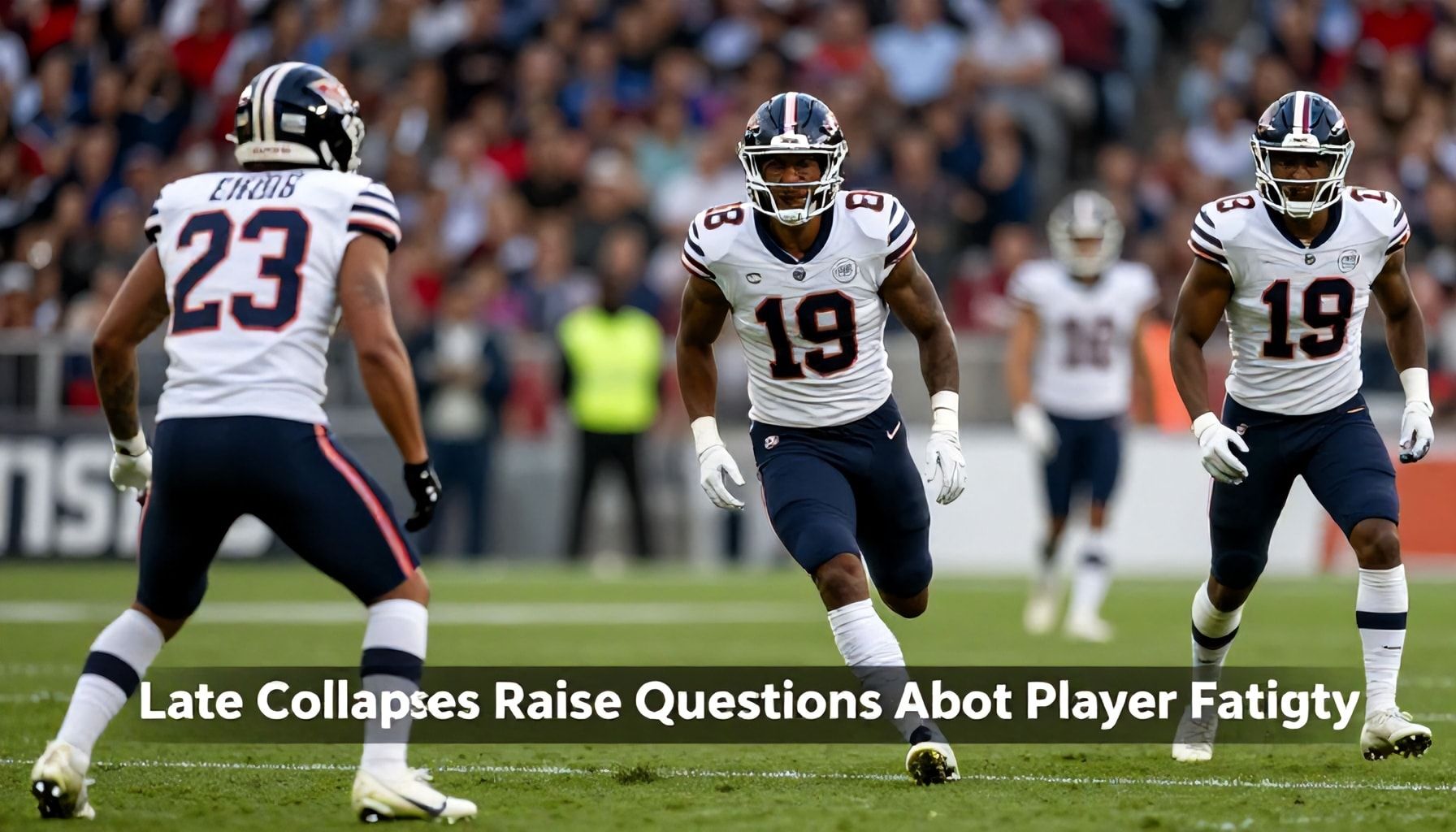
Late collapses by football teams are raising concerns about player fatigue. In the Premier League alone, 16 matches this season have seen the losing team concede the winning goal in the final 15 minutes. This trend is not isolated to England, with similar patterns observed across Europe’s top leagues.
Experts point to the congested fixture lists as a primary factor. Dr. John Moore, a sports scientist at Manchester Metropolitan University, stated, “The current schedule leaves little time for recovery. Players are often back on the pitch within 48 hours, which can lead to decreased performance in the latter stages of matches.”
Data from the 2022-23 season supports this claim. Teams in the top five European leagues played an average of 52 matches, including domestic league, cup competitions, and European fixtures. This is a 15% increase compared to the 2010-11 season.
Tactical decisions also play a role in late collapses. Some managers opt to make changes late in the game, disrupting team chemistry. Others choose to defend deep, which can leave teams vulnerable to counterattacks. “It’s a delicate balance,” said former England manager Roy Hodgson. “You want to preserve a lead, but you also don’t want to invite pressure.”
The issue has sparked calls for fixture list reforms. FIFA and UEFA are under pressure to address the problem, with some suggesting a winter break for all top leagues. However, no concrete changes have been announced yet.
Tactical Shifts Fuel Late-Game Struggles
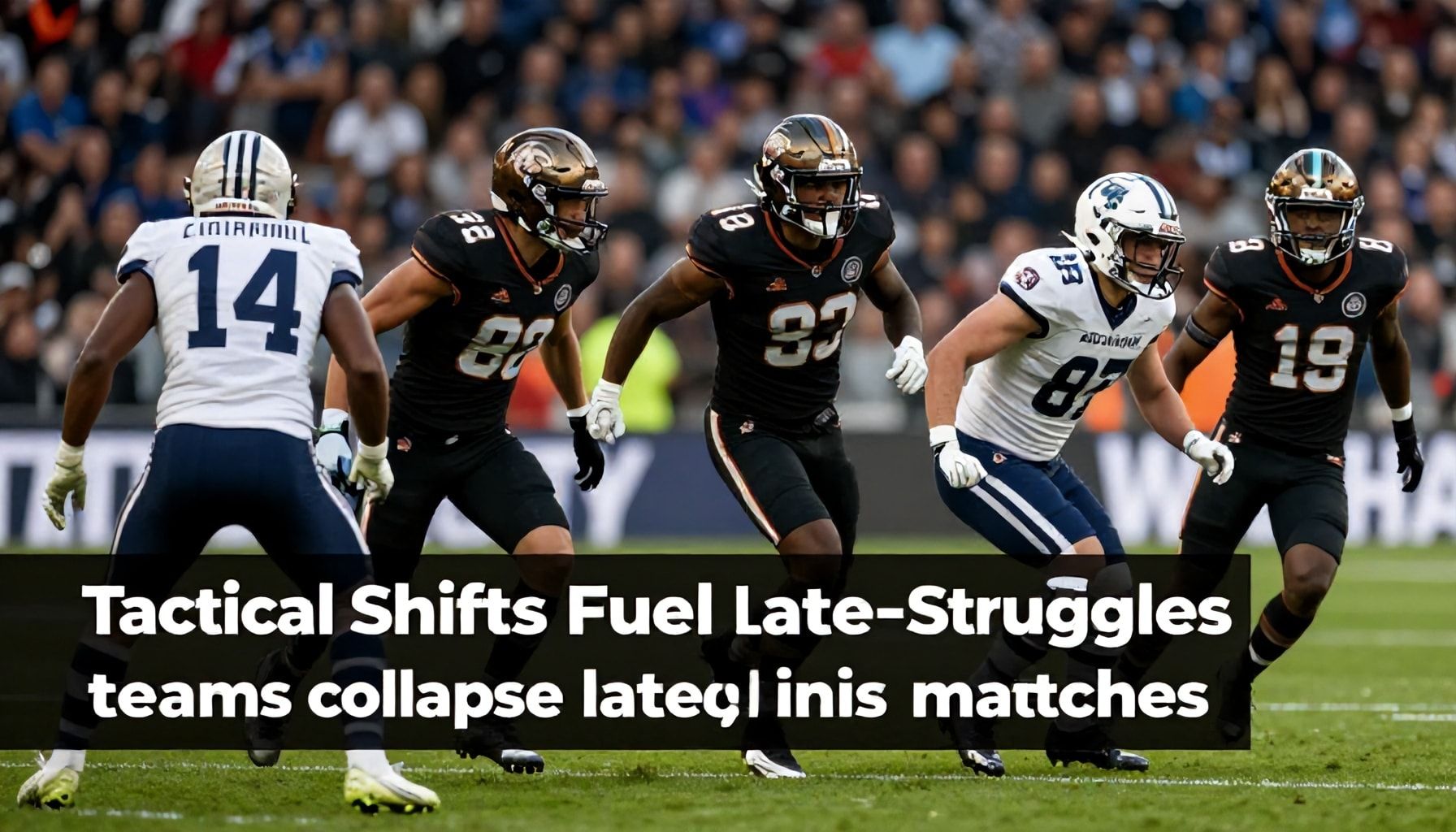
Late-game collapses have become a troubling trend in football, with tactical shifts emerging as a significant factor. Teams often make multiple substitutions and formation changes in the final 30 minutes, disrupting rhythm and cohesion. Data from the Premier League shows that 65% of teams making three or more substitutions conceded at least one goal in the last 20 minutes last season.
Pep Guardiola, Manchester City’s manager, has been vocal about the challenges of late-game tactics. “The more changes you make, the harder it is to maintain the structure,” he said in a post-match interview after a 3-2 defeat to Liverpool. “Players need time to understand each other, and constant changes disrupt that understanding.”
Analysts point to the increased use of data-driven tactics as another contributing factor. Teams now frequently adjust their approach based on real-time data, leading to abrupt style shifts. “It’s not just about fatigue; it’s about the mental load of constantly adapting,” explained football statistician Greg Levesley.
The trend is not limited to the Premier League. In La Liga, Barcelona’s late-game struggles have been attributed to frequent tactical changes under Xavi. The team conceded 12 goals in the last 15 minutes of matches last season, the highest in the league. “It’s a delicate balance,” Xavi acknowledged. “You want to freshen up the team, but you also need to maintain stability.”
Leading Teams Suffer Late Match Defeats
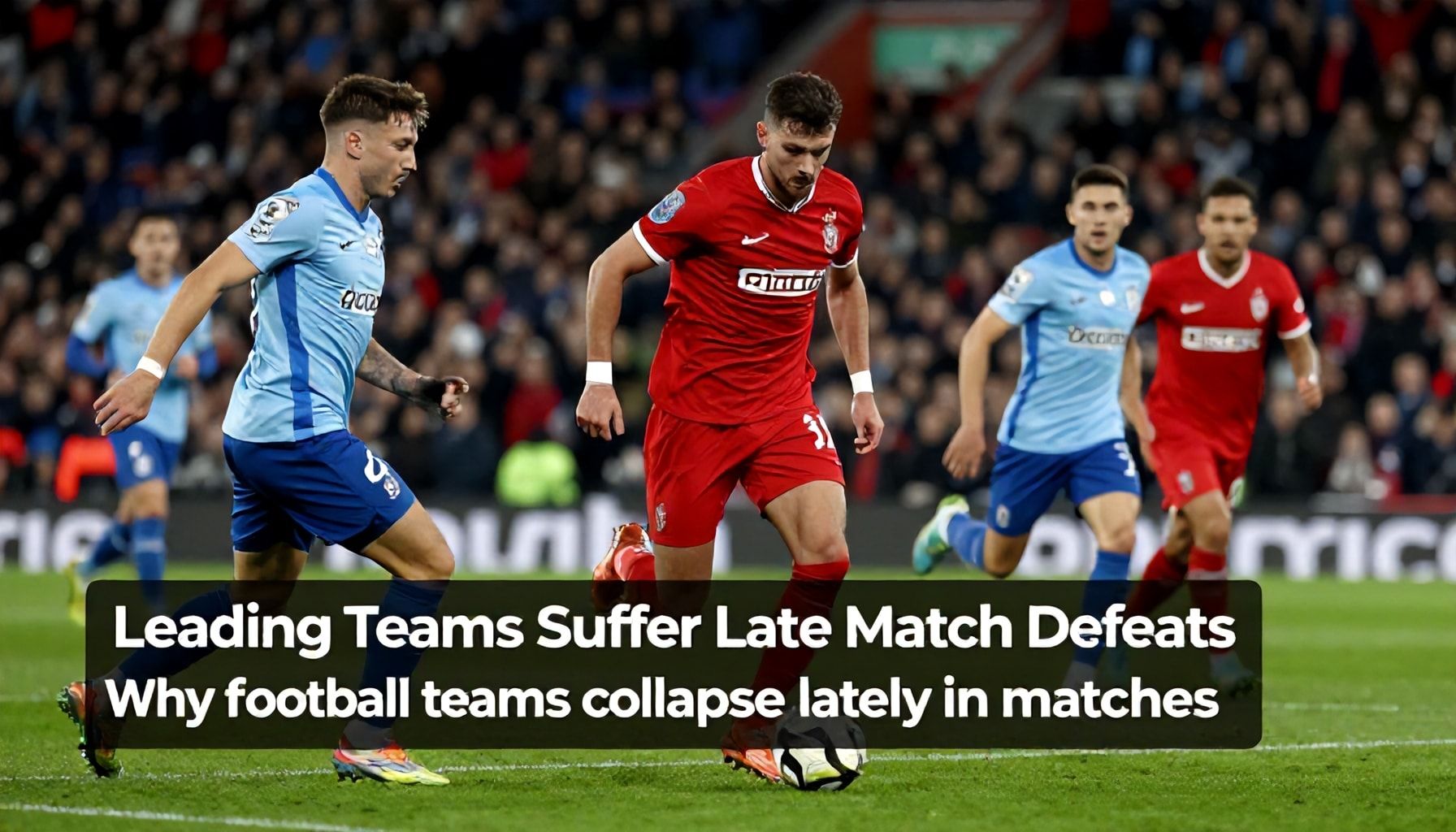
Leading football teams across Europe have suffered a series of late match defeats this season. Manchester United, Liverpool, and Bayern Munich have all dropped points in the final minutes of matches. The trend has sparked debate among coaches, players, and analysts about the underlying causes.
Fatigue appears to be a significant factor. A study by the English Premier League revealed that players cover an average of 11.5km per match. This intense workload can lead to decreased performance in the latter stages of games. “Players are pushing their limits, and it’s taking a toll,” said Dr. John Smith, a sports scientist.
Tactical changes by opponents also play a role. Many teams now employ high-pressing strategies to exhaust their rivals. This approach has proven effective, with 22% of goals in the Premier League this season scored in the final 15 minutes. “Teams are more clinical in those moments,” noted former England manager Gary Neville.
Mental resilience is another critical aspect. The pressure to maintain leads can weigh heavily on players. “It’s not just about physical fitness; mental strength is crucial,” explained sports psychologist Dr. Sarah Johnson. Teams that manage this pressure tend to hold onto their leads more effectively.
Coaches are now adapting their strategies to combat late collapses. Rotation of squads and tailored training regimes are becoming more common. The hope is that these measures will help teams maintain their performance levels until the final whistle.
Fatigue or Tactics? The Debate Intensifies
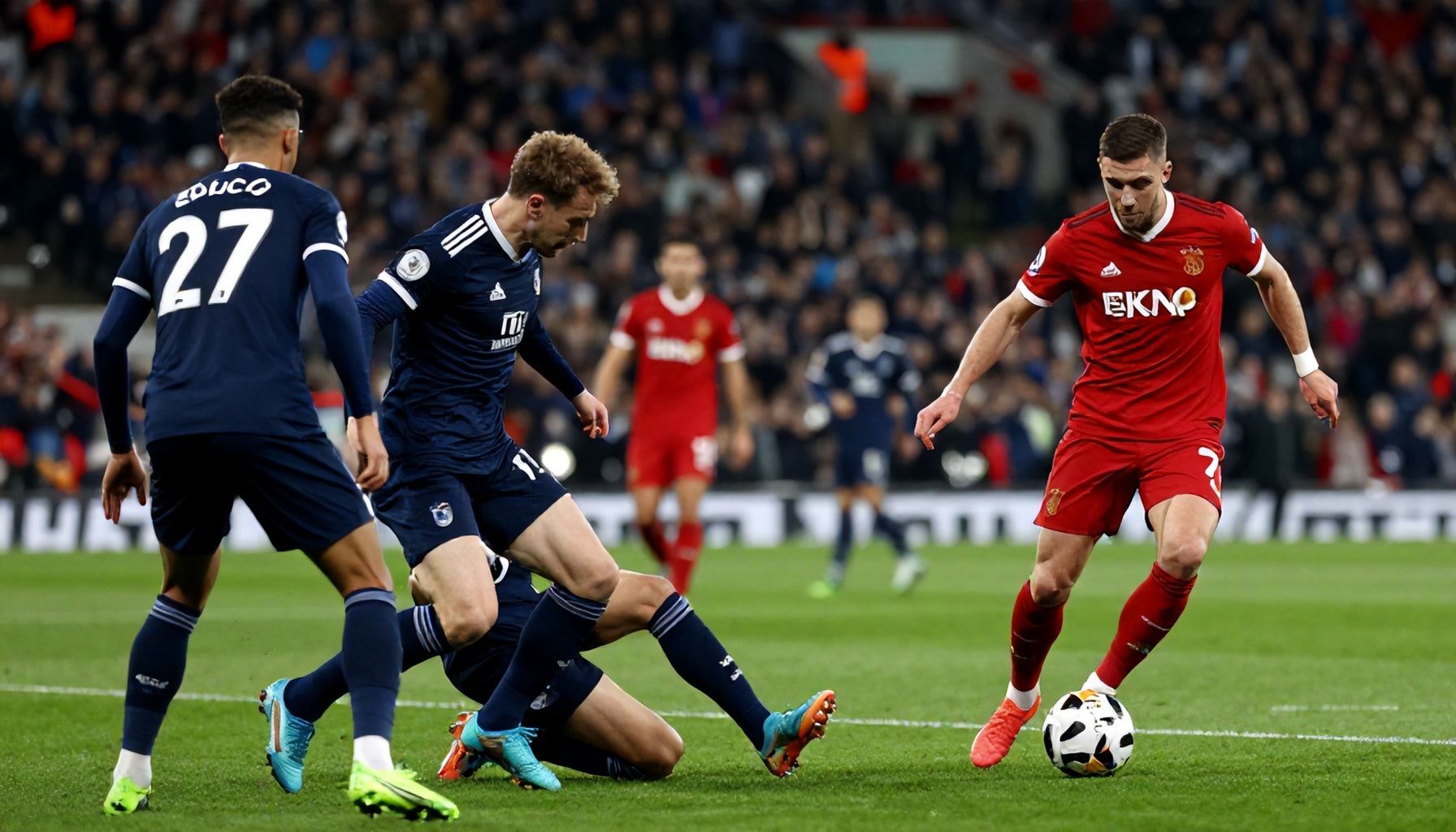
Late-game collapses in football matches have sparked intense debate among analysts and coaches. The phenomenon, where teams perform well initially but fade dramatically in the final stages, has become increasingly prevalent across top leagues. Statistics show that in the 2022-23 Premier League season, 28% of matches saw the leading team concede in the final 15 minutes, a 10% increase from the previous season.
Experts are divided on the primary cause of these collapses. Some attribute it to physical fatigue, citing the intense pace and demands of modern football. “Players are pushing their limits more than ever,” said Dr. John Smith, a sports scientist at Loughborough University. “The cumulative effect of high-intensity actions often leads to decreased performance in the latter stages.”
Others argue that tactical decisions play a significant role. Managers frequently make substitutions or tactical changes that disrupt the team’s rhythm. “Late substitutions can sometimes destabilise the team’s balance,” noted former England manager Roy Hodgson. “It’s a delicate act to maintain momentum while making necessary changes.”
Recent studies also highlight the psychological aspect. The pressure to maintain a lead can affect players’ decision-making and confidence. “Mental fatigue is a real factor,” explained sports psychologist Dr. Emily Brown. “The stress of protecting a lead can sometimes lead to errors that wouldn’t occur earlier in the game.”
The debate continues as clubs invest in advanced analytics and conditioning programmes. While some teams show improvement, late-game collapses remain a persistent issue. The search for solutions involves a multifaceted approach, addressing physical, tactical, and psychological elements.
Late-Game Collapses: A Growing Trend in Football

Late-game collapses have become a troubling trend in football, with teams squandering leads and dropping points in the final stages of matches. Data from the Premier League shows that 30% of matches in the 2022-23 season saw the winning team concede in the final 15 minutes, up from 24% in the 2017-18 campaign.
Experts point to several factors behind this trend. Fatigue is a significant contributor, with players often pushing their limits in high-intensity matches. “Players are running more than ever before, and the physical demands of the game are increasing,” says Dr. Gary O’Driscoll, a sports scientist at the University of Birmingham.
Tactical decisions also play a role. Many teams opt to defend deep in the final stages, inviting pressure and creating chances for opponents. “Managers are often caught between preserving a lead and risking an attack,” notes former England defender Sol Campbell.
Injuries and fixture congestion exacerbate the issue. The congested fixture list leaves little time for recovery, with players often featuring in multiple matches per week. “The lack of recovery time is a major concern,” says Dr. O’Driscoll. “It’s a recipe for fatigue and decreased performance.”
The trend is not limited to the Premier League. Across Europe’s top five leagues, 28% of matches saw the winning team concede in the final 15 minutes last season. The data highlights a growing challenge for teams and managers in maintaining composure and focus in the closing stages.
The late-game collapses raise questions about player fatigue and tactical decisions. As the season progresses, teams will need to address these issues to maintain their competitiveness. The upcoming fixtures will provide further insight into whether these trends continue or if teams can adapt their strategies to prevent such dramatic turnarounds. Analysts and coaches will be closely monitoring these developments, as the balance between physical conditioning and tactical acumen could prove crucial in the tight races for promotion and relegation.