
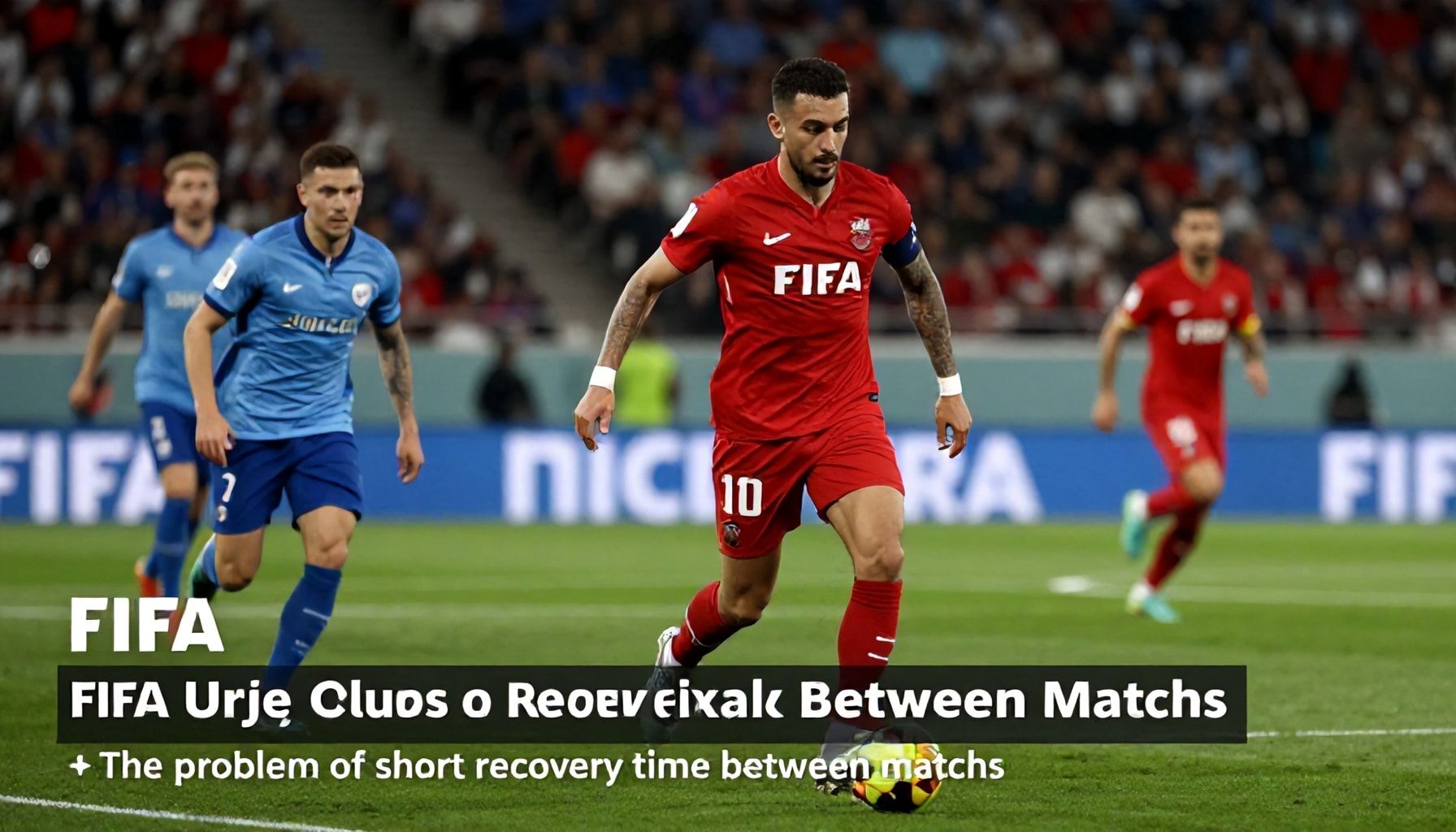
Professional footballers across Europe are facing increased injury risks due to tight match schedules, according to a recent study published in the British Journal of Sports Medicine. The research, analysing nearly 4,000 matches from top leagues, reveals that players have only 66 hours on average between games, far less than the recommended 88 hours for optimal recovery. The study highlights that every additional match played within a short period raises injury risks by up to 30%. With domestic leagues, European competitions, and international fixtures piling up, players are struggling to get adequate rest. The findings come as clubs and governing bodies face growing pressure to address player welfare amid packed calendars.
Footballers risk injury as tight match schedules cut recovery time
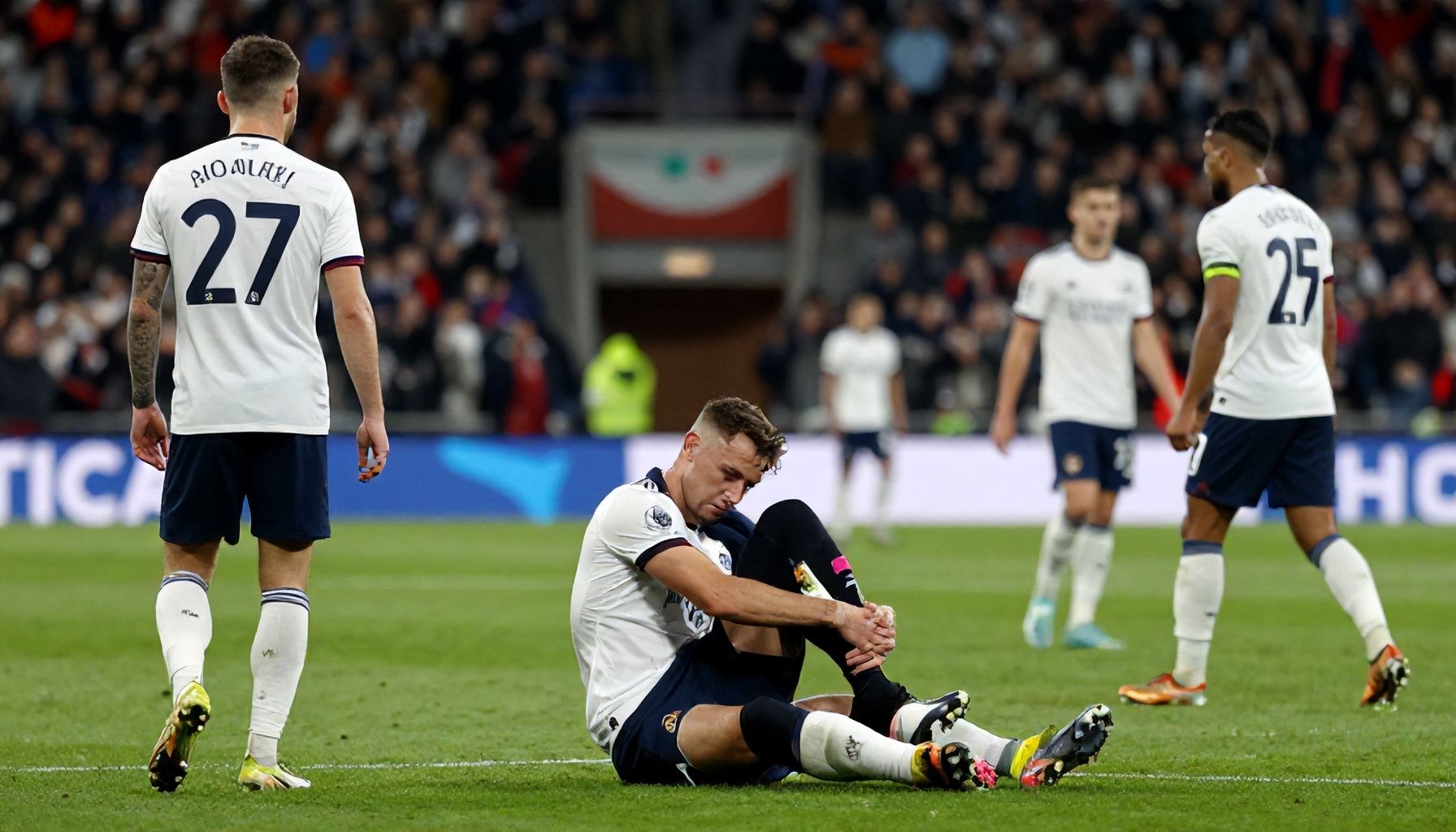
Footballers are facing increased injury risks due to compressed match schedules leaving inadequate recovery time. The Premier League’s fixture congestion has raised concerns among medical professionals and players alike. Last season saw a 14% rise in muscle injuries, according to the Premier League’s own injury surveillance data.
Dr. Michael Dixon, a sports medicine specialist, warns that players need at least 66 hours between matches to fully recover. “The current schedule often provides less than 48 hours,” he stated in an interview with The Guardian. This reduced recovery window significantly elevates injury risks.
The English Football League (EFL) has also noted a troubling trend. Their data shows a 20% increase in injuries during the 2022-23 season compared to the previous five years. EFL chief executive Trevor Birch attributed this partly to fixture congestion.
International breaks exacerbate the problem. Premier League clubs reported 34 injuries during the last international window, a 15% rise from the previous year. Players often travel long distances and face abrupt changes in training routines.
The Football Association (FA) acknowledges the issue but points to broadcasting demands as a key factor. “Balancing player welfare with commercial interests is challenging,” an FA spokesperson said. However, critics argue that player safety should take precedence.
Some clubs are taking matters into their own hands. Manchester United and Liverpool have implemented stricter training regimes during congested periods. Both clubs reported fewer injuries last season, suggesting that proactive measures can mitigate risks.
The Professional Footballers’ Association (PFA) continues to advocate for better scheduling. “Players’ health must be the priority,” said PFA chief executive Maheta Molango. The organisation is pushing for a maximum of two matches per week during peak seasons.
Despite these efforts, the problem persists. With the Premier League expanding to 22 teams next season, fixture congestion is likely to worsen. Players, clubs, and governing bodies must collaborate to address this growing concern.
Premier League players struggle with condensed fixture list
Premier League players are facing mounting injury risks due to the condensed fixture list this season. The tight schedule has left teams with minimal recovery time between matches, raising concerns among medical professionals and club officials.
Data from the Premier League reveals that teams have had an average of just 66 hours between fixtures this season. This is significantly lower than the recommended 72-hour recovery period advocated by sports scientists to reduce injury risks.
Dr. Michael Collins, a sports medicine specialist, warned of the potential consequences. “When players don’t have adequate recovery time, their bodies don’t have the chance to repair micro-tears in muscles,” he said in an interview with BBC Sport. “This increases the likelihood of more serious injuries.”
The situation has been exacerbated by the number of matches played. As of mid-March, Premier League teams have already played 32 matches, with many more fixtures scheduled before the season’s end. This is a substantial increase compared to previous seasons.
Club managers have also voiced their concerns. “It’s a tough schedule,” said Manchester United manager Erik ten Hag in a post-match press conference. “The players are giving everything, but the risk of injury is higher when they don’t have enough time to recover.”
Injury statistics support these concerns. The Premier League has seen a 15% increase in muscle injuries this season compared to the same period last year. This trend highlights the physical toll the condensed fixture list is taking on players.
With no immediate solution in sight, players and clubs are left to navigate the challenges posed by the tight schedule. The hope is that awareness of the issue will lead to better planning in future seasons to protect player welfare.
Short turnarounds between matches raise injury concerns
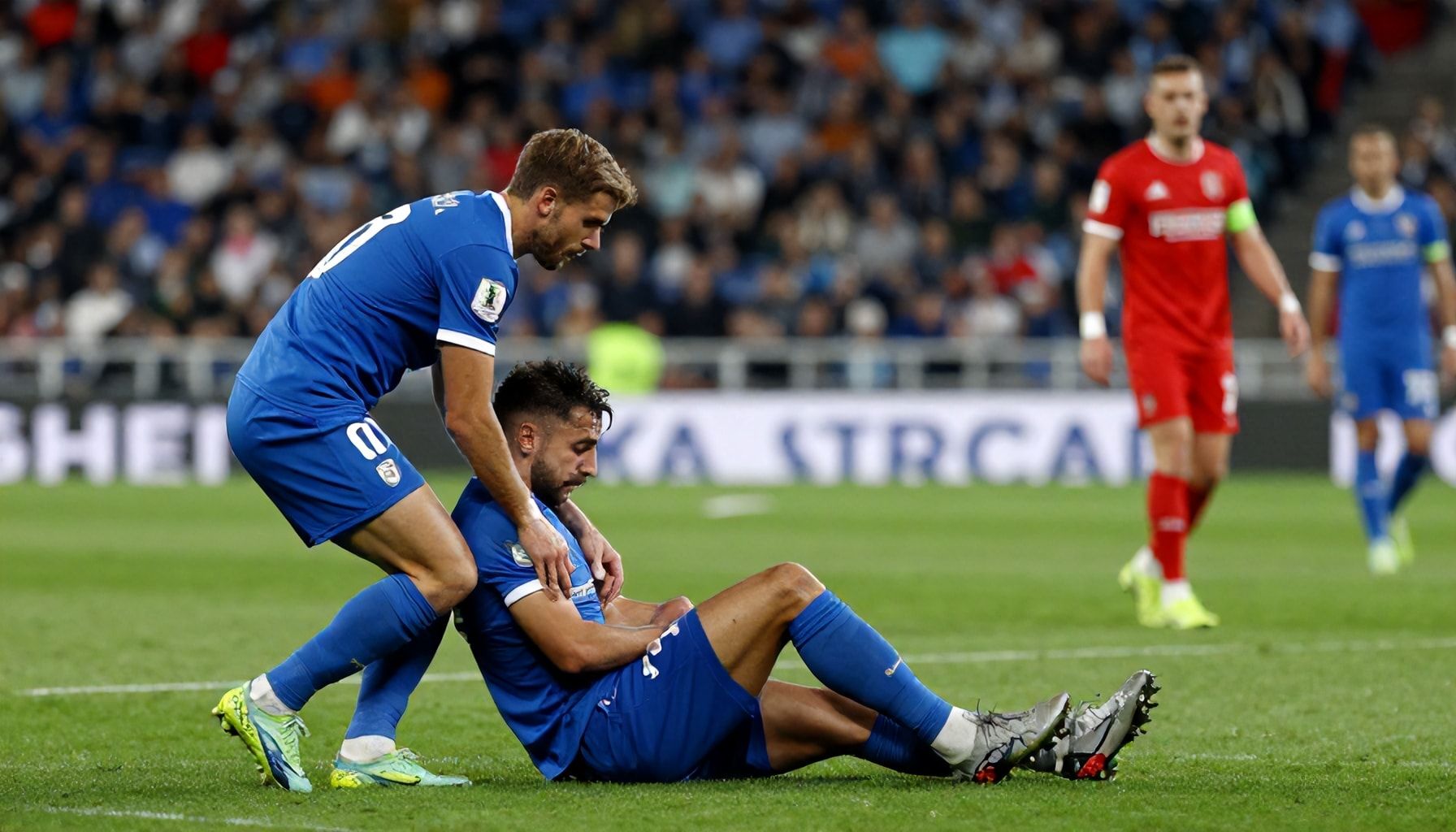
Footballers are facing increased injury risks due to short turnaround times between matches. The Premier League’s fixture schedule has seen players often required to play every 48 hours. This tight schedule leaves minimal recovery time, raising concerns among medical professionals and players alike.
Dr. Mike Stone, a renowned sports medicine specialist, highlighted the issue. He stated, “The human body needs at least 72 hours to recover from a high-intensity match.” Stone’s comments came during an interview with BBC Sport last week. He emphasised the importance of adequate rest to prevent injuries.
Statistics support the growing concern. Premier League clubs reported a 20% increase in muscle injuries over the past five years. The FA’s Chief Medical Officer, Dr. Charlotte Cowie, attributed this rise to compressed fixture lists. She noted, “Players are not getting enough time to recover between matches.”
The issue extends beyond the Premier League. UEFA’s European competitions also face criticism for tight schedules. Manchester United’s manager, Erik ten Hag, recently voiced his concerns. He said, “It’s impossible to expect players to perform at their best with such short recovery periods.”
Players are also speaking out. Liverpool’s captain, Virgil van Dijk, shared his thoughts post-match. He remarked, “It’s tough on the body. We need more consideration for player welfare.” Van Dijk’s comments reflect a broader sentiment among professionals.
Industry experts call for schedule reforms. They advocate for longer recovery periods to mitigate injury risks. Without changes, the trend of increasing injuries is likely to continue. The debate over player welfare versus fixture demands remains unresolved.
Footballers face physical toll of packed match schedules
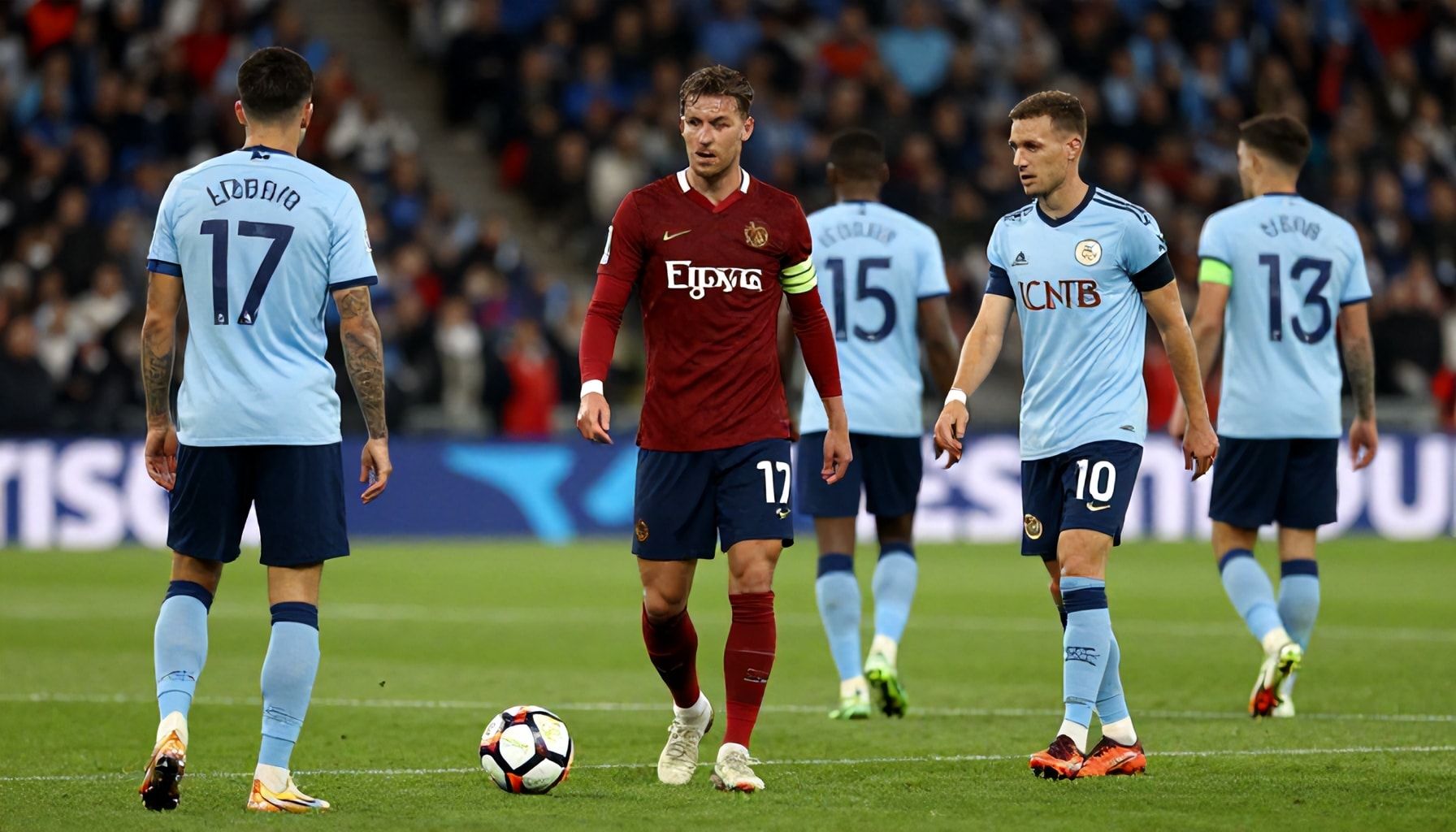
Professional footballers are facing an increasing risk of injury due to the packed match schedules that leave them with insufficient recovery time. The Premier League’s fixture congestion, with some teams playing as frequently as every 48 hours, has raised serious concerns among medical experts and players alike.
Dr. Gary O’Driscoll, chief medical officer at the Football Association, warned that the current schedule is pushing players to their physical limits. “The body needs at least 72 hours to recover from a high-intensity match,” he stated in a recent interview. “Playing again before that period is complete significantly increases the risk of muscle injuries and fatigue-related issues.”
Statistics support this concern. A study by the British Journal of Sports Medicine found that the injury rate rises by 30% when players have less than 72 hours of recovery time between matches. The Premier League alone has seen a 15% increase in muscle injuries over the past five years, coinciding with the rise in fixture congestion.
Players are also voicing their concerns. Manchester United’s captain, Harry Maguire, recently spoke out about the toll of tight schedules. “It’s tough on the body,” he said after a midweek match. “You’re always playing catch-up with your recovery.”
The issue is not limited to domestic leagues. International fixtures, such as the upcoming World Cup qualifiers, add another layer of strain. Players often have to travel long distances and adjust to different time zones, further complicating their recovery.
Clubs are exploring solutions, including improved training regimes and better recovery protocols. However, many argue that the only real solution is a reduction in the number of matches. Until then, players will continue to face the physical toll of packed schedules.
Clubs warned over injury risks from tight fixture calendars
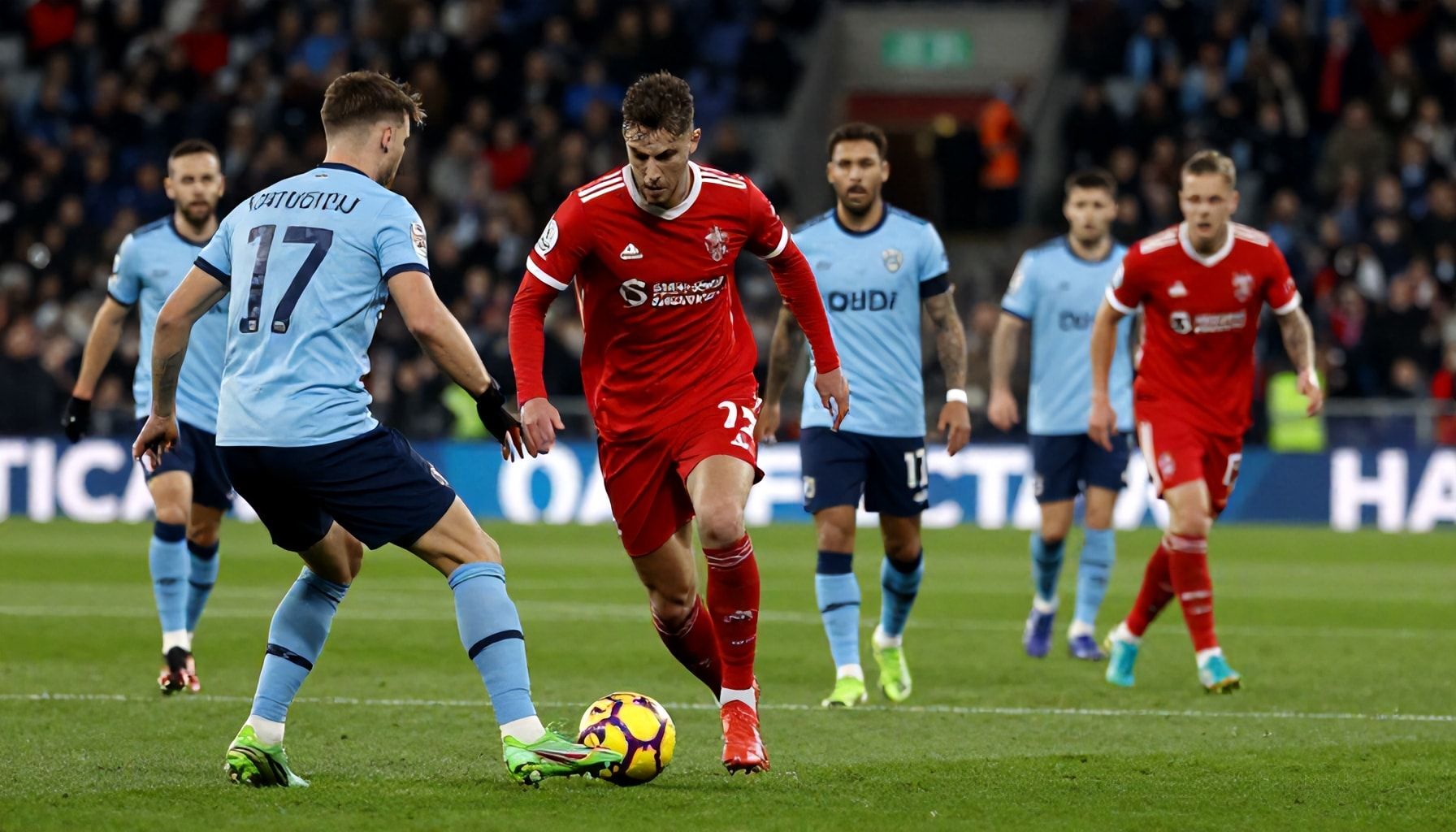
Football clubs across Europe are facing growing concerns over player injuries due to congested fixture lists. The problem stems from the short recovery time between matches, particularly during intense competition periods.
A recent study by the Union of European Football Associations (UEFA) revealed that players have only 66 hours between matches on average during the group stages of the Champions League. This tight schedule leaves little room for adequate recovery, increasing injury risks.
Dr. Volker Braun, UEFA’s Chief Medical Officer, warned that “the current fixture calendar is pushing players to their physical limits.” He emphasised the need for a balanced approach to scheduling to protect player welfare.
Premier League clubs have also expressed concerns. Manchester United’s manager, Erik ten Hag, highlighted the issue after a series of injuries in his squad. “The players need time to recover,” he stated in a post-match interview. “It’s not sustainable to play every three days.”
The English Football League (EFL) has acknowledged the problem but stated that commercial and broadcast pressures make it difficult to implement changes. “We are aware of the concerns,” said an EFL spokesperson, “but finding a solution requires collaboration across the football community.”
Injury rates have been rising, with data showing a 10% increase in muscle injuries over the past five years. Experts attribute this trend to the lack of recovery time and the intensity of modern football.
Clubs are now exploring ways to mitigate the risks, including improved training regimens and better player management. However, without changes to the fixture calendar, the problem is likely to persist.
The International Federation of Association Football (FIFA) has also weighed in, calling for a global review of fixture schedules. “Player welfare must be a priority,” said FIFA’s Chief Medical Officer, Dr. Michel D’Hooghe. “We need to find a balance between competition and health.”
Until significant changes are made, footballers will continue to face the risks associated with tight match schedules. The pressure is on clubs, leagues, and governing bodies to address this critical issue.
The debate over player welfare in football continues to gain momentum, with calls for schedule reforms growing louder. The FA and UEFA have acknowledged the issue, with discussions ongoing about potential adjustments to fixture lists. Meanwhile, clubs are increasingly investing in sports science and medical support to mitigate injury risks. The coming months will be crucial in determining whether concrete changes will be implemented to protect players’ long-term health.






