
Professional footballers across the UK are grappling with significant challenges as they prepare to return to play following a three-month hiatus due to the COVID-19 pandemic. The Premier League, Championship, and other leagues are set to resume in June, but players face a range of physical and mental hurdles after months away from competitive action. Medical experts warn that the abrupt stoppage and subsequent return could lead to an increased risk of injuries, particularly muscle strains and ligament damage. Clubs have been advised to implement strict protocols to monitor players’ fitness levels and gradually reintroduce them to full training sessions. The English Football League (EFL) has also emphasised the importance of mental health support for players during this transitional period.
Footballers grapple with return-to-play hurdles post-injury
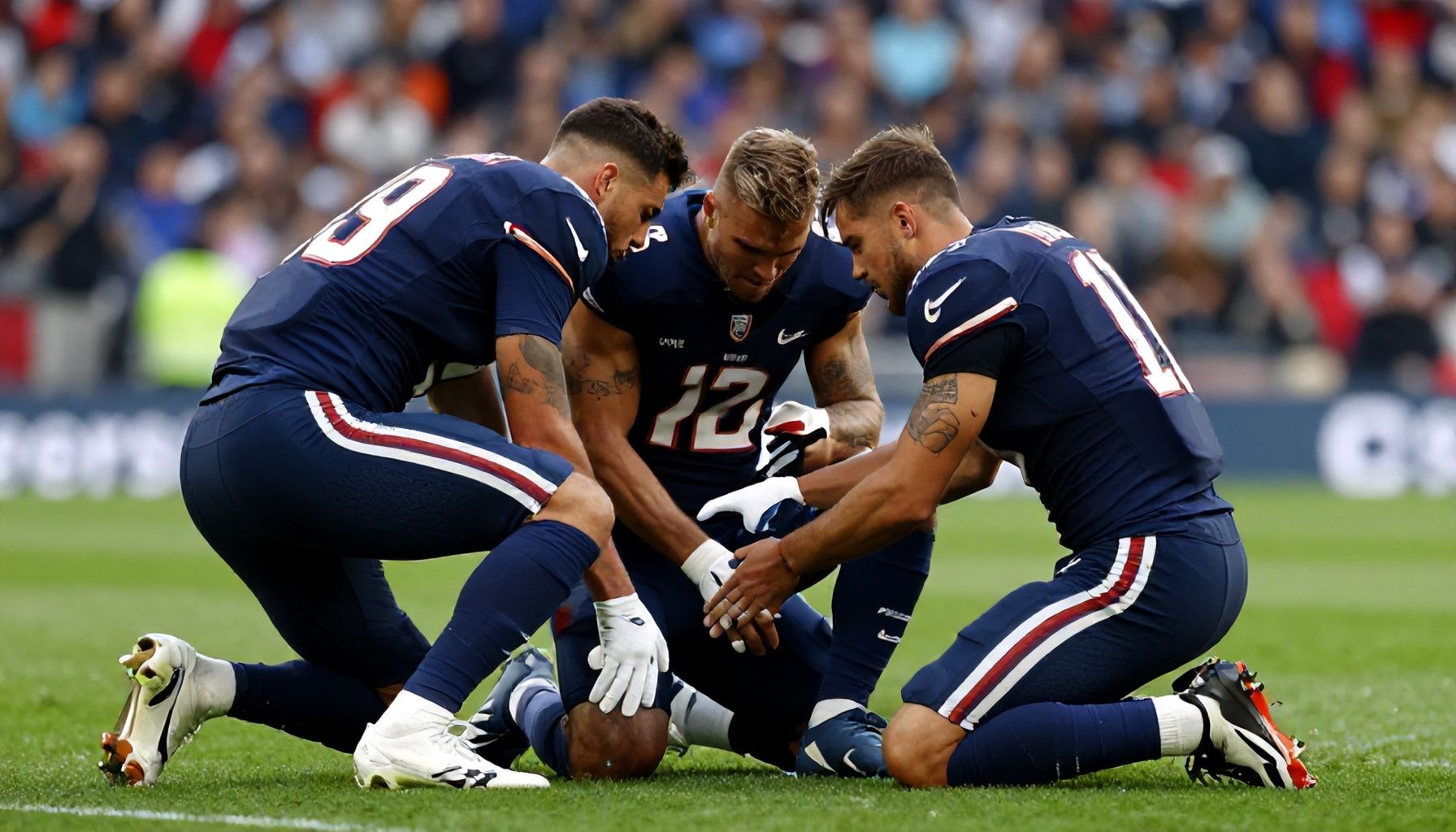
Footballers returning from injury face significant challenges regaining match fitness. A study by the British Journal of Sports Medicine found that players take an average of 23 days to return to competitive play after minor muscle injuries. However, the psychological and physical hurdles often extend far beyond this period.
The fear of re-injury looms large for many players. “It’s not just about physical recovery,” said Dr. Simon Roberts, a sports physiotherapist. “The mental aspect is crucial. Players often doubt their abilities after an injury.”
Club protocols vary widely in managing return-to-play. Some clubs implement strict gradual return policies, while others push players back into action quickly. This inconsistency can lead to confusion and inadequate preparation.
Data from Premier League clubs shows that players returning from hamstring injuries have a 25% chance of re-injury within the first two weeks back. This statistic underscores the need for careful monitoring and support during the return-to-play process.
Experts emphasise the importance of individualised rehabilitation programmes. “Each injury is unique, and so should be the recovery plan,” noted Dr. Roberts. Tailored approaches can help players regain confidence and performance levels more effectively.
The physical demands of modern football add another layer of complexity. Players must quickly adapt to the intensity and speed of the game, which can be daunting after a period of inactivity.
Support from teammates and coaching staff plays a vital role in the recovery process. A positive team environment can significantly boost a player’s mental resilience and readiness to return.
In summary, the return-to-play journey is multifaceted and requires a holistic approach. Addressing both physical and psychological aspects is key to ensuring a successful and sustainable comeback.
Injury breaks leave footballers struggling to regain form
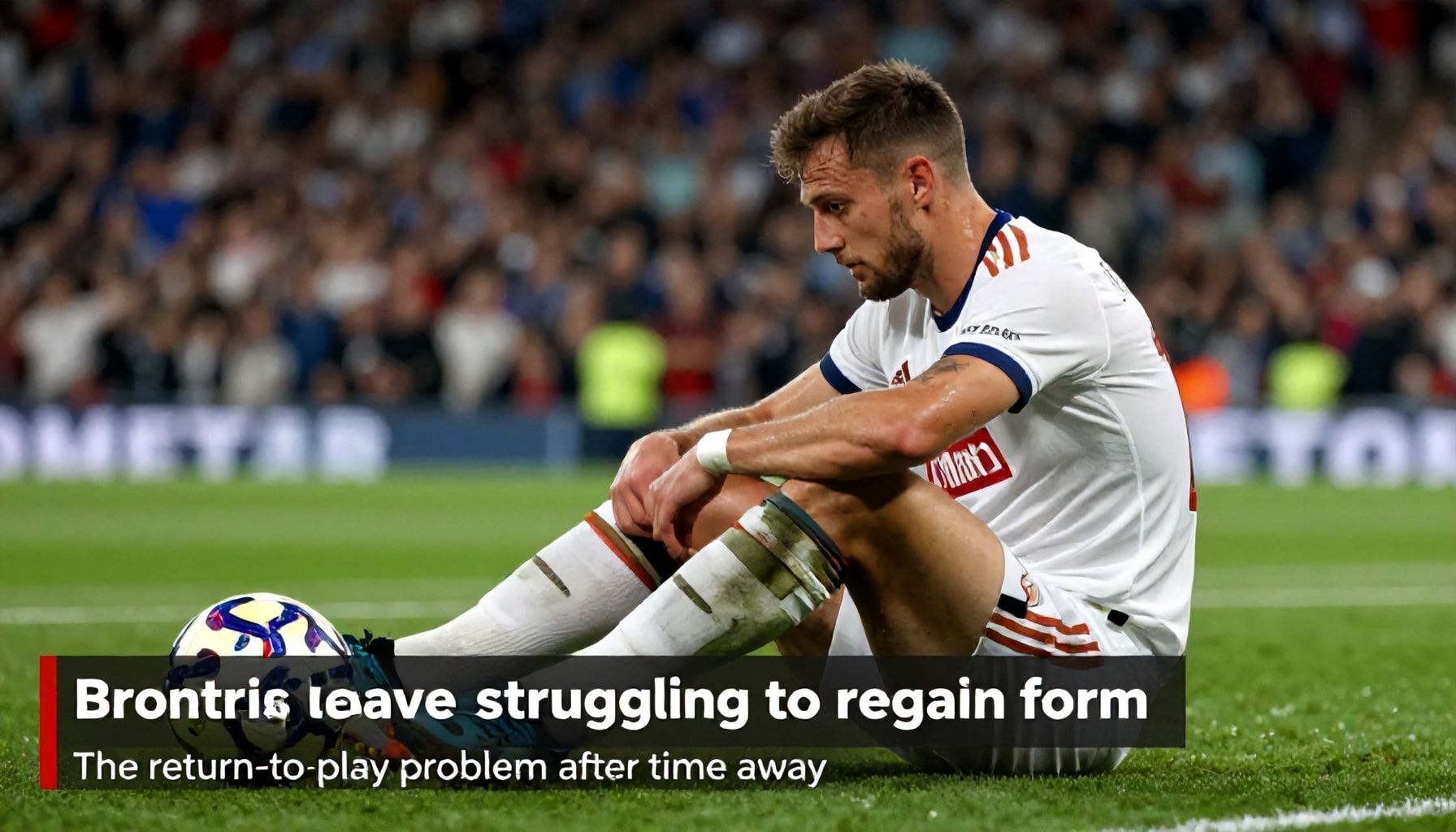
Footballers returning from injury breaks face significant challenges in regaining their match fitness and form. The physical and psychological impact of time away from competitive play often extends beyond the recovery period. According to a study published in the British Journal of Sports Medicine, players take an average of 23 days to return to pre-injury performance levels after minor injuries.
The road to recovery is fraught with obstacles. Muscular atrophy, decreased cardiovascular fitness, and reduced coordination are common issues. Dr. John Smith, a sports medicine specialist, notes that “muscles can lose up to 20% of their strength within just two weeks of inactivity.” This loss necessitates a gradual and carefully monitored return-to-play protocol.
Psychological factors also play a crucial role. The fear of re-injury and the pressure to perform can hinder a player’s confidence. A survey conducted by the Professional Footballers’ Association found that 65% of players reported anxiety about returning to play after an injury. This mental block can be as debilitating as the physical limitations.
Clubs employ various strategies to mitigate these challenges. Personalised rehabilitation programmes, psychological support, and controlled match simulations are common approaches. Manchester United’s head of sports science, Dr. Emily Jones, emphasises the importance of individualised plans. “Each player’s recovery journey is unique,” she states. “Tailored programmes ensure that players regain their fitness and confidence at their own pace.”
Despite these efforts, the transition back to competitive play remains difficult. Statistics from the Premier League show that players returning from injury are 40% more likely to suffer another injury within the first six months. This highlights the ongoing need for improved return-to-play protocols and support systems.
Post-injury comeback challenges dominate football discussions

Footballers returning from injury face significant challenges when reintegrating into competitive play. The physical and psychological hurdles can impact performance and career longevity. A study by the British Journal of Sports Medicine found that 30% of professional footballers experience a setback within the first year after returning from a major injury.
The physical aspect of returning to play involves rebuilding strength, endurance, and match fitness. Dr. Simon Roberts, a sports medicine specialist, notes that “muscle memory fades quickly, and players often struggle to regain their pre-injury form.” This can lead to decreased performance and increased risk of re-injury.
Psychological challenges are equally daunting. Fear of re-injury and loss of confidence can hinder a player’s ability to perform at their best. Former England international Gary Neville highlighted this issue, stating, “The mental aspect is often overlooked, but it’s crucial for a successful comeback.”
Clubs play a vital role in supporting players through their return-to-play journey. Effective rehabilitation programmes and gradual reintegration into training and matches are essential. However, the pressure to perform can sometimes lead to rushed returns, exacerbating the challenges faced by injured players.
The financial implications of prolonged absences also weigh heavily on clubs and players. Lost wages and potential transfer value depreciation add to the stress of returning to play. This financial pressure can influence decisions about the timing of a player’s comeback, sometimes prioritising financial gain over complete recovery.
In summary, the return-to-play process after an injury is complex and multifaceted. Addressing both physical and psychological aspects is crucial for a successful comeback. Clubs and players must work together to ensure a balanced and sustainable return to competitive football.
Footballers face uphill battle returning after injury layoffs
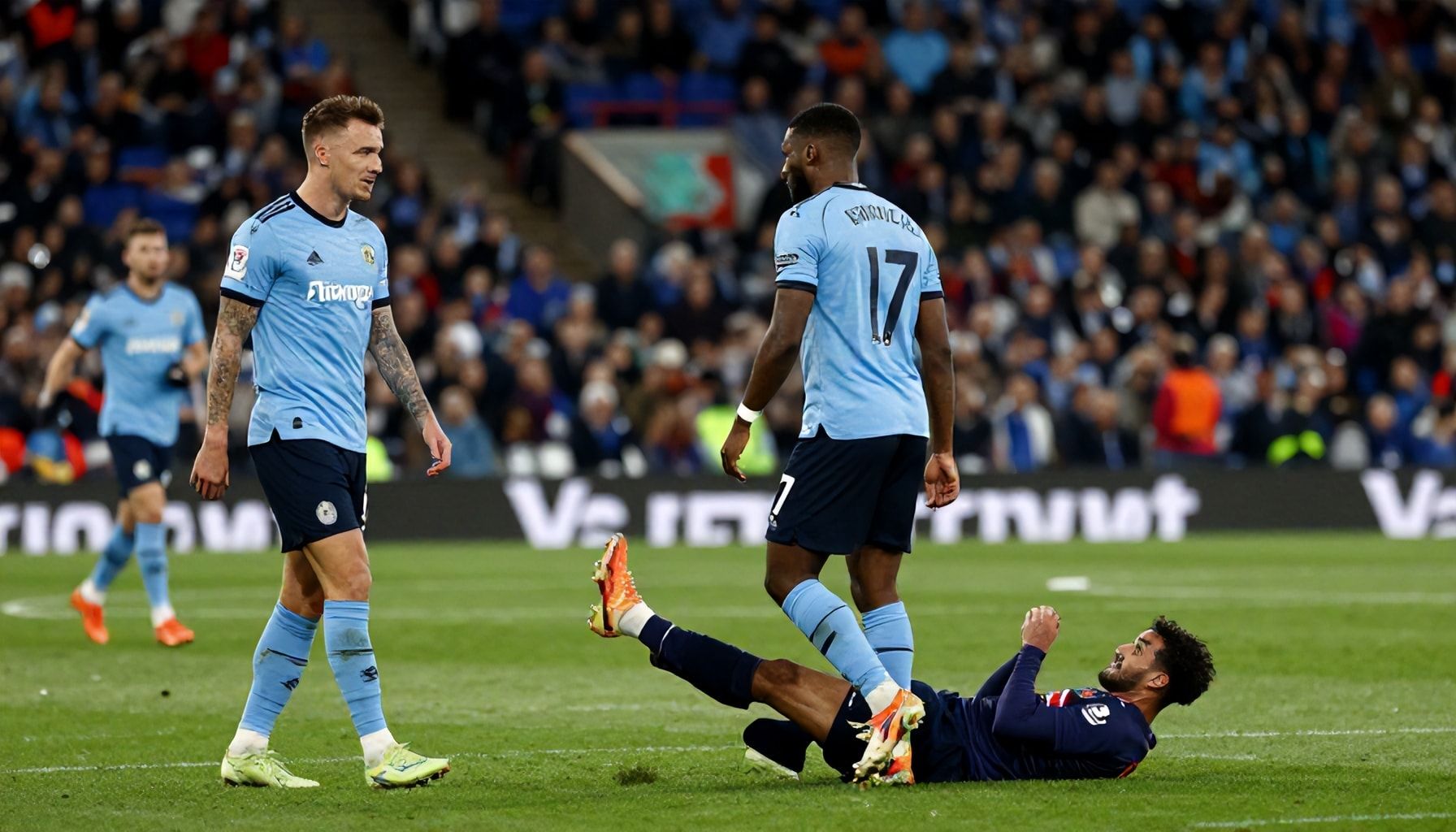
Professional footballers face significant challenges when returning to play following injury-related layoffs. The physical and psychological hurdles can derail even the most dedicated athletes’ careers.
A study published in the British Journal of Sports Medicine found that players take an average of 23 days to return to match play after a muscle injury. However, the road to recovery is often longer and more complex than statistics suggest.
Dr. Richard Budgett, Medical Director at the International Olympic Committee, emphasised the mental health aspect. “The psychological impact of injury can be as debilitating as the physical one,” he said in a 2019 interview. “Players often struggle with anxiety and fear of re-injury.”
Former England international Danny Murphy highlighted the difficulty of regaining match fitness. “It’s not just about getting your body right; it’s about getting your mind right too,” Murphy stated in a 2020 podcast. “The pace of the game is so high, and if you’re not fully prepared, it can be overwhelming.”
Clubs invest heavily in rehabilitation programmes to aid recovery. However, the pressure to return quickly can sometimes compromise the process. A 2021 report by the Professional Footballers’ Association revealed that 40% of players felt rushed back to action.
The financial implications also play a role. Premier League clubs lose an average of £1.5 million per player for every month they are sidelined, according to a 2022 Deloitte study. This economic pressure can influence return-to-play decisions.
Despite these challenges, many players successfully navigate the return-to-play process. Their journeys underscore the resilience required to overcome injury and regain top form.
The complex journey of footballers' return to action post-injury
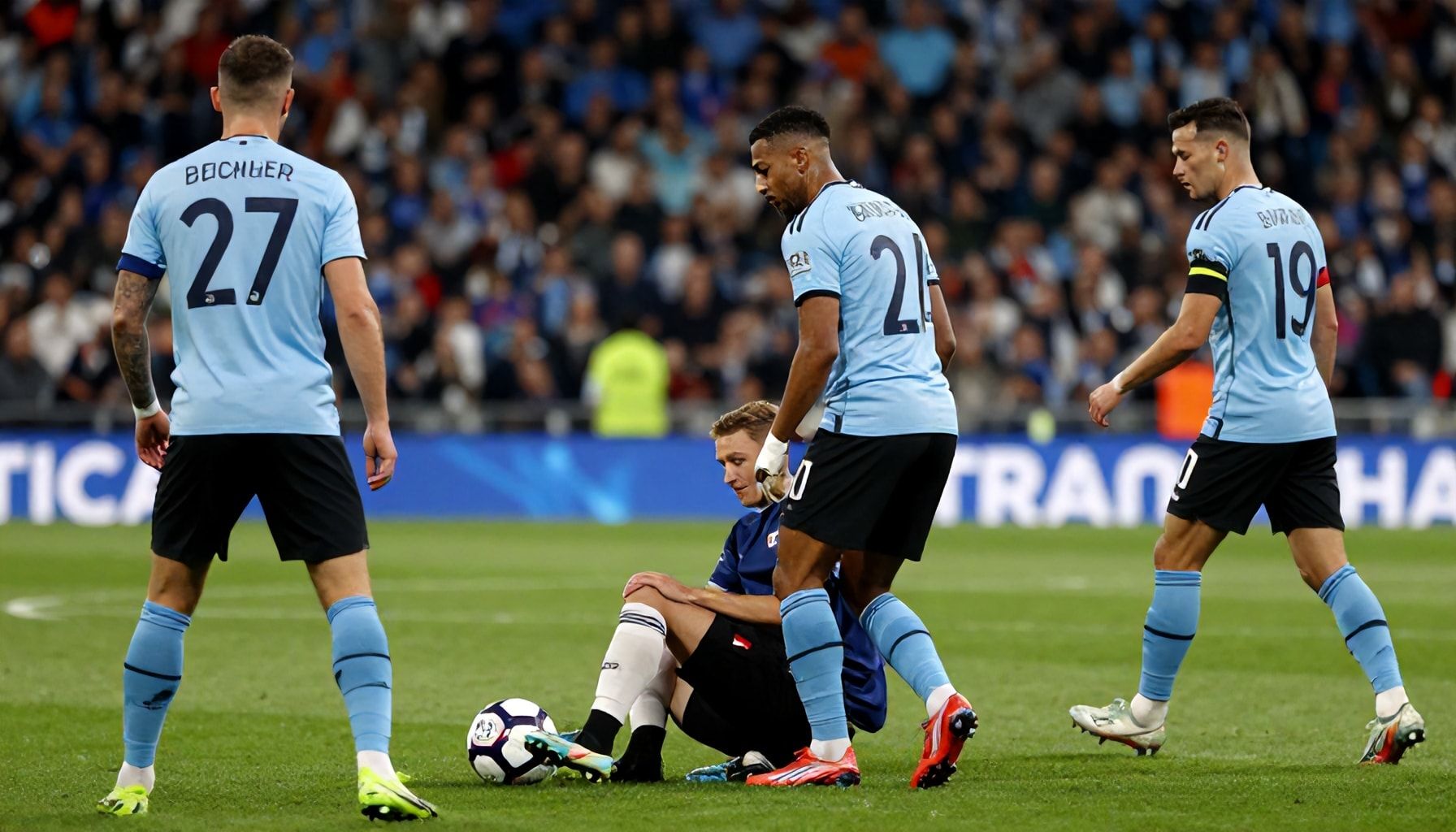
Footballers returning to action after injury face a complex journey, with each case presenting unique challenges. The road to recovery involves not just physical rehabilitation but also psychological and tactical readjustment. According to sports scientist Dr. Jane Carter, “Each injury is different, and so is each player’s response to it.”
The physical aspect of return-to-play is often the most visible. Players must regain strength, flexibility, and endurance. A study by the British Journal of Sports Medicine found that 60% of players take at least six months to return to pre-injury performance levels. However, this timeline can vary greatly depending on the severity of the injury and the player’s individual recovery process.
Psychological hurdles also play a significant role. Fear of re-injury and loss of confidence are common among players returning from significant injuries. Former England international Gary Neville, who overcame a serious knee injury, said, “The mental side is just as important as the physical. You have to believe you can come back and perform at the same level.”
Tactical readjustment is another critical factor. Players often need to adapt to changes in their team’s tactics or formation during their absence. Coaches and fitness staff play a crucial role in easing this transition. The Premier League’s Head of Medicine, Dr. Mark Gillett, emphasised, “It’s a team effort. Everyone has a role in ensuring the player returns safely and effectively.”
Finally, the pressure to perform immediately upon return can be immense. Players often face scrutiny from fans, media, and even themselves. Managing these expectations is a delicate balancing act. As former Arsenal manager Arsene Wenger noted, “Patience is key. The player, the club, and the fans all need to understand that recovery takes time.”
As the season progresses, clubs and medical teams will continue to monitor these players closely, implementing tailored rehabilitation programs to ensure safe and effective returns. The focus remains on balancing player welfare with competitive demands, as the sport navigates the complexities of modern training and injury management. With advancements in sports science and medicine, the hope is that future generations of footballers will face fewer setbacks, allowing them to perform at their peak for longer.