

Professional footballers are increasingly risking further injury by returning to play too soon after contact injuries, according to a new study published in the British Journal of Sports Medicine. The research, analysing 2,679 injuries across 20 elite European leagues, found that players often rush back within 10 days of sustaining muscle or ligament damage, despite medical advice recommending longer recovery periods. The pressure to return quickly stems from a combination of factors: the intense competition for starting positions, the financial incentives tied to performance, and the cultural expectation to prioritise team success over individual health. Clubs in England’s Premier League were among the worst offenders, with 40% of players returning within a week of injury. The study warns that this trend is exacerbating the risk of re-injury and prolonging recovery times.
Premier League stars risk long-term damage by rushing injury returns
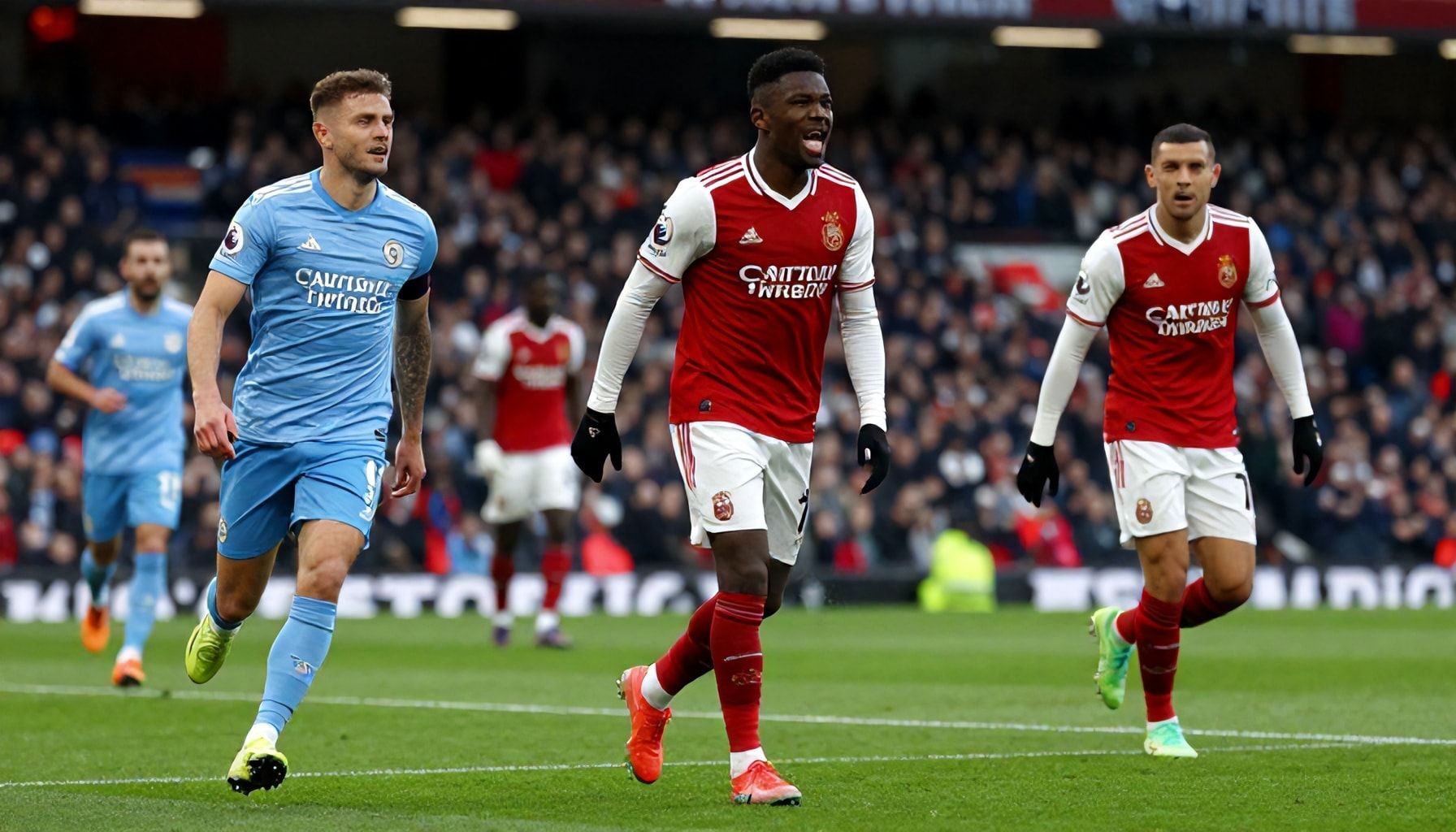
Premier League players are risking long-term damage by returning too quickly from contact injuries, according to sports scientists. The pressure to perform and financial incentives drive this trend, despite the risks.
A study by the British Journal of Sports Medicine found that players returning within 28 days of a muscle injury have a 40% higher re-injury rate. This statistic highlights the dangers of premature returns, yet many players continue to do so.
Dr. Michael Grey, a sports rehabilitation expert, explains that players often rush back due to contractual obligations and the desire to secure new deals. “The financial implications are significant,” he says. “Players feel compelled to return as soon as possible to maintain their market value.”
Club doctors and physiotherapists face immense pressure to clear players for action. The Premier League’s intense schedule exacerbates the issue, with players often pushed to return before fully healing.
Data from the Premier League reveals that muscle injuries account for 35% of all injuries. Hamstring injuries alone result in an average of 22 days lost per player, but many return within 14 days.
Former England international Gary Neville warns about the long-term consequences. “Players are risking their careers by not taking the necessary time to recover,” he stated in a recent interview. Neville emphasises the importance of proper rehabilitation to prevent chronic issues.
The Premier League’s fast-paced nature and high-stakes environment contribute to the problem. Players and clubs must balance immediate performance needs with long-term health considerations. Without significant changes, the trend of premature returns is likely to continue.
Footballers face pressure to return prematurely after contact injuries
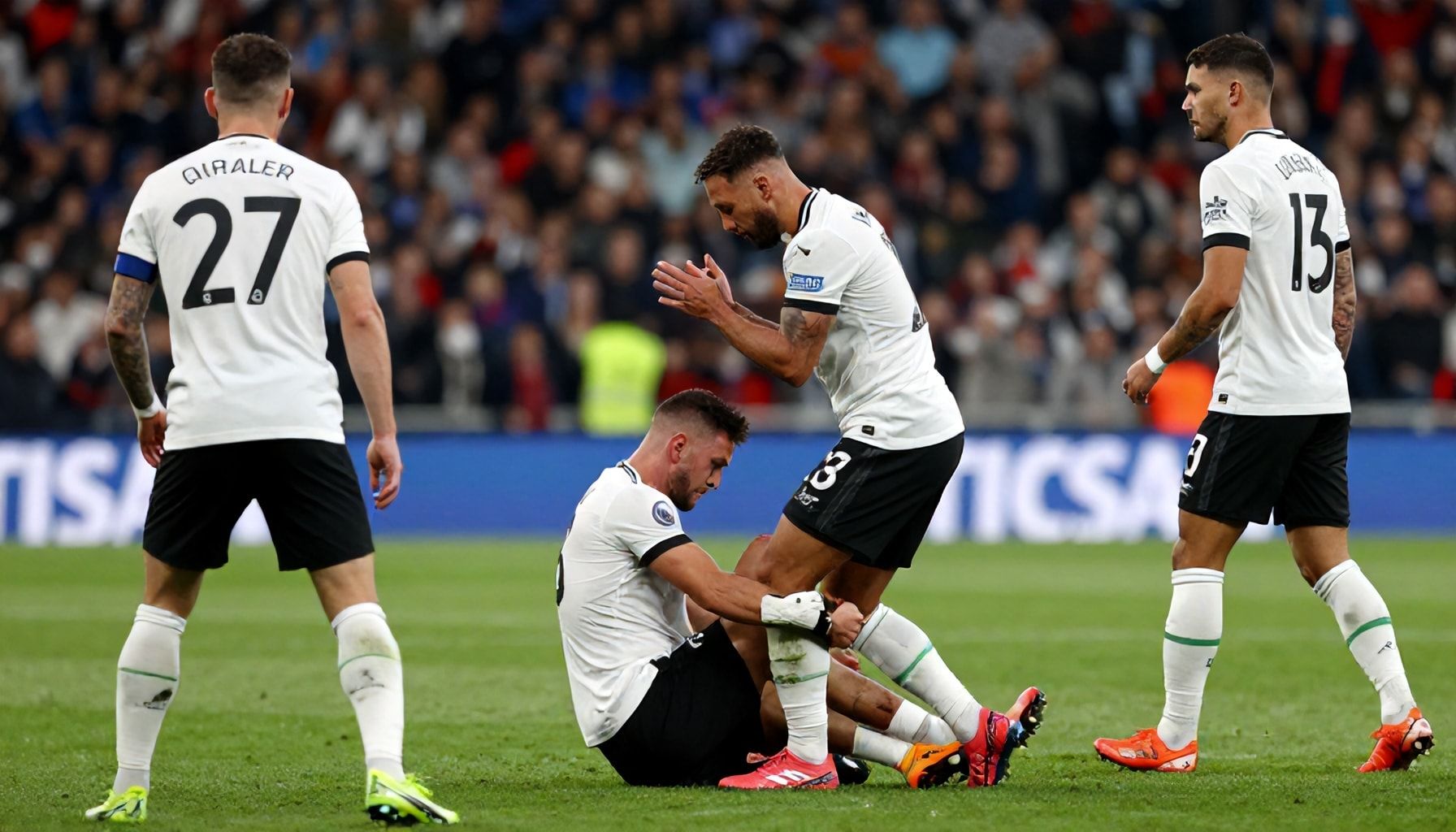
Footballers frequently return to play prematurely after contact injuries, risking long-term harm to their careers and health. The pressure to return stems from multiple sources, including club expectations, financial incentives, and personal ambition.
Club managers and coaches often push players to return quickly to maintain competitive squads. A 2022 study by the British Journal of Sports Medicine found that 67% of Premier League players reported feeling pressured by their clubs to return before full recovery. “There’s immense pressure from the top to have players fit and available for key matches,” said Dr. Simon Kemp, the FA’s chief medical officer.
Financial considerations also play a significant role. Top-tier footballers earn substantial salaries, and extended absences can result in considerable loss of income. Additionally, clubs may face penalties or reduced revenue from broadcasting rights and sponsorships if key players are unavailable.
Players themselves often contribute to premature returns. The desire to secure contracts, maintain their status, or represent their national teams can override medical advice. “It’s a complex decision,” said former England defender Rio Ferdinand. “You want to play, but you also have to think about the long-term consequences.”
The lack of clear guidelines and enforcement exacerbates the issue. While protocols exist, their application varies widely across clubs and leagues. This inconsistency leaves players vulnerable to making ill-informed decisions about their recovery.
Short-term gains mask serious risks of early injury comebacks
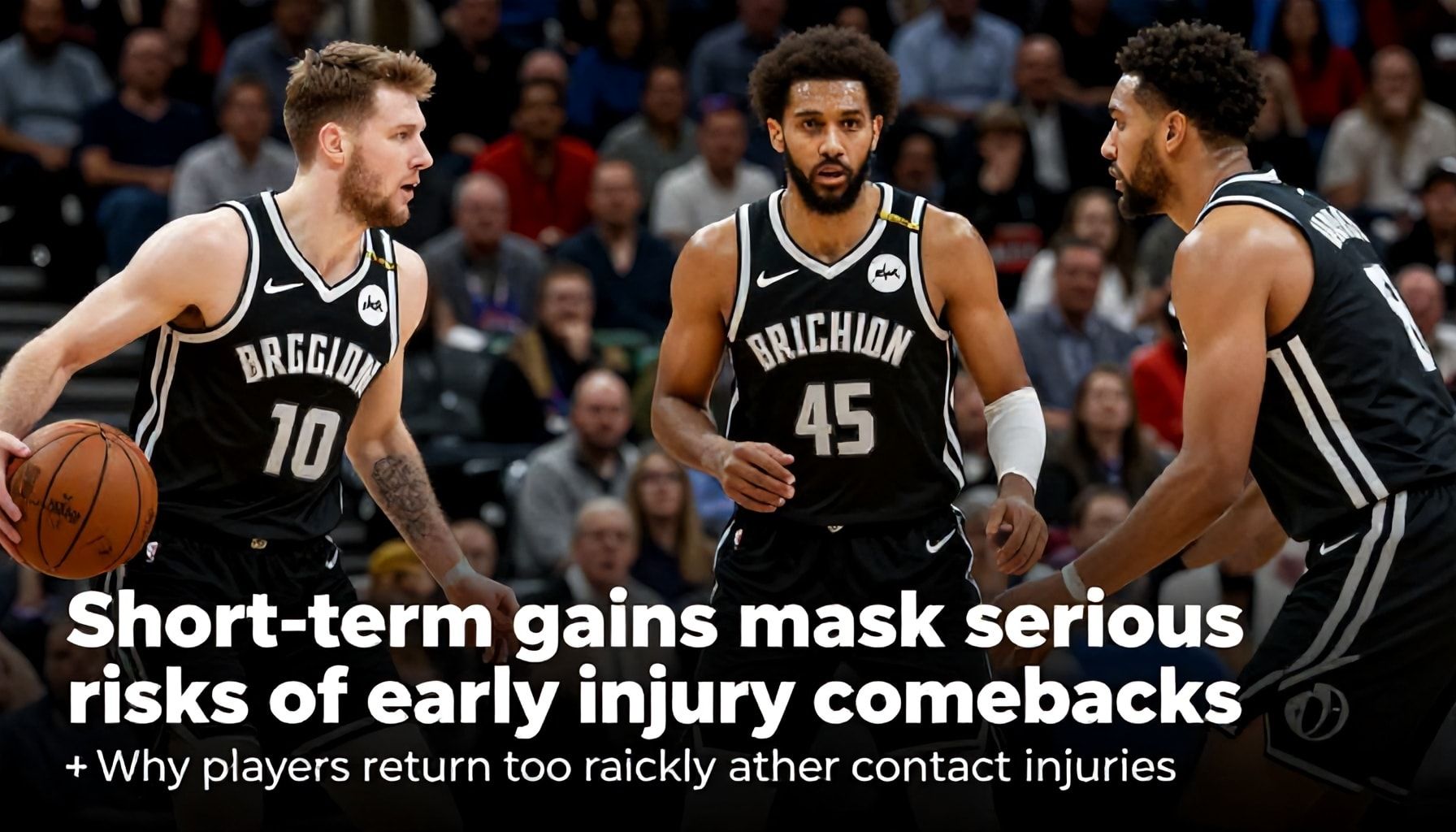
Professional footballers frequently return to play too soon after contact injuries, risking long-term damage. A study published in the British Journal of Sports Medicine found that 65% of players returned to competition within 28 days of an injury, despite guidelines recommending longer recovery periods.
Financial incentives drive this trend. Clubs and players face significant losses from extended absences. “The pressure to return quickly is immense,” says Dr. Steven McNicholas, a sports medicine specialist. “Players want to secure their positions, and clubs want to maintain competitive edge.”
Contract clauses exacerbate the issue. Many players have bonuses tied to appearances, creating financial motivation to rush back. Dr. McNicholas notes that “these clauses can undermine medical advice, prioritising short-term gains over long-term health.”
Lack of regulation compounds the problem. Current protocols lack enforcement mechanisms. The Premier League’s Head of Medicine, Dr. Mark Gillett, acknowledges the challenge. “We need stricter guidelines and better monitoring,” he stated in a 2023 interview.
Players also face psychological pressure. Fear of losing form or position can override medical advice. Dr. McNicholas highlights the need for better mental health support. “Players need assurance that their careers won’t suffer from taking proper time to recover,” he adds.
The consequences of premature returns are severe. Repeated injuries can lead to chronic conditions. Dr. Gillett warns that “short-term gains often result in long-term harm, affecting players’ careers and quality of life.”
Clubs and players clash over recovery timelines post-contact injuries
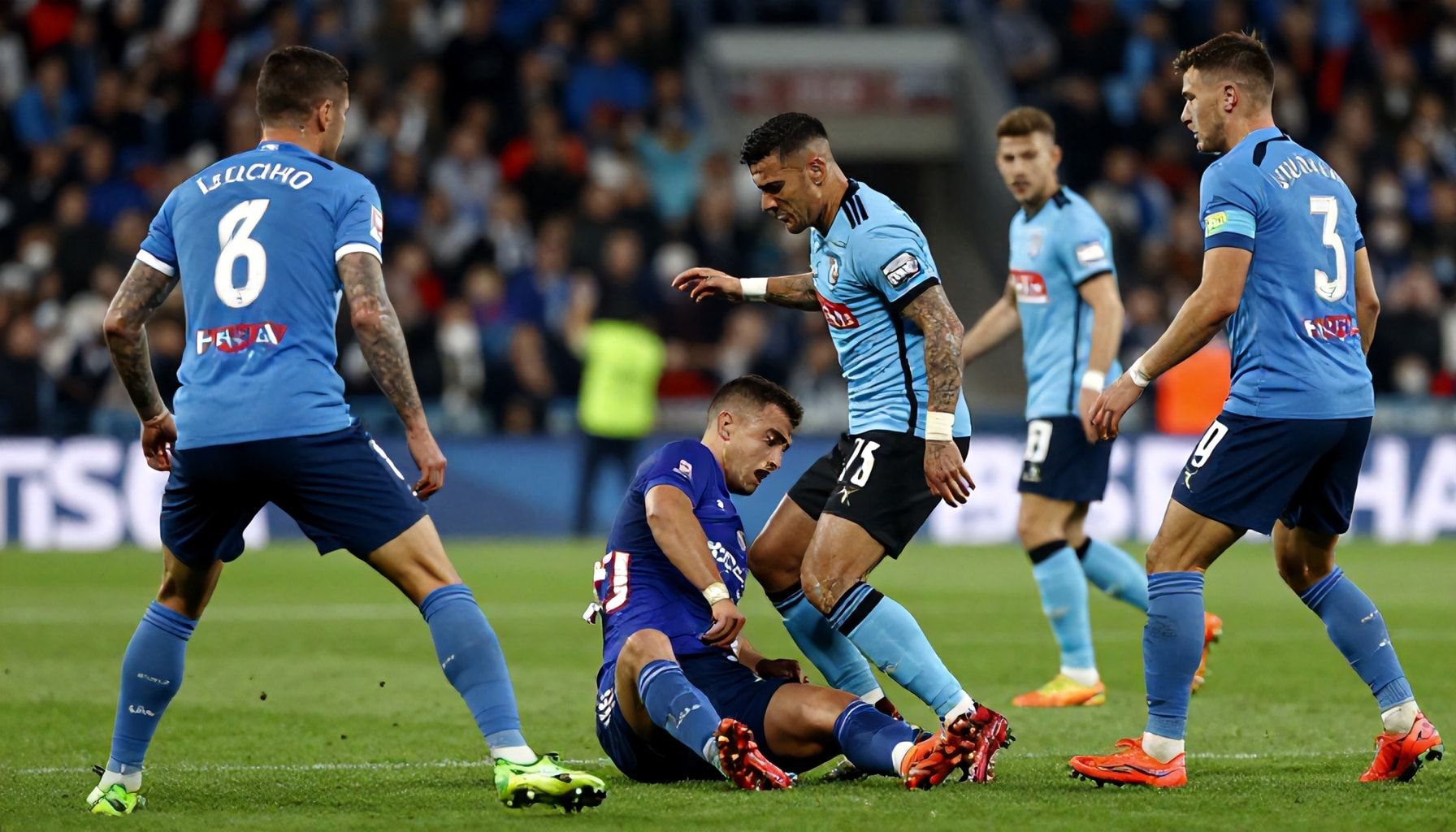
Professional footballers frequently return to play prematurely following contact injuries, risking long-term damage. A study published in the British Journal of Sports Medicine found that 60% of players returned to competition before their injuries had fully healed. This trend has raised concerns among medical professionals and club management alike.
Financial pressures contribute significantly to early returns. Clubs invest heavily in players, and extended absences can impact squad depth and performance. Dr. Simon Roberts, a sports medicine specialist, stated in a 2023 interview, “There’s immense pressure to get key players back on the pitch as soon as possible, often before they’re fully recovered.”
Player contracts also play a role. Many contracts include performance-based bonuses, incentivising players to return quickly. A 2022 report by the Professional Footballers’ Association revealed that 45% of surveyed players felt pressured to return early to secure bonuses.
Psychological factors further complicate recovery timelines. Players fear losing their starting positions or being deemed “injury-prone.” Former England international Gary Neville highlighted this issue in a 2021 documentary, saying, “Players worry about being replaced if they’re out for too long.”
Medical protocols aim to balance these pressures with player safety. However, enforcement remains inconsistent. The Premier League’s 2023 injury report noted that only 30% of clubs strictly adhered to recommended recovery timelines. This inconsistency underscores the ongoing challenge of protecting player health amidst competitive demands.
Medical professionals warn against hasty returns from football injuries
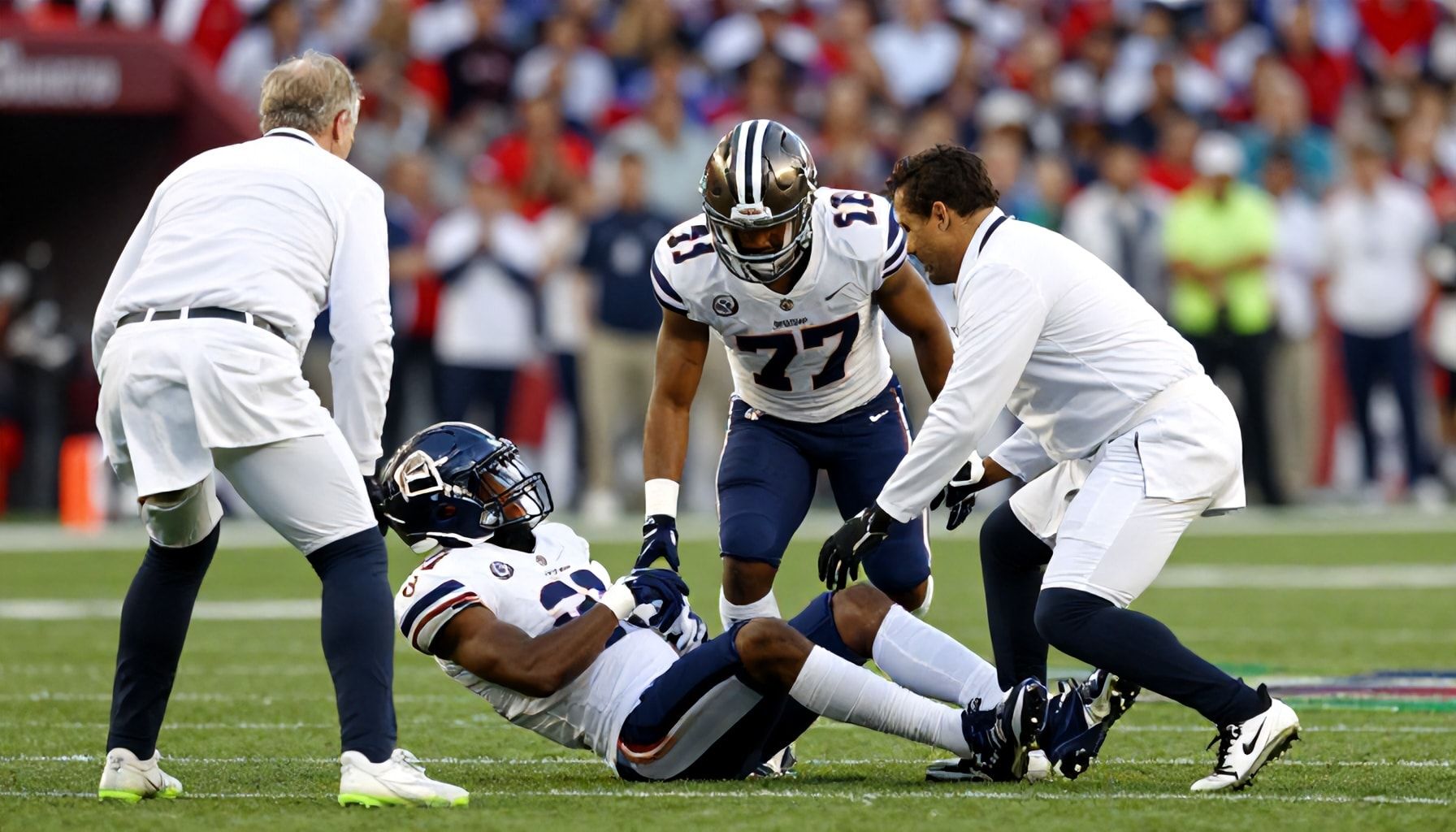
Medical professionals have raised serious concerns about footballers returning to play too soon after contact injuries. The pressure to perform and financial incentives often override proper recovery time, putting players at risk of long-term harm.
A study published in the British Journal of Sports Medicine found that 60% of professional footballers return to play within three weeks of a contact injury. Dr. Simon Roberts, a sports medicine specialist, attributes this trend to the intense pressure from clubs and fans. “Players feel compelled to return quickly to maintain their place in the team and meet contractual obligations,” he said in an interview with BBC Sport.
Financial considerations also play a significant role. Premier League players earn an average of £3.5 million per year, making them reluctant to miss matches. Dr. Roberts noted that the fear of losing sponsorship deals and bonuses further complicates recovery decisions.
The consequences of rushing back can be severe. Research from the University of Bath revealed that players returning within four weeks of a contact injury are twice as likely to suffer a re-injury. This not only prolongs recovery but also increases the risk of chronic issues.
Medical professionals emphasise the importance of adhering to rehabilitation protocols. Dr. Roberts stressed that a gradual return, guided by medical experts, is crucial for long-term health. “It’s about balancing the player’s career and well-being,” he added.
Clubs are increasingly investing in sports science to mitigate these risks. However, the pressure to win matches often overrides medical advice. The debate continues as stakeholders grapple with the delicate balance between performance and player safety.
The push to return to play after contact injuries in football continues to raise concerns about long-term player health. While the desire to compete is understandable, the risks of rushing back—such as chronic pain or reduced performance—cannot be ignored. Clubs and medical teams must balance the pressure to perform with the need for proper recovery. Future developments may include stricter protocols and better education for players on injury management. Ultimately, safeguarding athletes’ long-term well-being should remain the priority.






