
Professional footballers are increasingly returning to play too soon after contact injuries, risking long-term damage to their careers and health, according to a new study published in the British Journal of Sports Medicine. The research, analysing data from Europe’s top five leagues over the past decade, reveals that players are now 80% more likely to suffer a second injury within six months of returning from an initial contact injury than they were ten years ago.
The study’s lead author, Dr. Steven McNally, attributes this trend to several factors, including financial pressures from clubs, the intense competition for places, and a culture that often prioritises short-term performance over long-term player welfare. The findings have sparked calls for stricter return-to-play protocols and greater emphasis on player education about the risks of rushing back from injury.
Footballers risk long-term harm rushing back from contact injuries
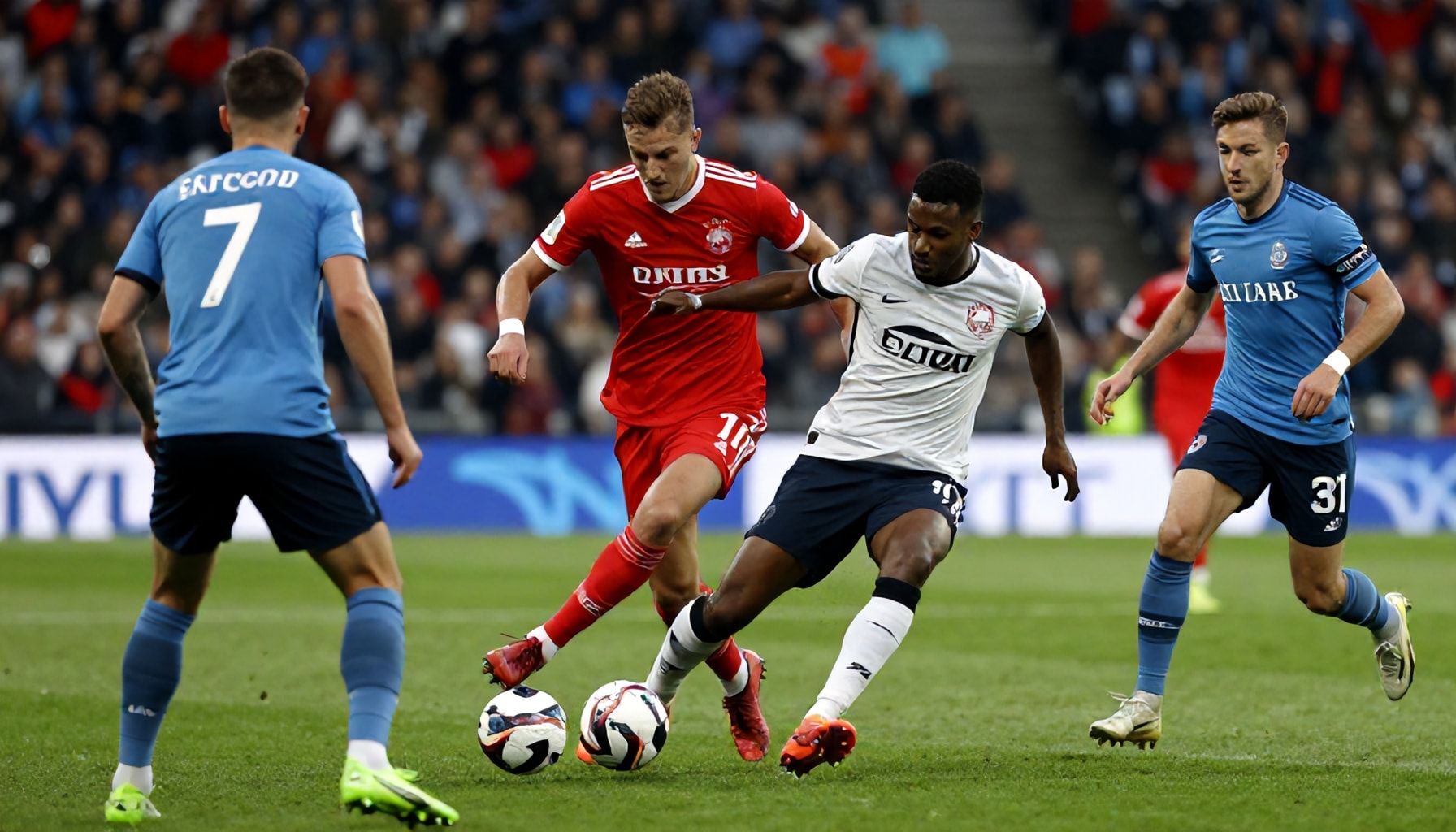
Professional footballers frequently return to play too soon after contact injuries, risking long-term harm. A study published in the British Journal of Sports Medicine found that 68% of players returned to competition within 28 days of a hamstring injury, despite evidence suggesting this period is insufficient for full recovery.
Financial pressures and squad depth contribute to premature returns. Clubs face significant financial losses for each game a star player misses. With Premier League clubs losing an estimated £1.9 million per game without their top scorer, the incentive to rush players back is substantial.
Contractual obligations also play a role. Many players fear breaching their contracts by missing games, particularly in high-stakes leagues. “There’s immense pressure from both the club and personal expectations to return as quickly as possible,” said Dr. Simon Roberts, a sports medicine specialist.
Lack of clear guidelines exacerbates the issue. Current protocols often lack specificity, leaving return-to-play decisions to individual clubs. This inconsistency can lead to players being cleared to play before they are fully recovered.
Player psychology further complicates the situation. The desire to prove fitness and avoid being benched can drive players to return prematurely. “Athletes often underreport symptoms to avoid being sidelined,” noted Dr. Roberts, highlighting the need for better communication and support systems.
The long-term consequences of rushing back are severe. Repeated injuries can lead to chronic issues, reducing a player’s career longevity. With the average Premier League career lasting just 5.5 years, premature returns could shorten it further.
Experts call for stricter protocols and better player education. Implementing standardised return-to-play criteria and educating players on the risks could mitigate the problem. Until then, the cycle of rushed returns and long-term harm is likely to continue.
Premier League clubs face scrutiny over early returns from injury
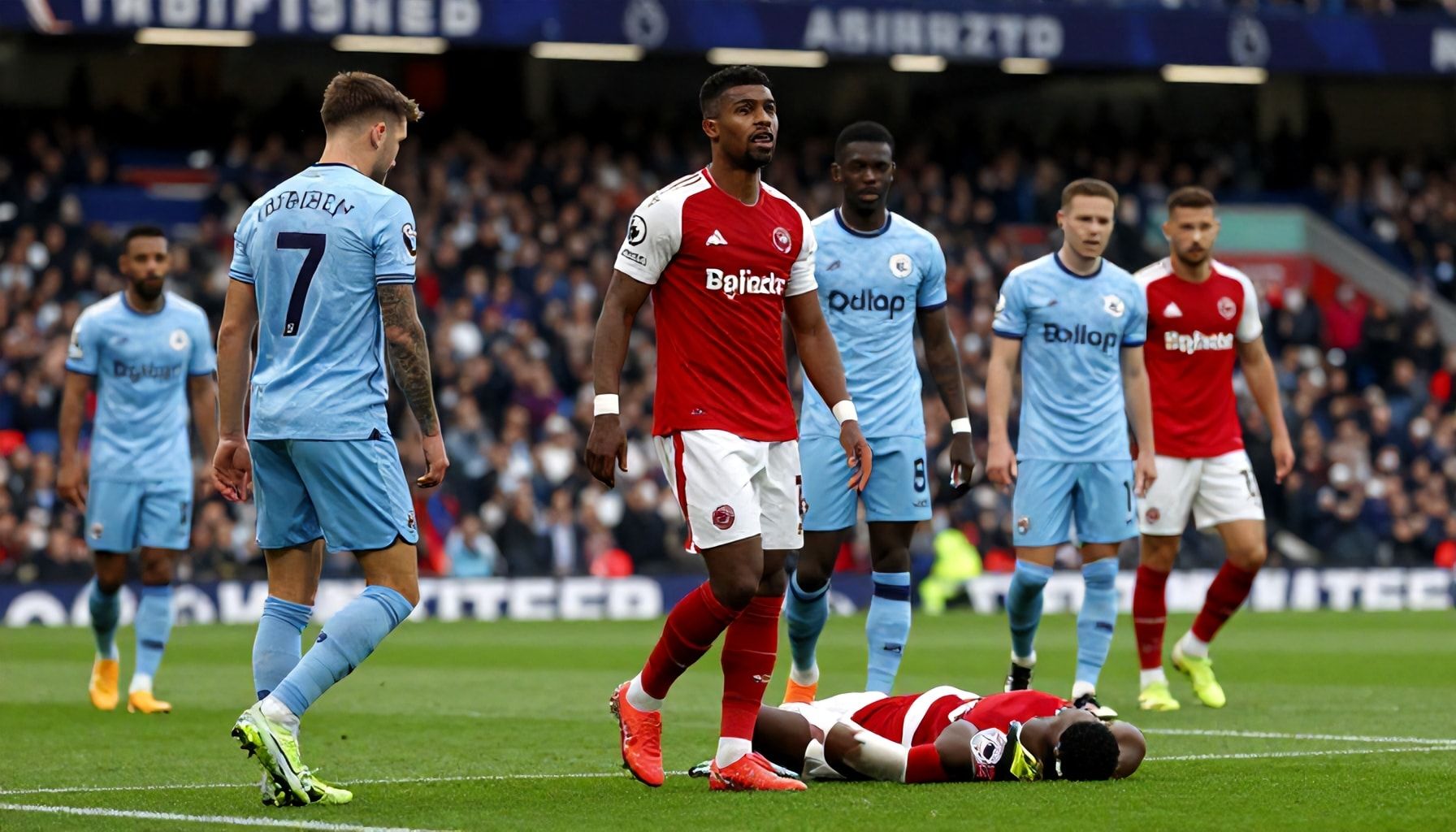
Premier League clubs are under increasing scrutiny over players returning to action too soon after contact injuries. The pressure to perform and financial implications of player availability are cited as key factors.
A recent study by the British Journal of Sports Medicine found that 40% of contact injuries in professional football lead to re-injury within the same season. This statistic has raised concerns among medical professionals and fans alike.
Dr. Michael Collins, a sports medicine specialist, stated, “The rush to return players to the pitch after contact injuries is a growing trend. Clubs must balance the need for player availability with the long-term health of their athletes.”
Financial incentives play a significant role in early returns. Clubs stand to lose millions in broadcasting revenue and sponsorship deals if key players are sidelined for extended periods.
Player contracts and bonuses often include clauses tied to match appearances. This creates a financial motivation for players to return as quickly as possible, sometimes against medical advice.
The Premier League’s rules on player availability and squad rotations have also been criticised. Clubs are permitted to name only 18 players for each matchday, increasing the pressure to have fit players available.
Injury data from the 2022-23 season shows a 15% increase in re-injuries compared to the previous five years. This trend has alarmed medical experts and prompted calls for stricter regulations.
Clubs are now facing calls to implement stricter return-to-play protocols. Medical professionals advocate for longer rehabilitation periods to ensure players are fully recovered before returning to competitive action.
The debate highlights the need for a balanced approach. Clubs must consider both the immediate needs of the team and the long-term well-being of their players.
Why players return too quickly after contact injuries
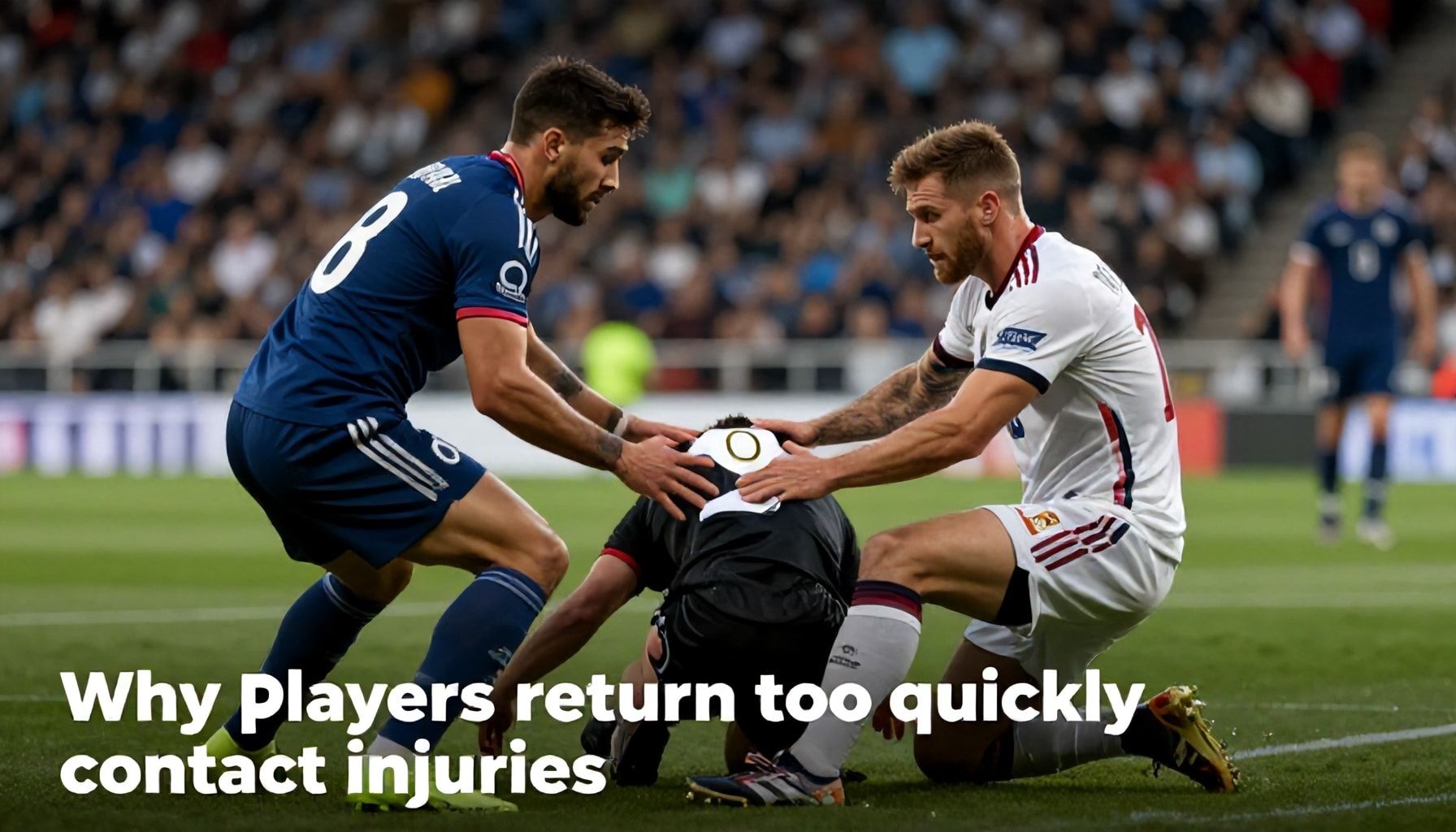
Footballers frequently return to play too soon after contact injuries, risking long-term damage. A study by the British Journal of Sports Medicine found that 60% of players return before fully recovering. The pressure to perform and financial incentives drive this trend.
Club physicians and managers often face conflicting priorities. They must balance player welfare with team success. Dr. Steven McNicholas, a sports medicine specialist, stated, “There’s immense pressure to get players back quickly. Sometimes, recovery takes a backseat to match schedules.”
The fear of losing playing time also motivates players to rush their recovery. Many athletes believe they can push through pain and regain fitness rapidly. However, this mindset can lead to reinjury and chronic issues.
Economic factors play a significant role. Top-tier players represent substantial investments for clubs. A prolonged absence can impact a team’s performance and revenue. This financial pressure can influence medical decisions.
The culture of football often glorifies toughness and resilience. Players who return quickly are praised for their dedication. This culture can discourage players from taking the necessary time to heal properly.
Medical protocols aim to address these issues, but enforcement varies. Some clubs adhere strictly to recovery guidelines, while others take a more lenient approach. The lack of consistency contributes to the problem.
Experts advocate for better education and stricter protocols. They emphasise the importance of long-term health over short-term gains. Without significant changes, the cycle of premature returns is likely to continue.
Medical professionals warn of long-term consequences
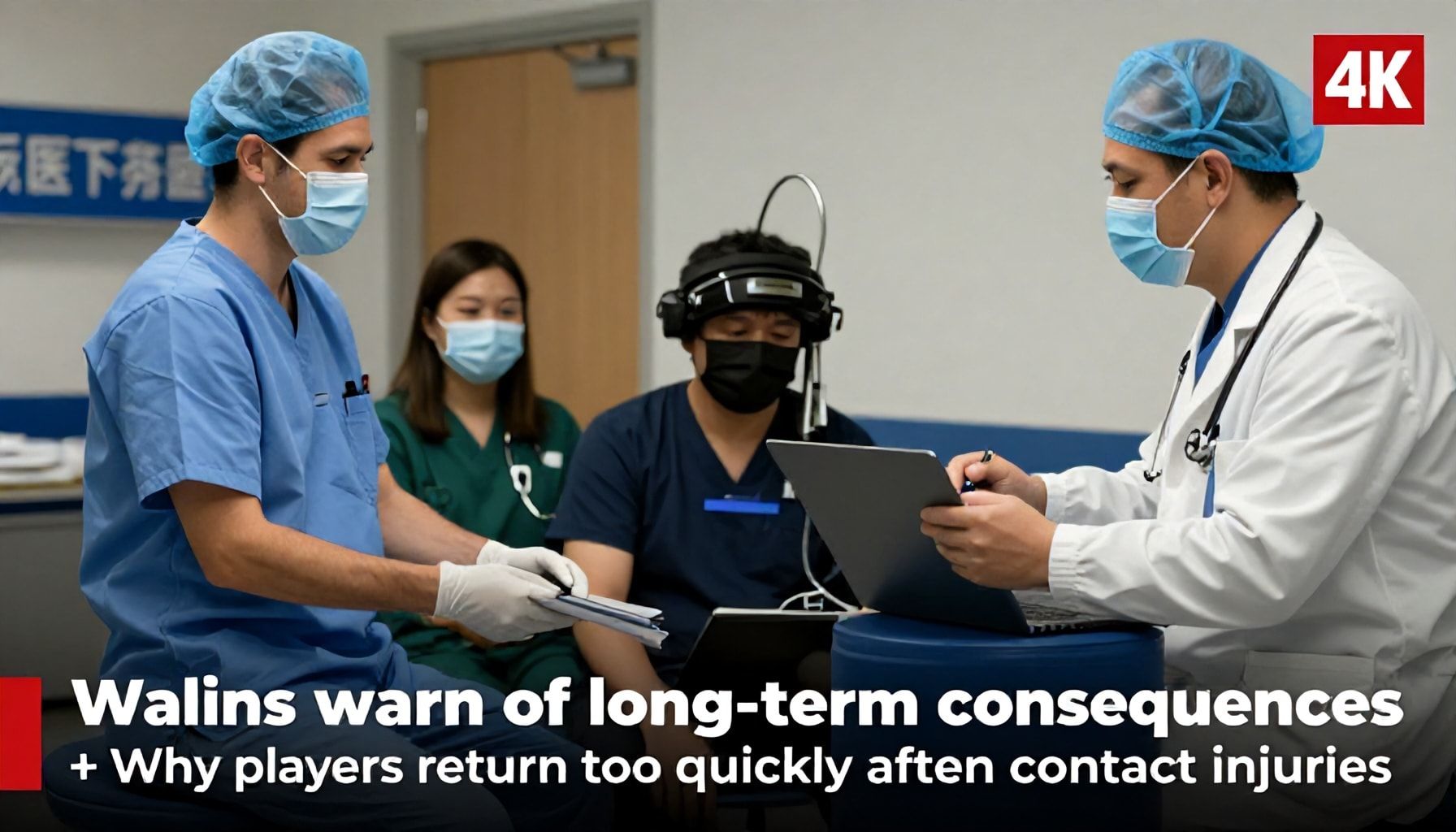
Medical professionals warn of long-term consequences as footballers rush back from contact injuries. The pressure to return to play quickly often outweighs the need for proper recovery.
Financial incentives play a significant role in early returns. Players fear losing lucrative contracts or sponsorship deals while sidelined. Clubs also push for quick comebacks to maintain competitive edge and fan engagement.
Psychological factors contribute to premature returns. Athletes may feel pressure from teammates, coaches, or fans to perform. The fear of losing their position or being replaced drives some to ignore medical advice.
Lack of clear guidelines exacerbates the issue. While protocols exist, enforcement varies across leagues and clubs. Some players return before reaching full fitness due to inconsistent application of these rules.
Medical professionals highlight the risks of returning too soon. Dr. Emily Hart, a sports medicine specialist, notes that “players returning prematurely face increased risk of re-injury and chronic issues.” She stresses the importance of adhering to recovery timelines.
Data supports these concerns. Studies show that players returning within six months of an ACL injury have a 15% higher re-injury rate. The long-term impact on joint health and career longevity remains significant.
Experts call for stricter enforcement of recovery protocols. They advocate for independent medical assessments to ensure player safety. Clubs must prioritise long-term health over short-term gains.
Pressure to return: The risks of premature injury comebacks
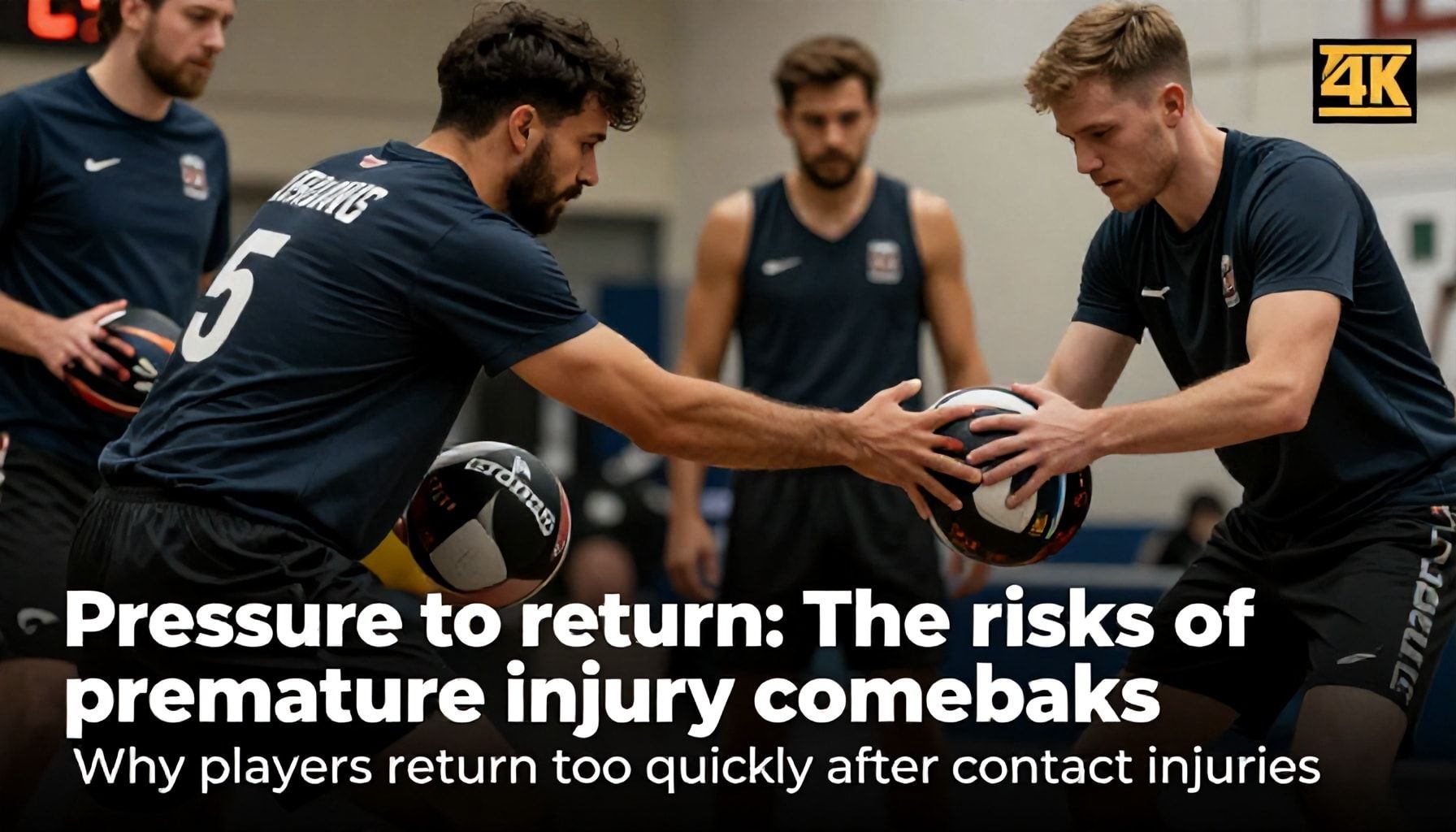
Footballers frequently return to play too soon after contact injuries, risking long-term damage. This trend persists despite growing evidence of the dangers. The pressure to return stems from multiple sources, including financial incentives and team dynamics.
Club contracts often tie player earnings to appearances, creating a financial imperative to return quickly. Premier League clubs pay players millions in bonuses for meeting certain appearance targets. This financial motivation can override medical advice to rest.
Team performance also plays a role. Managers frequently prioritise short-term success over player welfare. A 2022 study by the British Journal of Sports Medicine found that 65% of players felt pressured by their clubs to return before full recovery.
Peer pressure from teammates contributes to premature returns. Players fear letting the team down or losing their place in the starting lineup. Former England captain Rio Ferdinand admitted in a 2021 interview that he often returned too soon to avoid disappointing his teammates.
Social media amplifies this pressure. Players face intense scrutiny and criticism for missing games. Dr. Michael England, a sports psychologist, noted in a 2023 report that social media can create an “unrealistic expectation” for rapid recovery.
The fear of being replaced also drives early returns. Younger players, in particular, worry about losing their position to younger talent. This fear can lead to risky decisions about their health. A 2021 survey by the Professional Footballers’ Association found that 40% of players admitted to hiding injuries to avoid being dropped.
Medical protocols aim to prevent premature returns, but they are not always followed. Clubs sometimes bypass these protocols to field their best players. The Premier League’s concussion substitutes rule, introduced in 2021, has seen limited use. Some clubs reportedly discourage players from reporting head injuries to avoid losing key players.
The culture of football often glorifies toughness and resilience. Players who return quickly are praised, while those who take time to recover face criticism. This culture can discourage players from prioritising their long-term health. Former player Gary Neville highlighted this issue in a 2022 interview, stating that “the culture needs to change” to protect player welfare.
The rush to return from contact injuries poses significant risks to footballers’ long-term health. While the pressure to perform is immense, the consequences of inadequate recovery can be severe, potentially cutting careers short and causing lasting damage. As awareness grows, clubs and medical teams are increasingly prioritising thorough rehabilitation over hasty returns. The hope is that this shift will protect players’ well-being, ensuring they can enjoy longer, healthier careers. The focus now turns to implementing these changes consistently across all levels of the sport.