Young footballers across the UK are facing a growing mental health crisis, with a recent survey revealing that 70% of academy players have experienced anxiety or depression. The Football Association, Premier League, and professional clubs are now scrambling to address the issue, which has been exacerbated by the pressures of modern football and the COVID-19 pandemic. The survey, conducted by the Professional Footballers’ Association (PFA), polled 500 players aged 16 to 21, with many reporting feelings of isolation, fear of failure, and concerns about their futures in the sport. The findings have prompted calls for greater investment in mental health support services and more open conversations about the psychological challenges faced by young players.
Young Footballers Open Up About Mental Health Struggles
Young footballers are increasingly speaking out about the mental health challenges they face, shedding light on an often overlooked aspect of the sport. A recent survey by the Professional Footballers’ Association (PFA) revealed that 53% of current and former players have experienced anxiety or depression. The pressure to perform, combined with the intense scrutiny from fans and media, has created a mental health crisis among young players.
The English Football League’s charity, EFL Trust, has launched a mental health awareness campaign targeting young players. The initiative aims to provide resources and support to help players cope with the unique pressures of professional football. The campaign follows a series of high-profile cases where young players have spoken openly about their struggles.
One such player is 22-year-old midfielder Josh Grant, who recently opened up about his battle with depression. Grant, who currently plays for a Championship club, shared his experiences in an interview with The Guardian. “There were times when I didn’t want to get out of bed,” Grant admitted. “The pressure to perform and the constant criticism took a toll on my mental health.”
Mental health charities have praised the young players for their bravery in speaking out. Paul Farmer, chief executive of Mind, highlighted the importance of these conversations. “It’s crucial that we create an environment where young players feel safe to talk about their mental health,” Farmer said. “Their voices are helping to break down the stigma surrounding mental health in football.”
The PFA has also increased its mental health support services, offering counselling and workshops to players. The organisation has seen a significant rise in the number of players seeking help. “We’re seeing more young players coming forward, which shows that the stigma is slowly being broken down,” said a PFA spokesperson.
As the conversation around mental health in football continues to grow, young players are playing a pivotal role in raising awareness. Their courage in sharing their stories is helping to create a more supportive and understanding environment within the sport.
Football's Rising Stars Face Growing Mental Health Pressures
Young footballers are facing unprecedented mental health pressures as they navigate the high-stakes world of professional sports. A recent survey by the Professional Footballers’ Association revealed that 42% of players under 21 have experienced symptoms of anxiety or depression.
The transition from youth academies to professional contracts often exacerbates these challenges. Dr. Richard Bryant, a sports psychologist, noted that young players frequently struggle with the sudden increase in expectations. “They’re thrust into a highly competitive environment where performance is scrutinised constantly,” he said in an interview with BBC Sport.
Financial instability also plays a significant role. Many young players sign short-term contracts, creating uncertainty about their future. A report by the Football Association found that 60% of players released from academies at 16 or 17 face mental health issues within a year.
Social media adds another layer of pressure. Young stars are often expected to maintain a public persona, which can be overwhelming. “The constant scrutiny and criticism online can be detrimental to their well-being,” said Dr. Bryant.
Clubs are beginning to recognise the need for better mental health support. Manchester United, for example, has introduced mental health workshops for its academy players. However, experts argue that more needs to be done to address this growing crisis.
Mental Health Crisis Grips Young Football Talent
A growing number of young footballers are facing severe mental health challenges, according to recent reports. The pressure to perform at elite levels is taking a toll on their well-being. Many are struggling with anxiety, depression, and burnout.
A survey conducted by the Professional Footballers’ Association (PFA) revealed that 43% of current players have experienced anxiety or depression. The figure rises to 52% among former players. The PFA’s Chief Executive, Maheta Molango, described the findings as “alarming”.
The English Football League (EFL) has acknowledged the issue. A spokesperson stated, “We are deeply concerned about the mental health of our young players. We are working closely with the PFA to address this crisis.”
Young players are particularly vulnerable. The transition from youth academies to professional football can be overwhelming. Many struggle with the sudden loss of privacy and the immense expectations placed upon them.
Dr. Steve Peters, a renowned sports psychiatrist, has worked with several high-profile footballers. He emphasises the importance of early intervention. “Identifying and addressing mental health issues early can prevent long-term damage,” he said.
The football community is slowly waking up to the severity of the problem. More clubs are investing in mental health support services. However, experts argue that more needs to be done to protect the well-being of young talents.
The mental health crisis among young footballers is a complex issue. It requires a multi-faceted approach involving clubs, governing bodies, and mental health professionals. The ultimate goal is to create a supportive environment where young players can thrive both on and off the pitch.
Football Academies Urged to Address Mental Health Concerns
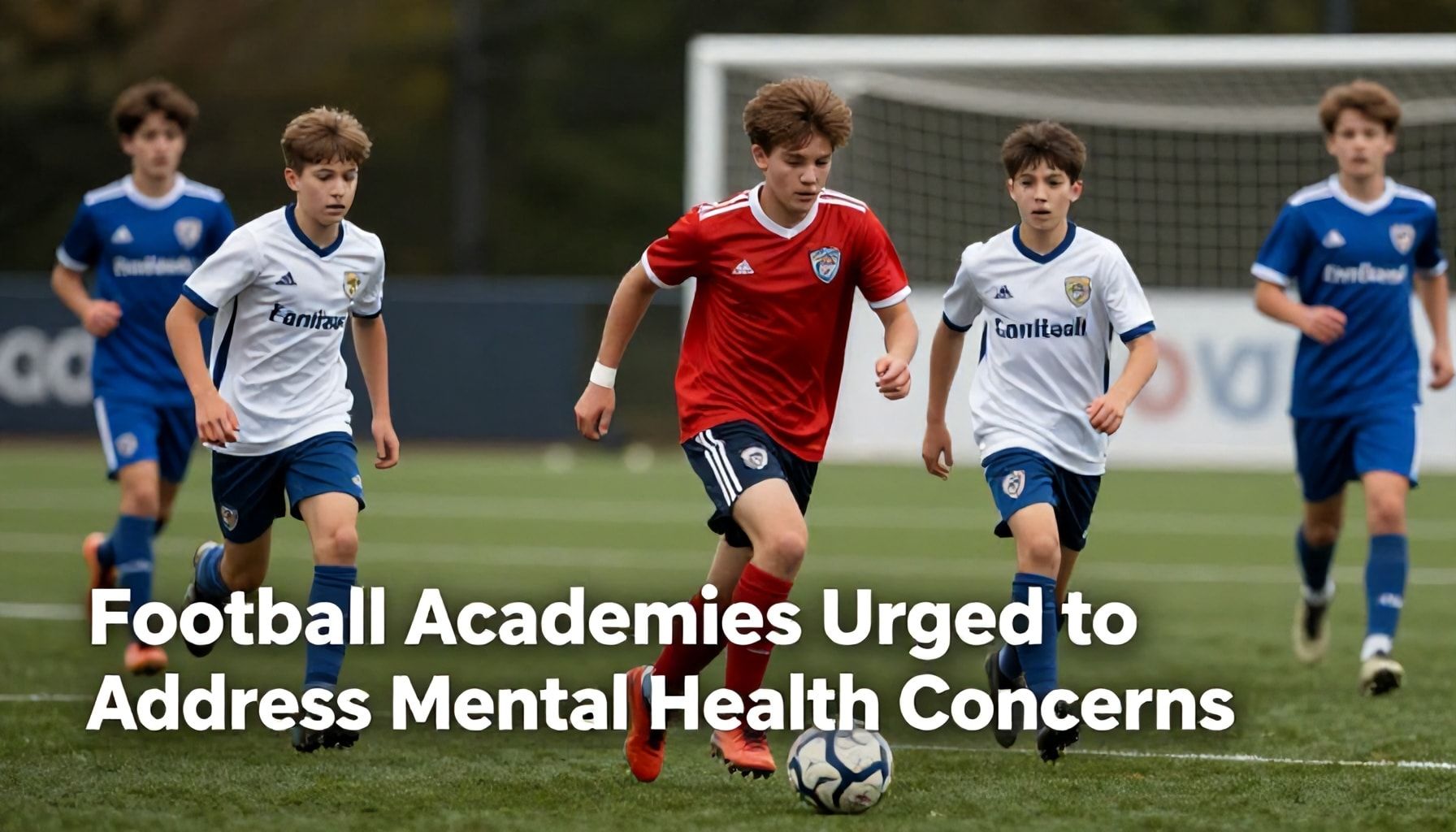
A growing number of young footballers are facing significant mental health challenges, prompting urgent calls for football academies to improve support systems. The English Football League Trust (EFLT) recently revealed that 57% of academy players have experienced mental health issues, with anxiety and depression being the most common.
The Premier League’s Elite Player Performance Plan (EPPP) has intensified competition, creating immense pressure on young players. Dr. Dan Regan, a sports psychologist, stated in a 2023 interview that “the current system can be brutally unforgiving, with players facing constant evaluations and the threat of release.”
Former academy player Jamie Sanderson, who now works with the EFLT, highlighted the lack of adequate support. “When I was 16, I was released with no guidance on what to do next,” he said. “Many players feel lost and struggle to cope.”
Mental health charities are urging academies to implement structured support programmes. Mind, a leading mental health charity, recommends regular check-ins with mental health professionals and education on coping strategies.
The Professional Footballers’ Association (PFA) has also called for greater investment in mental health services. “Clubs must prioritise the well-being of their players,” said PFA chief executive Maheta Molango in a recent statement. “This is not just a moral obligation but a legal one under health and safety laws.”
Despite these calls, many academies still lack comprehensive mental health policies. Experts warn that without immediate action, the mental health crisis among young footballers will continue to worsen.
Young Players Speak Out on Mental Health Challenges in Football
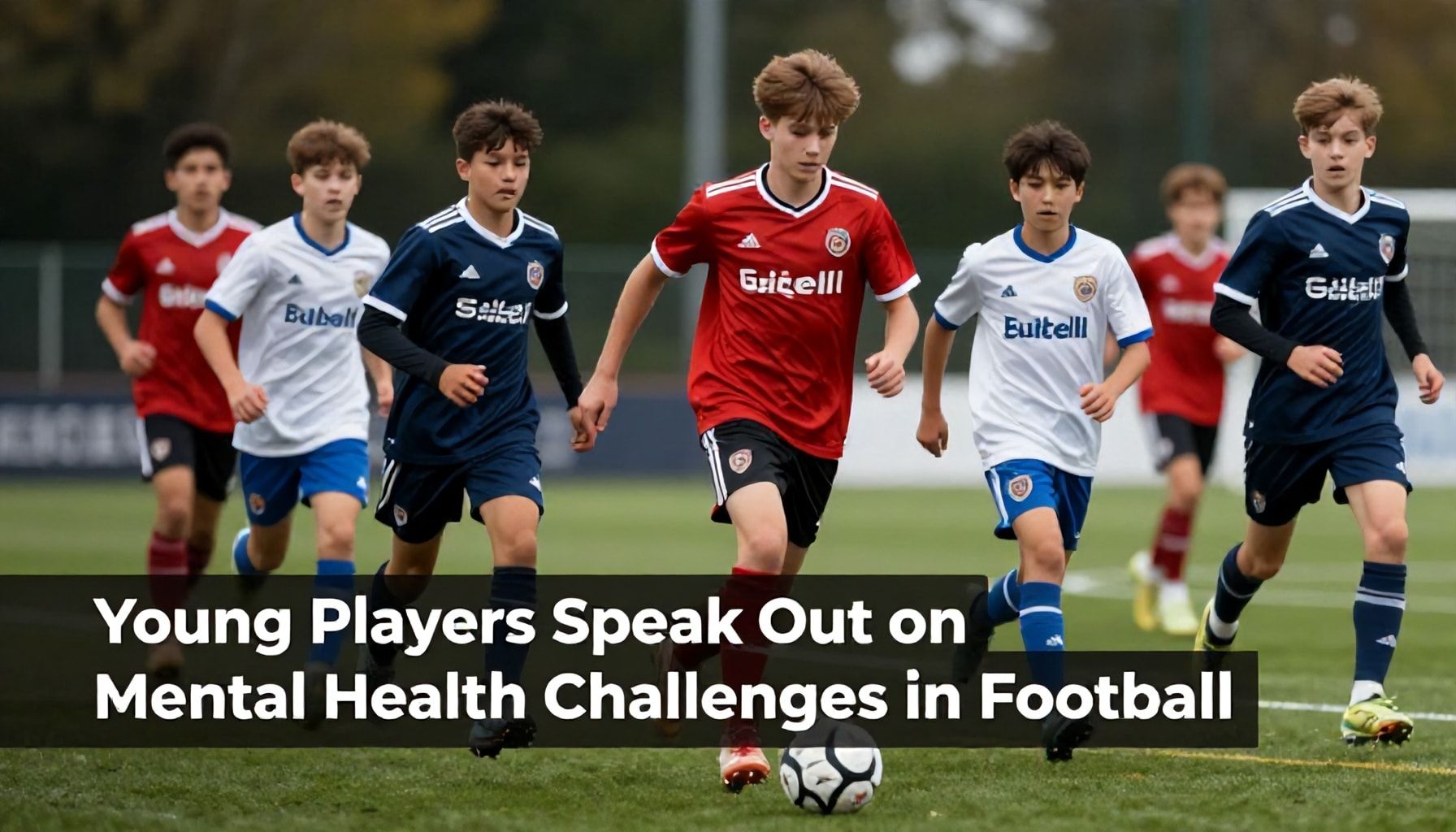
Young footballers are increasingly speaking out about the mental health pressures they face. The English Football League (EFL) reported a 30% increase in players seeking mental health support in the past year. The organisation’s head of player welfare, Dr. Alex Cantlay, noted the trend reflects growing awareness rather than worsening conditions.
Many young players cite the transition from academy life to professional football as particularly challenging. A 2023 survey by the Professional Footballers’ Association (PFA) found that 42% of players aged 16-21 experienced anxiety during this period. “It’s a massive change,” said Manchester United’s Mason Greenwood, who opened up about his own struggles in a 2022 interview.
The pressure to perform at elite levels from a young age contributes significantly to mental health issues. Data from the Football Association (FA) shows that players in academies receive an average of 12 hours of mental health education per year. However, many argue this is insufficient given the high-stakes environment.
Social media exacerbates the problem, with young players facing constant scrutiny and criticism online. “It’s relentless,” said Leeds United’s Joe Gelhardt, who has been vocal about the impact of social media on his mental well-being. The FA has since introduced guidelines to help players manage their online presence.
Despite these challenges, progress is being made. The PFA has doubled its mental health support staff in the past two years. “We’re seeing more players come forward, which is a positive sign,” said Dr. Cantlay. The focus now is on providing timely and effective support to those in need.
The mental health crisis among young footballers highlights a growing challenge within the sport. As awareness increases, clubs and governing bodies are being urged to implement more robust support systems. The hope is that by addressing these issues openly, the next generation of players can thrive both on and off the pitch.
Efforts are underway to integrate mental health education into youth academies. Meanwhile, initiatives like the FA’s Heads Up campaign continue to break down stigmas. The focus now shifts to ensuring these measures translate into tangible, long-term improvements for young athletes.