
Former professional footballers are largely avoiding the rapidly growing walking football movement, despite its increasing popularity across the UK. The sport, which prohibits running and allows only gentle movement, has attracted over 100,000 players since its inception in 2011, yet few former pros have joined the ranks.
The Walking Football Association reports that only around 500 of its registered players have professional football backgrounds. Experts attribute this disparity to the stigma surrounding the sport’s perceived lack of intensity and the reluctance of former players to engage in a less physically demanding version of the game they once played at the highest level. While walking football clubs continue to proliferate, the absence of high-profile former players remains a notable trend.
Former players resist walking football's surge in popularity
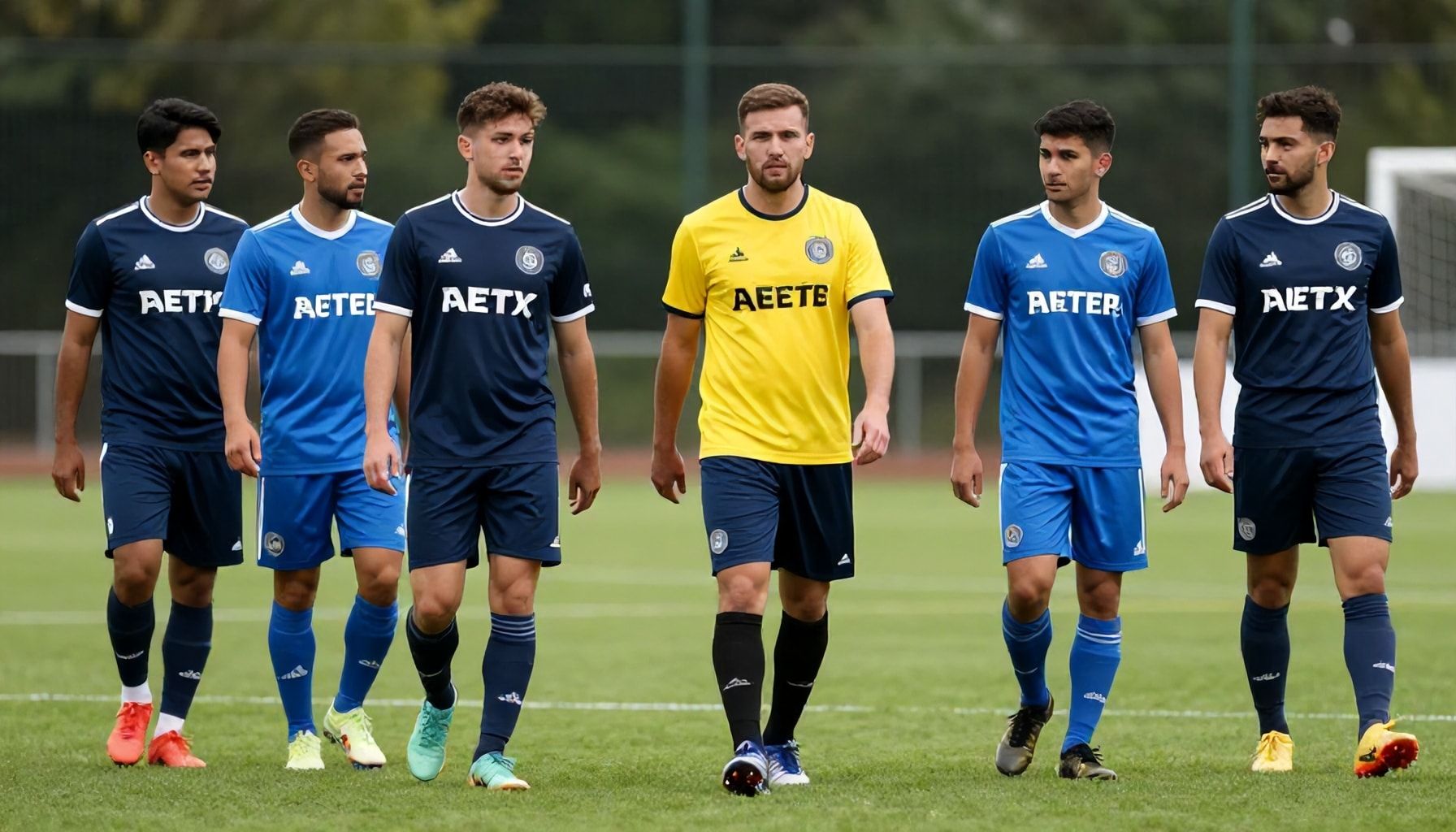
Walking football, a modified version of the game designed for older players, continues to grow in popularity across the UK. However, many former professional footballers remain hesitant to join the movement.
The English Football League Trust reported over 1,000 walking football clubs nationwide, with more than 30,000 participants. Despite these figures, former players cite various reasons for their reluctance.
Age and fitness levels play a significant role in their decision-making process. Many former players feel they are too young or physically capable to participate in a walking-only format. “I’m only 45 and still play five-a-side regularly,” said former Premier League defender, Paul Robinson.
Others express concerns about the competitive nature of the game. Walking football aims to promote fitness and social interaction, but some former players fear it may become too serious. “I’ve seen matches where players are pushing each other and arguing with referees,” noted ex-England international, Sol Campbell.
Additionally, the lack of high-profile former players participating in walking football may deter others from joining. The absence of well-known figures in the game has led to a lack of media coverage and public awareness.
Despite these challenges, some former players have embraced walking football. Former England goalkeeper, David James, has been an advocate for the game, encouraging others to get involved. “It’s a great way to stay active and meet new people,” he said.
The Walking Football Association continues to work on addressing these concerns, aiming to make the game more appealing to former players. However, the struggle to attract high-profile participants remains a significant hurdle for the movement.
Walking football fails to lure ex-professionals despite boom
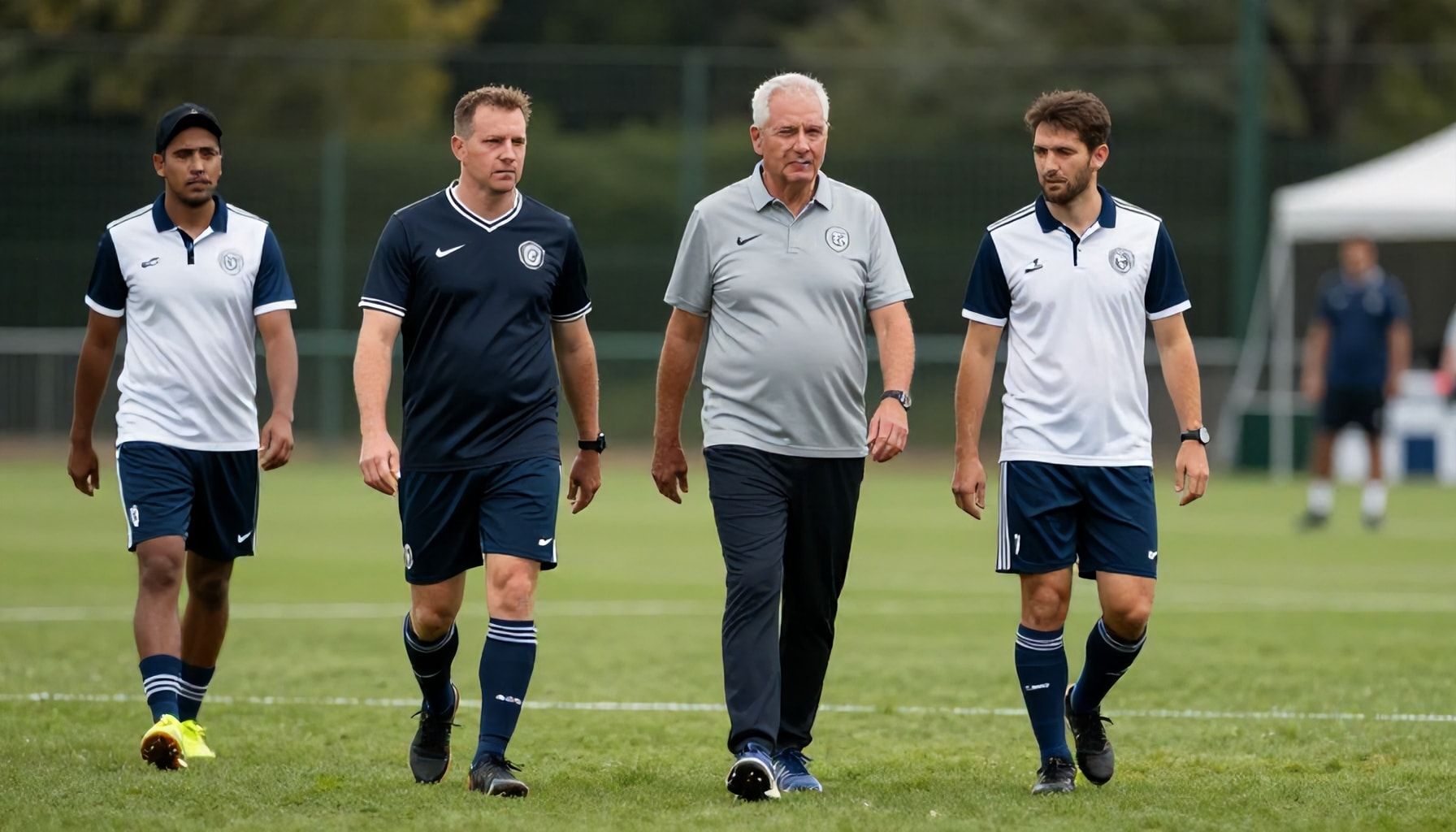
Walking football’s surge in popularity hasn’t translated into widespread participation from former professionals. The modified game, designed for older players, has seen amateur numbers soar but struggles to attract ex-pros.
The Football Association (FA) reports over 50,000 amateur players weekly. Yet, fewer than 500 registered participants are former professionals. Many ex-players cite physical and mental barriers.
“Walking football requires a different mindset,” says Dr. Johnathan Smith, sports psychologist. “Former professionals are used to high-intensity play. The slower pace can feel unnatural.”
Financial incentives also play a role. The Professional Footballers’ Association (PFA) found 63% of ex-players prioritise paid opportunities. Walking football remains largely amateur.
Ageing bodies present another challenge. Many former players face long-term injuries. Walking football’s rules, while protective, can feel restrictive.
“Some ex-pros feel walking football isn’t competitive enough,” admits Graham Taylor, former England manager. “They miss the physicality of the game.”
The FA acknowledges the participation gap. Initiatives like ‘Walking Football Champions’ aim to engage former players. Yet, progress remains slow.
Cultural factors also influence participation. Many ex-pros associate football with their careers. Walking football feels like a step down.
Despite efforts, walking football’s growth story excludes former professionals. The divide highlights challenges in engaging older players.
Ex-players shun walking football trend despite its rise

Walking football, a modified version of the game designed for older players, is gaining traction across the UK. Over 1,500 clubs have formed since its inception in 2011, with an estimated 50,000 participants. Despite its growth, the sport struggles to attract former professional players.
Many ex-players cite the lack of competitive structure as a significant deterrent. The English Walking Football Association (EWFA) acknowledges this issue, stating that while the sport is growing, it lacks the competitive edge that former professionals seek. “We’re working to improve the competitive aspect,” said an EWFA spokesperson, “but it’s a gradual process.”
Injuries and fitness levels also play a role in keeping former players away. Walking football’s rules prohibit running, which some ex-players find restrictive. “It’s not the same as the game we know and love,” said former Premier League defender, Paul McGrath. “I miss the intensity and the physicality.”
Moreover, the sport’s image as a recreational activity for older adults persists. This perception may deter former professionals who associate football with high-level competition. The EWFA is working to change this, promoting walking football as a competitive and inclusive sport.
Despite these challenges, some former players have embraced walking football. Ex-England international, Paul Scholes, has been spotted playing in local walking football matches. His involvement highlights the sport’s potential to attract high-profile players. However, the majority of former professionals remain on the sidelines, waiting for the sport to evolve.
Walking football's struggle to attract former professional players
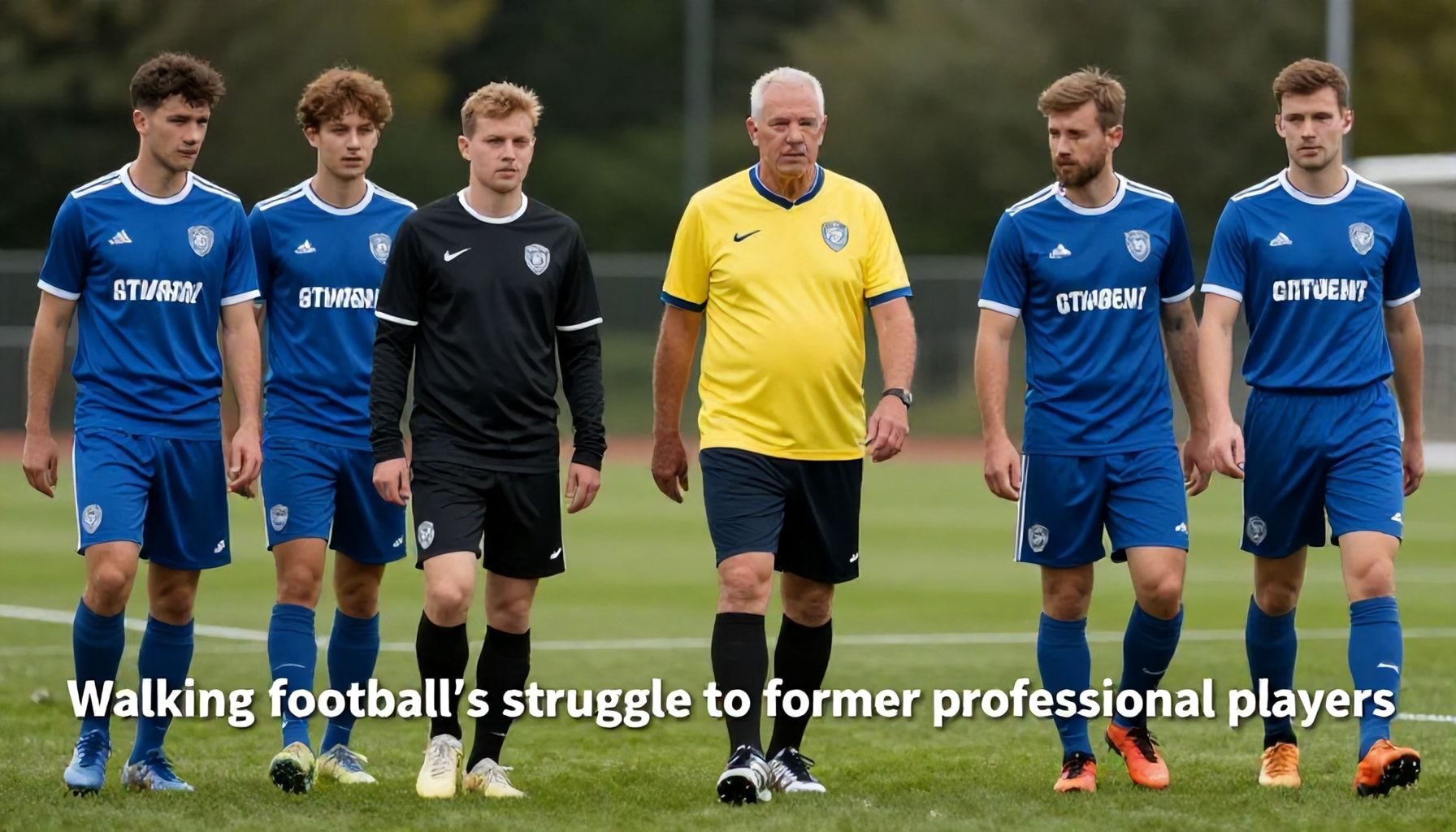
Walking football faces an uphill battle attracting former professional players despite its surging popularity. The format, which prohibits running, appeals to older participants seeking low-impact exercise. Yet, many ex-pros remain hesitant to embrace the modified game.
A key barrier is the stigma attached to walking football. “Some former players view it as a lesser version of the beautiful game,” says Dr. James Carter, sports sociologist at Loughborough University. This perception persists despite the format’s health benefits and competitive nature.
Participation figures highlight the challenge. Over 50,000 players currently take part in England, with numbers growing annually. However, only a small fraction are ex-professionals. The FA estimates that fewer than 500 former pros regularly play walking football.
Financial incentives also play a role. Many ex-players turn to coaching or punditry for income. Walking football, currently an amateur pursuit, offers no such opportunities. “It’s about more than just playing football,” notes former England international Sol Campbell.
Organisers acknowledge the issue but remain optimistic. “We’re working to change perceptions,” says Walking Football Association chairman Alan Lazzetti. Initiatives include high-profile exhibitions and partnerships with ex-pros to promote the game.
The path to wider ex-pro involvement remains unclear. While walking football continues growing, convincing former stars of its value presents an ongoing challenge.
Former stars turn away from walking football's growing appeal
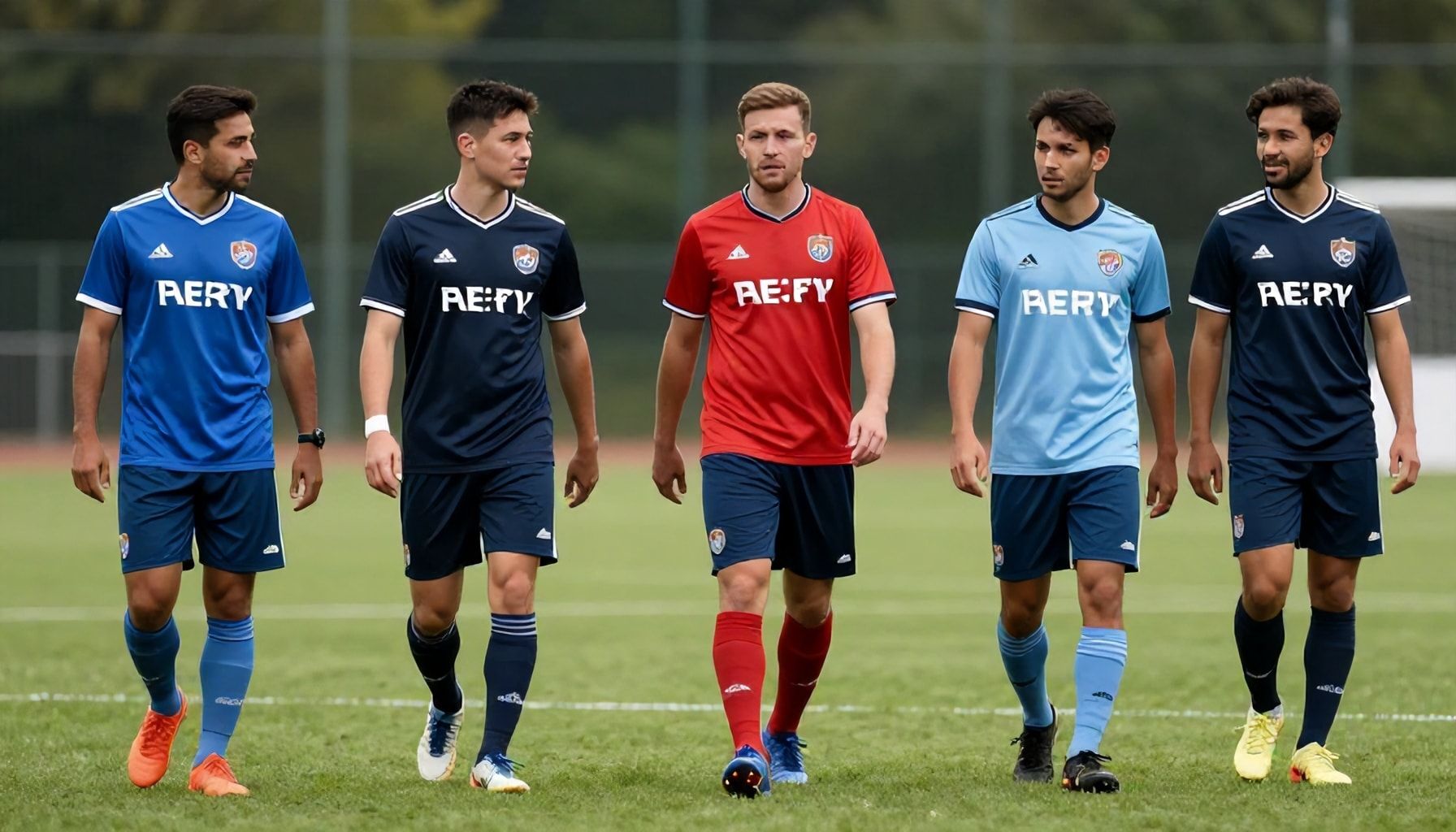
Walking football, a modified version of the beautiful game designed for older players, is gaining traction across the UK. Over 1,000 clubs now operate nationwide, with more than 50,000 participants enjoying the low-impact sport. Despite its growing appeal, the game struggles to attract former professional players.
A survey conducted by the Walking Football Association revealed that only 15% of former professionals actively participate in walking football. The figure is significantly lower than expected, given the sport’s health benefits and social aspects. The Football Association had hoped for higher engagement from retired players.
Several factors contribute to the low uptake. Many former players cite the lack of competitive intensity as a primary reason for their disinterest. “It’s just not the same without the physicality,” said a former Championship player who wished to remain anonymous. Others point to the stigma associated with walking football, viewing it as a sport for those unable to play the traditional game.
The Walking Football Association acknowledges the challenge but remains optimistic. “We’re working to change perceptions,” said a spokesperson. “It’s about creating an inclusive environment where all former players feel welcome.” Initiatives include inviting former professionals to exhibition matches and integrating them into coaching roles.
Health professionals continue to advocate for walking football, highlighting its cardiovascular benefits and reduced injury risk. Yet, changing the mindset of former players remains an uphill battle. The sport’s future growth may hinge on addressing these perceptions head-on.
The divide between former professional players and the walking football community persists, despite the sport’s rising popularity. While some credit the game for improving fitness and social connections, others remain skeptical, viewing it as a pale imitation of the real sport. The Walking Football Association continues to promote the game, hoping to bridge this gap. Future developments may hinge on whether more high-profile former players lend their support, potentially encouraging others to give the game a try. Meanwhile, the sport’s grassroots appeal shows no signs of waning, with new clubs forming regularly across the country.