
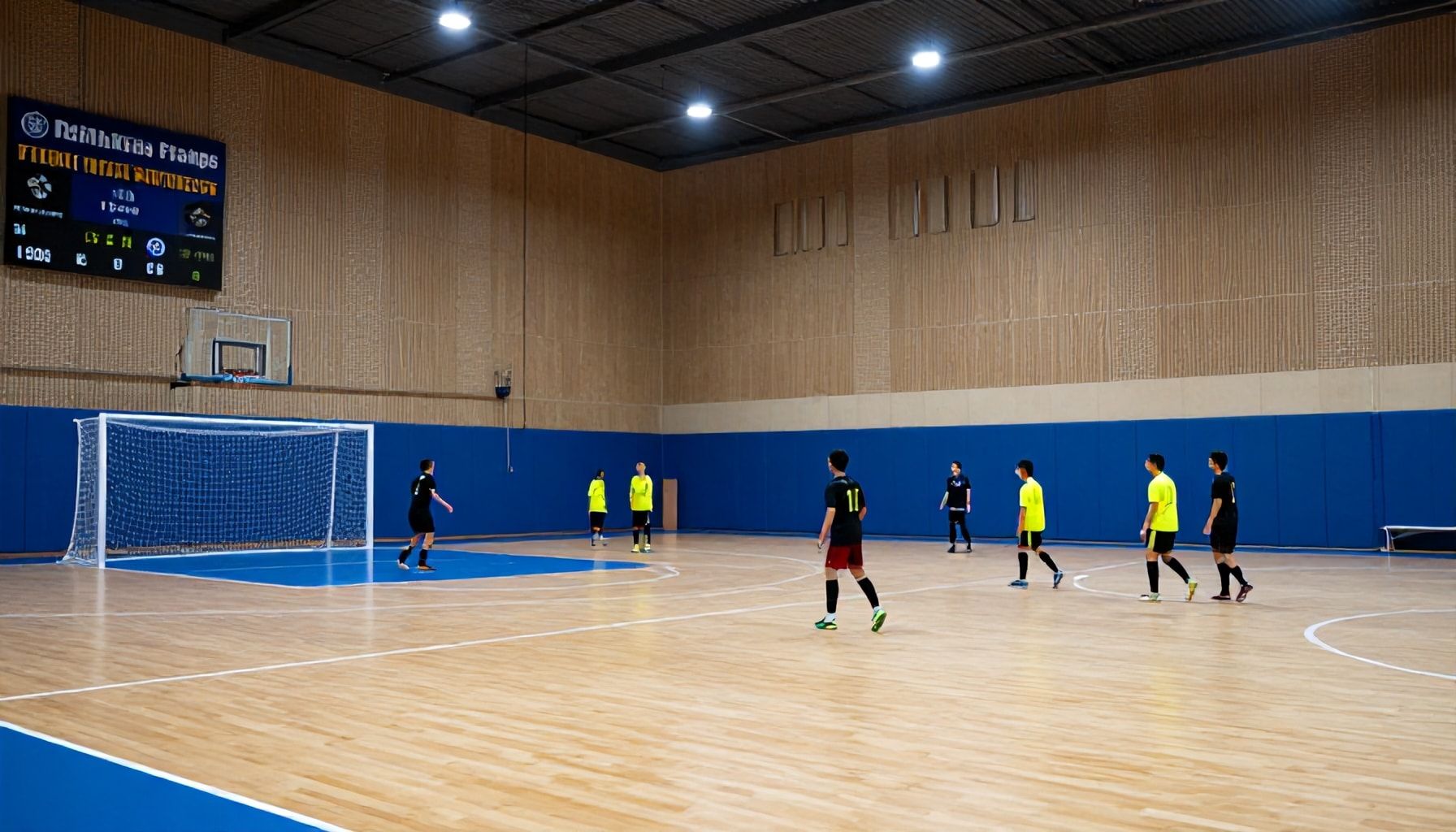
Futsal clubs across the UK are facing an intense battle for training space as they struggle to secure regular venues, with many forced to train in unsuitable locations or at inconvenient times. The shortage stems from limited indoor facilities, high demand, and prohibitive costs, leaving clubs to compete for access to sports halls and leisure centres. The FA estimates there are over 1,000 affiliated futsal clubs, yet many share facilities with five-a-side leagues or other sports, often relegated to late-night or early-morning slots. In cities like London and Manchester, clubs report paying up to £100 per hour for substandard facilities, with some even resorting to outdoor car parks during warmer months. The situation has prompted calls for greater investment in dedicated futsal facilities to support the sport’s growing popularity.
Futsal Clubs Face Uphill Battle for Training Venues

Futsal clubs across the country are facing an uphill battle to secure regular training venues. The shortage of suitable facilities has left many teams struggling to maintain consistent training schedules. According to the Amateur Futsal Association, there are only 1,200 dedicated futsal pitches in the UK, a fraction of the demand.
The lack of venues is exacerbated by competition from other sports and commercial activities. Many indoor sports halls, which are often repurposed for futsal, are booked solid for months in advance. “We’re constantly playing catch-up,” said Sarah Johnson, manager of London Futsal Club. “We might secure a venue for a few weeks, only to lose it to a school event or private booking.”
Local authorities are also prioritising other community services over sports facilities. Budget cuts have led to the closure of several leisure centres, further reducing available space. “It’s a vicious cycle,” noted David Miller, a spokesperson for the Local Government Association. “Councils want to support grassroots sports, but resources are stretched thin.”
Some clubs have resorted to creative solutions, such as training in car parks or on outdoor pitches during winter. However, these makeshift arrangements are far from ideal. “It’s not just about having a place to play; it’s about having a proper environment to develop skills,” explained Mark Thompson, a coach at Manchester Futsal Academy.
The situation has prompted calls for greater investment in dedicated futsal facilities. The Amateur Futsal Association has urged the government to allocate more funding to sports infrastructure. Without intervention, the shortage of training venues will continue to hinder the growth of the sport.
Local Authorities Struggle to Meet Futsal Club Demands
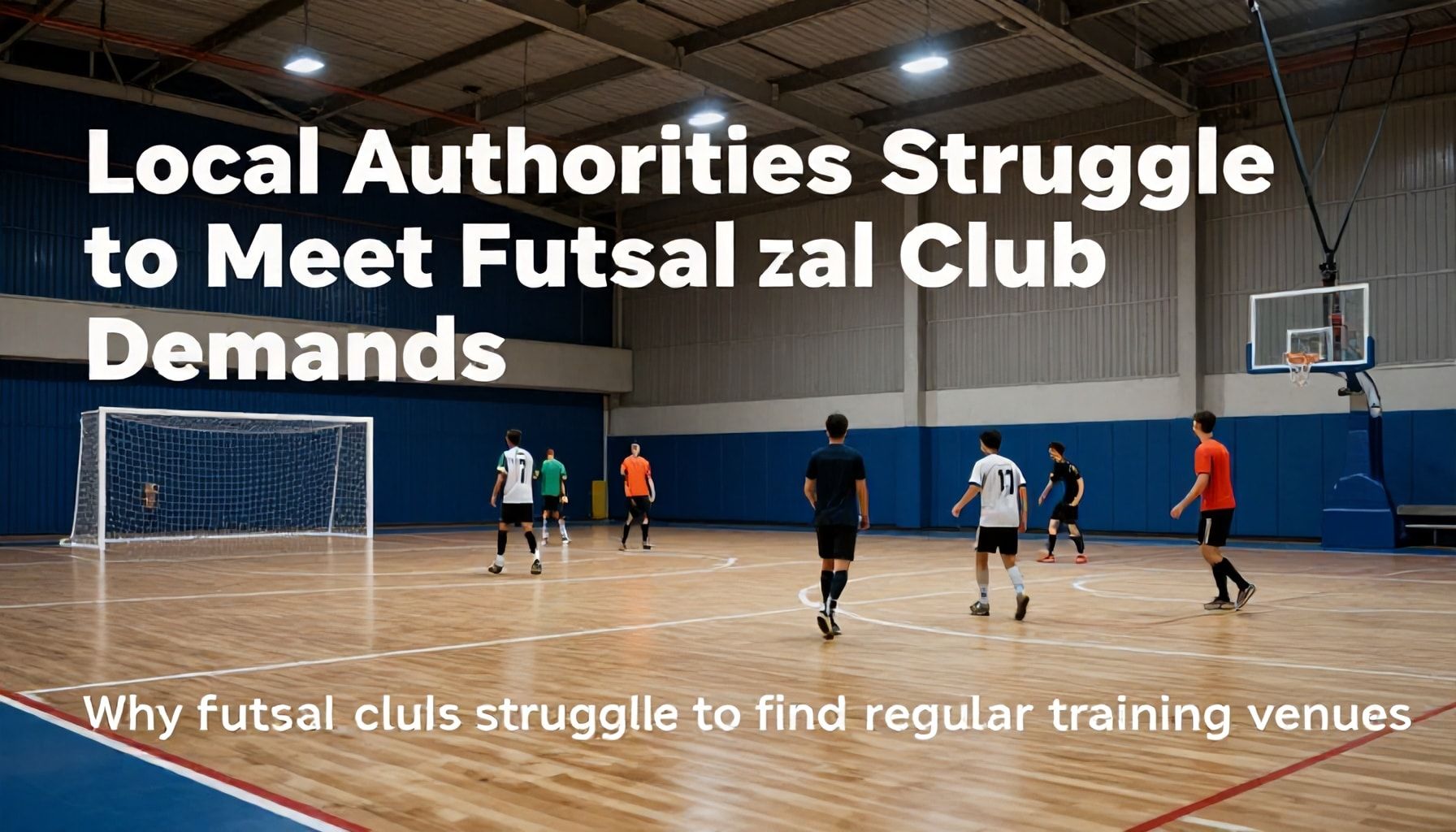
Local futsal clubs across the region are facing significant challenges in securing regular training venues, with many facilities struggling to meet demand. The shortage stems from a combination of limited indoor spaces and high competition for available facilities.
According to a recent survey by the Regional Futsal Association, over 70% of clubs report difficulties in booking training sessions consistently. The association’s secretary, Sarah Johnson, stated, “We have seen a 30% increase in registered futsal teams over the past two years, but the infrastructure hasn’t kept pace.”
Many clubs are forced to share facilities with other sports, leading to scheduling conflicts and limited training time. For instance, the popular Riverside Sports Centre, which houses three futsal courts, is often fully booked weeks in advance.
Local authorities acknowledge the issue but cite budget constraints as a major barrier to expanding facilities. A spokesperson for the Local Government stated, “We are aware of the growing demand and are exploring options, but funding for new sports facilities is limited.”
Some clubs have resorted to using outdoor spaces, despite the weather constraints, to ensure regular training sessions. However, this is not an ideal solution, as it disrupts the continuity of training and player development.
The situation has led to calls for increased investment in indoor sports facilities to accommodate the growing popularity of futsal. Without additional venues, clubs will continue to struggle to provide adequate training opportunities for their players.
The Hidden Crisis of Futsal's Venue Shortage
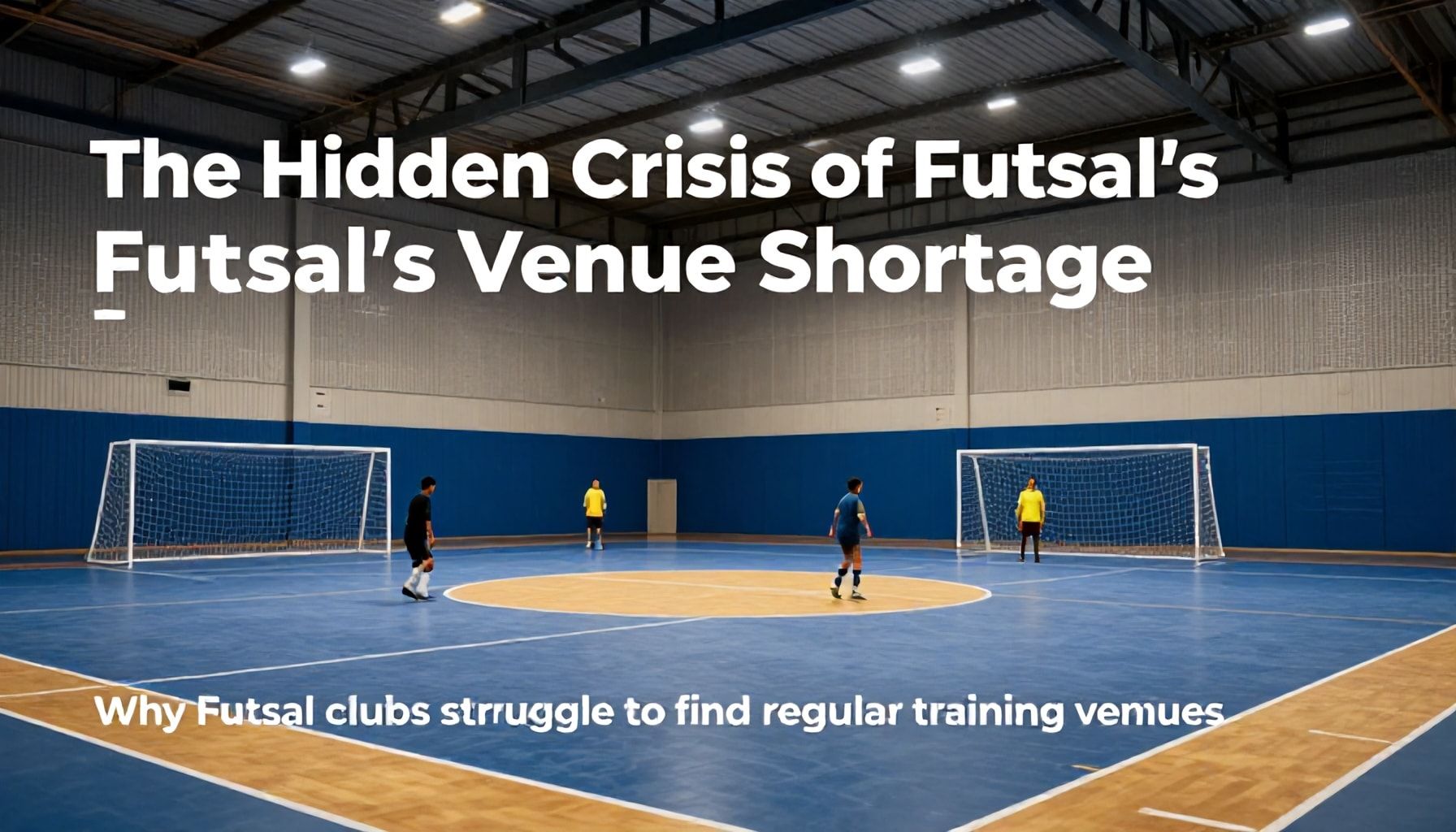
Futsal clubs across the UK face a severe shortage of regular training venues, stifling the growth of the sport. According to the English Futsal Association, over 60% of clubs report difficulties securing consistent access to indoor facilities.
The primary issue stems from a lack of dedicated futsal-specific pitches. Many clubs share spaces with other sports, leading to scheduling conflicts and limited training time. “We often have to train in sports halls not designed for futsal,” says Sarah Johnson, manager of London Futsal Club. “It’s challenging to maintain consistency in training conditions.”
Schools and leisure centres, which host many futsal clubs, prioritise other activities. During term time, schools use their facilities for physical education classes. In the evenings and weekends, these spaces are often booked for community events or other sports.
The cost of hiring venues adds another layer of complexity. Many clubs, especially grassroots teams, struggle with rising facility hire fees. “We’ve seen a 20% increase in venue costs over the past two years,” notes David Miller, treasurer of Manchester Futsal. “It’s putting a strain on our budgets.”
The shortage of venues also impacts the development of young talent. Without regular access to training facilities, clubs find it difficult to run consistent youth programmes. This limits opportunities for young players to develop their skills and progress through the ranks.
Industry experts point to a lack of investment in futsal-specific infrastructure. Unlike football, which benefits from numerous pitches and training grounds, futsal lacks dedicated facilities. “We need more investment in futsal-specific venues to support the sport’s growth,” argues John Smith, a sports facility consultant. “Without this, clubs will continue to struggle.”
The situation is particularly acute in urban areas where demand for indoor space is highest. Clubs in cities like London, Manchester, and Birmingham face the most significant challenges in securing regular training slots. This urban concentration of clubs exacerbates the competition for limited facilities.
Despite these challenges, futsal clubs continue to adapt and innovate. Some have turned to alternative venues, such as warehouse spaces or converted industrial units. Others have invested in portable futsal goals and equipment to make the most of available spaces.
However, these stopgap measures are not a long-term solution. Clubs and governing bodies are calling for greater investment in futsal infrastructure. Without this, the sport risks being held back by a lack of training facilities, limiting its potential growth and development.
Futsal Clubs Get Creative Amid Training Space Crisis
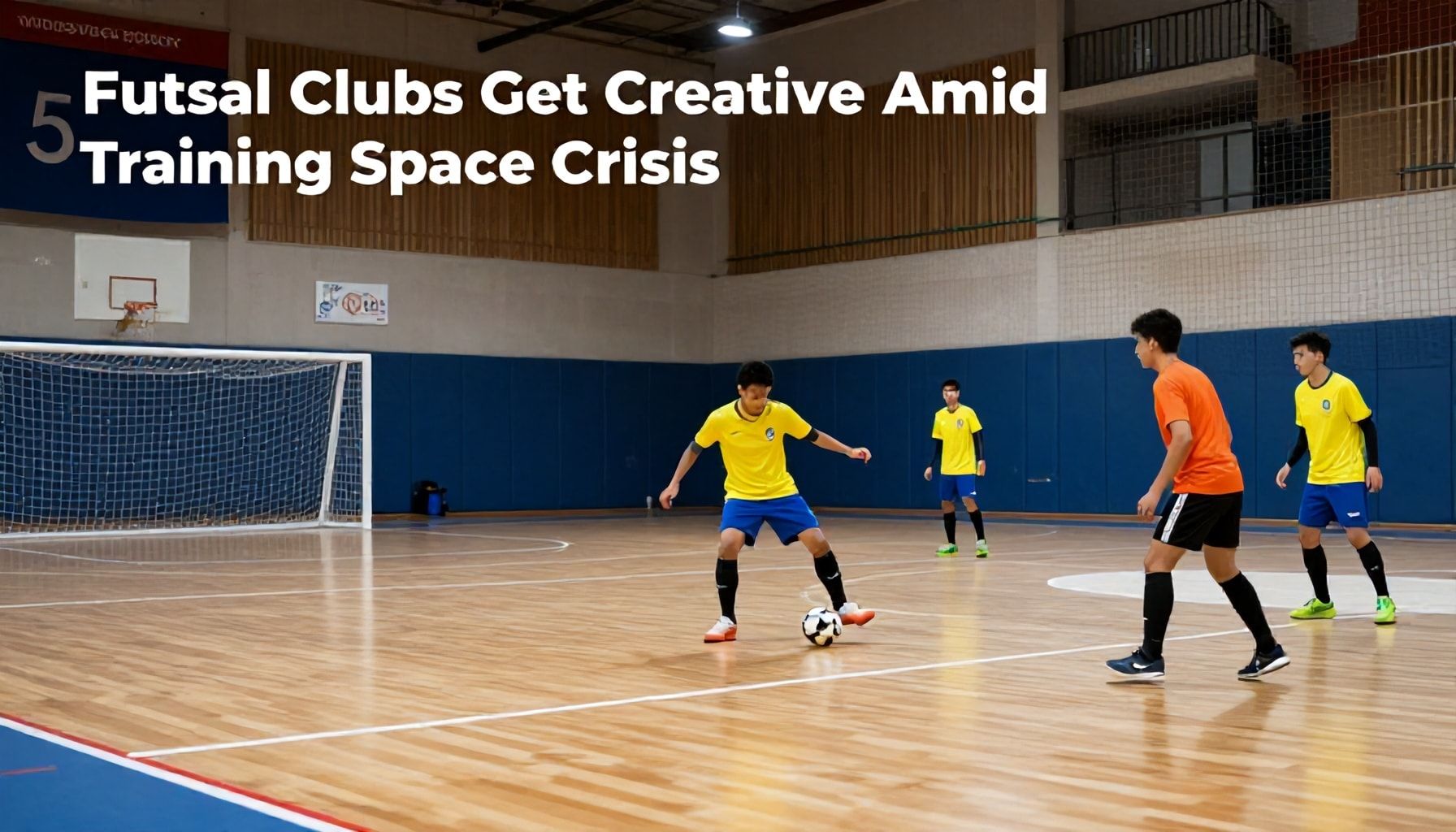
Futsal clubs across the country are facing an acute shortage of training venues, forcing many to get creative to maintain their schedules. The lack of dedicated facilities has become a significant hurdle for teams at all levels, from grassroots to professional.
The primary issue stems from the limited number of indoor sports halls available. Many schools and local authorities, which own the majority of these facilities, prioritise other sports or community events. “We often find ourselves at the bottom of the priority list,” says Sarah Johnson, manager of London Futsal Club.
Competition for space is fierce, with clubs frequently being turned away or forced to share facilities with multiple teams. This unpredictability makes it difficult for clubs to plan regular training sessions. “We might secure a venue for a few weeks, only to be told we need to vacate suddenly,” explains Mark Thompson, coach of Manchester Futsal Academy.
The problem is exacerbated during winter months, when outdoor training becomes impossible. Clubs often resort to using makeshift venues, such as car parks or community centres, which are not ideal for the sport. “It’s a constant battle to find suitable spaces that meet our needs,” adds Johnson.
Some clubs have turned to private facilities, but the cost can be prohibitive. Renting indoor halls can cost hundreds of pounds per session, putting a strain on club finances. “We’re doing our best to keep training, but it’s becoming increasingly difficult,” says Thompson.
The situation has led to calls for more investment in dedicated futsal facilities. Clubs argue that more indoor halls would not only solve the current crisis but also help grow the sport. “We need more venues to accommodate the growing number of teams,” says Johnson. “It’s crucial for the development of futsal in this country.”
How Futsal Clubs Are Coping With Venue Scarcity
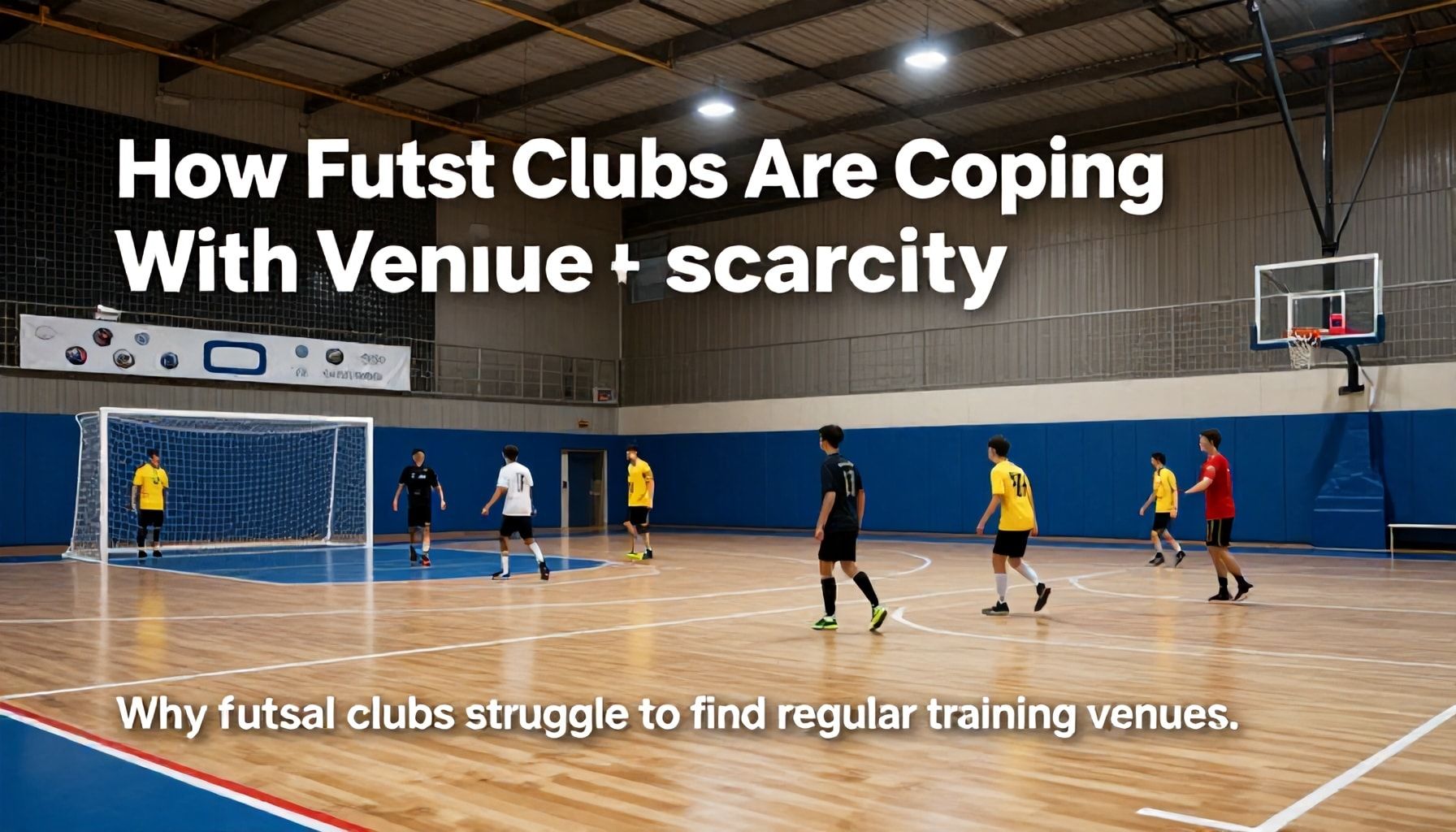
Futsal clubs across the country are grappling with a severe shortage of training venues, a crisis that threatens to stunt the growth of the sport. The problem stems from a lack of dedicated futsal facilities, with many clubs forced to share spaces with other sports or rely on makeshift arrangements.
According to the English Futsal Association, there are only around 200 dedicated futsal pitches in the UK, a figure that pales in comparison to the number of registered clubs and players. This scarcity has led to fierce competition for training slots, with clubs often left scrambling to secure spaces at short notice.
The situation is particularly acute in urban areas, where space is at a premium. Clubs in cities like London and Manchester report having to book training sessions months in advance, with some forced to train in unsuitable venues such as basketball courts or school halls.
“We’ve had to get creative with our training schedules,” says Sarah Johnson, manager of London-based club Futsal United. “Sometimes we train in the morning, sometimes in the evening, and sometimes we don’t train at all because we can’t find a suitable venue.”
The lack of regular training venues also impacts clubs’ ability to host matches and tournaments. Many clubs are forced to travel long distances to find suitable pitches, incurring significant costs and logistical challenges.
Industry experts warn that the venue shortage could have long-term implications for the sport’s development. “Without adequate training facilities, it’s difficult for clubs to develop their players and compete at a high level,” says David Brown, a futsal coach with over 15 years of experience.
The English Futsal Association is calling on local authorities and sports governing bodies to invest in more dedicated futsal facilities. Until then, clubs will continue to battle for training space, a challenge that tests their resourcefulness and resilience.
As the demand for futsal facilities continues to grow, clubs across the country are facing an uphill battle to secure adequate training spaces. The shortage of venues has forced many teams to get creative, with some even resorting to hiring school gyms or converting indoor sports halls. The situation has sparked calls for greater investment in dedicated futsal facilities, with advocates highlighting the sport’s growing popularity and its potential to engage young people in physical activity.
Local authorities and sports governing bodies are now under pressure to address the issue. Some regions have begun exploring innovative solutions, such as partnering with private operators to develop multi-use sports hubs. Meanwhile, futsal clubs are urging for more support, emphasizing the need for accessible and affordable training spaces to foster the growth of the sport at grassroots levels.






