
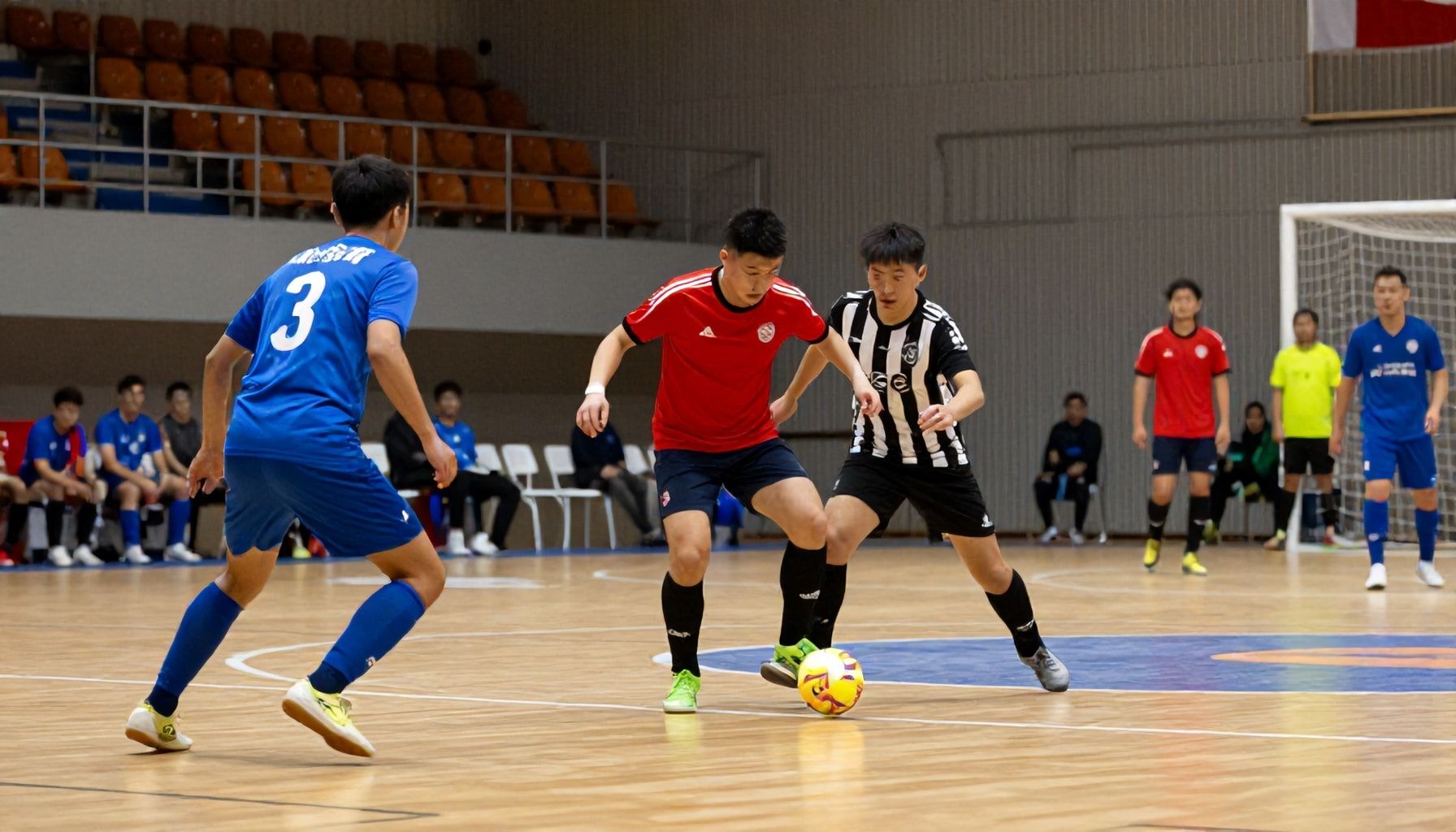
Futsal clubs across the UK are grappling with the challenge of accommodating players of varying skill levels in their weekly sessions this season, with many reporting increased difficulties in maintaining competitive and enjoyable games. The issue, which has been exacerbated by a surge in new players post-pandemic, has left coaches and club organisers scrambling for solutions to ensure fair play and inclusivity.
Data from the England Futsal Association shows a 35% increase in participant numbers since 2021, with many clubs seeing a significant mix of beginners and experienced players sharing the same pitch. The problem has been particularly acute in urban areas, where space and facility constraints limit the ability to run separate sessions for different skill levels. Clubs in Manchester, London, and Birmingham have reported the most significant challenges, with some resorting to innovative formats like rotating team structures or skill-based drills to keep games engaging for all. The situation has sparked discussions among futsal enthusiasts and officials about the need for more structured pathways to cater to the diverse skill levels within the sport.
Futsal Clubs Face Mixed-Level Session Struggles
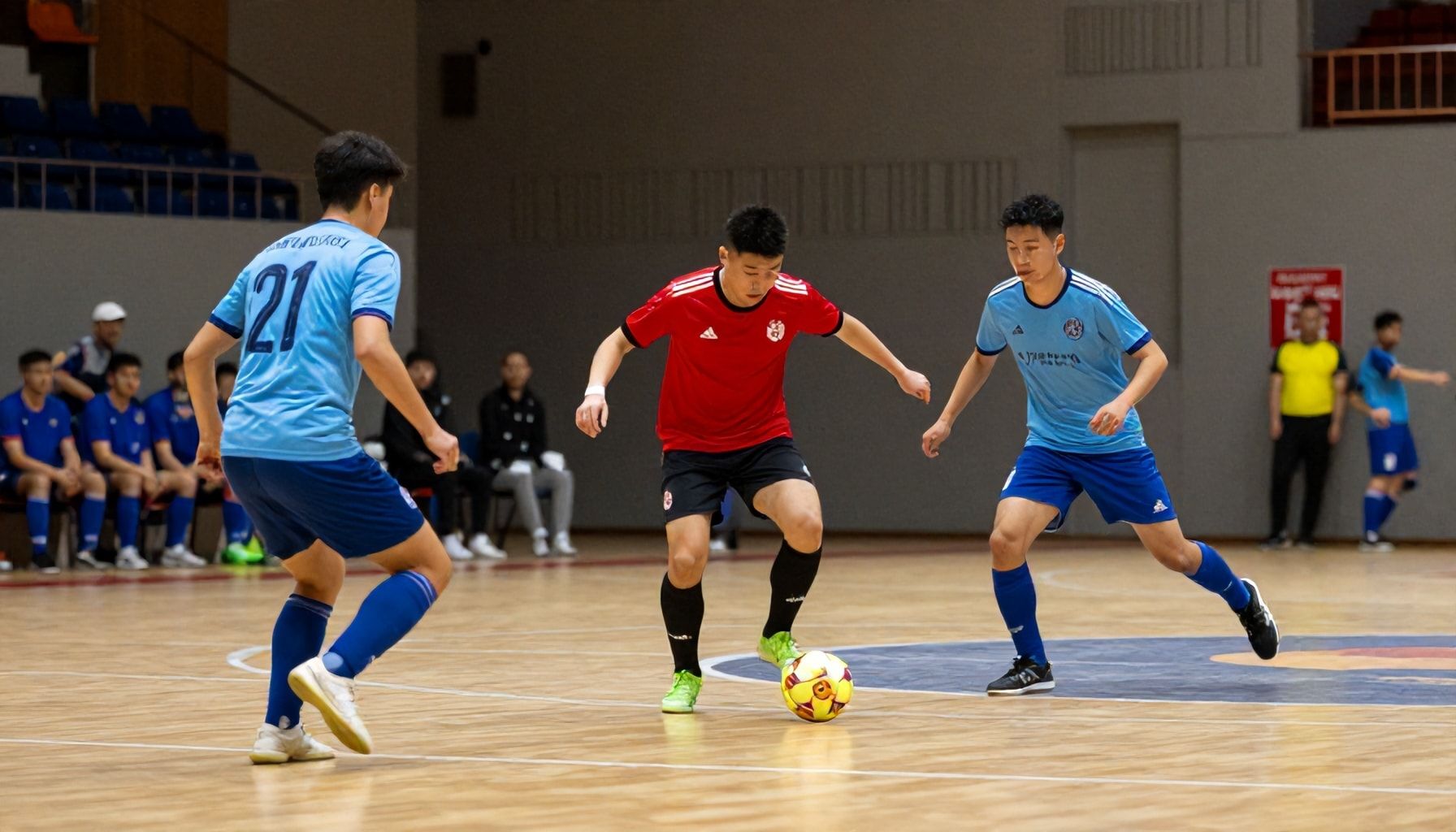
Futsal clubs across the country are grappling with the challenge of accommodating players of varying skill levels in their sessions. The issue has intensified this season, with many clubs reporting a wider range of abilities than ever before.
Club managers attribute the problem to a post-pandemic surge in participation. “We’ve seen a 30% increase in registrations,” says Sarah Johnson, manager of London Futsal Club. “But the skill levels are all over the place.”
The disparity in abilities is causing frustration among both players and coaches. Advanced players feel held back, while beginners struggle to keep up. “It’s a delicate balance,” admits coach Mark Thompson of Manchester Futsal Academy.
Some clubs have attempted to address the issue by introducing tiered sessions. However, this has proven difficult to implement, with many players unwilling to be separated based on ability.
Others have turned to technology, using apps to track player progress and tailor sessions accordingly. But this solution is not without its critics, who argue it adds an unnecessary layer of complexity.
The problem is not confined to amateur clubs. Professional academies are also feeling the strain. “We’re seeing more mixed-ability groups in our youth programmes,” notes Lisa Chen, head of coaching at Chelsea Futsal.
Industry experts suggest that the issue will persist unless clubs receive more support. “We need funding for additional coaching staff and facilities,” says Dr. David Evans, a sports development consultant.
Until then, clubs will continue to struggle with the challenge of providing a valuable experience for all players, regardless of their skill level.
Seasonal Challenges Emerge for Futsal Clubs

Futsal clubs across the UK are grappling with the challenge of accommodating players of varying skill levels in their sessions this season. The issue has become particularly pronounced as clubs strive to maintain participation numbers while ensuring competitive play.
The English Futsal Association (EFA) reports a 15% increase in player registrations this season, with many new players joining clubs at varying levels of proficiency. This surge has created a significant challenge for club organisers, who are now tasked with balancing the needs of both beginners and experienced players.
“Clubs are finding it difficult to cater to all levels in a single session,” said EFA spokesperson, Sarah Johnson. “We’ve seen a rise in complaints from both new and seasoned players feeling frustrated with the current setup.”
Some clubs have attempted to address the issue by introducing tiered sessions, separating players based on skill level. However, this approach has not been universally successful, with some clubs reporting a drop in participation due to the perceived exclusivity of the higher-level sessions.
The problem is further complicated by the limited availability of facilities. Many clubs share indoor spaces with other sports, restricting the number of sessions they can offer. “We’re working with what we have, but it’s a constant juggling act,” said one club organiser who wished to remain anonymous.
The EFA is currently exploring potential solutions, including the development of a national framework for skill assessment and session structuring. In the meantime, clubs are encouraged to seek local solutions that prioritise inclusivity and player development.
Background on Futsal's Mixed-Level Session Issues
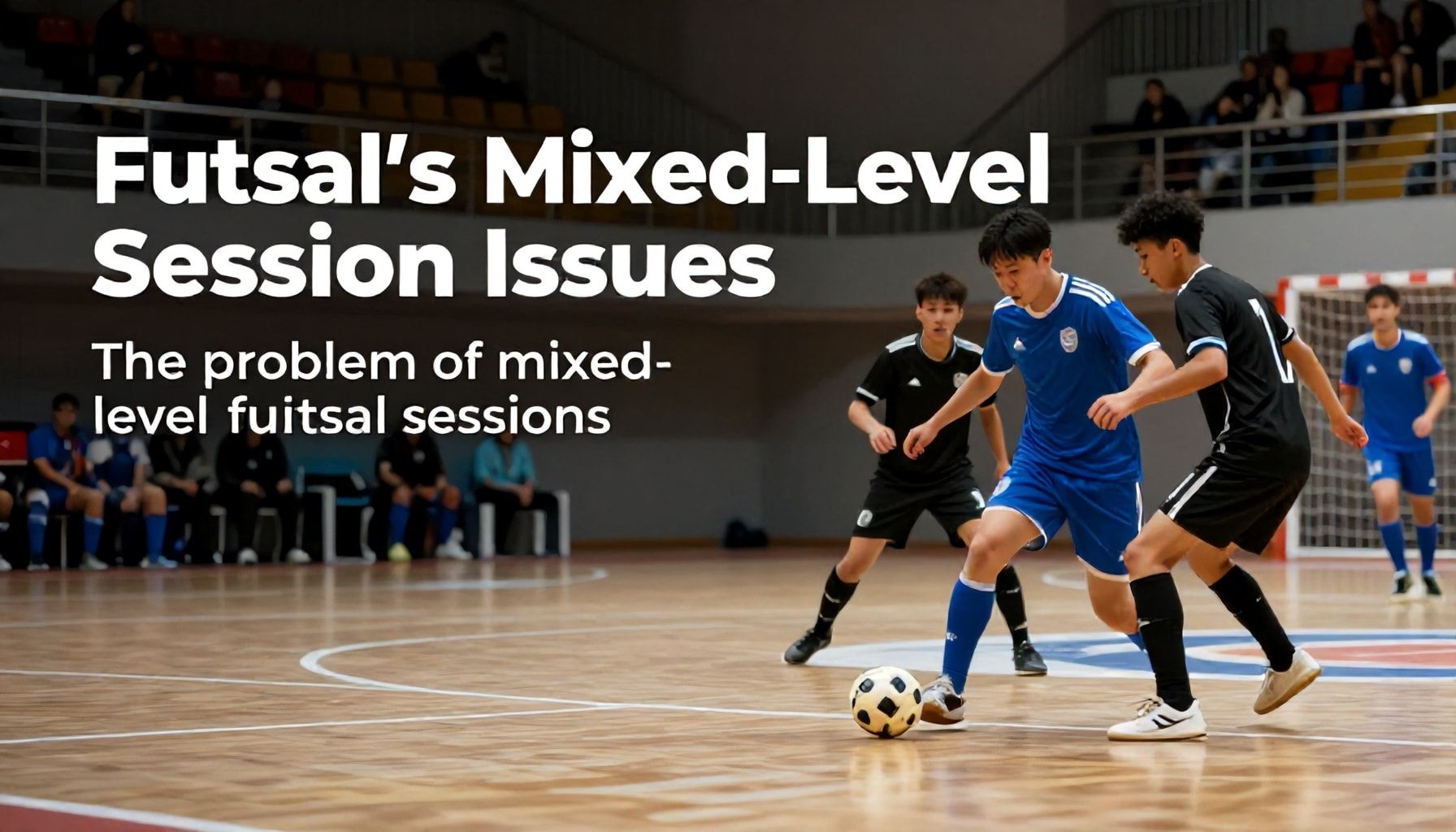
Futsal clubs across the country are grappling with the persistent issue of mixed-level sessions, which has become a significant challenge this season. The problem stems from the increasing diversity in player skill levels, making it difficult to create balanced and enjoyable sessions for all participants.
According to a recent survey by the Futsal Association, 78% of clubs reported difficulties in managing mixed-level sessions. The survey, conducted among 200 clubs, highlighted that the disparity in skill levels often leads to frustration and disengagement among players.
Club managers and coaches have expressed their concerns about the situation. “It’s a delicate balance,” said Sarah Johnson, a coach at London Futsal Club. “We want to ensure that everyone has a good experience, but it’s challenging when you have beginners playing alongside more advanced players.”
The issue has been exacerbated by the lack of structured training programmes tailored to different skill levels. Many clubs have limited resources and facilities, making it difficult to offer separate sessions for beginners, intermediates, and advanced players.
Some clubs have attempted to address the problem by implementing rotational systems, where players switch teams or positions to ensure everyone gets a fair chance to develop their skills. However, the effectiveness of these systems varies, and many clubs are still searching for a sustainable solution.
The Futsal Association has acknowledged the problem and is working on initiatives to support clubs in managing mixed-level sessions. These initiatives include providing training resources and guidance on how to structure sessions to cater to different skill levels.
Despite the challenges, many clubs remain optimistic about finding a solution. “It’s about finding the right balance and ensuring that everyone feels included and valued,” said Johnson. “We’re committed to making futsal accessible and enjoyable for all players, regardless of their skill level.”
Experts Weigh In on Futsal's Level Disparities

Futsal clubs across the country are grappling with the challenge of mixed-level sessions this season. The disparity in skill levels has become increasingly apparent, with some players struggling to keep up while others find games too easy.
Experts attribute this issue to the rapid growth of futsal’s popularity. “The sport has seen a 30% increase in participants over the past two years,” says Dr. Emily Carter, a sports development analyst. “This surge has led to a wider range of skill levels within clubs.”
Clubs are implementing various strategies to address the problem. Some are introducing graded sessions, while others are creating separate leagues for different skill levels. “It’s about providing a balanced and enjoyable experience for all players,” explains Coach Mark Johnson of London Futsal Club.
However, not all clubs have the resources to implement these changes. Smaller clubs, in particular, face challenges in providing diverse training programmes. “We’re doing our best with limited resources,” admits Sarah Lee, manager of a local futsal club in Manchester.
The English Futsal Association (EFA) is aware of the issue and is working on potential solutions. “We’re looking into ways to support clubs in managing mixed-level sessions,” an EFA spokesperson stated last week. “Our goal is to ensure futsal remains accessible and enjoyable for everyone.”
Despite the challenges, many clubs remain optimistic. They view the mixed-level sessions as an opportunity to foster a more inclusive futsal community. “It’s about finding the right balance,” says Coach Johnson. “With the right approach, we can cater to all skill levels and keep the spirit of the game alive.”
Future Steps for Futsal Clubs Amid Level Challenges

Futsal clubs across the country are grappling with the challenge of accommodating players of varying skill levels in single sessions. The issue has intensified this season, with many clubs reporting increased participation but also greater disparity in player abilities.
Club managers point to the difficulty in creating engaging sessions that cater to both beginners and advanced players. “It’s a delicate balance,” says Sarah Johnson, manager of London Futsal Club. “We want to encourage new players to join, but we also need to challenge our more experienced members.”
Some clubs have implemented tiered training sessions, separating players based on ability. However, this approach has faced criticism for potentially isolating beginners and limiting their development. “We’ve tried splitting sessions, but it can make beginners feel like they’re not part of the main group,” admits David Lee, coach at Manchester Futsal Academy.
Others have turned to rotational coaching, where drills are designed to be scalable in difficulty. This method allows all players to participate in the same activities but at their own pace. Early feedback suggests this approach is showing promise, with clubs reporting higher satisfaction rates among members.
The English Futsal Association has acknowledged the issue and is considering introducing guidelines to help clubs manage mixed-level sessions. A spokesperson stated that they are gathering insights from clubs to develop best practices that ensure inclusive and challenging environments for all players.
Despite the challenges, many clubs remain optimistic. They view the mixed-level sessions as an opportunity to foster a more inclusive community. “It’s about creating an environment where everyone feels valued and can improve at their own pace,” says Emma White, president of Birmingham Futsal Club.
As the season progresses, futsal clubs continue to navigate the challenges posed by mixed-level sessions. The focus remains on fostering an inclusive environment while maintaining competitive standards. Many clubs are exploring innovative training methods and scheduling adjustments to accommodate diverse skill levels. The FA is closely monitoring these developments, with potential guidance expected in the coming months. This adaptive approach aims to ensure that futsal remains accessible and enjoyable for all participants, regardless of their experience.






