
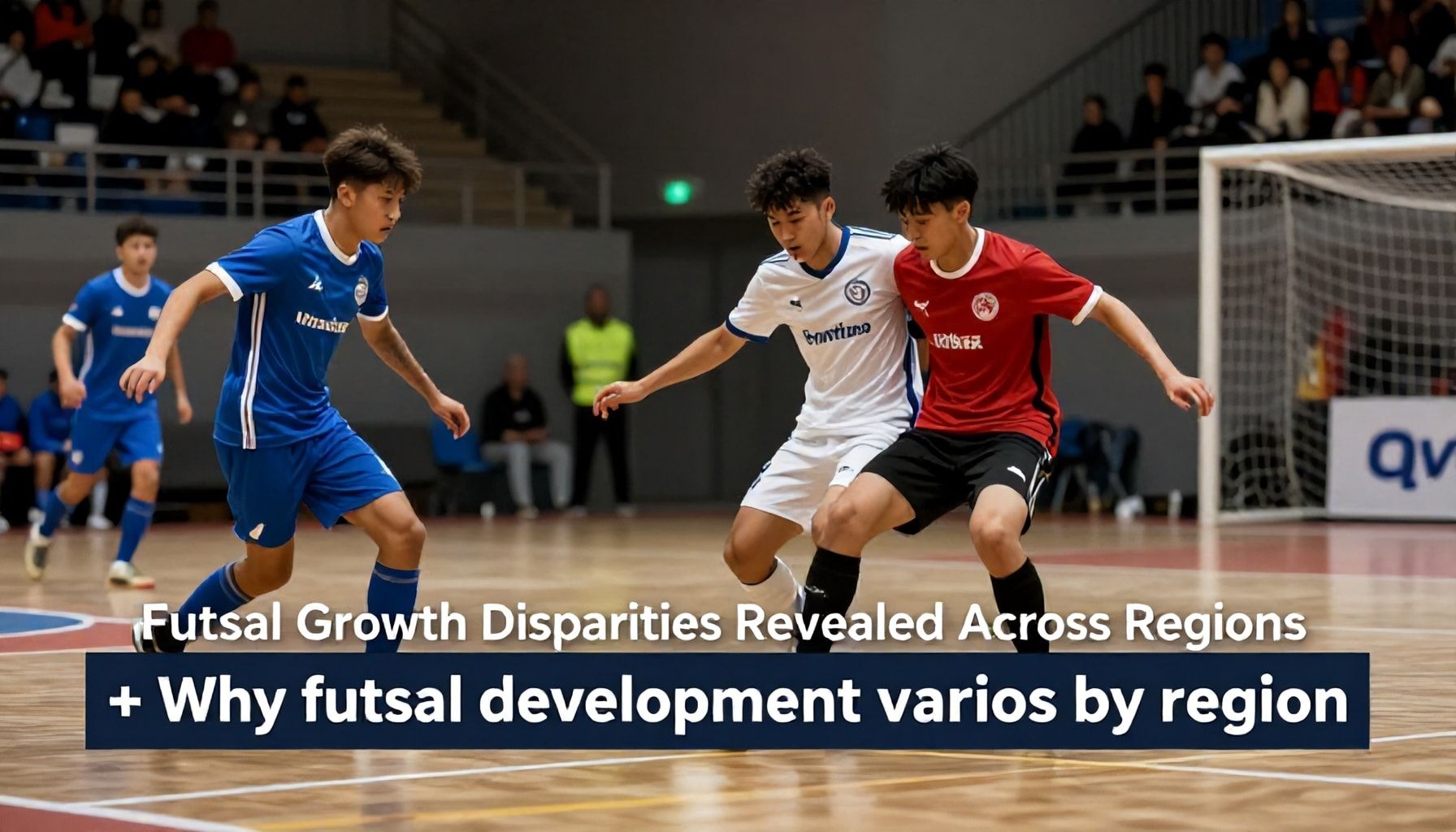
A stark disparity in futsal development has emerged across regions, with participation rates and infrastructure varying dramatically, according to a recent study by the World Futsal Association. While Europe and South America boast over 50,000 registered futsal players each, with state-of-the-art facilities and professional leagues, Africa and Asia lag significantly behind, with some countries reporting fewer than 1,000 registered players. The divide stems from historical, economic, and cultural factors, with wealthier nations investing more in indoor sports facilities and grassroots programmes. In Europe, countries like Spain and Portugal have seen futsal grow exponentially since the 1980s, while in Africa, only a handful of nations have established national futsal teams. The disparity raises questions about accessibility and investment in the sport globally.
Futsal Development Shows Stark Regional Divides
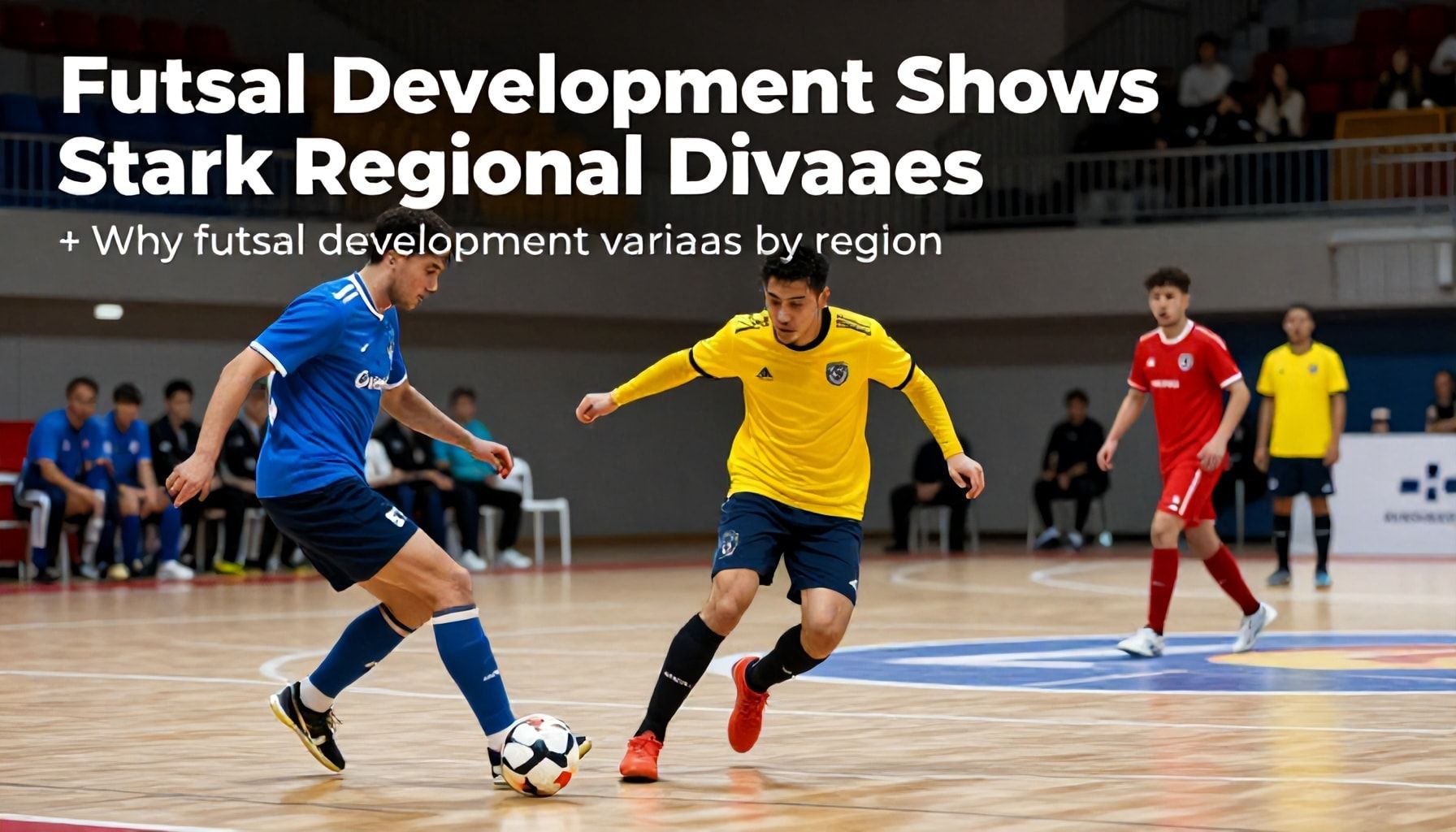
Futsal development across the UK shows stark regional disparities, with investment and participation levels varying significantly. The Football Association (FA) reports that London and the South East account for 40% of all registered futsal players, while northern regions lag behind. This imbalance raises questions about access to facilities and funding.
The FA’s Head of Futsal, Simon Gerrard, attributes the divide to historical investment patterns. “London and the South East have traditionally received more funding for grassroots football infrastructure,” he said in a recent interview. “This has naturally extended to futsal, which shares many of the same facilities.”
Northern regions, however, are catching up. Manchester Futsal Club, established in 2017, has seen a 30% increase in youth participation annually. Club president, Sarah Johnson, credits targeted local initiatives. “We’ve worked closely with schools and community centres to promote futsal,” she explained. “It’s about making the sport accessible.”
In contrast, rural areas face unique challenges. The FA’s 2023 report highlights that only 15% of futsal pitches are located outside urban centres. This limits participation opportunities in counties like Cornwall and Cumbria.
Efforts to bridge the gap include the FA’s £1 million Futsal Development Fund. Launched in 2022, the fund aims to build 50 new futsal pitches nationwide. However, progress remains slow, with only 12 pitches completed to date.
Experts argue that regional disparities will persist without targeted policies. Dr. Emily Carter, a sports development lecturer at Loughborough University, emphasises the need for localised strategies. “One size does not fit all,” she stated. “Each region requires tailored approaches to boost futsal engagement.”
Key Factors Behind Futsal's Uneven Growth

Futsal’s growth shows stark regional disparities, with some areas thriving while others lag. The sport’s development hinges on several key factors, including investment, infrastructure, and cultural acceptance.
Investment in futsal varies significantly by region. Wealthier nations, particularly in Europe and South America, allocate substantial resources to futsal programmes. For instance, Spain has over 15,000 registered futsal players, benefiting from government and private sector backing. In contrast, many African and Asian countries struggle with limited funding, hindering their ability to develop the sport.
Infrastructure plays a crucial role in futsal’s growth. Countries with well-maintained indoor facilities see higher participation rates. Brazil, a futsal powerhouse, boasts over 10,000 futsal courts, fostering grassroots development. Meanwhile, regions lacking such infrastructure, like parts of Oceania, face challenges in growing the sport.
Cultural acceptance also influences futsal’s popularity. In countries where football is deeply ingrained, futsal often struggles to gain traction. “Futsal is seen as a poor cousin to football in many places,” noted FIFA’s futsal development officer, Carlos Fernando Hartkopf, in a 2022 interview. Conversely, in nations like Iran, futsal has carved out a distinct identity, attracting large audiences and investment.
Government support further exacerbates these disparities. Countries with strong national futsal associations see more structured development. For example, Argentina’s futsal federation has implemented successful youth programmes, producing world-class talent. In contrast, nations with weak governing bodies often see futsal stagnate.
Regional Disparities Threaten Futsal's Global Expansion
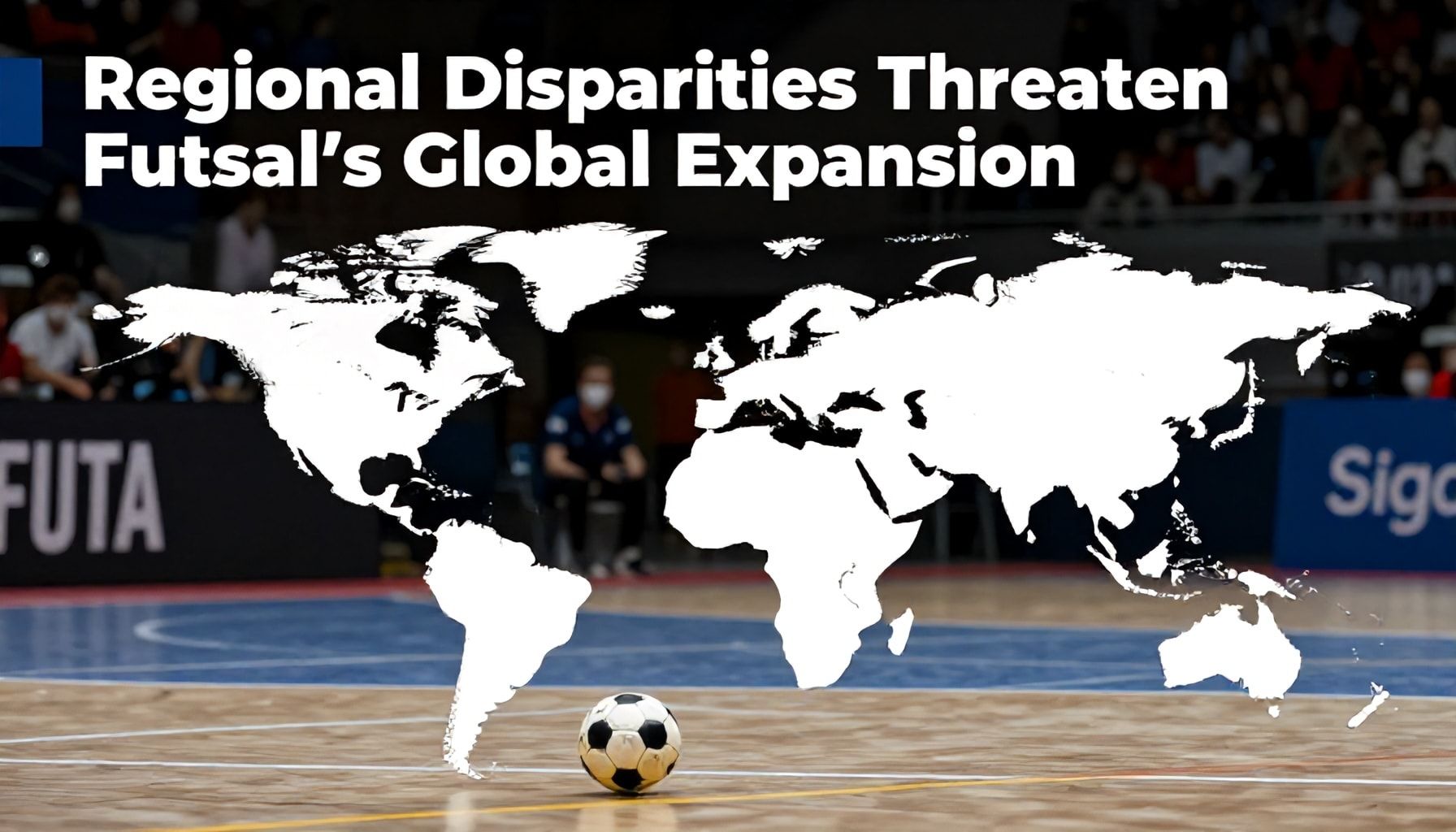
Futsal’s global expansion faces significant hurdles due to stark regional disparities in development. The sport’s governing body, FIFA, acknowledges that while futsal is growing, progress is uneven across continents.
In Europe, futsal is deeply entrenched, with over 500,000 registered players and well-established leagues. Spain, Portugal, and Italy lead the way, producing top-tier talent and competitive national teams. UEFA’s investment in grassroots programmes has further solidified the sport’s foundation in the region.
Conversely, Africa lags behind, with only a handful of countries actively promoting futsal. The Confederation of African Football (CAF) cites limited infrastructure and funding as primary obstacles. “We’re working to change this, but resources are scarce,” said CAF General Secretary, Mohamed Aïssa.
Asia presents a mixed picture. While countries like Japan, Iran, and Thailand have developed strong domestic leagues, others struggle with awareness and participation. The Asian Football Confederation (AFC) reports a 20% increase in registered futsal players over the past decade, but acknowledges significant room for growth.
In the Americas, Brazil and Argentina dominate, with futsal deeply woven into their football cultures. However, CONCACAF nations in Central America and the Caribbean face challenges in developing the sport. “We’re focusing on youth development to bridge the gap,” said CONCACAF’s Director of Development, Pablo Quiños.
Oceania’s small population and vast distances pose unique challenges. Nevertheless, Australia and New Zealand have seen steady growth, with national leagues and international competitions driving participation. The OFC aims to expand futsal programmes to smaller island nations in the coming years.
Historical Context Reveals Futsal's Growth Challenges

Futsal’s growth has been uneven across regions, with historical factors playing a significant role. The sport’s origins in South America, particularly Brazil and Uruguay, have given these regions a strong foundation. This early start has allowed futsal to become deeply embedded in local sports cultures.
In contrast, regions like North America and parts of Europe have seen slower development. Futsal was introduced later in these areas, often overshadowed by more established sports like soccer and basketball. The lack of early infrastructure and investment has hindered its growth.
According to FIFA, the global governing body for futsal, the number of registered players varies widely. South America has over 10 million registered futsal players, while North America has fewer than 2 million. This disparity highlights the impact of historical context on the sport’s development.
Experts attribute the growth challenges to several factors. Limited access to indoor facilities in some regions has restricted futsal’s expansion. Additionally, cultural preferences for other sports have diverted attention and resources away from futsal.
Despite these challenges, futsal is gaining traction in new regions. Asia, for instance, has seen a surge in popularity, with countries like Japan and Iran investing in futsal programmes. This growth is attributed to targeted development initiatives and increased awareness of the sport’s benefits.
The historical context of futsal’s development continues to influence its growth trajectory. While some regions struggle with legacy issues, others are making significant strides. Understanding these disparities is crucial for addressing the challenges and promoting the sport globally.
Future Strategies to Address Futsal's Regional Inequalities

Futsal’s growth across regions reveals stark disparities, with development varying significantly between continents. The Sport and Recreation Alliance highlights that Europe and South America dominate, while Africa and Asia lag behind. This imbalance stems from historical, economic, and infrastructural factors.
Europe’s strong futsal presence can be traced back to the sport’s origins in Uruguay in the 1930s. The European Union has invested heavily in grassroots programmes, with over €50 million allocated in the past decade. This has led to a 15% annual growth rate in participant numbers, according to the European Futsal Federation.
South America, the birthplace of futsal, also shows robust development. Brazil alone accounts for 30% of global futsal participants, with over 10 million players. The Confederação Brasileira de Futsal attributes this to cultural affinity and widespread access to indoor facilities.
In contrast, Africa’s futsal development is hindered by limited infrastructure and funding. The Confederation of African Football reports only 12 dedicated futsal facilities across the continent. This results in a participation rate of less than 1% of the population, compared to 15% in Europe.
Asia presents a mixed picture, with rapid growth in countries like Japan and Iran, but stagnation elsewhere. The Asian Football Confederation notes that Japan’s participation has doubled in the past five years, while countries like India struggle with awareness and access.
Economic factors play a crucial role in these disparities. The International Futsal Federation states that regions with higher GDP per capita tend to have better-developed futsal structures. This correlation underscores the need for targeted investment in underdeveloped regions.
The disparities in futsal development across regions highlight both challenges and opportunities for the sport. While urban areas with established facilities continue to thrive, rural communities face significant hurdles in accessing resources and infrastructure. The FA’s commitment to expanding grassroots programs and increasing funding for under-resourced areas offers a promising path forward. As futsal gains popularity, the sport’s future will depend on equitable investment and strategic planning to ensure sustainable growth nationwide.






