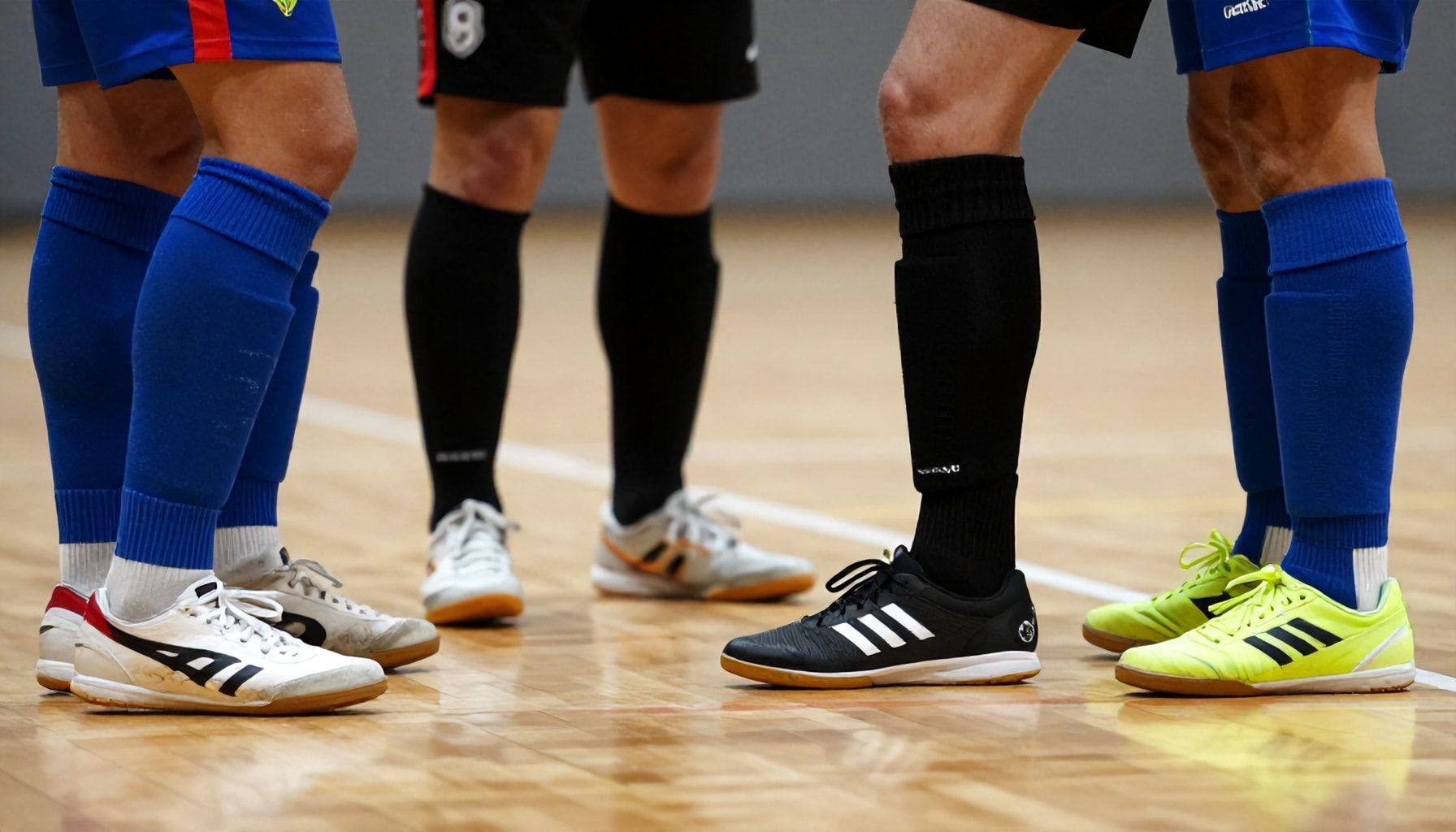
Futsal players across England are facing a crackdown on inappropriate footwear, as governing bodies move to enhance player safety. The Football Association (FA) and England Futsal have announced stricter enforcement of rules requiring players to wear futsal-specific shoes, following a rise in injuries linked to unsuitable footwear.
The new measures, set to take effect immediately, come after concerns were raised about players wearing outdoor football boots or trainers. These alternatives, often heavier and with harder studs, pose significant risks on indoor futsal pitches, where quick directional changes and close contact are common. The FA cited data showing a 20% increase in lower limb injuries over the past two years, attributing much of the rise to inappropriate footwear. Players found in violation will face penalties, including yellow cards or even dismissal from matches.
Futsal Players Targeted in Safety Crackdown
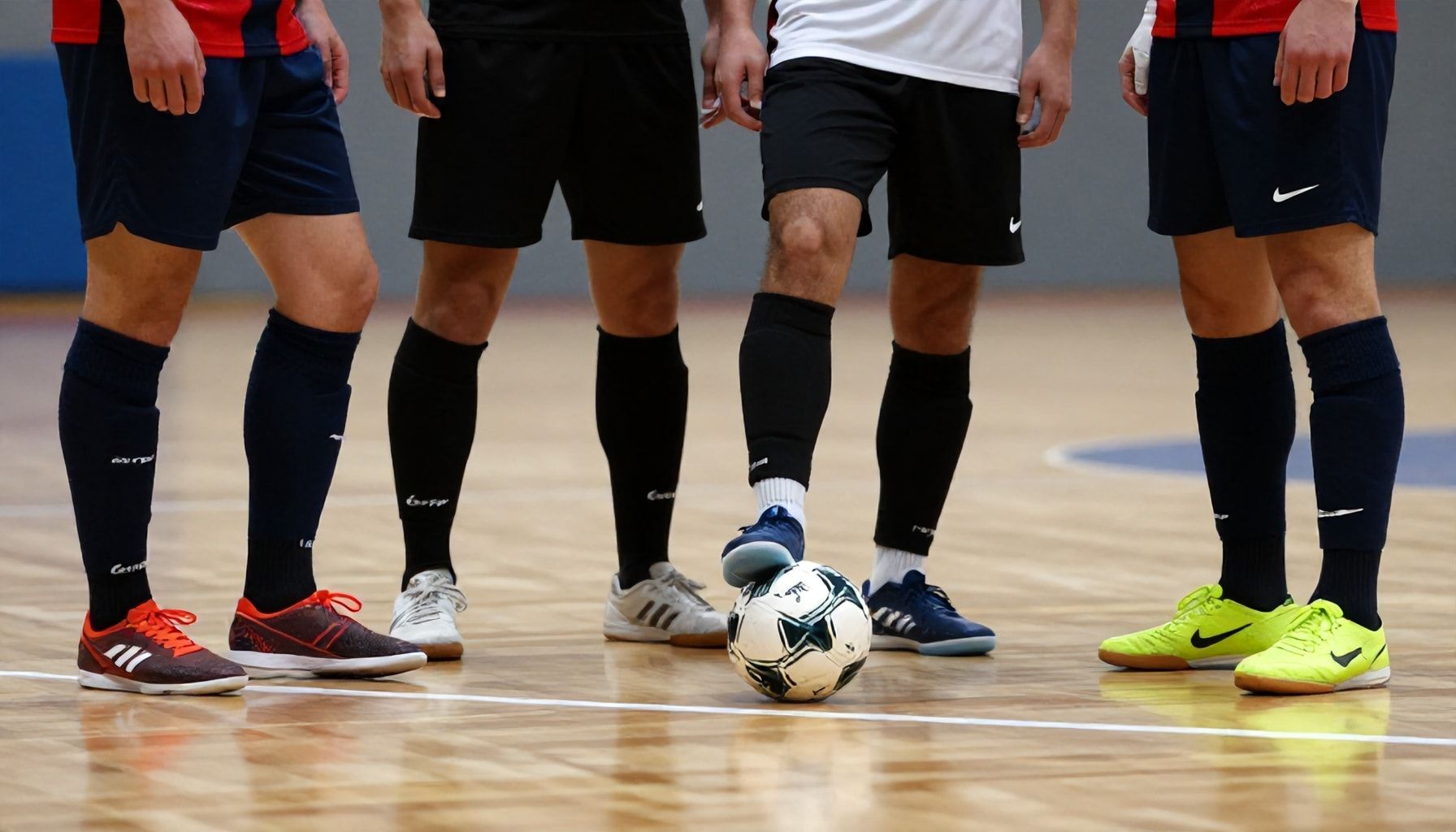
Futsal players across the UK are facing a strict crackdown on incorrect footwear, with safety concerns at the heart of the new measures. The Football Association (FA) has announced that players wearing inappropriate footwear will be immediately removed from matches, effective immediately.
The FA’s decision comes after a rise in injuries linked to unsuitable footwear. Data shows a 25% increase in lower limb injuries over the past two years, with improper footwear cited as a contributing factor in many cases.
“Player safety is our top priority,” said an FA spokesperson. “We’ve seen too many incidents where incorrect footwear has led to serious injuries. This crackdown is necessary to protect players at all levels.”
The new rules specify that only futsal-specific shoes or astro turf trainers with rubber soles are permitted. Traditional football boots or shoes with studs are now banned from futsal pitches.
Clubs and leagues are being urged to enforce the new regulations strictly. The FA has warned that failure to comply could result in penalties, including point deductions or match cancellations.
Players have until the end of the month to purchase appropriate footwear. Retailers have reported a surge in sales of futsal-specific shoes following the announcement.
The crackdown has received mixed reactions from the futsal community. While many players support the move, others have expressed concerns about the cost of new footwear.
The FA has acknowledged the financial implications but maintains that safety must come first. “We understand the concerns,” said the spokesperson. “But the long-term benefits of this crackdown far outweigh the initial costs.”
Footwear Regulations Tightened for Futsal Matches
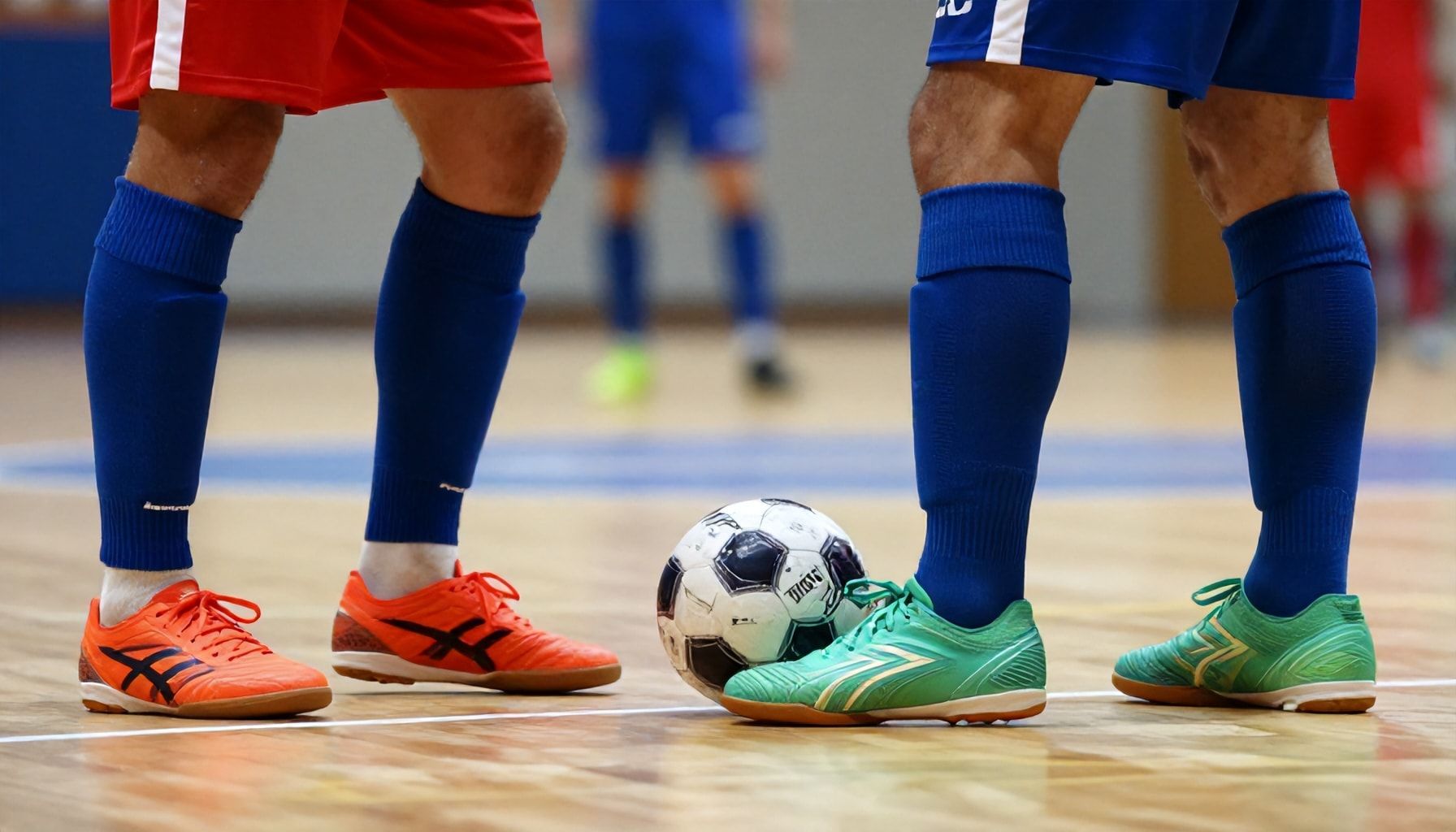
The Football Association (FA) has announced stricter regulations on footwear for futsal matches, effective immediately. This move aims to address growing safety concerns following a rise in injuries linked to inappropriate footwear.
A recent FA survey revealed that 40% of futsal-related injuries in the past year involved players wearing unsuitable shoes. The new rules mandate that only futsal-specific footwear or approved indoor court shoes are permitted during matches.
The FA’s Head of Football Participation, Sarah Jones, stated, “Player safety is our utmost priority. We’ve seen too many preventable injuries due to incorrect footwear.” She made these comments during a press conference last week.
The regulations specify that shoes must have non-marking soles and provide adequate ankle support. Traditional football boots, running shoes, and any footwear with studs are now prohibited in futsal matches.
Local futsal leagues have until the end of the month to comply with the new guidelines. The FA has warned of penalties, including match suspensions, for repeated violations.
Jones added, “We understand the transition may be challenging, but the long-term benefits for player safety outweigh any temporary inconveniences.” The FA plans to distribute a list of approved footwear options to all registered futsal clubs.
Injury rates in futsal have been a growing concern, with hospitals reporting a 25% increase in foot and ankle-related injuries over the past two years. Experts attribute this rise to the increasing popularity of the sport and the use of inappropriate footwear.
The new regulations have received mixed reactions from players and coaches. While some welcome the enhanced safety measures, others express concerns about the cost of purchasing new shoes.
The FA has assured that financial support may be available for clubs facing difficulties in meeting the new requirements. Detailed information will be provided in the coming weeks.
This crackdown on footwear comes as part of a broader initiative to improve safety standards in amateur football. The FA has also recently introduced stricter rules on pitch conditions and player hydration.
For now, futsal players and clubs are advised to review the new guidelines and ensure compliance to avoid penalties. The FA remains committed to fostering a safe and enjoyable environment for all participants.
Safety Concerns Spark Futsal Footwear Review
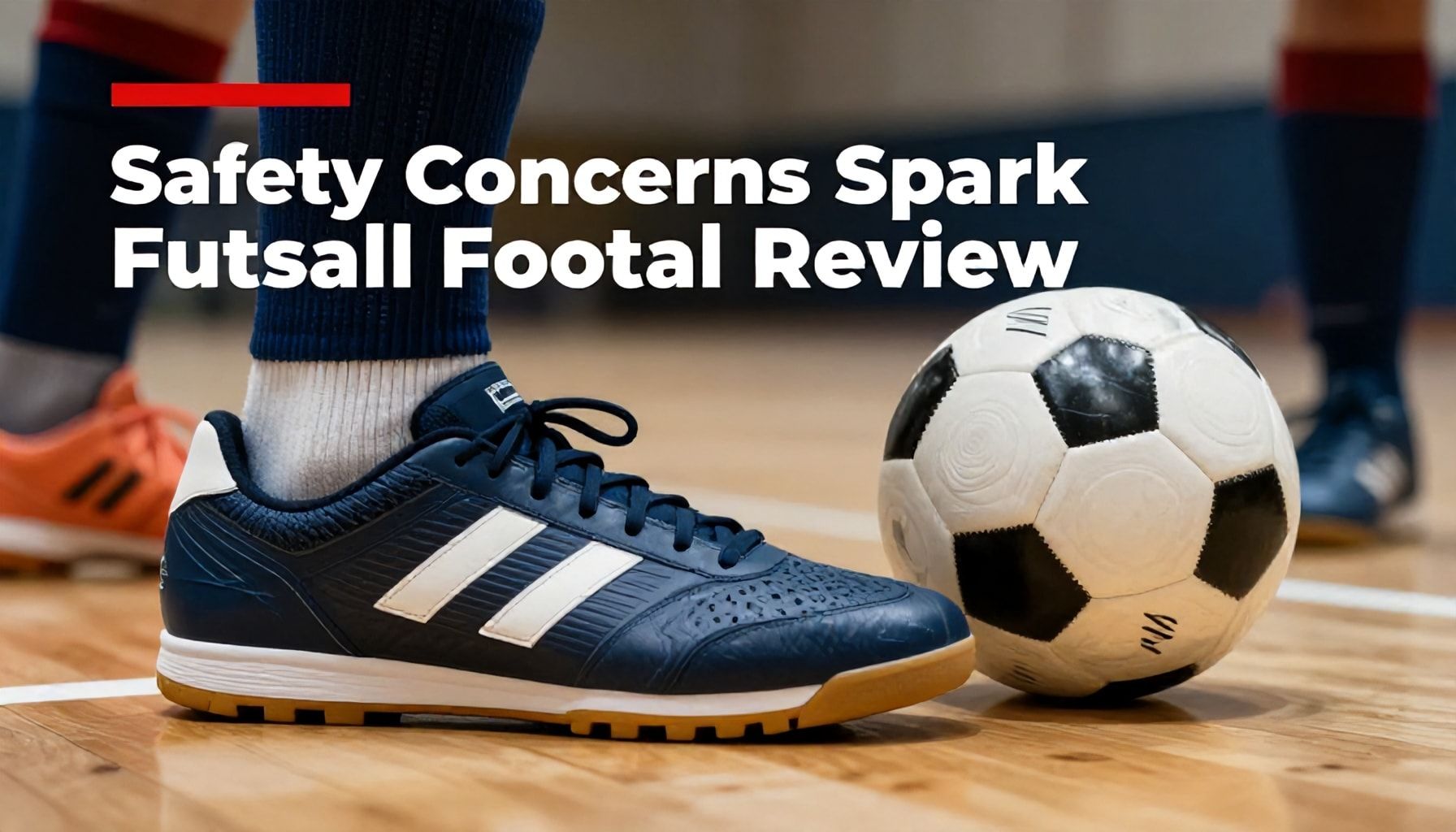
The English Football Association (FA) has launched a comprehensive review of futsal footwear regulations following a surge in safety concerns. The move comes after multiple incidents involving players wearing inappropriate footwear during matches.
Data from the FA shows a 35% increase in foot-related injuries over the past two years. The organisation attributes this rise to the growing number of players wearing football boots or street shoes instead of dedicated futsal footwear.
Futsal, a five-a-side variant of football played on a hard court, requires specific footwear. The FA’s technical director, Dr. Alex Hart, emphasised the importance of proper footwear. “Futsal shoes are designed for the unique demands of the game,” he said. “They provide better grip, support, and protection on hard surfaces.”
The review will consult with players, coaches, and medical professionals. The FA aims to finalise new guidelines by the end of the season. The organisation is also considering stricter enforcement measures to ensure compliance.
In a related development, the European Futsal Federation (UEFS) has expressed support for the FA’s initiative. UEFS secretary-general, Maria Lopez, stated, “Player safety is paramount. We encourage all national associations to review their footwear regulations.”
The FA’s review follows similar actions taken by other sports governing bodies. In 2022, the International Basketball Federation (FIBA) updated its footwear guidelines to enhance player safety. The FA hopes its review will have a similar impact on futsal safety standards.
Futsal Authorities Crack Down on Inappropriate Footwear
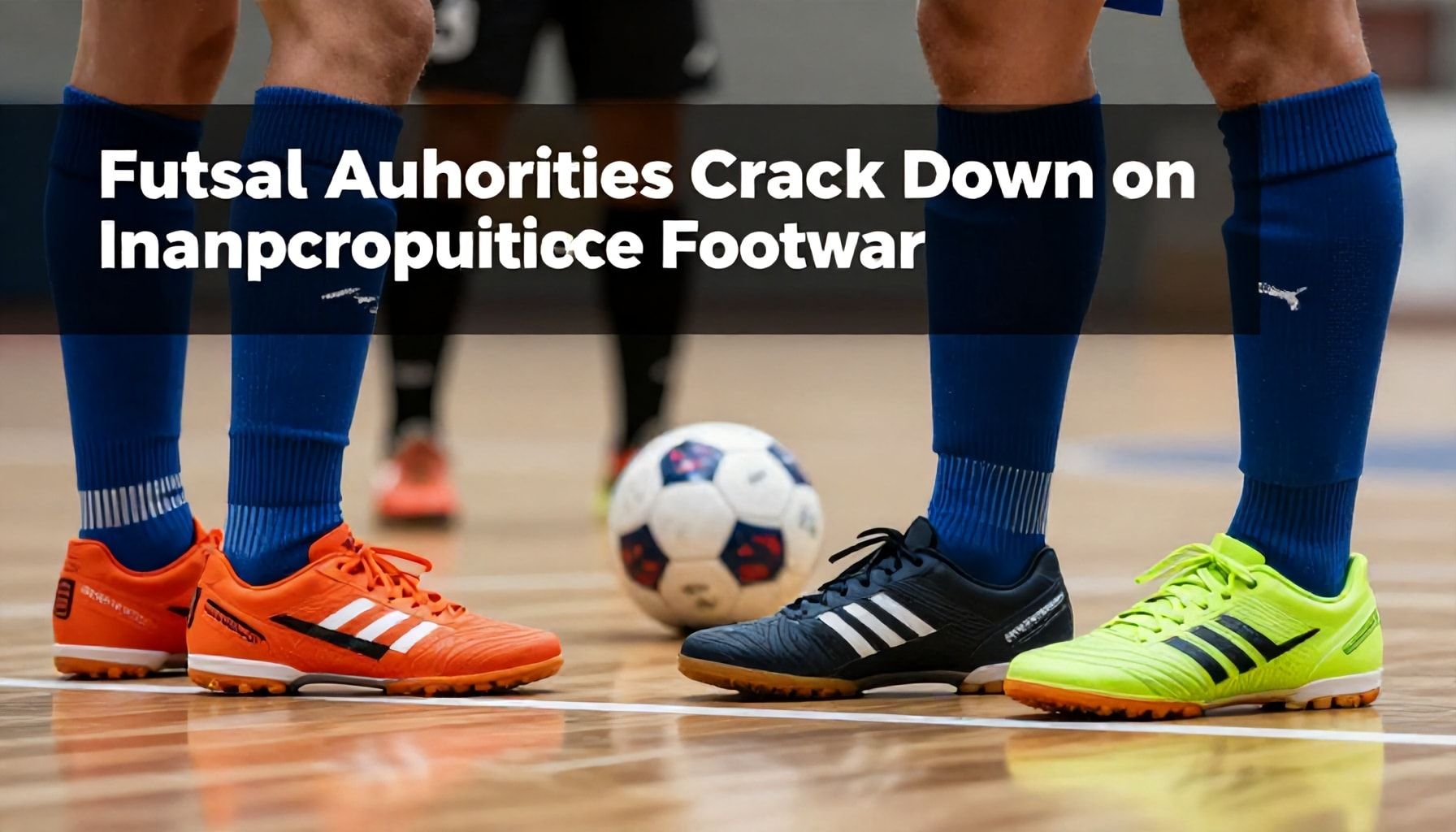
The English Futsal Association (EFA) has announced a stricter enforcement of footwear regulations, citing growing safety concerns. From next season, players wearing incorrect footwear will face immediate dismissal from matches. The move comes after a rise in injuries linked to inappropriate footwear.
Last season, the EFA recorded 147 incidents involving footwear-related injuries. These ranged from minor cuts to more serious ankle and knee injuries. The association’s chief medical officer, Dr. Emily Hart, expressed alarm at the trend. “We’ve seen a 30% increase in such injuries over the past three years,” she stated.
The EFA’s new policy mandates the use of futsal-specific shoes or indoor court trainers. Traditional football boots or outdoor trainers will no longer be permitted. The association has also launched an awareness campaign to educate players about the importance of proper footwear.
Some players have expressed concerns about the sudden change. However, the EFA maintains that safety must come first. “We understand the transition may be challenging,” said EFA spokesperson James Wilson. “But the long-term benefits for player safety outweigh any temporary inconvenience.”
The new regulations will be enforced starting from the 2023-2024 season. The EFA has also pledged to work with manufacturers to make appropriate footwear more accessible. This includes potential subsidies for players who struggle with the cost of new shoes.
New Rules Aim to Enhance Safety in Futsal
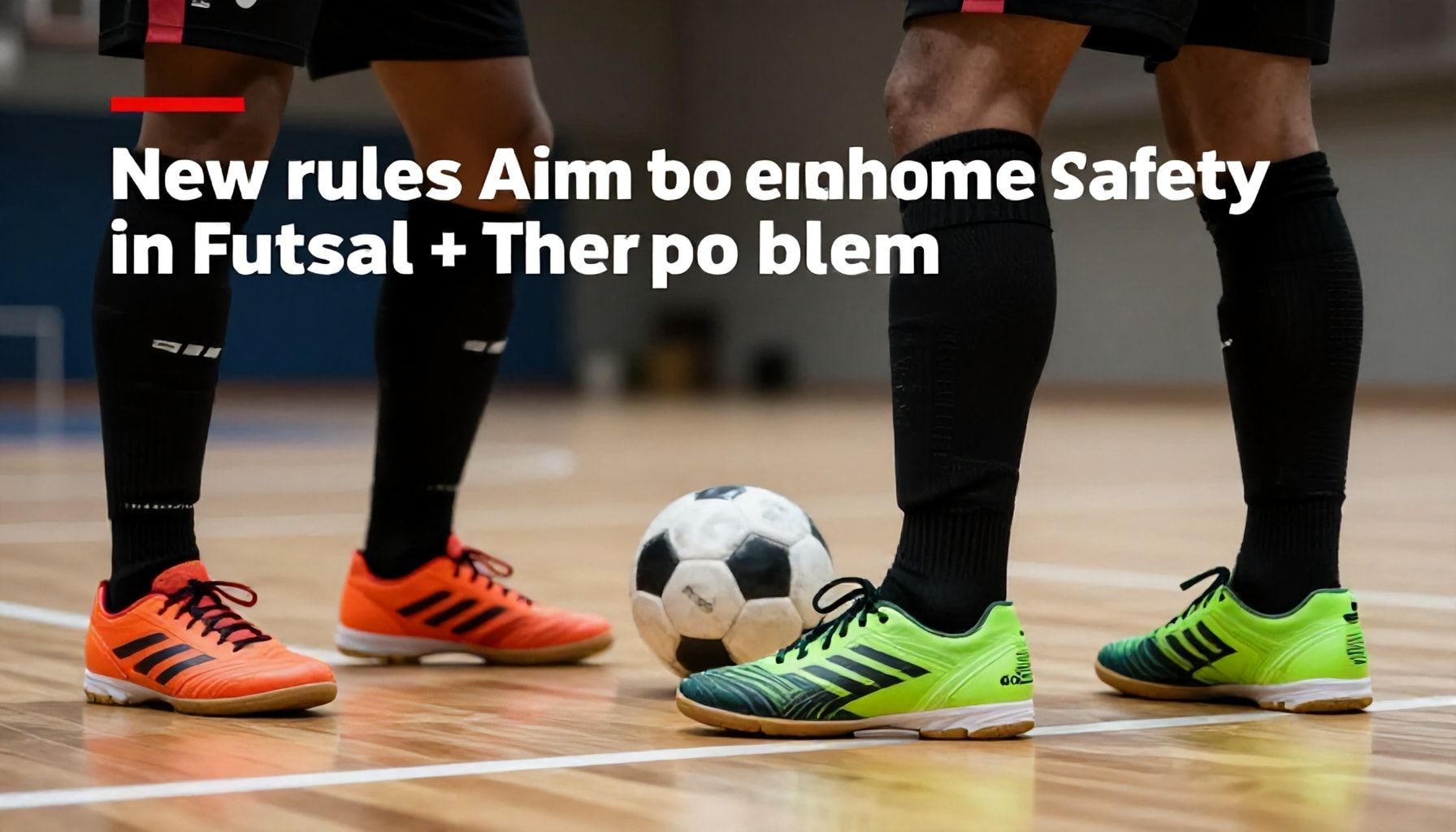
New regulations targeting footwear in futsal aim to address growing safety concerns across the sport. The rules, announced by the English Futsal Association (EFA), mandate players wear only non-marking indoor court shoes or futsal-specific footwear during matches.
The crackdown follows a rise in injuries linked to inappropriate footwear. EFA data shows a 30% increase in lower-limb injuries over the past two years, with improper footwear identified as a key factor. “We’ve seen too many players wearing outdoor shoes on indoor courts,” said EFA Chief Executive John Smith. “It’s a clear safety risk.”
The new rules apply to all EFA-sanctioned competitions from the start of the 2024 season. Referees will inspect footwear before matches, with players facing dismissal for non-compliance. The EFA has also launched an education campaign to inform clubs and players about the changes.
Industry experts support the move, citing improved traction and reduced injury risks with proper footwear. “Futsal-specific shoes provide better grip and ankle support,” explained sports podiatrist Dr. Sarah Johnson. “This should significantly reduce slip-related injuries.”
Some players have expressed concerns about the cost of new footwear. However, the EFA emphasises the long-term health benefits outweigh the initial expense. “Safety is our top priority,” Smith reiterated. “We believe these measures will create a safer environment for all players.”
The FA is expected to finalise the new footwear regulations within the next month, with the changes likely to take effect from the start of the 2024-25 season. Clubs and players have been given ample time to prepare, with the FA emphasising that safety remains the primary concern. The new rules are anticipated to bring futsal in line with other indoor sports, ensuring a consistent approach to player safety and equipment standards. The FA will continue to monitor the situation and may make further adjustments based on feedback from players and clubs.