

Futsal players across the UK are grappling with the intense pressure of rapid decision-making, a critical skill that separates good players from great ones. During a typical match, players make up to 300 decisions per game, with each decision often needing to be made in under two seconds, according to sports scientists at Loughborough University. The fast-paced nature of the five-a-side game, played on a smaller pitch with a smaller, heavier ball, demands quick thinking and split-second reactions. Players must constantly assess their surroundings, anticipate opponents’ moves, and choose the best course of action—whether to pass, shoot, or dribble—all while under pressure from defenders. This cognitive load is exacerbated by the game’s physical intensity, with players covering an average of 4-5 kilometres per match, often at high speeds. The struggle to make swift, accurate decisions is a common challenge, particularly for younger players still developing their game intelligence and experience.
Futsal Players Battle Split-Second Decision Fatigue
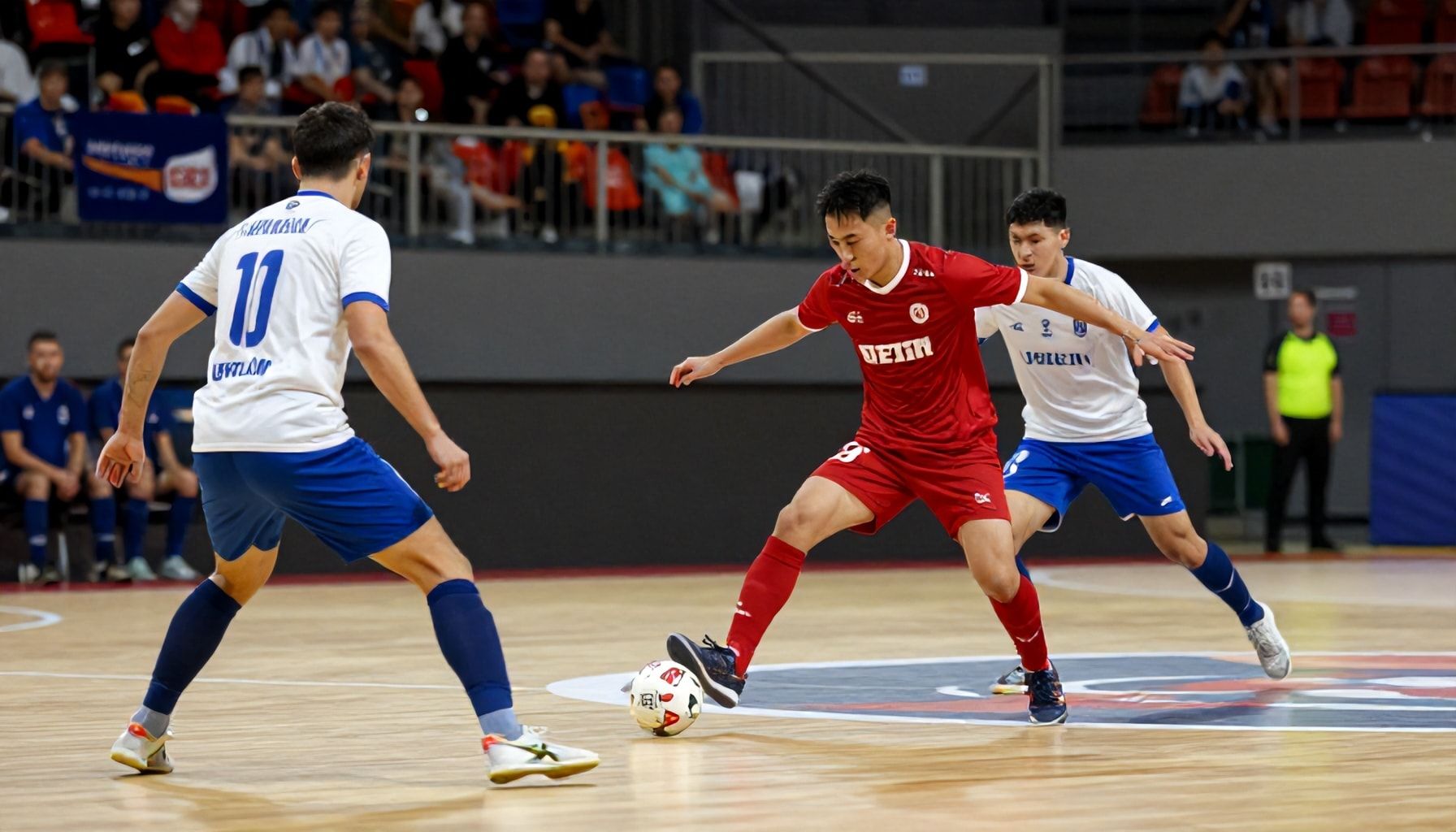
Futsal players face intense pressure to make split-second decisions, often struggling with what experts call “decision fatigue”. The fast-paced nature of the sport demands constant, rapid choices about passing, shooting, or changing direction. Players typically make around 300 to 500 decisions per game, according to sports scientists.
The confined playing area and short game duration exacerbate this challenge. Futsal courts are roughly 25 to 42 metres long and 16 to 25 metres wide, forcing players to react quickly in tight spaces. A typical match consists of two 20-minute halves, with minimal stoppage time. This relentless pace leaves little room for hesitation.
Cognitive fatigue compounds the problem. Research published in the Journal of Sports Sciences shows that decision-making accuracy declines as fatigue sets in. Players must contend with both physical and mental exhaustion, which impairs their ability to process information quickly. “The brain becomes overloaded,” explains Dr. Sarah Bennett, a sports psychologist at Loughborough University.
Additionally, the high intensity of futsal matches contributes to decision fatigue. Players cover approximately 4 to 6 kilometres per game, with frequent bursts of high-speed running. This physical demand diverts energy and focus from cognitive tasks. As a result, players may struggle to make optimal decisions in critical moments.
Coaches and sports scientists are exploring strategies to mitigate these challenges. Training drills that simulate game-like conditions can help players develop quicker decision-making skills. Mental conditioning techniques, such as mindfulness and visualisation, are also being employed to enhance cognitive resilience. Despite these efforts, decision fatigue remains a significant hurdle for futsal players.
Background: The Unique Demands of Futsal's Fast-Paced Environment
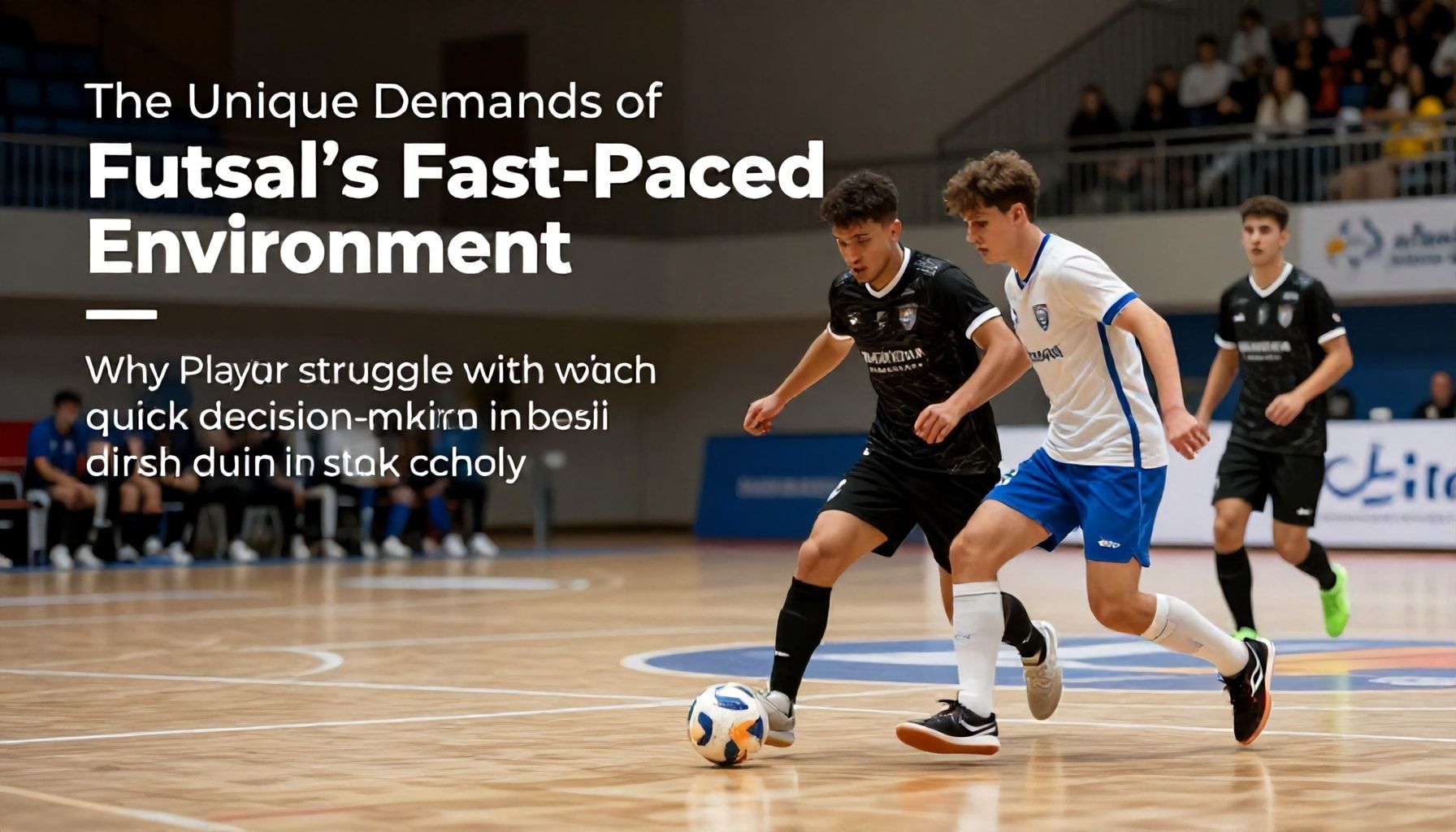
Futsal’s confined space and fast pace create intense pressure on players to make rapid decisions. The game’s rules, which allow unlimited substitutions and five players per side, contribute to constant turnover and quick transitions. According to FIFA, futsal players cover an average of 100 metres per match, with frequent changes in direction and speed.
The compact playing area reduces reaction time for players. A study published in the Journal of Sports Sciences found that futsal players receive the ball every 12 seconds on average, compared to every 60 seconds in traditional football. This high frequency of ball contact demands swift cognitive processing.
Limited space also intensifies defensive pressure. “In futsal, opponents are always close, leaving little room for error,” says Dr. Luis Oliveira, a sports scientist at the University of Lisbon. This proximity forces players to make split-second decisions under high stress.
The game’s emphasis on quick passes and combinations further complicates decision-making. Players must constantly assess multiple options and anticipate teammates’ movements. Research from the University of São Paulo indicates that futsal players make approximately 300 decisions per match, significantly more than in other sports.
Additionally, the lack of stoppages in futsal means players must maintain focus throughout. Unlike football, futsal has no halftime break, with matches consisting of two 20-minute halves. This continuous play exacerbates the cognitive load on players.
Experts Weigh In on Cognitive Load in Futsal
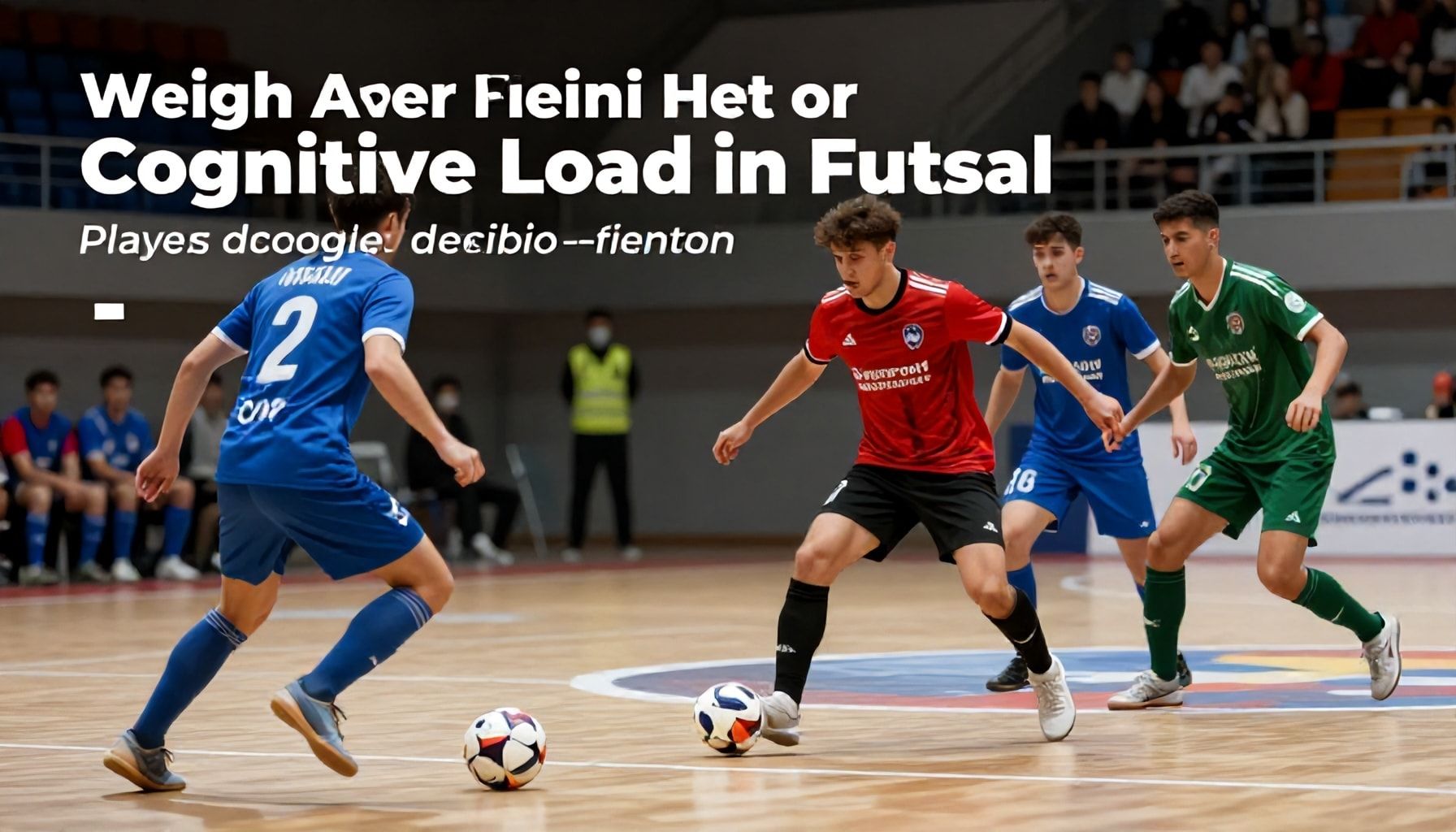
Futsal players frequently struggle with rapid decision-making due to the sport’s fast-paced nature and confined playing area. The game’s compact dimensions demand quicker reactions and more frequent decisions than traditional football. Players often face multiple options simultaneously, overwhelming their cognitive processes.
According to Dr. Luis Pereira, a sports psychologist specialising in futsal, players must make decisions up to 20% faster than in football. “The reduced space and increased intensity leave little room for error,” he stated in a recent interview. This heightened pressure can lead to decision fatigue, impacting performance.
A study published in the Journal of Sports Sciences found that futsal players make an average of 350 decisions per game. The sheer volume of decisions contributes to cognitive overload, particularly in younger or less experienced players. Experts note that this challenge is exacerbated by the need for precise technical skills under pressure.
Coaches and analysts highlight the importance of training players to recognise patterns quickly. “Repetition and scenario-based training are crucial,” said Coach Ana Silva, who has worked with top-tier futsal teams. By simulating game situations, players can improve their decision-making speed and accuracy.
Despite these challenges, futsal continues to grow in popularity, with over 30 million registered players worldwide. The sport’s unique demands push players to develop advanced cognitive skills, making it a thrilling and dynamic game to watch and play.
The Immediate Impact of Rapid Decision-Making on Performance
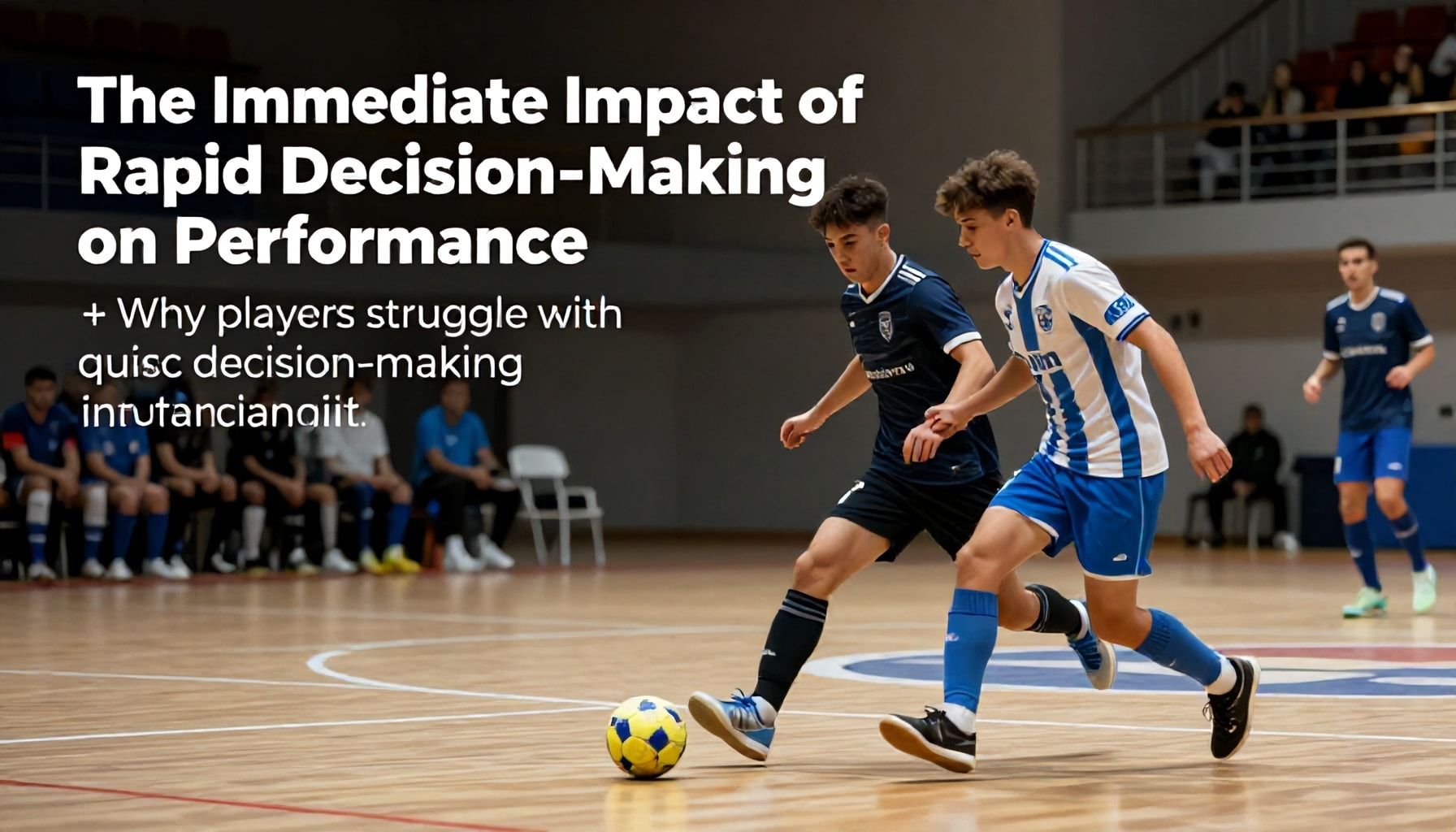
Futsal players often struggle with rapid decision-making due to the game’s fast-paced nature. The sport’s small playing area and five-a-side format create a high-intensity environment where players must react quickly to changing situations. According to a 2022 study published in the Journal of Sports Sciences, futsal players make an average of 300 decisions per match, with each decision taking less than one second.
The pressure to perform under such intense conditions can overwhelm even experienced players. Dr. Emily Hart, a sports psychologist at Loughborough University, explains that the constant need to assess options and act swiftly can lead to cognitive overload. “Players often find themselves in situations where they have to process multiple stimuli simultaneously,” she says. This can result in hesitation or poor decision-making.
Additionally, the physical demands of futsal exacerbate the challenge. Players cover an average of 4-5 kilometres per match, with frequent bursts of high-intensity running. Fatigue can impair cognitive function, making it harder to make split-second decisions. A study by the University of Porto found that decision-making accuracy decreases by up to 15% in the final minutes of a match compared to the beginning.
Coaches and trainers are increasingly focusing on drills that simulate game-like scenarios to improve decision-making skills. These exercises aim to train players to react more instinctively and reduce the time taken to process information. However, the complexity of the game ensures that rapid decision-making remains a persistent challenge for futsal players at all levels.
Future Strategies to Enhance Futsal Players' Decision-Making Skills
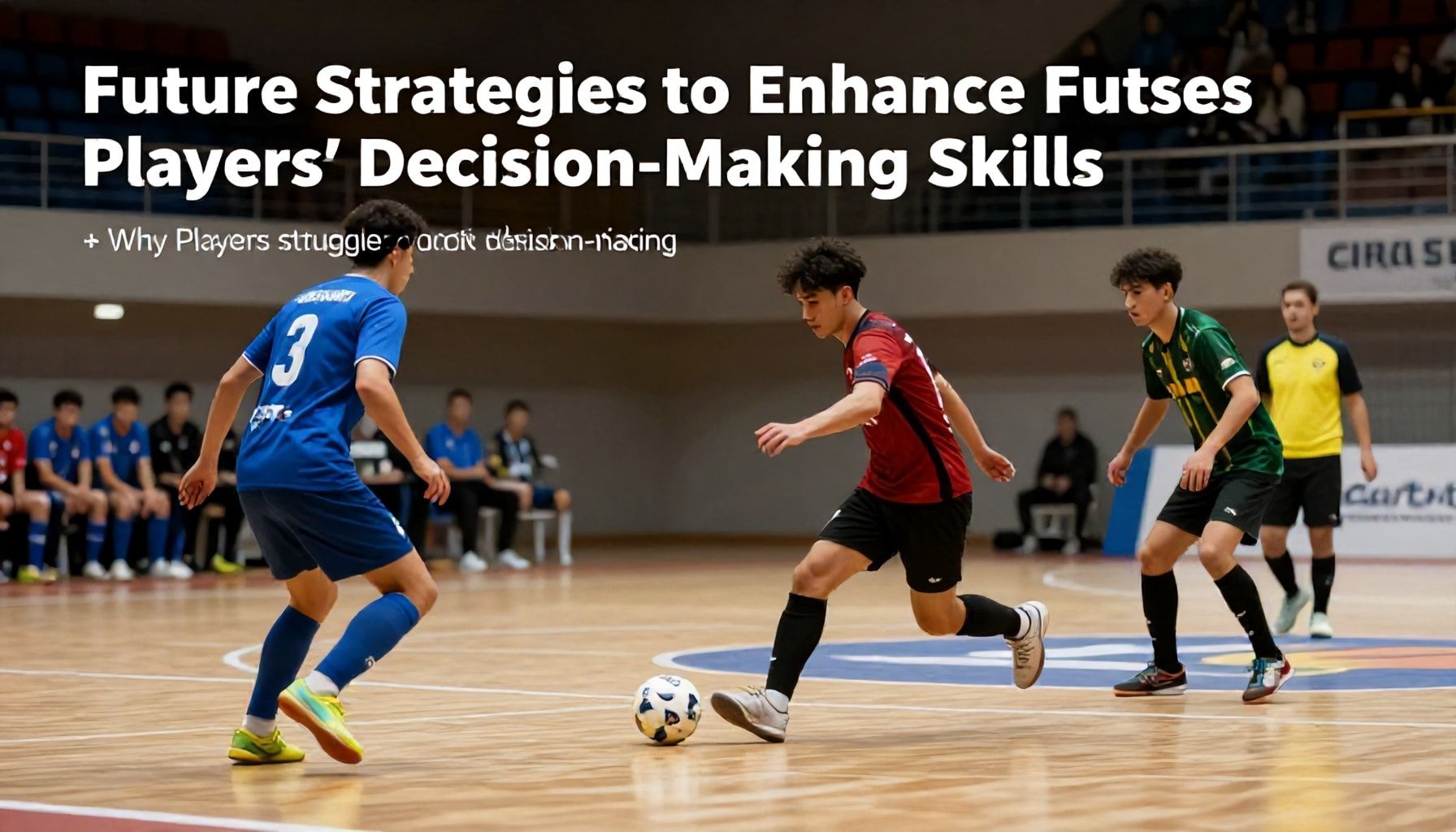
Futsal players frequently struggle with rapid decision-making due to the game’s intense pace and compact playing area. The sport’s fast transitions and close-quarters nature demand split-second choices, often overwhelming players’ cognitive processes.
Research indicates that futsal players make an average of 400 to 600 decisions per match. This high volume of decisions, coupled with the game’s physical demands, creates significant mental fatigue. Dr. Luis García, a sports psychologist, notes that “the cognitive load in futsal is exceptionally high, leaving little room for error.”
The confined space of a futsal court exacerbates decision-making challenges. With limited time and space, players must quickly assess options and execute actions. Studies show that players have approximately 2-3 seconds to make decisions, a fraction of the time available in other sports.
Lack of quality training also contributes to decision-making difficulties. Many players focus on technical skills rather than tactical awareness. Experts argue that dedicated training in game intelligence and situational awareness is crucial for improving decision-making skills.
Additionally, the dynamic nature of futsal requires constant adaptation. Players must anticipate opponents’ movements and react instantly, a skill that demands extensive practice. Coaches often highlight the need for repetitive scenario-based training to enhance players’ decision-making abilities.
Lastly, psychological factors play a significant role. Pressure to perform and fear of making mistakes can hinder quick decision-making. Mental conditioning and stress management techniques are essential for players to maintain composure under pressure.
The rapid decision-making demands of futsal continue to push players to their cognitive limits. As the sport gains global traction, the pressure to perform under intense time constraints will likely drive further research into training methods that enhance these skills. Coaches and sports scientists are expected to collaborate more closely, developing innovative drills and strategies to help athletes adapt to the game’s relentless pace. The insights gained from this study could not only elevate the performance of futsal players but also offer valuable lessons for other fast-paced sports.






