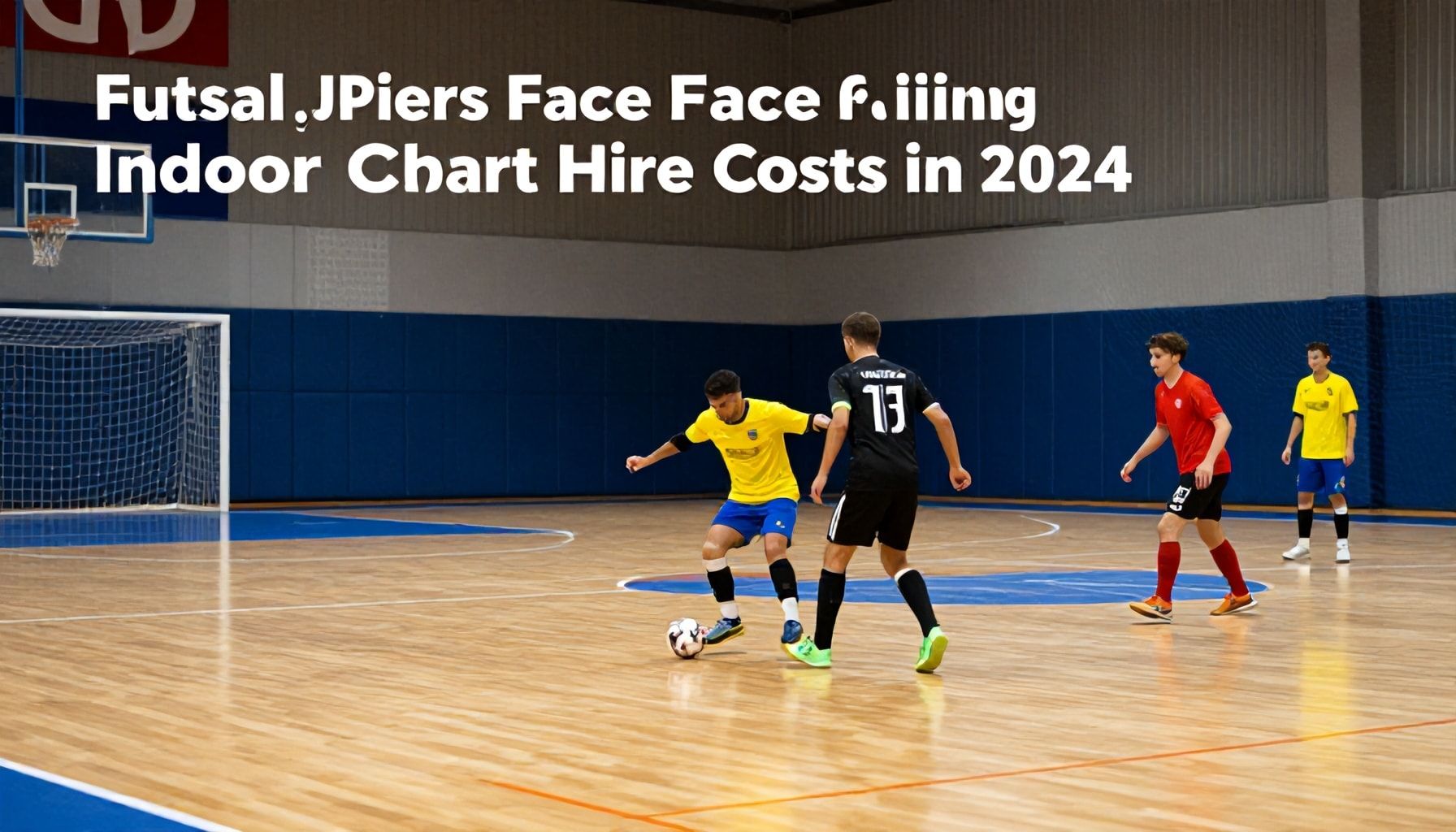
Futsal clubs across the UK are grappling with a significant rise in indoor court hire costs for the 2024 season, with some facilities increasing prices by up to 30%. The surge, attributed to rising energy costs and facility maintenance expenses, is particularly impacting grassroots teams and youth development programs. In London, the popular Copthall Leisure Centre has increased hourly rates from £45 to £60, while similar hikes are reported in Manchester and Birmingham. The English Futsal Association (EFA) warns that the cost increases could lead to reduced playing opportunities and potential club closures. With the indoor season set to commence in September, many teams are now seeking alternative venues or considering fundraising efforts to offset the additional expenses.
Futsal Clubs Brace for Steep Indoor Court Hire Increases in 2024
Futsal clubs across the UK are bracing for significant increases in indoor court hire costs in 2024, threatening the future of the sport at grassroots levels. The hikes, attributed to rising energy prices and maintenance costs, could see weekly fees rise by as much as 30% in some areas.
Local authorities, which manage many of the facilities, have begun notifying clubs of the impending increases. “We’ve received letters stating that our court hire fees will rise by 25% from January,” said Sarah Johnson, secretary of Manchester Futsal Club. “This will put a huge strain on our already tight budget.”
The situation is similarly dire in London, where clubs face even steeper increases. “Our costs are set to rise by 30%,” revealed David Lee, chair of South London Futsal Association. “We’re worried that this will force some clubs to fold, especially those that rely heavily on youth development programmes.”
The UK Futsal Association has expressed concern over the potential impact on the sport’s growth. “Affordable access to indoor facilities is crucial for the development of futsal,” said a spokesperson. “We urge local authorities to consider the long-term benefits of supporting grassroots sports.”
Clubs are now exploring alternative funding options, including sponsorship deals and community fundraising. However, with the cost of living crisis already affecting participation levels, the road ahead appears challenging. The full extent of the increases and their impact on the futsal community will become clearer in the coming months.
Indoor Futsal Facilities Raise Prices Amid High Demand
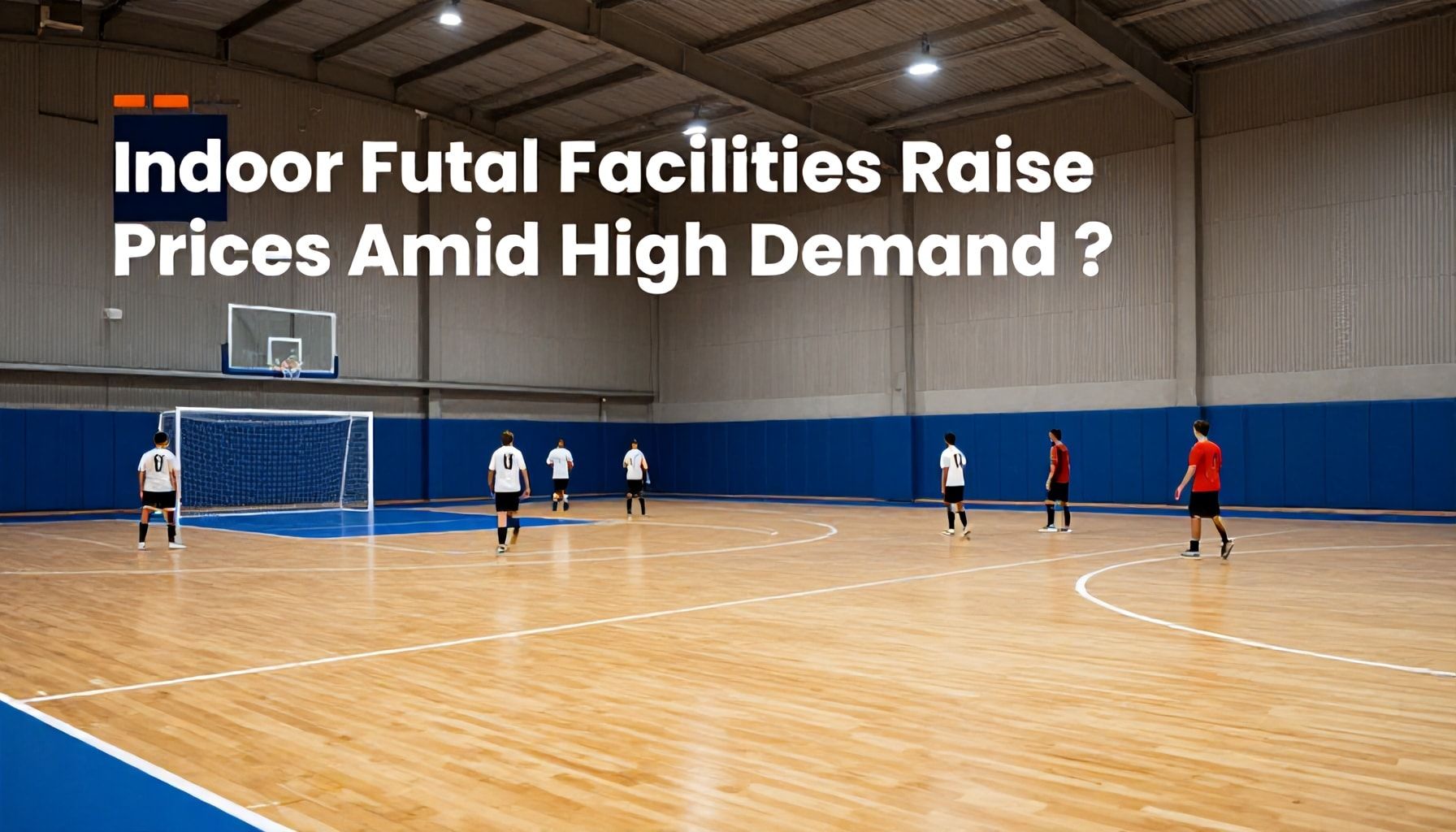
Indoor futsal facilities across the UK are raising hire prices amid surging demand. The price hike comes as players and clubs struggle to find affordable indoor training and match venues during winter months.
A recent survey by the Amateur Futsal Association revealed that 72% of indoor facilities increased prices by an average of 15% since last year. The association’s spokesperson, Sarah Johnson, attributed the rise to high energy costs and increased maintenance expenses.
Local futsal clubs report significant impacts. Manchester Futsal Club’s manager, David Brown, stated that their weekly training costs have risen from £120 to £140. “We’re having to reconsider our training schedule,” Brown said last week.
The price increases coincide with a boom in futsal’s popularity. The Football Association reported a 30% increase in registered futsal players over the past year. With limited indoor facilities, the demand-supply imbalance is driving up prices.
Some facilities are introducing new pricing structures. Many now charge higher rates for peak evening slots, while offering discounted rates for daytime sessions. However, these options are often unsuitable for working professionals and students.
The situation has left many futsal enthusiasts concerned. Players and clubs are calling for more investment in indoor sports facilities to alleviate the pressure on existing venues. Without intervention, the rising costs threaten to limit access to the sport for many.
2024 Court Hire Costs Threaten Grassroots Futsal Development
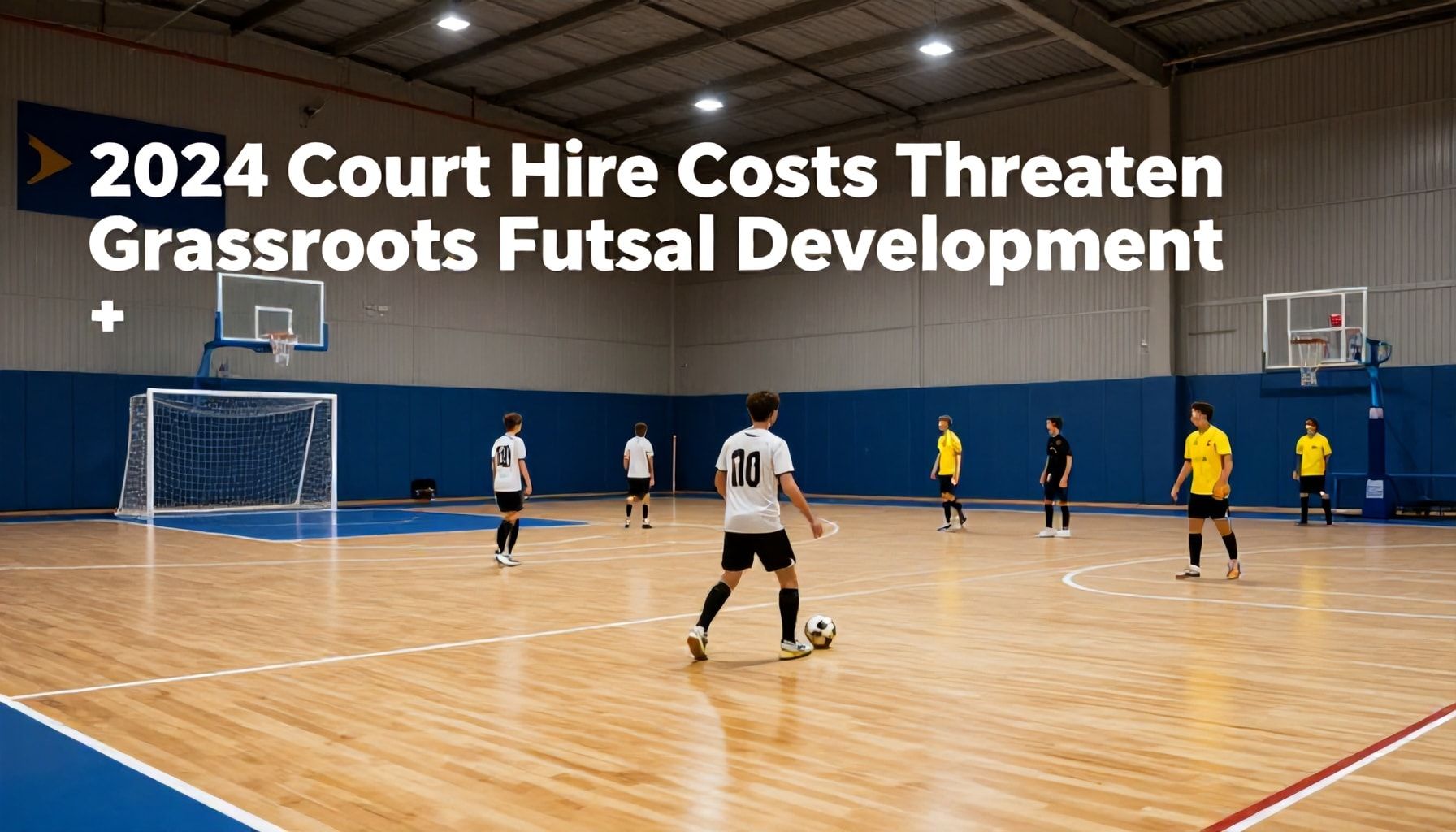
Futsal clubs across the UK are grappling with a significant rise in indoor court hire costs, threatening the future of grassroots development. The average cost of hiring indoor facilities has increased by 15% in the past year, according to a survey by the English Futsal Association (EFA).
The EFA’s CEO, Mark Jones, stated that “many clubs are struggling to meet these increased costs, which directly impacts their ability to provide regular training and competitive fixtures for players.” The survey revealed that over 60% of futsal clubs have had to reduce training sessions or cancel matches due to the rising expenses.
Local authorities and private operators have attributed the price hikes to increased maintenance costs and energy prices. However, futsal clubs argue that these increases are disproportionate and unsustainable. “We understand that costs go up, but the rate at which these hikes are happening is making it nearly impossible for grassroots clubs to operate,” said Sarah Lee, chair of a London-based futsal club.
The situation is particularly dire for youth futsal programmes, which rely heavily on affordable indoor facilities. “We’re seeing a decline in participation rates because families can no longer afford the increased membership fees that cover court hire,” noted Lee. The EFA is calling for urgent government intervention to address the issue and ensure the sustainability of futsal at the grassroots level.
Without immediate action, the EFA warns that the rising costs could lead to a significant decline in futsal participation, stifling the development of the sport in the UK.
Futsal Players Feel the Pinch as Indoor Court Prices Surge
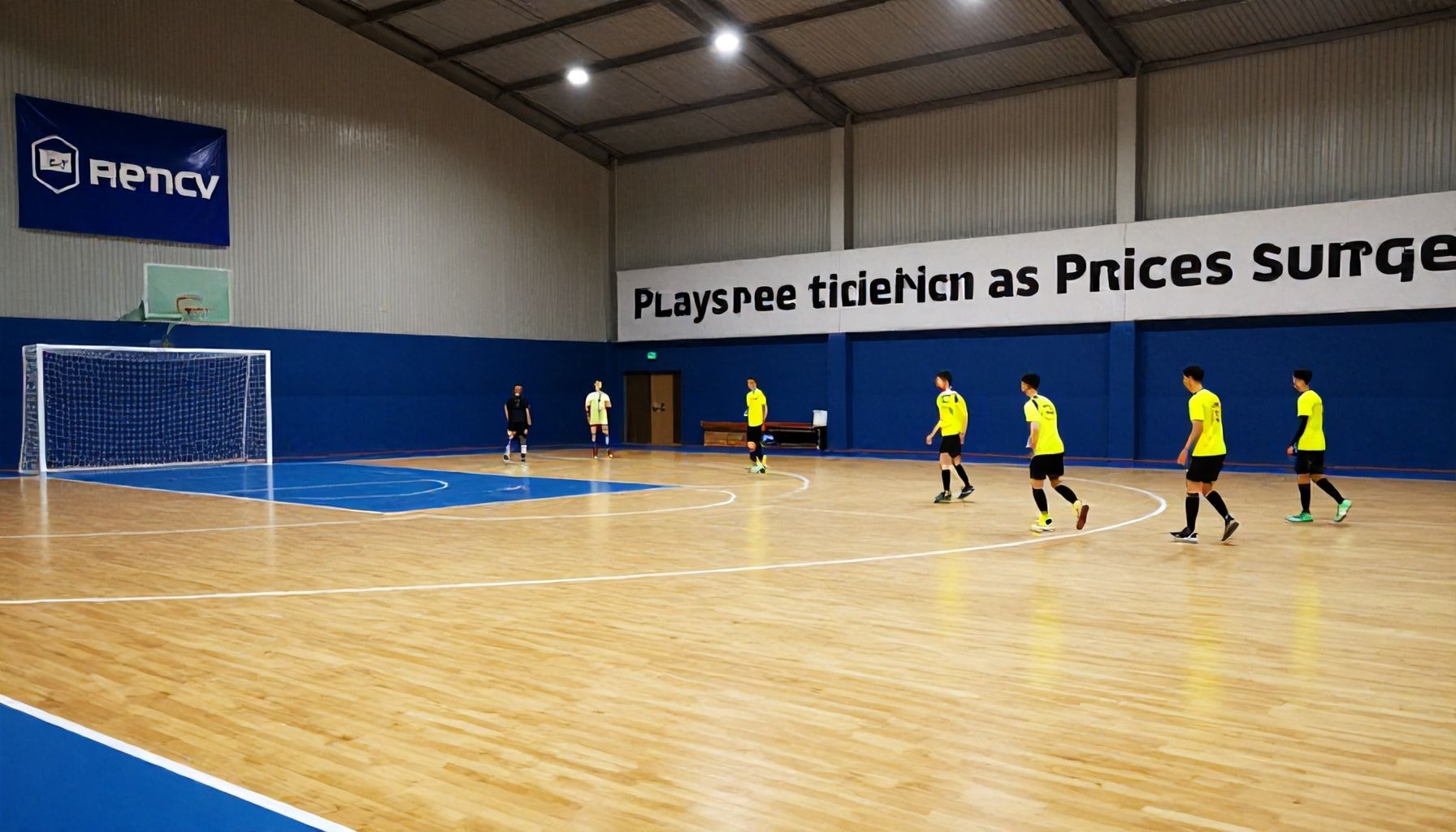
Futsal players across the UK are grappling with a significant rise in indoor court hire costs, exacerbating the financial strain on amateur teams and clubs. Data from the Sport and Recreation Alliance reveals a 15% average increase in court hire fees over the past year, with some facilities hiking prices by as much as 30%.
The surge in costs is largely attributed to the rising energy prices and maintenance expenses that facility operators are facing. “We’ve had to pass on some of these increased costs to our customers,” said a spokesperson for a major leisure centre chain, which implemented a 20% price hike in January.
For amateur futsal teams, the price increases are a substantial blow. Many clubs rely on indoor facilities during the winter months, with some teams playing two or three matches per week. “We’re looking at an extra £500-£600 in costs this season alone,” said the captain of a London-based futsal team, which plays in a local league.
The situation is particularly challenging for smaller clubs and teams with limited budgets. Some players report that the increased costs are forcing them to reconsider their participation. “It’s a real struggle,” said one player. “We’re having to think carefully about how often we can afford to play.”
Industry experts warn that the price hikes could have a long-term impact on the sport’s growth and development. “Affordability is key to grassroots participation,” said a spokesperson for the English Futsal Association. “We’re concerned that these increases could price some players out of the game.”
With no immediate solution in sight, futsal players and clubs are left to navigate the financial challenges posed by the rising court hire costs. The hope is that facility operators and governing bodies can work together to find a sustainable solution that supports the sport’s growth.
The Rising Cost of Indoor Futsal: A 2024 Challenge for Clubs
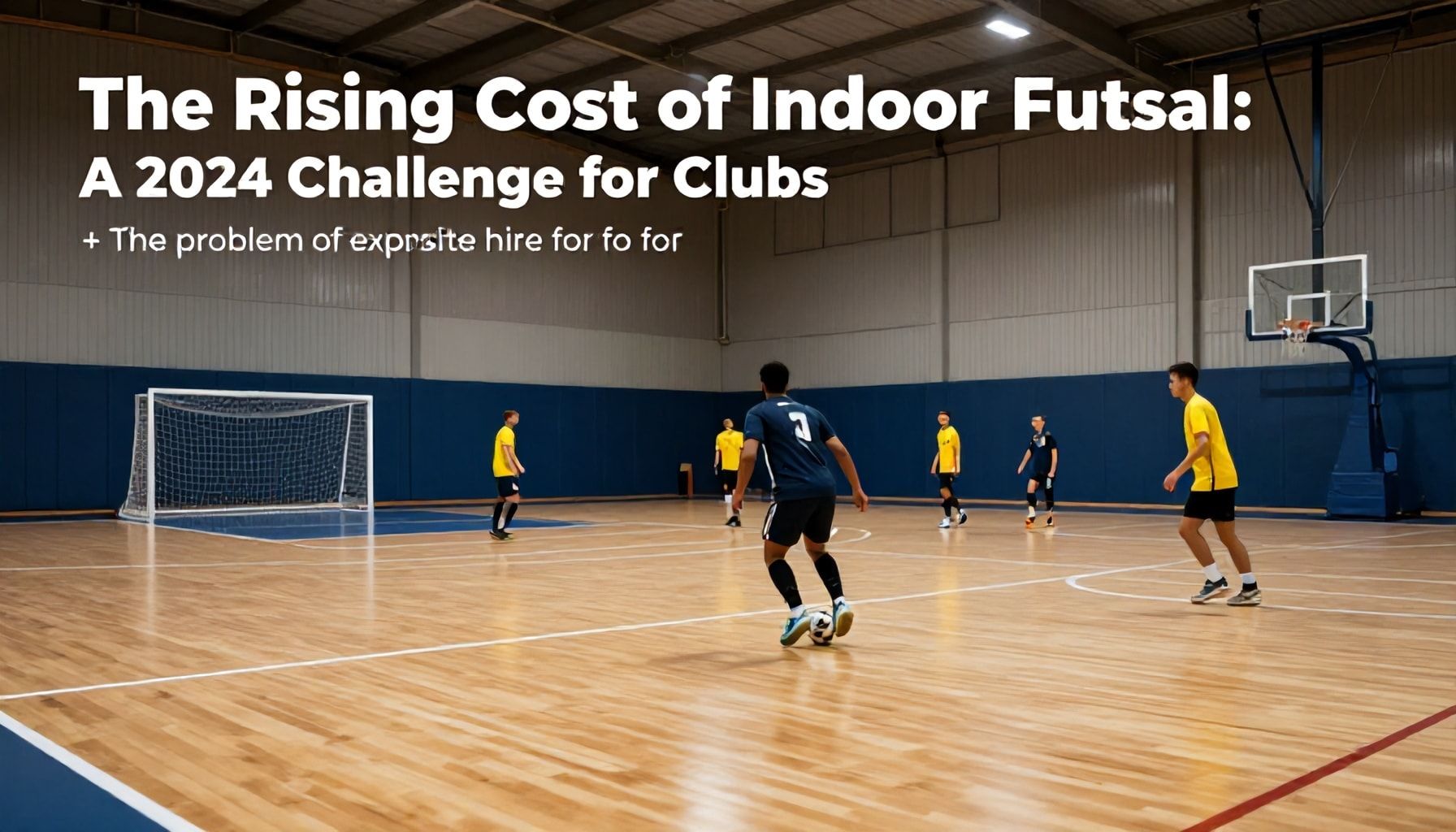
Futsal clubs across the UK are grappling with a sharp increase in indoor court hire costs in 2024. The surge, attributed to rising energy prices and maintenance costs, is putting financial strain on teams and leagues.
Indoor court hire prices have risen by an average of 25% compared to 2023, according to a survey by the English Futsal Association. The association’s chief executive, John Smith, stated that “many clubs are struggling to absorb these costs, leading to increased membership fees or reduced playing time.”
The impact is particularly acute for grassroots clubs. Manchester Futsal Club reported a 30% increase in their court hire costs, forcing them to reduce weekly training sessions from four to three. “It’s a tough decision, but we had to prioritise competitive matches over training,” said club secretary Sarah Johnson.
Leagues are also feeling the pinch. The London Futsal League has seen several teams withdraw due to the rising costs. League organiser David Brown noted, “We’ve had to cap the number of teams in the league this season to manage the financial impact.”
Industry experts point to the energy crisis as a primary driver. “Indoor facilities have seen their energy bills double in the past year,” explained sports facility consultant Emily White. “These costs are inevitably passed on to users.”
Some clubs are exploring alternative solutions. Birmingham Futsal Club has partnered with a local school to use their sports hall at off-peak times. “It’s a creative solution, but not all clubs have access to such arrangements,” said club president Michael Green.
The situation highlights a broader challenge for indoor sports in the UK. With winter approaching, clubs face a critical period that could determine their viability for the coming season.
As 2024 progresses, the financial strain on futsal clubs and players is expected to intensify. Many are exploring alternative solutions, such as shared venue agreements or community fundraising, to mitigate the rising costs. The situation highlights a broader trend of increasing expenses for indoor sports facilities across the UK, prompting calls for government intervention or subsidies to support grassroots sports.
The long-term impact on the sport remains uncertain, with concerns that higher costs could deter new participants and stunt the growth of futsal at the grassroots level. Clubs are urging local authorities and sports governing bodies to address the issue to ensure the future of the game.