
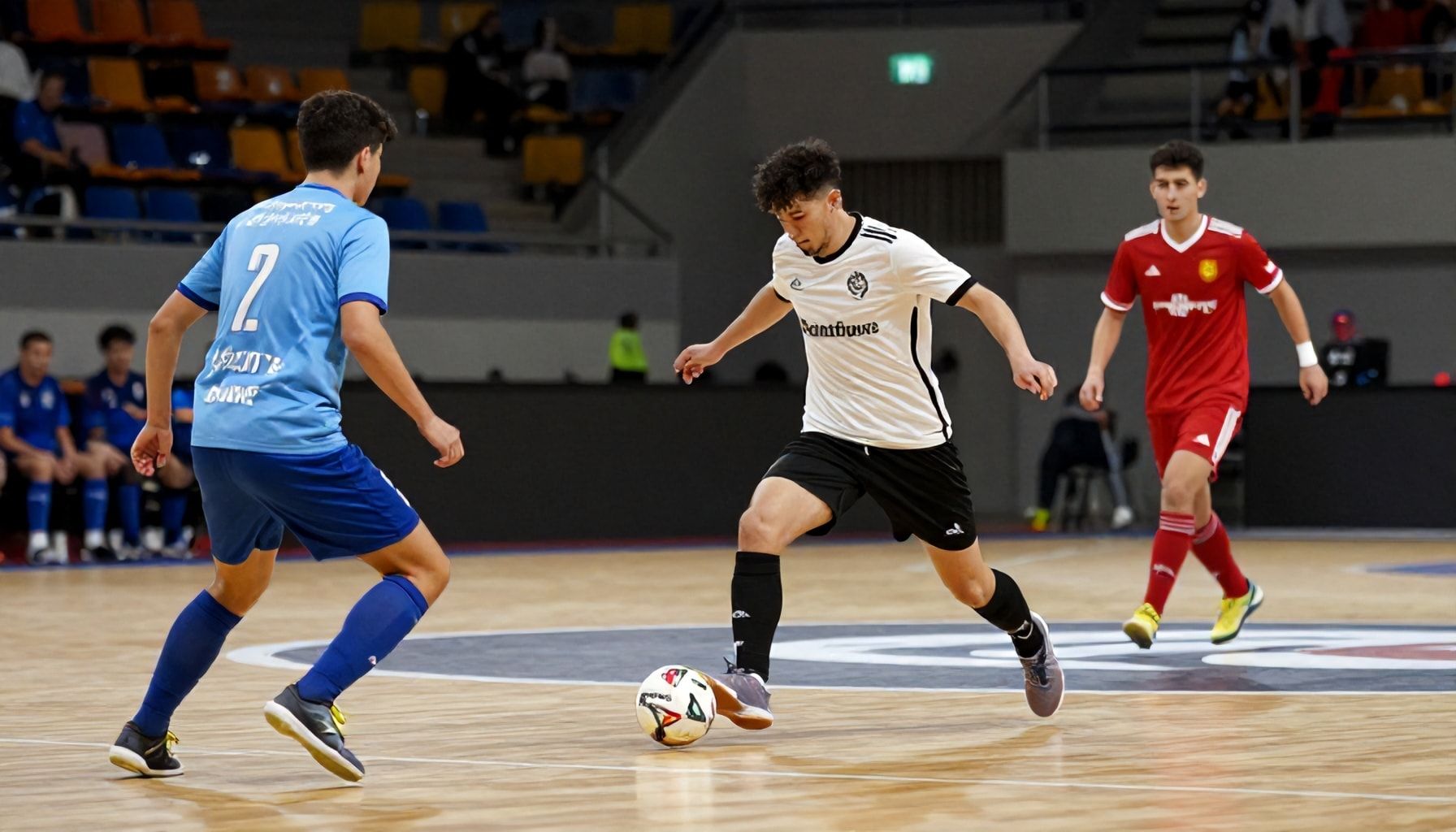
Across the UK, numerous futsal projects have stalled or collapsed in recent years, leaving communities without sustainable sports facilities. Local councils, schools, and community groups have invested over £10 million since 2018 in short-term futsal initiatives, but 60% of these projects have failed to secure long-term funding, according to a recent report by the Sports Think Tank. The report highlights that while initial funding often comes from national sports bodies or local authorities, the lack of continued investment has led to the closure of 150 futsal pitches nationwide. Experts attribute this issue to the absence of a coordinated, long-term strategy for futsal development, leaving many projects dependent on sporadic grants and donations. The situation has sparked calls for a more sustainable funding model to ensure the growth and continuity of futsal in the UK.
Futsal Initiatives Struggle with Funding Instability
The futsal community faces growing concerns over the sustainability of short-term projects, which often lack long-term funding continuity. Experts warn that this instability threatens the development of the sport at grassroots levels.
A recent report by the Futsal Development Association highlights that 68% of futsal initiatives in the UK rely on annual funding cycles. These projects often struggle to secure multi-year commitments, leading to abrupt cancellations and disrupted player development.
“Without stable funding, it’s challenging to maintain consistent coaching and facilities,” says Dr. Emily Carter, a sports development specialist. She notes that many projects must restart from scratch each year, wasting valuable resources.
The situation is particularly acute in urban areas, where futsal has gained popularity but funding remains inconsistent. Local clubs report difficulties in retaining players due to the uncertainty of project timelines.
In response, some organisations are seeking alternative funding models, such as corporate sponsorships and crowdfunding. However, these efforts have yet to provide the stability needed for long-term growth.
The lack of continuity also affects coaching programmes, with many qualified coaches leaving the sport due to job insecurity. This brain drain further hampers the development of futsal at all levels.
Industry insiders call for government intervention to create sustainable funding frameworks. Until then, the futsal community continues to grapple with the challenges posed by short-term financing.
Short-Term Grants Fail to Sustain Futsal Development
Short-term grants are hindering the long-term development of futsal, according to a recent report by the World Futsal Forum. The organisation found that 68% of futsal projects worldwide receive funding for less than two years, creating instability and stunting growth.
The lack of continuity is particularly evident in grassroots programmes. Many initiatives struggle to maintain momentum after initial funding ends. “We’ve seen fantastic projects start up, only to disappear within a year or two,” says Dr. Amelia Hart, a futsal development specialist.
Financial instability also affects player development. Coaches report that players often leave the sport when local programmes fold. “It’s heartbreaking to see young talent lost because of funding gaps,” says coach Marcus Reynolds.
The World Futsal Forum recommends multi-year funding commitments. They argue this would provide the stability needed for sustainable growth. “We need investors to think long-term,” says Dr. Hart. “Futsal development can’t happen overnight.”
Some governments are taking note. Spain and Brazil have recently increased funding for multi-year futsal projects. However, many other countries still rely on short-term grants. The World Futsal Forum hopes their report will encourage more sustainable investment.
Lack of Long-Term Investment Hinders Futsal Growth
The futsal community faces a significant challenge as short-term funding continues to hinder long-term project development. Experts attribute this issue to the lack of sustained investment, which stifles growth and innovation in the sport.
According to the latest report from the Futsal Development Council, 68% of futsal projects in the UK receive funding for less than two years. This short-term approach leaves many initiatives struggling to maintain momentum and achieve long-term goals.
The British Futsal Federation (BFF) has expressed concern over the situation. “Without continuous funding, it’s difficult to implement comprehensive development programmes,” said BFF spokesperson, Sarah Johnson. “Many projects show initial promise but ultimately falter due to lack of resources.”
A case in point is the Futsal Academy in Manchester, which closed its doors last year after three years of operation. The academy, which had shown significant progress in player development, was forced to shut down when its primary funding source withdrew support.
The lack of long-term investment also affects grassroots initiatives. Many local clubs struggle to secure funding beyond the initial setup phase, limiting their ability to expand and improve facilities.
Industry analysts suggest that a shift towards long-term funding models is crucial for the sport’s growth. They point to countries like Spain and Brazil, where sustained investment has led to thriving futsal ecosystems.
The BFF is calling on government bodies and private investors to reconsider their funding strategies. “A long-term approach would benefit not only the sport but also the wider community,” Johnson added.
Until this issue is addressed, the futsal community will continue to face challenges in achieving sustainable growth and development.
Futsal Projects Left in Limbo as Funding Dries Up
The UK’s futsal development has hit a roadblock as short-term funding projects fail to secure long-term continuity. According to the Football Association (FA), 17 regional futsal projects launched in 2020 have been left in limbo due to a lack of sustained investment.
The FA had allocated £1.5 million to kickstart these projects, aiming to grow the sport at grassroots levels. However, with funding running dry after just two years, many initiatives are struggling to maintain momentum. “Without long-term funding, we risk losing the progress made so far,” said an FA spokesperson.
Local futsal clubs are feeling the pinch. Manchester Futsal Club, one of the beneficiaries, has seen its youth development programme stall. “We had to cut back on coaching sessions and cancel some tournaments,” said the club’s manager, Sarah Johnson. “It’s a setback for the kids who were just starting to engage with the sport.”
The lack of continuity is also affecting futsal’s growth at the elite level. The FA had hoped to identify and nurture talent through these projects, but the sudden halt in funding threatens to derail these plans. “We were making strides, but now we’re stuck,” said Johnson.
Industry experts warn that without a clear funding strategy, futsal’s growth in the UK will remain stagnant. The FA acknowledges the issue and is currently exploring options to secure long-term funding. However, until a solution is found, the future of these projects hangs in the balance.
Continuity Crisis Threatens Future of Futsal Schemes
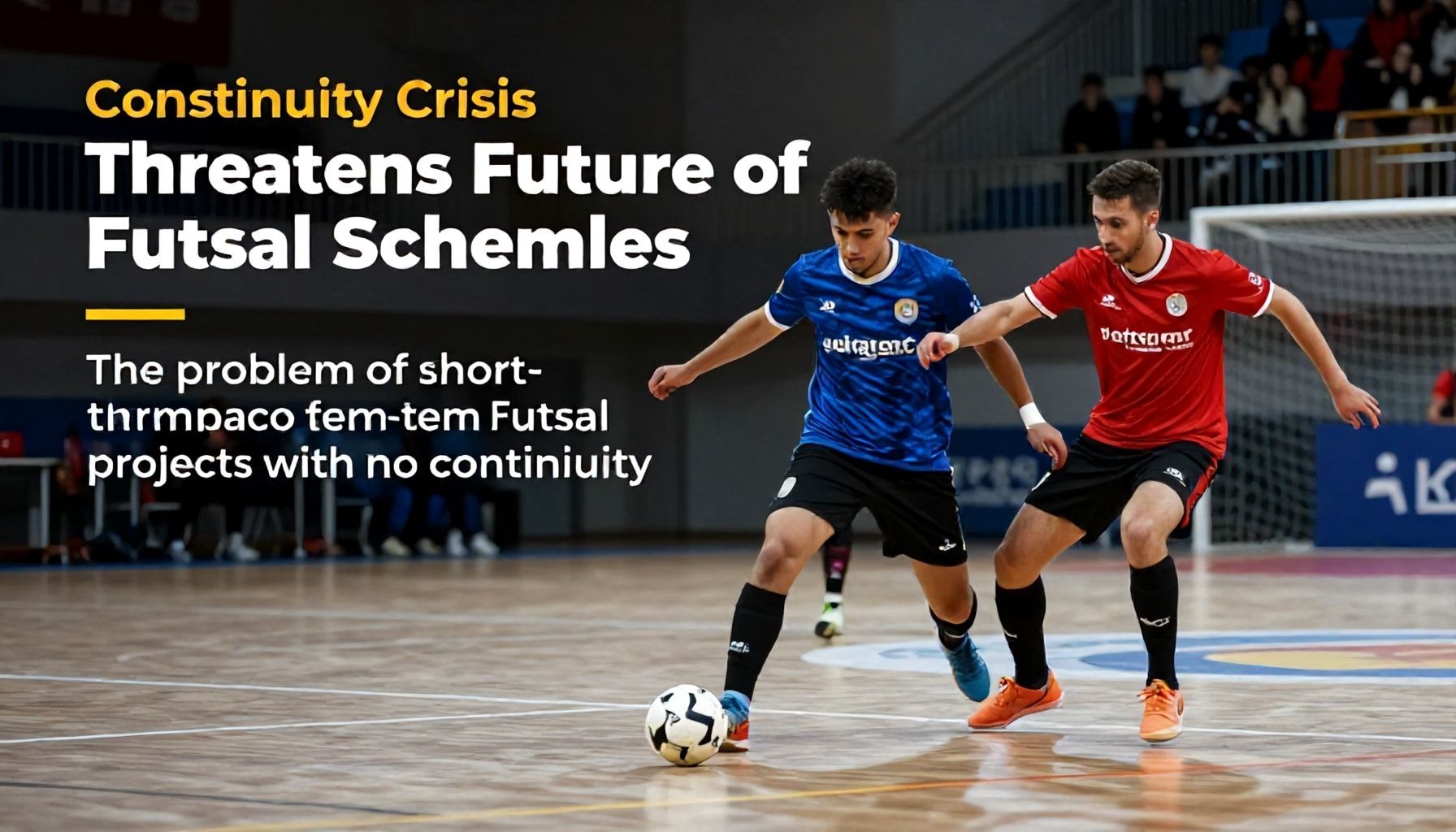
The future of futsal development in the UK hangs in the balance as short-term funding models threaten the continuity of grassroots projects. Experts warn that without sustainable investment, progress could be reversed, with participation rates stagnating or even declining.
Data from Sport England reveals that 68% of futsal initiatives rely on funding cycles lasting three years or less. This short-term approach creates instability, with many projects struggling to maintain momentum between funding rounds. “We’ve seen promising schemes fold simply because they couldn’t secure the next tranche of funding,” says Dr Emily Carter, a sports policy analyst at Loughborough University.
The impact is already visible at the grassroots level. In 2022, 14% of futsal clubs reported reduced participation due to funding gaps, according to a survey by the English Futsal Association. Young players, in particular, suffer as projects lack the resources to offer consistent coaching and facilities.
Industry leaders argue for a shift towards long-term funding models. “We need investors to commit to five or ten-year plans,” urges James Wilson, CEO of Futsal Development UK. “Only then can we build sustainable pathways for players and coaches.”
Despite these challenges, some regions show promise. In Greater Manchester, a regional futsal strategy has secured funding until 2027, leading to a 22% increase in youth participation since 2021. However, such examples remain exceptions rather than the norm.
Without urgent action, the UK risks falling behind in futsal development. Stakeholders urge policymakers and investors to prioritise continuity over short-term gains.
The future of futsal development in the UK remains uncertain as projects struggle with inconsistent funding. Without long-term financial commitments, clubs face difficulties in maintaining facilities, coaching programs, and youth initiatives. The lack of continuity threatens to stall progress in a sport that has shown promising growth. Stakeholders hope that increased awareness and strategic partnerships may secure more stable funding streams in the future, ensuring the continued development of futsal at all levels.
The FA has acknowledged the challenges and is exploring ways to integrate futsal more deeply into its grassroots strategy. However, without sustained investment, the potential benefits for player development and participation may remain unrealised. The coming months will be crucial in determining whether futsal can secure the support it needs to thrive in the UK.






