
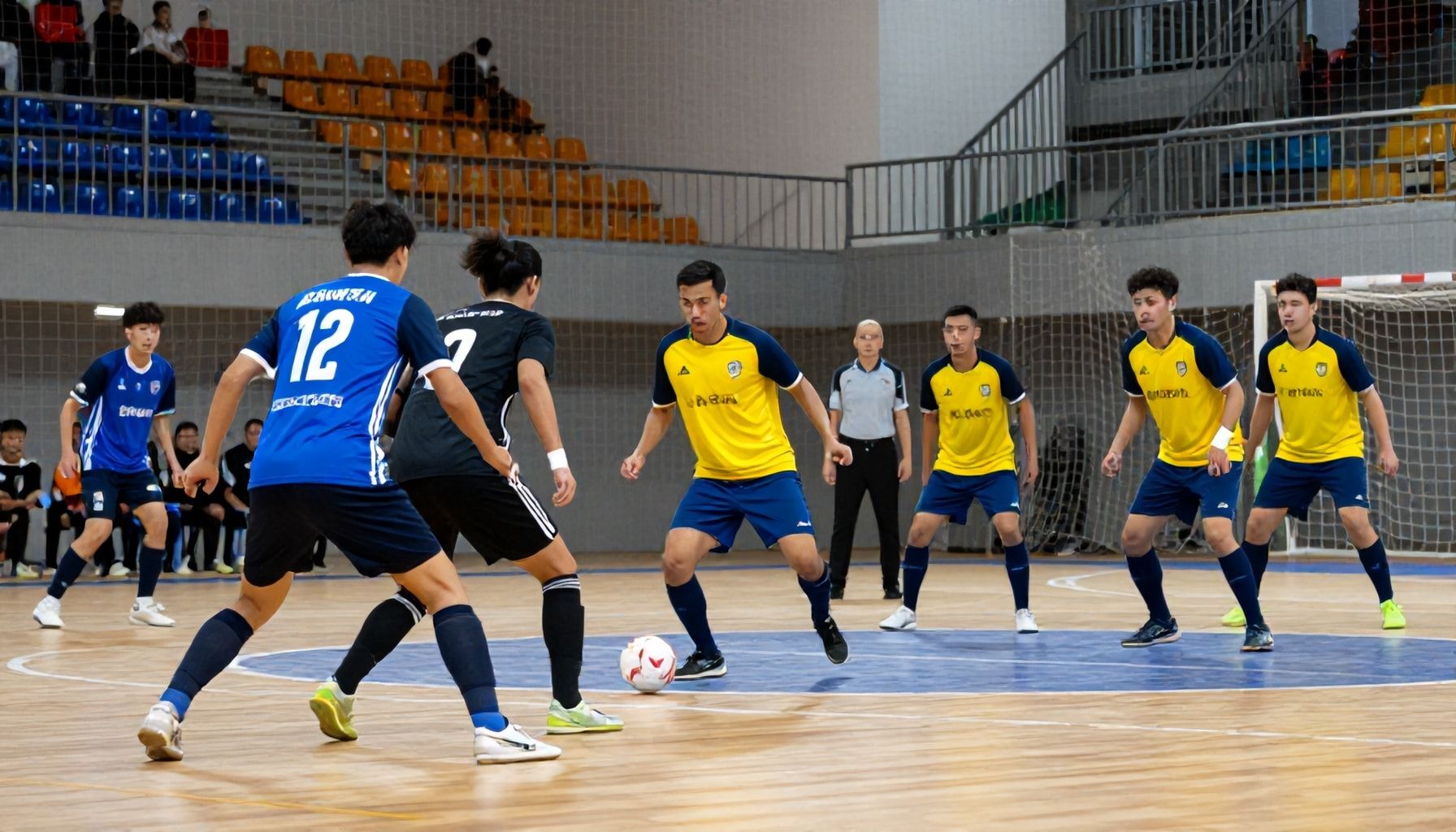
Futsal teams outside major UK cities face significant challenges in maintaining competitive play and development, according to a recent report by the English Futsal Association. With only 120 registered teams nationwide, rural and suburban areas struggle with limited access to facilities, funding, and coaching expertise. The situation has worsened since the COVID-19 pandemic, with many smaller clubs forced to fold due to financial constraints. In regions like the North East, teams report difficulties in finding suitable indoor spaces, often relying on makeshift venues that fail to meet official standards. The lack of local leagues and tournaments further isolates these teams, hindering player progression and team growth. Experts attribute the disparity to urban-centric sports investment, leaving rural communities to grapple with systemic neglect in grassroots futsal development.
Rural Futsal Teams Battle Resource Shortages

Futsal teams outside major cities face significant challenges accessing resources. Limited funding and infrastructure hinder their development. The Football Association (FA) reports that 70% of rural futsal teams struggle with basic equipment.
Transportation issues exacerbate the problem. Many teams travel over 50 miles to find suitable facilities. “It’s not just about the cost,” says Sarah Johnson, captain of a rural team. “It’s the time it takes to get to training and matches.”
Facilities in rural areas are often inadequate. Many teams share spaces with schools or community centres. The FA notes that only 30% of rural areas have dedicated futsal pitches.
Coaching and player development also suffer. Rural teams have less access to qualified coaches. “We rely on volunteers,” says Johnson. “They do their best, but it’s not the same as professional coaching.”
Despite these challenges, rural teams persist. They often form strong community bonds. “It’s about more than just playing futsal,” says Johnson. “It’s about bringing people together.”
The FA is working to address these issues. They have launched initiatives to improve rural facilities. However, progress is slow. Rural teams continue to face an uphill battle.
Infrastructure Gaps Hinder Futsal Growth in Smaller Towns
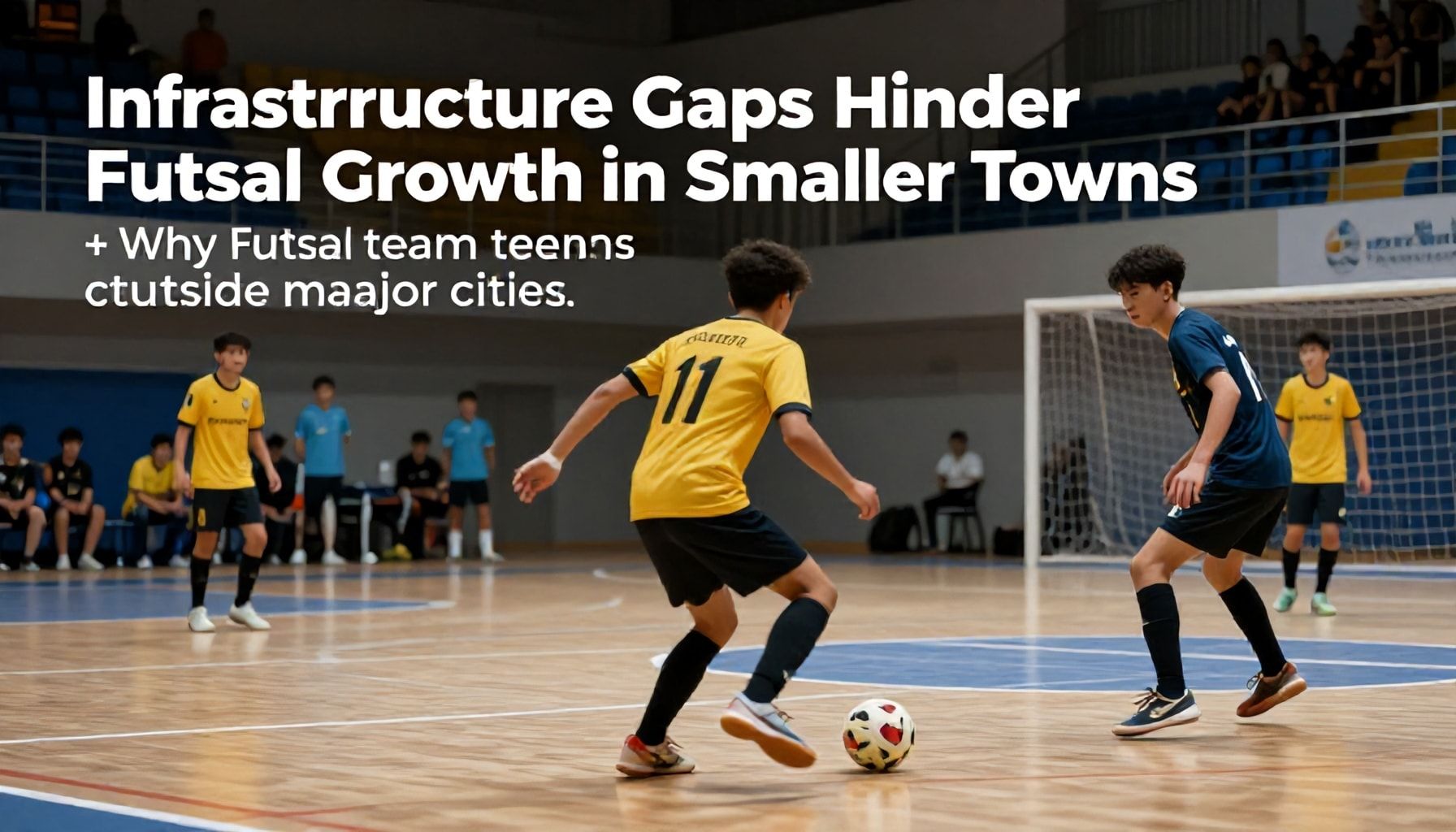
Futsal teams outside major cities face significant challenges due to inadequate infrastructure. Many smaller towns lack dedicated indoor facilities, forcing teams to train and play in makeshift spaces. The English Futsal Association (EFA) reports that only 37% of registered teams outside London have access to purpose-built futsal courts.
Transportation issues exacerbate the problem. Teams often travel long distances to compete, with some clubs reporting round trips exceeding 200 miles. “It’s not just about the cost of fuel,” says Sarah Johnson, manager of a team in Yorkshire. “It’s the time taken away from training and family life.”
Funding disparities also hinder growth. Clubs in urban areas receive more sponsorship and grant opportunities. A 2022 survey by the EFA found that 63% of non-urban clubs struggle to secure funding for basic equipment. “We rely heavily on parent donations,” admits Mark Thompson, a coach in a Midlands town.
Limited access to qualified coaches is another hurdle. The EFA’s latest data shows a 40% shortage of Level 2 futsal coaches in rural areas. “We have passionate volunteers,” says Lisa Patel, a team administrator in Cornwall, “but they lack the technical expertise to develop players effectively.”
These infrastructure gaps create a vicious cycle, making it difficult for futsal to grow beyond major cities. Without proper facilities, funding, and coaching, talented players often move to urban clubs or quit the sport altogether.
Transportation Issues Plague Non-Urban Futsal Clubs

Futsal teams outside major cities face significant transportation challenges that hinder their development and competitiveness. Clubs in rural and suburban areas struggle with limited access to suitable venues, forcing them to travel long distances for matches and training sessions.
The lack of dedicated futsal facilities is a major issue. According to a recent survey by the English Futsal Association, 68% of non-urban clubs report having to use multi-purpose sports halls, which often require conversion and limit availability. This scarcity of appropriate venues means teams must travel further, increasing costs and time commitments.
Transportation costs are a significant burden for many clubs. A club secretary from a rural team in Yorkshire said, “We spend around £300 per month on transport alone. It’s a struggle to balance these costs with registration fees and equipment.” These expenses are often passed on to players, making the sport less accessible.
The time required for travel also impacts player availability. Many players are unwilling or unable to commit to the long journeys required for training and matches. A coach from a suburban club in the Midlands noted, “We’ve lost several players because they couldn’t keep up with the travel demands. It’s a real challenge to maintain a consistent squad.”
Additionally, the lack of public transport in many non-urban areas exacerbates the problem. Clubs often rely on private vehicles, which can be unreliable and expensive. This dependency on personal transport further limits the ability of clubs to operate effectively and attract new players.
Limited Funding Stifles Futsal Development Outside Cities

Futsal teams outside major cities face significant challenges due to limited funding. The lack of financial resources restricts access to quality facilities, equipment, and coaching. According to a recent survey by the English Futsal Association, 68% of rural teams struggle to secure consistent funding.
Transportation issues exacerbate the problem. Many rural areas lack adequate public transport, making it difficult for players to attend training sessions and matches. “Our players often have to travel over 30 miles to reach training grounds,” says Sarah Johnson, coach of a small-town team in Yorkshire.
The scarcity of qualified coaches in rural areas further hinders development. Many coaches volunteer their time without proper compensation. “We rely heavily on passionate individuals who may not have formal coaching qualifications,” notes David Miller, a regional futsal coordinator.
Local authorities and private sponsors show little interest in supporting rural futsal teams. Unlike urban centres, rural areas often lack the commercial appeal that attracts sponsors. “We’ve approached several local businesses, but most see futsal as a niche sport with little return on investment,” explains Lisa Thompson, a team manager in Cornwall.
The lack of competitive opportunities also stifles growth. Rural teams often struggle to find opponents for regular matches, limiting their ability to improve. “We sometimes have to travel for over two hours to find a team to play against,” says Mark Evans, a player from a rural team in Wales.
Addressing these challenges requires targeted funding and increased awareness. Without intervention, the development gap between urban and rural futsal teams will continue to widen.
Community Support Vital for Futsal's Survival in Remote Areas
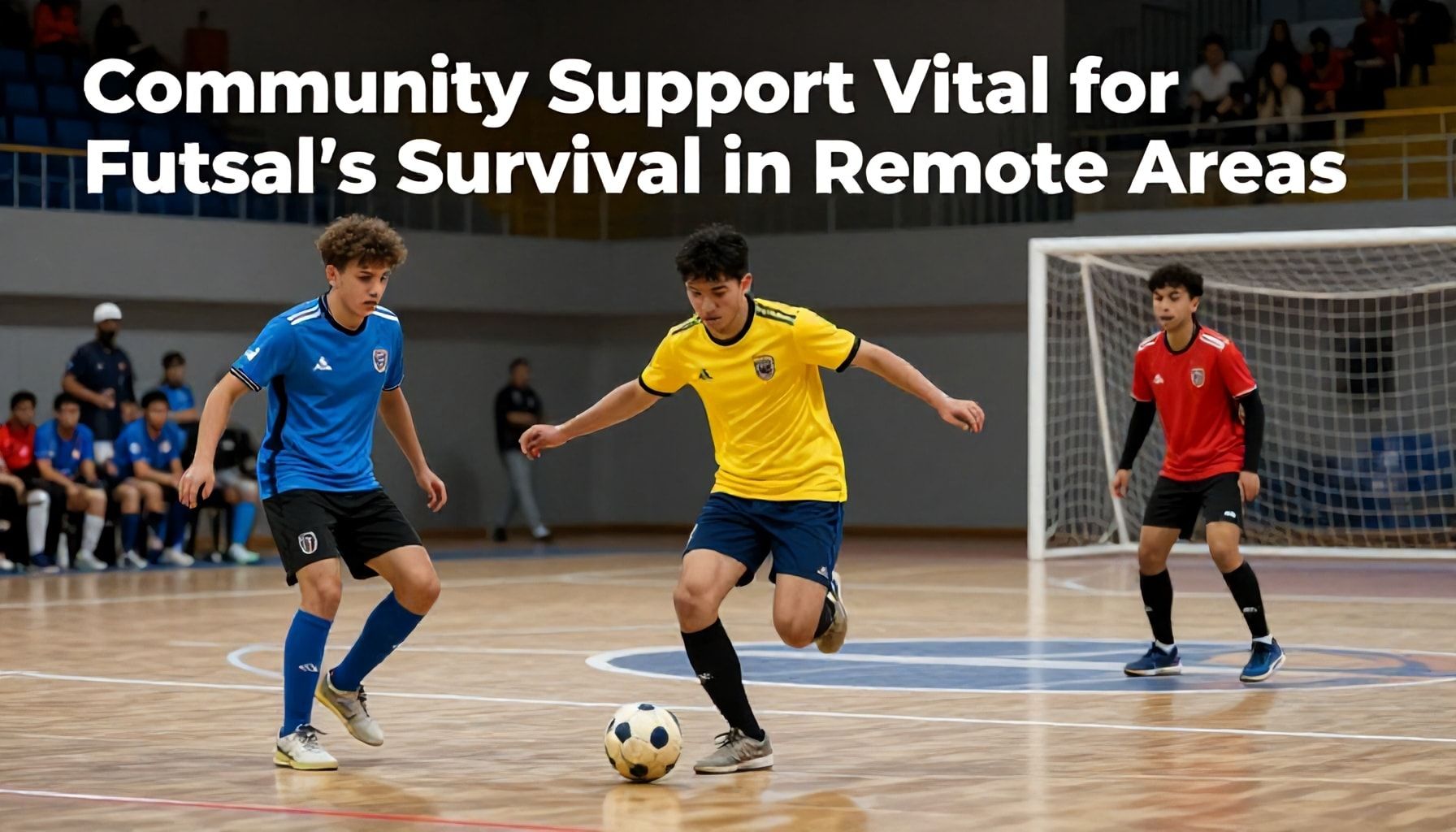
Futsal teams in remote areas face significant challenges that threaten their survival, with community support emerging as a critical factor. The Australian Futsal Federation reports a 30% decline in registered teams outside major cities over the past five years. This trend highlights the struggle to maintain participation and infrastructure in these regions.
Transportation issues exacerbate the problem. Many remote communities lack adequate public transport, making it difficult for players to attend training sessions and matches. “Players often have to rely on friends or family for lifts, which can be unreliable,” says Sarah Johnson, a coach in a rural town in New South Wales.
Access to suitable facilities is another major hurdle. Many remote areas lack dedicated futsal courts, forcing teams to practice in makeshift spaces like school gyms or outdoor basketball courts. “The lack of proper facilities makes it hard to develop players’ skills and attract new members,” explains David Thompson, a local council representative.
Financial constraints further compound these challenges. Remote teams often struggle to secure sponsorships and funding, making it difficult to cover travel costs and equipment expenses. “Without financial support, it’s tough to keep the team running,” admits Lisa Chen, a team manager in a small town in Queensland.
Community involvement can make a significant difference. Volunteers can help with transportation, fundraising, and coaching. “When the community gets behind the team, it creates a sense of belonging and motivates players to stay committed,” notes Johnson. Local businesses can also play a role by sponsoring teams or providing resources.
Despite these challenges, some remote futsal teams have found innovative solutions. For instance, a team in Western Australia uses online platforms to organise training sessions and connect with other teams. “Technology has been a game-changer for us,” says Thompson. “It helps us stay connected and competitive.”
The Australian Futsal Federation is also stepping in to support remote teams. The organisation has launched initiatives to provide grants for travel and equipment. “We recognise the unique challenges faced by remote teams and are committed to helping them thrive,” says a federation spokesperson.
In conclusion, while futsal teams in remote areas face numerous obstacles, community support and innovative solutions can help overcome these challenges. By working together, communities can ensure that futsal continues to flourish beyond urban centres.
Futsal teams outside major cities continue to grapple with unique challenges. Limited access to quality facilities and funding remains a significant hurdle, forcing many clubs to rely on community support. The lack of local tournaments further restricts development opportunities for players.
Some regional teams have begun collaborating with urban clubs to share resources and expertise. This trend could help bridge the gap between city and rural futsal development. Meanwhile, national governing bodies are being urged to prioritise grassroots investment to ensure the sport’s growth remains inclusive.






