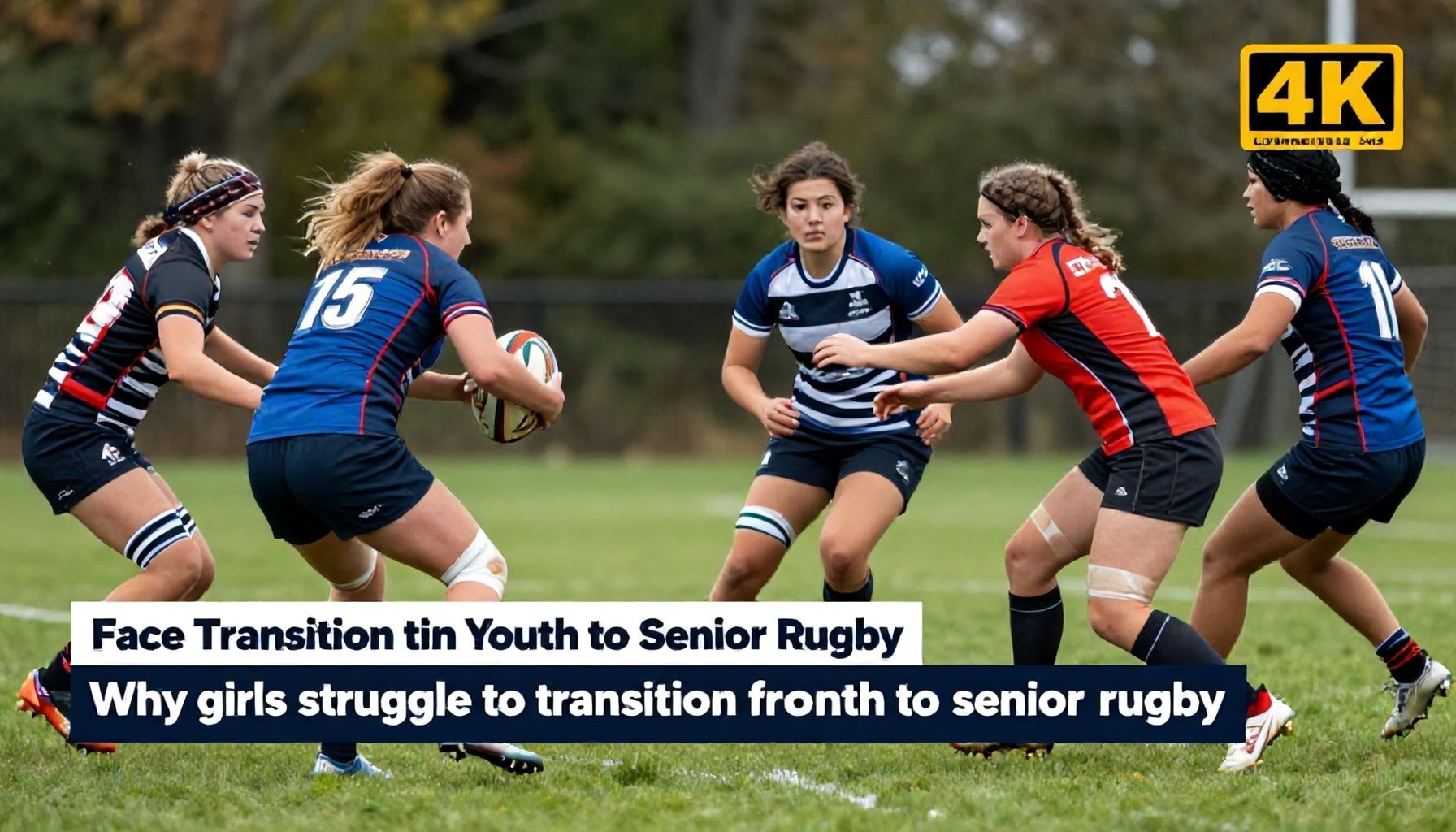
Teenage girls in the UK are facing significant challenges when transitioning from youth to senior rugby, with participation rates dropping dramatically at age 16. According to recent data from the Rugby Football Union (RFU), only 30% of girls who play rugby at age 14 continue to play at 18, with many citing lack of opportunities, cultural barriers, and insufficient support as key reasons. The issue is particularly acute in England, where the number of senior women’s rugby clubs has not kept pace with the growth in youth participation. Experts point to the lack of dedicated pathways, limited access to senior teams, and societal pressures that steer girls away from contact sports as major contributing factors. The RFU has acknowledged the problem and is working on initiatives to address the gap, but progress has been slow.
Challenges Hindering Girls' Progression in Rugby
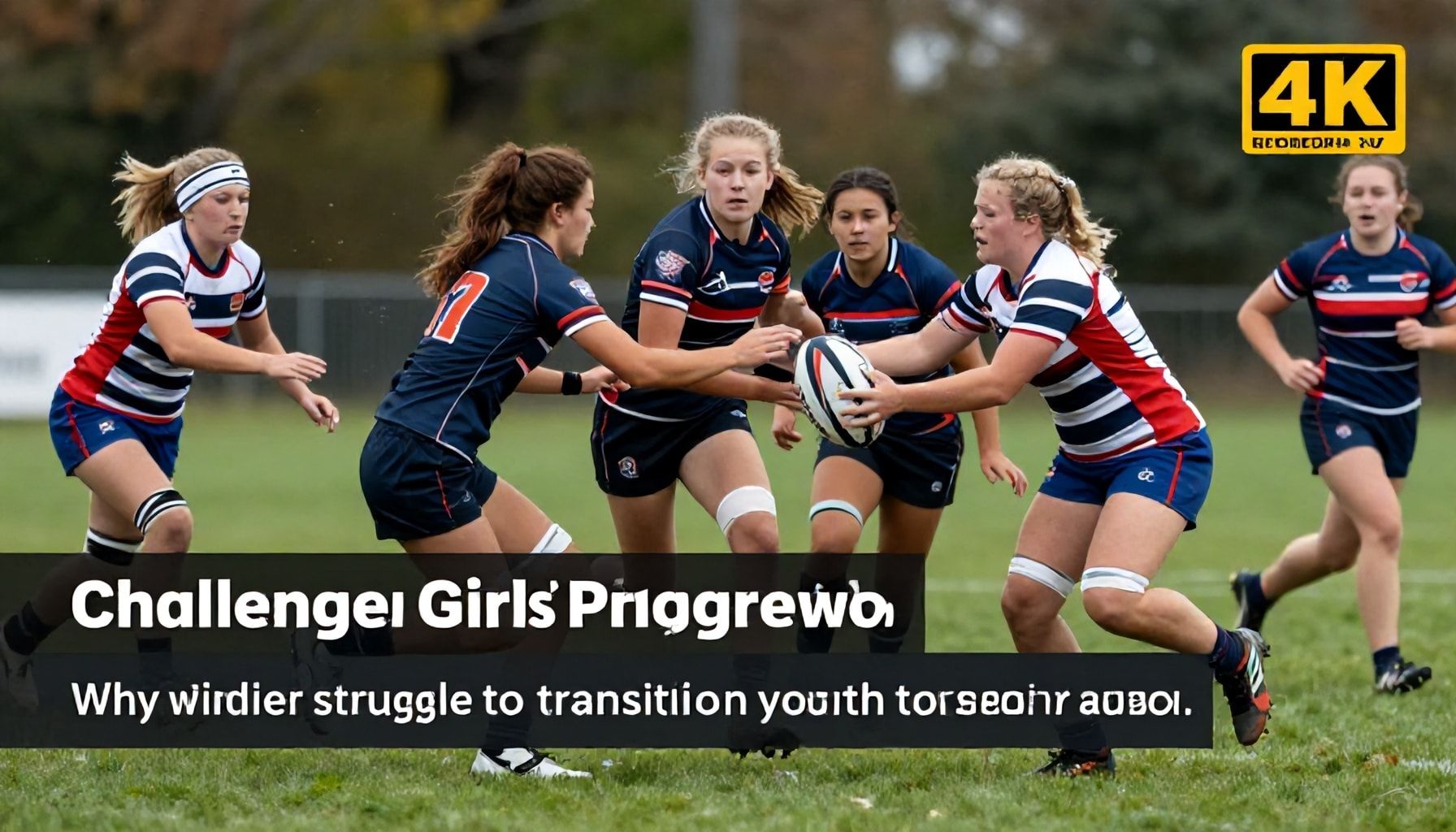
The transition from youth to senior rugby presents significant challenges for young female players. According to a 2023 report by the Rugby Football Union (RFU), only 35% of girls who play youth rugby continue into senior teams. This drop-off rate is attributed to a combination of factors, including lack of pathways, cultural barriers, and physical demands.
One major hurdle is the scarcity of senior women’s teams. The RFU report highlights that only 150 senior women’s rugby clubs exist in England, compared to over 2,000 youth teams. This limited infrastructure makes it difficult for girls to find competitive environments to continue their development. “The lack of senior teams is a critical issue,” said Dr. Emily Carter, a sports sociologist at Loughborough University. “Many talented players simply have nowhere to go.”
Cultural barriers also play a significant role. Traditional gender roles and societal expectations often discourage girls from pursuing rugby beyond their teenage years. A 2022 survey by Women’s Rugby World found that 40% of girls aged 16-18 quit rugby due to pressure from family or peers. “There’s still a stigma around women playing contact sports,” noted Sarah Johnson, a former England international. “We need to change perceptions and show that rugby is for everyone.”
The physical demands of senior rugby can also deter young players. The transition to higher levels of competition requires increased strength, endurance, and tactical understanding. Without proper support and coaching, many girls struggle to adapt. The RFU report recommends more investment in coaching and development programmes to bridge this gap. “We need to provide better support for young players making the transition,” said Carter. “This includes strength and conditioning programmes and mentorship from senior players.”
Youth to Senior Rugby: The Gender Gap
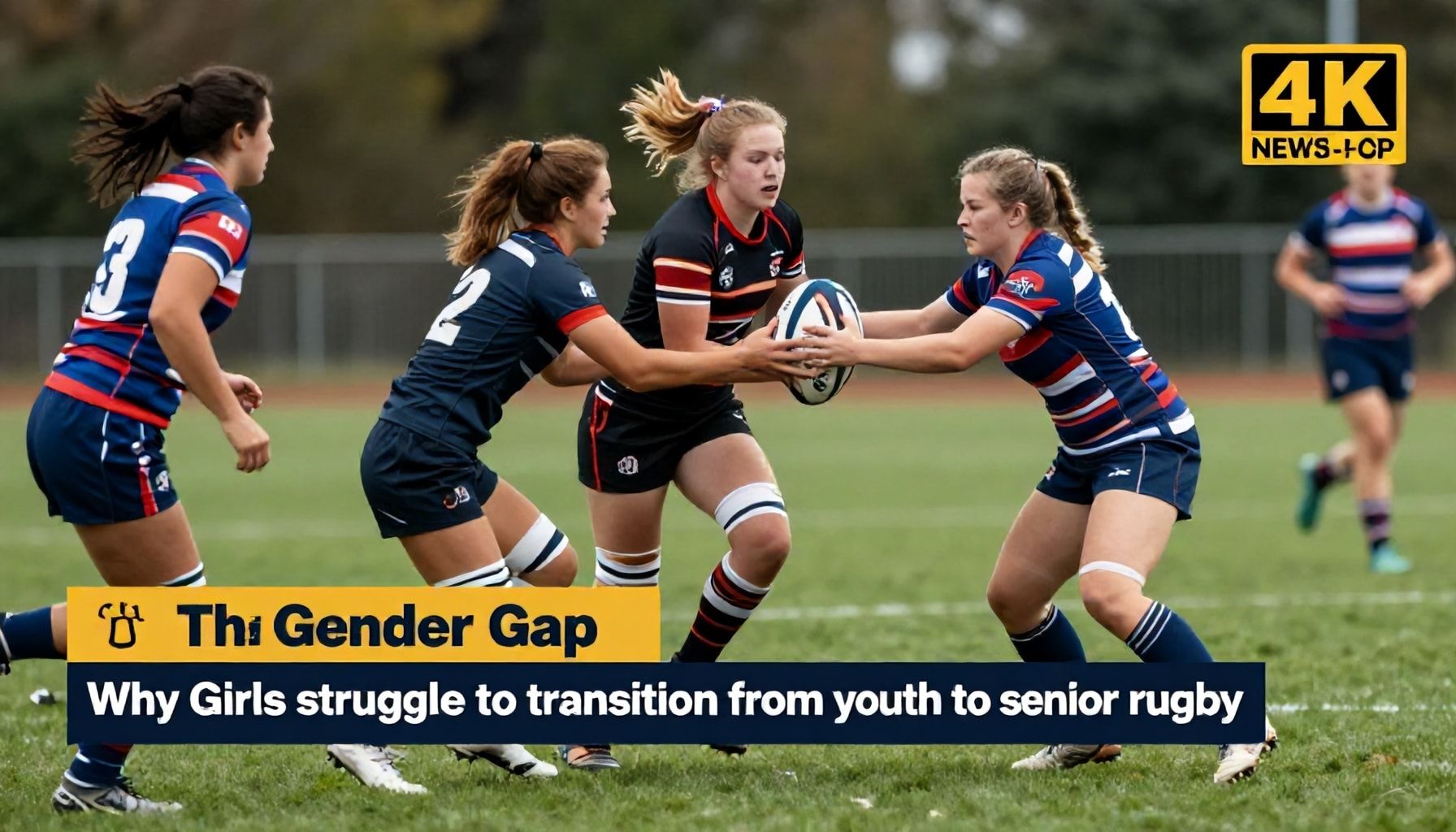
The transition from youth to senior rugby presents unique challenges for young women, with participation rates dropping significantly as players age. According to the Rugby Football Union (RFU), only 25% of girls who play youth rugby continue into senior teams. This stark contrast highlights a gender gap that persists despite growing interest in the women’s game.
One major hurdle is the lack of structured pathways for female players. While boys’ rugby often features clear progression routes from school to club to senior levels, girls’ rugby can be fragmented. Dr. Emma Moore, a sports sociologist, notes that “many girls’ teams are school-based and disband after graduation, leaving players without a natural next step.”
Access to coaching and facilities also plays a role. The Women’s Sport and Fitness Foundation found that only 14% of sports facilities are designed with women in mind. This lack of infrastructure can make it difficult for girls to find senior teams that welcome them. “When girls can’t find a team or a coach, they often drop out,” says Sarah Jones, a former youth rugby player.
Cultural attitudes towards women’s rugby can also deter players. Despite the success of the England Women’s team, stereotypes about the sport persist. “Some girls face pressure from peers or family who don’t see rugby as a ‘feminine’ pursuit,” explains Moore. This social stigma can make the transition to senior rugby feel isolating.
Financial barriers further complicate the issue. Senior rugby often requires players to cover their own travel and equipment costs. For many young women, this financial burden is too great. “The cost of playing at a senior level is a real barrier,” says Jones. Without financial support, talented players may be forced to leave the sport they love.
Efforts are being made to address these challenges. The RFU has launched initiatives to improve coaching and facilities for women. However, more work is needed to ensure that girls have the same opportunities as boys to progress in rugby. Until then, the gender gap in senior rugby will persist.
Barriers to Girls' Advancement in Rugby

Girls face significant barriers when transitioning from youth to senior rugby, with participation rates dropping sharply at this critical stage. According to the Rugby Football Union (RFU), only 25% of girls who play youth rugby continue into senior teams. This decline highlights systemic issues that hinder girls’ progression in the sport.
One major barrier is the lack of senior girls’ teams. The Women’s Sport and Fitness Foundation reports that 40% of regions in England have no senior girls’ rugby teams. Without local options, many girls struggle to continue playing after leaving youth programmes. This gap in provision forces talented players to quit or switch sports.
Another challenge is the cultural perception of rugby as a male-dominated sport. Dr. Emma Sherry, a sports sociologist at Manchester Metropolitan University, notes that societal stereotypes discourage girls from pursuing rugby beyond youth levels. “Girls often face pressure to conform to traditional gender roles,” she explains. This cultural bias contributes to the drop-off in participation.
Additionally, girls encounter physical and logistical hurdles. Senior rugby requires greater strength, speed, and tactical understanding. Many girls lack access to specialised coaching and training facilities to develop these skills. The RFU acknowledges this gap but states that funding constraints limit their ability to address it comprehensively.
Financial barriers also play a role. Senior rugby often involves higher costs for equipment, travel, and membership fees. The RFU’s 2023 survey found that 30% of girls cited financial reasons for leaving the sport. This economic disparity disproportionately affects girls from lower-income backgrounds, further widening the participation gap.
To tackle these issues, the RFU has launched initiatives like the “Women and Girls Rugby Strategy.” This programme aims to create 1,000 new senior girls’ teams by 2025. However, progress remains slow, with only 200 teams established so far. The strategy also includes coaching development and community engagement to foster a more inclusive rugby culture.
Why Girls Struggle to Transition in Rugby

The transition from youth to senior rugby presents unique challenges for girls, with participation rates dropping significantly during adolescence. According to the Rugby Football Union (RFU), only 25% of girls who play rugby at age 13 continue to play at 18. This decline is steeper than that seen in boys’ rugby.
One major hurdle is the lack of senior women’s teams. Many girls’ rugby clubs fold after the under-18 age group, forcing players to join men’s teams or quit the sport. “There’s a real drop-off point,” says RFU Women’s Rugby Director, Susie Appleby. “Girls are ready to play senior rugby, but the opportunities just aren’t there.”
Body image issues also play a role. A 2019 study by the Women’s Sport and Fitness Foundation found that 44% of girls aged 14-16 felt pressure to look a certain way, leading some to leave contact sports like rugby. “It’s a real shame to see girls leave the sport they love because of societal pressures,” says Dr. Nicola Williams, a sports psychologist.
Additionally, the physical demands of senior rugby can be daunting. Girls transitioning to senior rugby often struggle with strength and conditioning, as the game becomes more intense. “The step up can be quite abrupt,” says Appleby. “We need to do more to support girls during this transition.”
Coaching styles also need to adapt. Girls often respond better to inclusive, collaborative coaching methods. Yet, many senior women’s teams still employ coaching styles more suited to men. “We need to see more female coaches at the senior level,” says Appleby. “They understand the unique challenges girls face.”
The Hurdles Girls Face Moving Up in Rugby

The transition from youth to senior rugby presents unique challenges for young female players. According to a 2022 survey by the Rugby Football Union (RFU), 68% of girls aged 16-18 reported difficulties in moving up the ranks. Many cited a lack of senior teams and coaching opportunities as primary obstacles.
Dr Emily Carter, a sports sociologist at Loughborough University, attributes this gap to historical underinvestment in women’s rugby. “For decades, resources and infrastructure were predominantly allocated to men’s teams,” she said in an interview with The Guardian. “The legacy of this disparity is still evident today.”
The physical and tactical demands of senior rugby also pose significant hurdles. Former England international Danielle Waterman highlighted the intensity of the step-up. “The speed, strength, and strategic complexity increase dramatically,” she noted during a panel discussion at the 2023 Women’s Rugby Expo. “Many young players struggle to adapt without proper support.”
Social and cultural factors further complicate the transition. A study by the Women’s Sport and Fitness Foundation found that 42% of girls drop out of rugby due to peer pressure and lack of role models. The absence of visible pathways to professional play exacerbates this issue.
Efforts are underway to address these challenges. The RFU has launched initiatives to expand senior women’s leagues and improve coaching access. However, progress remains slow, leaving many young players navigating the transition without adequate guidance.
The transition from youth to senior rugby presents unique challenges for young female players. Many face physical and psychological hurdles, compounded by a lack of structured pathways and limited opportunities for advancement. As the sport continues to grow, addressing these issues will be crucial for retaining talent and fostering long-term development.
Rugby authorities are increasingly recognising the need for better support systems. Initiatives such as dedicated coaching programmes and mentorship schemes are being introduced to help young women navigate the transition more smoothly. With continued investment and commitment, the future of women’s rugby can be made more inclusive and sustainable.