
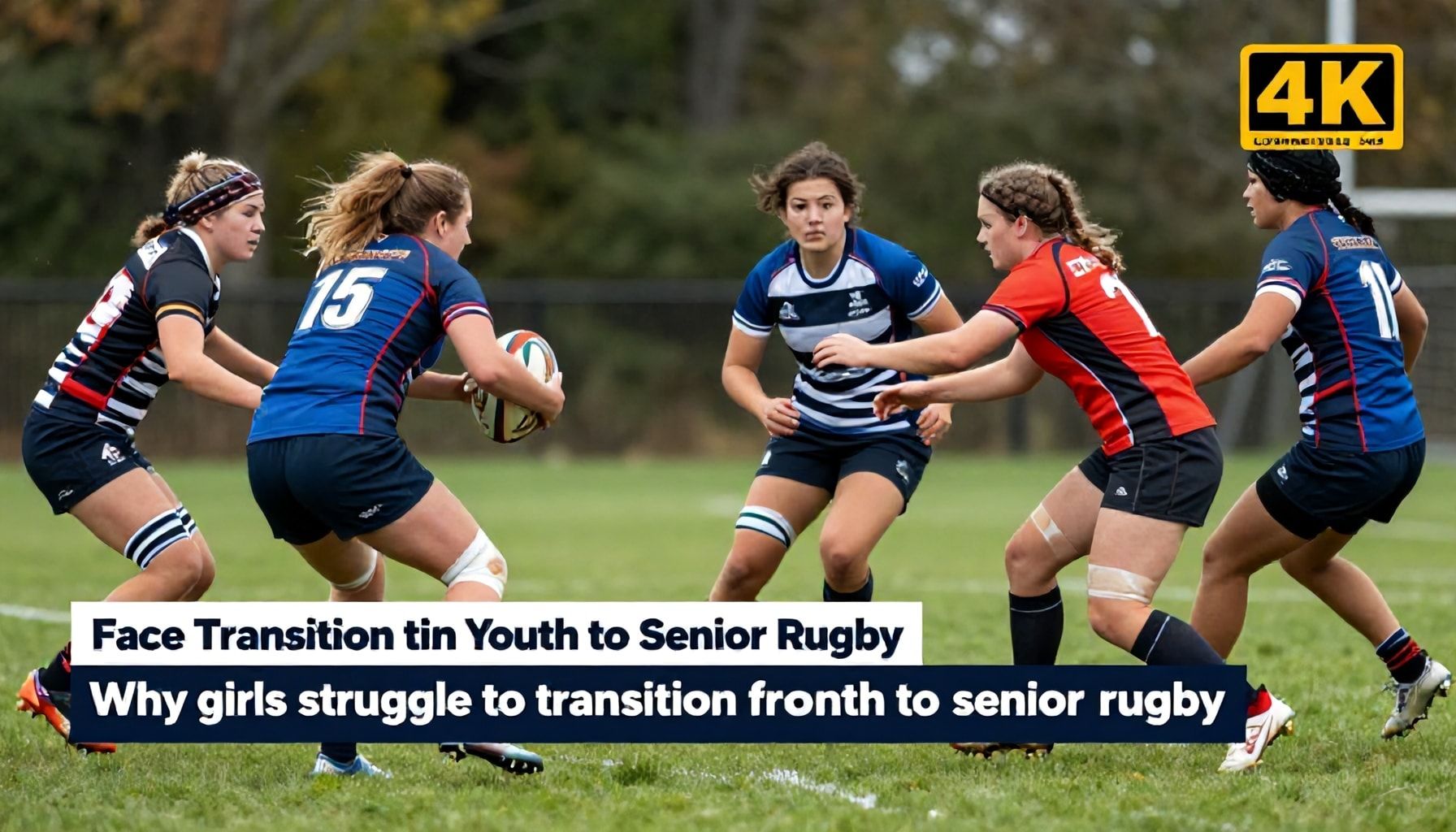
Teenage girls in the UK are facing significant challenges when progressing from youth to senior rugby, with participation rates plummeting by up to 70% during this transition. The issue, highlighted by the Rugby Football Union (RFU) and Women in Sport charity, stems from a lack of senior teams, limited coaching opportunities, and cultural barriers that discourage girls from continuing the sport. Across England, only 25% of girls who play youth rugby continue into senior leagues, with similar trends observed in Scotland and Wales. The problem is particularly acute in regions where rugby is less established, leaving many talented young players without pathways to continue their development. Experts attribute the decline to a combination of factors, including insufficient infrastructure and societal perceptions that rugby is not a suitable sport for women.
Girls Struggle to Transition from Youth to Senior Rugby
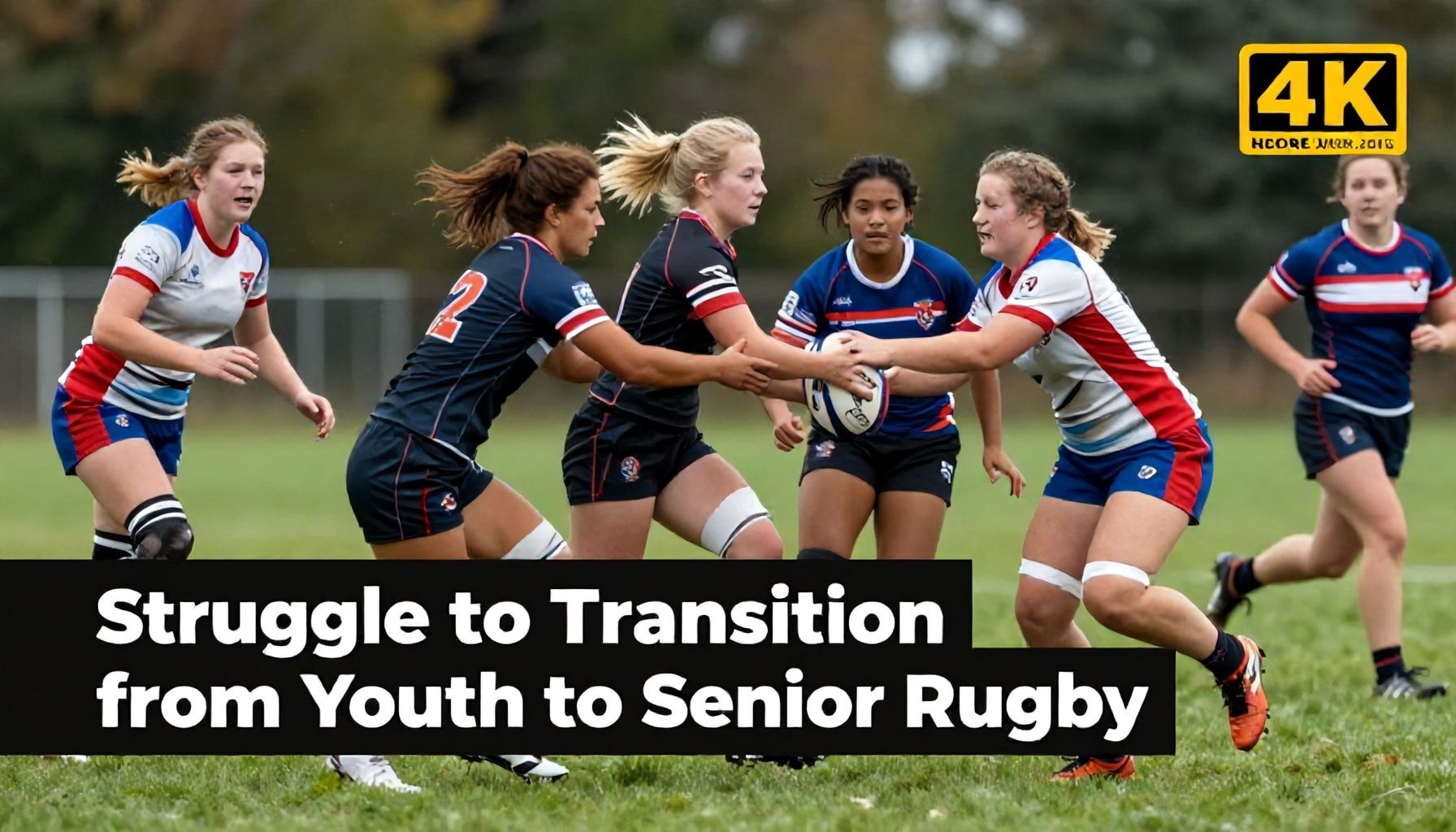
The transition from youth to senior rugby presents unique challenges for young women, with participation rates dropping significantly after the age of 18. According to the RFU, only 25% of girls who play rugby at 18 continue to play at a senior level. This decline is attributed to a combination of factors, including increased academic pressures, lack of senior teams, and cultural barriers.
A lack of visible pathways and role models contributes to the difficulty girls face in transitioning to senior rugby. Dr. Emma Kavanagh, a sports psychologist, stated in a 2022 interview with BBC Sport, “Without clear pathways and visible role models, young women may struggle to see a future for themselves in the sport.” The RFU reports that only 30% of senior women’s rugby teams have dedicated youth development programmes, limiting opportunities for progression.
Cultural and social factors also play a significant role in the transition hurdles. Many young women face societal expectations that prioritise traditional gender roles over sports participation. A 2021 survey by Women’s Sport Trust found that 40% of young women aged 16-18 felt societal pressure to reduce their sports involvement. Additionally, the lack of media coverage and societal recognition of women’s rugby can deter young players from continuing in the sport.
The physical and mental demands of senior rugby can also be daunting for young players. The transition to a more competitive and intense environment requires not only physical preparation but also mental resilience. Dr. Kavanagh noted, “The step up in intensity and physicality can be overwhelming without proper support and preparation.” The RFU highlights the importance of mental health support and conditioning programmes to help young women make a successful transition.
Challenges Faced by Young Female Rugby Players

The transition from youth to senior rugby presents unique challenges for young female players. A significant hurdle is the physical demands of senior rugby, which often require greater strength, speed, and endurance. Many young players struggle to adapt to the increased intensity and contact levels, according to a 2022 report by the Rugby Football Union (RFU).
Another critical factor is the limited number of pathways available for young female players. The RFU report highlights that only 30% of senior women’s rugby clubs in England have dedicated youth development programmes. This lack of structured progression forces many talented young players to drop out of the sport.
Mental health and confidence issues also play a significant role in the transition struggles. Dr. Sarah Jones, a sports psychologist, notes that the pressure to perform at a higher level can be overwhelming. “Young players often face imposter syndrome and fear of failure,” she said in an interview with BBC Sport in 2023.
Additionally, the financial barriers cannot be overlooked. Senior rugby often requires players to cover travel costs, equipment expenses, and training fees. A survey conducted by Women’s Rugby Association in 2021 found that 45% of young female players cited financial constraints as a reason for leaving the sport.
Coaching and support systems are also inconsistent across regions. The RFU report indicates that many youth coaches lack the necessary qualifications to guide players through the transition. This inconsistency leaves young players without the guidance they need to develop their skills and confidence.
Finally, cultural and societal attitudes towards women in rugby persist. Despite growing popularity, the sport still faces stereotypes and misconceptions. These attitudes can discourage young players from pursuing senior rugby, according to a 2023 study by the University of Birmingham.
Barriers to Progression in Women's Rugby
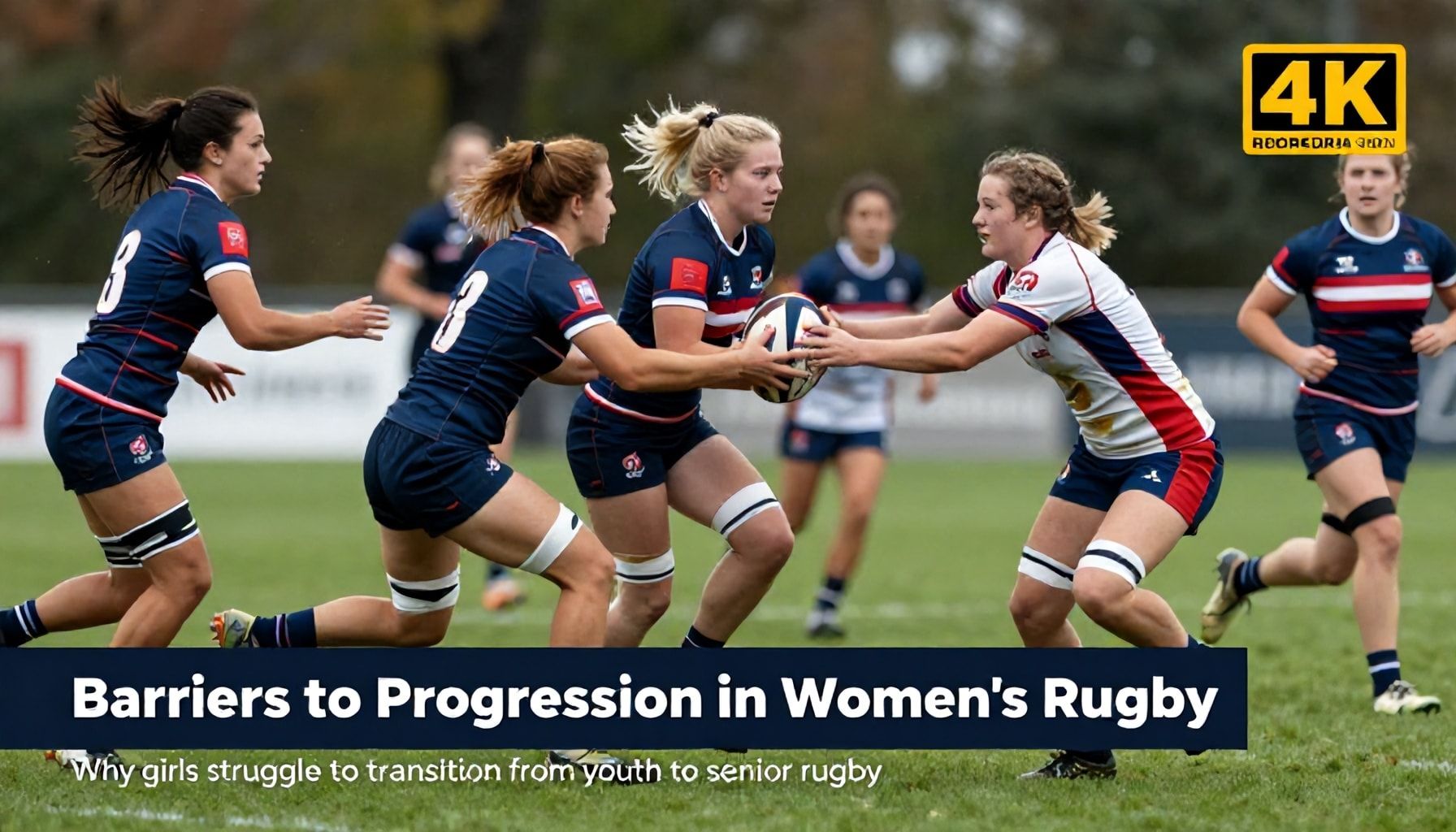
The transition from youth to senior rugby presents significant challenges for young women, with participation rates dropping sharply at this critical stage. According to the Rugby Football Union (RFU), only 25% of girls who play rugby aged 13-18 continue into senior women’s rugby. This stark figure highlights the barriers that persist in the sport.
One major obstacle is the lack of accessible pathways for young women. Dr. Emma Moore, a sports sociologist, notes that while boys’ rugby is deeply embedded in school systems, girls’ rugby often lacks similar infrastructure. “Schools frequently prioritise boys’ teams, leaving girls’ rugby under-resourced and under-promoted,” she explains.
Financial constraints also play a role in the decline. Senior women’s rugby often requires players to cover travel and kit costs, which can be prohibitive. A 2023 survey by Women’s Rugby World found that 60% of young women cited financial barriers as a reason for leaving the sport. The survey also revealed that many clubs struggle to secure sponsorship, further limiting opportunities.
Additionally, cultural attitudes towards women’s rugby contribute to the drop-off. Many young women face societal pressures to prioritise academic or career pursuits over sport. “There’s still a perception that rugby is a male-dominated sport, which can discourage girls from continuing,” says Sarah Johnson, a former England international.
Coaching and development opportunities are another area of concern. The RFU reports that only 30% of senior women’s teams have access to full-time coaching staff. This lack of support can hinder skill development and player retention. Without adequate coaching, many young women find it difficult to progress to higher levels of the game.
The RFU has acknowledged these challenges and is working to address them. In 2023, the union launched a £1 million fund to support women’s and girls’ rugby development. The fund aims to improve coaching, increase participation, and provide better pathways for young players. However, experts argue that more needs to be done to ensure sustainable growth in the sport.
Why More Girls Drop Out of Rugby at Senior Level

Participation in girls’ rugby sees a significant drop-off as players transition from youth to senior levels. According to the RFU, while 30% of under-18 players are female, this figure plummets to just 15% at senior level.
One major factor is the lack of senior teams. The Women’s Sport and Fitness Foundation reports that 40% of local rugby clubs do not field a senior women’s team, forcing many girls to switch sports or quit altogether.
Time commitments also play a role. Senior rugby often requires more training sessions and matches, which can conflict with school, work, or family responsibilities. A survey by England Rugby found that 60% of girls who quit cited time pressures as a key reason.
Social dynamics shift as players age, with some girls feeling less welcome in male-dominated environments. “The culture can become more intimidating as players get older,” says Dr. Emma Sherry, a sports sociologist at Manchester Metropolitan University.
Injury risks may also deter girls from continuing. Research published in the British Journal of Sports Medicine found that female rugby players are more likely to suffer certain injuries than their male counterparts, which can discourage participation.
Financial barriers exist too. Senior rugby often requires players to cover their own travel, kit, and competition costs, which can be prohibitive for some. The RFU acknowledges that more needs to be done to address these issues and retain female players.
The Struggle to Retain Female Rugby Talent
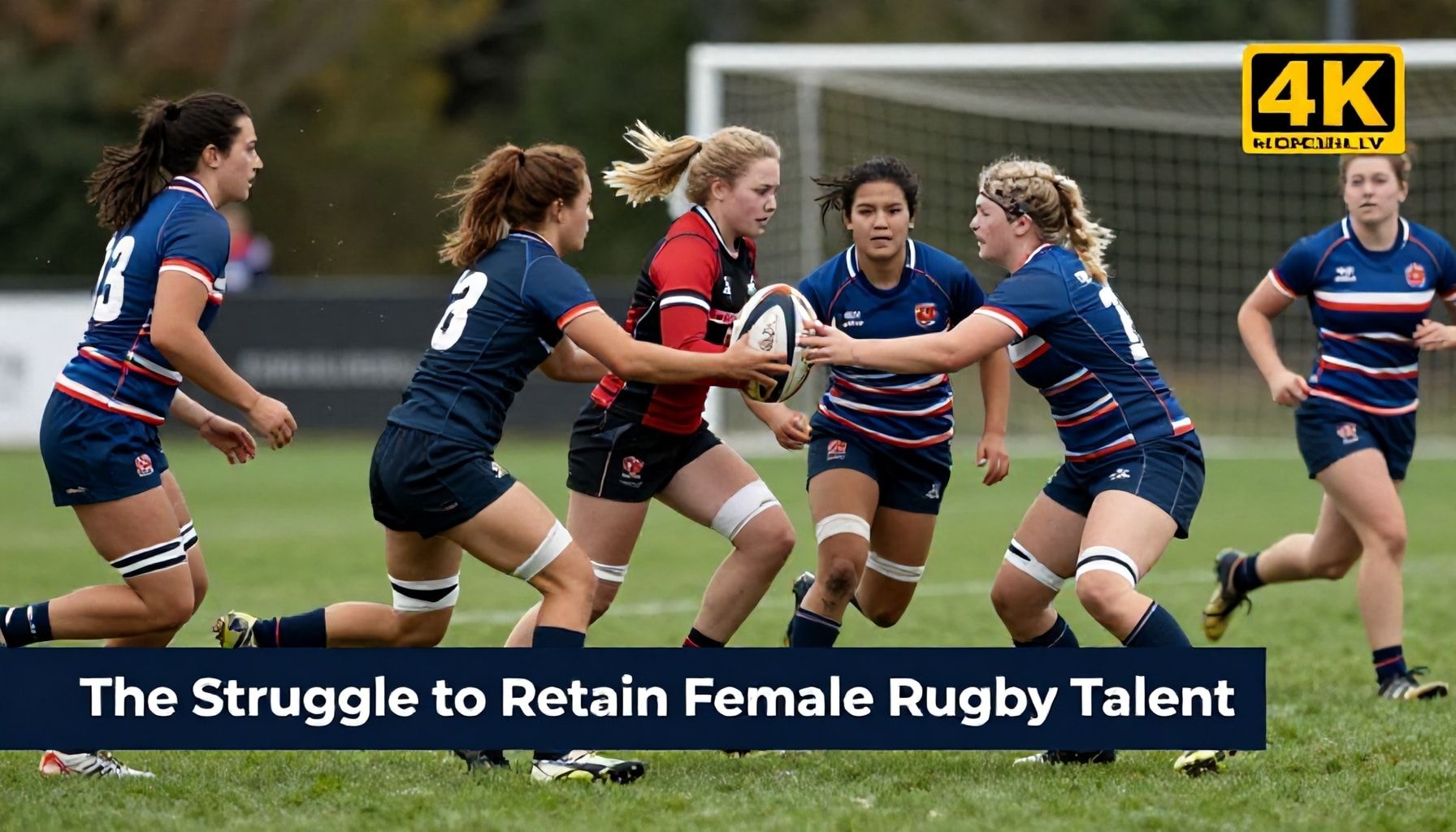
The transition from youth to senior rugby presents significant challenges for female players, with many dropping out before reaching elite levels. A 2022 study by the Rugby Football Union (RFU) found that 60% of girls quit the sport between the ages of 13 and 18. The primary reasons cited include lack of opportunities, inadequate coaching, and cultural barriers.
Access to senior teams remains a critical issue. Many clubs lack women’s sections, forcing talented players to switch clubs or leave the sport altogether. “We’ve seen girls with real potential fall through the cracks simply because there’s nowhere for them to play,” says Sarah Jones, a youth rugby coach with over a decade of experience.
Coaching and development programmes often fail to cater to female players’ needs. The RFU’s report highlights a shortage of female coaches and tailored training programmes. “Girls need role models and training that understands their physical and psychological development,” notes Dr. Emily Carter, a sports psychologist specialising in youth rugby.
Cultural and social pressures also play a role. Many girls face stereotypes and lack of support from peers or family. “Society still sees rugby as a male-dominated sport, and girls often feel isolated,” explains Carter. This lack of encouragement can deter even the most passionate players.
Initiatives like the RFU’s “Women in Rugby” programme aim to address these issues. However, progress remains slow, and many girls continue to struggle with the transition to senior rugby. Without targeted interventions, the sport risks losing a generation of talented female players.
The transition from youth to senior rugby presents unique challenges for young female players, with many facing hurdles in training, competition, and personal development. As the sport continues to grow, addressing these issues will be crucial for retaining talent and fostering long-term success.
Key stakeholders, including coaches, administrators, and governing bodies, are increasingly recognising the need for tailored support systems. Initiatives such as mentorship programmes, specialised training, and improved pathways are being explored to ensure a smoother transition for young female athletes. With concerted effort, the future of women’s rugby can be secured, ensuring that the next generation of players has the opportunity to thrive at the highest levels.






