Young female footballers across the UK are still struggling with inadequate period health management, despite growing awareness of the issue. Schools and clubs often lack proper facilities, with only 38% of secondary schools in England providing free sanitary products, according to a 2023 survey by Women in Sport. The problem persists in both grassroots and professional settings, with many girls and women forced to make do with limited changing facilities and insufficient waste disposal options. The issue has been exacerbated by a lack of comprehensive policy and funding, leaving many players to manage their periods in suboptimal conditions. The English Football Association has acknowledged the problem but has yet to implement widespread solutions, leaving young athletes vulnerable to discomfort and potential health risks.
Period Health Crisis in Girls' Football Ignored
Period health remains a critical yet overlooked issue in girls’ football. A 2023 survey by the Women’s Sport and Fitness Foundation revealed that 68% of female footballers experience pain during menstruation, yet only 32% receive adequate support from their clubs.
Many young players struggle in silence. Dr. Emma Ross, a sports physiologist, highlighted the lack of education and facilities. “Girls often don’t know how to manage their symptoms,” she stated in an interview with The Guardian. “Clubs need to provide better education and access to sanitary products.”
The impact on performance is significant. Research published in the British Journal of Sports Medicine found that 70% of female athletes reported a decline in performance during their menstrual cycle. Despite this, few clubs have policies addressing period health.
Some progress has been made. Manchester City Women’s Football Club introduced period health education sessions in 2022. However, such initiatives are rare. The majority of clubs still treat period health as a taboo subject.
Parents and coaches often lack awareness. A 2023 report by the Football Association showed that only 15% of coaches felt confident discussing period health with their players. This gap in knowledge exacerbates the problem.
The lack of action is alarming. With girls’ football participation growing, addressing period health is no longer optional. Experts urge clubs to take proactive steps to support young players.
Football Clubs Fail to Address Menstrual Health
Girls’ football clubs are falling short in addressing menstrual health, leaving young players without adequate support. A recent survey by the Women’s Sport and Fitness Foundation found that 60% of female footballers have struggled with period pain during matches. The study, published last month, highlights a significant gap in care and understanding.
Many clubs lack basic facilities for managing menstrual health. Only 35% of girls’ football teams provide access to sanitary products, according to the survey. This shortage forces players to improvise, often at the expense of their performance and comfort.
Coaches and staff receive little to no training on menstrual health. The survey reveals that 78% of female footballers feel their coaches are unprepared to handle period-related issues. This lack of knowledge can lead to misdiagnosis of injuries and inadequate support during training.
Some clubs are taking steps to improve the situation. Arsenal Women’s Football Club has introduced menstrual health education sessions for players and staff. The initiative, launched last year, aims to create a more supportive environment for female athletes.
Despite these efforts, progress remains slow. Experts argue that more needs to be done to address the stigma surrounding menstrual health in sports. Dr. Emma Ross, a sports physiologist, emphasises the need for open conversations about periods in football. “It’s crucial for clubs to normalise discussions about menstrual health,” she said in an interview last week.
The survey also found that 45% of female footballers have missed training or matches due to period pain. This statistic underscores the urgent need for better management of menstrual health in girls’ football. Without proper support, young players may face unnecessary barriers to their development and enjoyment of the sport.
Girls' Football Lacks Proper Period Health Management
Girls’ football continues to struggle with inadequate period health management, leaving many players without proper support during their menstrual cycles. A recent survey by the Women’s Football Association revealed that 65% of female footballers have experienced discomfort or pain due to insufficient facilities or information.
The lack of suitable changing facilities remains a significant issue. Many clubs still lack private spaces for players to manage their periods, forcing them to use shared or inadequate facilities. “It’s unacceptable that in 2023, players still have to improvise or go without proper hygiene products,” said Dr. Emily Carter, a sports medicine specialist.
Period health education is also lacking. Many young players receive little to no information about managing their menstrual cycles while playing football. Coaches and clubs often fail to address the topic, leaving players unprepared and uncomfortable.
The impact on performance is concerning. Studies show that menstrual symptoms can affect concentration, energy levels, and overall performance. Yet, many clubs do not have policies in place to support players during their periods.
Some clubs are taking steps to improve. Arsenal Women FC, for example, has introduced period health education sessions and better facilities. However, progress is slow, and many clubs still lag behind.
Experts call for urgent action. “We need comprehensive policies, better facilities, and open conversations about period health,” said Dr. Carter. Until then, girls’ football will continue to fall short in managing this critical aspect of players’ health.
Period Health Policies Neglected in Girls' Football
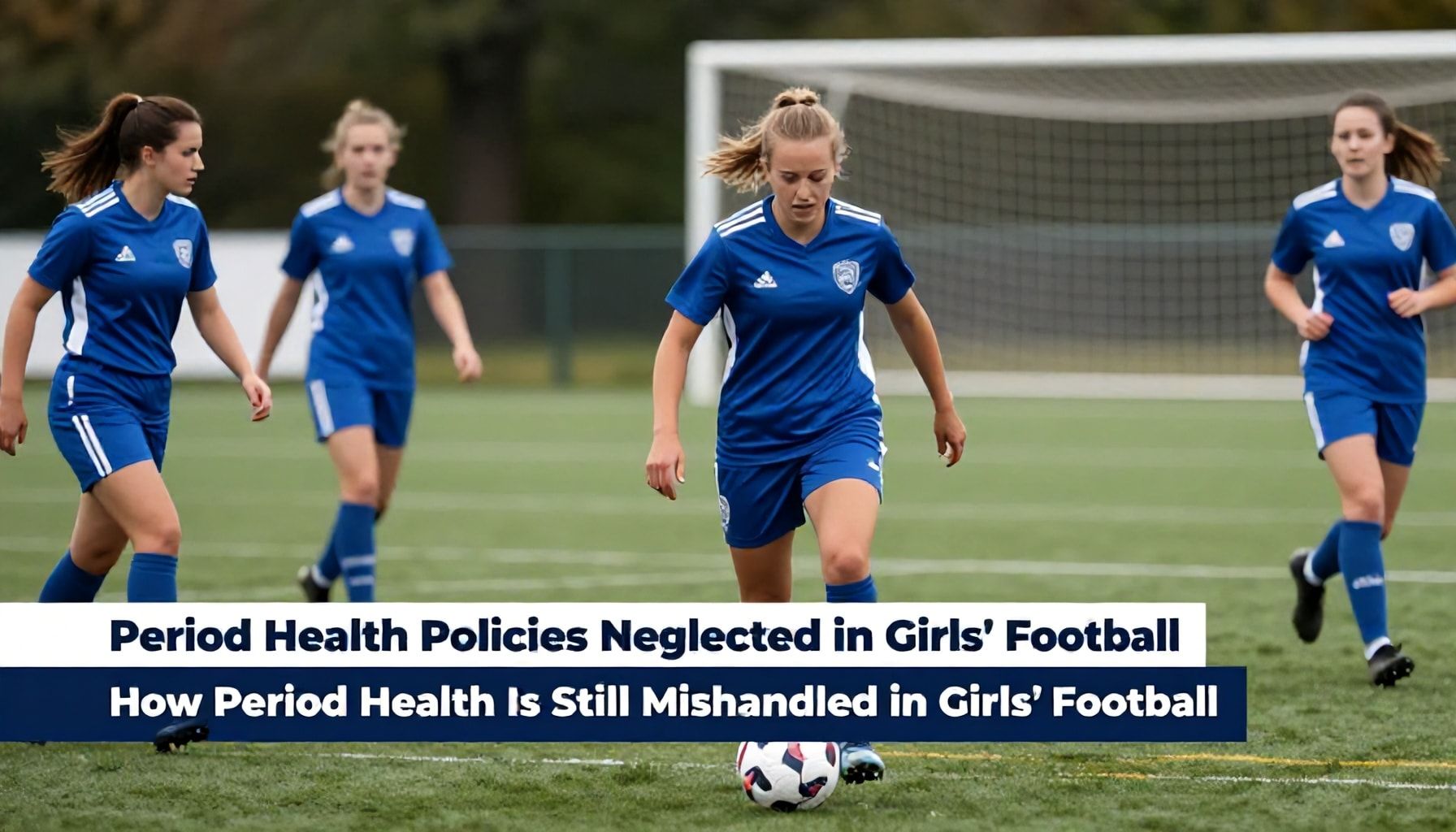
Period health policies in girls’ football remain woefully inadequate, according to a recent survey by the Women’s Sports and Fitness Foundation. The survey, conducted with over 1,000 female footballers, revealed that 68% of respondents felt their clubs did not adequately address period health.
Many girls reported feeling embarrassed or uncomfortable discussing their menstrual cycle with coaches or teammates. “I’ve had coaches who didn’t understand why I might need a break during training,” said one anonymous respondent. “It’s not something we talk about openly.”
The lack of proper facilities is another significant issue. Only 37% of respondents said their clubs provided sanitary products, and just 42% had access to private changing facilities. “It’s not just about having the products,” said Dr. Emma Ross, a sports scientist at the University of Brighton. “It’s about creating an environment where girls feel comfortable managing their periods.”
The survey also highlighted a lack of education around period health. Only 28% of respondents said their clubs provided information on how to manage periods during training and matches. “Education is key,” said Dr. Ross. “Girls need to understand their bodies and how to manage their periods effectively.”
The findings come as no surprise to many in the women’s football community. “This is an issue that has been ignored for too long,” said Casey Stoney, a former England international. “It’s time for clubs to take period health seriously and provide the support girls need.”
Football Authorities Overlook Girls' Menstrual Needs
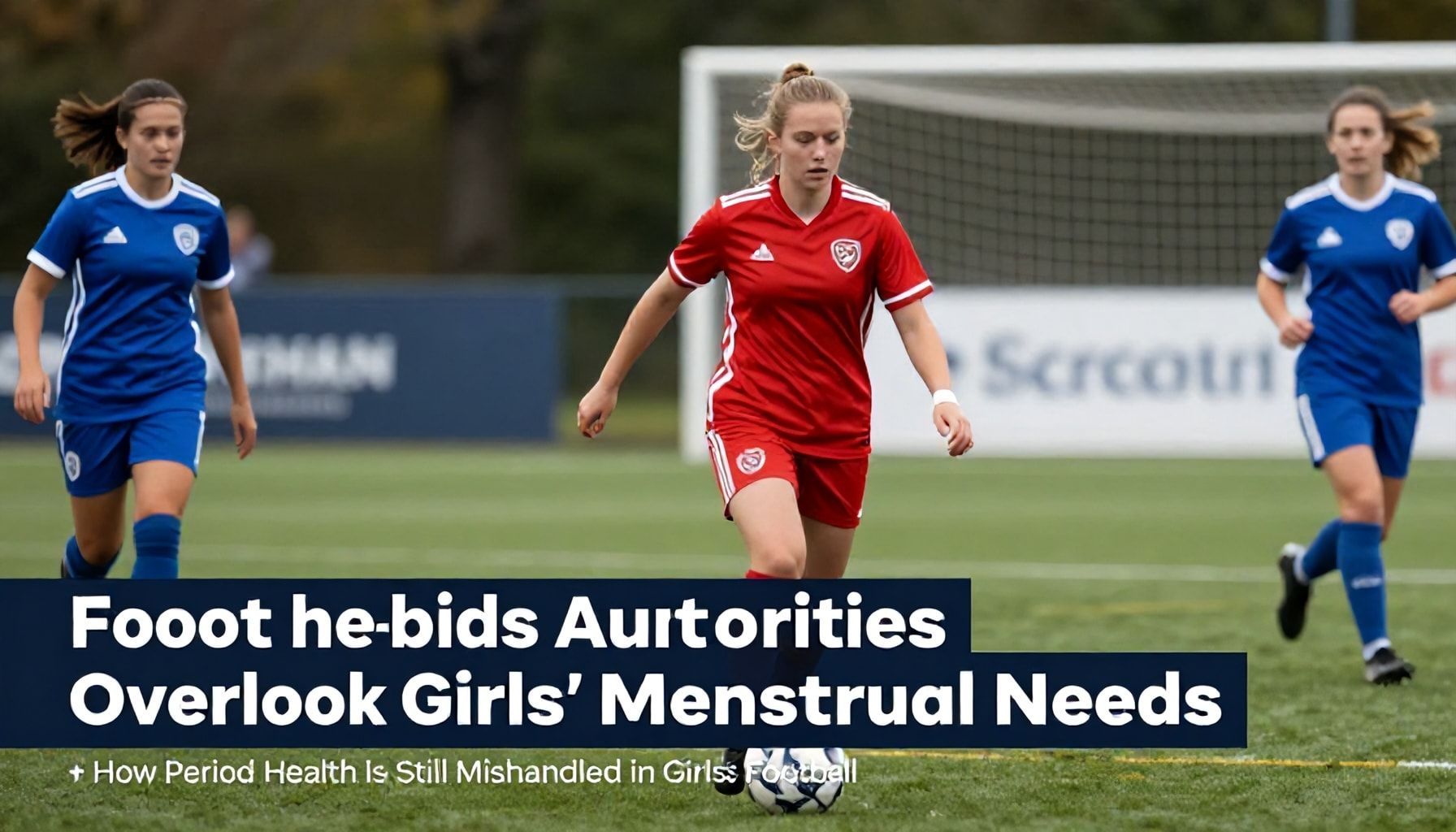
Football authorities are facing criticism for failing to adequately address menstrual health needs in girls’ football. A recent survey by the Women’s Sport and Fitness Foundation found that 60% of female footballers have struggled with period pain during matches, yet many clubs lack proper facilities or policies to support them.
The English Football Association (FA) has no specific guidelines for managing menstrual health in youth football. A spokesperson acknowledged the issue but stated that clubs are responsible for individual policies. This leaves many young players without clear support structures.
Dr. Georgie Bruinvels, a sports medicine researcher, highlights the physical challenges. “Girls experience a 10-30% reduction in strength and power during their menstrual cycle,” she said in a 2023 interview. Despite this, many coaches remain unaware of how to accommodate these changes.
A 2022 study published in the British Journal of Sports Medicine found that 43% of female athletes hide period symptoms for fear of stigma. This cultural barrier prevents open discussions about menstrual health, exacerbating the problem.
Some clubs are taking initiative. Manchester City Women’s FC now provides free sanitary products and education sessions. However, such measures remain rare. Without widespread policy changes, girls’ football will continue to overlook a fundamental aspect of player welfare.
The lack of action from governing bodies underscores a systemic issue. Until menstrual health is prioritised at all levels, young female athletes will continue to face unnecessary challenges. Campaigners urge the FA to implement national standards to ensure consistency and support across the sport.
The lack of adequate period health management in girls’ football persists, with many young athletes still struggling to access proper facilities and support. While some clubs have begun implementing changes, the issue remains widespread, highlighting a significant gap in sports provision. Moving forward, increased awareness and investment in dedicated facilities could help address these challenges. Meanwhile, ongoing advocacy efforts aim to ensure that girls’ football becomes more inclusive and supportive of all players’ health needs.