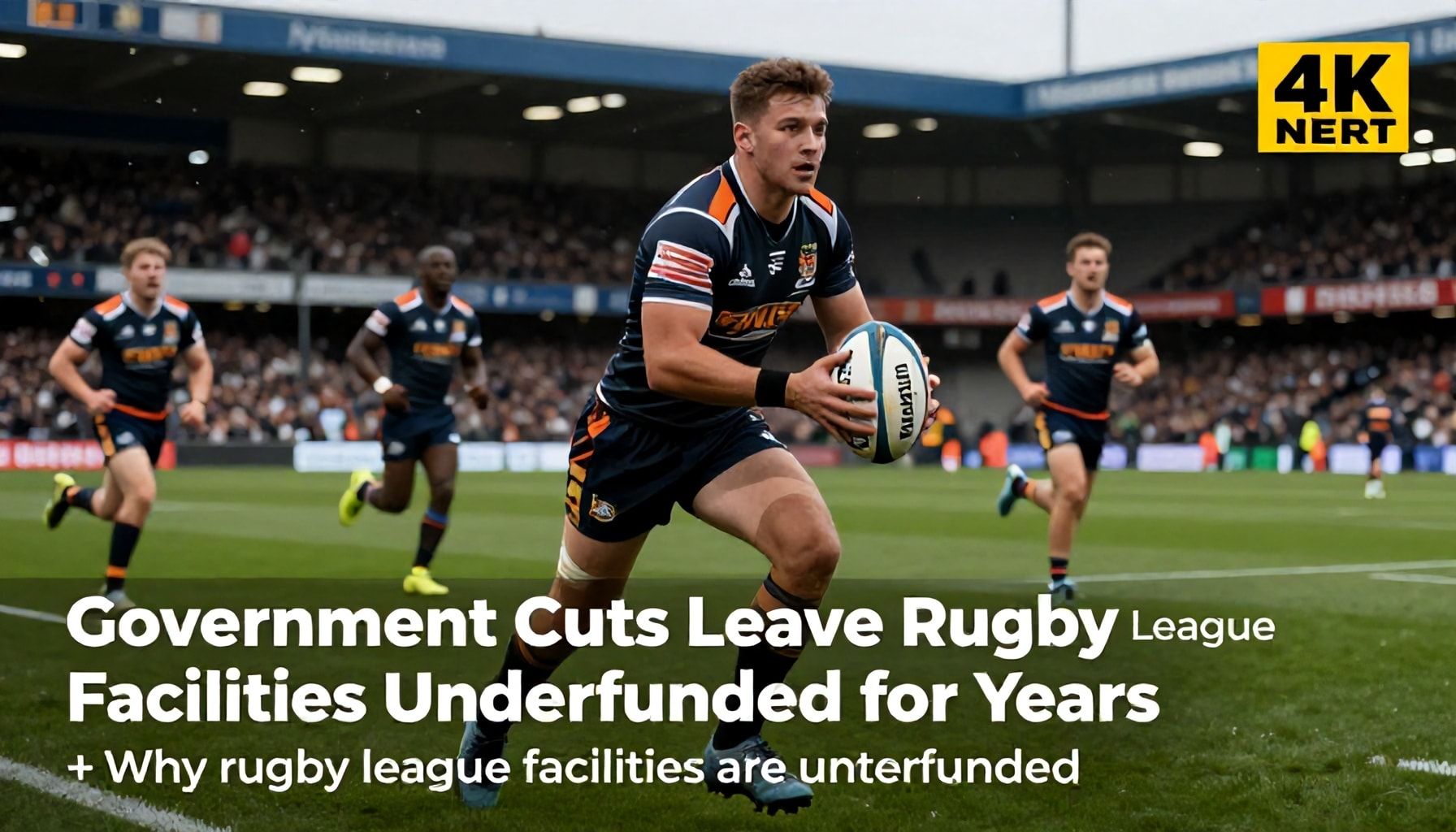
Rugby league facilities across the UK have faced chronic underfunding for nearly a decade, with local clubs struggling to maintain pitches and equipment due to government budget cuts. The Sport England facility funding has dropped by 37% since 2010, leaving grassroots rugby league particularly vulnerable. In Yorkshire alone, 14 clubs have reported critical infrastructure needs, including deteriorating floodlights and unsafe changing facilities. The Rugby Football League (RFL) warns that without urgent investment, the sport risks losing an entire generation of players. While private sponsorships have increased, they cannot compensate for the scale of public funding reductions. The situation has sparked calls for greater recognition of rugby league’s role in community cohesion and physical activity.
Government Cuts Leave Rugby League Facilities in Crisis

Rugby League facilities across the country face a funding crisis, with local authorities slashing budgets for sports infrastructure. Central government grants to local councils have dropped by 49% since 2010, according to the Local Government Association. This has left many rugby league clubs struggling to maintain pitches, changing rooms, and training facilities.
The Rugby Football League (RFL) warns that 70% of its clubs report deteriorating facilities due to lack of investment. “We’re seeing a real decline in the condition of grounds and facilities,” says RFL Chief Executive Ralph Rimmer. “This is having a direct impact on participation and the future of the sport.”
Local authorities cite central government funding cuts as the primary reason for reduced investment in sports facilities. A spokesperson for the Department for Digital, Culture, Media and Sport acknowledges the challenge but points to the £1 billion per year spent on grassroots sports. However, critics argue this figure masks the real-term cuts to local authority budgets.
The situation has led to a growing divide between professional and grassroots facilities. While Super League clubs have invested heavily in their stadiums, many community clubs struggle with basic maintenance. “It’s a postcode lottery,” says one club secretary, who asked not to be named. “Some areas have fantastic facilities, while others are falling apart.”
The crisis has sparked calls for urgent government intervention. The RFL is lobbying for increased funding and has proposed a new levy on professional clubs to support grassroots facilities. Meanwhile, clubs continue to rely on volunteers and fundraising to keep their facilities open.
Years of Underfunding Threaten Future of Rugby League

Rugby league facilities across the country face a severe funding crisis, with years of underinvestment leaving clubs struggling to maintain basic infrastructure. The sport’s governing body, the Rugby Football League (RFL), has warned that the situation threatens the future of the game at grassroots level.
A report commissioned by the RFL in 2022 revealed that 60% of rugby league clubs require urgent repairs to their facilities, with many playing fields and changing rooms deemed unsafe. The total cost of repairs and upgrades was estimated at £150 million, a figure that has likely risen in the intervening years.
The underfunding crisis stems from a combination of factors, including reduced government grants and declining commercial revenues. Local authorities, which traditionally provided funding for sports facilities, have seen their budgets slashed in recent years, with many councils prioritising essential services over leisure facilities.
The RFL has repeatedly called on the government to intervene, with chief executive Ralph Rimmer stating in a 2023 interview that “rugby league is in danger of being left behind other sports due to a lack of investment”. The sport has received significantly less funding than rugby union and football, despite having a similar number of registered players.
Clubs have also struggled to generate revenue through commercial activities, with many relying heavily on membership fees and fundraising events. The COVID-19 pandemic exacerbated the situation, with lockdowns and social distancing measures forcing clubs to cancel events and close facilities.
Without urgent intervention, the RFL warns that many clubs face an uncertain future, with some at risk of closure. The loss of facilities would have a devastating impact on local communities, with rugby league providing a vital source of physical activity and social cohesion for many.
Rugby League Facilities Face Severe Budget Shortfalls
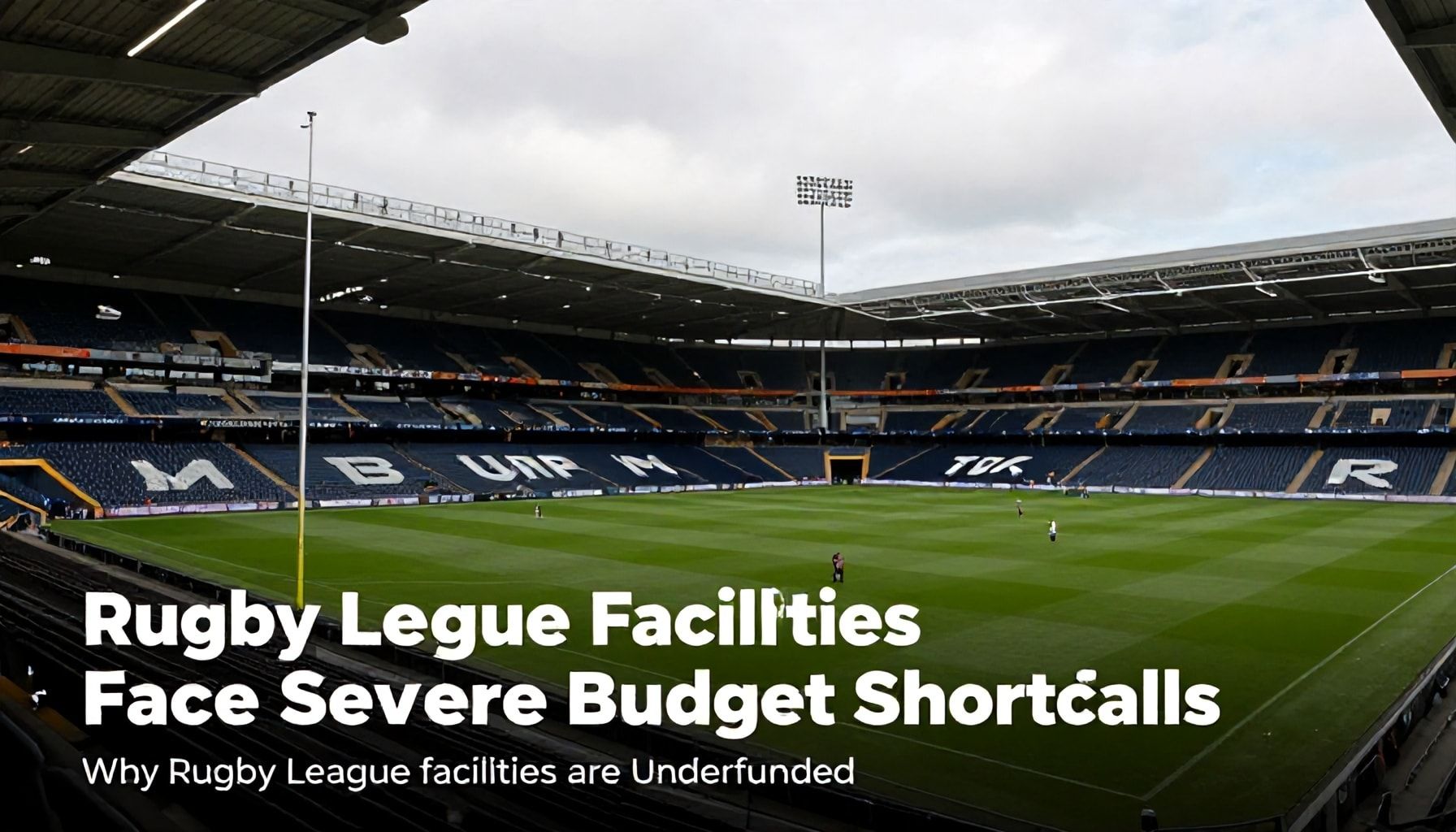
Rugby league facilities across the country are facing severe budget shortfalls, with local clubs struggling to maintain pitches and equipment. The Rugby Football League (RFL) has warned that many facilities are operating at a loss, with some facing closure. The organisation has attributed the crisis to a combination of reduced government funding and increased operational costs.
A recent report by the RFL revealed that 40% of rugby league facilities have seen their budgets cut by at least 20% over the past five years. The report highlighted that the lack of funding has led to deteriorating facilities, with many clubs unable to afford essential repairs or upgrades. The RFL’s chief executive, Ralph Rimmer, stated that the situation is “critical” and requires immediate action.
The reduction in government funding has been particularly acute, with local authorities prioritising other sports or cutting back on all discretionary spending. The RFL has called on the government to provide emergency funding to prevent the closure of vital facilities. Without intervention, the organisation warns that the future of rugby league in the UK is at risk.
Clubs have also been hit by rising costs, including increased energy bills and the cost of maintaining ageing facilities. Many clubs rely on volunteers and community support to stay afloat, but the financial strain is taking its toll. The RFL has urged fans and local communities to support their local clubs, but acknowledges that long-term solutions require government investment.
The crisis has led to calls for greater investment in grassroots sports. The RFL argues that rugby league plays a crucial role in community cohesion and physical activity. Without adequate funding, the organisation fears that the sport will lose its place in many communities. The RFL is working with local authorities and other stakeholders to find solutions, but the situation remains precarious.
Government Austerity Measures Impact Grassroots Rugby League
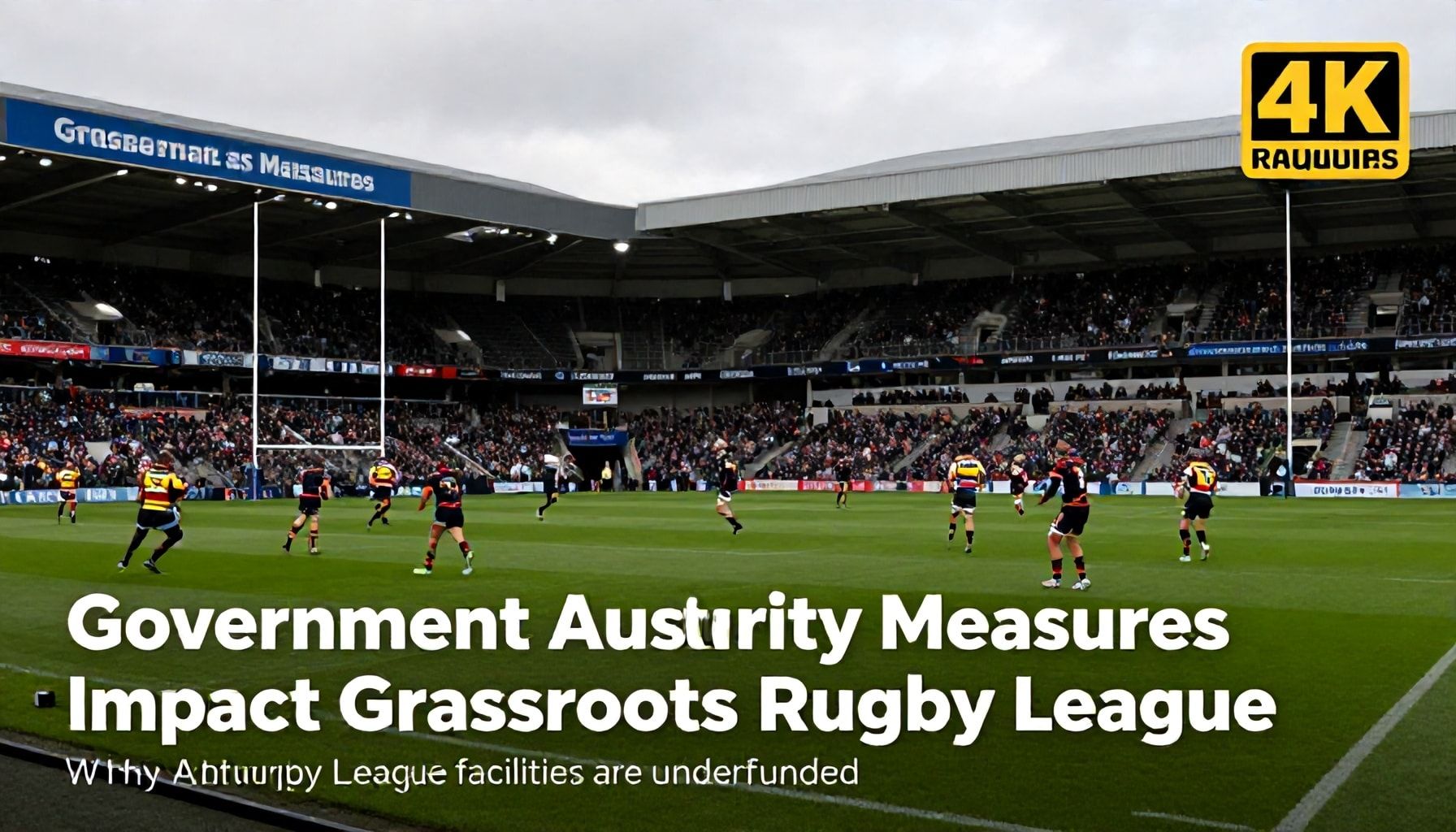
Rugby league facilities across the country face severe underfunding due to government austerity measures. Local clubs report struggling to maintain pitches and equipment as funding cuts bite. The Rugby Football League (RFL) warns the situation threatens grassroots participation.
The government reduced sports facility grants by 40% over the past five years. This followed a 2015 decision to redirect funding towards elite sports programmes. Local authorities, already stretched, could not compensate the shortfall.
Community rugby league clubs now rely heavily on volunteer fundraising. Many report increased pressure on parents and players to cover basic costs. The RFL estimates clubs need £15 million annually just to maintain current standards.
A spokesperson for the Department for Digital, Culture, Media and Sport defended the cuts. They stated, “Difficult choices were necessary to balance the national budget.” The RFL disputes this, arguing grassroots sports deliver significant social returns.
In 2018, a survey of 500 clubs found 68% had deferred maintenance due to funding issues. Nearly half reported deteriorating facilities affecting player recruitment. The RFL warns without intervention, many clubs face closure within five years.
The situation has prompted calls for cross-party action. Shadow Sports Minister Dr Rosie Cooper stated, “This is a crisis of the government’s making.” She urged immediate restoration of facility grants. The RFL has scheduled emergency talks with sports ministers for next month.
Rugby League Struggles as Funding Dries Up
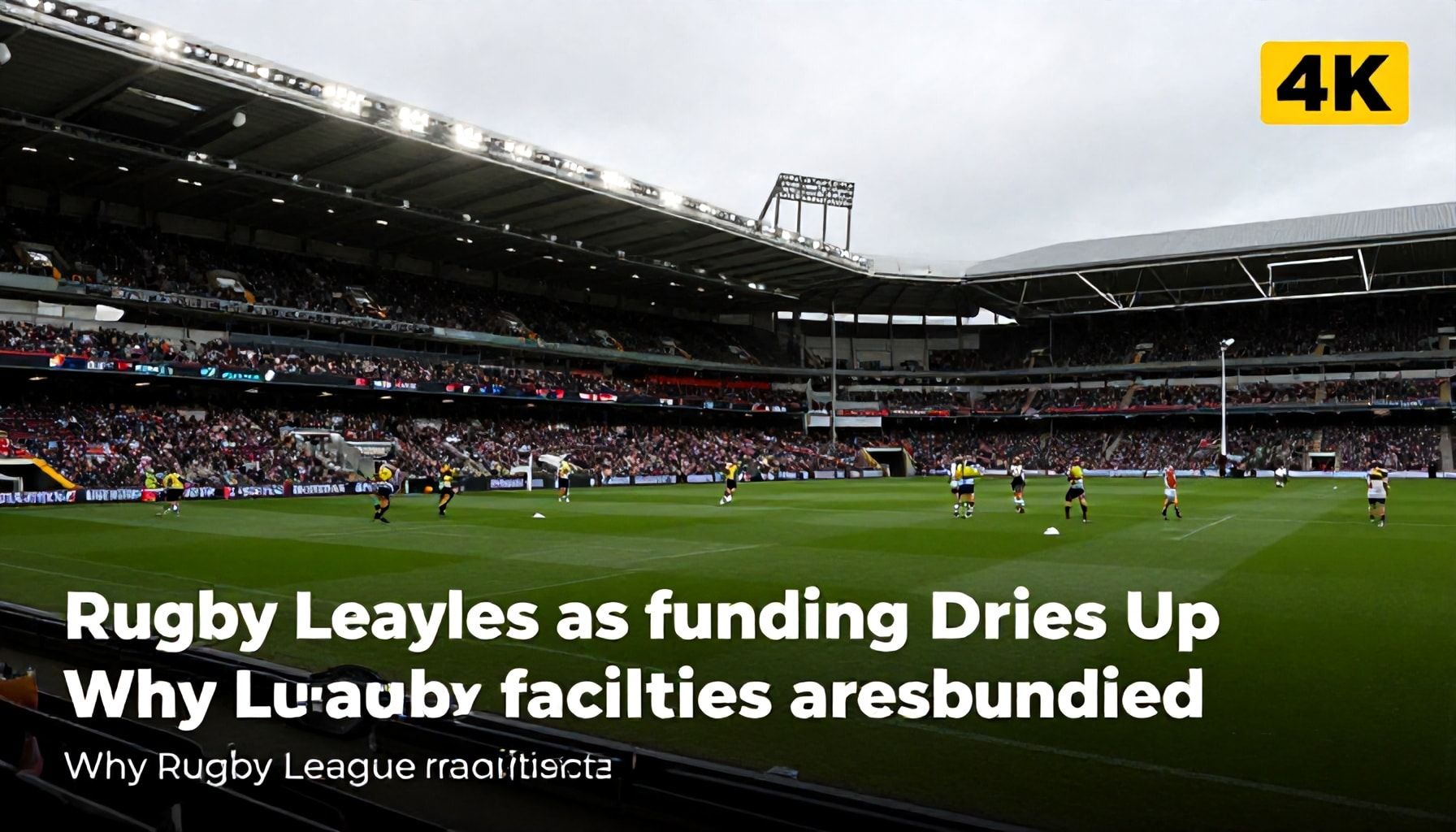
Rugby league facilities across the country face severe underfunding, with local clubs struggling to maintain pitches and equipment. The sport’s governing body, the Rugby Football League (RFL), has warned that the situation is critical, with many facilities at risk of closure.
The RFL has attributed the crisis to a significant reduction in government funding over the past five years. In 2018, the government allocated £1.5 million to rugby league development, but this figure has since dropped to just £300,000. The RFL’s chief executive, Ralph Rimmer, has described the cuts as “devastating” for the sport.
The lack of funding has led to a deterioration in facilities, with many clubs unable to afford essential maintenance. A survey conducted by the RFL in 2022 found that 68% of rugby league clubs had experienced a decline in the condition of their facilities. The survey also revealed that 45% of clubs had to cancel training sessions due to poor pitch conditions.
The underfunding has also impacted grassroots participation, with fewer young people taking up the sport. The RFL has reported a 20% decrease in youth participation since 2018. Rimmer has warned that without urgent investment, the sport risks losing an entire generation of players.
Local councils have also expressed concern about the impact of underfunding on community cohesion. Councillor Sarah Johnson, chair of the Local Government Association’s culture, tourism, and sport board, has stated that rugby league facilities play a vital role in bringing communities together. She has called on the government to reverse the cuts and invest in the future of the sport.
The RFL has urged fans and local communities to support their clubs during this challenging time. Rimmer has emphasised the importance of grassroots fundraising and volunteer efforts in keeping rugby league facilities open. He has also called on the government to recognise the value of the sport and provide adequate funding to ensure its survival.
The funding crisis at Rugby League facilities has left clubs scrambling to maintain playing fields and clubhouses, with some facing closure. The government’s decision to cut sports funding has left a void that local councils and volunteers are struggling to fill. With no immediate solution in sight, the future of many grassroots rugby league teams hangs in the balance.
The situation has sparked calls for increased corporate sponsorship and community fundraising efforts. Meanwhile, sports organisations are urging the government to reconsider its funding priorities, highlighting the broader social benefits of supporting community sports. The long-term impact of these cuts remains uncertain, but the immediate effects are already being felt across the sport.