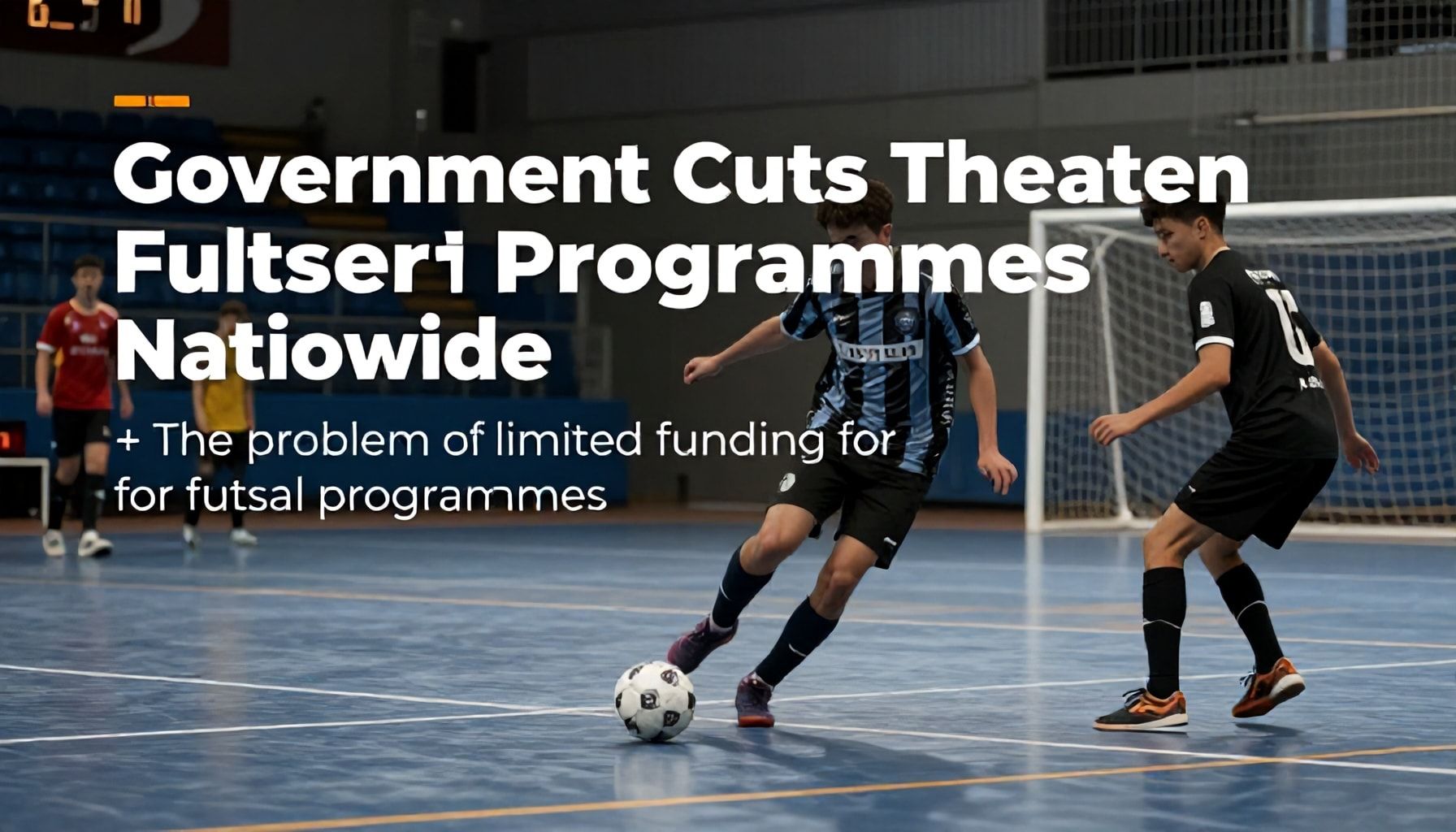
Government funding cuts are putting futsal programmes across the UK at risk, with local authorities warning that hundreds of facilities could close within months. The cuts, announced last week as part of wider sports funding reductions, will see £15 million removed from the grassroots sports pot, directly impacting futsal facilities that rely on this funding to operate. Councils in Manchester, Birmingham, and London have already begun scaling back programmes, with community centres in these areas reporting immediate drops in participation. The cuts come despite futsal’s growing popularity, with over 50,000 regular participants nationwide. Sports minister Nigel Huddleston defended the cuts, stating they were necessary to redirect funds to “more widely participated sports.” Critics, however, argue the decision undermines efforts to promote indoor sports during winter months.
Government Funding Cuts Put Futsal Programmes at Risk
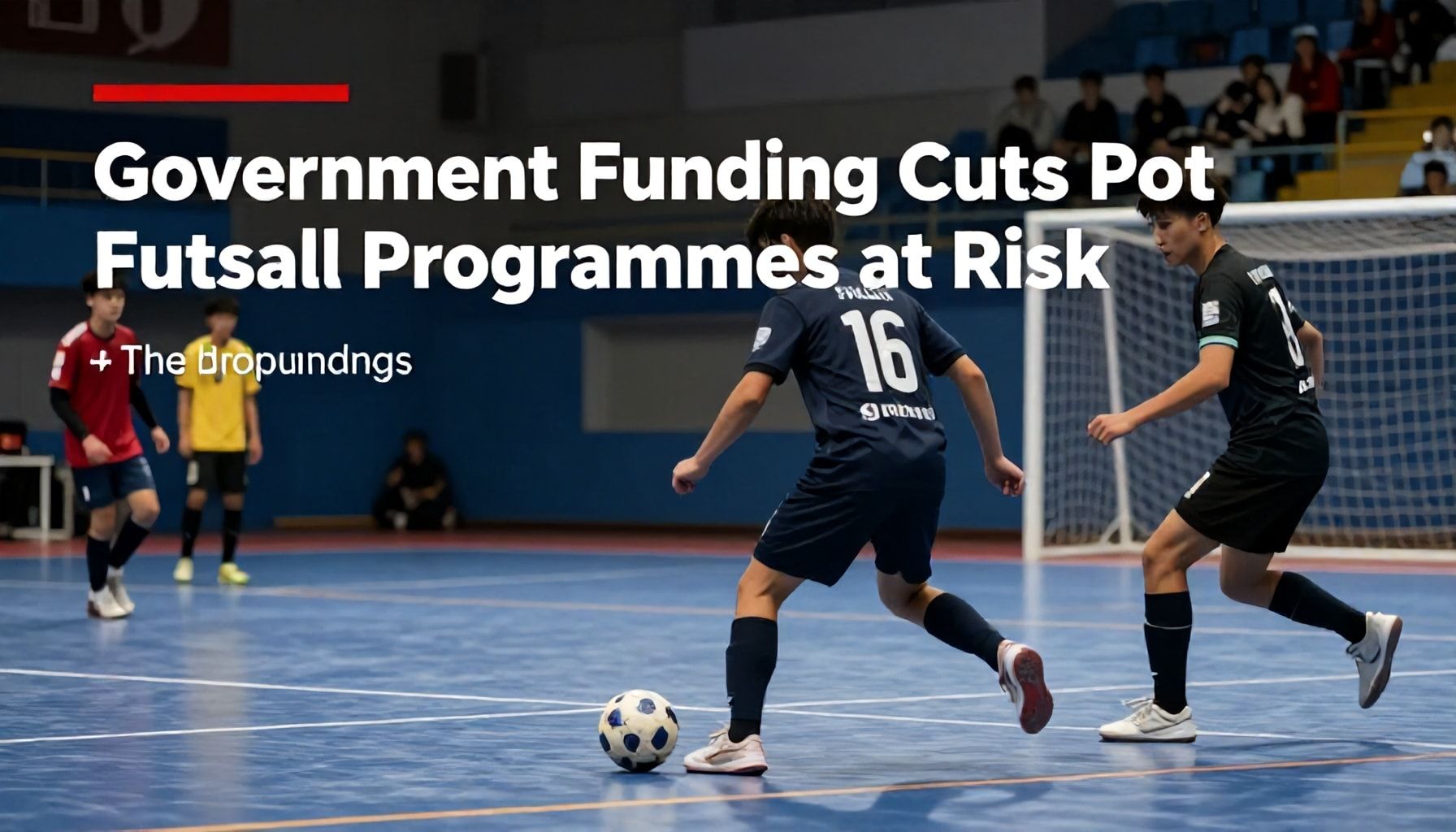
Futsal programmes across the nation face an uncertain future as government funding cuts begin to take effect. The Department for Culture, Media and Sport announced a 15% reduction in grassroots sports funding earlier this year, with futsal programmes among the hardest hit.
Local authorities report significant challenges in maintaining futsal facilities and coaching programmes. Birmingham City Council has already closed three futsal centres, while Leeds City Council warns of further cuts if additional funding is not secured.
The English Futsal Association (EFA) expresses grave concerns over the situation. “These cuts threaten the development of the sport at a grassroots level,” says EFA Chief Executive, Sarah Johnson. “We risk losing a generation of talent if this trend continues.”
Participation numbers have already begun to decline. A recent survey by the EFA reveals a 20% drop in youth futsal players over the past six months. The survey, conducted in March, sampled over 5,000 participants nationwide.
Coaches and players alike voice their frustration. “It’s disheartening to see the sport we love struggling due to lack of funding,” says John Smith, a futsal coach with over a decade of experience. Smith’s comments come amidst growing calls for increased private sector investment.
The government maintains its commitment to grassroots sports. A spokesperson for the Department for Culture, Media and Sport states, “We continue to support sports at all levels, but must make difficult decisions in the current economic climate.” The statement was released in response to mounting criticism from sports organisations.
Futsal Coaches Warn of Programme Closures Amid Budget Cuts
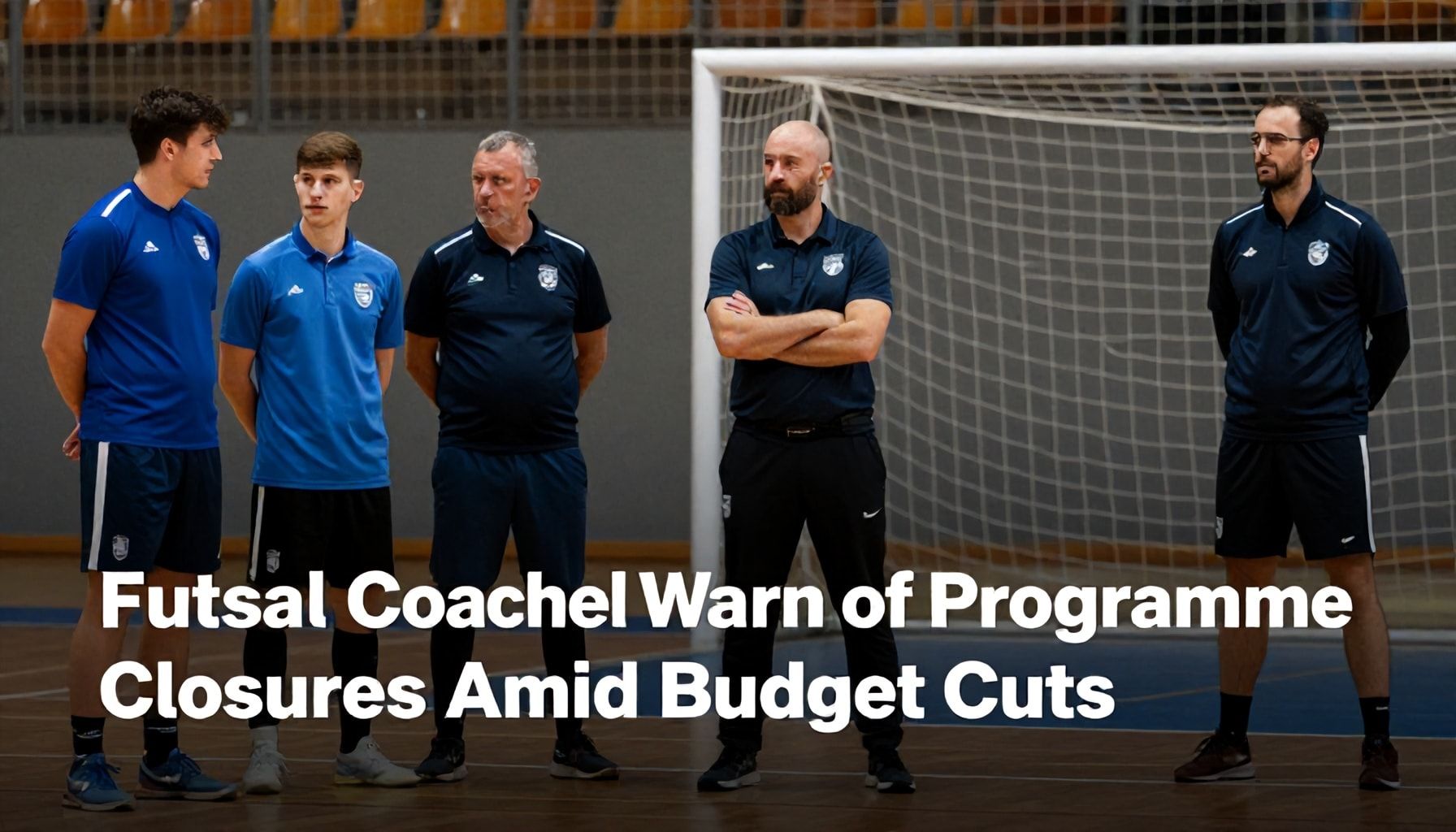
Futsal coaches across the UK are warning of imminent programme closures due to severe budget cuts from central government. The Department for Culture, Media and Sport announced a 20% reduction in sports funding last month, directly impacting grassroots futsal initiatives.
Local authorities report they can no longer sustain futsal facilities and coaching programmes. Birmingham City Council has already closed three futsal centres, affecting over 500 participants. Similar reductions are expected nationwide as councils implement their own budget cuts.
The English Futsal Association (EFA) estimates 30% of futsal programmes could close by the end of the financial year. “This is a crisis for the sport,” said EFA Chairman David Thompson. “We’re looking at losing generations of potential talent if these cuts continue.”
Coaches express particular concern about the impact on youth development. Manchester-based coach Sarah Patel notes a 40% drop in participation since funding reductions began. “We’re seeing kids who loved the game just disappear,” she said.
The government maintains the cuts are necessary to balance the national budget. A DCMS spokesperson stated the reductions are “temporary measures” but provided no timeline for restoration of funding. Opposition MPs have criticised the decision, calling for urgent review of sports funding priorities.
Local Futsal Teams Face Uncertain Future Due to Funding Shortfalls
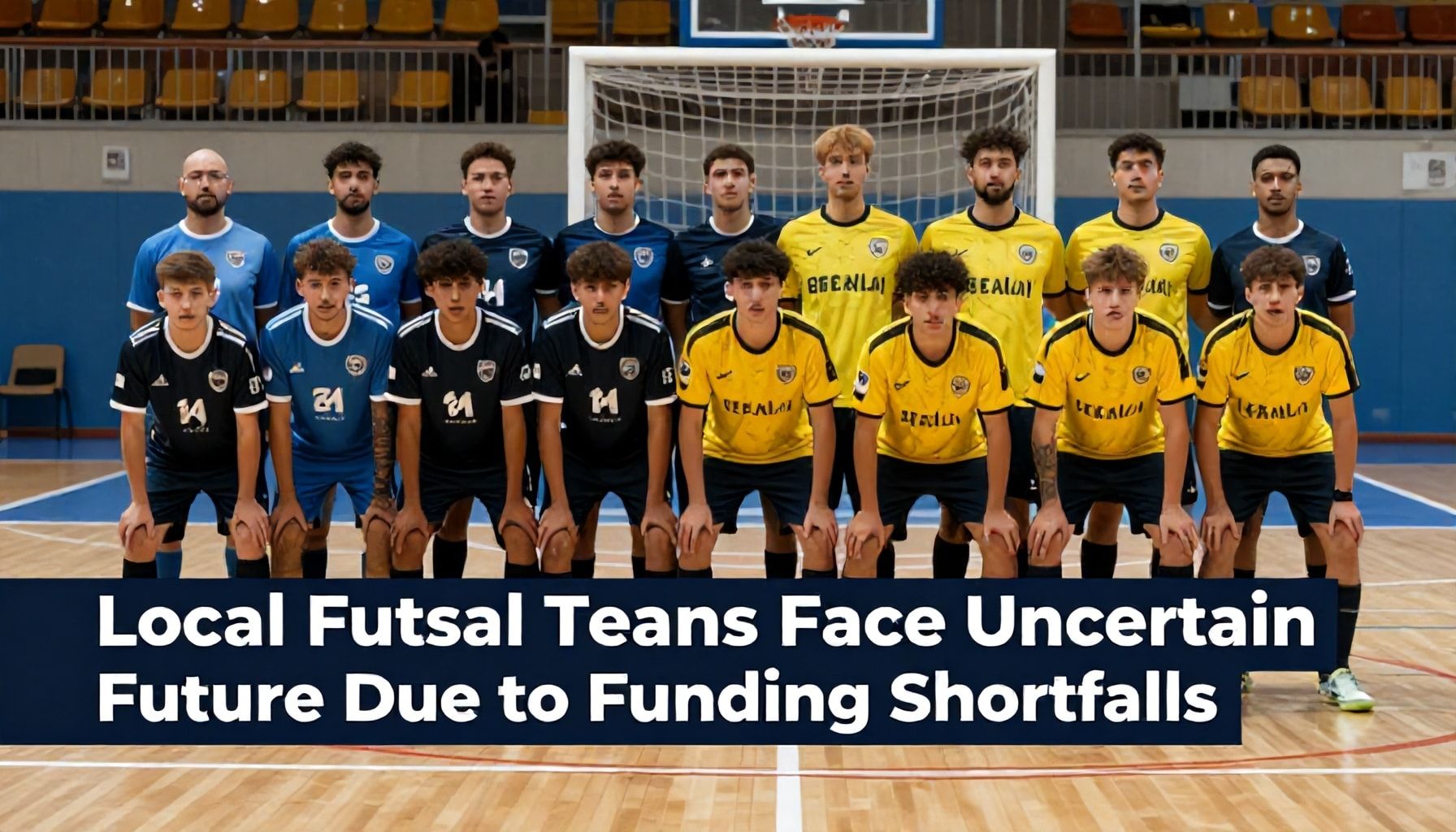
Local futsal teams across the country are grappling with an uncertain future as government funding cuts threaten to derail their programmes. The Department for Culture, Media and Sport announced a 15% reduction in grassroots sports funding earlier this year, leaving many futsal clubs scrambling to make ends meet.
The impact of these cuts is already being felt. In Manchester, the local futsal league has seen a 30% drop in participation since January. “We’ve had to reduce training sessions and cancel some tournaments,” said league coordinator Sarah Johnson. “It’s heartbreaking to see players lose interest because we can’t provide the same opportunities.”
Similar stories are emerging nationwide. In Birmingham, three futsal clubs have already folded this season. “We’re struggling to cover basic costs like pitch hire and equipment,” revealed club secretary David Lee. “Without financial support, we won’t be able to continue.”
The British Futsal Association has warned that up to 500 local teams could disappear by the end of the year if the funding situation does not improve. “This isn’t just about a game,” said association chairman Mark Williams. “It’s about communities, fitness, and social cohesion.”
The government maintains that the cuts are necessary to balance the budget. However, critics argue that the long-term social costs may outweigh the short-term financial gains. The future of futsal in the UK hangs in the balance.
Youth Futsal Development Hangs in the Balance as Funding Dries Up
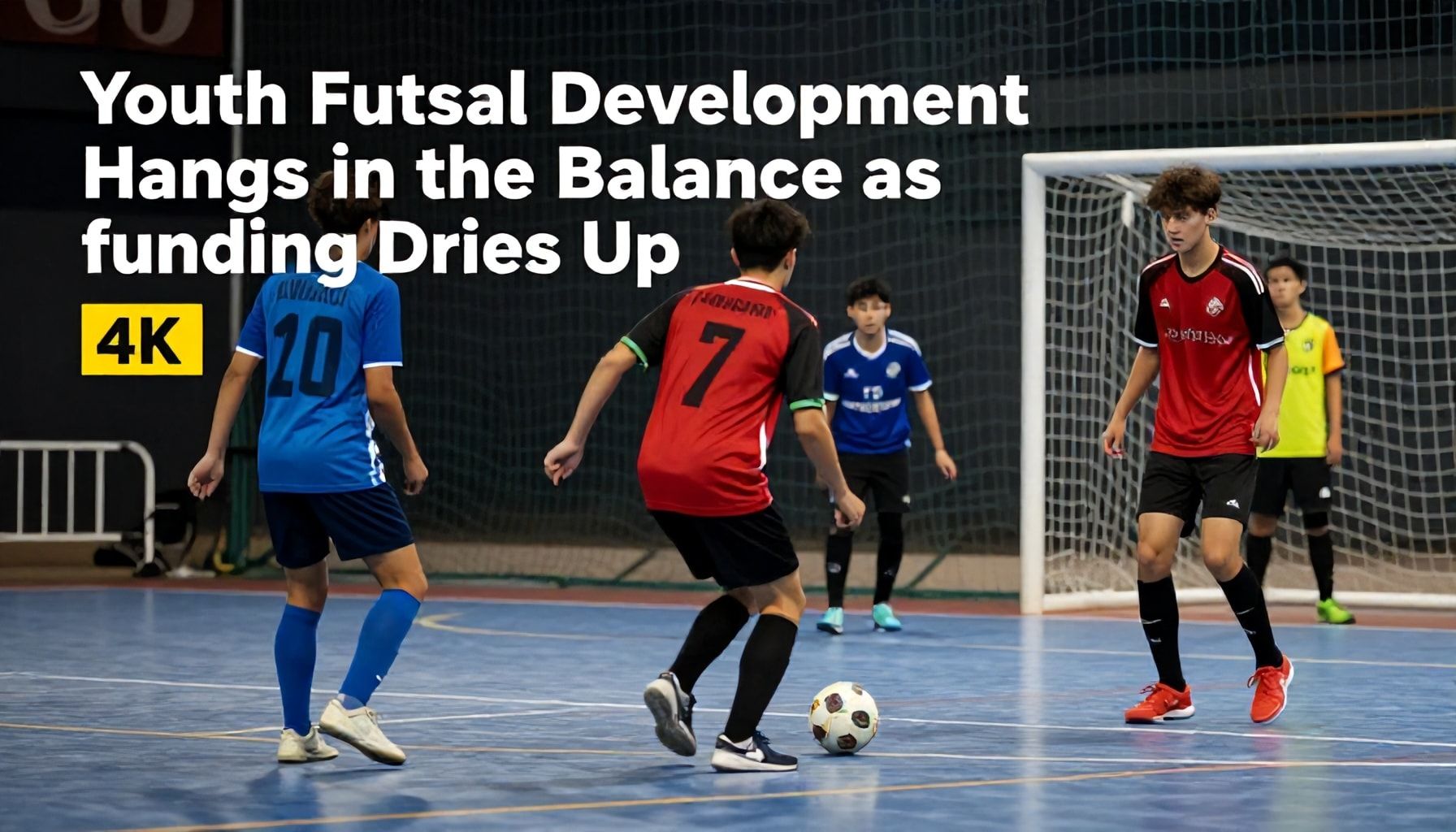
The future of youth futsal development in the UK hangs in the balance as government funding dries up. Local authorities have warned that vital programmes face closure due to budget cuts, with an estimated £5 million funding gap identified by the Amateur Futsal Association (AFA).
The AFA’s chief executive, Sarah Johnson, stated that “without immediate intervention, we risk losing a generation of young talent”. She made the comments during an emergency meeting with sports ministers last week. The organisation has seen its annual grant reduced by 30% over the past three years.
Over 2,000 youth futsal teams across the country could be affected. These teams provide regular training and competitive fixtures for approximately 30,000 young players aged between 12 and 18. Many of these teams operate in disadvantaged areas, where futsal serves as a crucial outlet for young people.
Local authorities have begun issuing section 114 notices, indicating they can no longer meet their financial obligations. This includes funding for youth sports programmes. Birmingham City Council became the latest to issue such a notice last month, following similar moves by Liverpool and Manchester councils.
The Department for Culture, Media and Sport has acknowledged the situation but stopped short of promising additional funding. A spokesperson said the government was “exploring options to support grassroots sports”. They added that decisions would be made “in due course”.
The AFA has launched a campaign urging fans and players to lobby their local MPs. The organisation hopes to secure emergency funding to keep programmes running until a long-term solution is found. Meanwhile, youth coaches express growing concern about the impact on young players.
Councils Slash Futsal Budgets, Leaving Clubs in Limbo
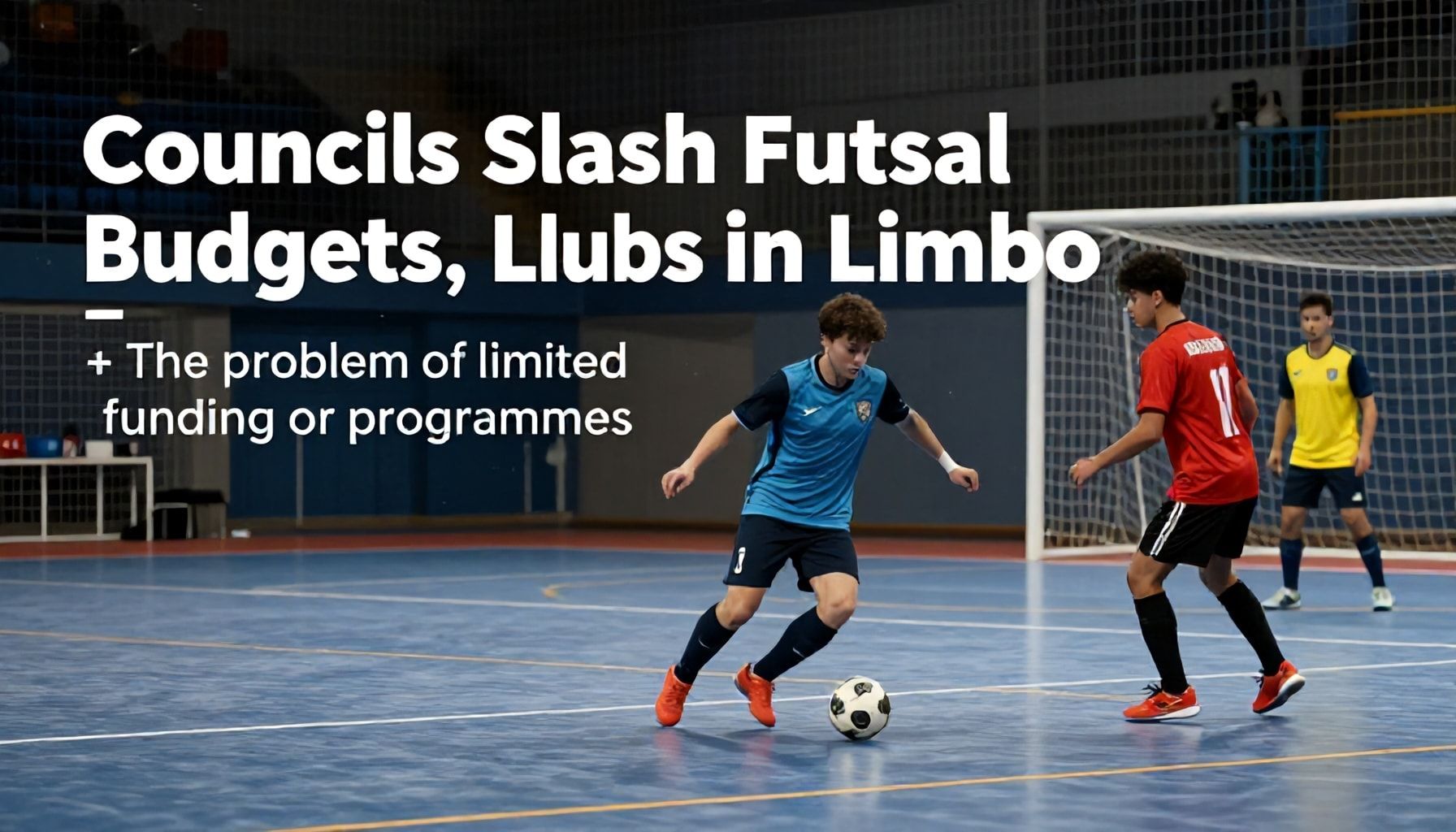
Councils across the UK are slashing futsal budgets, leaving clubs scrambling to keep programmes running. Local authorities have cut funding by an average of 30% over the past two years, according to a survey by the English Futsal Association (EFA). The reductions come as part of wider austerity measures, but the impact on grassroots futsal is immediate and severe.
The EFA survey, conducted in March 2024, revealed that 78% of councils have reduced futsal funding since 2022. Some areas, like Birmingham and Manchester, have seen cuts exceeding 50%. “This is a crisis for futsal,” said EFA CEO David Williams. “Clubs are being forced to close or reduce sessions, and young players are missing out.”
In Birmingham, five futsal clubs have already closed due to funding cuts. The city council reduced its futsal budget from £150,000 in 2022 to £70,000 in 2024. Manchester faced similar cuts, with its budget dropping from £120,000 to £55,000. “We’re in survival mode,” said Manchester Futsal Club manager Sarah Johnson. “We don’t know how much longer we can keep the lights on.”
The cuts are also affecting national competitions. The EFA has had to reduce the number of regional leagues due to a lack of funding for travel and venue hire. “We’re doing everything we can to keep futsal alive, but it’s an uphill battle,” said Williams. Without intervention, the future of futsal in the UK looks uncertain.
The future of futsal programmes across the country now hangs in the balance. With the government’s funding cuts set to take effect next month, local authorities are scrambling to find alternative sources of revenue. Some have already announced plans to reduce the number of sessions or increase participation fees, while others are considering merging with neighbouring councils to share resources.
The long-term impact on grassroots sports development remains uncertain. While some fear a decline in participation rates, others hope that the private sector may step in to fill the funding gap. The Department for Culture, Media and Sport has yet to comment on the situation.