The UK government has called on schools to immediately address disparities in physical education access, with new data revealing that nearly one in five students receive less than the recommended two hours of PE per week. This urgent appeal comes as figures from Sport England show significant variations between regions, with London schools offering an average of just 1.8 hours compared to 2.3 hours in the North East. The Department for Education has issued guidance emphasizing the importance of PE in combating childhood obesity and improving mental health, urging headteachers to review their curricula without delay. The announcement coincides with the start of the new academic year, with schools across England expected to implement changes before the end of the term.
Government Issues Urgent Call to Schools on PE Access
The government has issued an urgent call to schools across the country to address immediate access issues in physical education (PE) programmes. The Department for Education (DfE) has highlighted concerns that nearly one in five schools are failing to provide adequate PE facilities for all students.
A recent survey by the DfE revealed that 18% of secondary schools and 12% of primary schools reported significant gaps in their PE provisions. These gaps include insufficient sports equipment, limited access to playing fields, and a lack of qualified PE teachers.
Education Secretary Nadhim Zahawi emphasised the importance of physical activity in schools. “Physical education is not just about sport; it’s about health, well-being, and life skills,” Zahawi stated during a press conference on Tuesday. “We must ensure every child has equal access to high-quality PE.”
The government has pledged £320 million to improve school sports facilities over the next three years. This funding aims to address the immediate needs identified in the survey and to support long-term improvements in PE provisions.
Schools have been urged to conduct their own assessments and submit action plans to their local education authorities by the end of the month. The DfE has promised to provide additional resources and guidance to help schools meet these targets.
Critics have pointed out that previous funding initiatives have not always reached their intended targets. However, the DfE maintains that this latest initiative is more focused and will be closely monitored to ensure effectiveness.
Parents and education advocates have welcomed the government’s call to action. They hope that this initiative will lead to tangible improvements in PE access for all students, regardless of their school’s location or resources.
Schools Face Immediate Action on Physical Education Access
The UK government has issued an urgent call to action for schools to address immediate access issues in physical education programmes. The Department for Education (DfE) highlighted significant disparities in PE provision across the country, with nearly one in five secondary schools reporting inadequate facilities.
A recent survey by the Association for Physical Education (afPE) revealed that 18% of secondary schools lack sufficient space for outdoor activities. The data, collected from over 1,000 schools, also showed that 12% of primary schools face similar challenges. These figures have prompted the DfE to urge schools to take swift action to ensure equitable access to PE.
The government has emphasised the importance of PE in promoting physical health and mental well-being among students. “Physical education is a vital component of a balanced curriculum,” said a DfE spokesperson. “We are calling on schools to prioritise PE access and make necessary adjustments to their facilities and schedules.”
The afPE has provided guidelines to help schools improve PE provision. Recommendations include utilising community facilities, adjusting timetables to maximise use of available space, and seeking external funding for facility upgrades. The organisation has also encouraged schools to collaborate with local sports clubs to enhance PE opportunities.
The DfE has pledged to support schools in their efforts to improve PE access. Funding and resources will be made available to institutions that demonstrate a commitment to addressing these issues. The government has stressed the need for immediate action to ensure that all students have equal access to quality physical education.
PE Access Crisis Prompts Government Intervention
The UK government has issued an urgent call to action for schools to address critical gaps in physical education (PE) access. This intervention follows alarming data revealing that nearly one-third of secondary schools have reduced PE time over the past five years, with some primary schools offering as little as 30 minutes per week.
A Department for Education spokesperson stated yesterday, “Physical education is fundamental to children’s development. We’re calling on all schools to review their PE provision immediately and take decisive action to ensure equitable access for all pupils.”
The crisis extends beyond time allocation. A 2023 Youth Sport Trust report found that 42% of state schools lack specialist PE teachers, while 60% of pupils reported inadequate facilities. These shortages disproportionately affect disadvantaged areas, exacerbating existing inequalities.
Schools Minister Nick Gibb emphasised the urgency: “We cannot allow this situation to persist. PE is not a luxury – it’s essential for physical and mental well-being. Schools must prioritise this or risk long-term consequences for student health.”
The government has pledged £320 million to support PE and school sport through its PE and Sport Premium funding. However, critics argue this funding is insufficient given the scale of the problem. The Department for Education maintains that proper allocation and utilisation of these funds can drive meaningful change.
Headteachers now face pressure to reallocate resources and curriculum time to PE. The government has promised additional guidance and support to help schools implement these changes effectively. The deadline for initial reviews is set for the end of this academic term.
Physical Education Access: Government Demands Immediate Action
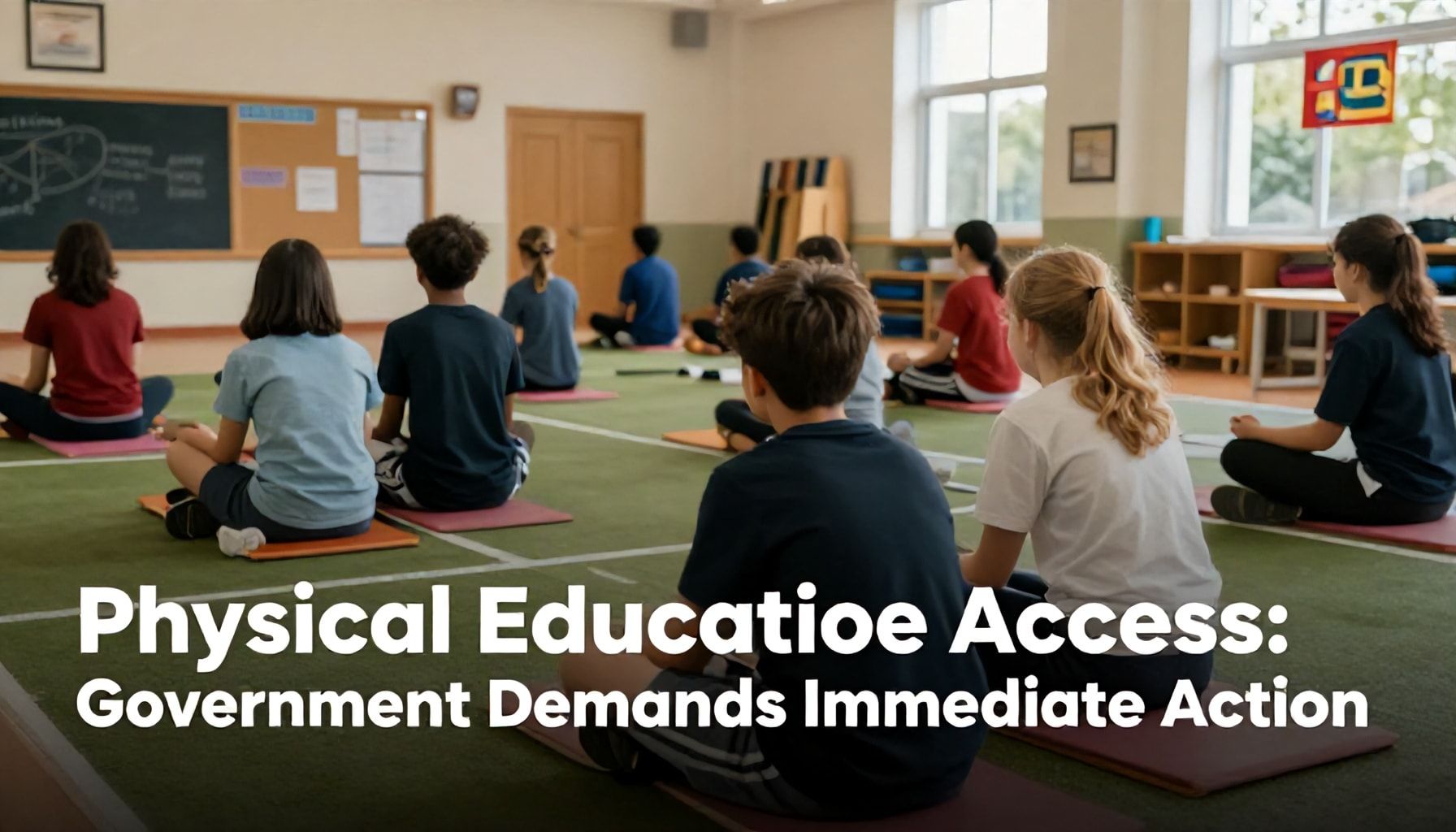
The UK government has issued an urgent call for schools to address immediate access issues in physical education (PE) programmes. The Department for Education (DfE) highlighted disparities in PE provision across the country, with some students receiving as little as one hour of PE per week.
A recent survey by the Youth Sport Trust revealed that 40% of secondary schools struggle to deliver the recommended two hours of PE per week. The charity’s chief executive, Ali Oliver, stated, “This is not just about meeting curriculum requirements. It’s about giving every child the opportunity to be active and healthy.”
The DfE has attributed the access problem to a combination of factors, including lack of funding, teacher shortages, and limited facilities. Schools in disadvantaged areas are particularly affected, with some forced to cancel PE sessions due to insufficient resources.
Education Secretary Gillian Keegan has urged schools to prioritise PE access. “Physical education is not a luxury,” she said in a statement. “It’s a vital part of a well-rounded education that promotes physical health and mental well-being.”
The government has pledged to work with schools and sports organisations to tackle these issues. However, critics argue that more immediate action is needed to ensure all students receive adequate PE provision.
The DfE has also called on schools to utilise the £320 million Primary PE and Sport Premium to improve PE facilities and teacher training. The fund, aimed at improving PE and sport in primary schools, has been criticised for not reaching secondary schools.
Meanwhile, headteachers have expressed concerns about the practicality of increasing PE provision without additional funding. The National Association of Head Teachers (NAHT) has called for a comprehensive review of PE funding and resources.
The government’s call to action comes amid growing concerns about children’s health and fitness levels. Recent data shows that obesity rates among children aged 10-11 have risen to 25.5% in the most deprived areas.
As the debate continues, schools are under increasing pressure to find solutions. The government’s urgency is clear, but whether immediate action will follow remains to be seen.
Urgent Measures Required to Address PE Access Disparities
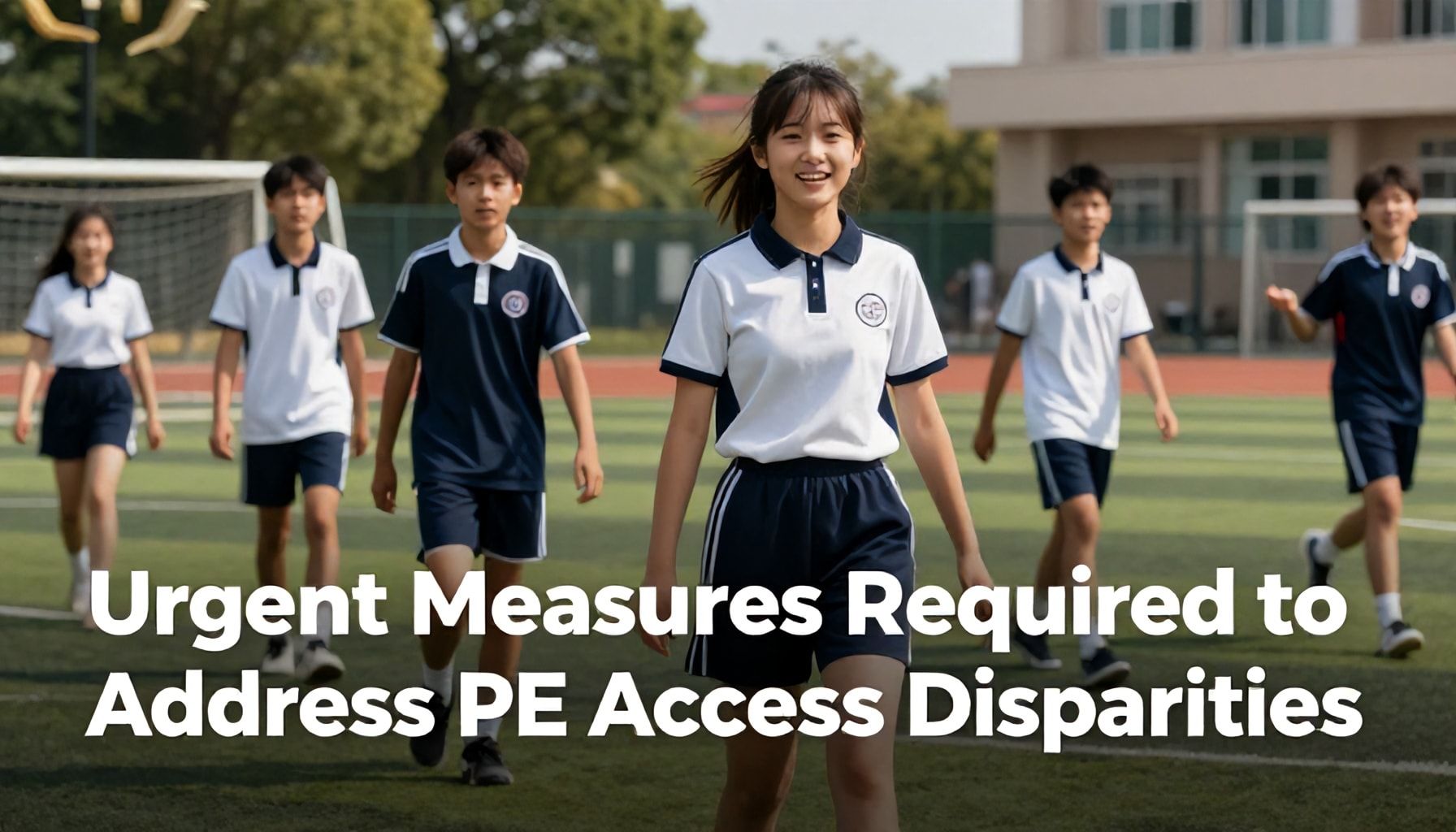
The UK government has issued an urgent call for schools to address disparities in physical education (PE) access. The Department for Education (DfE) highlights significant inequalities in PE provision across the country, with some students receiving as little as one hour of PE per week, while others have access to daily sessions.
A recent survey by the Association for Physical Education (afPE) found that 40% of secondary schools do not meet the recommended minimum of two hours of PE per week. The data, collected from over 1,000 schools, reveals a stark contrast in PE provision, with private schools offering an average of 4.5 hours per week compared to 2.3 hours in state-funded institutions.
The DfE has attributed the disparities to a combination of factors, including funding shortages, lack of specialist staff, and inadequate facilities. Schools in deprived areas are particularly affected, with many struggling to afford qualified PE teachers or maintain sports facilities.
Education Secretary Gillian Keegan has urged schools to prioritise PE access, stating, “Physical education is not a luxury; it is a vital component of a well-rounded education.” She announced that the government will provide additional funding to support schools in improving their PE provision, with a focus on those in disadvantaged areas.
Critics argue that the government’s intervention comes too late, with years of underfunding and neglect leaving many schools ill-equipped to address the issue. The Youth Sport Trust has called for immediate action, with chief executive Ali Oliver stating, “We need a comprehensive strategy to ensure every child has access to high-quality PE, regardless of their background.”
The DfE has set a deadline of September 2023 for schools to submit their plans for improving PE access. Schools that fail to meet the requirements may face inspections and potential sanctions. The government has also pledged to monitor progress closely and provide additional support where necessary.
The government’s urgent call to address physical education access issues comes as schools grapple with post-pandemic recovery. With a focus on mental health and physical well-being, the initiative aims to ensure all pupils receive equal opportunities for PE. The Department for Education has pledged additional funding and support to help schools implement the necessary changes. As the academic year progresses, the impact of these measures on student health and academic performance will be closely monitored. The long-term goal is to create a lasting legacy of improved physical education provision across the UK.