

Grassroots basketball clubs across the UK are struggling to recruit new players, with participation rates falling by 15% over the past five years, according to a recent survey by the English Basketball Association. The decline, most acute among 12-16 year-olds, threatens the future of the sport at a community level, with over 300 clubs reporting player shortages in the last 12 months. Experts attribute the trend to increased competition from other sports, lack of facilities, and the perceived cost of playing basketball, with equipment and membership fees averaging £300-£500 annually. The situation is particularly severe in urban areas, where access to safe outdoor courts has diminished by 20% since 2018. Clubs are now calling for government support to reverse the decline and make the sport more accessible to young people.
Grassroots Basketball Clubs Struggle to Attract New Talent
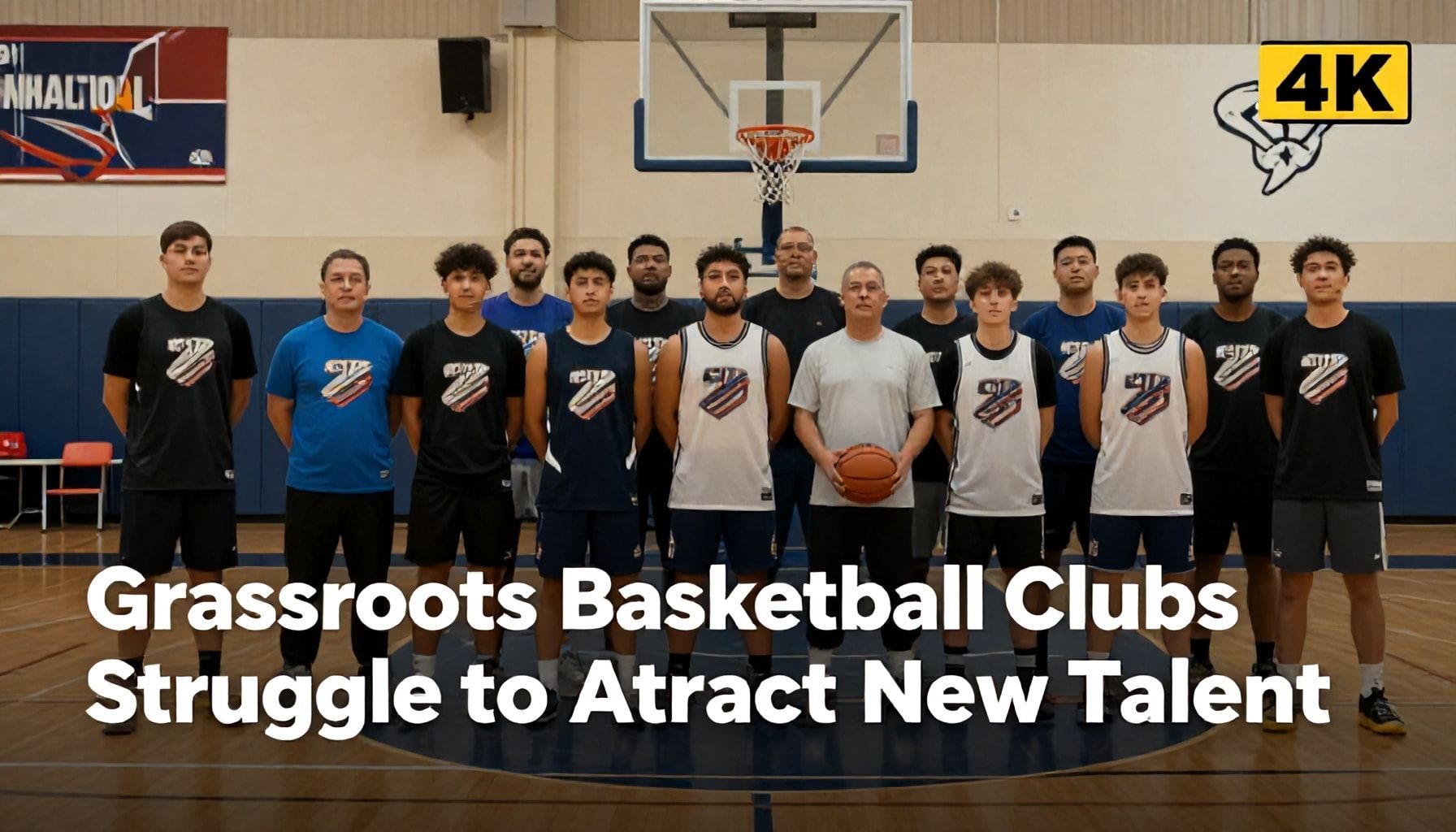
Grassroots basketball clubs across the UK are facing significant challenges in attracting new talent. The decline in participation has been attributed to several factors, including increased competition from other sports and changing youth interests.
A recent survey by the English Basketball Association revealed that 68% of grassroots clubs reported a decrease in player registrations over the past five years. The survey, conducted in 2023, highlighted that clubs in urban areas were particularly affected, with many struggling to maintain their player numbers.
One of the primary reasons for the decline is the growing popularity of football and other sports. Many young athletes are drawn to sports like football, which often receive more media coverage and have more established youth development pathways.
Additionally, the cost of playing basketball has been cited as a barrier. Equipment, club fees, and travel expenses can be prohibitive for some families. “We’ve seen a drop in numbers, especially among younger players, and cost is a significant factor,” said Sarah Johnson, a coach at a London-based club.
The rise of e-sports and online gaming has also contributed to the decline in grassroots basketball participation. Many young people are opting for virtual activities over physical sports, a trend that has accelerated since the COVID-19 pandemic.
Clubs are now looking for innovative ways to attract new players. Some are offering free trials and discounted memberships, while others are partnering with local schools to introduce basketball to a wider audience. Despite these efforts, the challenge of recruiting new talent remains significant.
Declining Participation Rates Hit Local Basketball Clubs Hard
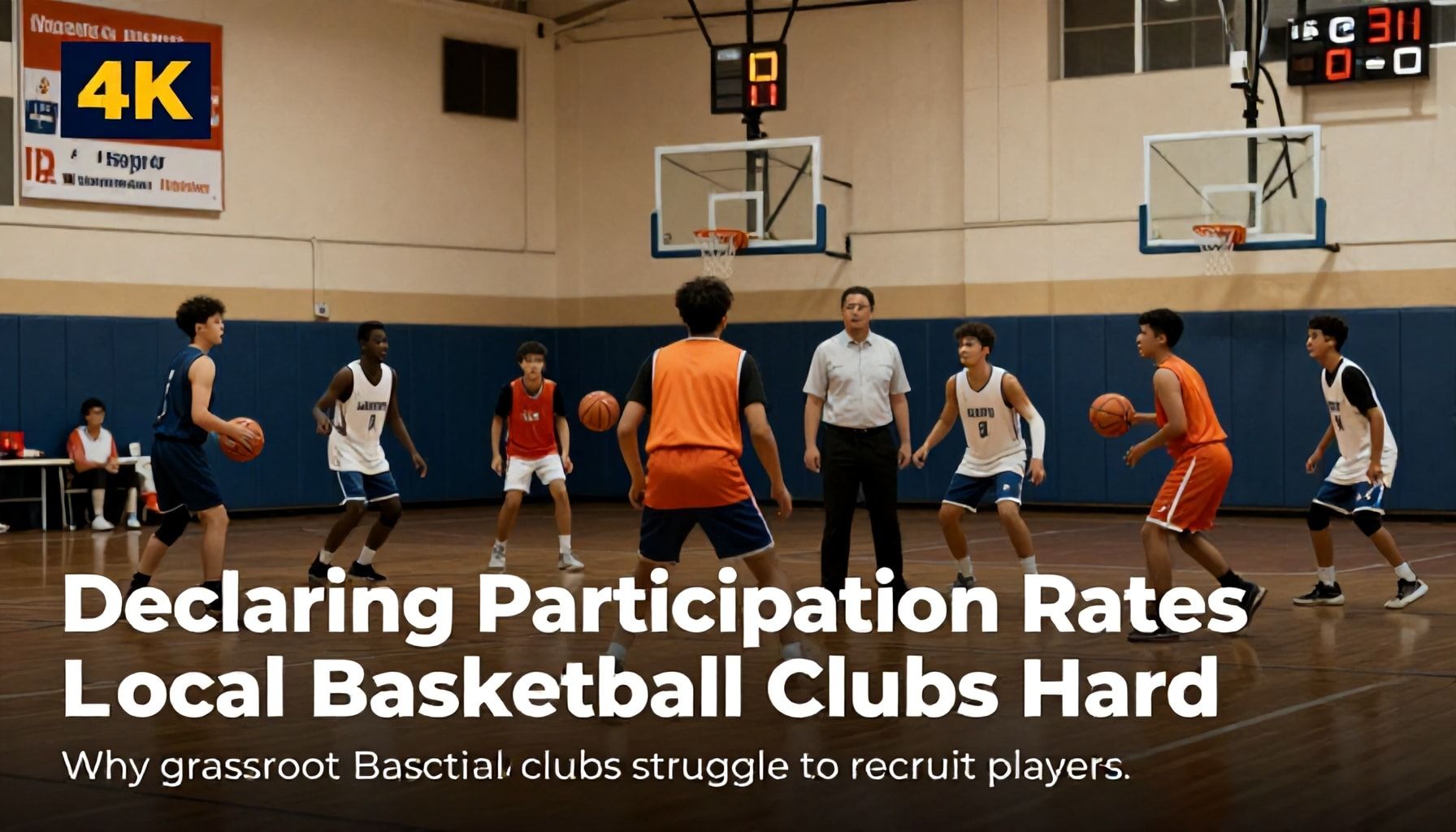
Grassroots basketball clubs across the country are grappling with a significant decline in player recruitment, threatening the future of the sport at a local level. Participation rates have dropped by 15% over the past five years, according to recent data from the Basketball England Association.
The decline is attributed to several factors, with competition from other sports being a major contributor. Football and rugby remain dominant in schools, often overshadowing basketball. “We’re seeing fewer young players coming through the ranks,” said Sarah Johnson, a coach at a local club in Manchester. “Parents and children are drawn to more established sports with better infrastructure.”
Economic factors also play a role. The cost of equipment and club memberships can be prohibitive for some families. “Basketball can be expensive, especially when you factor in travel costs to training sessions and matches,” noted a spokesperson for the Youth Sports Foundation. “Many families are making tough choices about where to allocate their limited resources.”
Additionally, the lack of visible role models and success stories in British basketball has dampened interest. Unlike football, which boasts a rich history and global stars, basketball struggles to capture the imagination of young players. “Without high-profile British success stories, it’s challenging to inspire the next generation,” admitted a sports analyst at a leading university.
Clubs are now exploring innovative strategies to reverse the trend. Community outreach programmes and partnerships with schools are being prioritised. “We need to make basketball more accessible and visible,” emphasised a club director in London. “It’s about creating opportunities for children to try the sport and see its benefits.”
Youth Basketball Recruitment Drops Amidst Rising Challenges
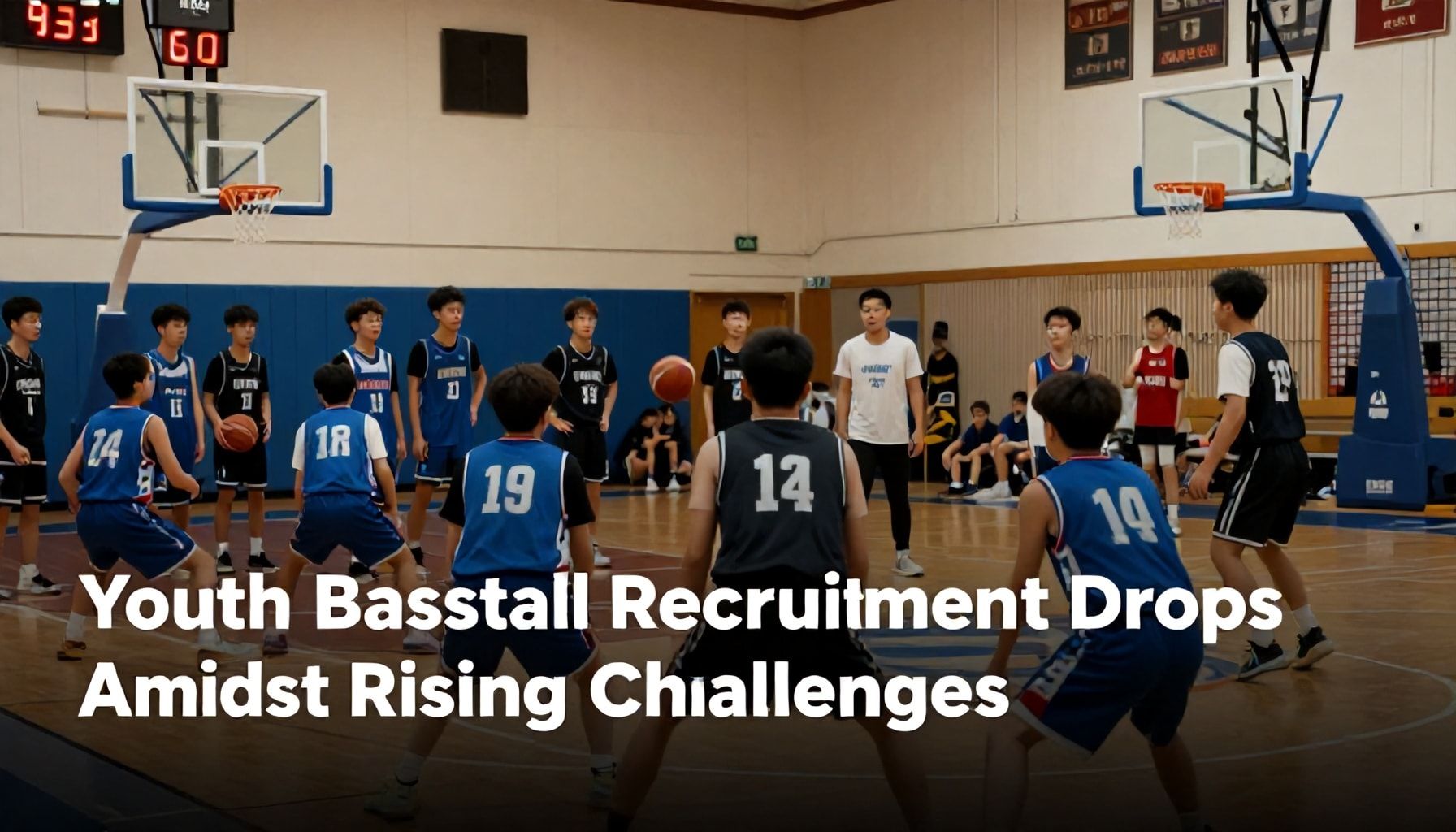
Grassroots basketball clubs across the UK are facing a significant decline in youth player recruitment. Figures from the English Basketball Association show a 15% drop in under-16 registrations over the past two years. The trend has left many clubs struggling to field competitive teams.
Experts point to several factors behind the decline. The rise of alternative sports like football and rugby has diverted young talent. “Basketball is often seen as a secondary option,” says Dr. Sarah Johnson, a sports sociologist at Loughborough University. “Schools and local authorities tend to prioritise more traditional sports.”
Financial barriers also play a role. Equipment costs and club membership fees can be prohibitive for some families. A survey by the Youth Sports Trust found that 30% of parents cited cost as a reason for not enrolling their children in basketball.
The lack of visible role models in the UK has further impacted recruitment. Unlike football, basketball lacks a strong domestic professional league to inspire young players. “Without local heroes, it’s hard to capture the imagination of young people,” notes basketball coach Mark Thompson.
Additionally, the COVID-19 pandemic has exacerbated the situation. Lockdowns and social distancing measures disrupted training schedules and matches. Many young players lost interest during the extended break, according to club officials.
Grassroots clubs are now exploring innovative solutions to reverse the trend. Some are partnering with schools to introduce basketball programmes. Others are offering scholarships to cover equipment and membership costs. The hope is that these initiatives will reignite interest and secure the future of the sport at the grassroots level.
Local Basketball Clubs Battle to Keep Rosters Full

Grassroots basketball clubs across the country are grappling with significant challenges in recruiting and retaining players. The decline in participation has left many clubs struggling to field competitive teams.
One of the primary reasons for this decline is the increasing popularity of other sports. Football and rugby, in particular, have seen a surge in youth participation, drawing potential basketball players away from the sport. “We’ve seen a steady drop in registrations over the past five years,” says Sarah Johnson, secretary of the West London Basketball Club.
Competition from school sports programmes also plays a role. Many young athletes prefer to focus on sports offered by their schools, which often provide more structured pathways to higher levels of competition. This leaves grassroots clubs with fewer options for recruitment.
Financial constraints further exacerbate the problem. Many clubs rely on membership fees to cover costs, but rising expenses for facilities and equipment make it difficult to keep fees affordable. “We’ve had to increase our fees by 20% this year alone,” notes David Miller, treasurer of the Manchester Basketball Association.
Additionally, the lack of visible role models in British basketball deters some young players. Unlike football or rugby, basketball does not have a strong professional league in the UK, making it less appealing to aspiring athletes. “Kids need someone to look up to,” explains Lisa Thompson, coach at the Liverpool Basketball Academy. “Without local heroes, it’s hard to inspire the next generation.”
These challenges highlight the need for innovative solutions to revive interest in grassroots basketball. Clubs are exploring partnerships with schools and community centres to broaden their reach. Some are also introducing junior leagues to engage younger players earlier. “We need to make basketball more accessible and exciting for kids,” says Johnson. “Otherwise, we risk losing a whole generation of talent.”
Grassroots Basketball Faces Uphill Battle in Player Recruitment

Grassroots basketball clubs across the UK are grappling with a significant decline in player recruitment. The number of registered players has dropped by 15% over the past five years, according to recent data from Basketball England.
The decline is attributed to several factors, including increased competition from other sports and the allure of professional academies. “Many young players are drawn to the glamour and perceived faster track to success offered by professional pathways,” says Sarah Johnson, a grassroots coach with over a decade of experience.
Economic factors also play a role. Participation fees, which can range from £50 to £150 per season, pose a barrier for many families. “The cost of playing basketball is becoming prohibitive for some,” notes David Miller, a sports economist at the University of Leeds.
Additionally, grassroots clubs struggle with limited resources and infrastructure. Many clubs rely on volunteer coaches and lack access to quality facilities. “We often have to share courts with other sports, which limits our training time and availability,” explains Lisa Thompson, a club secretary in Manchester.
The situation is further exacerbated by a lack of visibility and marketing. Many grassroots clubs operate on a shoestring budget and struggle to promote their programmes effectively. “We don’t have the resources to compete with the marketing campaigns of professional clubs and academies,” admits Thompson.
Despite these challenges, grassroots clubs remain vital for nurturing talent and fostering a love for the game. Experts emphasise the need for increased investment and support to reverse the declining trend. “Grassroots basketball is the backbone of the sport,” says Johnson. “Without it, the future of basketball in the UK is at risk.”
Grassroots basketball clubs across the country continue to grapple with player recruitment challenges, as the sport struggles to compete with more established disciplines. With limited funding and resources, many clubs are turning to innovative strategies to attract new talent. The Basketball England association has pledged to support these efforts, with plans to invest in grassroots development programmes. As the sport looks to grow, the coming years will be crucial in determining its future trajectory. The success of these initiatives could well shape the landscape of British basketball for generations to come.






