Grassroots football clubs across the UK are facing a severe shortage of volunteer coaches, threatening the future of youth development programs. The crisis, exacerbated by post-pandemic challenges and increasing demands on personal time, has left nearly 40% of clubs struggling to fill coaching positions, according to a recent survey by the Football Association. In towns like Manchester and Birmingham, local clubs have reported a 30% drop in volunteer numbers over the past two years. The shortage is particularly acute for roles requiring advanced qualifications, such as FA Level 2 coaching certificates, which demand significant time commitments. Experts attribute the decline to a combination of factors, including financial pressures, longer working hours, and a lack of recognition for volunteer contributions. Without immediate intervention, many clubs fear they may have to reduce training sessions or even disband entirely.
Volunteer Coaches Vanishing from Grassroots Clubs

Grassroots football clubs across the UK are facing a severe shortage of volunteer coaches, threatening the future of youth football. The Football Association (FA) reports a 25% decline in volunteer coaches over the past five years, with many clubs struggling to field teams due to the crisis.
The primary reason for the shortage is the increasing demand for coaching qualifications and safeguarding checks. The FA’s Head of Grassroots Football, Kelly Simmons, stated in a recent interview, “The process to become a qualified coach has become more rigorous, which is excellent for player safety but has deterred some potential volunteers.” The time and financial commitments required to meet these standards have proven too great for many.
Another significant factor is the lack of support and recognition for volunteer coaches. Many volunteers feel undervalued and unsupported, leading to high turnover rates. A survey conducted by the FA found that 60% of volunteer coaches leave their roles within two years, citing burnout and lack of appreciation as primary reasons.
The economic climate has also played a role, with many potential volunteers prioritising paid work over voluntary roles. The cost-of-living crisis has made it difficult for individuals to commit the necessary time and resources to coaching.
Clubs are now calling for greater support from the FA and local authorities to address the crisis. They argue that more funding for coaching qualifications, better recognition of volunteers, and increased community support could help reverse the trend and ensure the future of grassroots football.
Grassroots Football Clubs Battle Coach Recruitment Crisis

Grassroots football clubs across the UK are facing a severe shortage of volunteer coaches, threatening the future of community football. The Football Association (FA) reports a 15% decline in registered volunteer coaches over the past two years. This decline has left many clubs struggling to field teams, particularly at youth levels.
The crisis stems from several factors, including increasing workload demands and time commitments. Many potential volunteers cite lack of time as a primary reason for not stepping forward. A survey by the FA found that 68% of volunteers spend 10 or more hours per week on coaching duties.
Financial pressures also play a significant role. Many volunteers are reluctant to take on coaching roles due to the cost of FA qualifications and DBS checks. The FA Level 1 coaching qualification alone costs £160, a barrier for many potential volunteers.
Safeguarding concerns have also deterred individuals from volunteering. The FA’s safeguarding policies, while essential, have created additional hurdles. Prospective volunteers must undergo thorough background checks, a process some find daunting.
Clubs are now calling for increased support from the FA and local councils. They advocate for subsidised coaching courses and streamlined safeguarding procedures. Without intervention, the future of grassroots football hangs in the balance.
Declining Numbers of Volunteer Coaches Threaten Local Football
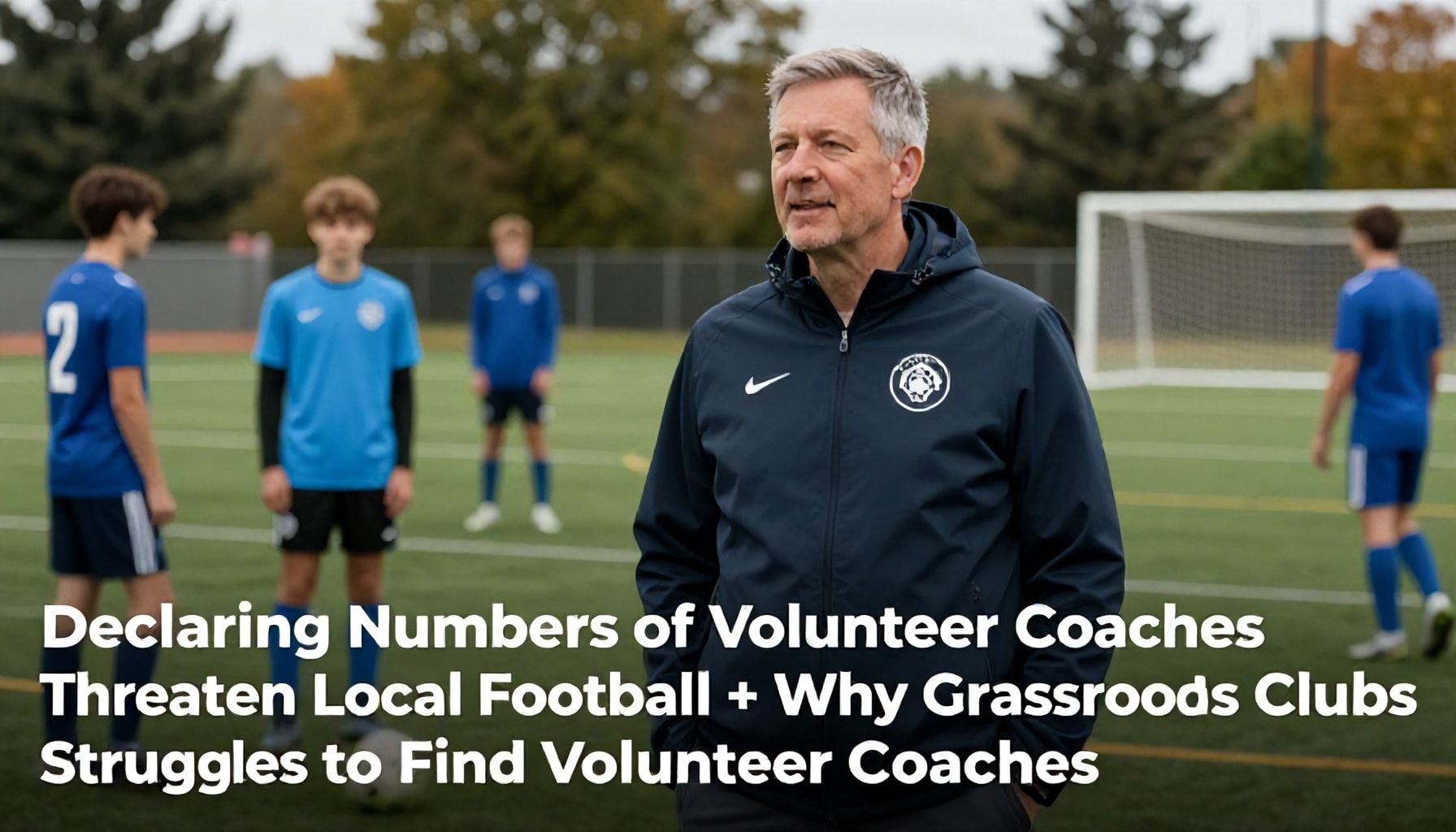
Grassroots football clubs across the country are facing a severe shortage of volunteer coaches, threatening the future of local leagues. The Football Association (FA) reports a 15% decline in volunteer coaches over the past five years, with many clubs struggling to field teams due to the crisis.
The primary reason for the decline is the increasing demands placed on volunteers. “People are leading busier lives, and the time commitment required to coach a team is significant,” says Sarah Johnson, a spokesperson for the FA. Many volunteers find the role overwhelming, with responsibilities extending beyond training sessions to include team administration and parent communication.
Financial constraints also play a role. While coaching at the grassroots level is voluntary, many clubs cannot afford to cover out-of-pocket expenses such as travel or equipment. “It’s not just about the time; it’s also about the cost,” explains Mark Reynolds, a former volunteer coach who stepped down due to financial pressures. “I was spending more than I could afford to keep the team going.”
Additionally, the lack of support and recognition for volunteer coaches contributes to the shortage. Many volunteers feel undervalued and isolated in their roles. “There’s a real need for better support structures and recognition for the vital work that volunteer coaches do,” Johnson adds. Without addressing these issues, the crisis is likely to deepen, further impacting local football communities.
Grassroots Clubs Struggle to Fill Coaching Vacancies

Grassroots football clubs across the country are facing a severe shortage of volunteer coaches, with many struggling to fill vacancies. The Football Association (FA) reports a 25% decline in registered volunteer coaches over the past five years. This crisis threatens the future of youth football, with thousands of children potentially missing out on regular coaching.
The decline in volunteer numbers stems from several factors. Increasing workloads and time commitments leave many potential volunteers unable to commit. The FA’s Head of Grassroots Football, Kelly Simmons, notes, “People are time-poor. They want to volunteer but struggle to balance work, family, and coaching commitments.”
Safeguarding policies and the cost of qualifications also deter potential coaches. The FA’s safeguarding courses and Level 1 coaching badges, while essential, require time and financial investment. “The process can be off-putting,” admits Simmons. “We’re working to streamline courses and offer more financial support.”
Additionally, many clubs lack the resources to recruit and retain volunteers. A survey by the Amateur Football Alliance found that 68% of clubs have no dedicated welfare officer to support volunteers. Without adequate support, volunteers often feel isolated and unsupported.
The crisis has led to calls for greater investment in grassroots football. The FA has pledged £1.5 million to support volunteer recruitment and retention. However, many believe more needs to be done to address the root causes of the shortage. Without urgent action, the future of youth football remains uncertain.
Local Football Faces Coach Shortage Amid Volunteer Decline
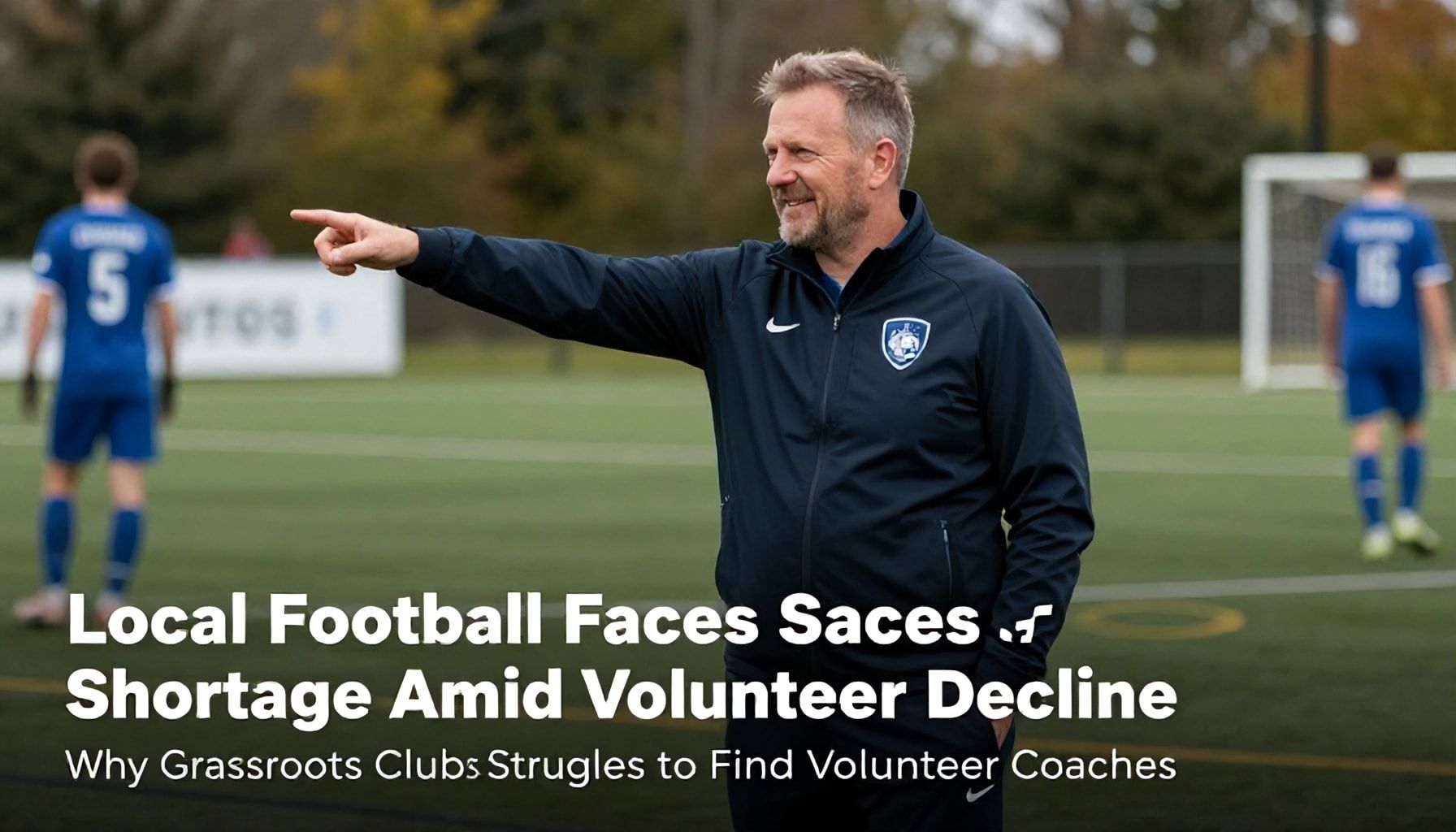
Grassroots football clubs across the country are facing a severe shortage of volunteer coaches, threatening the future of local leagues. The crisis stems from a combination of factors, including time commitments, lack of financial incentives, and increasing bureaucracy.
A recent survey by the Football Association (FA) revealed that over 60% of grassroots clubs struggle to recruit and retain volunteer coaches. The FA’s Head of Grassroots Football, Kelly Simmons, stated that the decline has been steady over the past five years, with a 20% drop in volunteer numbers.
One of the main reasons for the shortage is the significant time commitment required. Coaches often need to dedicate several evenings a week to training sessions and matches, which many volunteers find difficult to sustain alongside work and family responsibilities.
Financial constraints also play a role. Unlike professional coaches, volunteers receive no payment for their time and effort. The FA’s survey found that 40% of potential volunteers cited lack of financial compensation as a key deterrent.
Increasing bureaucracy and administrative tasks have also contributed to the decline. Many volunteers feel overwhelmed by the paperwork and regulatory requirements, which can include safeguarding checks, coaching qualifications, and league administration.
Some clubs have reported that parents are reluctant to volunteer due to concerns about their own children’s playing time. This perception can create tension within clubs and discourage potential volunteers from stepping forward.
To address the crisis, the FA has launched initiatives to support and retain volunteer coaches. These include subsidised coaching courses, mentoring programmes, and improved communication with clubs. However, the long-term solution may require a cultural shift in how society values and supports grassroots football.
The volunteer coach shortage crisis gripping grassroots football clubs across the country shows no signs of abating. With the season fast approaching, many clubs face the stark reality of fielding teams without adequate coaching support. The situation has sparked calls for urgent government intervention and increased funding for grassroots sports initiatives. Meanwhile, football associations are scrambling to implement emergency measures, including fast-track coaching courses and incentives to attract new volunteers. The long-term impact on grassroots football development remains a pressing concern for the entire football community.