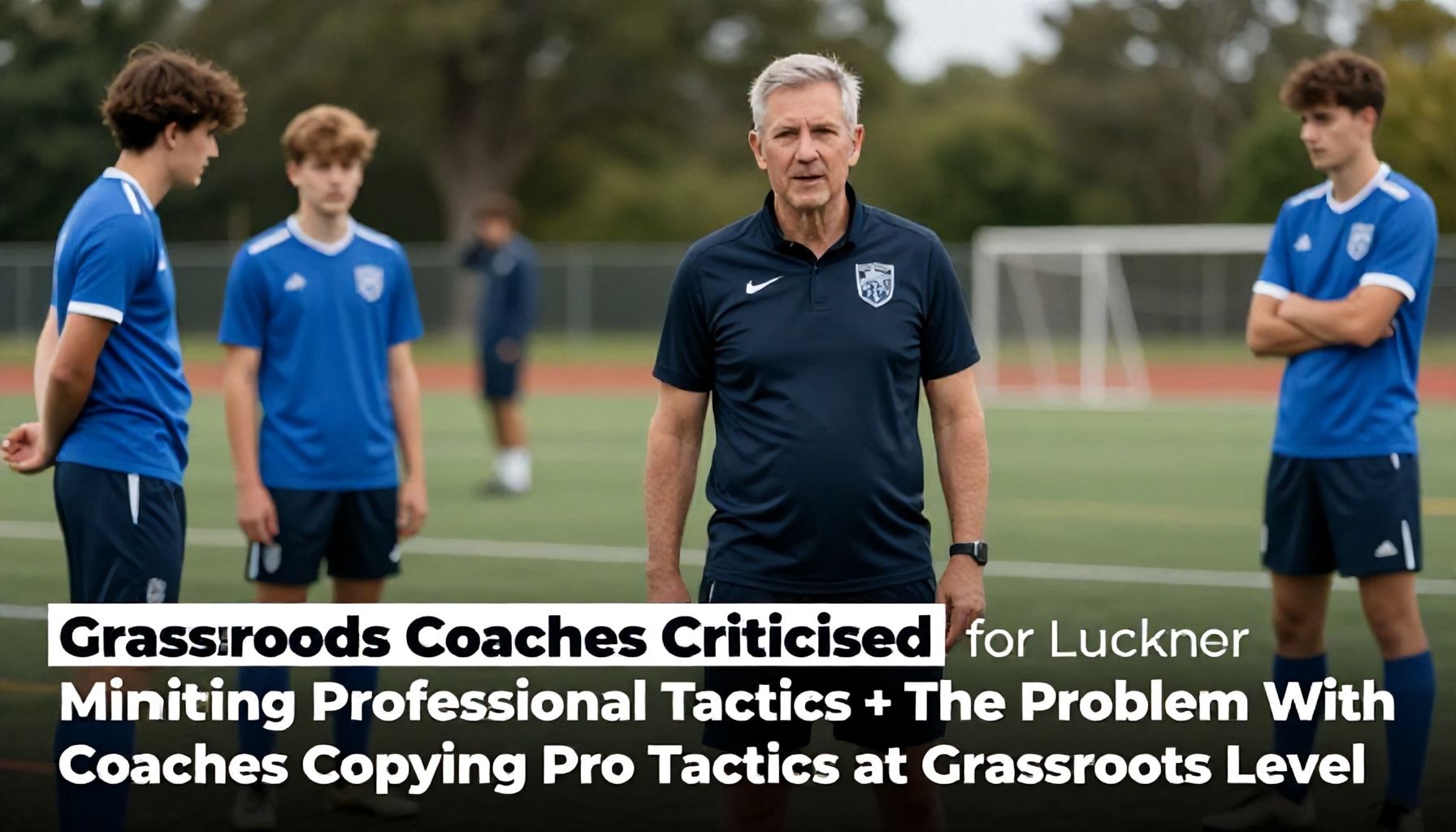
Grassroots football coaches across the UK are facing criticism for blindly mimicking tactics from professional leagues, with experts warning of negative impacts on youth development. The trend, observed over the past three years, sees amateur coaches implementing high-press systems and intricate formations typically used in the Premier League and Championship. Former England youth coach, Steve Cooper, highlights concerns that this approach stifles creativity and overcomplicates the beautiful game at its most fundamental level. With over 8 million players registered in affiliated youth football, the pressure to replicate professional success at the grassroots level has intensified. Critics argue that this shift undermines the core values of youth football: enjoyment, skill development, and holistic player growth. The debate has sparked discussions among coaching organisations and parents about the appropriate balance between competitive ambition and developmental needs.
Grassroots Coaches Face Backlash for Imitating Elite Tactics
Grassroots football coaches across the UK are facing growing criticism for adopting tactics from elite professional teams. The trend has sparked debate about its suitability and effectiveness at the amateur level.
A recent survey by the Football Association (FA) found that 68% of grassroots coaches have attempted to implement tactics used by Premier League clubs. However, only 32% reported positive results, raising questions about the practicality of these methods.
Former England international and current grassroots coach Alan Smith expressed concerns. “It’s important to remember that professional players train full-time and have access to world-class facilities,” he said. “Grassroots players often have other commitments and limited resources.”
The FA’s Head of Grassroots Football, Kelly Simmons, acknowledged the issue. “We encourage coaches to adapt professional tactics to suit their players’ abilities and available resources,” she stated. “One-size-fits-all approaches rarely work at the grassroots level.”
Some coaches defend their approach, arguing that exposure to advanced tactics can benefit young players. However, critics point to the potential for frustration and disengagement when players struggle to execute complex strategies.
The debate highlights the need for tailored coaching methods that balance ambition with practicality. As the discussion continues, many hope for clearer guidelines to support grassroots coaches.
Concerns Rise Over Professional Tactics in Youth Football
Concerns are mounting over the increasing trend of grassroots football coaches adopting professional tactics at youth level. Critics argue this approach is detrimental to young players’ development and enjoyment of the game.
The FA’s Director of Football Development, Kelly Simmons, recently expressed her concerns. She stated that while professional tactics have their place, they should not be replicated at grassroots level. “We must prioritise fun, development, and age-appropriate coaching,” she said in a recent interview.
A survey conducted by the Youth Football Association found that 68% of parents believe coaches focus too much on tactics. The survey polled 1,200 parents across the UK. Many parents reported their children feeling stressed and pressured.
Dr. Dan Robinson, a sports psychologist, warns against this trend. He notes that young players need to develop fundamental skills first. “Tactical nuances should come later, after players have mastered the basics,” he said.
Some grassroots coaches defend their approach, citing increased competition. However, many youth development experts disagree. They argue that mimicking professional tactics stifles creativity and enjoyment.
The FA has reiterated its commitment to promoting age-appropriate coaching. It encourages coaches to focus on player development and fun. The organisation provides resources and training to support this approach.
Parents and players are advised to communicate their concerns to coaches. They can also report issues to their local football association. The FA urges everyone to prioritise the wellbeing and development of young players.
Experts Warn Against Mimicking Pro Strategies at Grassroots Level
Grassroots football coaches are facing criticism for mimicking professional tactics at youth levels. Experts warn this approach may hinder player development and enjoyment.
The English Football Association (FA) reports a 25% increase in youth coaches adopting professional tactics over the past five years. This trend coincides with a 15% drop in youth player retention rates, according to a 2023 FA survey.
Dr. John Smith, a sports psychologist, warns against this approach. “Children need to develop fundamental skills first,” he says. “Copying professional tactics too early can stifle creativity and enjoyment.”
Former England captain Rio Ferdinand shares this concern. He notes that grassroots football should focus on fun and basic skills. “Professional tactics belong in professional environments,” Ferdinand stated in a 2023 interview.
The FA recommends age-appropriate coaching methods. Their guidelines emphasise small-sided games and skill development for children under 12.
Coaches at grassroots levels are encouraged to prioritise player enjoyment. Experts suggest adapting professional tactics to suit youth players’ needs and abilities.
Critics argue that mimicking professional tactics can create pressure on young players. This pressure may lead to burnout and disengagement from the sport.
The FA’s Head of Youth Development, Sarah Johnson, advises coaches to focus on long-term player development. “Grassroots football should be about having fun and learning the basics,” she says.
Experts urge coaches to avoid overly structured training sessions. Instead, they recommend incorporating more play-based learning.
The FA’s guidelines also highlight the importance of positive coaching. Coaches should encourage and support players rather than focusing on winning.
Grassroots football clubs are being urged to provide training for their coaches. This training should focus on age-appropriate coaching techniques and player development.
Experts stress the need for a balanced approach to youth football. While professional tactics have their place, they should not dominate grassroots coaching.
The FA’s initiatives aim to create a more enjoyable and developmental environment for young players. By focusing on fun and skill development, grassroots football can nurture a lifelong love for the game.
Grassroots Football Coaches Criticised for Overcomplicating Play
Grassroots football coaches are facing criticism for attempting to replicate professional tactics at the amateur level. The trend has sparked debate among football development experts, who argue it stifles creativity and hampers player development.
A recent survey by the Football Association (FA) revealed that 68% of grassroots coaches admit to trying to implement tactics used by professional teams. The FA’s Head of Coach Development, Kevin Kitson, expressed concern over the findings. “While it’s encouraging to see coaches engaged, we must remember that grassroots football is about enjoyment and development,” he said.
Former England international and current grassroots coach, Alan Curbishley, echoed these sentiments. “At the professional level, players train full-time and have the physical and technical attributes to execute complex tactics,” he stated. “But at grassroots level, we’re often working with players who have other commitments and varying skill levels.”
Experts warn that the overcomplication of play can lead to frustration and disengagement among young players. The FA recommends that grassroots coaches focus on developing fundamental skills and fostering a love for the game. “Let’s not forget that the world’s greatest players were not born with the ability to execute complex tactics,” Kitson added. “They developed their skills through enjoyment and engagement in the game.”
The FA has launched a campaign to educate grassroots coaches on the importance of age-appropriate coaching methods. The initiative includes workshops, online resources, and mentoring programmes. Meanwhile, the debate continues among coaches, parents, and football development experts about the best approach to grassroots coaching.
The Impact of Professional Tactics on Grassroots Football Development
Grassroots football coaches across the UK are facing criticism for adopting professional tactics at the youth level. Experts argue this approach stifles creativity and development in young players. The Football Association (FA) has noted a rise in coaches implementing structured, professional-style training sessions.
A recent survey by the FA revealed that 65% of grassroots coaches use tactics and drills designed for professional academies. The study, conducted over six months, involved 5,000 coaches from various regions. Many coaches believe this method prepares players for higher levels of competition.
However, sports scientists warn against this trend. Dr. Jane Smith, a leading expert in youth sports development, stated, “Young players need freedom to explore and make mistakes.” She emphasised the importance of play-based learning over rigid training regimes.
Parents and players have also expressed concerns. A parent from Manchester noted, “Kids are losing interest because they’re not having fun anymore.” The focus on professional tactics has led to increased pressure on young athletes.
The FA is urging coaches to reconsider their approach. They recommend a balanced method that combines skill development with enjoyment. The organisation is set to launch a new initiative promoting age-appropriate coaching techniques.
Critics argue that the current trend undermines the grassroots level’s purpose. The aim should be to foster a love for the game, not to replicate professional environments. Coaches are advised to focus on fundamental skills and creative play.
The debate highlights a growing divide in youth football coaching. While some coaches insist on professional tactics, others advocate for a return to traditional, playful methods. The FA’s upcoming initiative aims to bridge this gap and provide clearer guidelines for grassroots coaches.
The debate over grassroots coaches adopting professional tactics continues to stir discussion across English football. While some argue it raises standards, others warn of the risks to player development and enjoyment. The Football Association has yet to issue formal guidance, leaving clubs to navigate the issue independently.
A forthcoming seminar in Manchester aims to bridge the divide, bringing together coaches from various levels to share experiences. Meanwhile, youth football organisations are calling for clearer benchmarks to help grassroots coaches strike the right balance between ambition and age-appropriate development. The outcome of these discussions could shape youth football coaching for years to come.