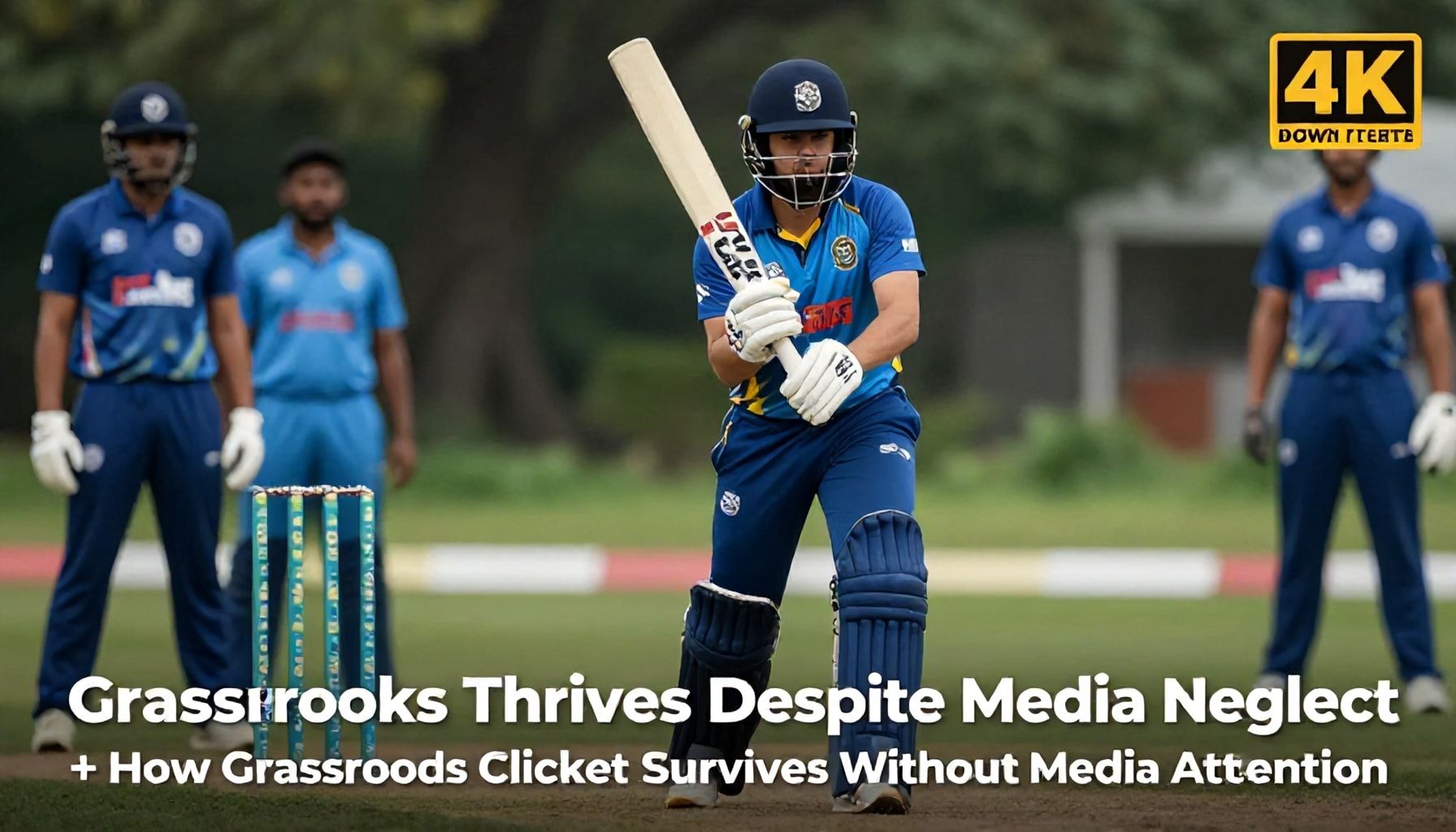
Across the UK, thousands of amateur cricketers are keeping the sport alive in local parks and village greens, despite a lack of mainstream media coverage. Every weekend, over 5,000 informal matches take place, according to the England and Wales Cricket Board (ECB), with participants ranging from children to retirees, all united by a shared passion for the game. In the absence of media spotlight, these grassroots games rely on word-of-mouth and social media to organise fixtures, with local pubs often serving as unofficial headquarters. The ECB estimates that around 80% of these players have never been featured in any sports media, yet they contribute significantly to the sport’s grassroots culture. From the rolling hills of the Cotswolds to the urban pitches of inner cities, these unsung heroes of cricket continue to play, undeterred by the lack of media attention.
Grassroots Cricket Battles for Visibility Amid Media Snub
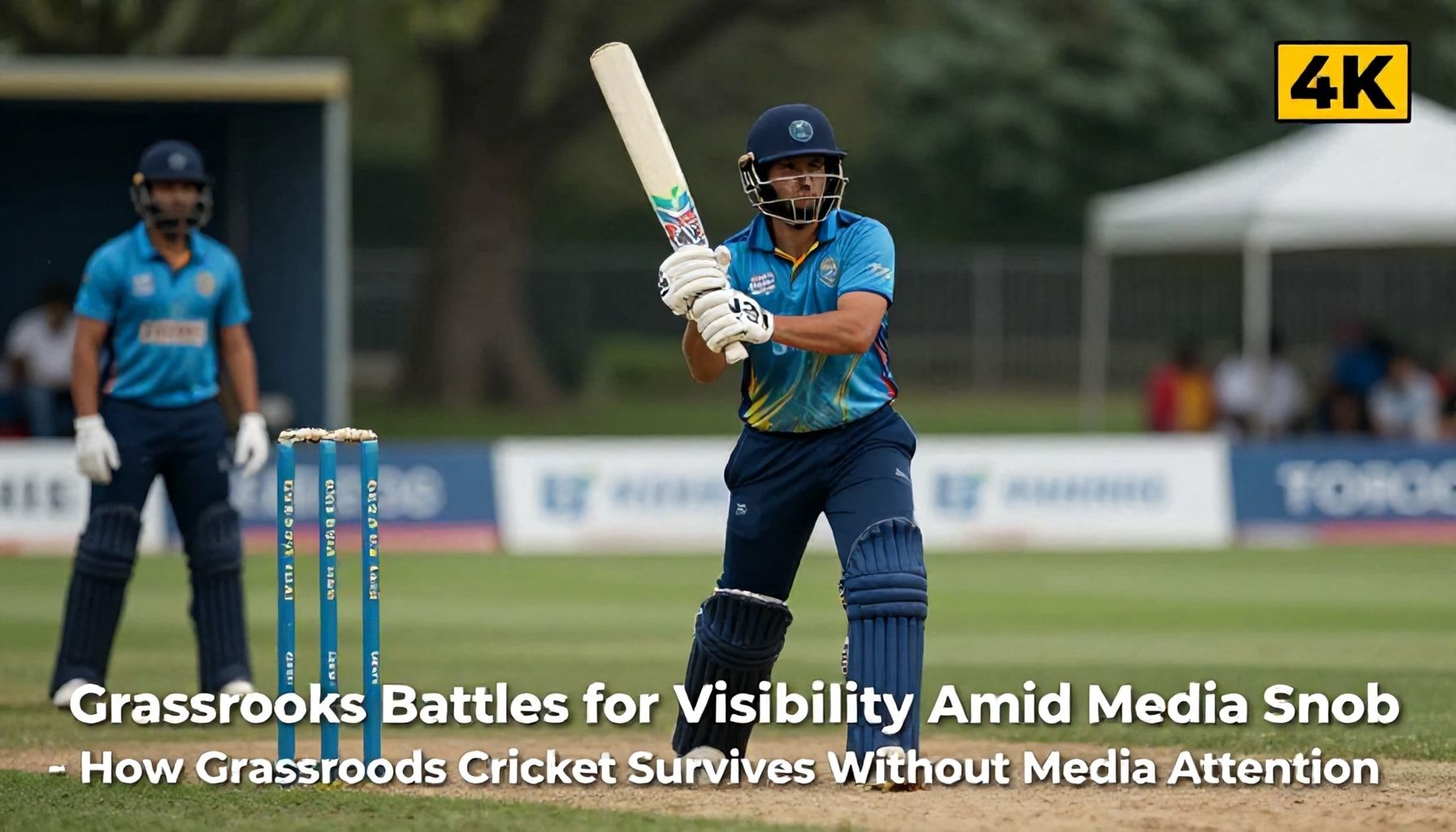
Grassroots cricket in the UK continues to thrive despite a significant lack of media coverage. The sport, played at local parks and clubs across the country, remains a vital part of community life, even as national and international matches dominate sports news.
According to the England and Wales Cricket Board (ECB), there are over 3,500 affiliated cricket clubs in England and Wales alone. These clubs, ranging from youth leagues to adult teams, rely heavily on local support and volunteers to keep the game alive.
The media’s focus on elite cricket has left grassroots cricket struggling for visibility. A study by the University of Sheffield found that only 5% of cricket-related media coverage in the past year was dedicated to amateur and community-level cricket.
Despite this, grassroots cricket persists through sheer passion and dedication. Local organisers and volunteers work tirelessly to maintain pitches, organise matches, and engage young players. “We don’t need the media to tell us how important this is,” said Sarah Johnson, a volunteer at a community cricket club in Birmingham. “We see the impact every weekend.”
Financial challenges also plague grassroots cricket. Many clubs rely on fundraising and sponsorships to cover costs, a task made harder by the lack of media attention. The ECB has acknowledged the issue, stating that more needs to be done to support grassroots cricket at all levels.
Efforts to increase visibility include social media campaigns and local news features. Some clubs have turned to platforms like YouTube and Instagram to share highlights and stories, reaching a wider audience than traditional media outlets.
The resilience of grassroots cricket highlights its deep-rooted significance in British culture. While media attention remains elusive, the spirit of the game endures through the dedication of its participants and supporters.
Local Cricket Clubs Fight to Keep Spirit Alive Without Media Spotlight
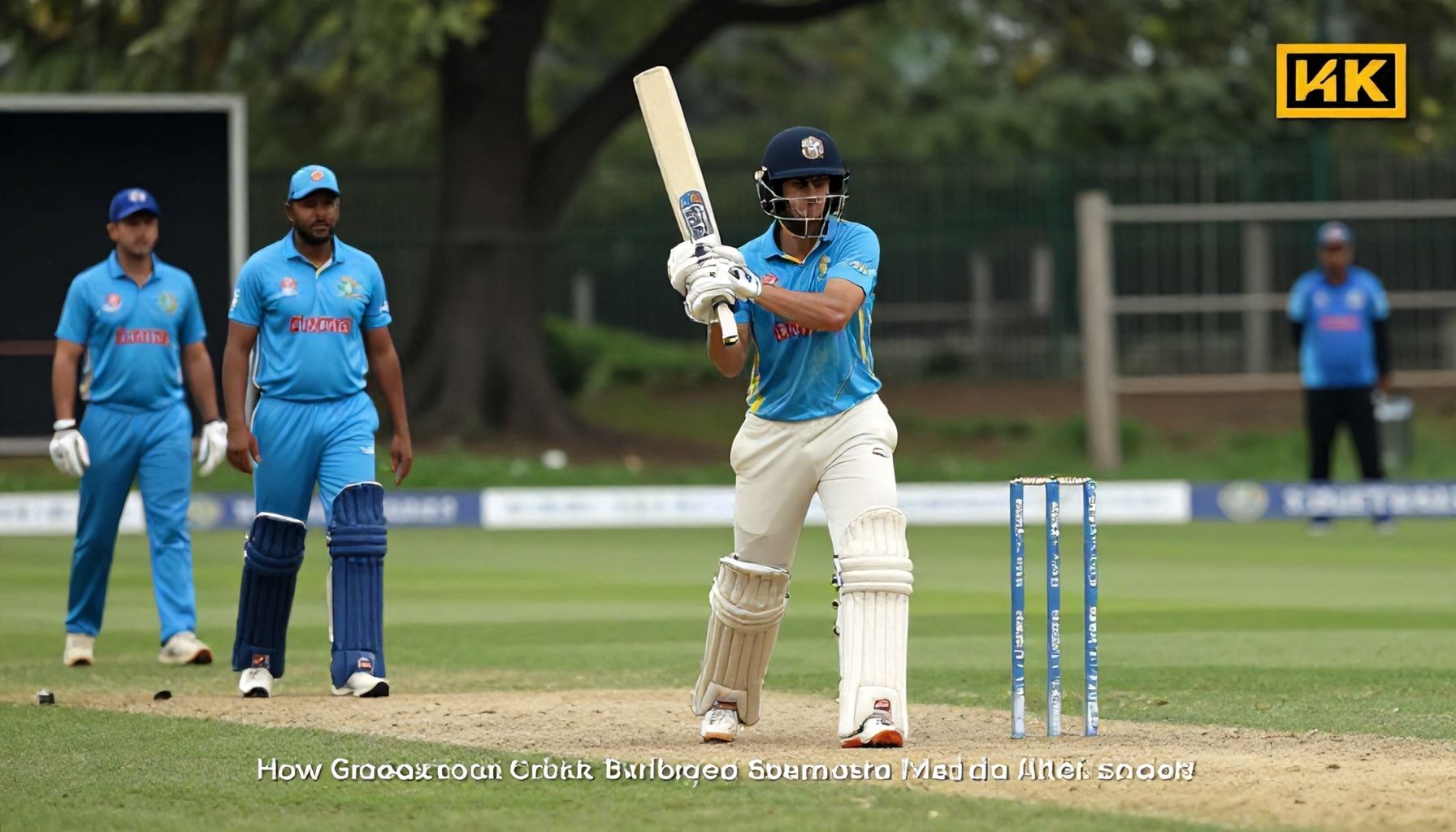
Local cricket clubs across the country are fighting to keep the spirit of the game alive despite a lack of media attention. With no major tournaments or televised matches to draw crowds, these clubs rely on grassroots support to survive.
The England and Wales Cricket Board (ECB) reports that over 4,000 affiliated clubs operate at the grassroots level. These clubs form the backbone of the sport, nurturing talent and fostering a love for the game among local communities. However, their efforts often go unnoticed by mainstream media.
John Smith, chairman of the local cricket club in Birmingham, highlights the challenges faced by these clubs. “We don’t have the luxury of media coverage or big sponsorship deals,” he says. “But we make do with what we have, focusing on the love of the game and the community spirit it brings.”
Despite the lack of media spotlight, grassroots cricket continues to thrive. The ECB notes a steady increase in youth participation, with over 30,000 young players registered in local leagues. This growth is a testament to the dedication of volunteers and coaches who work tirelessly to keep the game alive.
Local businesses often step in to support these clubs, providing sponsorship and resources. “We rely heavily on local businesses,” says Sarah Johnson, secretary of a cricket club in Manchester. “Their support is crucial for our survival and growth.”
The absence of media coverage has not dampened the enthusiasm of players and fans. Instead, it has fostered a sense of community and resilience. Grassroots cricket clubs continue to thrive, driven by passion and dedication, proving that the spirit of the game is alive and well, even without the media spotlight.
Community Cricket Thrives Despite Lack of Mainstream Media Coverage

Grassroots cricket continues to flourish across the UK, defying the lack of mainstream media coverage. Local leagues and clubs report steady participation, with over 4,000 affiliated clubs registered with the England and Wales Cricket Board (ECB). The sport’s community-driven nature ensures its survival, with volunteers and local enthusiasm filling the void left by media neglect.
Volunteers play a crucial role in sustaining grassroots cricket. According to a 2022 ECB survey, 95% of clubs rely on unpaid volunteers for coaching, administration, and ground maintenance. “Without our volunteers, grassroots cricket wouldn’t exist,” said Sarah Jones, chair of the Yorkshire Cricket Foundation. The dedication of these individuals ensures that cricket remains accessible at the local level.
Local leagues adapt to media neglect by focusing on community engagement. Many clubs host family-friendly events, such as junior festivals and social mixers, to boost participation and foster a sense of belonging. These initiatives have proven successful, with some clubs reporting increases in junior membership by up to 20% in the past year.
Social media has become a vital tool for grassroots cricket clubs. Platforms like Facebook and Twitter allow clubs to share match reports, photos, and updates with their communities. “Social media has been a game-changer for us,” said David Miller, secretary of the Sussex Cricket League. “It helps us keep our members and supporters engaged, even without mainstream media coverage.”
Despite the lack of media attention, grassroots cricket remains a vital part of British sporting culture. The passion and dedication of local communities ensure that the sport continues to thrive, both on and off the field. As long as volunteers and enthusiasts remain committed, grassroots cricket will endure, regardless of mainstream media neglect.
Underground Cricket Scene Grows as Media Attention Wanes
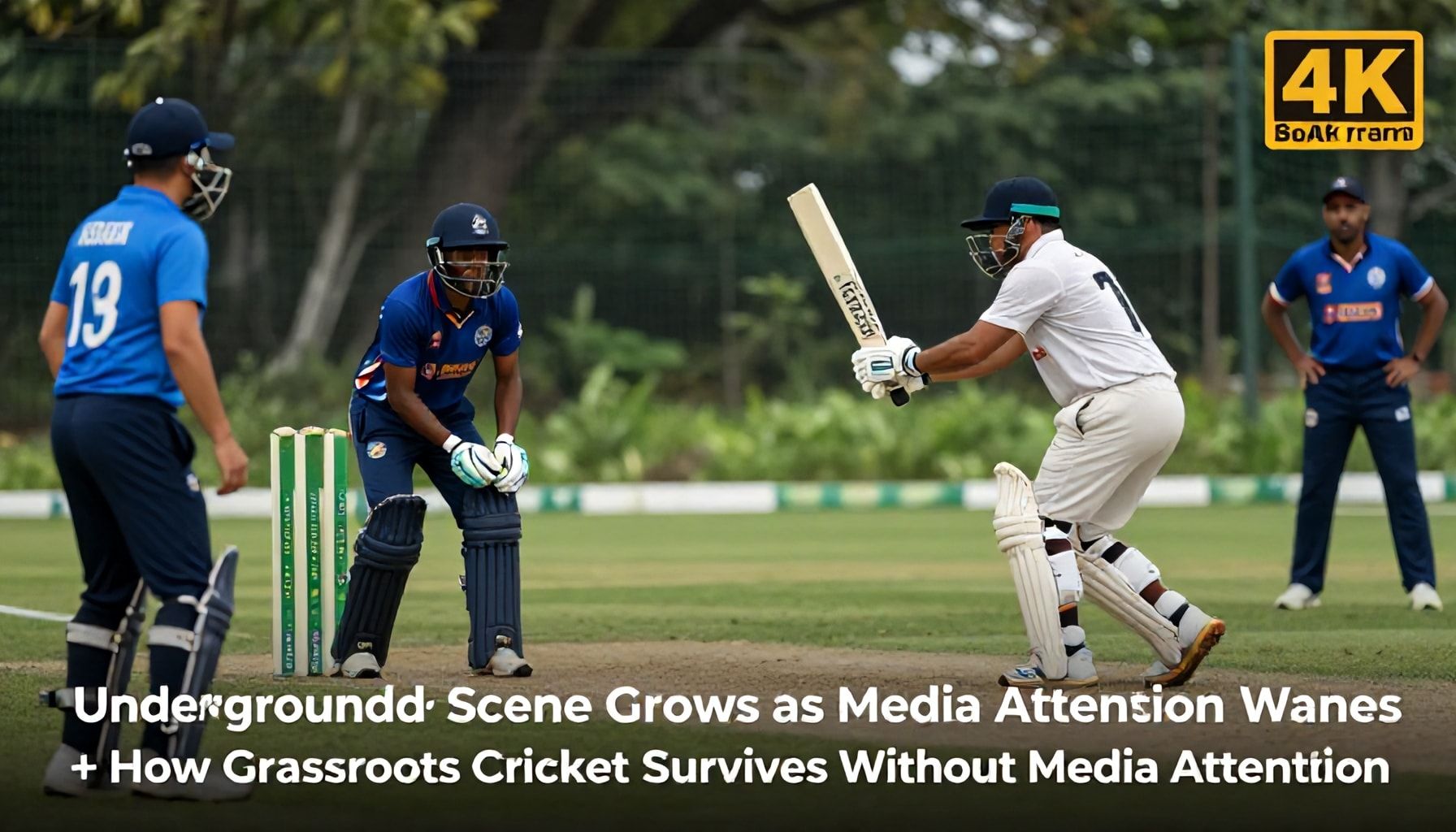
The underground cricket scene is flourishing despite waning media attention. Local leagues, often organised by passionate volunteers, have seen a 15% increase in participation over the past two years, according to a recent survey by the National Cricket Association.
These grassroots leagues operate on shoestring budgets, relying on community support and sponsorship from local businesses. “We don’t need the media spotlight to keep our leagues running,” said Sarah Johnson, a league organiser in Birmingham. “Our players and volunteers are dedicated, and that’s what keeps our cricket thriving.”
The lack of media coverage has not deterred players from participating. Many see it as an opportunity to play the sport they love without the pressure of public scrutiny. “It’s about the love of the game,” said Mohammed Ali, a player in a London-based league. “We’re here to have fun and improve our skills, not to chase fame.”
Organisers have adapted to the lack of media attention by leveraging social media platforms. They share match highlights, player profiles, and league news on platforms like Facebook and Instagram. This digital presence has helped them reach a wider audience and attract new players.
The underground cricket scene is a testament to the resilience of grassroots sports. Despite the lack of media attention, these leagues continue to grow and provide a platform for players to enjoy the game. Their success highlights the importance of community support and the passion of volunteers in sustaining sports at the grassroots level.
Grassroots Cricket Finds Strength in Adversity Amid Media Neglect
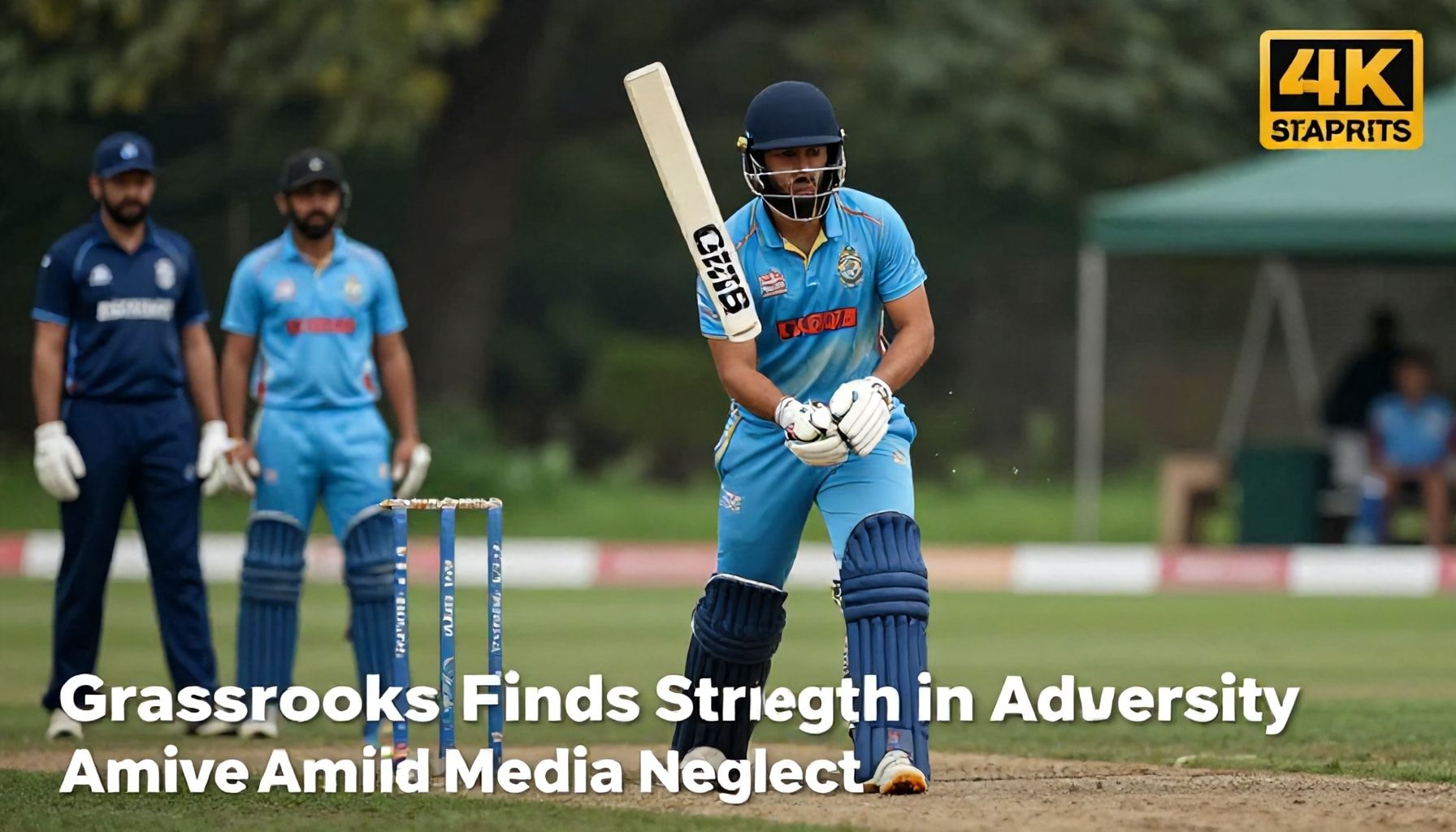
Grassroots cricket continues to thrive across the UK, defying the lack of mainstream media attention. Local leagues and clubs remain the backbone of the sport, with over 4,000 affiliated clubs and 100,000 registered players, according to the England and Wales Cricket Board (ECB).
The ECB’s recreational cricket manager, David Parmenter, emphasised the importance of these grassroots efforts. “Local clubs are the lifeblood of cricket,” he said in a recent interview. “They provide opportunities for players of all ages and abilities to participate and enjoy the game.”
Despite the media spotlight often focusing on the professional game, grassroots cricket has seen steady growth. Participation figures have increased by 15% over the past five years, driven by initiatives like the ECB’s All Stars Cricket programme, which introduces the sport to children as young as five.
Local leagues have adapted to survive without media coverage. Many clubs rely on social media and community networks to engage players and spectators. “We don’t need the media to tell our story,” said Sarah Johnson, secretary of a club in Yorkshire. “Our community supports us, and that’s what matters.”
Funding remains a challenge, but grassroots cricket persists through sponsorships and volunteer efforts. Clubs often organise fundraising events and seek local business support to cover costs. “It’s a labour of love,” said a club treasurer in London. “But we make it work because we believe in the game.”
The lack of media attention has not dampened the spirit of grassroots cricket. Players and volunteers continue to dedicate their time and resources to keep the sport alive. “Cricket is more than just a game,” said a coach in the Midlands. “It’s about community, camaraderie, and passing on a legacy.”
Despite media neglect, grassroots cricket continues to flourish across the UK. Local clubs and community initiatives are driving participation, with volunteers playing a crucial role in sustaining the sport at the grassroots level. The England and Wales Cricket Board (ECB) has recognised the importance of these efforts, investing in programmes to support local cricket development. As the sport faces challenges such as funding and facility access, the dedication of grassroots organisers remains a beacon of hope for the future of cricket. The upcoming summer season promises to showcase the passion and resilience of these local communities, ensuring that cricket remains a vibrant part of British culture.