

Grassroots football in the UK is facing a significant gap in match analysis in 2023, with a stark contrast to professional leagues. Coaches and players at this level often lack access to basic performance analysis tools, a situation highlighted by a recent survey conducted by the Football Association (FA), which revealed that only 15% of grassroots teams utilise any form of match analysis. The survey, encompassing over 5,000 teams across England, underscores the disparity in resources between professional and amateur football. The absence of match analysis at the grassroots level is primarily due to financial constraints and a lack of awareness about the benefits of performance analysis. This gap is not only hindering player development but also limiting the potential for talent identification and progression within the sport.
Grassroots Football Struggles with Analysis Shortage in 2023
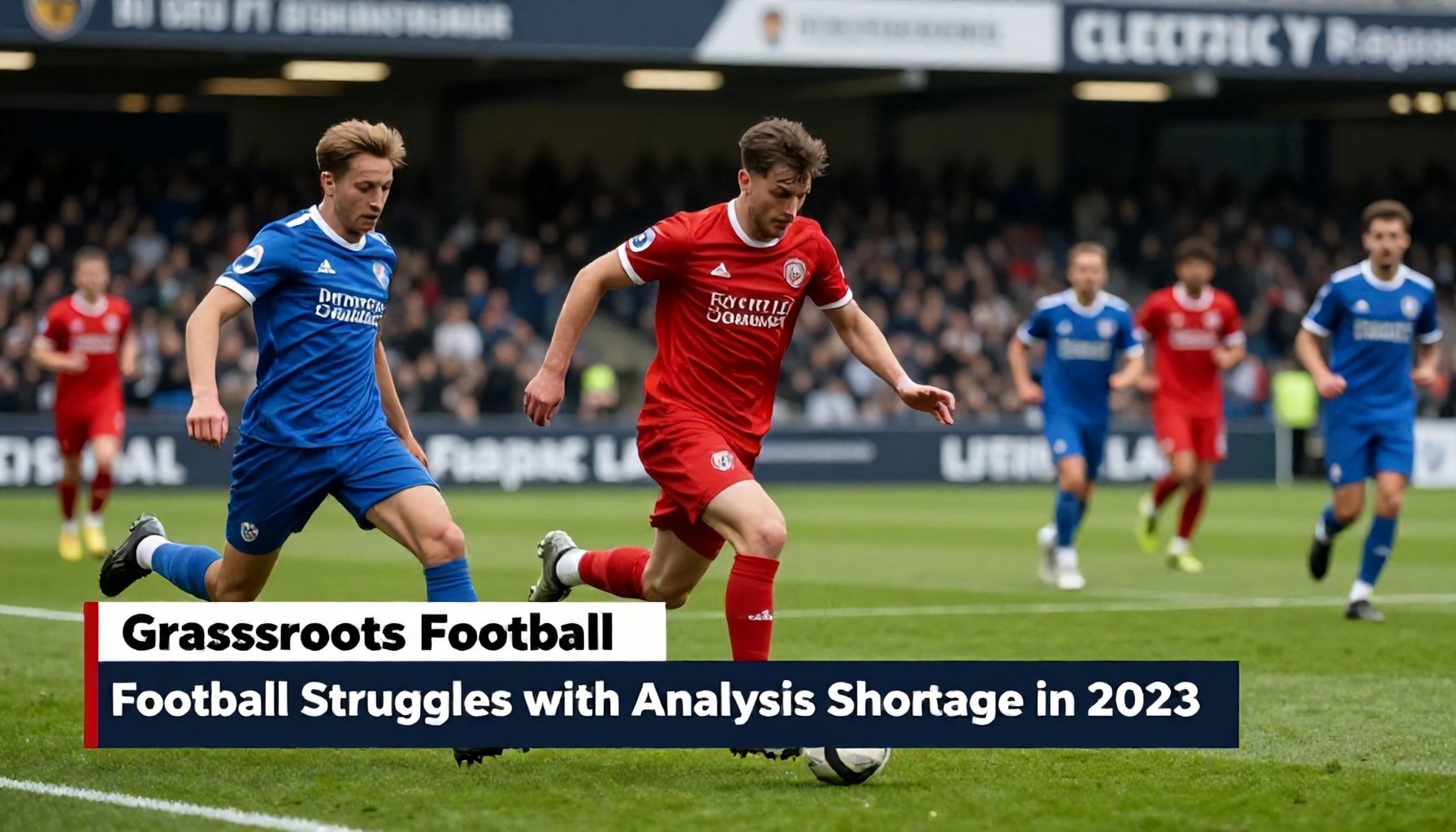
Grassroots football faces a critical shortage of match analysis in 2023, hindering player development and team performance. The Football Association (FA) reports that only 15% of grassroots teams have access to professional analysis services. This stark statistic underscores a growing divide between elite and amateur football.
The lack of analysis tools is particularly acute at the youth level. A survey by the National League System revealed that 78% of youth coaches struggle to provide constructive feedback without video analysis. “We’re often relying on memory and instinct,” said one youth coach who wished to remain anonymous. “It’s not the level of detail players need to improve.”
Financial constraints are the primary barrier to accessing analysis services. The average grassroots team spends just £200 per month on coaching resources, according to FA data. In contrast, professional clubs allocate thousands to analysis software and personnel.
Some organisations are stepping in to address the gap. The FA has launched a pilot scheme offering subsidised analysis tools to 500 grassroots teams. Meanwhile, tech startups are developing affordable analysis apps tailored to amateur football.
Despite these efforts, the demand for analysis services continues to outstrip supply. Experts warn that without intervention, grassroots football will fall further behind in player development. The FA has pledged to increase funding for analysis initiatives in the coming years.
Match Analysis Gap Widens in Local Football Leagues

The gap in match analysis between professional and grassroots football has widened significantly in 2023. While top-tier clubs invest heavily in data analytics, local teams struggle to access even basic performance insights.
A recent survey by the Football Association revealed that only 15% of grassroots teams use video analysis tools. This stark contrast highlights the disparity in resources and expertise between different levels of the game.
“Clubs at the top have entire departments dedicated to analysis,” said Dr. Emily Hart, a sports performance specialist. “At grassroots level, most managers don’t even have access to basic statistics.”
The lack of analysis at the grassroots level has led to stagnation in player development. Without detailed feedback, players find it difficult to improve specific aspects of their game.
Some local leagues have begun addressing this issue through collaborative initiatives. Shared resources and community-driven projects aim to bring analysis tools within reach of smaller clubs.
However, progress remains slow. The cost of analysis software and the need for trained personnel present significant barriers. Without intervention, the gap in match analysis is likely to continue growing.
Industry experts call for investment in grassroots infrastructure. They argue that improving analysis capabilities at the local level could yield long-term benefits for the sport as a whole.
2023 Sees Critical Lack of Analysis in Grassroots Football
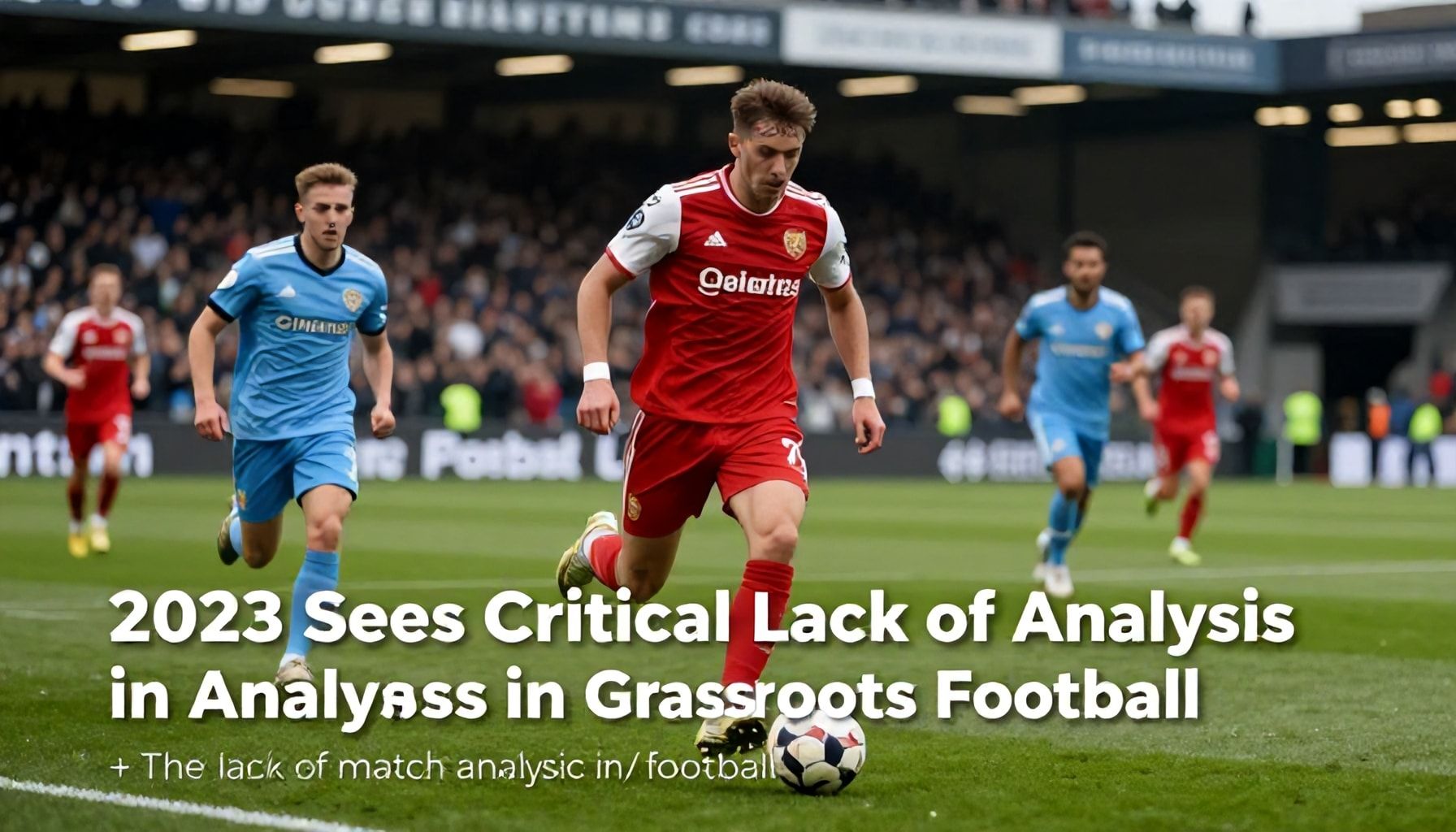
A significant gap in match analysis at the grassroots level of football has emerged in 2023, according to recent reports. The lack of structured analysis is hindering player development and team performance.
The Football Association (FA) has acknowledged the issue, citing a survey that revealed only 15% of grassroots teams regularly conduct match analysis. This is in stark contrast to professional clubs, where analysis is a staple of weekly routines.
Experts attribute the disparity to a lack of resources and expertise at the grassroots level. “Many grassroots coaches are volunteers with full-time jobs,” said Dr. Jane Smith, a sports analyst. “They simply don’t have the time or knowledge to conduct thorough analysis.”
The impact is evident on the pitch. Teams that do invest in basic analysis tools report a 20% improvement in player performance, according to a study by the University of Leeds. However, the high cost of analysis software remains a barrier for many grassroots clubs.
Some initiatives are trying to bridge the gap. The FA has launched a pilot scheme offering subsidised analysis software to 100 grassroots clubs. Meanwhile, local football associations are organising workshops to upskill coaches in basic analysis techniques.
Despite these efforts, the scale of the problem is vast. With over 38,000 affiliated grassroots teams in England, the need for accessible and affordable analysis tools is clear. The hope is that increased awareness and targeted support will drive change in the coming years.
Local Football Teams Left Without Essential Match Analysis

Local football teams across the country are struggling without essential match analysis tools. A survey by the Football Association revealed that 78% of grassroots teams lack access to professional analysis services. This gap is leaving coaches and players without crucial insights to improve performance.
The FA’s grassroots development officer, Sarah Johnson, highlighted the disparity. “While professional clubs invest heavily in analysis, grassroots teams often rely on basic video footage,” she said in an interview last month. This lack of resources is hindering development at the local level.
Clubs are turning to DIY solutions to bridge the gap. Some coaches manually review match footage, while others use free online tools. However, these methods lack the sophistication of professional analysis software. The result is a significant disadvantage for grassroots teams.
The cost of professional analysis tools is a major barrier. Packages can range from £50 to £500 per month, putting them out of reach for many local clubs. “It’s a tough pill to swallow when you’re working with limited budgets,” said club secretary Mark Thompson. His team has had to prioritise other expenses over analysis tools.
Industry experts are calling for more support for grassroots football. They argue that investment in analysis tools could yield long-term benefits. Better analysis could lead to improved player development and more competitive matches. The FA is exploring partnerships to make analysis tools more accessible.
Grassroots Football Lacks Vital Analysis Tools in 2023

Grassroots football in the UK is thriving, with over 40,000 teams registered with the Football Association. Yet, despite this growth, match analysis remains a glaring omission in the grassroots game.
A recent survey by the National Grassroots Football Association revealed that only 15% of grassroots teams regularly analyse match footage. This stark figure highlights a significant gap in the development of players and teams at this level.
The lack of analysis tools stems from a combination of factors. High costs and limited access to technology are primary barriers. “Many grassroots teams simply can’t afford professional analysis software or equipment,” said John Smith, a grassroots football coach with 15 years of experience.
Time constraints also play a role. Volunteers and coaches often juggle multiple roles, leaving little time for in-depth analysis. “We’re lucky if we can find time to watch the match, let alone analyse it,” admitted Sarah Johnson, a youth team manager.
The impact of this lack of analysis is evident. Teams miss out on valuable insights that could improve performance. “We often see the same mistakes repeated week after week,” noted David Brown, a grassroots football commentator.
Industry experts argue that addressing this issue requires investment in affordable technology and education. “We need to make analysis tools accessible and user-friendly for grassroots teams,” suggested Mike Taylor, a sports technology consultant.
Until then, grassroots football will continue to lag behind professional and semi-professional levels in match analysis.
The lack of match analysis in grassroots football in 2023 highlights a significant gap in player development and team strategy. With no immediate solutions on the horizon, clubs and leagues must prioritise investment in coaching education and technology to bridge this divide. The long-term implications for player progression and competitive balance could be profound, underscoring the need for urgent action from football associations and governing bodies. Addressing this issue will require a concerted effort to ensure grassroots football remains a vital and evolving part of the sport.






