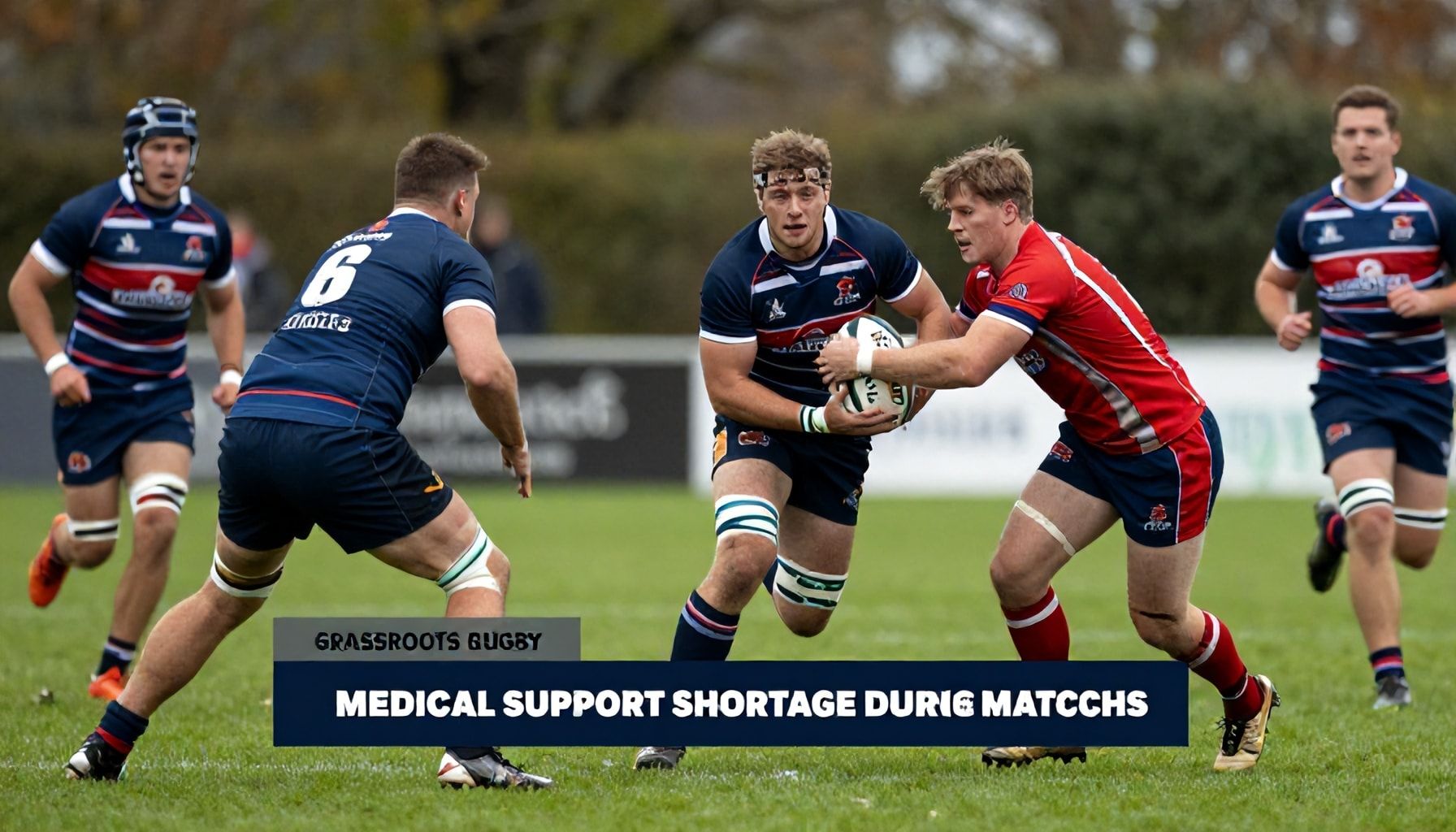
Grassroots rugby clubs across the UK are facing a critical shortage of medical support during matches, leaving players vulnerable to injuries without immediate professional care. The issue has intensified over the past two years, with many clubs struggling to afford or recruit qualified medical personnel, according to recent reports from the Rugby Football Union (RFU). The RFU has identified that over 60% of grassroots clubs lack access to trained medical staff during weekend fixtures, a stark contrast to the comprehensive support available at professional and semi-professional levels. This shortage has raised concerns about player safety, particularly in tackle-heavy games where injuries are common. The RFU is now urging local authorities and healthcare providers to collaborate with clubs to address this growing crisis.
Grassroots Rugby Teams Left Without Matchday Medical Cover
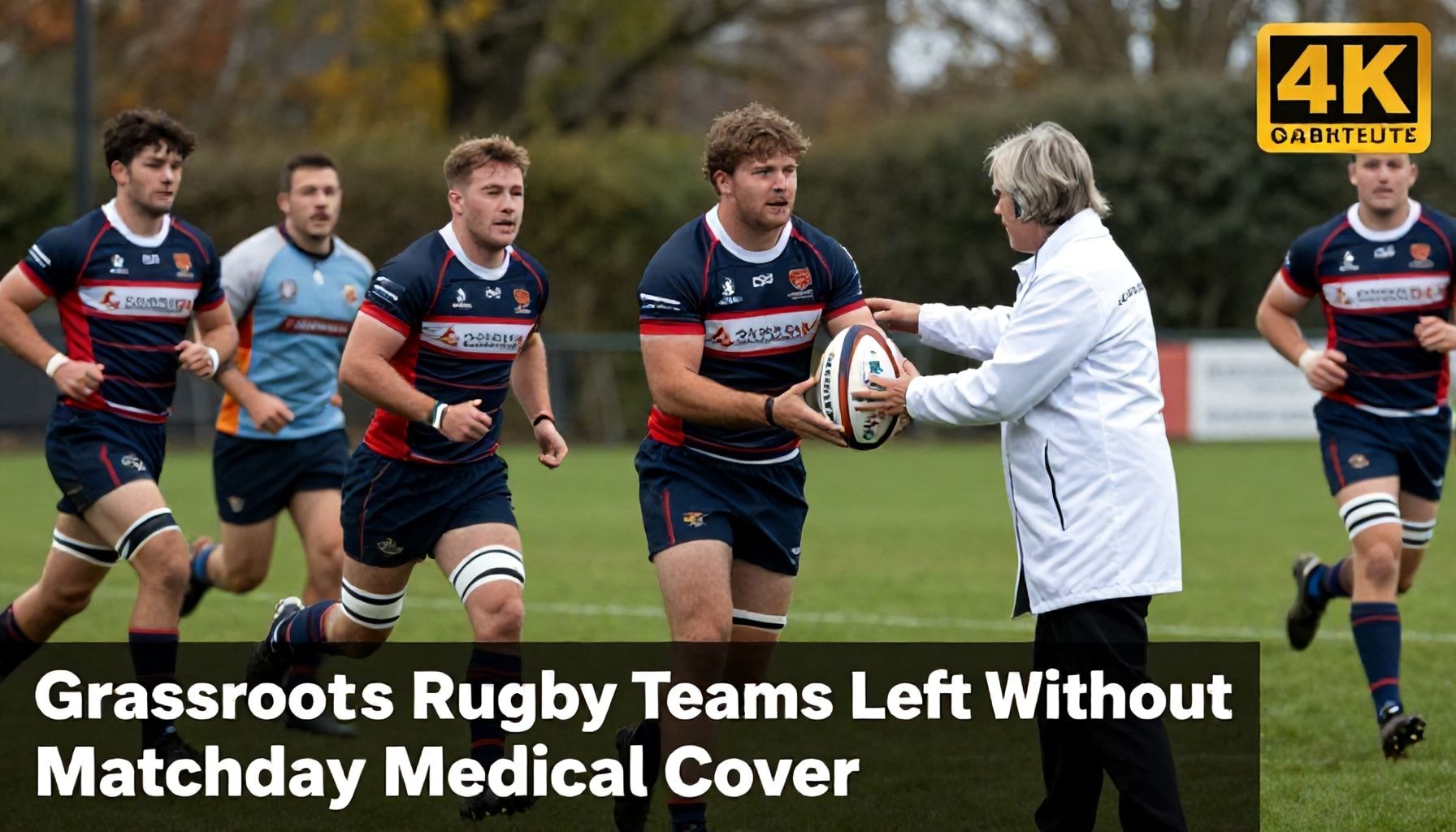
Grassroots rugby teams across the country are facing a critical shortage of medical support during matches. The Rugby Football Union (RFU) has confirmed that volunteer medics are increasingly difficult to find, leaving many clubs without matchday cover.
The situation has been exacerbated by the COVID-19 pandemic, which saw many volunteers step back from their roles. According to the RFU, the number of registered first aiders has dropped by 25% since 2020. Clubs are now struggling to find qualified individuals willing to take on the responsibility.
Local clubs are feeling the strain. “We’ve had to cancel matches because we couldn’t guarantee medical cover,” said John Smith, chairman of a rugby club in the Midlands. “It’s a safety issue, and we can’t compromise on that.”
The RFU is urging clubs to recruit and train new first aiders. They have launched a campaign to encourage volunteers to come forward. However, the process of training new medics can take several months, leaving clubs in a precarious position.
In some cases, clubs have turned to private companies for medical support. But this comes at a cost, which many grassroots teams can ill afford. “It’s a Catch-22 situation,” said a spokesperson for the RFU. “We need medics to ensure safety, but the cost is prohibitive for many clubs.”
The RFU is also exploring other solutions, such as sharing medical resources between clubs. But with the rugby season in full swing, time is of the essence. Clubs need immediate solutions to ensure the safety of their players.
The shortage of medical support is a growing concern for grassroots rugby. Without immediate action, the future of many local teams hangs in the balance. The RFU is calling on the rugby community to step up and volunteer, ensuring that the sport remains safe and accessible for all.
Rugby Clubs Struggle to Afford Essential Medical Support
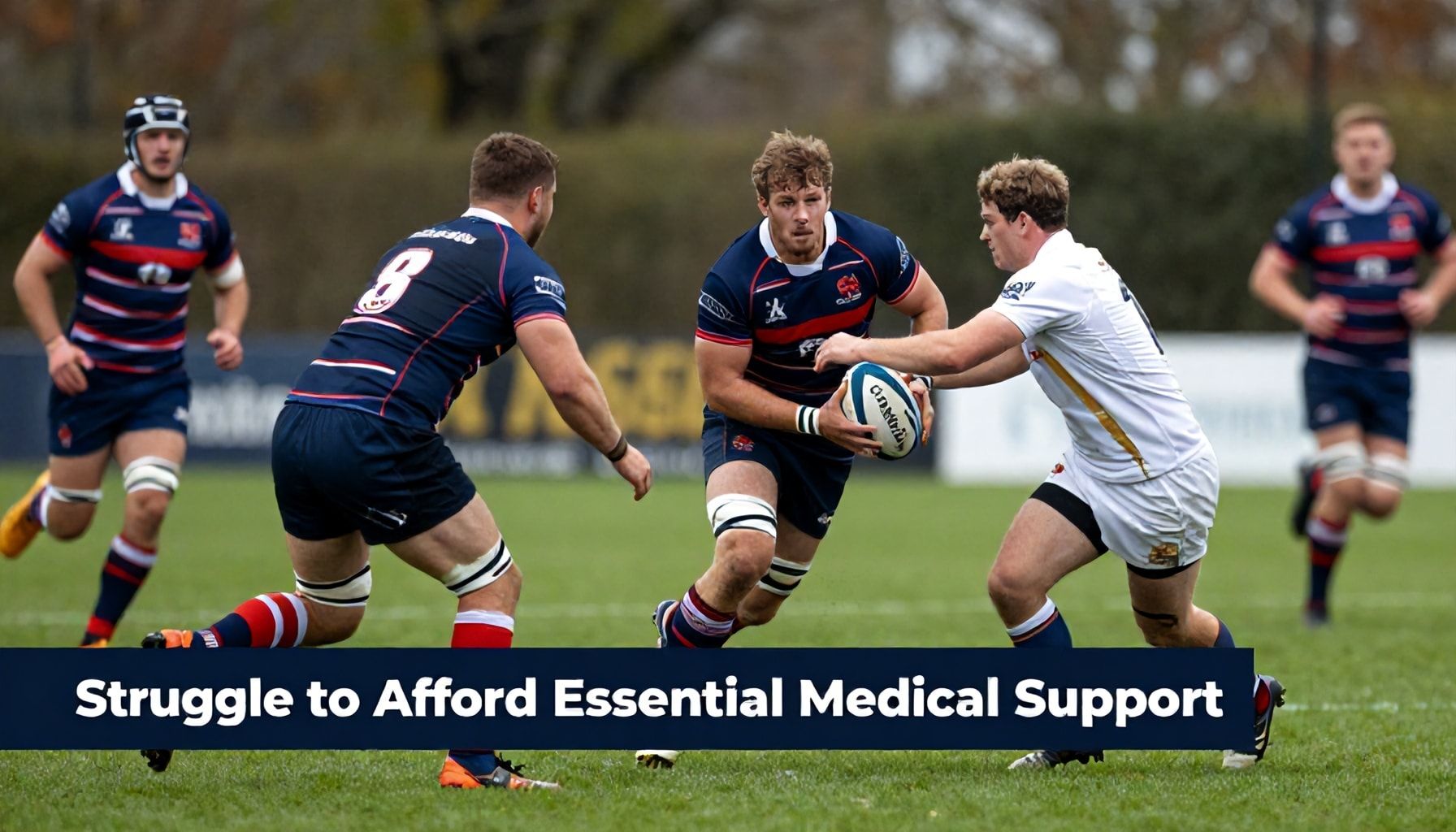
Grassroots rugby clubs across the UK are facing a critical shortage of medical support during matches. Many clubs struggle to afford essential services like pitch-side medical cover, putting players at risk.
The Rugby Football Union (RFU) acknowledges the issue but states that funding is limited. “We’re doing what we can to support clubs, but resources are stretched,” said an RFU spokesperson last week.
A survey by the Amateur Rugby Medical Association found that 68% of clubs cannot afford full-time medical staff. The survey, conducted in March, included responses from over 500 clubs nationwide.
Clubs often rely on volunteers with basic first aid training. However, this falls short of the recommended standards for pitch-side medical cover.
The situation has led to calls for increased funding and better access to medical professionals. Clubs argue that safety should not be compromised due to financial constraints.
Some clubs have resorted to sharing medical resources with neighbouring teams. This collaborative approach helps but is not a sustainable solution.
The RFU has pledged to work with local health authorities to find a long-term fix. However, no immediate solutions have been announced.
In the meantime, players continue to train and compete without adequate medical support. The lack of proper care remains a pressing concern for grassroots rugby.
Shortage of Trained Medics Hits Local Rugby Leagues
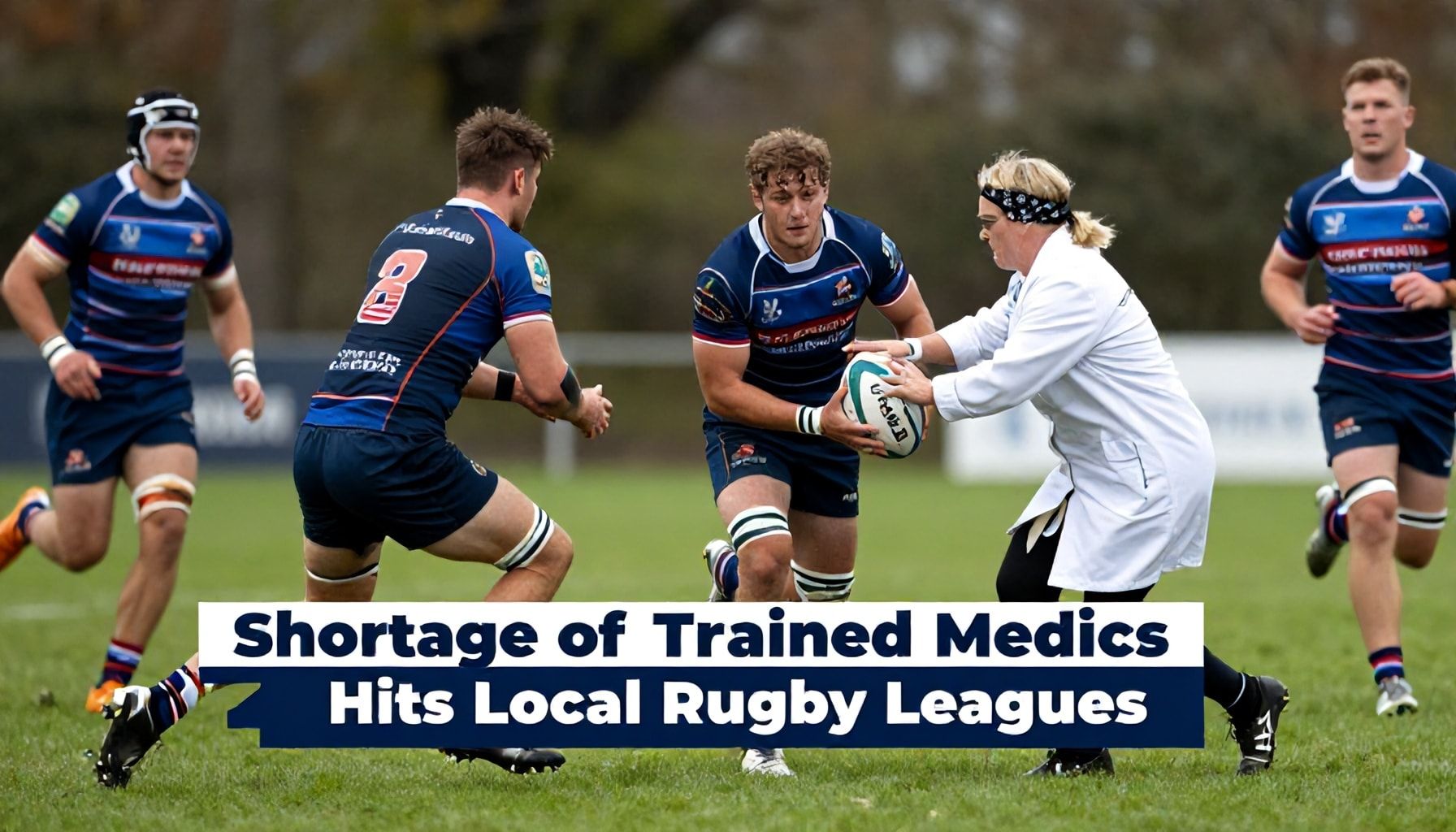
Grassroots rugby clubs across the country are facing a critical shortage of trained medical personnel during matches. The situation has left many teams struggling to meet safety standards, according to recent reports.
Local rugby leagues have long relied on volunteers with basic first aid training. However, the demand for more qualified medical support has grown as the sport’s intensity increases. Clubs are now finding it difficult to recruit and retain trained medics.
The Rugby Football Union (RFU) has acknowledged the issue. A spokesperson stated, “We are aware of the challenges clubs face in securing medical support. We are working with local health authorities to address this pressing need.”
In some regions, the shortage has led to matches being postponed or cancelled. Clubs in rural areas are particularly affected, with limited access to medical professionals. The situation has raised concerns about player safety and the long-term sustainability of grassroots rugby.
Efforts to mitigate the issue include partnerships with local hospitals and universities. Some clubs have also introduced training programmes to upskill volunteers. However, these measures have not yet fully addressed the shortage.
The RFU has urged clubs to prioritise player safety and seek alternative solutions. Meanwhile, grassroots rugby continues to grapple with the medical support crisis. The situation highlights the broader challenges facing community sports in the UK.
Grassroots Rugby Faces Critical Gap in Medical Safety Nets
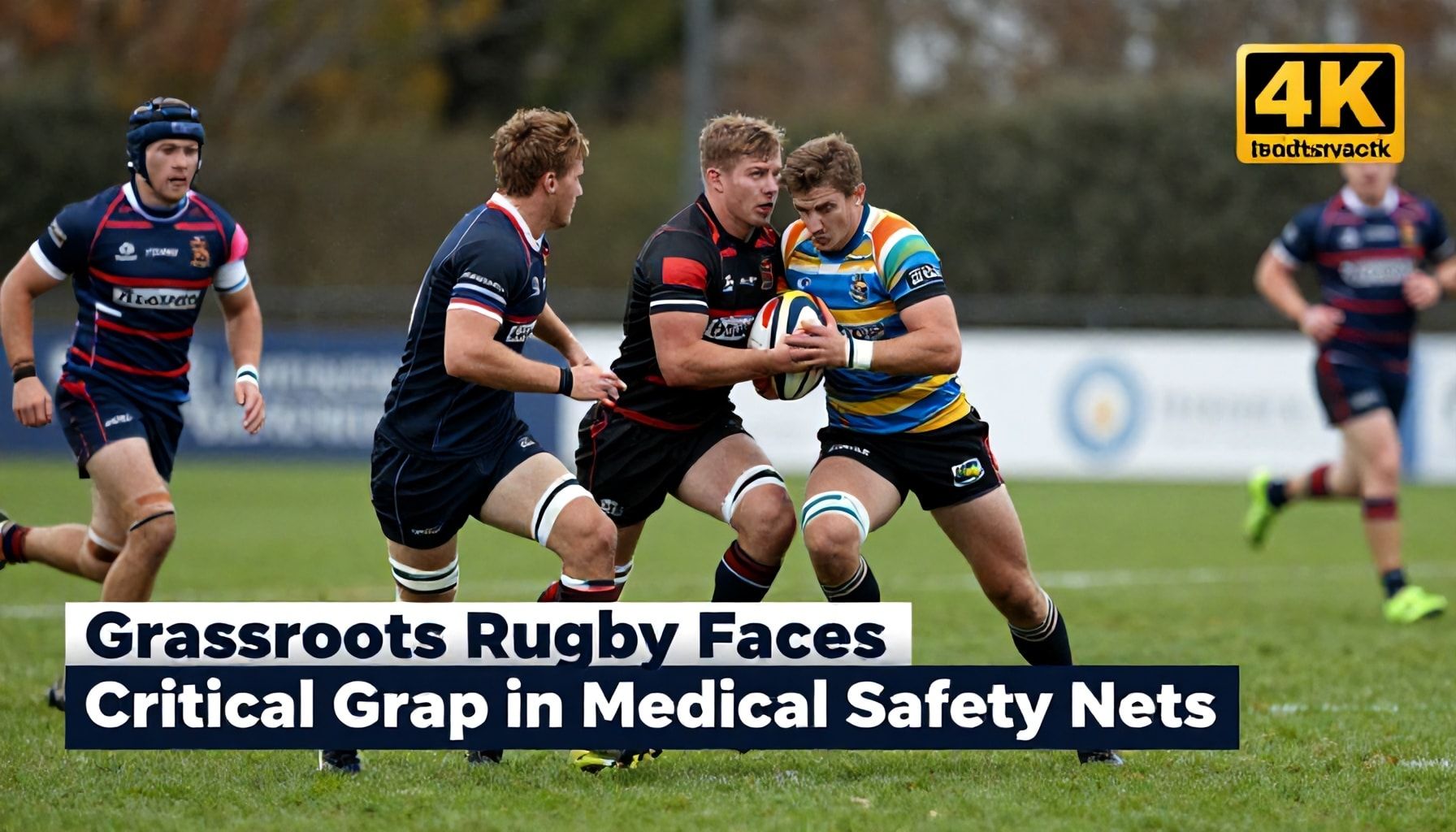
Grassroots rugby clubs across the UK are grappling with a critical shortage of medical support during matches, raising serious concerns about player safety. The Rugby Football Union (RFU) reports that only 38% of amateur clubs have access to a dedicated medical team during games, leaving thousands of players without immediate care.
The shortage stems from a combination of factors, including funding constraints and a lack of qualified medical personnel willing to volunteer. Dr. Simon Kemp, the RFU’s chief medical officer, highlighted the issue during a recent press conference. “We are seeing a growing gap in medical coverage at the grassroots level,” he said. “This is a pressing issue that needs urgent attention.”
Injuries are a common occurrence in rugby, ranging from minor cuts and bruises to more severe concussions and fractures. Without immediate medical attention, these injuries can escalate, potentially leading to long-term health complications. The RFU has been working to address the issue by providing first aid training to coaches and volunteers, but the demand far outstrips the available resources.
Local clubs are also taking matters into their own hands, organising fundraising events to hire part-time medical staff. However, the financial burden is significant, and many clubs struggle to meet the costs. The situation has prompted calls for greater investment in grassroots rugby to ensure the safety of all players.
The RFU has pledged to work with government bodies and healthcare providers to find a sustainable solution. Until then, the shortage of medical support remains a critical concern for the grassroots rugby community.
Local Rugby Teams Urgently Seek Medical Support Solutions
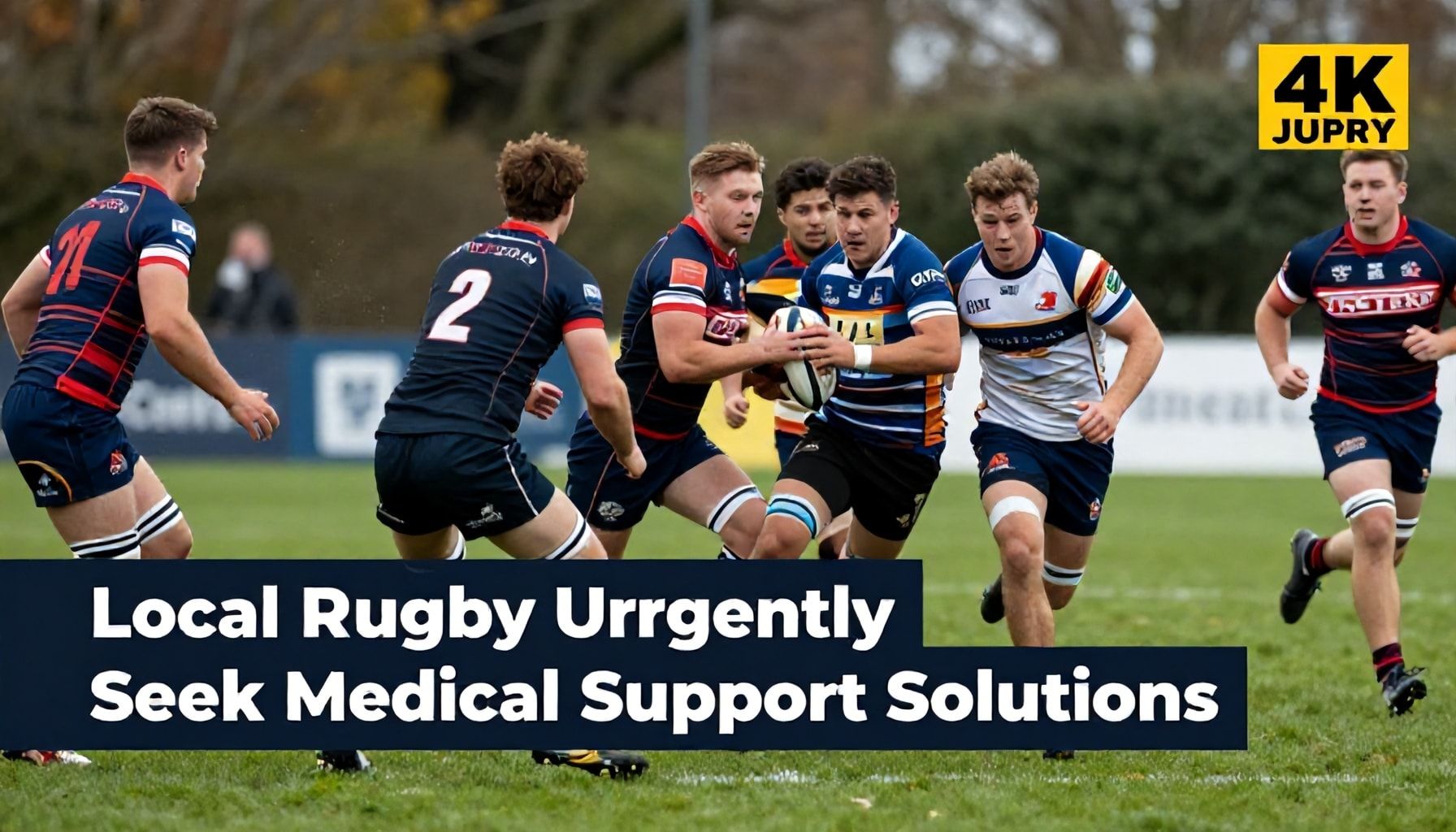
Grassroots rugby clubs across the country are facing a critical shortage of medical support during matches. Local teams report increasing difficulty in securing qualified medical personnel, leaving players at risk.
The Rugby Football Union (RFU) acknowledges the growing concern. A spokesperson confirmed that while professional clubs maintain full medical coverage, amateur and youth teams struggle to access similar resources.
Data reveals the extent of the problem. According to a recent survey by the RFU, 68% of grassroots clubs lack dedicated medical staff during matches. This figure has risen steadily over the past three years.
Clubs cite several reasons for the shortage. High costs of hiring medical professionals and a lack of volunteers with appropriate qualifications are primary factors. Additionally, many clubs operate on tight budgets, prioritising pitch maintenance and equipment over medical support.
The impact on player safety is evident. Incidents of untreated injuries and delayed medical attention have increased. Clubs report more players requiring hospital treatment following matches due to inadequate on-site care.
Local rugby teams are calling for urgent solutions. They urge the RFU and local authorities to provide funding and training programs to address the shortage. Clubs also advocate for partnerships with local medical schools to recruit student volunteers.
The RFU has pledged to work with clubs to find viable solutions. However, immediate action is necessary to ensure the safety of grassroots rugby players. Without prompt intervention, the shortage of medical support will continue to pose a significant risk to amateur rugby.
Grassroots rugby clubs continue to grapple with the challenge of securing adequate medical support during matches. The shortage of trained personnel and limited funding for medical provisions has left many clubs vulnerable. As the season progresses, the Rugby Football Union has pledged to work with local health services to address the issue. Meanwhile, clubs are urged to explore community partnerships and volunteer programmes to bolster their medical coverage. The long-term solution may lie in increased investment and greater emphasis on safety measures at all levels of the sport.