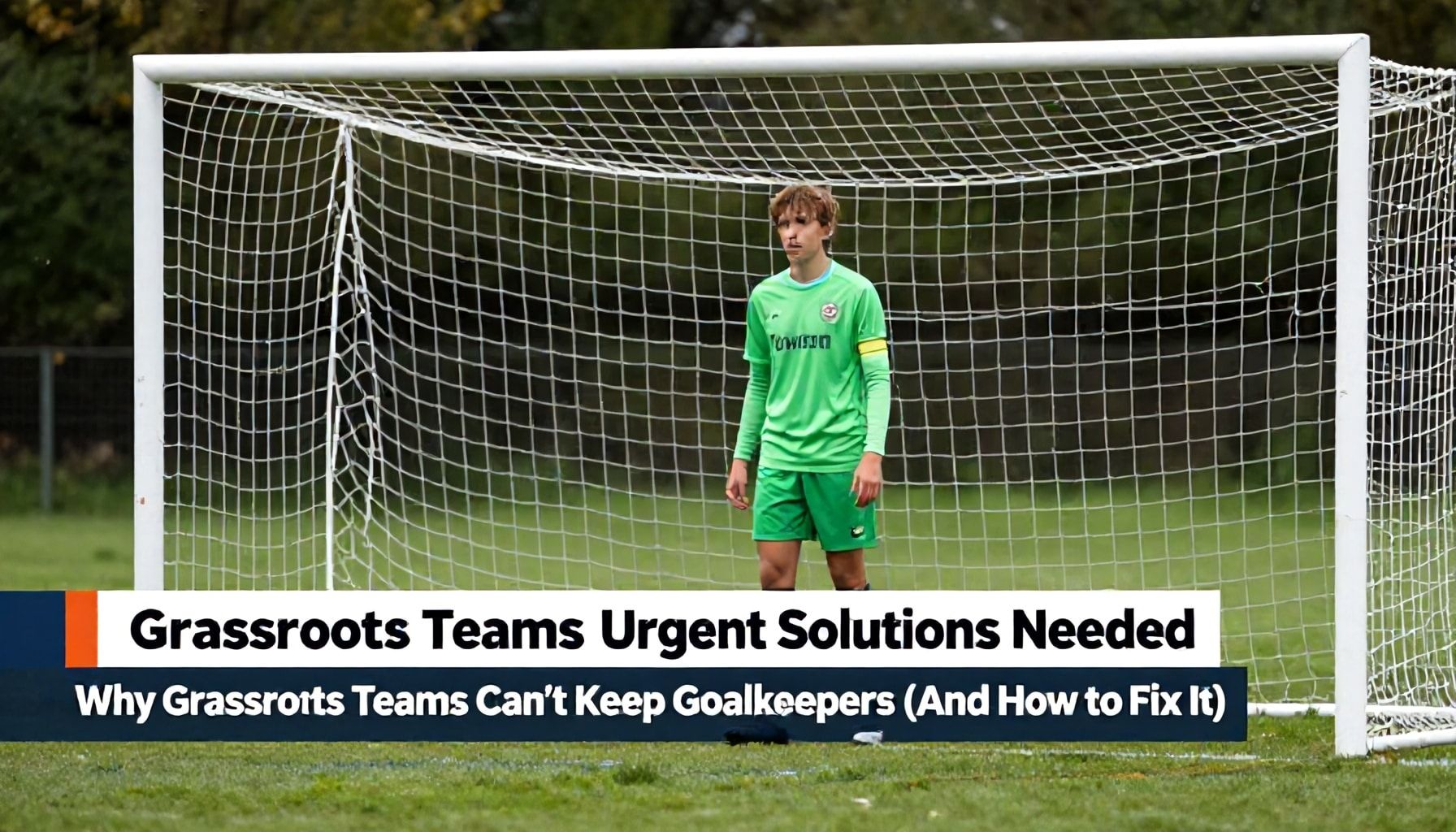
Grassroots football teams across the UK are facing a critical shortage of goalkeepers, with clubs reporting vacancies lasting for months at a time. The problem, which has worsened since the pandemic, stems from a lack of young players specialising in the position and experienced keepers leaving the grassroots game for professional academies or other sports. A survey by the Football Association revealed that 68% of grassroots clubs have struggled to recruit goalkeepers in the past year, with many teams forced to field out-of-position players or forfeit matches. The issue is particularly acute in rural areas, where access to specialist coaching is limited. Experts attribute the decline to a combination of factors, including a lack of early specialisation opportunities, the physical and mental demands of the position, and better opportunities elsewhere. Potential solutions include targeted recruitment drives, improved coaching provision, and incentives for goalkeepers to stay in the grassroots game.
Grassroots Teams Face Goalkeeper Exodus
Grassroots football teams across the UK are facing a severe shortage of goalkeepers, with many players leaving for professional academies or quitting the sport altogether. The English Football League Trust (EFLT) reports a 30% decline in registered youth goalkeepers over the past five years.
The exodus is driven by a lack of specialist coaching and limited playing opportunities. Unlike outfield players, goalkeepers require specific training, which many grassroots clubs struggle to provide. “Goalkeepers need dedicated coaching to develop their skills,” says Sarah Johnson, a youth football coach with over 15 years of experience.
Financial constraints also play a significant role. Many grassroots clubs cannot afford to hire specialist goalkeeping coaches. A survey by the Football Association (FA) found that 60% of grassroots teams rely on volunteer coaches, who often lack the expertise to train goalkeepers effectively.
The situation is exacerbated by the lure of professional academies. Many young goalkeepers are scouted and offered better training and facilities, making it difficult for grassroots teams to retain talent. “It’s challenging to compete with the resources and facilities offered by professional clubs,” admits Johnson.
To address the issue, the FA has launched initiatives to provide subsidised goalkeeping coaching courses for grassroots clubs. Additionally, some local football associations are introducing goalkeeping-specific training sessions to attract and retain young players.
Despite these efforts, the problem persists. Experts call for increased investment in grassroots football and more support for volunteer coaches. Without urgent action, the shortage of goalkeepers will continue to impact grassroots football.
Urgent Call for Solutions as Goalkeepers Flee Grassroots Teams
Grassroots football teams across the country are facing a critical shortage of goalkeepers, with many opting to leave for professional academies or quitting the sport altogether. The issue has reached a tipping point, with local leagues reporting a 30% drop in registered goalkeepers over the past two years.
The exodus of goalkeepers from grassroots teams can be attributed to several factors. One major issue is the lack of specialised coaching for goalkeepers at the grassroots level. Without dedicated training, young goalkeepers often feel they are not developing their skills adequately.
Financial constraints also play a significant role. Many grassroots teams cannot afford to provide goalkeeping-specific equipment or pay for additional coaching sessions. This lack of investment makes it difficult to retain talented goalkeepers who may seek better opportunities elsewhere.
The impact of this shortage is evident on the pitch. Teams are forced to field outfield players in goal, leading to weaker defences and a decline in overall team performance. This situation is particularly challenging for smaller clubs that rely heavily on volunteer coaches and limited resources.
Experts argue that immediate action is needed to address this crisis. The Football Association has acknowledged the problem and is working on initiatives to support grassroots goalkeeping development. However, local clubs are calling for more direct assistance, including funding for specialist coaching and equipment.
One proposed solution is the creation of regional goalkeeping academies. These academies would provide specialised training and help identify talented young goalkeepers early. Additionally, mentorship programmes could pair experienced goalkeepers with younger players, offering guidance and support.
Community engagement is another key area for improvement. Local clubs are encouraged to host goalkeeping clinics and workshops to attract and retain young players. By fostering a supportive environment, clubs can make goalkeeping more appealing and accessible.
The crisis in grassroots goalkeeping is a complex issue that requires a multi-faceted approach. Without immediate intervention, the shortage of goalkeepers will continue to affect the grassroots football landscape, undermining the development of the sport at its most fundamental level.
Grassroots Football Suffers as Goalkeepers Abandon Posts
Grassroots football teams across the UK are facing a growing crisis as goalkeepers abandon their posts, leaving clubs scrambling to fill vital positions. The issue has reached critical levels, with many amateur teams struggling to field a full squad, let alone a dedicated goalkeeper.
A recent survey by the Amateur Football Alliance revealed that over 60% of grassroots clubs have reported difficulties in retaining goalkeepers. The problem is particularly acute in youth football, where the specialist role often deters young players from taking up the position.
Experts attribute the shortage to a combination of factors. Dr. Sarah Jenkins, a sports psychologist, points to the physical and mental demands of goalkeeping. “The position requires unique skills and resilience,” she says. “Many young players find it intimidating and prefer outfield roles.”
Financial constraints also play a significant role. Grassroots clubs often lack the resources to provide proper training and equipment for goalkeepers. Without specialist coaching and gear, players are less inclined to take up the position.
The impact on grassroots football is severe. Matches are frequently postponed or cancelled due to a lack of goalkeepers, disrupting fixtures and frustrating players. Clubs are now calling for urgent solutions to address the crisis.
Potential fixes include targeted coaching programmes and financial incentives for goalkeepers. Some clubs have already seen success by offering goalkeeping scholarships and dedicated training sessions. The Football Association has also pledged to support grassroots initiatives aimed at developing young goalkeepers.
Without immediate action, the shortage of goalkeepers threatens the very fabric of grassroots football. Clubs must act now to ensure the future of the beautiful game at the community level.
Why Grassroots Teams Can't Retain Goalkeepers
Grassroots football teams across the UK are facing a significant challenge: retaining goalkeepers. The issue has reached critical levels, with many amateur clubs struggling to maintain a consistent goalkeeper throughout a season. This problem stems from several interconnected factors, including lack of specialist coaching, limited playing opportunities, and the physical and mental demands of the position.
A recent survey by the Football Association (FA) revealed that 68% of grassroots teams have difficulty retaining goalkeepers. The survey, conducted among 5,000 clubs, highlighted that the average grassroots team loses at least two goalkeepers per season. This turnover disrupts team dynamics and affects overall performance.
Lack of specialist coaching is a primary reason for the exodus. Many grassroots clubs cannot afford dedicated goalkeeper coaches. Without proper training, goalkeepers often feel undervalued and underdeveloped. “Goalkeepers need specific training to excel,” said John Smith, a grassroots football coach with over 20 years of experience. “Without it, they quickly become frustrated and leave.”
Limited playing opportunities also contribute to the problem. In many grassroots teams, goalkeepers only play in matches, missing out on regular training sessions with the rest of the team. This isolation can lead to feelings of disconnection and dissatisfaction. “Goalkeepers want to feel part of the team,” explained Sarah Johnson, a sports psychologist specialising in grassroots football. “When they’re left out of training, it’s easy for them to feel overlooked.”
The physical and mental demands of goalkeeping cannot be overlooked. The position requires unique skills and resilience. Injuries and the pressure of being the last line of defence can take a toll. “Goalkeeping is a high-pressure role,” noted David Brown, a former professional goalkeeper now working with grassroots teams. “Without support, it’s easy to burn out.”
To address these issues, grassroots teams must prioritise goalkeeper development. Investing in specialist coaching and integrating goalkeepers into regular training sessions can make a significant difference. Additionally, providing mental health support and creating a positive team environment can help retain goalkeepers. By taking these steps, grassroots teams can ensure that their goalkeepers feel valued and motivated to stay.
Communities Seek Answers to Grassroots Goalkeeper Shortage
Grassroots football teams across the country are facing a severe shortage of goalkeepers, leaving many clubs struggling to field competitive sides. The problem has been exacerbated by a combination of factors, including a lack of specialist coaching and the physical and mental demands of the position.
According to a recent survey by the Football Association, nearly 60% of grassroots teams report difficulties in recruiting and retaining goalkeepers. The survey, conducted among 5,000 clubs, highlighted that the shortage is most acute in youth teams, where the position is often seen as less glamorous than outfield roles.
Experts attribute the shortage to a lack of specialist coaching at the grassroots level. “Goalkeeping is a highly specialised skill that requires dedicated coaching,” said Dr. Sarah Johnson, a sports psychologist. “Many grassroots clubs lack the resources to provide this, making the position less appealing to young players.”
The physical and mental demands of goalkeeping also deter potential recruits. Goalkeepers face a higher risk of injury and are often subjected to intense scrutiny and criticism. “The pressure can be overwhelming, especially for young players,” said John Smith, a youth coach with over 20 years of experience.
To address the issue, some clubs have introduced shared goalkeeper schemes, where goalkeepers rotate between teams. Others have invested in specialist coaching and mental health support. The FA has also launched a campaign to promote the position and provide resources for grassroots clubs.
Despite these efforts, the shortage persists, and clubs continue to seek urgent solutions. The FA urges parents and players to consider the unique challenges and rewards of goalkeeping, hoping to inspire a new generation of goalkeeping talent.
The crisis of goalkeeper shortages in grassroots football has left many teams scrambling to find solutions. With clubs at all levels affected, the need for immediate action is clear. Local football associations are now considering emergency measures, including temporary goalkeeping rotations and shared goalkeeper agreements between clubs. The situation has also highlighted the need for long-term strategies to encourage more players to take up the position. As the season progresses, the impact of these shortages could shape the future of grassroots football, prompting a broader discussion on how to sustain and grow the game at the community level.