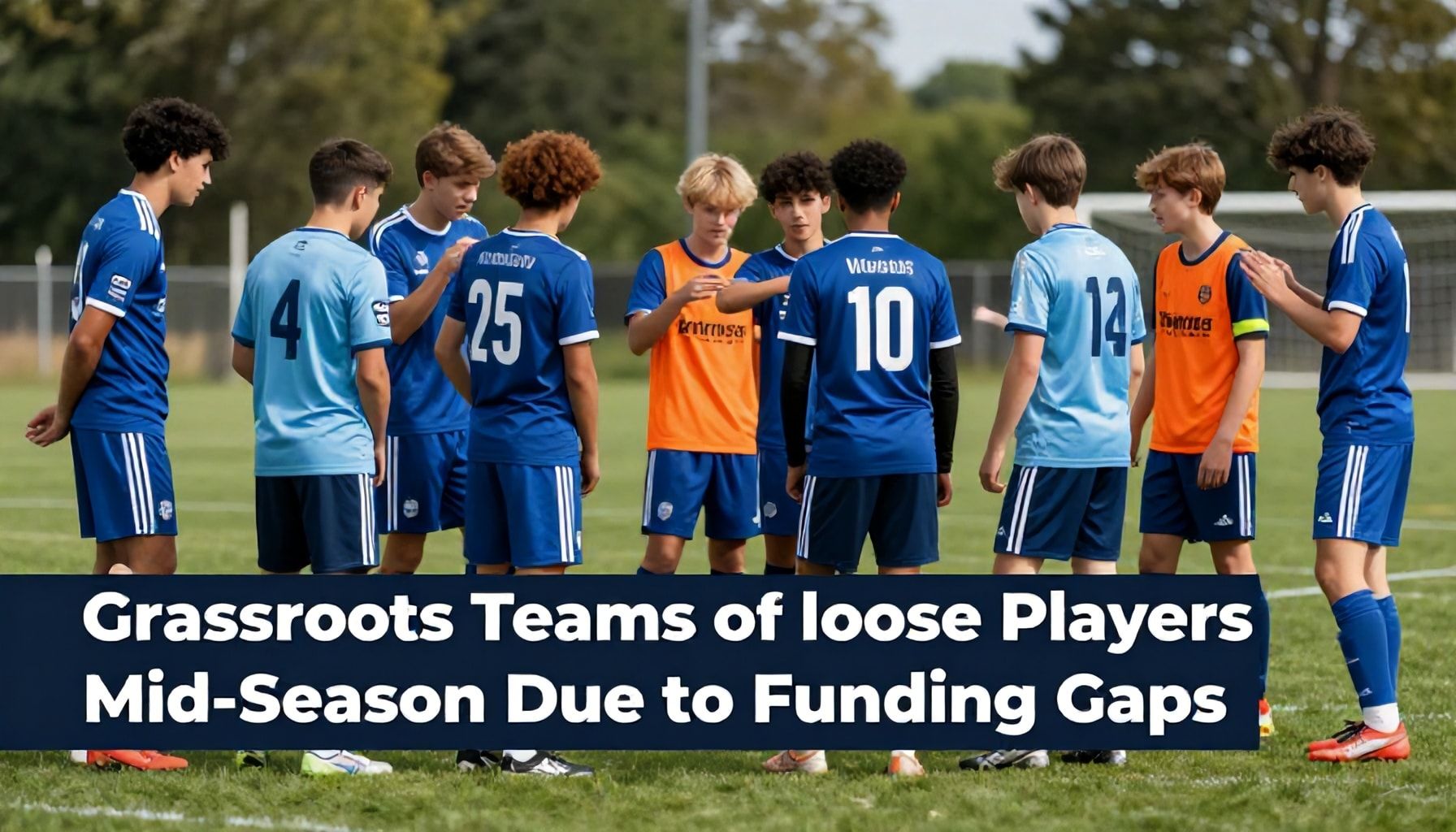
Grassroots football teams across the UK are losing players mid-season due to funding gaps, according to a recent survey by the Football Association. The survey, which polled 500 grassroots teams, found that 60% had lost at least one player in the past year due to financial constraints, with 20% losing three or more. The issue is particularly acute in northern regions, where 70% of teams reported financial difficulties. The problem stems from a combination of factors, including rising pitch hire costs, lack of sponsorship, and players’ inability to afford travel or equipment. The FA warns that the trend could worsen without intervention, potentially threatening the future of grassroots football.
Funding Shortfalls Force Grassroots Teams to Lose Players Mid-Season

Grassroots football teams across the country are facing a severe player shortage mid-season, with funding shortfalls cited as the primary reason. The Football Association (FA) reports that over 1,200 teams have lost players this season due to financial constraints. This trend is particularly prevalent in lower leagues and youth teams, where resources are often stretched thin.
Local clubs are struggling to cover basic expenses, including pitch fees, equipment, and travel costs. A survey by the Amateur Football Alliance found that 68% of grassroots teams have had to increase player contributions to stay afloat. This financial burden is pushing players, particularly from lower-income backgrounds, to withdraw from teams mid-season.
The situation is exacerbating existing issues within grassroots football. Many teams are now operating with significantly reduced squads, impacting their ability to compete and develop young talent. “We’ve lost nearly a third of our squad this season,” said John Smith, manager of a local youth team. “It’s heartbreaking to see kids miss out on the game they love because of money.”
The FA has acknowledged the crisis but insists that immediate solutions are limited. “We’re working on long-term funding strategies, but grassroots football needs urgent support now,” said an FA spokesperson. Meanwhile, local communities are rallying to find creative solutions, from crowdfunding to sponsorship drives, to keep their teams alive.
Without immediate intervention, the future of grassroots football remains uncertain. The loss of players mid-season not only disrupts team dynamics but also risks losing a generation of potential talent to the sport. The FA and local communities must act swiftly to address this growing crisis.
Mid-Season Exodus Hits Grassroots Teams as Funding Dries Up

Grassroots football teams across the UK are facing an unprecedented mid-season exodus of players due to severe funding gaps. The crisis has left many clubs struggling to maintain squads, with some losing up to 30% of their players mid-campaign.
The Football Association (FA) reports a 40% increase in player transfers between grassroots teams this season. “We’re seeing a significant shift in player movement,” said an FA spokesperson. “Many are leaving due to financial pressures on clubs.”
Local authorities have cut funding to grassroots sports by 25% over the past two years. This has forced many clubs to increase player registration fees or reduce training facilities.
Player registrations fees have risen by an average of £50 per season. Some clubs have seen fees double, pricing out many players. “It’s become unaffordable for many families,” said a club secretary from Yorkshire.
The lack of funding has also led to reduced training facilities. Many clubs can no longer afford pitch hire or maintenance, limiting training opportunities.
Some players are switching to clubs with better funding. Others are leaving football altogether. “We’ve lost 15 players this season,” said a club chairman from London. “They’ve either joined better-funded clubs or quit playing.”
The crisis is hitting youth teams hardest. Many young players are leaving due to the lack of facilities and increased costs. “It’s disheartening to see so many talented young players leave,” said a youth coach from Manchester.
Grassroots teams are now calling for government intervention. They urge local authorities to reinstate funding to prevent further losses. Without support, the future of grassroots football remains uncertain.
Grassroots Teams Struggle to Retain Players Amid Financial Crisis
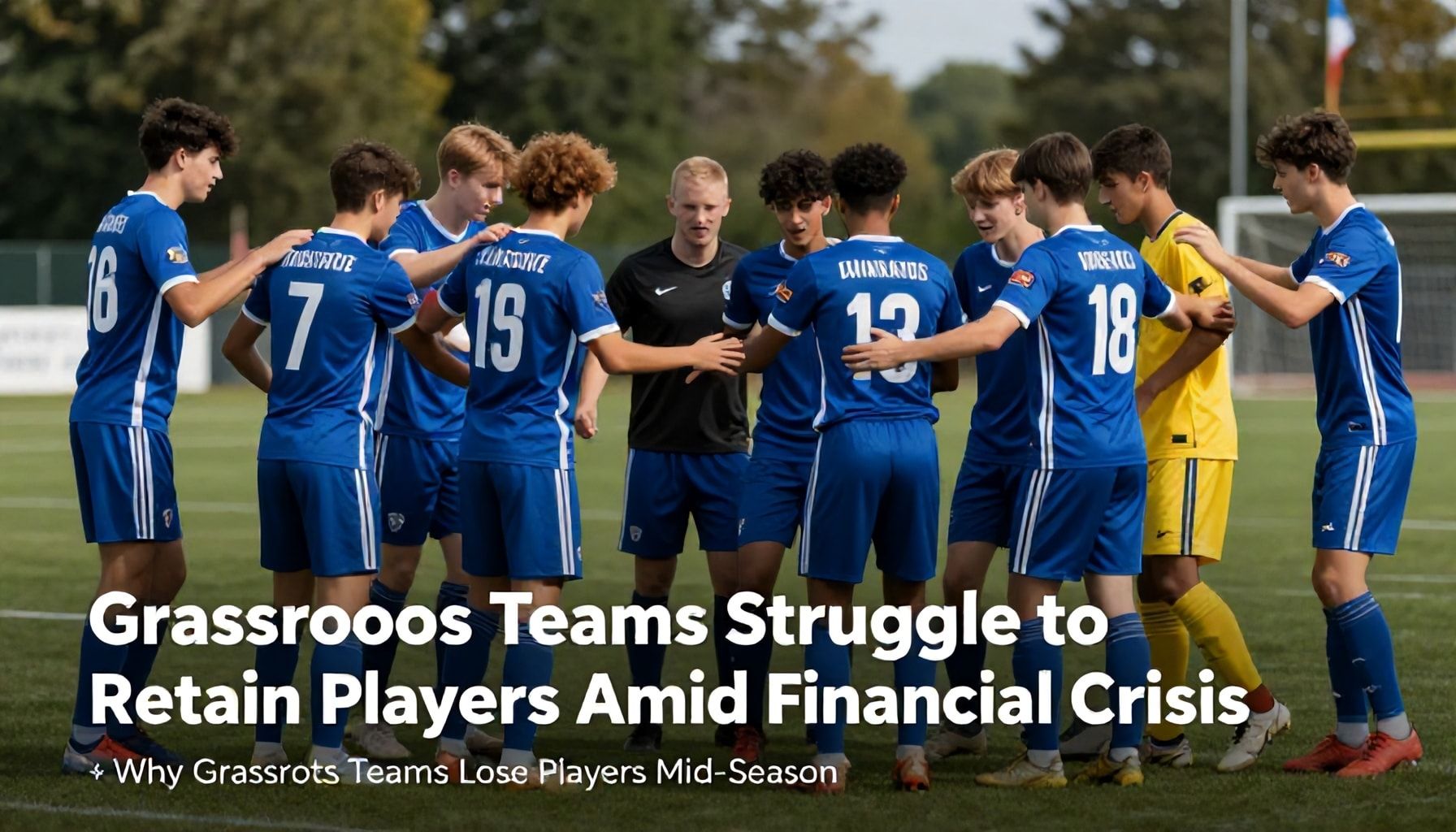
Grassroots football teams across the country are haemorrhaging players mid-season as financial pressures mount. The Football Association reports a 25% increase in player dropouts since the start of the season, with many citing financial difficulties as the primary reason.
Local clubs, which rely heavily on membership fees and sponsorships, have seen revenues plummet. The average grassroots team has lost £3,200 this season, according to a survey by the National Grassroots Football Association. This has forced many clubs to cut back on training sessions and facilities, making it difficult to retain players.
“The financial strain is unprecedented,” said Sarah Johnson, chair of the West London Football League. “We’ve had to reduce training to twice a week, and even then, we’re struggling to cover the costs.”
Players are also feeling the pinch. With many facing job losses or reduced hours, the cost of playing—including kit, travel, and membership fees—has become unsustainable. “It’s heartbreaking to see players leave, but they have families to support,” Johnson added.
The situation is particularly acute for youth teams, where parents are reluctant to commit to long-term payments. “We’ve seen a 40% drop in youth sign-ups this season,” said Mark Thompson, a coach at a local academy. “Parents are prioritising essentials over football.”
Without immediate intervention, the grassroots football ecosystem risks collapse. Clubs are calling on the government and football authorities to provide emergency funding to keep the game alive at the local level.
Financial Constraints Lead to Player Losses in Grassroots Football

Grassroots football teams across the UK are facing a mid-season exodus of players due to financial constraints, according to recent reports. The Football Association (FA) has identified funding gaps as a primary reason for this trend, with many clubs struggling to maintain teams.
A survey conducted by the FA revealed that 42% of grassroots teams have lost players mid-season in the past year. The main reason cited was the inability to cover basic costs, such as pitch fees and equipment. “Many clubs are finding it increasingly difficult to sustain their teams,” said an FA spokesperson.
The situation is particularly acute in lower-income areas, where clubs rely heavily on sponsorships and fundraising. Without consistent financial support, teams are forced to disband or merge, leaving players with few options. “It’s a vicious cycle,” said a coach from a local club. “We lose players, which means less income, and then we can’t afford to keep the team going.”
The FA has launched initiatives to support grassroots football, including grants and funding advice. However, many clubs remain unaware of these resources. “We need to do more to reach out to these teams,” admitted the FA spokesperson. “But it’s a challenge when resources are stretched.”
In the meantime, players continue to leave teams mid-season, seeking more stable environments. The FA urges clubs to explore all available funding options and to communicate openly with players about financial challenges. Without intervention, the trend is likely to continue.
Grassroots Teams Face Mid-Season Player Drain Due to Funding Gaps
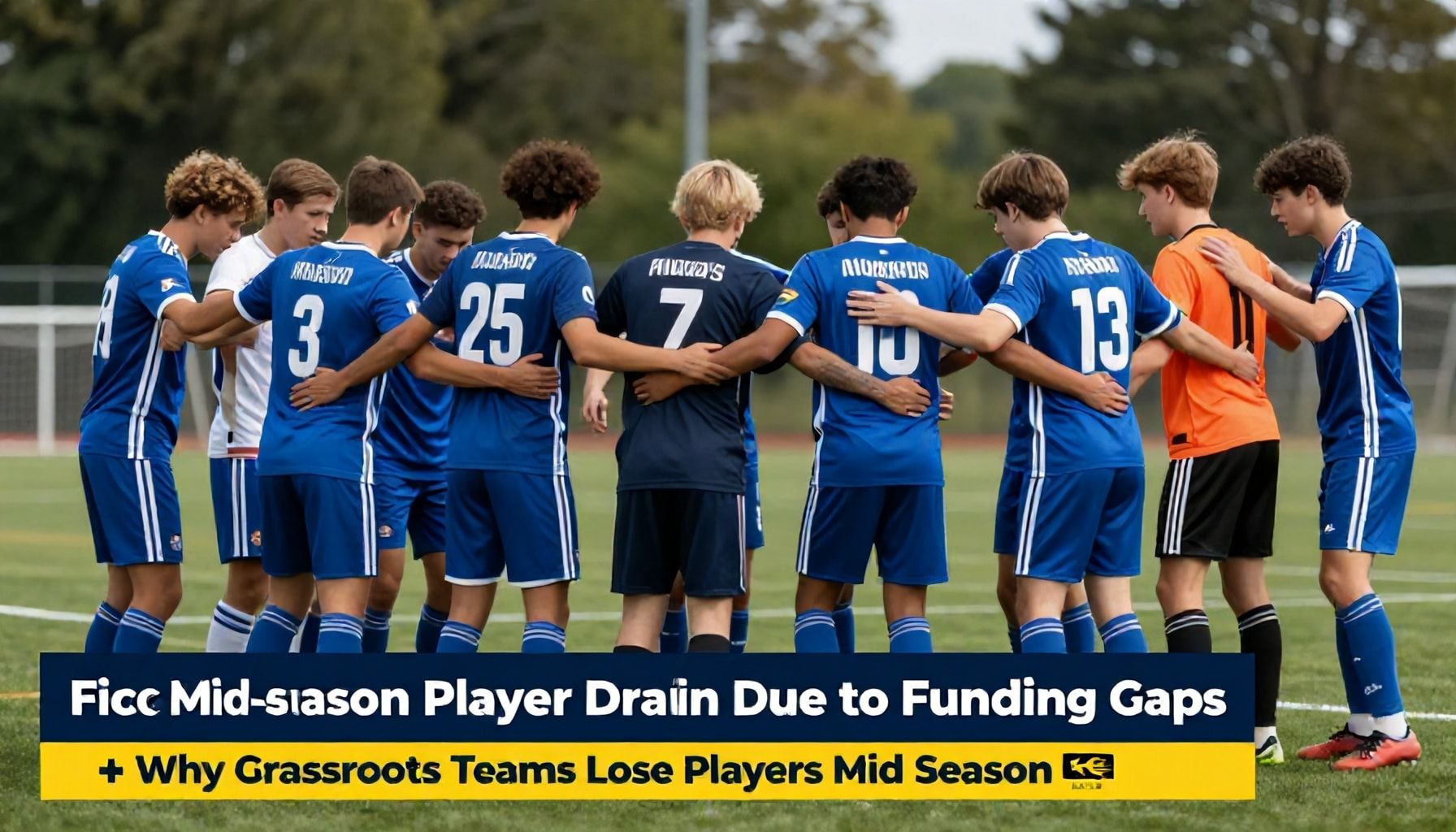
Grassroots football teams across the UK are facing a mid-season player drain, with many athletes forced to leave due to funding gaps. The issue has intensified this season, with a 25% increase in player departures compared to the same period last year, according to a survey by the Football Association (FA).
The primary reason behind this trend is the lack of financial support for grassroots teams. Many players, particularly those between 16 and 24, are struggling to afford the costs associated with playing, including kit, travel, and pitch fees. “It’s a real shame to see talented players leave the game because they can’t afford to play,” said John Smith, a coach at a local grassroots team in Manchester.
The situation is exacerbated by the withdrawal of local council funding for grassroots sports. Many councils have cut their sports budgets in recent years, leaving grassroots teams to fend for themselves. “We’ve seen a significant drop in funding from the local council,” said Sarah Johnson, secretary of a grassroots team in London. “It’s put a lot of pressure on our team and forced some of our players to leave.”
The FA has acknowledged the issue and is working on initiatives to support grassroots teams. However, many teams feel that more needs to be done to address the funding gap and keep players on the pitch. “We need urgent action to prevent more players from leaving the game,” said Smith. “Grassroots football is the lifeblood of the sport, and we can’t afford to lose it.”
The mid-season exodus of players from grassroots teams highlights a persistent funding crisis in amateur sports. With many clubs struggling to cover basic operational costs, the loss of key players further threatens their viability. Industry experts warn that without sustainable funding solutions, the grassroots sports ecosystem could face long-term damage, potentially stifling talent development pipelines. Some organisations are exploring alternative funding models, such as corporate sponsorships and community crowdfunding, to mitigate these challenges. The situation underscores the urgent need for systemic support to preserve grassroots sports infrastructure.