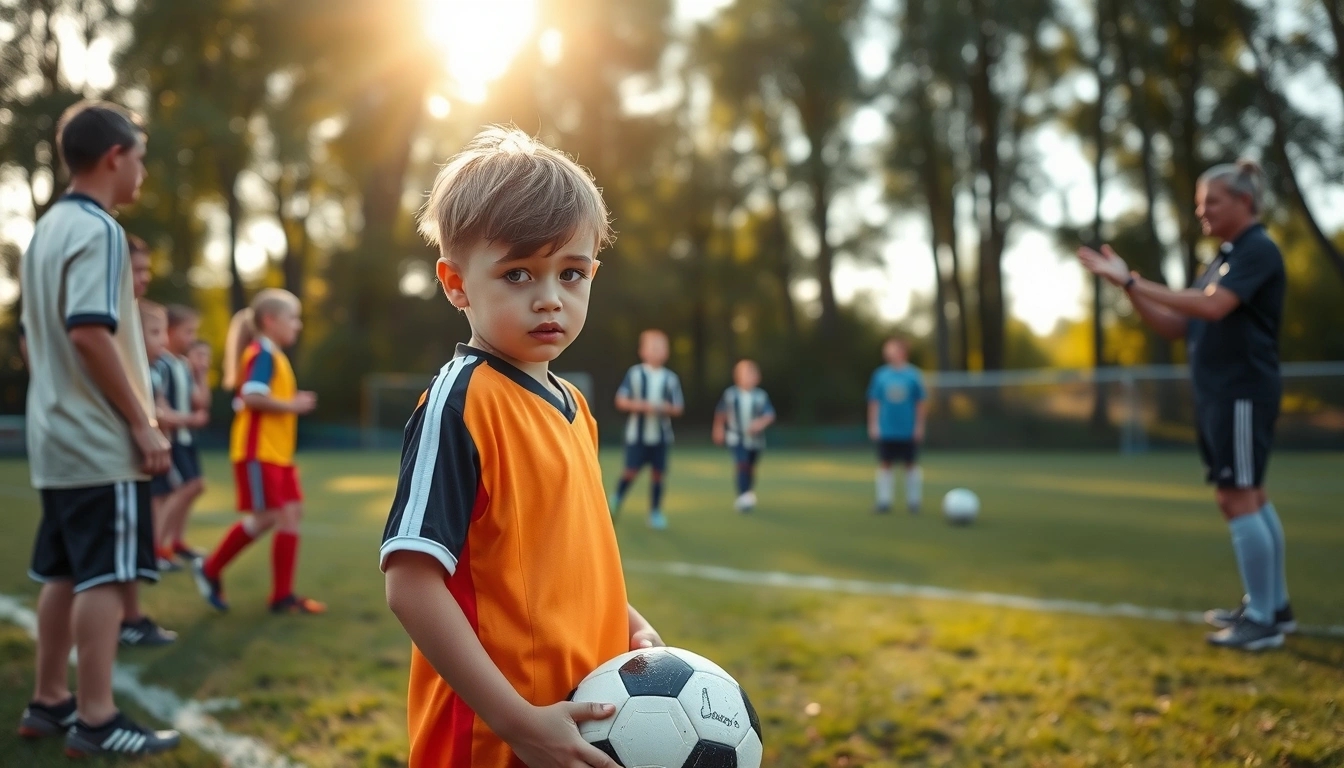
Helping shy kids get into team sports
Getting shy kids to dive into the world of team sports? Now, that’s a challenge that’s as tricky as trying to teach a cat to fetch. But hey, it’s not impossible! Shy children often stand on the sidelines, overwhelmed by the noise, the fast pace, and the fear of being judged. So, how do we nudge these quiet souls toward the field without making them want to crawl under a rock? Let’s break it down.
Understanding shyness in children
Shyness isn’t just about being quiet or withdrawn. It’s a complex cocktail of anxiety, self-doubt, and sometimes plain old fear of the unknown. For kids, this can mean avoiding group activities, especially something as socially charged as team sports. They might worry about messing up, being laughed at, or just not fitting in. Recognizing that shyness is a natural, not a flaw, is the first step. It’s not about “fixing” them but about creating the right conditions for them to blossom.
| Common Signs of Shyness in Sports | What It Means |
|---|---|
| Reluctance to join games | Fear of social rejection or failure |
| Quiet or withdrawn behavior | Low self-confidence in new environments |
| Excessive hesitation | Overthinking and anxiety about performance |
The benefits of team sports for shy kids
Believe it or not, team sports can be a secret weapon against shyness. They offer a natural way to build friendships, develop communication skills, and boost self-esteem. Plus, the physical activity releases endorphins, which help reduce anxiety. But it’s not all sunshine and rainbows; the key is to find the right sport and environment. No point throwing a shy kid into a high-pressure soccer league if it’s just going to scare them off forever.
- Social skills: Learning to cooperate and communicate.
- Self-esteem: Small wins build big confidence.
- Physical health: Active bodies, active minds.
Common barriers shy kids face in sports
Here’s where things get messy. Fear of embarrassment, social anxiety, and peer pressure often form a triple threat that keeps shy kids on the bench. Sometimes, it’s not just about the sport but the social dynamics — will they be accepted? Will they be teased? These questions can be paralyzing.
Creating a welcoming environment
Coaches and parents hold the magic wand here. Patience, encouragement, and a no-pressure attitude can transform the experience. Imagine a coach who celebrates every small effort rather than just the goals scored — that’s the kind of environment shy kids need.
Choosing the right sport
Not every sport screams “intimidation.” Swimming, badminton, or even track events can be less daunting starting points. The key is to match the child’s personality and interests.
Role of parents in encouragement
Parents, don’t be pushy! Gently nudging, offering choices, and celebrating attempts rather than results can make all the difference. Remember, it’s about the journey, not the trophy.
| Practical Tips for Parents | Why It Works |
|---|---|
| Attend practice sessions | Shows support and reduces anxiety |
| Encourage playdates with teammates | Builds friendships outside the field |
| Set small, achievable goals | Prevents overwhelm and boosts confidence |
Coaching strategies for shy players
Coaches, take note: patience is your best friend. Use positive reinforcement, avoid singling out shy kids in front of the group, and communicate in ways that make them comfortable. Tailoring drills to be inclusive rather than competitive helps too.
Peer support and buddy systems
Pairing shy kids with friendly teammates can work wonders. It’s like having a built-in cheerleader who helps them navigate social waters.
Setting realistic goals and expectations
Forget about making every kid a star athlete overnight. Celebrate small milestones — learning a new skill, showing up consistently, or just having fun.
Handling setbacks and social challenges
Kids will face bumps — missed passes, lost games, or feeling left out. Teaching resilience and offering emotional support is crucial.
Success stories and inspiring examples
There are plenty of stories where shy kids turned into confident players, sometimes even leaders. These tales remind us that with the right support, fears can be conquered.
Long-term impact on personal growth
Early involvement in team sports often molds shy kids into well-rounded adults, comfortable in social settings, and confident in their abilities. It’s not just about sports; it’s about life skills.
In the end, helping shy kids get into team sports isn’t a one-size-fits-all deal. It’s a journey filled with patience, understanding, and lots of cheering — on and off the field.
Understanding shyness in children</h2
Understanding shyness in children
When it comes to kids and shyness, it’s not just about being quiet or a little reserved. Shyness is this complex mix of emotions and reactions that can seriously shape how a child interacts with the world — especially when it comes to group activities like team sports. You might think, “Oh, shy kids just don’t want to talk much,” but it’s way more layered than that. It’s about fear of judgment, uncertainty about social cues, and sometimes just plain old anxiety bubbling under the surface.
Imagine being a kid who’s naturally cautious, stepping onto a soccer field surrounded by loud, confident teammates. That’s a big deal! The hesitation to jump in isn’t laziness or disinterest; it’s a protective mechanism. Shy kids often hesitate because they’re worried about making mistakes or being laughed at. This fear can make them avoid group activities altogether, missing out on chances to build friendships and skills.
- Emotional sensitivity: Shy children tend to be more sensitive to criticism, which can make sports feel like a minefield.
- Social self-consciousness: They might overthink every move or word, fearing that they’ll stand out — in a bad way.
- Withdrawal tendencies: When overwhelmed, shy kids often retreat instead of engaging, which can be mistaken for disinterest.
| Aspect | Impact on Participation |
|---|---|
| Fear of judgment | Leads to reluctance in joining teams or speaking up during practice |
| Difficulty with social cues | Challenges in understanding team dynamics and communication |
| Low self-confidence | Hesitation to try new skills or take risks during games |
Now, here’s the kicker — shyness isn’t a fixed trait. It’s more like a mood swing or a phase that can shift with the right support. The tricky part is that shy kids often don’t broadcast their feelings. They might nod along quietly or hang back, but inside, they’re wrestling with a storm of “What ifs?” and “I can’t do this.” That’s why understanding what shyness really means is crucial for coaches, parents, and teammates. Recognizing that a child’s silence or hesitation is not stubbornness but a sign of inner struggle can change the whole game.
So, what can we do? Well, patience is king. Encouraging shy kids to take baby steps — like just showing up, trying one drill, or cheering on teammates — can slowly build their comfort zone. It’s about creating an environment where mistakes are okay, where effort is celebrated more than perfection, and where every little win counts.
Tips for supporting shy kids in sports:- Use positive reinforcement to celebrate small achievements.- Pair shy kids with a buddy or mentor on the team.- Give clear, simple instructions to reduce confusion.- Allow them to observe before jumping in.- Encourage participation without pressure.
In the end, understanding shyness isn’t about labeling kids as “too shy” or “not cut out for sports.” It’s about seeing the potential beneath that quiet exterior and gently nudging them toward moments where they can shine — even if it’s just a tiny flicker at first. Because, trust me, once that spark catches fire, there’s no stopping it.
The benefits of team sports for shy kids</h2
The benefits of team sports for shy kids
Team sports often get painted as this loud, boisterous arena where the most outgoing kids shine. But here’s the twist: for shy kids, joining a team can actually be a game-changer — no pun intended. It’s not just about scoring goals or making baskets; it’s about building bridges where there once were walls. When a reserved child steps onto the field, they’re stepping into a world that challenges their comfort zone in the best possible way.
First off, social skills. Playing on a team means constant interaction — passing the ball, calling plays, cheering teammates on. These moments, small as they seem, are golden opportunities for shy kids to practice communication without the pressure of formal settings. It’s like socializing by stealth. Over time, those quiet kids start to find their voice, learning how to express themselves and read others better. And this isn’t just fluff; studies show kids involved in team sports develop stronger interpersonal skills compared to those who don’t.
| Benefit | How It Helps Shy Kids |
|---|---|
| Social Skills | Encourages communication and teamwork, easing social anxiety |
| Self-Esteem | Achievement in sports boosts confidence and a sense of belonging |
| Physical Health | Regular activity improves fitness and energy levels, which positively affects mood |
Now, let’s chat about self-esteem. Imagine a kid who’s always been the quiet one suddenly nailing a tricky pass or scoring a point. That moment? It’s pure gold. It’s a confidence shot that can ripple through every part of their life. Shy kids often wrestle with self-doubt, but sports give them tangible proof: “Hey, I can do this!” And that feeling? It’s addictive in a good way. Plus, being part of a team means they’re not just on the sidelines — they belong. That sense of inclusion is a major boost to anyone’s self-worth.
- Physical health benefits: Beyond the obvious, physical activity helps reduce stress and anxiety, which shy kids often battle.
- Routine and discipline: Regular practice schedules create structure, helping kids feel more secure and focused.
- Learning resilience: Sports teach handling wins and losses, a crucial life skill especially for sensitive children.
And don’t overlook the physical health perks. Shy kids sometimes avoid physical activities, which can lead to a sedentary lifestyle and all its downsides. Team sports get them moving, improving cardiovascular health, coordination, and overall stamina. Plus, exercise releases endorphins — nature’s mood boosters — which can help ease feelings of anxiety or low mood. It’s a win-win.
Here’s a quick look at how shy kids uniquely benefit from team sports in a nutshell:
- Socializing without pressure: Teamwork creates natural chances to connect.- Building confidence: Small wins add up to big self-belief.- Physical activity: Boosts mood and energy, fights off stress.- Feeling included: Being part of a group combats loneliness.- Learning life skills: Resilience, discipline, and cooperation.
Bottom line? Team sports aren’t just for the loud and bold. For shy kids, they’re a secret weapon — a way to grow socially, emotionally, and physically in a supportive, fun environment. It’s not magic, but it sure feels like it when you see a quiet kid start to shine on the team. So, if you know a reserved child, nudging them toward team sports might just be the best play you make all year.
Common barriers shy kids face in sports</h2
Common barriers shy kids face in sports
When it comes to shy children and team sports, it’s rarely as simple as just “sign them up and watch them play.” Nope, there’s a whole tangled web of fears, social jitters, and peer pressures that often keep these kids on the sidelines, both literally and figuratively. Let’s unpack what’s really going on beneath the surface.
First off, fear is a huge player here. Not just fear of getting hit by a ball or missing a goal, but the deeper fear of being judged. Imagine stepping onto a field where everyone seems to know the rules, the plays, and each other — and you’re the newbie who barely knows where to stand. For shy kids, this can be downright terrifying. The fear of embarrassment or making mistakes in front of peers can freeze them up before they even try.
- Social anxiety also looms large. It’s not just about speaking up; it’s the overwhelming worry about how others perceive you. This anxiety can manifest as physical symptoms — sweaty palms, shaky voice, or a pounding heart — making participation a real challenge.
- Even the thought of team interactions, locker room chatter, or post-game celebrations can be enough to make shy kids want to bolt.
Then there’s peer pressure, but not always the kind you’d expect. Sometimes it’s subtle, like feeling left out when friends tease about being “too quiet” or “not sporty enough.” Other times, it’s the loud, obvious pressure to “fit in” by acting a certain way on the field. For shy kids, this can feel like walking a tightrope — try too hard and risk ridicule, stay quiet and risk invisibility.
| Barrier | Description | Impact on Shy Kids |
|---|---|---|
| Fear of Judgment | Worrying about mistakes or embarrassment in front of peers | Leads to avoidance of participation or withdrawal during activities |
| Social Anxiety | Overwhelming nervousness about social interactions and group settings | Physical symptoms and reluctance to engage with teammates |
| Peer Pressure | Feeling the need to conform to group norms or behaviors | Stress and confusion about how to behave, causing hesitation |
Now, here’s the kicker — these barriers often don’t act alone. They team up, making the whole process of joining a sport feel like climbing Everest without gear. Coaches and parents might see a kid who’s just “shy” or “quiet,” but underneath, there’s a storm of emotions and doubts.
To make matters trickier, shy kids might not even voice these fears. They’re masters at hiding their discomfort, which means adults often miss the chance to help. It’s like trying to solve a puzzle with half the pieces missing.
Practical insights:
- Start with small, low-pressure social interactions before jumping into full team activities.
- Encourage open conversations about feelings related to sports participation.
- Use buddy systems to pair shy kids with supportive teammates.
In the end, understanding these barriers is the first step to breaking them down. It’s not about forcing shy kids into the spotlight but gently guiding them toward feeling safe and valued on the team. Because once those walls come down, the game changes — and so does the kid.
Creating a welcoming environment</h2
Creating a welcoming environment
When it comes to helping shy kids dive into the world of team sports, the atmosphere they step into can make or break the whole experience. Coaches and parents have this huge role—not just as instructors or cheerleaders, but as architects of a space where these kids feel safe, valued, and included. It’s not rocket science, but it sure takes some heart and patience.
First off, let’s talk about the vibe. A welcoming environment isn’t just about smiling faces (though that helps). It’s about setting a tone where shy kids don’t feel like they’re being put under a microscope or forced to “perform” right away. Imagine walking into a locker room where everyone already knows you’re the quiet one—yeah, that’s intimidating. Coaches can flip that script by encouraging team members to greet new or quiet players with simple, genuine gestures. A nod, a “hey, glad you’re here,” or even a teammate offering to buddy up during drills can do wonders.
- Patience is key: Shy kids might take longer to warm up. Coaches and parents should avoid rushing or pushing too hard—let the child set the pace.
- Celebrate small wins: Did a shy player speak up once? Did they try a new skill? Acknowledge it openly. It builds confidence.
- Inclusive language: Use “we” and “team” often. It reinforces belonging.
Now, parents—don’t think you’re off the hook. Your attitude at home can echo loudly on the field. If you’re stressing about your kid’s performance or social skills, guess what? They pick up on that. Instead, focus on the fun aspect and the effort. Share stories about your own awkward moments or times you felt out of place. It normalizes the experience.
| Tips for Coaches | Tips for Parents |
|---|---|
| Use positive reinforcement, even for small steps. | Encourage your child without pressure. |
| Pair shy kids with friendly teammates (buddy system). | Attend practices and games to show support. |
| Keep instructions clear and simple to avoid overwhelming. | Talk about what your child enjoys about the sport. |
| Create team rituals that include everyone. | Celebrate participation, not just wins. |
Here’s the kicker: creating a welcoming environment isn’t a one-time deal. It’s ongoing. Coaches need to check in regularly, parents should keep the conversation positive, and teammates must be reminded that kindness isn’t optional. When all these pieces come together, shy kids don’t just join the team—they become part of the team. And that’s where the real magic happens.
In the end, fostering this kind of atmosphere isn’t just about sports; it’s about teaching kids that their voice matters, their presence matters, and hey, sometimes just showing up is a victory in itself. So, next time you see a quiet kid on the sidelines, remember: a little warmth and patience could turn that shy kid into the next team MVP.
Choosing the right sport</h2Choosing the right sport
When it comes to shy kids stepping into the world of team sports, the big question is: which sports are actually less intimidating and more inviting? It’s not just about picking any sport; it’s about finding that sweet spot where a reserved child feels comfortable enough to take the plunge without feeling overwhelmed or spotlighted.
Let’s be real — some sports scream “look at me!” more than others, and that can be a total nightmare for a shy kid. Sports like basketball or soccer, with their fast pace and constant interaction, might feel like a pressure cooker at first. But don’t get me wrong, they’re not off the table — just maybe not the best starting point.
Here’s a quick rundown of sports that tend to be a bit more shy-kid-friendly:
- Swimming: Often done individually but within a team setting, swimming allows kids to focus on their own progress without constant social pressure.
- Martial Arts: Surprisingly great for shy kids because it emphasizes personal growth, respect, and discipline. Plus, it’s one-on-one with the instructor more than a crowd.
- Track and Field: Offers a variety of events where kids can compete individually but still be part of a team. It’s less about constant chatter and more about personal achievement.
- Golf: Slow-paced and low-pressure, golf can be a calming introduction to sports without the chaos of team huddles and fast moves.
Now, don’t get me wrong — the list above isn’t some hard and fast rulebook. Every kid is different, and sometimes the shyest kid might surprise you by loving the loudest, most social sport out there. But generally speaking, these activities let kids ease into sports without feeling like they’re on a stage.
| Sport | Social Interaction Level | Physical Contact | Individual vs Team | Typical Environment |
|---|---|---|---|---|
| Swimming | Low to Moderate | Minimal | Individual with Team Support | Pool |
| Martial Arts | Low | Moderate (controlled) | Individual Focus | Dojo/Gym |
| Track and Field | Low to Moderate | None | Individual & Team | Stadium/Track |
| Golf | Low | None | Individual | Course |
One thing to keep in mind: sometimes shy kids just need a little “warm-up” before they jump into the team sport scene. This could be through introductory sessions, small group practices, or even watching games until they feel ready. No rush — it’s about building trust and comfort.
Parents and coaches, if you’re reading this, don’t underestimate the power of letting kids explore multiple options without pressure. Sometimes the sport they pick on day one isn’t the one they stick with, and that’s perfectly okay. The goal is to make sure the child feels safe and excited, not forced or anxious.
So, the takeaway? Pick sports that balance personal space with gentle social interaction. Look for activities where shy kids can build confidence at their own pace. And remember, the “right sport” is the one that makes the kid want to come back for more — no matter how quiet or loud that sport might be.
Role of parents in encouragement</h2
Role of parents in encouragement
Getting shy kids to dip their toes into the world of team sports is no walk in the park. Parents often find themselves walking a tightrope between encouraging participation and respecting their child’s natural temperament. The trick? Gently nudging without pushing. It’s about creating a space where the child feels safe to explore, fail, and maybe even surprise themselves.
First off, patience is key. Parents need to understand that shyness isn’t a flaw to fix but a personality trait to respect. Rushing a shy kid into a noisy, competitive environment may backfire spectacularly. Instead, start small. Maybe it’s watching a local game together or attending a practice session just to observe. These low-pressure introductions can make the whole idea of team sports less intimidating.
| Practical Ways Parents Can Encourage Shy Kids | Why It Works |
|---|---|
| Attend games or practices as a spectator | Familiarizes child with environment without pressure to participate |
| Encourage playdates with teammates | Builds social comfort outside of sports context |
| Celebrate small victories, not just wins | Boosts confidence and motivation |
| Be a role model by showing enthusiasm for sports | Children often mimic parents’ attitudes |
Another nugget of wisdom is to focus on the fun factor. Kids, shy or not, are more likely to stick with something if they’re enjoying themselves. Parents can help by emphasizing the joy of moving around, making friends, and learning new skills rather than stressing about competition or performance. Sometimes, just saying, “Hey, it’s okay to mess up. We all do,” can take a huge load off a child’s shoulders.
- Encouragement over pressure: Avoid phrases like “You have to try out” and opt for “Would you like to give it a go?”
- Listen actively: Pay attention to your child’s feelings and fears without dismissing them.
- Provide choices: Let the child pick the sport or activity to foster ownership and interest.
And yes, parents, don’t underestimate the power of positive reinforcement. Compliment effort, not just results. Shy kids often struggle with self-esteem, so hearing “You did a great job trying something new!” can be more impactful than any trophy.
Now, here’s a curveball: sometimes the best encouragement is stepping back a bit. If a child is visibly stressed or resistant, pushing harder might do more harm than good. Instead, keep the door open and revisit the idea later. Remember, this isn’t a sprint—it’s a marathon, and every kid’s pace is different.
In a nutshell, parents should aim to be a steady source of support, cheerleaders who celebrate every small step forward. With a bit of patience, empathy, and creativity, shy kids can find their footing in team sports without feeling like they’re being thrown into the deep end.
Coaching strategies for shy players</h2
Coaching strategies for shy players
Working with shy kids in sports isn’t exactly a walk in the park, and if you’re a coach, you probably know that already. These kids often come with a whole suitcase of hesitation, nerves, and sometimes downright fear of being in the spotlight. So, how do you get them to open up without pushing too hard? Here’s the lowdown on some practical, down-to-earth tips that can really make a difference.
Patience is your best friend
First off, patience isn’t just a virtue here—it’s a necessity. Shy kids won’t suddenly transform into team captains overnight. They need time to feel comfortable, to dip their toes in the water before diving headfirst. Coaches who rush the process often scare these kids off. Instead, try to create a relaxed atmosphere where mistakes aren’t the end of the world but a natural part of learning. Remember, Rome wasn’t built in a day, and neither is confidence.
Positive reinforcement works wonders
Now, this might sound like coach-speak cliché, but trust me, positive reinforcement is gold. Celebrate the small wins—whether it’s a shy player making eye contact, trying a new skill, or just showing up consistently. Shy kids often focus on what they can’t do, so flipping the script by highlighting what they *can* do builds a quiet but powerful momentum. A quick “Hey, nice pass!” or “Great effort today!” can stick with them way longer than you think.
| Situation | Positive Reinforcement Example |
|---|---|
| Trying a new position | “You gave that a great go, I’m proud of you.” |
| Joining a group drill | “Awesome teamwork, you’re fitting right in.” |
| Asking a question | “Great curiosity! That’s how you get better.” |
Tailored communication is key
One size does *not* fit all when it comes to talking with shy kids. Some might respond well to gentle encouragement, others might need a bit more direct guidance—but delivered with kindness, of course. Avoid overwhelming them with too many instructions at once. Break things down into bite-sized chunks and check in by asking simple, open-ended questions like, “How are you feeling about this?” or “Want to try it together first?” This shows you care about their comfort, not just their performance.
- Use calm, friendly tones instead of loud, commanding voices.
- Maintain eye contact but don’t stare—balance is everything.
- Be mindful of body language—open gestures invite trust.
Bonus tip: Build trust through consistency
Shy kids often fear unpredictability. If your coaching style is consistent and fair, they’ll start to see you as a safe person in a chaotic environment. That trust is the foundation for them to take risks and engage more fully.
In short, coaching shy players isn’t about flipping a switch; it’s about gently coaxing them out of their shells with a mix of patience, positivity, and personalized communication. It’s a slow dance, but when it clicks, you’ll see these kids blossom in ways that might surprise even you.
Peer support and buddy systems</h2
Peer support and buddy systems: easing shy kids into team sports can feel like trying to herd cats sometimes. You’ve got these kids who’d rather blend into the wallpaper than be the center of attention, and then there’s the whole chaotic whirlpool of team dynamics. But here’s the kicker: pairing shy children with friendly, outgoing teammates can be a game-changer. It’s like giving them a safety net made of smiles and high-fives.
- Why buddy systems work: When a shy kid has a friendly teammate by their side, the intimidating world of whistles, cheers, and quick passes suddenly feels a lot less daunting. That buddy acts as a social bridge — someone who helps translate the team’s language, breaks the ice, and offers encouragement right when it’s needed most.
- Confidence booster: Having a pal in the game reduces anxiety. It’s not just about sharing the ball; it’s about sharing the experience. The shy kid starts realizing, “Hey, I belong here,” which is huge for their self-esteem.
| Benefit | Explanation |
|---|---|
| Reduced Anxiety | Having a known teammate lowers social stress and fear of judgment. |
| Improved Communication | Friendly peers help shy kids understand instructions and team cues better. |
| Increased Participation | Shy children are more likely to join drills and games when they have a buddy. |
| Faster Social Integration | Buddy systems help shy kids feel part of the group quicker. |
Now, it’s not all sunshine and rainbows. Coaches and parents need to be smart about who gets paired with whom. The buddy should genuinely be empathetic and patient — not just the loudest kid on the team who might accidentally steamroll the shy one. It’s about creating a supportive partnership, not a competition.
- Tips for coaches: Observe interactions during practice. Look for natural friendships or moments when a more confident player reaches out. Encourage buddies to check in regularly, not just during games but also on the sidelines.
- Tips for parents: Talk to your child about their buddy. Are they feeling supported? Sometimes shy kids won’t say much, so keep an eye on body language and enthusiasm.
Example of a Buddy System Schedule:Monday: Buddy introductions and icebreaker gamesWednesday: Paired drills focusing on teamworkFriday: Buddy check-in and feedback session
Let’s be honest: no system is foolproof. Some shy kids might still retreat into their shells despite the best efforts. But peer support is a powerful tool in the arsenal. It gently nudges kids out of isolation and into the messy, wonderful world of team sports — where they learn not just how to play, but how to connect.
So yeah, pairing shy kids with friendly teammates? It’s not just a nice idea. It’s a practical, sometimes magical way to help them find their footing, build confidence, and maybe even start enjoying the game. And if that’s not worth a cheer, what is?
Setting realistic goals and expectations</h2
Setting realistic goals and expectations
When it comes to shy kids stepping into the world of team sports, the whole idea of setting realistic goals isn’t just a nice-to-have—it’s an absolute game-changer. Imagine asking a kid who barely speaks up in class to suddenly become the star player overnight. Yeah, not gonna happen. The key is breaking down the journey into small, manageable milestones that feel doable, not daunting. This approach helps keep motivation alive and kicking without drowning the child in pressure or anxiety.
Let’s be honest—shy kids often wrestle with a mix of excitement and fear when joining team activities. Big, flashy goals like “win the championship” or “score the most goals” can feel overwhelming and even scary. Instead, focusing on tiny victories—like remembering teammates’ names, showing up to practice on time, or trying a new skill—can build confidence step by step. These small wins add up, creating a positive feedback loop that encourages kids to keep going.
| Milestone | Why It Matters | Encouragement Tip |
|---|---|---|
| Attend first practice | Overcomes initial fear of new environment | Celebrate attendance, no matter what |
| Introduce self to one teammate | Builds social connection | Coach or parent can facilitate introductions |
| Attempt a basic skill (e.g., pass, catch) | Develops confidence in abilities | Offer positive feedback, even for effort |
| Stay for entire practice | Builds stamina and routine | Highlight progress, not perfection |
Now, here’s the rub: it’s super easy for adults to get caught up in the “what should happen” instead of “what can happen.” Coaches and parents sometimes expect too much too soon, which can backfire big time. Shy kids might shut down or feel like failures if they don’t meet lofty goals immediately. So, patience is the name of the game. Expect gradual progress, celebrate effort over outcome, and be ready to adjust goals as the child grows and gains confidence.
- Tip #1: Keep goals flexible. What works one week might need tweaking the next.
- Tip #2: Use positive language. Replace “You must do this” with “Let’s try this together.”
- Tip #3: Involve the child in goal-setting. When they have a say, they’re more invested.
And don’t forget, the journey isn’t always a straight line. There will be days when the shy kid feels like hiding in the corner or skipping practice. That’s normal. The trick is to keep goals small enough that setbacks don’t feel like disasters. Maybe the goal for that week is simply “showing up and trying.” No medals needed.
Practical Goal-Setting Checklist for Parents and Coaches:- Identify the child’s comfort level before setting goals- Break down skills into bite-sized pieces- Celebrate every attempt, no matter how small- Adjust goals regularly based on progress and mood- Encourage peer support to ease social anxiety- Keep communication open and pressure low
In the end, it’s all about creating a supportive space where shy kids can blossom at their own pace. Realistic goals act like stepping stones, guiding them gently from hesitation to participation, from silence to cheers. And trust me, those little milestones? They’re the unsung heroes of long-term success in sports and beyond.
Handling setbacks and social challenges</h2
Handling setbacks and social challenges for shy children in sports
When it comes to shy kids stepping onto the sports field, it’s not all sunshine and rainbows. Let’s be honest—disappointments and social hiccups happen, and for a child who’s already wrestling with shyness, these moments can feel like the end of the world. So, how do we help these kids bounce back without crushing their fragile confidence? Here’s the lowdown.
First off, acknowledge the feelings. It’s tempting to say “shake it off” or “just play harder,” but that’s like telling someone to stop feeling cold by ignoring the chill. Shy kids often internalize setbacks, replaying them in their heads. Parents and coaches need to create a safe space where kids can openly express frustration or sadness without fear of judgment. A simple, “It’s okay to feel upset when things don’t go your way,” can work wonders.
- Normalize setbacks: Share stories of famous athletes who failed multiple times before succeeding. It’s not just pep talk—it’s real life.
- Encourage problem-solving: Help kids think about what they can do differently next time, turning disappointment into a learning opportunity.
- Keep expectations realistic: Avoid putting too much pressure on performance. The goal is growth, not perfection.
Now, social challenges can be trickier. Imagine being shy and then suddenly having to navigate team dynamics, locker room chatter, or even teasing. Yikes. Peer support is key. Buddy systems where a more outgoing teammate pairs up with the shy player can ease anxiety and foster friendships. Coaches should also watch out for exclusion or bullying and step in promptly.
| Challenge | Support Approach | Expected Outcome |
|---|---|---|
| Feeling left out | Pair with a buddy; encourage group activities | Increased sense of belonging |
| Fear of making mistakes | Positive reinforcement; celebrate effort | Reduced anxiety, more willingness to try |
| Handling criticism | Teach constructive feedback; role-play responses | Improved resilience |
Remember, patience is the name of the game. Shy kids might not bounce back immediately, and that’s okay. The trick is to keep showing up, offering support, and celebrating small victories. Sometimes, just knowing someone’s in their corner makes all the difference.
In short, handling setbacks and social challenges isn’t about pushing shy kids harder but about guiding them gently through the rough patches. With empathy, practical strategies, and a pinch of humor, these young athletes can learn to face disappointments head-on and come out stronger. After all, every champion was once a beginner who stumbled—and that’s what makes the journey worth it.
Success stories and inspiring examples</h2
Success stories and inspiring examples
It’s always heartwarming to hear about shy kids who find their footing and truly blossom through team sports. These stories aren’t just feel-good fluff; they’re proof that with the right environment and encouragement, even the most reserved children can overcome their fears and thrive. Take, for example, Lily, a 10-year-old who barely spoke during her first soccer practice. She was so quiet that her coach joked she might be a ghost on the field. But fast forward six months, Lily was not only chatting with teammates but also scoring goals with confidence. What changed? A mix of patience from the coach, a buddy system pairing her with a friendly teammate, and small, achievable goals that didn’t overwhelm her.
- Case Study 1: Jake, the reluctant basketball player
- Case Study 2: Mia’s journey from wallflower to volleyball ace
- Case Study 3: Sam’s transformation through baseball
Jake was the kid who dreaded noisy gymnasiums and avoided eye contact like the plague. His parents gently nudged him to try basketball, hoping it might spark some social interaction. At first, Jake stuck to the sidelines, but the coach’s encouragement and a patient team helped him find his rhythm. By the end of the season, Jake was not just participating; he was leading warm-ups. His story is a classic example of how team sports can be a game-changer for shy kids.
| Child | Initial Challenge | Sport | Key Support | Outcome |
|---|---|---|---|---|
| Lily | Extreme shyness, non-verbal | Soccer | Buddy system, patient coaching | Gained confidence, active participation |
| Jake | Social anxiety, avoidance | Basketball | Encouraging coach, team support | Leadership, social engagement |
| Mia | Low self-esteem | Volleyball | Positive reinforcement, small goals | Improved self-esteem, skill development |
Mia’s story is another gem. She was shy and struggled with self-esteem issues. Volleyball seemed intimidating, but the coach broke down skills into bite-sized chunks and celebrated every small win. Slowly but surely, Mia started to believe in herself. The cheers from teammates after a good serve did wonders for her confidence.
What’s clear from these examples is that the environment plays a massive role. Coaches who understand the nuances of shyness and tailor their approach to each child’s needs can make a world of difference. Parents, too, have a part to play by providing gentle encouragement without pressure.
Practical tips from success stories:- Use buddy systems to pair shy kids with friendly teammates.- Set small, achievable goals to avoid overwhelming them.- Celebrate every little success to build confidence.- Encourage coaches to be patient and communicative.- Parents should support without pushing too hard.
So, if you’re wondering whether shy kids can really thrive in team sports, the answer is a resounding yes. These stories don’t sugarcoat the challenges but show that with the right support, fears can be overcome, and shy kids can shine bright on and off the field.
Long-term impact on personal growth</h2
Long-term impact on personal growth
When we talk about shy kids and team sports, it’s not just about kicking a ball or scoring points. Nope, it runs way deeper than that. Getting involved early in team sports can seriously flip the script for these kids, turning those quiet, reserved little ones into confident, well-rounded adults who can handle life’s curveballs without breaking a sweat. Sounds like magic? Well, it’s more like a slow burn, but trust me, the payoff is huge.
First off, team sports teach more than just physical skills. They’re like a crash course in social interaction, communication, and cooperation. Shy kids, who might usually hang back in the shadows, get nudged—sometimes gently, sometimes not so gently—into situations where they have to speak up, listen, and work with others. Over time, this builds a sort of social muscle that’s hard to develop in solo activities. It’s like going from being a wallflower to the life of the party, but without the awkwardness.
| Key Personal Growth Areas | How Team Sports Help |
|---|---|
| Self-confidence | Regular practice and small wins boost belief in one’s own abilities. |
| Communication skills | Teamwork requires talking, listening, and understanding teammates. |
| Resilience | Handling losses and setbacks builds mental toughness. |
| Leadership | Opportunities to guide or motivate peers emerge naturally. |
| Discipline | Consistent training fosters routine and responsibility. |
But hey, it’s not always a smooth ride. Some shy kids might initially feel like they’re out of their depth—like a fish out of water—especially when the spotlight hits. And that’s okay! The beauty of early involvement is that it gives these kids a chance to stumble, learn, and get back up without the pressure of adult expectations looming large. Over time, these experiences translate into a stronger sense of self and a willingness to take on challenges beyond the sports field.
- Social confidence: Regular interaction in a team setting reduces anxiety in social situations.
- Emotional intelligence: Understanding teammates’ feelings and reactions helps shy kids develop empathy.
- Goal setting: Learning to set and achieve sports-related goals spills over into other life areas.
And let’s not forget the physical perks—being active improves mood, energy levels, and even brain function, which all contribute to better mental health. So it’s like a win-win situation.
In the grand scheme of things, early team sports involvement plants seeds that blossom into adulthood traits such as assertiveness, teamwork, and adaptability. These are the qualities that employers, friends, and even family members appreciate. So, while it might seem like just a game to some, for shy kids, it’s a transformative journey—one that shapes them into people who can face the world head-on, with confidence and a sense of belonging.
In short, team sports aren’t just about trophies or medals. They’re about crafting stronger, happier, and more capable individuals—starting from those quiet little kids who once hesitated to take the first step onto the field.
Frequently Asked Questions
- Why do shy kids hesitate to join team sports?
Shyness often comes with a fear of judgment and social anxiety, making group settings feel overwhelming. For many shy children, the thought of being in the spotlight or making mistakes in front of peers can be intimidating, which creates a barrier to joining team sports.
- How can team sports benefit shy children?
Team sports are like a secret weapon for boosting confidence! They help shy kids develop social skills, improve self-esteem, and get active—all while having fun. Being part of a team encourages communication and builds friendships, which can gently pull shy kids out of their shells.
- What are some common challenges shy kids face in sports?
Besides social anxiety, shy children often struggle with fear of failure, peer pressure, and feeling left out. These hurdles can make them reluctant to participate or even quit early if they don’t feel supported or understood.
- How can parents encourage shy kids to try team sports without pressure?
Patience is key! Parents can gently introduce sports by highlighting fun over competition, celebrating small wins, and choosing activities that match their child’s interests. Offering consistent support and avoiding pushy attitudes helps build trust and motivation.
- Which sports are best suited for shy children starting out?
Low-pressure, smaller team sports or activities with clear roles can be less intimidating. Think of sports like swimming relays, tennis doubles, or even martial arts classes that focus on personal progress but still offer social interaction.
- What role do coaches play in helping shy kids?
Coaches can be game changers by creating a welcoming environment, using positive reinforcement, and tailoring communication to each child’s comfort level. Patience and understanding from coaches help shy kids feel safe and valued on the team.
- How does pairing shy kids with buddies help?
Buddy systems act like social bridges, easing shy children into team dynamics. Having a friendly teammate to lean on reduces anxiety and encourages participation, making the whole experience less daunting.
- What’s the best way to set goals for shy kids in sports?
Setting small, achievable goals keeps shy kids motivated without overwhelming them. Celebrating progress, no matter how tiny, builds momentum and helps them see sports as a fun challenge rather than a stressful task.
- How should setbacks be handled to support shy kids?
Encouragement and empathy go a long way. Helping shy children understand that setbacks are normal and part of learning can prevent discouragement. Parents and coaches should focus on effort and growth, not just outcomes.
- Can shy kids really become confident through team sports?
Absolutely! Many shy children have blossomed into confident individuals by engaging in team sports. The combination of social interaction, physical activity, and supportive environments creates a powerful recipe for personal growth.