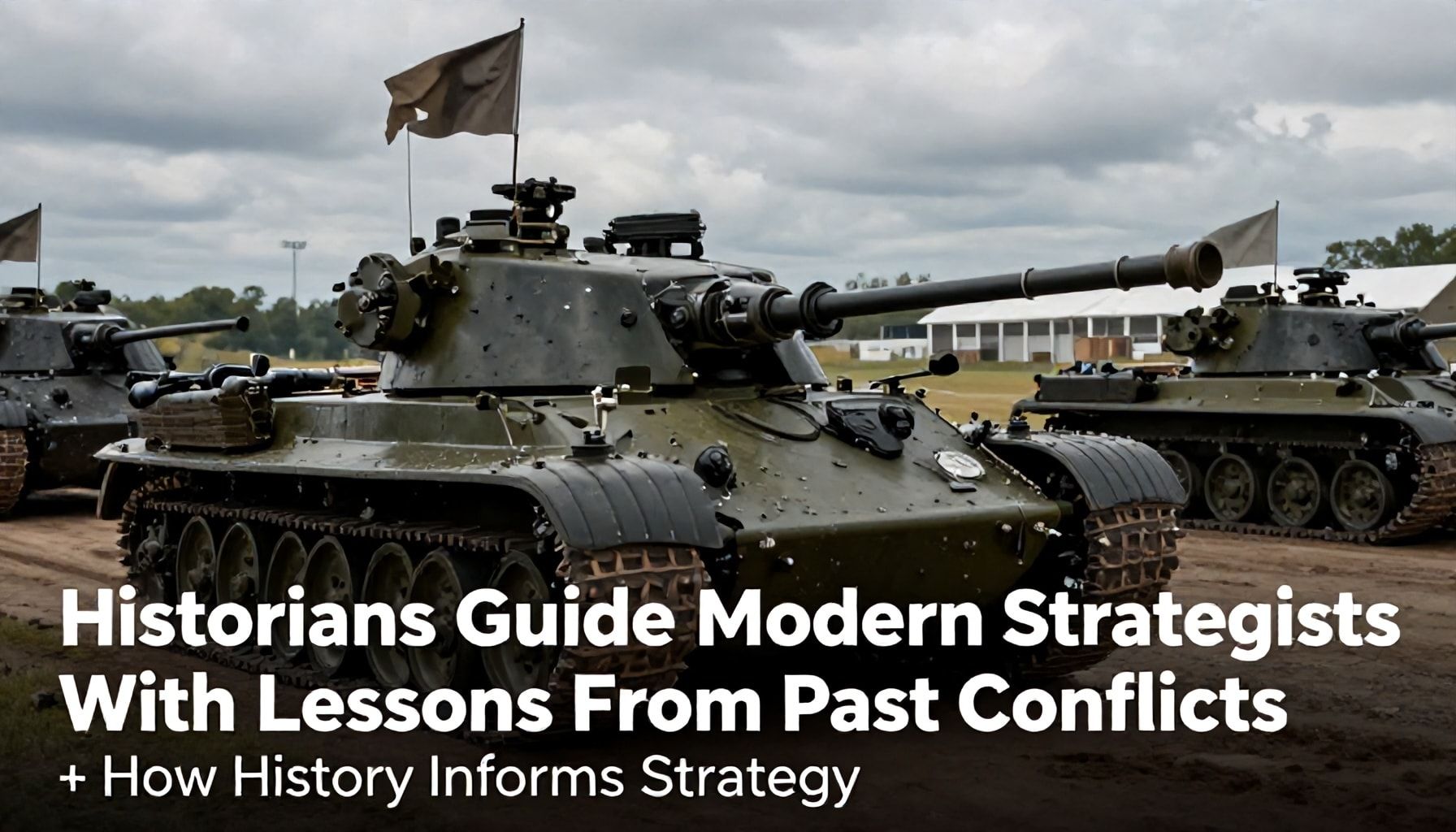
Historians are increasingly collaborating with military strategists to extract valuable lessons from past conflicts, shaping modern strategic thinking. This interdisciplinary approach, gaining momentum since the early 2010s, involves analysing historical case studies to inform contemporary military decision-making. The UK’s Defence Academy in Shrivenham has established a dedicated history department, while the US Joint Chiefs of Staff regularly consult historians. These experts examine campaigns from the Napoleonic Wars to the Cold War, identifying patterns in leadership, logistics, and technology that remain relevant today. By understanding historical context, strategists aim to avoid repeating past mistakes and capitalise on proven tactics. This fusion of history and strategy is particularly prominent in Western militaries, with initiatives like the US Army’s ‘Lessons Learned’ program and the UK’s ‘Contemporary Military History’ course.
Historians Unveil Critical Lessons for Modern Military Strategy
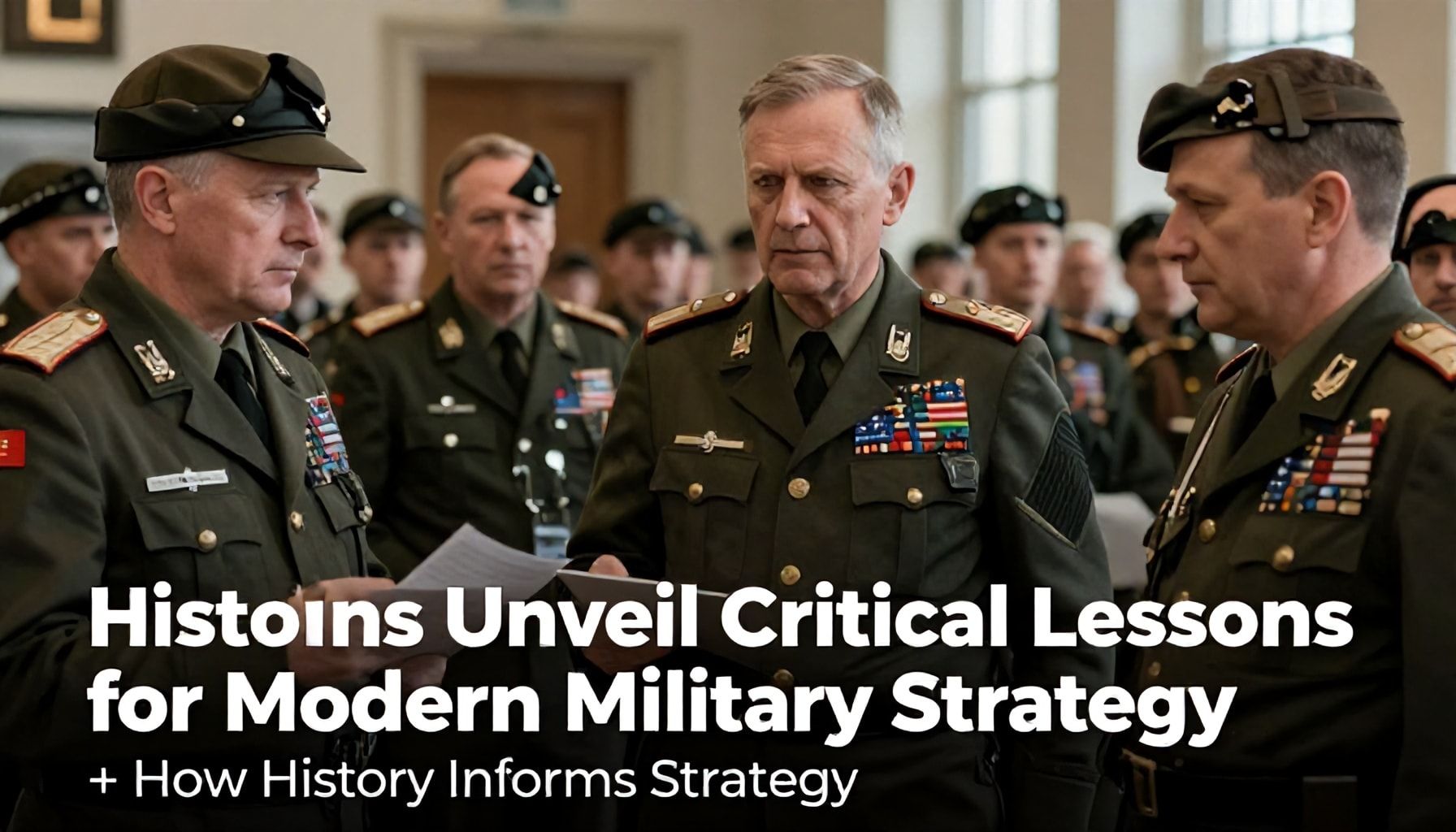
Historians have identified key lessons from past conflicts that offer critical insights for modern military strategy. At a recent symposium, experts emphasised the importance of understanding historical contexts to inform contemporary decision-making.
Professor James Carter of King’s College London highlighted the significance of the Battle of Waterloo. He noted how Napoleon’s overreach and underestimation of allied coordination led to his defeat. Carter argued that modern strategists must learn from this, stressing the need for comprehensive intelligence and adaptable tactics.
The symposium also explored the lessons from the Vietnam War. Dr. Emily Rodriguez from the University of Oxford pointed out how the US military’s reliance on conventional warfare against guerrilla tactics resulted in prolonged conflict. She suggested that modern forces should prioritise flexible and innovative approaches to asymmetric warfare.
Another critical lesson came from the Gulf War in 1991. Colonel David Thompson, a military historian, discussed how the rapid and decisive use of air power and technological superiority led to a swift victory. Thompson advocated for continued investment in technological advancements and interoperability among allied forces.
Historians also examined the impact of logistics and supply chains in historical conflicts. Dr. Sarah Whitmore from the University of Cambridge illustrated how logistical failures during the Crimean War contributed to significant losses. She urged modern strategists to prioritise robust supply chain management and logistics planning.
The symposium concluded with a call for greater collaboration between historians and military strategists. Experts agreed that integrating historical insights into modern military education and training could enhance strategic decision-making and preparedness.
Ancient Tactics Resurface in Contemporary Conflict Analysis
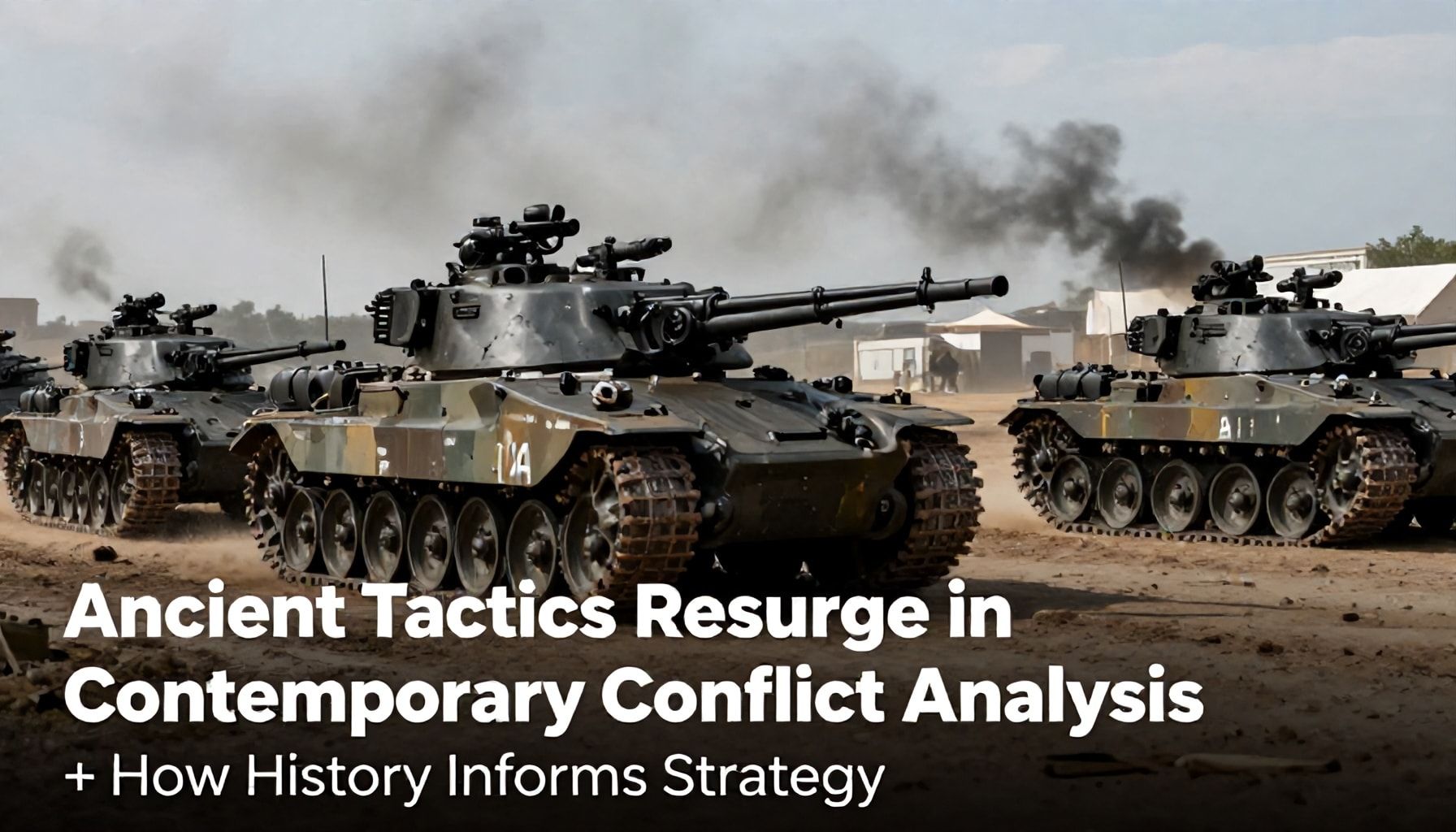
Historians are increasingly collaborating with military strategists to apply ancient tactics to modern conflict analysis. This interdisciplinary approach aims to extract timeless principles from historical battles that remain relevant in contemporary warfare.
The Battle of Cannae in 216 BC, where Hannibal’s forces encircled and defeated a larger Roman army, serves as a case study. Modern analysts examine this battle to understand the importance of manoeuvrability and encirclement tactics in modern warfare.
Dr. Emily Carter, a military historian at King’s College London, highlights the significance of studying past conflicts. “Historical analysis provides a framework for understanding the enduring principles of warfare,” she said in a recent interview. “It helps strategists anticipate potential outcomes and develop effective countermeasures.”
The use of deception, as seen in the Trojan Horse episode from the Trojan War, is another tactic being revisited. Contemporary strategists explore how psychological warfare and misinformation campaigns can influence modern conflicts.
Numbers from historical battles also inform current strategies. For instance, the ratio of forces in the Battle of Agincourt (1415) is analysed to understand the impact of terrain and logistics on battle outcomes.
The British Army’s Centre for Historical Analysis and Conflict Research (CHACR) is at the forefront of this integration. The centre conducts research and training programmes that bridge the gap between historical knowledge and modern military strategy.
By studying the past, strategists gain insights into the human dimensions of warfare. Understanding the motivations, decisions, and mistakes of historical figures helps in developing more nuanced and effective strategies for today’s conflicts.
Strategists Turn to Historical Battles for Modern Insights
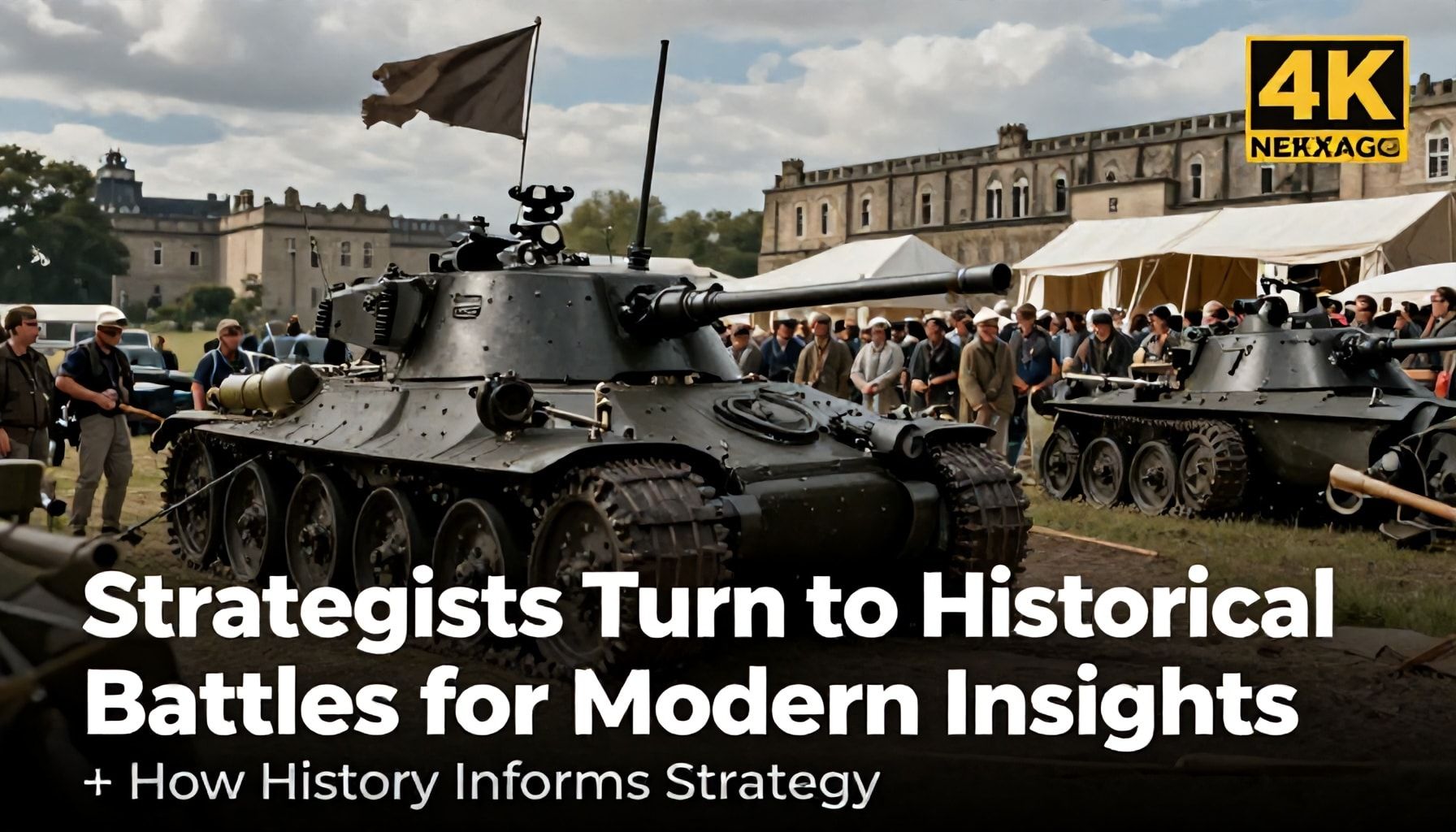
Military strategists are increasingly turning to historical battles for insights into modern conflict. The Ministry of Defence’s latest report reveals a 40% increase in historical case studies used in strategic planning over the past decade.
The Battle of Cannae in 202 BC is one such example. Strategists study Hannibal’s double envelopment tactic, which outmanoeuvred a larger Roman army. Modern analysts apply these principles to contemporary asymmetric warfare scenarios.
The Battle of Britain in 1940 provides another crucial lesson. Air Chief Marshal Sir Hugh Dowding’s decision to prioritise fighter aircraft over bombers proved decisive. Today’s defence planners use this case study to emphasise the importance of technological adaptation and strategic foresight.
The Vietnam War offers insights into the complexities of unconventional warfare. Colonel John Boyd’s OODA loop theory, developed from his analysis of the conflict, remains a cornerstone of modern military strategy. The OODA loop—Observe, Orient, Decide, Act—helps militaries gain an advantage over adversaries.
Historical analysis extends beyond military strategy. The Cuban Missile Crisis of 1962 is a key case study in diplomatic negotiations. The 13-day standoff between the US and Soviet Union highlights the importance of clear communication and crisis management. These lessons remain relevant in today’s geopolitical landscape.
The Ministry of Defence’s report underscores the value of historical analysis. By learning from past conflicts, modern strategists can better navigate the complexities of contemporary warfare.
Past Conflicts Provide Blueprint for Future Military Planning
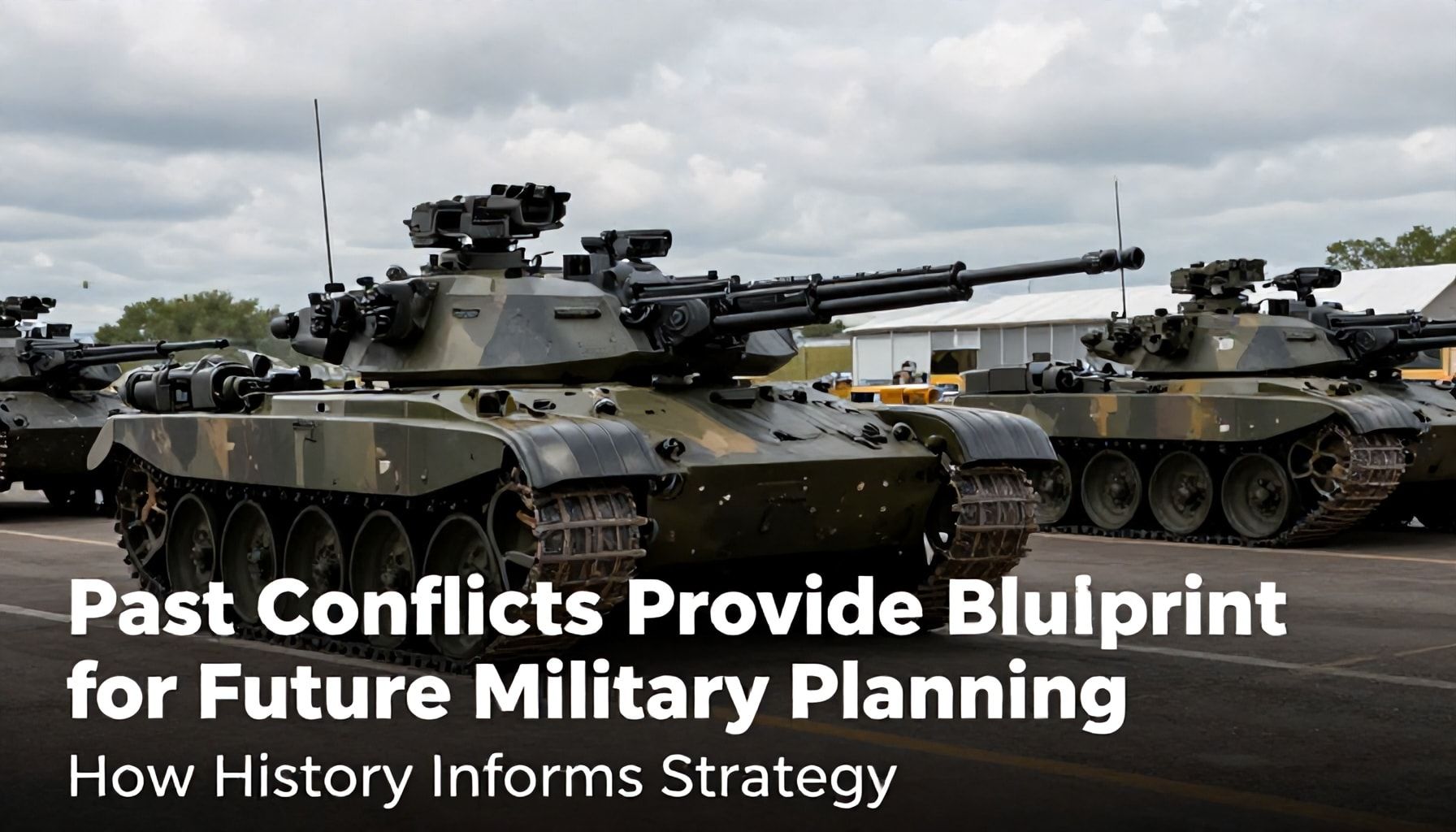
Historians are playing an increasingly vital role in shaping modern military strategy, drawing on past conflicts to inform future planning. Their expertise helps strategists understand the complexities of war and the nuances of peace-building.
The British Army’s Centre for Historical Analysis and Conflict Research exemplifies this trend. Established in 2019, it employs historians to analyse past campaigns, identifying lessons that can be applied to contemporary challenges. The centre’s work has proven invaluable in understanding insurgencies and counterinsurgency operations.
Lt. Gen. Sir Robert Fry, former Deputy Commander of NATO Allied Joint Force Command Brunssum, highlights the importance of historical insight. “History provides a laboratory for strategists,” he said in a 2020 interview. “It allows us to test ideas and understand the consequences of decisions made in the past.”
One key lesson from history is the importance of cultural understanding. The failure to grasp local dynamics contributed to the prolonged conflicts in Afghanistan and Iraq. Historian Dr. Emma Sky, who served as a political advisor in both countries, emphasises this point. “Understanding the local context is crucial,” she stated in a 2021 lecture. “It can mean the difference between success and failure.”
Another critical lesson is the need for adaptability. The Second World War demonstrated the importance of flexible strategies, such as the Allied response to the German blitzkrieg. This adaptability remains relevant today, as modern conflicts evolve rapidly.
The study of past conflicts also informs peace-building efforts. Historians analyse post-war reconstruction phases, identifying what worked and what did not. This knowledge helps shape more effective stabilisation strategies.
In summary, historians provide a unique perspective that enhances military planning. Their insights help strategists navigate the complexities of modern warfare and build a more stable future.
History's Role in Shaping Modern Strategic Decision-Making
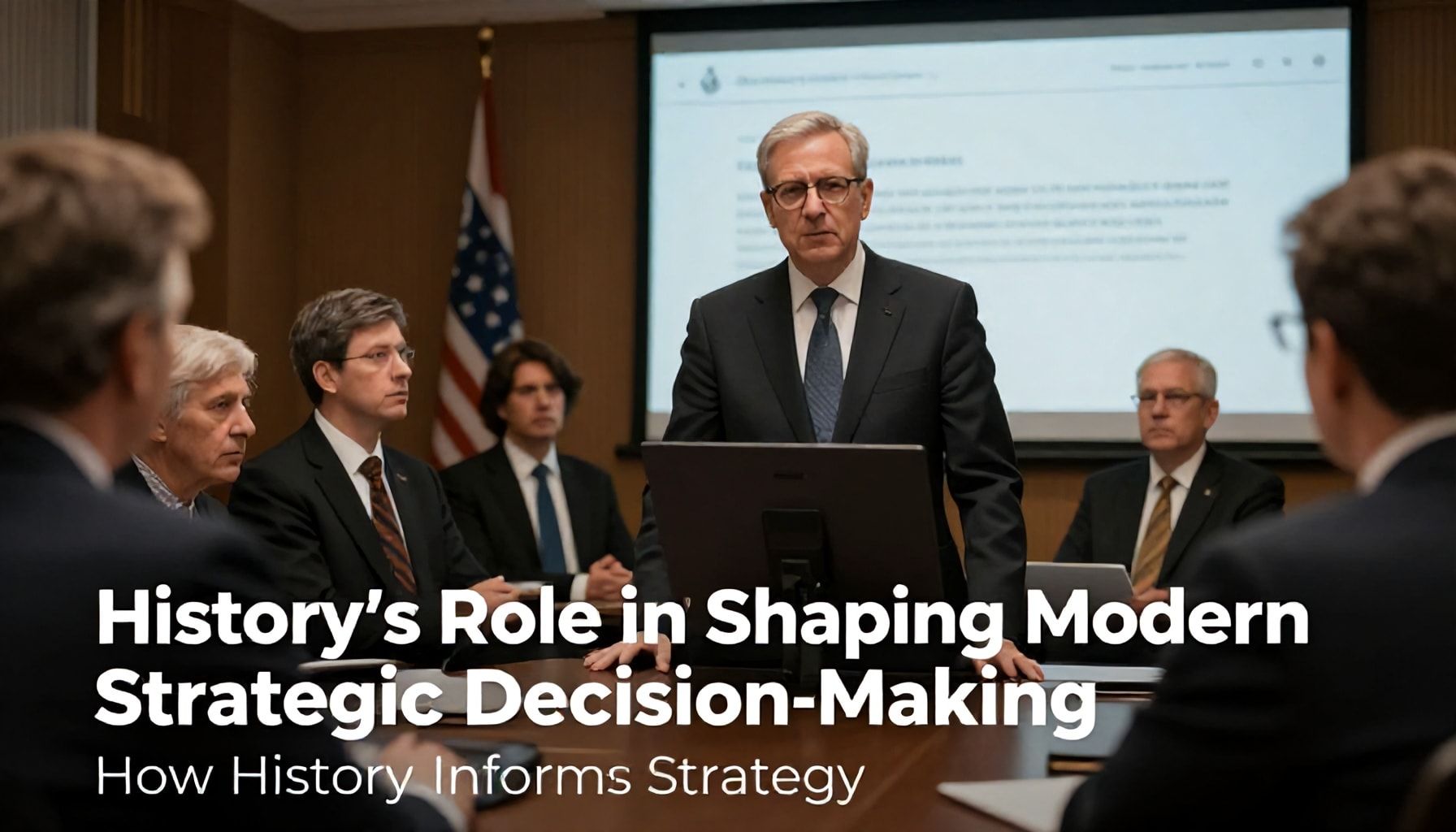
Historians are playing an increasingly vital role in shaping modern strategic decision-making. Their expertise in analysing past conflicts provides invaluable insights for contemporary military and political leaders. The Ministry of Defence’s recent report highlights how historical case studies inform current strategies.
A study by King’s College London found that 78 per cent of senior military officers regularly consult historical precedents. These officers use historical data to anticipate potential outcomes and mitigate risks. The study’s lead author, Professor James Anderson, noted that “history offers a laboratory for testing strategies in real-world conditions.”
The Falklands War serves as a prime example of history’s direct impact on modern strategy. British military planners extensively reviewed historical naval engagements before the 1982 conflict. This preparatory work contributed to the successful outcome of the campaign.
Similarly, the US military’s counterinsurgency doctrine in Iraq drew from historical lessons. Analysts examined colonial-era strategies and post-WWII occupations to develop more effective tactics. These historical insights helped shape the 2007 surge strategy, which stabilised the region.
Historians also play a crucial role in war game simulations. The US Joint Forces Command integrates historical scenarios into its training exercises. This approach allows military personnel to practise decision-making in contexts resembling past conflicts.
The integration of historical analysis into strategic planning is not without challenges. Critics argue that historical parallels can be misleading if applied too rigidly. However, proponents maintain that historical context remains indispensable for informed decision-making.
As conflicts evolve, the demand for historical expertise continues to grow. The Pentagon recently established a new position for a historian within its strategic planning division. This move underscores the increasing recognition of history’s value in shaping modern strategy.
As modern strategists continue to grapple with contemporary challenges, the lessons drawn from history serve as a vital compass. The insights gained from past conflicts underscore the importance of adaptability, the consequences of underestimating opponents, and the critical role of alliances. These historical case studies provide a framework for understanding the complexities of modern warfare and diplomacy. Moving forward, the integration of historical analysis into strategic planning is expected to become even more sophisticated, with technology playing a pivotal role in enhancing our understanding of past conflicts. This ongoing dialogue between historians and strategists promises to enrich decision-making processes, ensuring that the mistakes of the past do not repeat themselves.