
Step right into the gritty, no-nonsense realm of Italian defending, famously dubbed Catenaccio. This isn’t your run-of-the-mill defensive tactic; it’s a whole philosophy that’s shaped football history with its ironclad discipline and sneaky counterattacking flair. For decades, teams employing Catenaccio made opponents feel like they were trying to crack a safe—tight, organized, and frustratingly effective.
So what exactly made Catenaccio tick? At its heart, it was all about defensive solidity. Forget fancy dribbling or flashy passing—this system prioritized shutting down the opposition’s attack with ruthless efficiency. The idea was simple: keep your defense tight, mark every man like a shadow, and wait for the perfect moment to strike back. And strike back they did, often catching opponents off guard with swift, razor-sharp counterattacks.
| Element | Description |
|---|---|
| Man-marking | Assigning defenders to shadow specific attackers relentlessly. |
| Sweeper (Libero) | A free defender behind the line who cleans up mistakes and initiates counters. |
| Defensive Discipline | Maintaining shape and avoiding unnecessary risks at all costs. |
| Counterattack | Quick breaks exploiting space left by attacking opponents. |
Now, don’t get me wrong—Catenaccio wasn’t just about parking the bus and hoping for a lucky break. The system demanded mental toughness and razor-sharp tactical awareness. Players had to be disciplined, patient, and smart. And when the moment came, they unleashed lightning-fast counters that left opponents scratching their heads.
Of course, the story of Catenaccio wouldn’t be complete without mentioning the masterminds behind it. Coaches like Helenio Herrera didn’t just adopt the system—they perfected it. Herrera’s Inter Milan side in the 1960s was the embodiment of Catenaccio, winning trophies and stirring controversy alike. His teams were so well-drilled defensively that opponents often felt like they were banging their heads against a brick wall.
- Discipline: Players stuck to their roles without deviation.
- Patience: Waiting for the right moment to pounce.
- Teamwork: Defending as a cohesive unit, not individuals.
But let’s be honest—Catenaccio wasn’t everyone’s cup of tea. Critics slammed it for being too negative, too cautious, and sometimes downright boring. As football evolved, the emphasis shifted towards more attacking, fluid styles. The days of ultra-defensive setups began to fade, and Catenaccio slowly slipped out of vogue.
Still, its legacy remains undeniable. Modern teams and coaches borrow bits and pieces from this defensive blueprint, especially when the stakes are high and the margin for error is slim. The lessons? Stay organized, trust your defense, and never underestimate the power of a well-timed counterattack.
In the end, Catenaccio is a reminder that football isn’t just about flair and creativity. Sometimes, it’s about grit, strategy, and a bit of cunning. And that’s what makes the beautiful game so endlessly fascinating.
Origins of Catenaccio: Where It All Began
If you ever wondered how the infamous Catenaccio came to be, strap in. This defensive marvel didn’t just pop out of thin air; it was born in the gritty aftermath of post-war Italy—a time when resources were tight, and football clubs had to get crafty. The country was rebuilding, both literally and figuratively, and so was its football philosophy. Necessity, as they say, is the mother of invention, and Catenaccio was Italy’s answer to the chaos on and off the pitch.
Picture this: It’s the late 1940s and early 1950s. Italian teams were struggling against more flamboyant, attack-minded European sides. Speed, flair, and flashy offense were the order of the day elsewhere, but Italy needed something different. Something solid, something that would frustrate opponents to no end. Enter Catenaccio—literally meaning “door-bolt”—a system designed to lock down defenses and keep the opposition out at all costs.
| Time Period | Key Developments | Impact on Football |
|---|---|---|
| Post-WWII Italy (Late 1940s – 1950s) | Introduction of strict man-marking and the sweeper (libero) role | Shift towards defensive solidity, frustrating attacking teams |
| 1950s – 1960s | Refinement by coaches like Nereo Rocco and Helenio Herrera | International success and widespread adoption |
The genius of Catenaccio lies in its simplicity and discipline. Teams would often field a sweeper—a free defender who wasn’t tied to marking a man but had the freedom to sweep up any loose balls or cover gaps. This was a big deal because it introduced a new layer of tactical intelligence to defending. It wasn’t just about brute force or numbers; it was about reading the game, anticipating danger, and shutting down attacks before they could even start.
- Man-marking: Each defender had a specific opponent to shadow relentlessly.
- Sweeper/libero: The safety net behind the defensive line, cleaning up mistakes.
- Counterattacks: Quick, ruthless breakaways exploiting the opponent’s overcommitment.
But don’t get me wrong, Catenaccio wasn’t just a boring “park the bus” strategy. It had its moments of flair, especially when launching those lightning-fast counterattacks that could catch even the best teams off guard. The defense was the fortress, but the counterattack was the dagger.
Of course, the birth of Catenaccio wasn’t without controversy. Many purists sneered at its perceived negativity, calling it anti-football or dull. Yet, its success, especially on the European stage, couldn’t be denied. Italy’s clubs and national team used it to punch above their weight, proving that sometimes, you gotta play smart and tight rather than flashy and loose.
Key Takeaways:- Catenaccio emerged from post-war necessity, not just tactical whim.- It revolutionized defending with man-marking and the sweeper role.- It balanced defensive rigidity with sharp counterattacking.- Though criticized, it left a lasting legacy in football tactics.
So next time you hear someone bash Italian defending as boring, remind them: this style was forged in tough times, crafted with cunning, and it changed football forever. It’s a story of survival, brains over brawn, and a little bit of that Italian stubbornness that just won’t quit.
Key Principles Behind the Iron Curtain Defense
Alright, let’s cut to the chase — Catenaccio isn’t your flashy, crowd-pleasing, tiki-taka kind of football. Nope, it’s the gritty, no-nonsense, lock-the-door-and-throw-away-the-key style of defending that made Italian teams the nightmares of attacking wizards for decades. At its core, Catenaccio is all about defensive solidity, where the priority is to stop the opponent dead in their tracks rather than dazzle with fancy footwork or endless possession. But what exactly makes this system tick? Let’s break it down.
- Man-Marking Madness: Forget zonal marking; Catenaccio’s bread and butter is the relentless, often suffocating man-marking system. Each defender is assigned a specific attacker to shadow like a shadow on a sunny day — no space, no breathing room. It’s like having a personal bodyguard whose only job is to ruin your day on the pitch.
- The Sweeper (Libero) Role: This is where things get interesting. Behind the line of man-markers, there’s a free-roaming defender known as the sweeper or libero. Unlike the rest, the sweeper isn’t tied to a man. Instead, they read the game, mop up loose balls, and provide an extra layer of security. Think of the sweeper as the last line of defense, the safety net, the guy who cleans up the mess when things go south.
- Defensive Solidity Over Flash: Catenaccio doesn’t care about pretty goals or flair. The philosophy is simple — keep your shape, stay disciplined, and frustrate the hell out of the opposition. It’s a bit like building a fortress with defenders acting as bricks, each one vital to maintaining the structure’s integrity.
| Element | Description | Impact on Game |
|---|---|---|
| Man-Marking | Individual defenders assigned to specific attackers | Limits opponents’ space and options, disrupts rhythm |
| Sweeper (Libero) | Free defender who cleans up behind the backline | Prevents breakthroughs, organizes defense |
| Defensive Solidity | Focus on team shape and discipline | Minimizes scoring chances for opponents |
Now, don’t get me wrong — this isn’t some boring, negative tactic just to kill time. Catenaccio is a chess match, a tactical battle where patience and discipline win. The defenders aren’t just parking the bus; they’re setting a trap, ready to spring counterattacks when the opposition gets too greedy. The man-markers stick like glue, the sweeper patrols like a vigilant guardian, and the whole team moves as a cohesive unit, like clockwork.
But here’s the kicker — this system demands mental toughness and physical endurance. One slip-up, one lapse in concentration, and the whole defensive fortress can crumble. It’s no wonder that coaches who embraced Catenaccio, like Helenio Herrera, were known for their iron discipline and exacting standards.
Practical Tips for Coaches Wanting to Use Catenaccio Principles:- Assign clear man-marking roles; players must know their opponent inside out.- Train a sweeper who’s tactically intelligent and comfortable reading the game.- Emphasize team shape and communication; everyone must move as one.- Practice quick transitions from defense to counterattack.- Build mental resilience — it’s a long, frustrating game for defenders.
In the end, Catenaccio’s beauty lies not in flashy moves but in its relentless efficiency. It’s a reminder that football isn’t always about scoring a dozen goals but sometimes about making sure your net stays untouched. For those who appreciate the tactical side of the game, understanding these key principles is like peeking under the hood of a finely tuned defensive machine — complex, disciplined, and downright fascinating.
Famous Coaches Who Mastered the Art
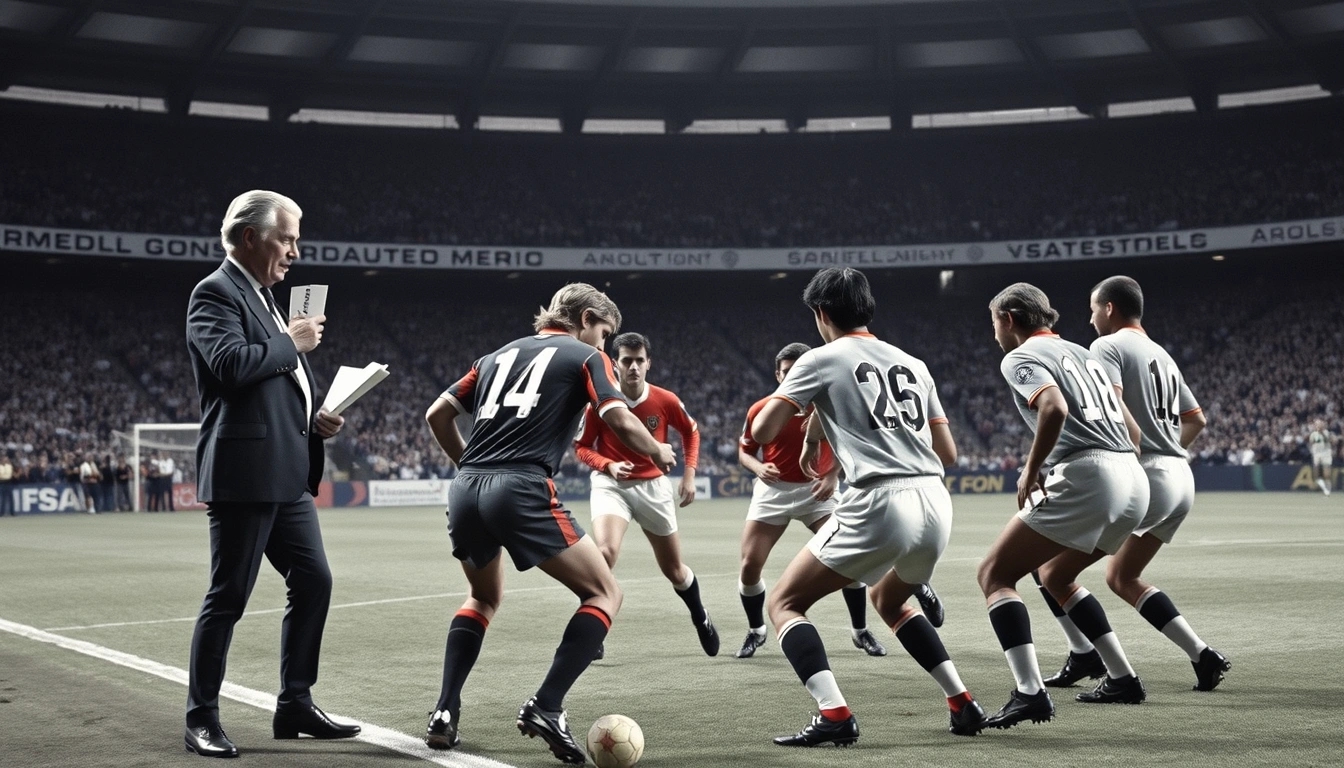
When it comes to the art of Catenaccio, no conversation is complete without tipping the hat to the legendary managers who didn’t just play the game, but rewrote its defensive playbook. Among these, Helenio Herrera stands tall, often hailed as the mastermind who took Catenaccio from a mere tactical idea to a trophy-laden reality. Herrera’s approach wasn’t just about shutting down the opposition; it was about sculpting a fortress that could strike fear into the hearts of even the most flamboyant attackers.
Now, Herrera’s Inter Milan side of the 1960s wasn’t exactly winning any beauty contests. Critics called it boring, negative, even cynical. But hey, results speak louder than critics, right? Under his guidance, Inter clinched multiple Serie A titles and back-to-back European Cups. That’s no small feat in a footballing landscape bursting with attacking talent. His teams were the embodiment of discipline — every player knew their role, every movement was calculated, and every counterattack was a dagger waiting to be thrown.
- Discipline Over Flair: Herrera demanded absolute commitment. If you weren’t tracking back, you weren’t playing.
- Man-Marking Mastery: His defenders stuck to their opponents like glue, nullifying threats through sheer persistence.
- Sweeper Freedom: The libero was given the freedom to sweep up mistakes and initiate counters, a role Herrera refined brilliantly.
But Herrera wasn’t the only one who left a mark. Managers like Nereo Rocco also deserve a shoutout. Rocco’s influence was pivotal in popularizing Catenaccio with AC Milan, where he blended defensive sturdiness with opportunistic attacking. His philosophy was a bit more flexible, allowing for occasional offensive bursts but never at the expense of defensive integrity. Think of him as the pragmatic architect of the system, balancing steel with subtlety.
| Coach | Club(s) | Key Contribution |
|---|---|---|
| Helenio Herrera | Inter Milan | Perfected defensive discipline and counterattacking strategy, winning multiple European titles |
| Nereo Rocco | AC Milan | Popularized Catenaccio with a pragmatic blend of defense and attack |
| Giovanni Trapattoni | Juventus, Inter Milan | Modernized the system with tactical flexibility and strong team organization |
Of course, Catenaccio’s reputation wasn’t all sunshine and rainbows. Critics often slammed these managers for promoting a “negative” style of football — a style that prioritized defense to the point of stifling creativity. Fans sometimes groaned at the sight of teams parking the bus, and journalists weren’t shy about calling it dull. But here’s the kicker: those managers didn’t care much for the aesthetics. They cared about winning. And win they did.
Take Giovanni Trapattoni, for example. His take on Catenaccio was a bit more modern, mixing the old-school defensive grit with some tactical innovations that kept opponents guessing. Trapattoni’s teams were tough to break down but also had enough firepower to punish mistakes. This balance helped him succeed across different Italian clubs and even on the international stage.
In the end, these coaches weren’t just defensive wizards; they were pioneers who shaped how football tactics evolved. Their legacy is a reminder that sometimes, the best offense really is a good defense — especially when it’s masterminded by a genius who knows how to turn a simple system into a winning machine.
The Role of the Sweeper: The Last Line of Defense
In the intricate chess game of Italian defending, the sweeper—or libero as the Italians fondly call him—stands apart from the rest of the defenders. Unlike the rigid man-markers locked onto their opponents like glue, the sweeper enjoys a unique kind of freedom on the pitch. It’s this freedom that made the position not just special but downright essential in the Catenaccio system. The sweeper isn’t just another cog in the defensive machine; he’s the brain behind the operation, reading the game several steps ahead, ready to swoop in and snuff out danger before it even materializes.
Imagine the sweeper as the last bastion of defense, positioned just behind the line of man-markers. His job? To mop up any loose balls, cover defensive mistakes, and most importantly, anticipate the opposition’s next move. This role demands a player with exceptional vision, calm under pressure, and the ability to launch quick counterattacks once possession is regained. It’s not just about stopping attacks; it’s about turning defense into offense in the blink of an eye.
| Attribute | Description | Impact on Team |
|---|---|---|
| Game Reading | Ability to anticipate opponents’ moves and intercept passes. | Prevents dangerous situations before they develop. |
| Composure | Stays calm under pressure, making smart decisions. | Maintains defensive stability in tense moments. |
| Passing Range | Can initiate counterattacks with precise long or short passes. | Transforms defense into attack swiftly. |
| Positioning | Knows when to cover teammates and when to hold the line. | Ensures defensive coverage is airtight. |
Now, don’t get me wrong—being a sweeper isn’t all glory and glamour. It’s a high-pressure role where one slip-up can lead to disaster. The sweeper operates in a gray zone, balancing between defense and the first spark of attack. This dual responsibility means the player must possess not only defensive grit but also a surprising level of creativity. It’s no wonder that some of the game’s most revered defenders, like Italy’s Gaetano Scirea or Germany’s Franz Beckenbauer, thrived in this role. They weren’t just stoppers; they were playmakers from the back.
- Freedom to Roam: Unlike traditional defenders, sweepers aren’t tied to a man. This freedom allows them to patrol the space behind the defense, offering a safety net.
- Counterattack Catalyst: Once possession is won, the sweeper’s quick thinking and passing can launch blistering counterattacks, catching opponents off guard.
- Mental Toughness: The sweeper must stay alert, often acting as the last line of defense, which requires nerves of steel.
In essence, the sweeper is the unsung hero of Catenaccio, the player who brings balance to the team’s defensive fortress while secretly plotting the next strike. Without him, the whole system would probably crumble like a house of cards. Sure, modern football has evolved, and the classic sweeper role is rarer these days, but its legacy lingers. Coaches still dream of that perfect player who can read the game like an open book and switch defense to attack in a heartbeat. Until then, the sweeper remains a fascinating testament to tactical genius and football’s beautiful complexity.
Counterattack: The Hidden Weapon
When people hear Catenaccio, the first thing that usually comes to mind is a team stubbornly “parking the bus,” clogging their own half like a traffic jam on a Monday morning. But, oh boy, that’s just scratching the surface. The real magic — and the secret sauce — of Catenaccio lies in its lightning-fast counterattacks that could leave opponents dizzy and devastated.
See, Catenaccio wasn’t about playing scared or just sitting back hoping for the best. It was a calculated, almost surgical approach to defense, where every player knew their role to perfection. The idea was simple: absorb pressure, stay compact, frustrate the attackers, and then, when the moment was right, unleash a swift, deadly counterattack that punished teams who dared to overcommit.
- Defensive Solidity First: The backbone of Catenaccio was its ironclad defense. Man-marking was tight, the sweeper (or libero) roamed freely behind the line, cleaning up danger like a vacuum cleaner on steroids.
- Quick Transition: Once possession was won, the ball was quickly launched forward, often bypassing midfield with long, precise passes.
- Exploiting Space: Opponents pushing too many men forward would find themselves horribly exposed at the back, and that’s where Catenaccio teams struck.
| Phase | What Happens | Key Players Involved |
|---|---|---|
| Defensive Block | Compact, man-marking, sweeper cleans up | Defenders, Sweeper |
| Ball Recovery | Interception or tackle | Midfielders, Defenders |
| Counterattack Launch | Long pass or quick dribble forward | Midfielders, Forwards |
| Finish | Attackers exploit space and score | Forwards |
Now, let’s not pretend this was some boring, robotic process. The best Catenaccio teams were like coiled springs, patient and disciplined, but ready to explode the moment an opening appeared. It required nerves of steel and razor-sharp awareness. Miss your timing, and the whole plan collapses.
In fact, the counterattacking aspect was so feared that teams often hesitated to press too high or throw numbers forward against a Catenaccio side. It was a bit like poking a sleeping bear — sure, you might get a goal, but you could also get mauled on the break.
Quick Tip for Coaches:- Drill your players on quick ball recovery and immediate forward passing.- Train attackers to spot and exploit space behind the defense.- Maintain defensive discipline until the perfect moment to strike.
So, next time someone says Catenaccio is just about “parking the bus,” you can smile knowingly and remind them: it’s a high-stakes chess game, where defense sets the trap and counterattacks deliver the checkmate. It’s the art of waiting patiently, then hitting hard and fast — a beautiful blend of grit and guile that left a lasting mark on football tactics.
Criticism and Decline of Catenaccio
Ah, Catenaccio — the name itself stirs up images of iron walls and ultra-defensive football that some fans loved to hate. While it was once hailed as a tactical masterpiece, this style eventually found itself on the receiving end of plenty of flak. Critics slammed it for being negative, overly cautious, and, frankly, boring to watch. The game’s evolution didn’t help either; as football grew faster and more attack-minded, Catenaccio’s slow, methodical approach started to feel like a relic from a bygone era.
Let’s be honest: watching a team sit back behind a packed defense, inviting pressure, and waiting for the perfect moment to strike on the counterattack isn’t everyone’s cup of tea. Fans want goals, excitement, and flair — not a game that looks like a chess match played in slow motion. This perception of Catenaccio as a “park the bus” tactic overshadowed its strategic brilliance. Many saw it as a way to kill the game’s spirit, prioritizing defense so much that it stifled creativity and attacking ambition.
| Common Criticisms of Catenaccio | Explanation |
|---|---|
| Overly Defensive | Teams prioritized defense at the expense of attacking play. |
| Negative Playstyle | Seen as dull and uninspiring by fans and pundits alike. |
| Limited Creativity | Players had fewer chances to express flair or take risks. |
| Counterattack Reliance | Success often depended on opponents’ mistakes rather than proactive play. |
But it’s not just about what fans thought. The modern football landscape itself evolved in ways that left Catenaccio behind. The rise of pressing, high defensive lines, and fluid attacking formations made the rigid man-marking and sweeper roles less effective. Teams started to demand defenders who could not only stop attacks but also contribute to build-up play. The old-school sweeper, free to roam and clean up mistakes, became a rarity as zonal marking and team pressing took over.
- Pressing intensity: Modern teams swarm opponents high up the pitch, leaving little room for slow, cautious buildup.
- Offensive emphasis: Coaches now prioritize scoring over just not conceding.
- Physical demands: Players need to be versatile and quick, not just disciplined defenders.
Of course, it’s not like Catenaccio vanished overnight. Even in today’s game, shades of it linger — especially in teams that want to frustrate stronger opponents or in knockout competitions where a single goal can mean everything. But the pure form of Catenaccio, with its ironclad defense and sweeping libero, is largely a thing of the past.
Practical Insight:- Modern coaches can learn from Catenaccio’s discipline but must blend it with attacking creativity.- Balance is key: too much defense kills momentum; too little leaves gaps.- Adaptability beats rigidity in today’s fast, unpredictable matches.
In the end, Catenaccio’s decline wasn’t just about tactics but about football’s soul — the eternal tug-of-war between defense and attack. It may have been labeled “negative,” but it also taught coaches and players about structure, patience, and resilience. So, while it’s no longer the star of the show, Catenaccio’s legacy still echoes in the beautiful game’s defensive arts.
Modern Football and Catenaccio’s Legacy
Alright, let’s talk about Catenaccio—that old-school, ironclad Italian defensive system that many thought was destined for the history books. But nope, it’s far from dead. In fact, even in today’s flashy, fast-paced football world, you’ll find traces of Catenaccio sneaking into modern defensive tactics. It’s like that vintage leather jacket you can’t quite throw away because it still fits just right.
First off, the core idea—discipline and organization at the back—remains a non-negotiable for any team wanting to keep clean sheets. You might not see the rigid man-marking or the classic sweeper roaming behind the back four as often, but the principles behind them? Still alive and kicking. Teams nowadays emphasize compactness, spatial awareness, and tactical discipline that echo Catenaccio’s fundamentals.
| Classic Catenaccio Element | Modern Equivalent | Usage Example |
|---|---|---|
| Man-marking | Hybrid marking (zonal + man) | Atletico Madrid under Simeone |
| Sweeper (Libero) | Ball-playing center-back with freedom | Jürgen Klopp’s Liverpool defense |
| Counterattack focus | Quick transitions after regaining possession | Leicester City’s 2015-16 Premier League season |
Now, don’t get me wrong, modern coaches have tweaked the formula. Gone are the days when a team would just park the bus and invite pressure like it’s an open buffet. Today’s teams want to be compact but also dynamic—ready to spring forward the moment they get the ball. Think of it as Catenaccio’s sneaky cousin who’s a bit more adventurous but still loves to keep things tight at the back.
- Compactness: Teams maintain tight lines between defenders and midfielders to deny space.
- Pressing: Instead of sitting back, there’s an emphasis on winning the ball high up the pitch.
- Counterattacks: Blazing fast breaks that punish overcommitted opponents, much like the old days.
Take a look at some of the top managers today—Diego Simeone, Thomas Tuchel, or even Pep Guardiola when he’s feeling a bit defensive. They all borrow a leaf from Catenaccio’s book, mixing it with modern pressing and positional play. It’s not about copying the system verbatim but adapting its core values to the demands of today’s game.
Of course, not everyone’s a fan. Critics argue that this approach can sometimes stifle creativity or lead to boring matches. But hey, football’s a game of balance, and sometimes you gotta be a bit ugly to get the job done. Catenaccio taught us that defense isn’t just about reacting—it’s about controlling the game’s tempo and making your opponent work for every inch.
Practical takeaways for coaches wanting a slice of Catenaccio today:- Emphasize tactical discipline: players must know their roles inside out.- Train defenders to anticipate and intercept rather than just tackle.- Encourage quick transitions from defense to attack.- Balance compact defending with intelligent pressing.
So yeah, while the sweeping libero might be a rare sight nowadays, the spirit of Catenaccio still sneaks into the tactical DNA of many teams. It’s a reminder that sometimes, the best offense really is a good defense—especially if it’s smart, structured, and ready to strike back like a well-oiled machine.
Lessons for Today’s Coaches and Players
Alright, so let’s talk about what modern teams can actually steal from the old-school Catenaccio playbook without getting stuck in the mud. Catenaccio, with all its ironclad defense and slick counterattacks, might sound like a relic from the past, but there’s a surprising amount of wisdom packed in there that today’s fast-paced game desperately needs. Here’s the deal: football nowadays is all about speed, creativity, and relentless pressing, but you can’t just throw your defense out the window. Balance is key, and that’s where Catenaccio’s lessons come in handy.
First off, the discipline part. Modern teams often get caught up chasing glory with flashy attacks, leaving gaps at the back. Catenaccio’s emphasis on tight, man-to-man marking and the sweeper’s freedom to clean up messes reminds us that a solid defense is the foundation. You don’t have to be boring to be effective. It’s about smart positioning and communication.
| Practical Takeaways | How to Apply Today |
|---|---|
| Man-Marking Discipline | Assign clear defensive roles to avoid confusion, especially against tricky forwards. |
| Sweeper Role | Use a versatile defender with freedom to intercept and start counterattacks. |
| Compact Defensive Shape | Maintain a tight unit to reduce space between lines. |
| Quick Counterattack | Exploit opponent’s overcommitment with swift transitions. |
Now, don’t get me wrong — Catenaccio wasn’t just about parking the bus and hoping for the best. The counterattack was the secret sauce. When the opponent pushes forward, that’s your moment to pounce. Modern teams can learn to be patient, soak up pressure, and then hit like a lightning bolt. It’s about timing and precision, not just brute force.
- Patience: Don’t rush out of defense; wait for the right moment.
- Speed: Quick passes and forward runs to catch opponents off guard.
- Awareness: Players need to read the game and anticipate opponent moves.
One thing that’s often overlooked is the mental toughness Catenaccio demanded. It’s not glamorous, but staying focused for 90 minutes, grinding out results, and sometimes sacrificing flair for effectiveness takes guts. Modern players can learn a lot from this mindset, especially when the pressure’s on.
“Defense wins championships” isn’t just a cliché here. It’s a reminder that every team needs a backbone. Sure, fans love goals, but without a solid defense, those goals won’t mean much.
So, coaches, take note: blend the old with the new. Use Catenaccio’s principles as a blueprint for defensive organization and counterattacking sharpness, but don’t let it turn into a snooze fest. The game has evolved, and so should the tactics. Just remember, sometimes the best attack is a well-organized defense waiting for the perfect moment to strike.
In the end, it’s about flexibility. Catenaccio teaches us not to be slaves to any one style but to adapt, mix defense with attack, and above all, respect the beautiful game’s tactical depth. That’s a lesson worth remembering.
Frequently Asked Questions
- What exactly is Catenaccio in football?
Catenaccio, which means “door-bolt” in Italian, is a defensive football strategy focused on tight man-marking and a sweeper behind the defensive line. It’s designed to lock down the defense like a fortress and strike back with lightning-fast counterattacks. Think of it as a well-oiled security system that waits for the perfect moment to catch intruders off guard.
- Who invented the Catenaccio system?
While the roots of Catenaccio trace back to Swiss coach Karl Rappan, it was Italian managers like Helenio Herrera who refined and popularized it in the post-war era. Herrera’s Inter Milan team became the poster child for this ironclad defense, blending discipline with tactical genius to dominate European football.
- What role does the sweeper play in Catenaccio?
The sweeper, or libero, is the ultimate game reader. Positioned behind the defenders, this player cleans up loose balls, intercepts passes, and initiates counterattacks. Imagine a chess grandmaster anticipating moves several steps ahead—that’s the sweeper’s job on the pitch.
- Is Catenaccio just about defending and not attacking?
Not at all! While defense is the heart of Catenaccio, it’s the explosive counterattacks that make it deadly. The strategy is like a spring-loaded trap: absorb pressure, then unleash a sudden, precise strike that leaves opponents stunned and scrambling.
- Why did Catenaccio fall out of favor in modern football?
Critics slammed Catenaccio for being too negative and boring, calling it “parking the bus.” As football evolved towards faster, more fluid attacking styles, rigid defensive systems seemed outdated. However, many modern tactics still borrow its principles of organization and counterattacking flair.
- Can today’s coaches learn anything from Catenaccio?
Absolutely! The lessons in discipline, teamwork, and tactical balance are timeless. Modern teams can blend Catenaccio’s defensive solidity with dynamic offense to stay resilient without sacrificing excitement. It’s like mixing old-school craftsmanship with new-age innovation.