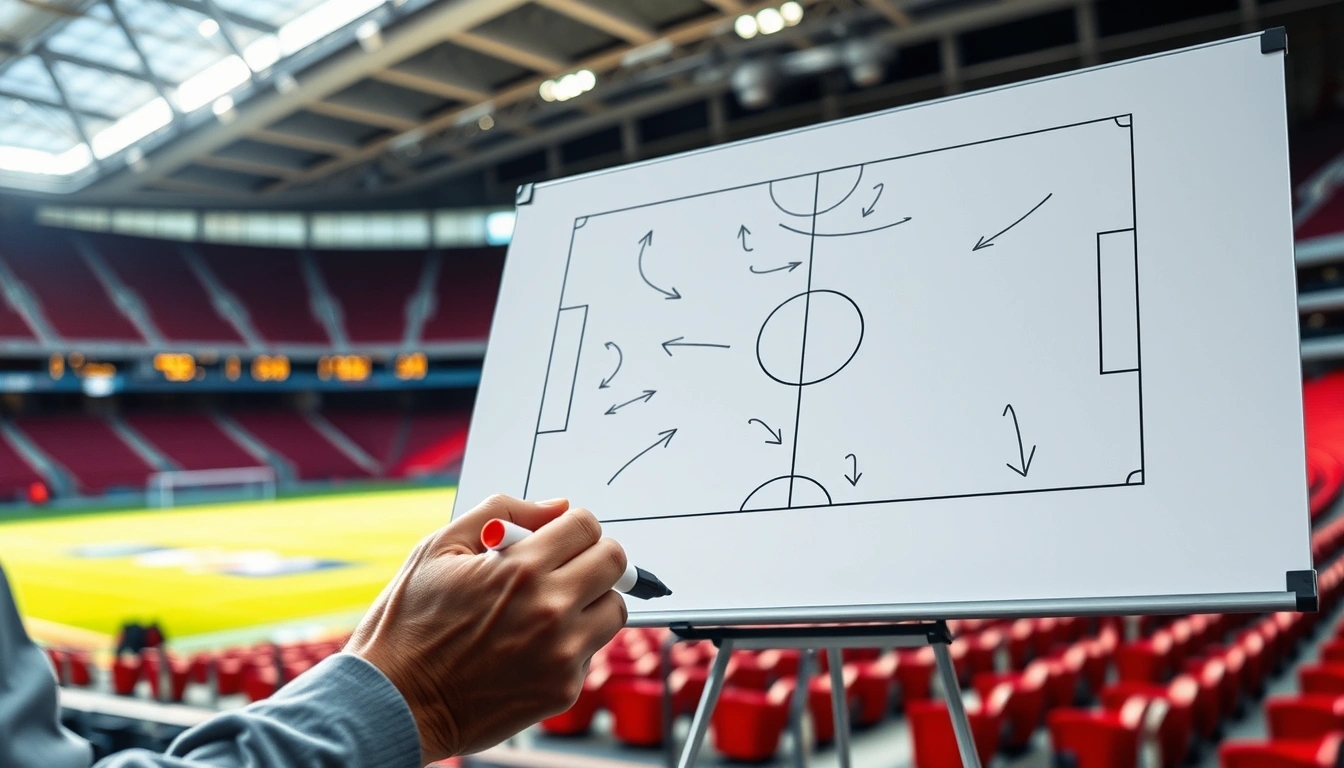
Alright, let’s dive into the whirlwind that is Pep Guardiola’s impact on football tactics. The guy didn’t just tweak the game; he practically rewrote the playbook. If you think football tactics were just about “kick and run” before, think again. Pep arrived with a suitcase full of fresh ideas, and suddenly, everyone from Sunday league coaches to Premier League giants started scratching their heads wondering, “How does he do it?”
First off, Pep’s tactical revolution didn’t just spring out of nowhere. It’s rooted deep in his days as a player at Barcelona, soaking up the tiki-taka style that Johan Cruyff popularized. But Pep took that and ran with it—literally and figuratively. His approach is all about positional play, a concept that sounds fancy but is basically about players knowing exactly where to be on the pitch at every moment. It’s chess, but on grass.
| Element | Description | Impact |
|---|---|---|
| Positional Play | Players maintain precise positions to control space and passing lanes. | Improved ball retention and fluid attacking movements. |
| High Pressing | Immediate pressure after losing possession to regain the ball quickly. | Disrupted opponents’ build-up, forcing mistakes. |
| Player Versatility | Players trained for multiple roles, enhancing tactical flexibility. | Unpredictable team dynamics and adaptability. |
What’s really fascinating is how Pep adapted his style across leagues. From the Spanish La Liga’s technical finesse with Barcelona to the physical, fast-paced Bundesliga at Bayern Munich, and now the ultra-competitive Premier League with Manchester City, he’s proven that his tactics aren’t just a one-trick pony. They evolve, they adapt, and sometimes they even surprise us. Remember that time when he used a midfielder as a makeshift center-back? Classic Pep, always pushing boundaries.
- Barcelona Era: Mastered possession and positional dominance.
- Bayern Munich: Added physicality and faster transitions.
- Manchester City: Blended possession with high-intensity pressing.
Of course, not everyone’s a fan. Some critics argue Pep’s game can be overcomplicated, with players sometimes looking like they’re in a tactical maze rather than a football match. And yeah, sometimes his teams struggle to break down stubborn defenses, leading to accusations of rigidity. But hey, no genius is without flaws, right?
One of the more underrated aspects is his embrace of data and technology. Pep’s camp uses analytics like a mad scientist in a lab, crunching numbers to tweak formations and player roles. It’s not just gut feeling; it’s a mix of art and science. This tech-savvy approach has pushed other coaches to rethink their strategies and embrace the digital age.
Wrapping it up, Pep Guardiola’s legacy is massive. He’s influenced an entire generation of coaches and players, making football more dynamic, tactical, and, frankly, more exciting to watch. Whether you love him or think he’s a bit too geeky with his tactics, you can’t deny his fingerprints are all over modern football. The future? Well, it’s safe to say Pep’s innovations will keep shaping the game for years to come, whether through direct disciples or those trying to crack his code.
The Birth of a Tactical Genius
Before Pep Guardiola became the football mastermind we all know today, he was just another kid from Santpedor, a small town near Barcelona, who loved the beautiful game. His early days as a player were far from flashy – he wasn’t the fastest or the most physically dominant, but what he had was an incredible understanding of space, timing, and movement. This deep footballing intelligence laid the groundwork for what would become a revolutionary approach to tactics later on.
Guardiola’s playing career was largely tied to FC Barcelona, where he spent his formative years under the legendary Johan Cruyff. Now, here’s the kicker: Cruyff’s influence on Pep was massive. The Dutchman’s philosophy of “Total Football” wasn’t just a style; it was a mindset that shaped Pep’s thinking about the game. This wasn’t just about winning; it was about how you win. The emphasis on possession, positional awareness, and fluidity stuck with him like glue.
| Influence | Description |
|---|---|
| Johan Cruyff | Introduced Total Football and positional play concepts |
| Barcelona Youth Academy | Instilled values of technical skill and tactical discipline |
| Playing Midfielder Role | Developed vision and control of the game’s tempo |
When Pep transitioned into coaching, it wasn’t a sudden leap into the unknown. He started with Barcelona B, where he began experimenting with ideas that seemed almost radical at the time. The early coaching days were a testing ground for his obsession with positional play – a system where every player had a specific zone to occupy, ensuring constant passing options and spatial control. Sounds simple? Well, it’s anything but. Getting 11 players to think and act as one unit, maintaining perfect spacing, and pressing intelligently requires a near-telepathic connection.
- Early coaching focus: Building a team that controlled the game through possession rather than brute force.
- Training methods: Emphasizing short passes, quick movement, and spatial awareness in drills.
- Philosophy: Football as a chess game, where positioning beats physicality.
One thing’s for sure: Guardiola’s early days weren’t about flashy tactics or gimmicks. It was about patience, observation, and a relentless drive to understand football at a granular level. He wasn’t just coaching players; he was teaching them a new language of football. And that language? It would soon echo around the world, changing how teams think about the game forever.
So next time you see a team dominating possession, pressing high, or executing those slick one-twos, remember it all started with a young midfielder who saw the pitch not just as a field, but as a canvas for tactical artistry.
Positional Play: The Heart of Guardiola’s Philosophy
When you talk about Pep Guardiola and football tactics, the phrase “positional play” inevitably pops up. It’s not just a buzzword; it’s the very backbone of how Pep transformed the beautiful game. Now, don’t get me wrong — positional play isn’t just about standing in certain spots on the pitch. It’s a whole mindset, a chess game where every player’s position creates options, spaces, and passing lanes. Guardiola took this idea and ran with it, turning teams into synchronized machines that control the ball and the game.
At its core, positional play is about structure and spacing. Imagine the pitch divided into zones, each player responsible for occupying and controlling their zone, but also ready to move and adapt. This isn’t some static formation; it’s fluid, dynamic, and designed to create numerical superiority in key areas. By doing this, Guardiola’s teams can keep possession, stretch defenses, and patiently break down opponents. It’s like watching a well-rehearsed dance, except the stakes are much higher — trophies, glory, bragging rights.
- Key Principle 1: Maintain balance — players must keep the team shape intact, so passing options are always available.
- Key Principle 2: Create triangles and diamonds — these shapes facilitate quick, short passes and allow players to support each other.
- Key Principle 3: Exploit space — draw defenders out of position to open gaps for attacking moves.
Now, here’s the kicker — positional play isn’t just about offense. It’s equally crucial when out of possession. Guardiola’s teams are drilled to press aggressively but intelligently, cutting off passing lanes and forcing mistakes. This is where the positional discipline shines. Players know exactly where to be to suffocate opponents and win the ball back quickly.
| Aspect | Traditional Football | Guardiola’s Positional Play |
|---|---|---|
| Player Roles | Rigid, fixed positions | Flexible, multi-functional roles |
| Ball Control | Direct, quick clearances | Patient, possession-based build-up |
| Space Usage | Minimal, often congested | Maximized, creating passing lanes |
| Pressing | Reactive | Proactive, coordinated pressing |
One cannot ignore how this approach changed team dynamics. Players are no longer isolated individuals but parts of a collective brain. The midfielders, for example, act as the team’s heartbeat, constantly moving to receive and distribute the ball, while defenders and forwards adjust their positioning to maintain balance.
But, hey, it’s not all sunshine and roses. Some critics argue that positional play can lead to overthinking on the pitch, causing players to hesitate or lose spontaneity. And sure, sometimes it looks like teams get stuck in a possession rut, passing around the back without real penetration. Yet, when executed well, it’s pure magic.
In short, Guardiola’s positional play isn’t just a tactic; it’s a football philosophy that has reshaped how teams think about space, movement, and control. It demands intelligence, discipline, and creativity — a tricky combo but one that’s made Pep’s teams a joy to watch and a nightmare to play against.
From Barcelona to Bayern: Tactical Evolution
Pep Guardiola’s journey from the sun-drenched pitches of Barcelona to the Bavarian stronghold of Bayern Munich is nothing short of a tactical odyssey. It’s like watching a master chef experiment with flavors—each league, each team, brought new ingredients, new challenges, and yes, new recipes for success. But don’t get me wrong, this wasn’t some overnight magic trick; it was a slow, deliberate, and sometimes frustrating evolution.
When Pep first took the reins at Barcelona, he inherited a team brimming with talent but hungry for identity. His famous “tiki-taka” style wasn’t just about passing the ball around like a hot potato; it was a carefully crafted system emphasizing positional play, relentless pressing, and exploiting tiny spaces. The midfield maestros Xavi and Iniesta became extensions of Pep’s brain, orchestrating attacks with surgical precision. Barcelona wasn’t just winning; they were rewriting football’s playbook.
| Key Tactical Features at Barcelona | Description |
|---|---|
| Positional Play | Players maintain spatial discipline to control the game tempo. |
| High Pressing | Immediate ball recovery after losing possession. |
| False Nine | Messi’s role dropping deep to create overloads and confusion. |
Fast forward to Bayern Munich, and the landscape looks quite different. The Bundesliga is more physical, faster-paced, and less forgiving of mistakes. Pep didn’t just transplant his Barcelona blueprint; he adapted and tweaked it. Here, the emphasis shifted slightly towards a more direct attacking style, with quicker transitions and more verticality. The midfield still controlled the rhythm, but there was a newfound robustness in defense and a willingness to take more risks going forward.
- Flexibility in Formation: Guardiola experimented with 3-4-3 and 4-3-3, depending on the opponent and match situation.
- Wing Play: Greater reliance on wide players to stretch the opposition’s defense.
- Pressing Intensity: Maintained but adjusted to suit the physical demands of Bundesliga.
Now, don’t think for a second that Pep’s tactical evolution was a straight line. No, sir! There were bumps, doubts, and moments when even the greatest minds scratch their heads. For example, his initial struggles to find the right balance between possession and speed at Bayern showed that even tactical geniuses can grapple with adapting to new environments. But what’s impressive is his willingness to learn and evolve rather than stubbornly sticking to a formula.
“Adapt or die” might sound dramatic, but it’s the mantra Pep lived by.
This adaptability is what sets Guardiola apart. He’s not just a coach who imposes a rigid system; he’s a strategist who reads the game’s shifting tides and adjusts his sails accordingly. Whether it’s Barcelona’s mesmerizing midfield dominance or Bayern’s blend of control and aggression, Pep’s tactical evolution is a testament to his relentless pursuit of footballing excellence.
In short, tracking Guardiola’s tactical journey from Spain to Germany reveals a coach who refuses to be pigeonholed. His flexibility and strategic growth not only brought trophies but also reshaped how football is understood and played across Europe. And honestly, if you think he’s done evolving, well, you’re in for a surprise.
Pressing and Counter-Pressing: The Art of Regaining Possession
Pep Guardiola’s approach to football is nothing short of a tactical masterclass, especially when it comes to pressing and counter-pressing. These two concepts are like the yin and yang of his game plan, designed to suffocate opponents and snatch back the ball faster than you can say “goal.” But let’s be honest, it’s not just about running around like headless chickens chasing the ball — there’s a method to this madness.
First off, Guardiola’s teams don’t just press randomly. They execute a high pressing strategy that’s meticulously choreographed. The idea? Force the opponent into making mistakes in their own half, cutting off passing lanes, and essentially turning their defense into a panic room. It’s like Guardiola’s players are sharks smelling blood, constantly on the hunt. This relentless pressure disrupts the rhythm of the opposing team, making them uncomfortable and prone to errors.
- High pressing involves forwards and midfielders pushing up aggressively.
- It aims to win the ball back close to the opponent’s goal.
- Requires intense fitness and sharp tactical awareness.
Now, here’s where it gets even more interesting: the counter-pressing or “Gegenpressing” (yeah, that German word everyone loves to throw around). When Guardiola’s team loses possession, they don’t just sulk or fall back. Nope, they immediately swarm the ball carrier, trying to snatch the ball back within seconds. This quick reaction prevents the opponents from launching a counterattack and keeps the game firmly under Guardiola’s control.
| Aspect | High Pressing | Counter-Pressing |
|---|---|---|
| When Used | During opponent’s build-up | Immediately after losing possession |
| Purpose | Force errors, regain possession high up | Prevent counterattacks, quickly regain control |
| Player Roles | Forwards and midfielders mainly | Whole team involvement |
| Physical Demand | High stamina and speed | Explosive bursts and quick reactions |
But let’s not kid ourselves — this style isn’t a walk in the park. It demands exceptional coordination, stamina, and mental sharpness. Players need to be on the same wavelength, anticipating each other’s moves and reacting instantly. If one player slips up, the whole pressing structure can collapse like a house of cards.
Guardiola’s obsession with these tactics has revolutionized how teams approach defense and transition. It’s no longer just about sitting back and hoping for the best. Instead, it’s about being proactive, aggressive, and smart. You can see echoes of this philosophy in teams across Europe now — everyone’s trying to press, but few do it with the same finesse.
In the end, Guardiola’s pressing and counter-pressing isn’t just a tactic; it’s a statement. It says, “We control the game, we dictate the tempo, and we won’t give you a moment’s peace.” It’s football warfare, and Pep’s troops are always ready for battle.
Player Roles Redefined
Pep Guardiola didn’t just tweak the old playbook; he practically tore it up and rewrote the rules on how footballers fit into a team. Forget the classic “striker stays forward, defender stays back” mantra — Pep’s approach is all about versatility and fluidity. Players under his watch aren’t just specialists; they’re multi-dimensional athletes expected to think on their feet, adapt instantly, and fill multiple roles during a match. It’s like having a Swiss Army knife on the pitch instead of a hammer. And honestly? It’s a bit mind-boggling how he pulls it off.
Take the famous “false nine” role, for example. Before Guardiola, a striker was a striker — simple. But Pep turned that upside down, asking forwards to drop deep, pulling defenders out of position, and creating space for midfield runners. It’s tactical chess, not checkers. This redefinition forced players to develop new skills — passing, vision, even defensive duties — that traditionally weren’t part of their job description. Suddenly, a forward wasn’t just scoring goals but also orchestrating play.
| Traditional Role | Guardiola’s Adaptation | Key Skills Required |
|---|---|---|
| Striker | False nine, dropping deep to link play | Passing, vision, spatial awareness |
| Full-back | Inverted full-back, moving into midfield | Ball control, tactical intelligence |
| Defensive Midfielder | Deep-lying playmaker, initiating attacks | Composure, passing range, positioning |
But it’s not just about individual roles — it’s how these roles interlock like a well-oiled machine. Guardiola’s teams often look like a fluid organism, with players swapping positions seamlessly to overload spaces or press opponents. This demands insane levels of fitness and football IQ. No more “I’m a winger, I stay wide” nonsense. If the game calls for it, wingers might tuck inside, midfielders might drop back, and defenders could join the attack. It’s all hands on deck.
- Versatility: Players are trained to master multiple positions, increasing tactical options.
- Intelligence: Understanding spatial dynamics and timing runs or presses.
- Physicality: High stamina to sustain pressing and positional rotations.
You might wonder, “Isn’t this just chaos disguised as strategy?” Well, yes and no. The genius lies in the preparation. Guardiola drills these roles relentlessly, so what looks like improvisation is actually well-rehearsed adaptability. Still, it’s a gamble — some players thrive, others crumble under the demand for constant mental and physical adjustment.
Interestingly, this redefinition also changed recruitment. Clubs chasing Guardiola’s style look for players who are not just talented but malleable. Someone with raw skills but a rigid mindset? Hard pass. Instead, they want those hungry to learn, ready to evolve. This shift has ripple effects across football — youth academies now emphasize tactical intelligence and versatility from the get-go.
Summary of Guardiola’s Player Role Redefinition:- Traditional roles blurred, creating multi-functional players- Emphasis on tactical intelligence and adaptability- Physical demands increased to maintain fluid systems- Recruitment focuses on flexible, coachable athletes
In the end, Pep Guardiola didn’t just change player roles; he challenged the very idea of fixed positions in football. Whether you love it or think it’s overcomplicated, there’s no denying his impact. He turned players into thinkers and doers, making football a faster, smarter, and frankly, more exciting game to watch.

Data and Technology in Guardiola’s Tactics
Pep Guardiola’s name is synonymous with football innovation, but what often flies under the radar is just how much he leans on data analytics and cutting-edge technology to sharpen his team’s edge. It’s not just about fancy formations or relentless pressing; Guardiola dives deep into numbers and tech to dissect every nuance of the game. You might think a genius like him just “feels” the game, but nope, there’s a whole digital army working behind the scenes.
First off, the man’s obsession with performance metrics is borderline legendary. From GPS trackers monitoring player movements to heat maps that reveal positioning patterns, Guardiola’s staff crunches data like accountants during tax season. This isn’t some gimmick — it’s about understanding where players lose their steam, how opponents exploit spaces, and when to unleash tactical tweaks mid-game. Imagine having a crystal ball that tells you when your full-back is about to get toasted by a speedy winger — that’s the power of data.
- Player workload monitoring: Avoiding burnout is key, and Guardiola’s team uses wearable tech to track heart rates, distance covered, and sprint intensity.
- Video analysis: Every training session and match is broken down frame-by-frame, highlighting errors and opportunities.
- Opponent scouting: Detailed reports on rival teams’ tendencies, weaknesses, and set-piece strategies.
But it’s not just about collecting data; it’s how Guardiola applies these insights that sets him apart. He’s notorious for tweaking his tactics based on what the numbers say. For example, if data shows a midfielder’s passing accuracy drops after 60 minutes, he’ll plan substitutions accordingly — no guessing games here. It’s like having a chess grandmaster with a supercomputer brain whispering in his ear.
| Tool | Purpose | Impact |
|---|---|---|
| GPS Trackers | Monitor player movement & physical output | Optimize fitness & reduce injuries |
| Video Analysis Software | Detailed breakdown of matches & training | Improve tactical awareness & correction |
| Data Analytics Platforms | Analyze opponents & team performance metrics | Strategic planning & in-game adjustments |
Now, some might say relying too much on numbers could make a coach robotic or overly cautious. Guardiola, however, manages to balance the art and science of football. He doesn’t blindly follow data but uses it to support his instincts. It’s like having a GPS for creativity — you still choose the route, but you know the traffic jams ahead.
One intriguing aspect is how technology has allowed Guardiola to personalize training and tactics. Instead of treating the squad like a one-size-fits-all machine, he tailors plans to individual strengths and weaknesses. If a winger is struggling with stamina, data helps adjust his role or workload. If a defender’s positioning is off, video clips provide clear visual feedback.
In the end, Guardiola’s embrace of data and technology isn’t about replacing human intuition — it’s about enhancing it. His teams often look like well-oiled machines, but underneath is a complex web of information and tech-driven insights that keep them a step ahead. So next time you watch a slick Pep team dismantle opponents, remember: it’s not just magic on the pitch, it’s a high-tech symphony behind the scenes.
Criticism and Controversies
Pep Guardiola, undeniably one of the most celebrated football minds of the modern era, hasn’t escaped his fair share of critics. While many hail him as a tactical genius, others argue that his approach can sometimes feel like overthinking on steroids. Critics often accuse him of overcomplicating the game, layering so many tactical nuances that it becomes a headache not just for opponents but occasionally for his own players. You might hear pundits say, “Isn’t football supposed to be simple? Pass, move, score?” Yet Guardiola’s style seems to say, “Nah, let’s add 50 more layers.”
- Overcomplication: Some believe Guardiola’s obsession with positional play and precise movements turns football into a chess match rather than a flowing sport. His teams often engage in intricate passing sequences and positional rotations that, while beautiful to watch, can sometimes slow down the game or become predictable against well-prepared opponents.
- Tactical Rigidity: Another common gripe is that despite his reputation for innovation, Guardiola’s tactics can be rigid. There are moments when sticking to a specific formation or style, even when it’s clearly not working, has cost his teams dearly. Fans and critics alike have pointed out games where a stubborn adherence to a plan seemed to blind him to the need for improvisation.
| Criticism | Explanation | Examples |
|---|---|---|
| Overcomplication | Excessive tactical layers making the game less fluid | Matches where ball possession was high but lacked penetration (e.g., some Champions League exits) |
| Tactical Rigidity | Refusal to adapt tactics mid-game or across matches | Instances where Guardiola’s teams struggled against counter-attacks or physical opponents |
But hey, nobody’s perfect, right? Even the best minds stumble. Some argue that Guardiola’s complex systems demand extremely high football IQ and physical fitness from players, which isn’t always sustainable. When key players are injured or out of form, the whole system can look fragile. Remember those moments at Bayern Munich when his team seemed a bit too predictable or at Manchester City when certain tactical choices backfired spectacularly? Yeah, those happened.
Still, it’s worth noting that many of these “flaws” stem from the very same qualities that make Guardiola stand out. His relentless pursuit of perfection and innovation means he’s always pushing boundaries, sometimes overshooting. And let’s face it, in football, as in life, pushing boundaries invites criticism.
- Practical Insight: Coaches and analysts often debate whether Guardiola’s approach is sustainable long-term or if it needs more flexibility to adapt to evolving football styles.
- Fan Perspective: While some fans adore the intricate football ballet, others crave a more direct, less “engineered” style, highlighting the divide in football culture itself.
In conclusion, Guardiola’s critics raise valid points about overcomplication and rigidity, but these are inseparable from his revolutionary impact. His style has redefined football tactics, for better or worse, and sparked conversations that keep the sport evolving. Whether you love or loathe his methods, one thing’s clear: Pep Guardiola’s football is never boring.
Legacy and Influence on Modern Coaches
When you talk about Pep Guardiola, you’re not just talking about a coach who wins trophies — you’re diving into a whole new era of football thinking. The guy didn’t just change how teams play; he basically rewrote the playbook for modern football tactics. It’s like he handed out a blueprint, and now an entire generation of coaches is trying to build their own version of the Guardiola castle. Some succeed, some… well, don’t.
So, what exactly makes Pep’s approach so magnetic? For starters, it’s his obsession with positional play — that idea that every player has a specific zone and role that, when executed perfectly, creates a fluid, almost hypnotic control over the game. Coaches across the globe have tried to mimic this, but it’s easier said than done. Pep’s teams don’t just run around chasing the ball; they orchestrate possession like a symphony. This philosophy has seeped into youth academies, professional clubs, even national teams. The ripple effect is massive.
| Coach | Team(s) | Notable Tactical Adoption |
|---|---|---|
| Julian Nagelsmann | Bayern Munich, RB Leipzig | High pressing and flexible positional play |
| Erik ten Hag | Ajax, Manchester United | Structured build-up play with emphasis on ball retention |
| Roberto De Zerbi | Brighton & Hove Albion | Fluid attacking shapes and pressing intensity |
But hey, it’s not just about copying Pep’s style. His influence goes deeper — it’s about the mindset. Coaches now obsess over data, player versatility, and tactical flexibility. Remember when Guardiola started using analytics and video breakdowns religiously? That was a game-changer. It pushed the entire coaching community to embrace technology, making football a bit more of a science and a bit less of a guessing game.
However, not everyone’s a fan. Some critics argue that the Guardiola way is a bit too rigid, a tactical straightjacket that leaves little room for spontaneity or individual flair. And yeah, sometimes his teams look like robots executing a script rather than humans playing a sport. But then again, those “robots” usually win a lot, so who’s complaining?
- Key Takeaway 1: Guardiola’s emphasis on positional discipline has reshaped how teams think about space and movement.
- Key Takeaway 2: The rise of pressing and counter-pressing as standard tactics owes a lot to his relentless work ethic and innovation.
- Key Takeaway 3: Modern coaches now blend data analytics with traditional scouting — a hybrid approach inspired by Pep’s methods.
Looking ahead, it’s clear that Pep’s legacy isn’t just about trophies or flashy football; it’s about inspiring a whole generation to rethink the game’s fundamentals. Coaches from all corners of the globe are trying to crack the code, but the truth is, few can match the depth and nuance of Guardiola’s vision. And honestly, that’s what makes football exciting — the constant chase to innovate, adapt, and maybe, just maybe, out-Guardiola Guardiola.
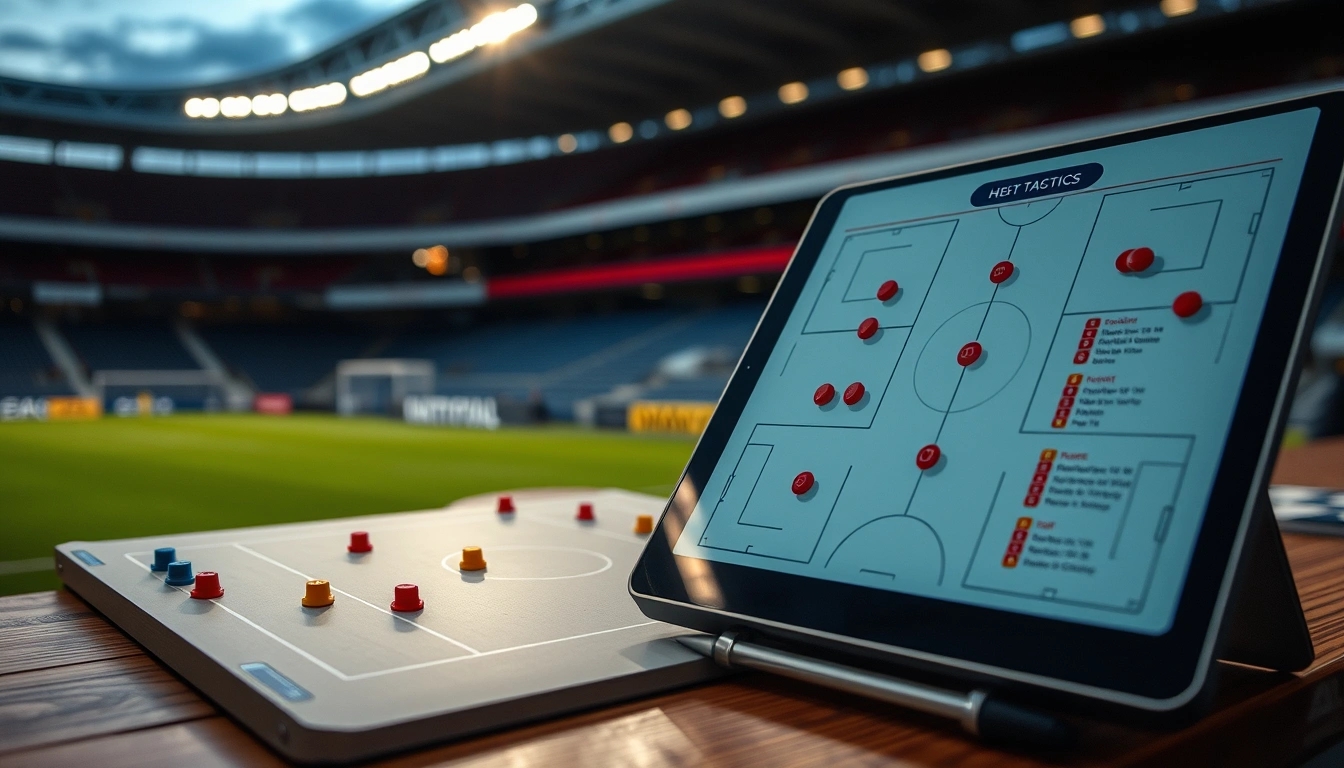
The Future of Football Tactics Post-Guardiola
It’s no secret that Pep Guardiola has been a seismic force in the world of football tactics, but what happens when the man who rewrote the playbook eventually steps aside? The future of football tactics post-Guardiola is a fascinating, somewhat unpredictable landscape, where his innovations will either be built upon, challenged, or maybe even discarded by the next wave of tactical masterminds.
First off, let’s talk about positional play, the very heartbeat of Guardiola’s philosophy. This idea of controlling space and dictating tempo has become almost gospel in modern coaching circles. But here’s the kicker: as more teams adopt this style, it’s bound to evolve or even mutate. Expect to see variations that blend positional play with more direct, counter-attacking approaches — a hybrid model that keeps opponents guessing. The era of rigid positional grids might give way to more fluid, dynamic interpretations.
| Trend | Description | Impact |
|---|---|---|
| Adaptive Positional Play | Flexible positioning based on real-time game scenarios. | Higher unpredictability and better space exploitation. |
| Data-Driven Micro Adjustments | Instant tactical tweaks using AI and analytics during matches. | Sharper responses to opponent strategies. |
| Multi-Role Players | Players trained for several roles to switch mid-game seamlessly. | Greater tactical fluidity and depth. |
Now, don’t get me wrong — Guardiola wasn’t perfect. Some critics argue his teams sometimes get trapped in their own web, overthinking and overcomplicating things. So, the next tactical revolution might swing the pendulum back towards simplicity or introduce a new kind of chaos that breaks free from Guardiola’s tight control. Imagine a world where unpredictability is king again, and coaches deliberately throw out the rulebook to confuse opponents.
Another juicy angle is how technology will shape the game post-Guardiola. He was one of the first to embrace data analytics seriously, but the future could see AI-driven real-time coaching becoming the norm. Coaches might soon get live suggestions fed directly into earpieces or watches — sounds like sci-fi, but it’s closer than you think. This could revolutionize halftime talks and substitutions, making football even more tactical and less about gut feeling.
- Will pressing evolve? Guardiola’s high press was a game-changer, but expect opponents to find smarter counters, perhaps using deception and fake pressing traps.
- What about player versatility? The trend of multi-functional players will likely accelerate, with athletes trained to switch roles on a dime, confusing defenses.
- Could new formations emerge? Forget the classic 4-3-3 or 3-5-2; future formations might look like living organisms, constantly shifting shapes.
In the end, Guardiola’s legacy isn’t just about the tactics he used, but the mindset he instilled — a relentless quest for improvement and innovation. The football world will keep riffing on his ideas, sometimes hitting the right notes, other times missing the beat. But that’s the beauty of the sport: it never stands still.
So, buckle up. The post-Guardiola era promises to be a wild ride of tactical experiments, technological leaps, and maybe a few surprises that no one saw coming. Whether it’s a return to basics or a leap into uncharted territory, one thing’s for sure — football tactics will never be boring again.
Frequently Asked Questions
- Who is Pep Guardiola and why is he considered a tactical genius?
Pep Guardiola is a former professional footballer turned coach, renowned for revolutionizing modern football tactics. His innovative approach, especially his mastery of positional play, has reshaped how teams control the game, making him a standout figure in football history.
- What exactly is positional play in Guardiola’s philosophy?
Positional play is all about players occupying specific zones on the pitch to create passing triangles and maintain ball control. Think of it as a chess game where every piece knows its perfect spot, allowing the team to dominate possession and dictate the flow of the match.
- How did Guardiola adapt his tactics across different clubs?
From Barcelona to Bayern Munich and beyond, Guardiola flexibly evolved his strategies to suit different leagues and player strengths. While his core principles remained intact, he tweaked formations and pressing intensity to exploit opponents’ weaknesses.
- What role does pressing and counter-pressing play in Guardiola’s system?
Pressing and counter-pressing are like a double-edged sword in Guardiola’s playbook. His teams aggressively press to regain possession quickly, then immediately counter-press to disrupt opponents’ rhythm, creating constant pressure that often leads to mistakes and scoring opportunities.
- How has Guardiola changed traditional player roles?
Guardiola turned the idea of fixed positions on its head by crafting versatile players who can perform multiple functions. This adaptability allows his teams to fluidly switch roles mid-game, keeping opponents guessing and enhancing tactical unpredictability.
- Does Guardiola use technology and data in his coaching?
Absolutely! Guardiola embraces data analytics and cutting-edge technology to analyze performances, identify patterns, and fine-tune his tactics. This tech-savvy approach gives his teams a competitive edge that blends art with science.
- What criticisms has Guardiola faced regarding his tactics?
While many praise his genius, some critics argue that his tactics can be overly complex or rigid, potentially stifling creativity or leaving teams vulnerable if opponents adapt effectively. But like any pioneer, his methods spark debate and evolve over time.
- How has Guardiola influenced other modern football coaches?
His tactical innovations have inspired a whole generation of coaches worldwide. Many have adopted his principles of positional play and pressing, making his influence a seismic force shaping football’s tactical landscape.
- What might the future of football tactics look like post-Guardiola?
Guardiola’s legacy sets a high bar, but football will keep evolving. Expect more integration of technology, even smarter pressing, and perhaps new tactical revolutions inspired by his groundbreaking work. The game’s tactical future is bright and full of surprises!